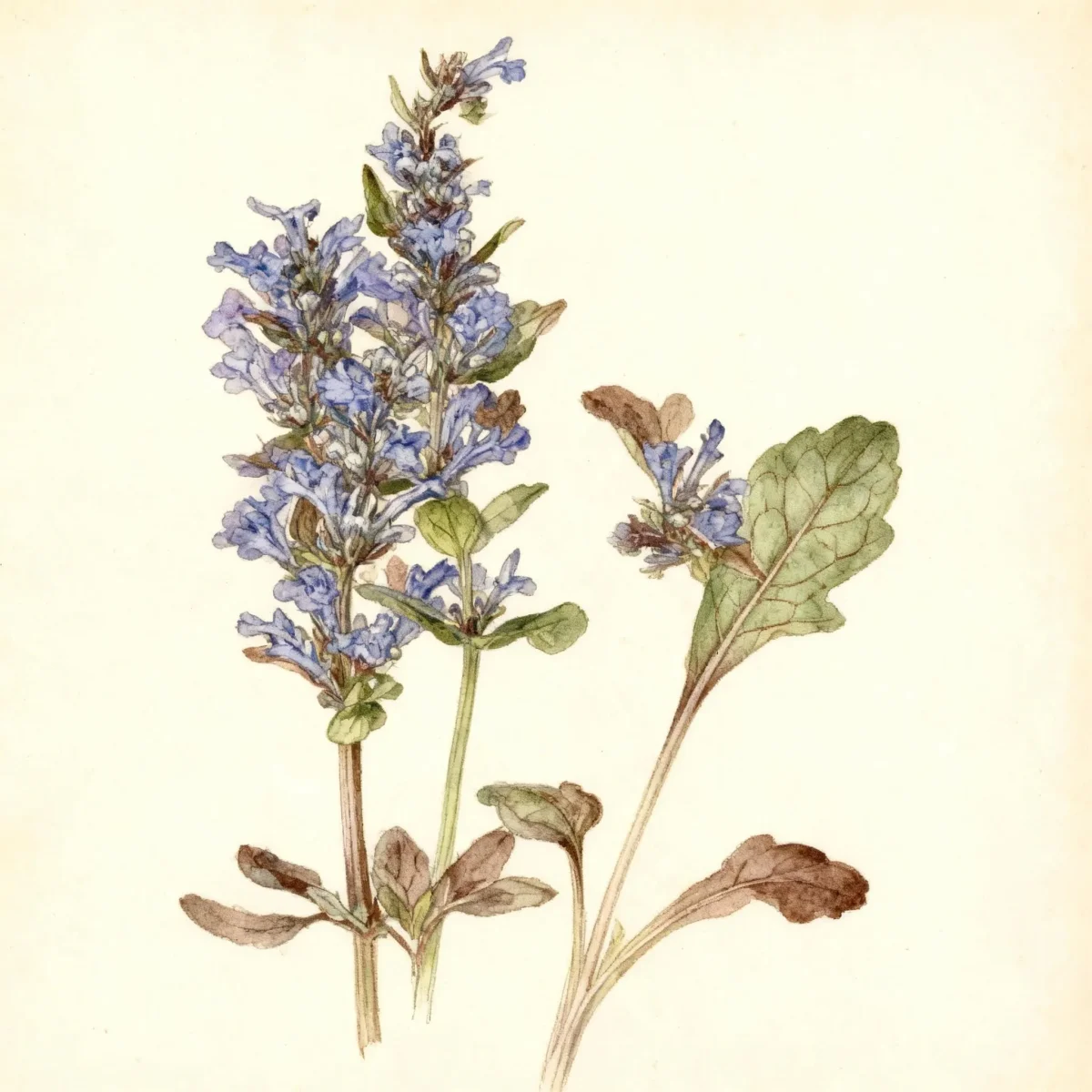
Common bugle (Ajuga reptans)
Ajuga reptans, or Common bugle, is a low-maintenance, rapidly spreading perennial ideal for dense ground cover in sun to partial shade.
Scroll down to discover growing tips, care requirements, companion plants, and more
Complete Plant Information
Overview
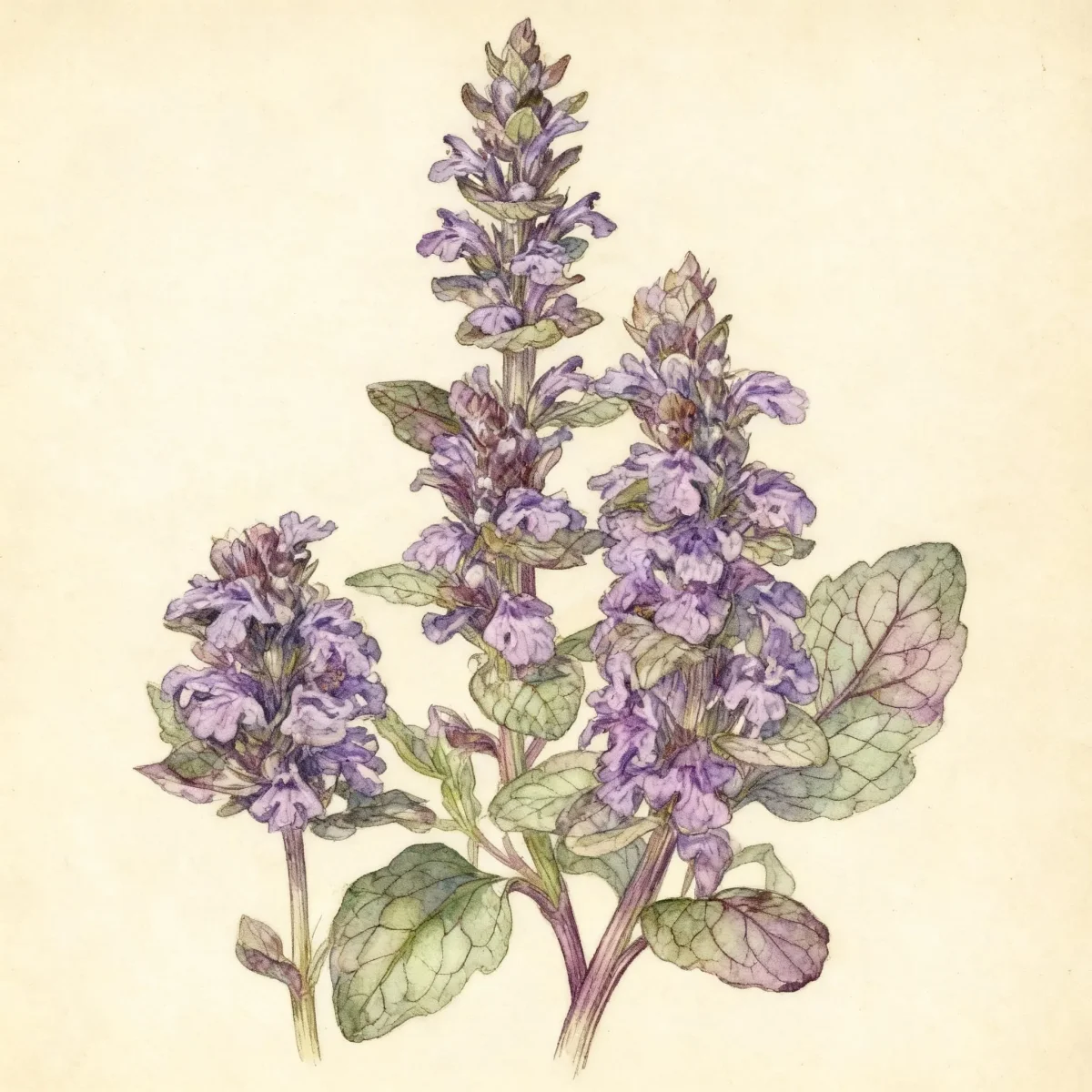
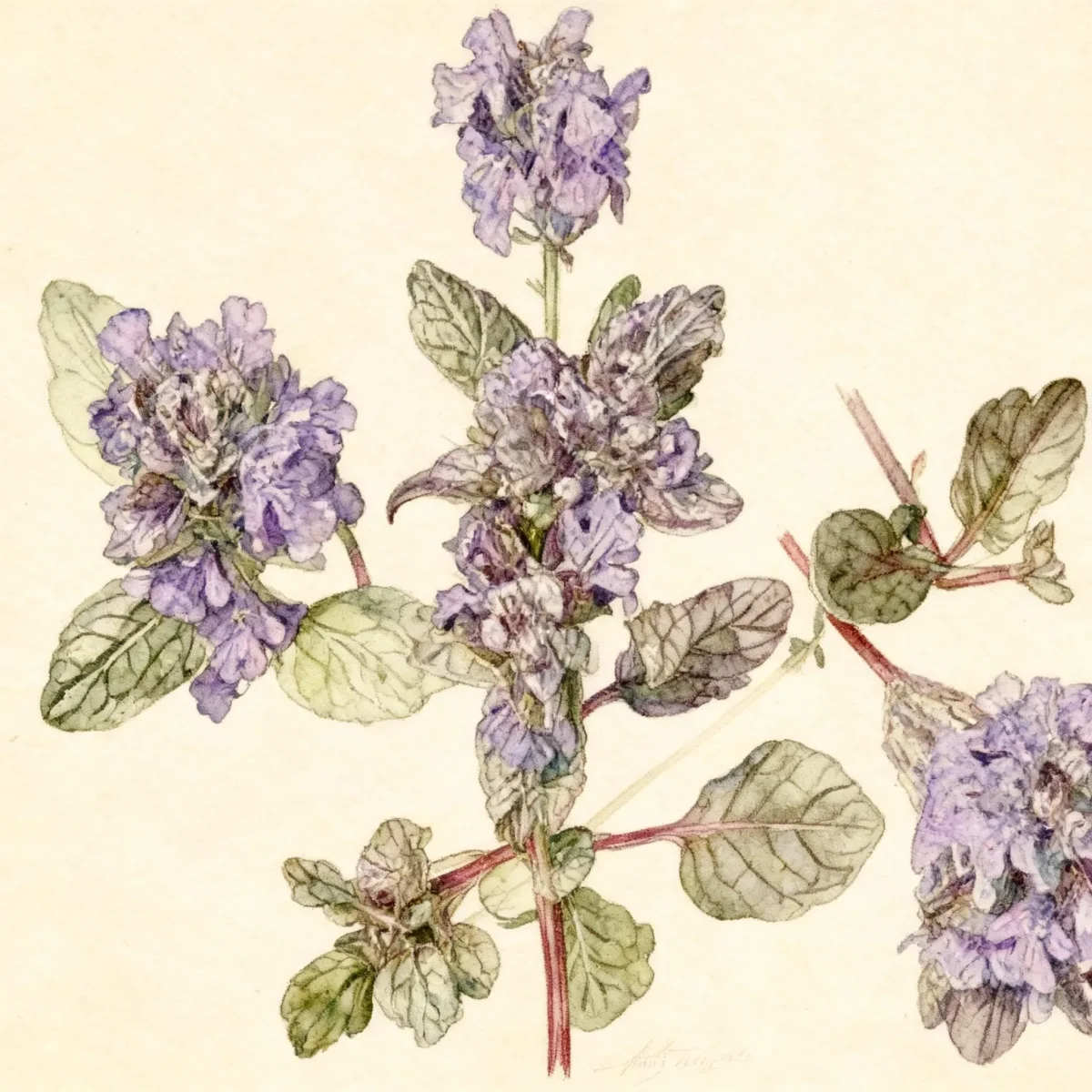
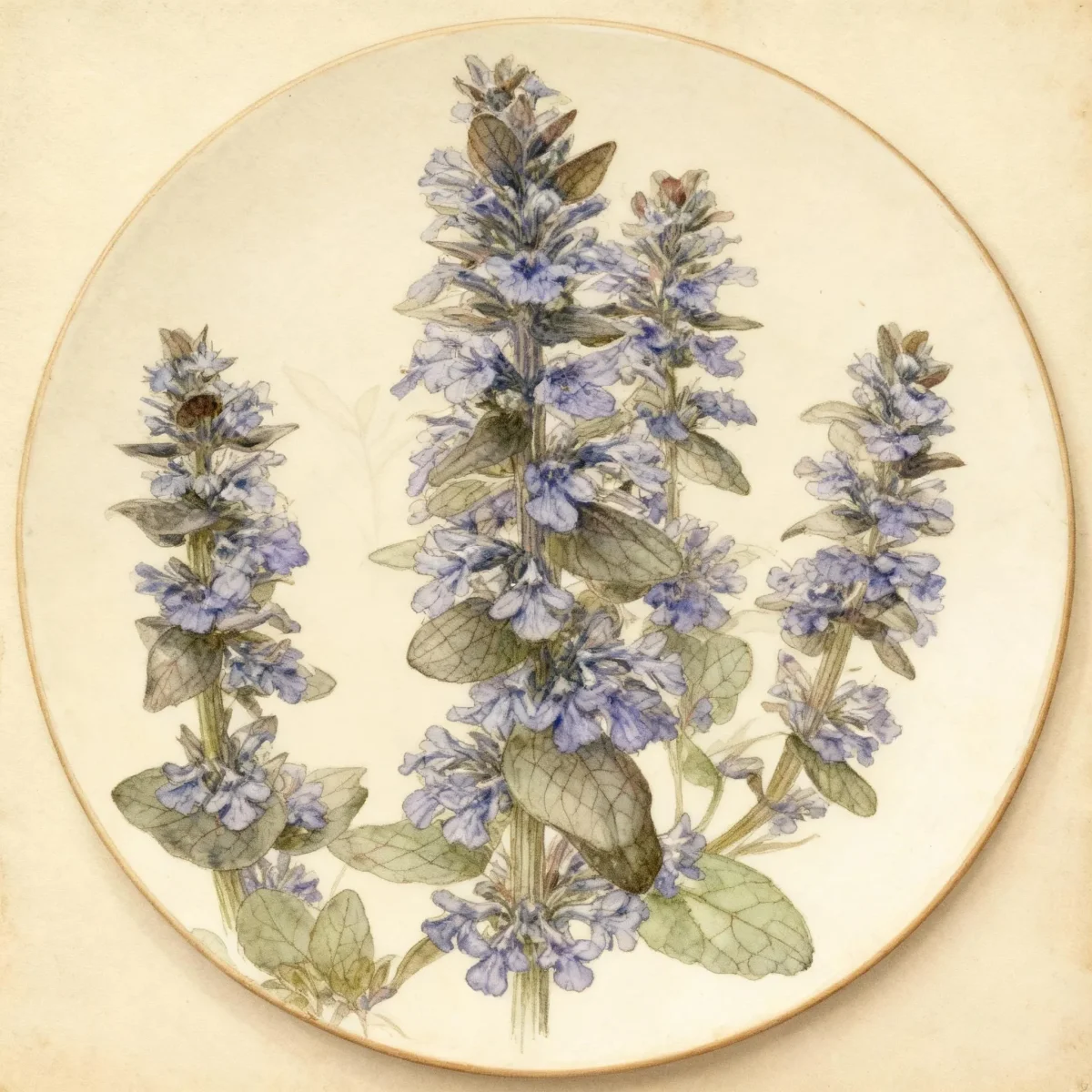
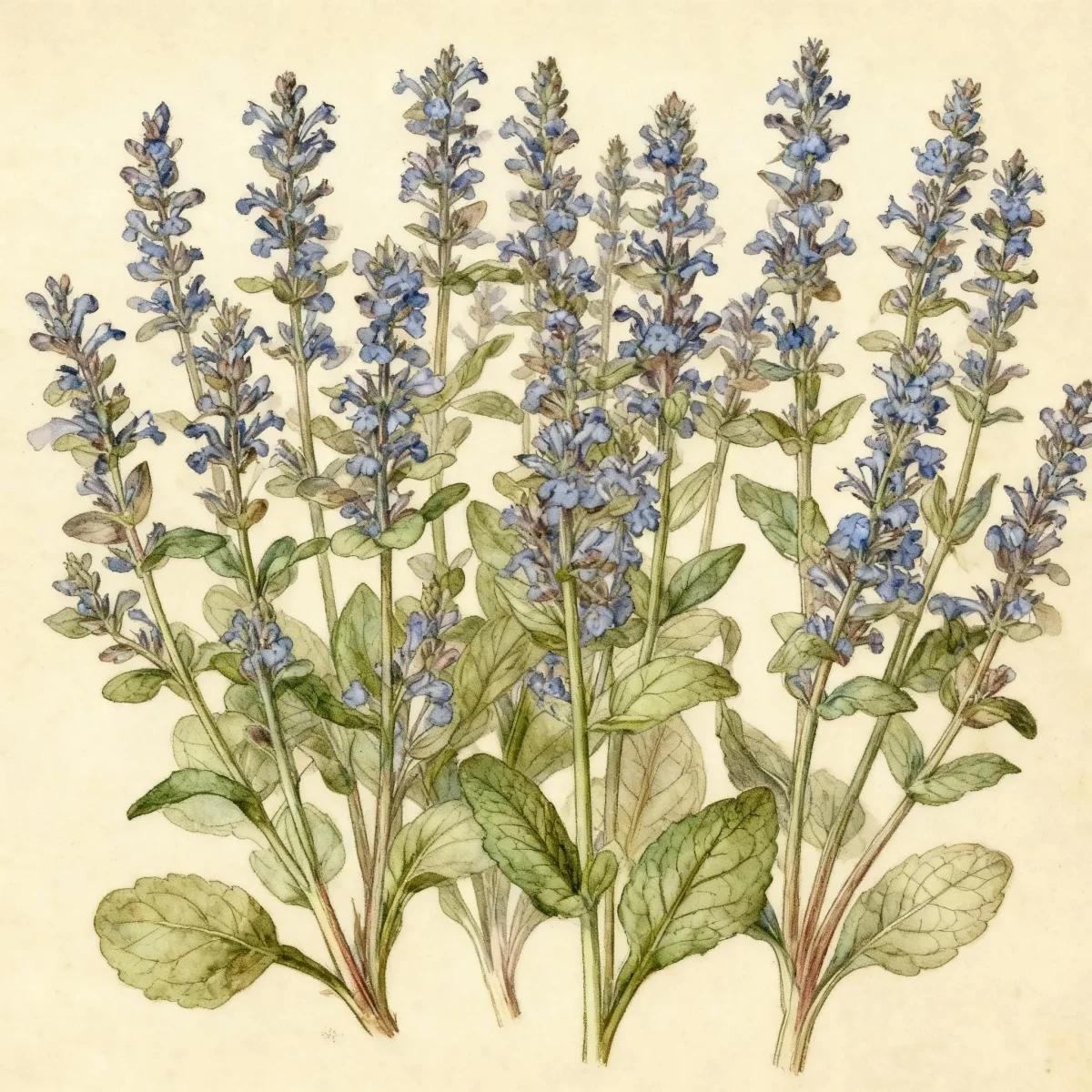
Ajuga reptans, commonly known as Common bugle, is highly valued by gardeners for its dense, rapidly spreading habit, creating a robust, mat-like ground cover. This herbaceous perennial features attractive, shiny foliage that effectively chokes out unwanted weeds, making maintenance relatively simple once established. When in full bloom, the whorls of blue-violet flowers rising above the deep green leaves offer a very striking seasonal display.
This resilient plant thrives in average, well-drained soils and enjoys everything from full sun to partial shade, though foliage color is often best achieved with a few hours of direct sun daily. The creeping nature of Ajuga reptans, evidenced by the species epithet reptans (creeping), allows it to quickly fill in difficult areas beneath trees or over slopes where turf struggles. Its low growth habit and attractive persistence make it a cornerstone for low-level landscaping.
Growing Common bugle is an excellent strategy for creating continuous color and texture across the landscape with minimal ongoing effort. Its ability to naturalize well means fewer replacements are needed, providing long-term ground stabilization. Gardeners should be mindful of its vigorous spread when placing it near manicured lawns or delicate perennial borders.
Fast Facts
- Plant Family: Lamiaceae
- Plant Type: Herbaceous perennial
- Native Range: Europe, northern Africa, southwestern Asia
- Hardiness Zones: USDA Zones 3-10
- Size at Maturity:
- Height: 0.5-0.75 ft
- Spread: 0.5-1 ft
- Bloom Time: May to June
- Bloom Description: Blue
- Sun Exposure: Full sun to part shade
- Water Needs: Medium
- Maintenance Level: Low
How to Grow
Planting Common bugle is best done in spring or fall, placing the stoloniferous plants spaced 6 to 9 inches apart to encourage prompt coverage. This species prefers moist, humusy soils that drain well but shows tolerance for moderately dry conditions once established. While it can tolerate full shade, ensure your location provides at least 3 to 4 hours of sun per day for the best foliage coloration if you are growing non-green cultivars.
Care for Ajuga reptans is minimal; it requires medium water, especially during dry spells, but established plants are quite robust. You generally will not need fertilizer. After the blue flowers fade in June, plants may be cut back severely to rejuvenate the foliage appearance. For large areas, mowing at a high setting can tidy up spent flower spikes.
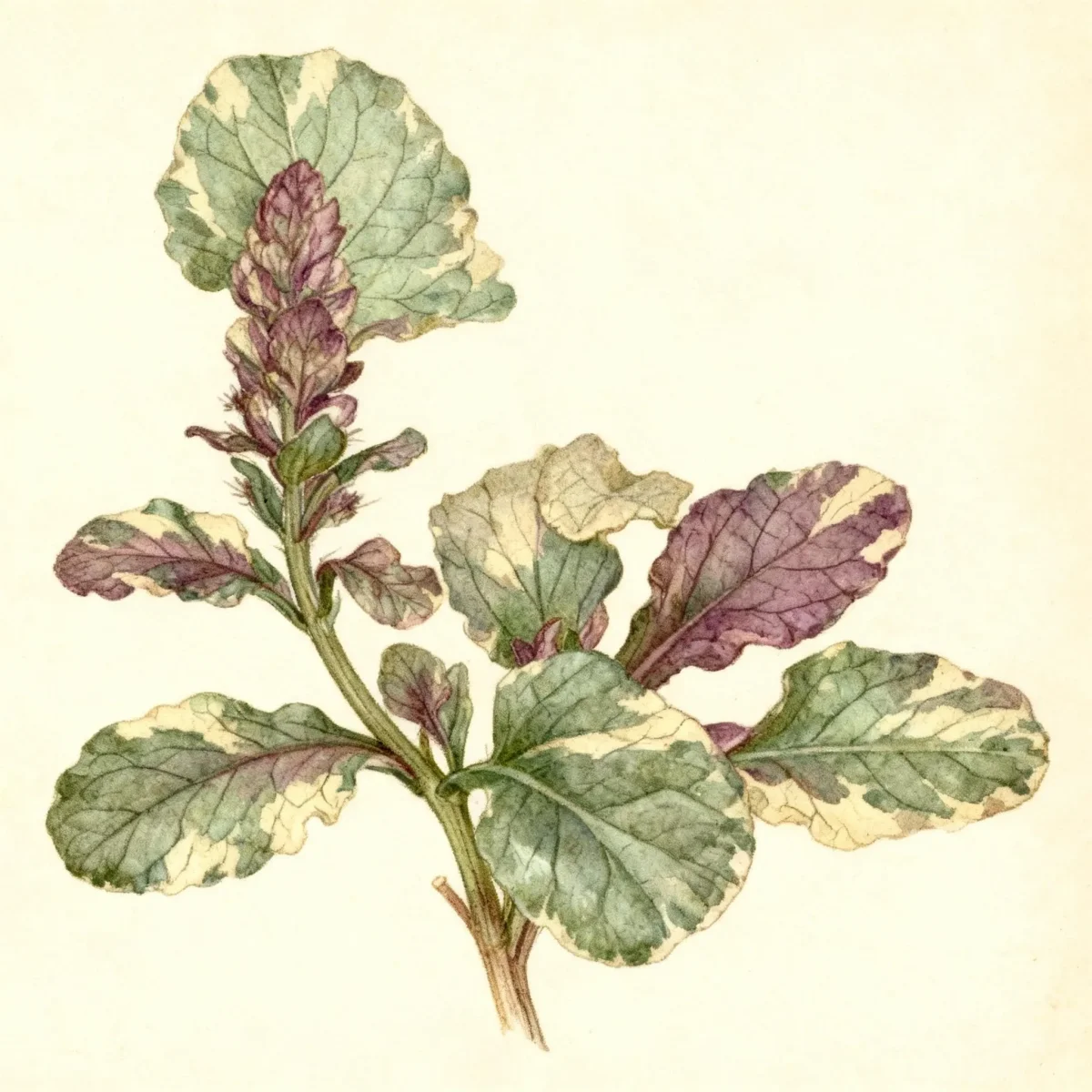
Because this low-growing perennial spreads via runners, good air circulation is crucial, especially in hot, humid climates, to mitigate the risk of crown rot. If clumps become too dense or the plant begins to look tired, divide the overcrowded sections. Gardeners maintaining variegated forms must actively watch for and remove any solid green, non-variegated shoots that emerge from the runners.
Landscape Uses
The primary function of Ajuga reptans is establishing dense, weed-suppressing ground cover. It excels in large, shady sections of the yard where maintaining a traditional lawn is impractical, such as under mature shade trees or along steep banks and slopes. Its tight mat suppresses erosion effectively while providing seasonal interest from its blue flower spikes.
Consider planting Common bugle near spring-flowering bulbs like snowdrops; the Ajuga foliage will emerge as the bulbs finish blooming, masking the dying bulb foliage. In small spaces, containers, or rock gardens, this plant adds textural contrast, especially variegated cultivars. However, a key warning for landscape design involves keeping it separated from lawns, as the vigorous stolons will inevitably creep into the turf, creating islands of bugleweed that are difficult to eradicate once integrated.
Standout Features
Flower Qualities
- Showy
Noteworthy Characteristics
Ajuga reptans, commonly called bugleweed, is a dense, rapidly spreading, mat-forming ground cover which features shiny, dark green leaves. Whorls of tiny, blue-violet flowers appear in mid to late spring on spikes rising above the foliage to 10”. Cultivars of this species feature leaves with more interesting and varied foliage color.
Tolerances
- Rabbit
- Deer
- Black Walnut
Potential Problems
Crown rot presents the primary challenge for Common bugle, especially in locations with heavy soils or the high humidity often found in the deep South. To prevent this issue, avoid planting Ajuga reptans in perpetually wet areas and ensure the site has adequate air movement. If overcrowding occurs, dividing the clumps is essential management practice. Furthermore, gardeners must be diligent about containing its spread by avoiding placement near the edges of lawns or delicate perennial beds where its invasive runners can become problematic.
Frequently Asked Questions
What hardiness zones is Common bugle suitable for?
Ajuga reptans is hardy across a wide range, suitable for USDA Zones 3 through 10.
How large does Common bugle grow?
This plant is very low-growing, reaching mature heights between 0.5 to 0.75 feet tall, with a spread ranging from 0.5 to 1 foot.
What sun exposure does Common bugle need?
Common bugle thrives in conditions ranging from full sun to part shade, though partial shade often yields the best foliage quality.
When does Common bugle bloom?
The distinctive bloom time for Ajuga reptans is typically May to June, producing short spikes of blue flowers.
Conclusion
Common bugle offers exceptional value as a fast-spreading, low-maintenance ground cover capable of suppressing weeds in challenging garden spots. The striking blue blooms and dense foliage of Ajuga reptans provide texture year-round. Before planting, assess your local hardiness zone and verify that the site offers adequate drainage to ensure lasting success with this reliable perennial.
Companion Planting
When selecting companions for Ajuga reptans, focus on plants that share similar cultural needs: tolerance for partial shade and consistent moisture, but excellent drainage. Hostas work wonderfully alongside Common bugle, as the broad leaves of the Hosta contrast beautifully with the Ajuga’s creeping habit, creating layered interest in shady borders. Other excellent partners include Lungwort (Pulmonaria) and woodland phlox, which offer varying bloom times and foliage textures while benefiting from the soil stabilization provided by the bugleweed mat.
Propagation Tips
Propagation of Ajuga reptans is extremely straightforward due to its natural runners, or stolons. These creeping stems root wherever they touch moist soil, quickly establishing new individual plants. To propagate intentionally, simply sever a healthy runner that already has roots attached—or even one without roots, provided you plant it immediately in moist soil. Alternatively, established clumps can be divided in early spring or fall; gently lift sections of the mat, ensuring each division has several crowns, and replant them immediately at the desired spacing to promote rapid establishment.