Horse balm (Collinsonia canadensis)
Discover Horse balm (Collinsonia canadensis), a low-maintenance Eastern North American native perennial with fragrant yellow flowers.
Scroll down to discover growing tips, care requirements, companion plants, and more
Complete Plant Information
Overview
Collinsonia canadensis, widely known by its common name Horse balm, is a distinctive herbaceous perennial perfect for shaded woodland settings. This Missouri native brings late-season interest to the garden with clusters of tiny, yet noticeable, light yellow flowers appearing in late summer. Its value lies not only in its aesthetic but also in its unique sensory appeal, as both the foliage and flowers release a pleasant citronella-like fragrance when touched.
As an easily established species, Horse balm thrives in average soil conditions, making it a highly adaptable choice for gardeners seeking low-intervention native plantings. Its robust structure, featuring square stems typical of the mint family, allows it to reach heights of 2 to 4 feet, providing vertical interest where many shade perennials lag in late summer.
For gardeners focused on native plant revival or naturalized areas, Collinsonia canadensis offers an excellent solution that integrates seamlessly into rich woodland environments. Its low maintenance needs ensure that once established, this plant requires minimal fuss, rewarding gardeners with reliable performance and unique late-season color and scent.
Fast Facts
- Plant Family: Lamiaceae
- Plant Type: Herbaceous perennial
- Native Range: Eastern North America
- Hardiness Zones: USDA Zones 4-8
- Size at Maturity:
- Height: 2-4 ft
- Spread: 1-3 ft
- Bloom Time: August to September
- Bloom Description: Light yellow
- Sun Exposure: Part shade
- Water Needs: Medium
- Maintenance Level: Low
How to Grow
Establishing Collinsonia canadensis is straightforward, as it prefers average, medium, well-drained soil. While it originates in rich woodlands, it proves remarkably adaptable, succeeding well even in sandy or clay soil structures. Plant during the spring or fall, ensuring it settles into a location that receives consistent part shade throughout the day, mirroring its native habitat on wooded slopes.
Watering requirements for Horse balm are medium; consistency is key, particularly during the first growing season as the plant establishes its root system. Once mature, it displays tolerance for somewhat dry soil conditions, though consistent moisture will promote the lushest foliage development. Fertilization is rarely necessary; rich, organic soil amendments benefit it more than synthetic feeding.
Maintenance for this perennial is generally low. No specific pruning is usually needed, as its late-season flowering naturally concludes its cycle. Cleanup is minimal, typically involving removing any remaining dead foliage in early spring before new growth emerges. Avoid excessive disturbance around the base, especially if utilizing its traditional medicinal roots.
Landscape Uses
The primary use for Collinsonia canadensis is within naturalized plantings, where it can spread gently, fulfilling its ecological niche in the landscape. It excels in woodland gardens, lending texture and late-season bloom among ferns and hostas that begin to fade in the heat of August and September. It integrates beautifully into native plant groupings, supporting local ecosystems.
Consider planting Horse balm along wooded borders or in shaded ravines where its height (up to 4 feet) can create a soft backdrop for smaller shade-lovers like native violets or coral bells. It is not ideal for formal hedge rows or containers due to its spreading nature, but it provides excellent coverage in large, informal beds designed to mimic natural forest floors.
Standout Features
Flower Qualities
- Showy
- Fragrant
Noteworthy Characteristics
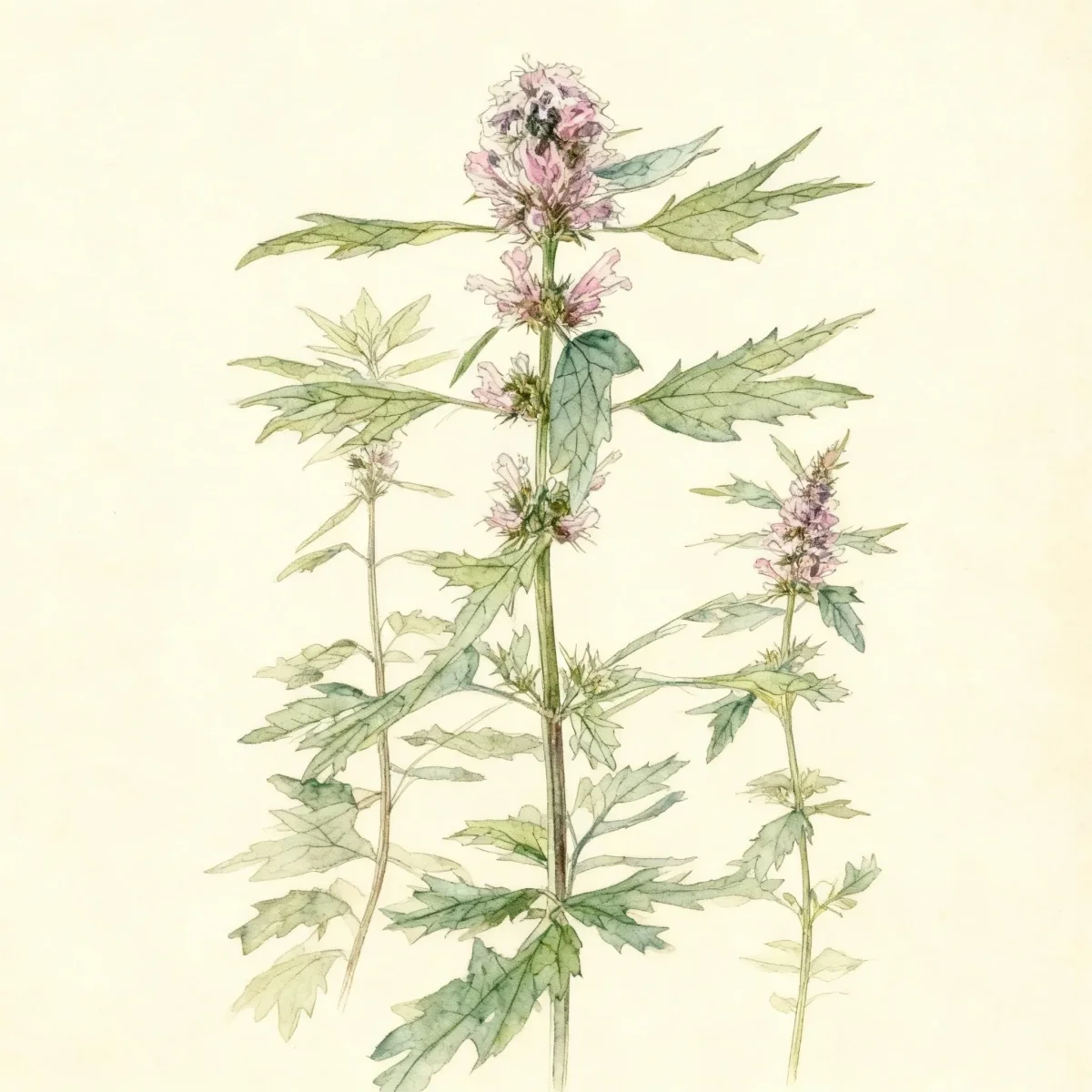
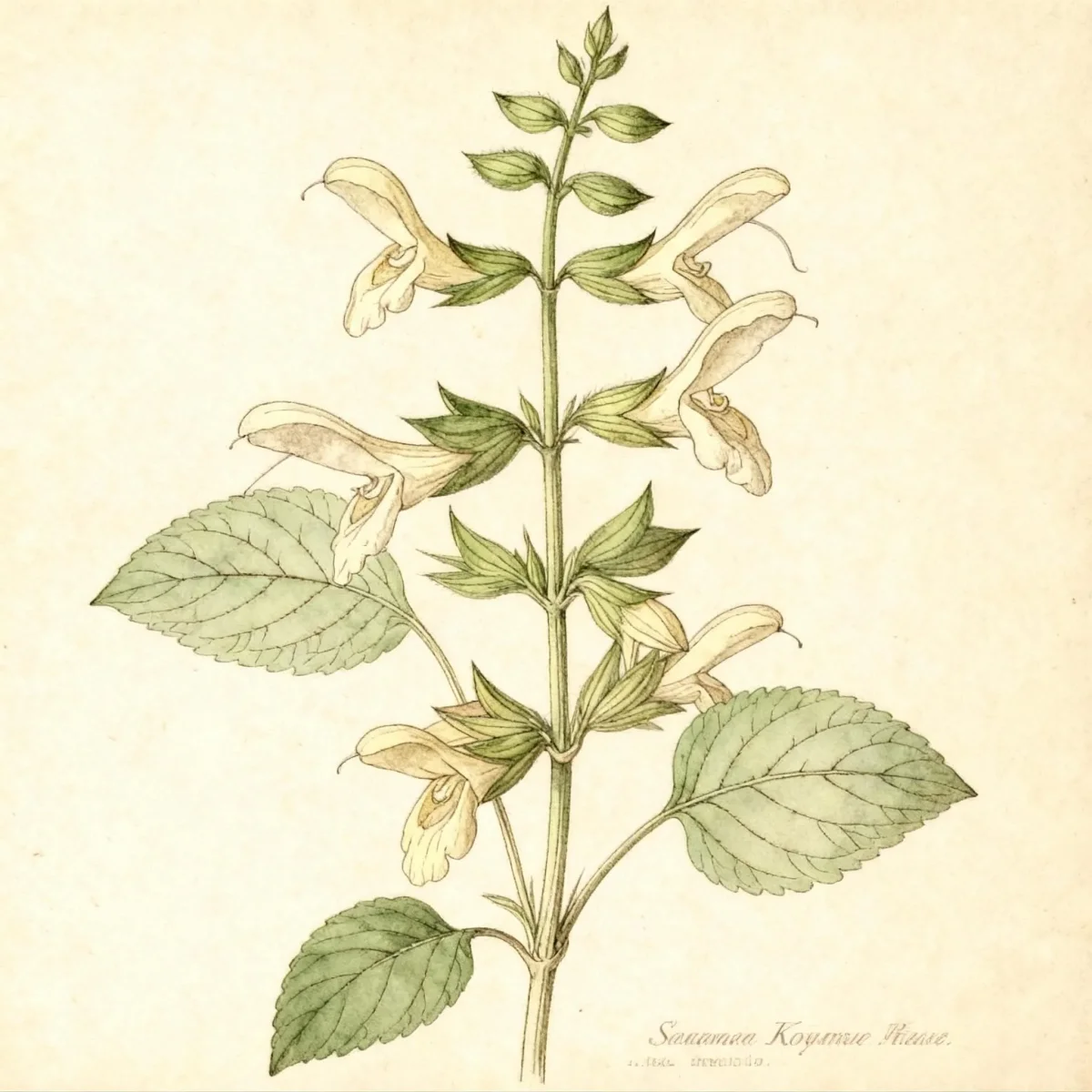
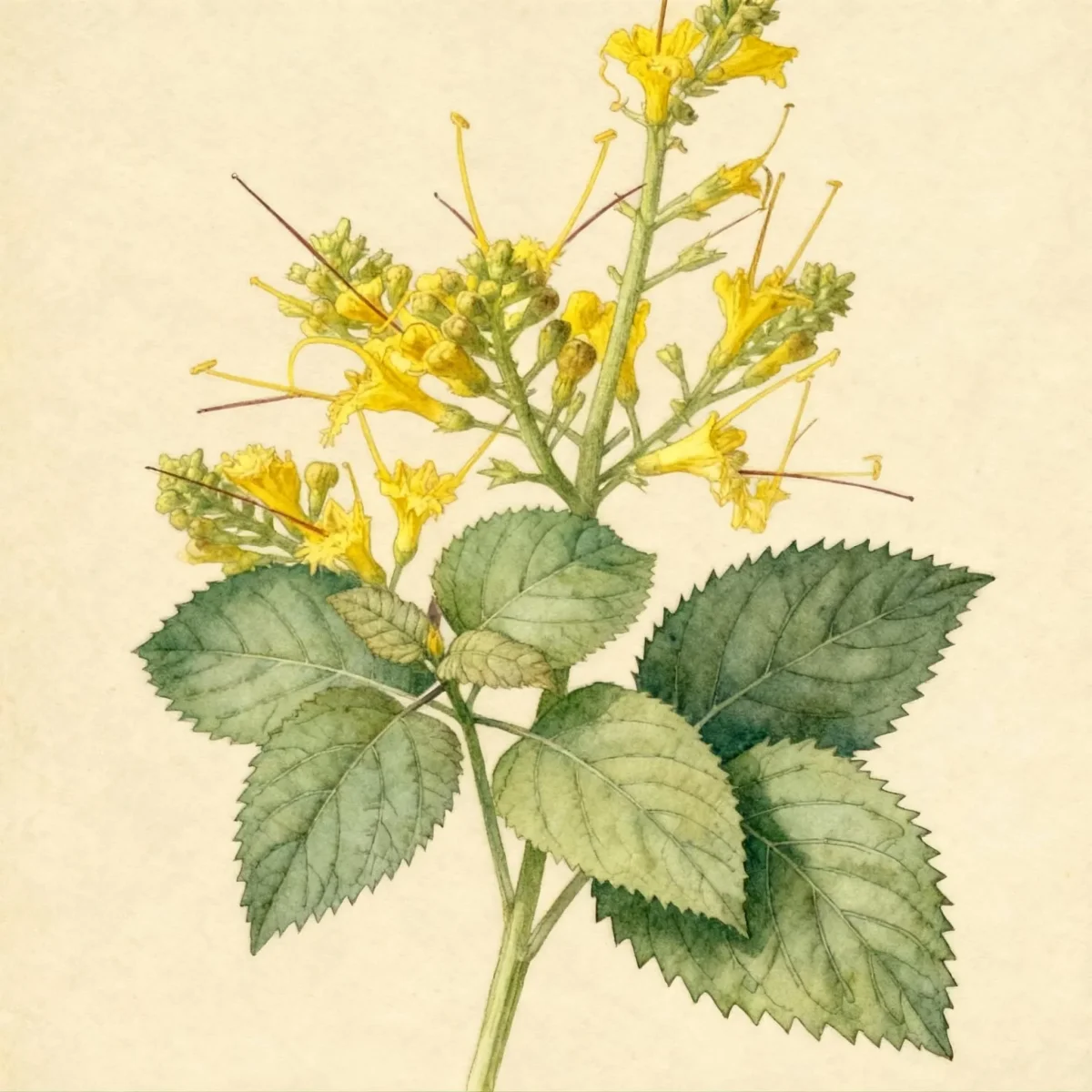
Collinsonia canadensis, commonly called horsebalm, is a Missouri native plant that occurs in rich woodlands, ravines and wooded slopes, often in limestone soils, and typically grows 2-3’ (less frequently to 4’) tall. Features elongated, branching, loose, pyramidal, terminal clusters of tiny, 2-lipped, tubular yellow flowers in mid to late summer and large, sharply toothed, ovate, green leaves (4-8”) on square stems. Foliage (when crushed) and flowers of this mint family member have a citronella-like fragrance.
Tolerances
(No data provided)
Potential Problems
A significant advantage of growing Collinsonia canadensis is its excellent pest and disease resistance. Gardeners rarely need to worry about serious insect infestations or common fungal diseases that plague many other shade perennials. This robust nature contributes directly to its low-maintenance ranking, allowing it to thrive without chemical intervention.
Frequently Asked Questions
What hardiness zones is Horse balm suitable for?
Collinsonia canadensis is reliably hardy across USDA Zones 4 through 8.
How large does Collinsonia canadensis grow?
This perennial typically matures to a height between 2 and 4 feet tall, with a spread ranging from 1to 3 feet wide.
What sun exposure does Horse balm need?
Collinsonia canadensis prefers a location that receives part shade throughout the day for optimal growth.
When does Horse balm bloom?
You can expect the distinct light yellow flowers of Horse balm to appear from August into September.
Conclusion
For gardeners seeking effortless structure and unique late-season fragrance in shaded areas, Horse balm (Collinsonia canadensis) is an outstanding native perennial. Its adaptability to various soil types and very low maintenance profile make it a reliable centerpiece for woodland and native plantings. Before planting, ensure your intended site aligns with USDA Zones 4 through 8 and offers appropriate part shade conditions.
Companion Planting
Selecting appropriate companions is key to designing successful woodland gardens where Collinsonia canadensis thrives. Because Horse balm appreciates medium moisture and part shade, pair it with other robust natives that share these basic cultural needs. Good partners include large, shade-loving ferns like Ostrich Fern (Matteuccia struthiopteris) which offer strong vertical contrast, or Wild Ginger (Asarum canadense) for excellent low-growing ground cover.
Avoid placing Horse balm directly next to plants that require extremely dry conditions or intense, all-day sun, as this disparity will create management stress. Instead, focus on combining it with other mid-to-late summer bloomers within the Lamiaceae family that also appreciate rich soil, ensuring a continuous season of interest without requiring differentiated watering schedules.
Seasonal Care Calendar
Spring is the ideal time to prepare the site for Collinsonia canadensis by incorporating a light layer of compost around the base, which slowly releases nutrients throughout the season. Mid-summer checks should involve monitoring moisture levels, ensuring the medium soil requirement is consistently met, especially during dry spells, which may require supplemental watering.
During the late summer bloom time of August and September, the flowers provide rich, subtle color just as many spring bulbs fade. In autumn and early winter, wait until the foliage has fully died back naturally before clearing away the plant debris. This allows the plant to store energy in its rhizomes for robust regrowth the following spring.