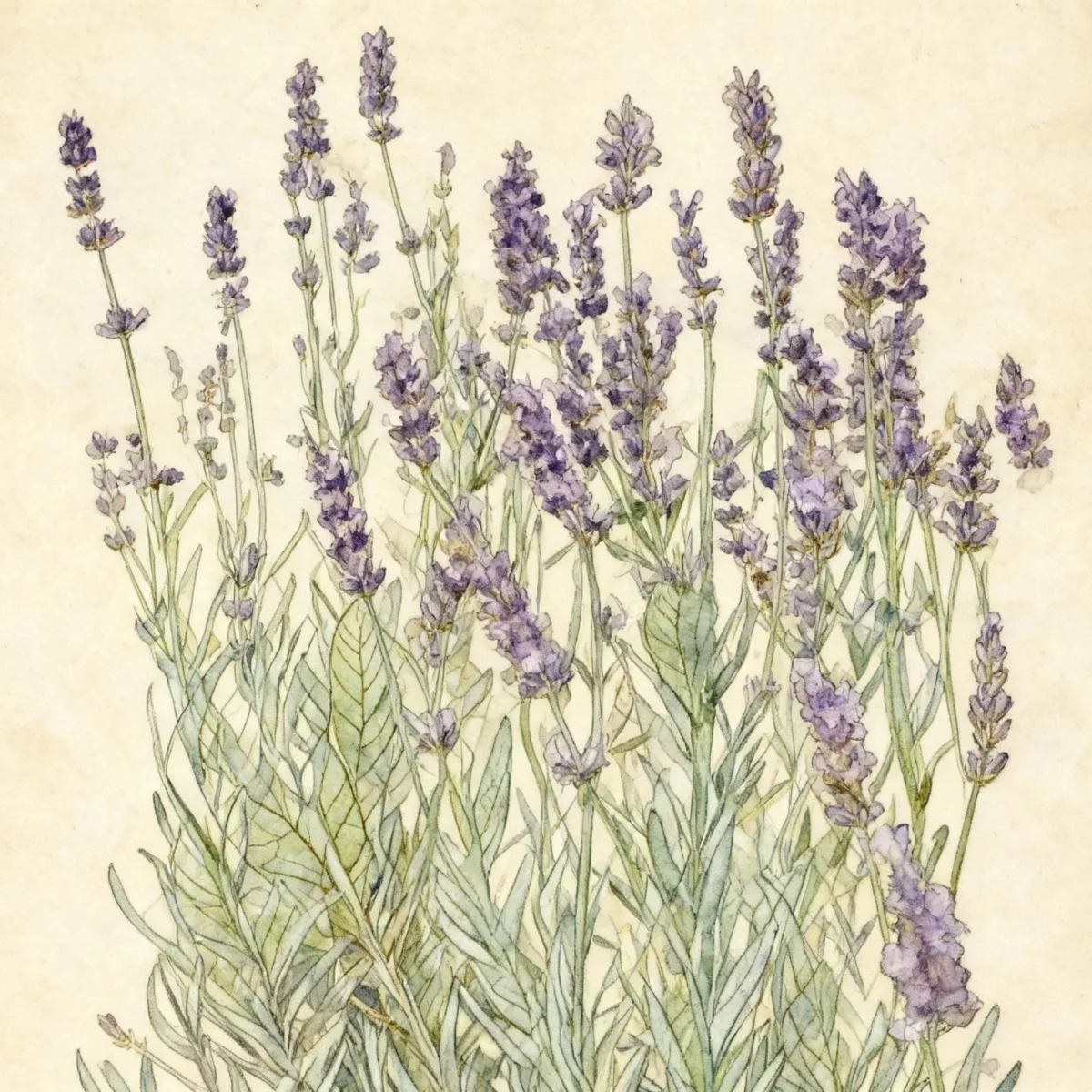
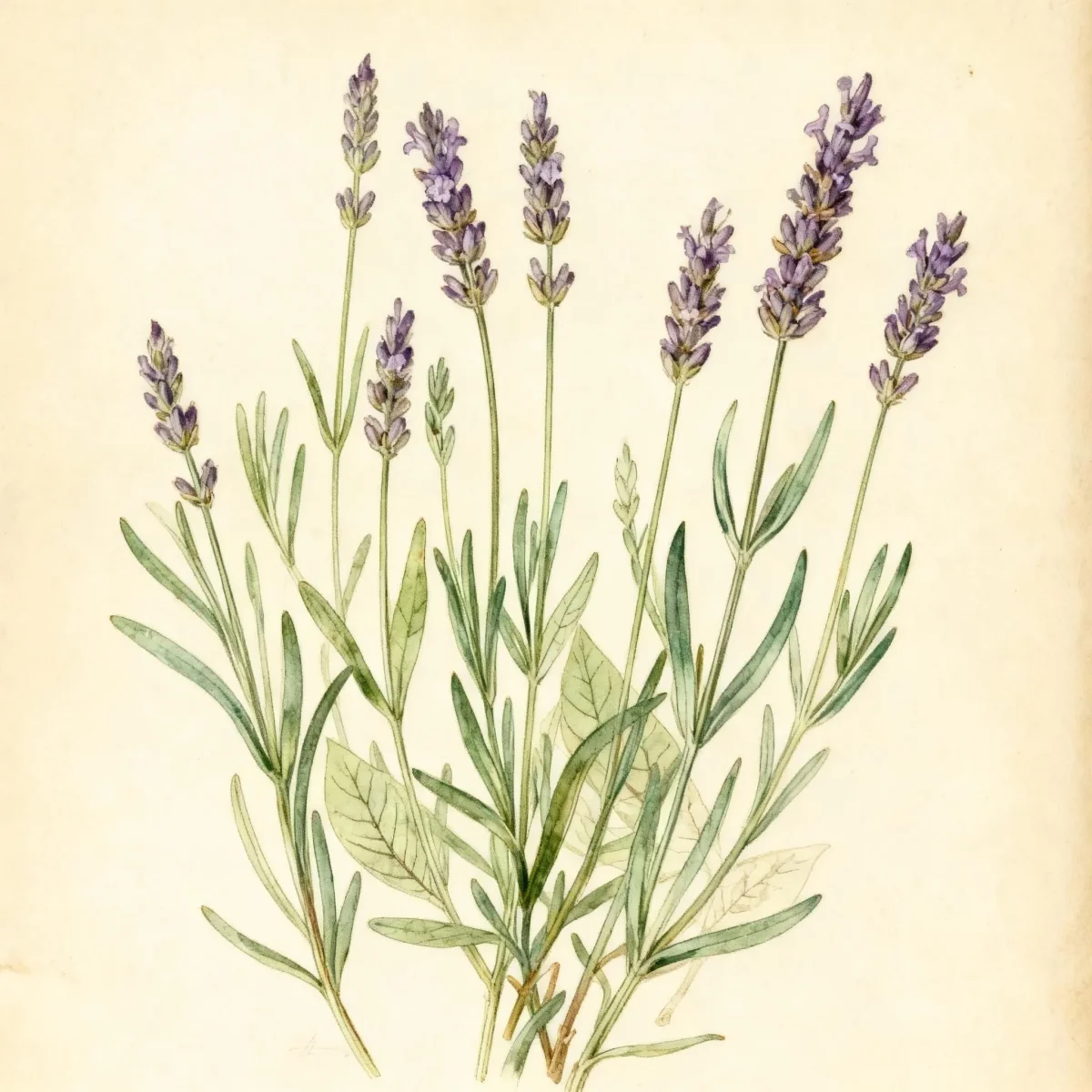
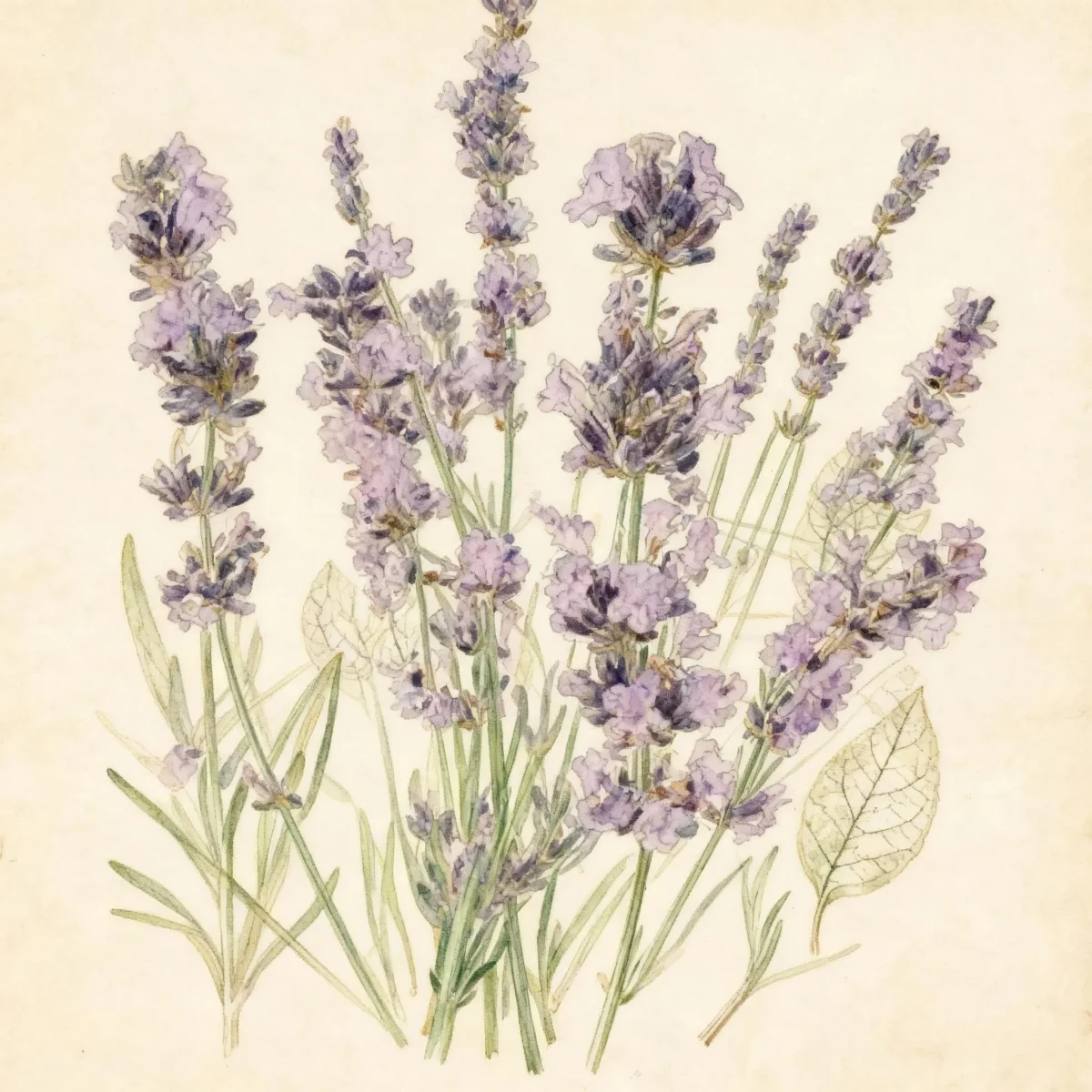
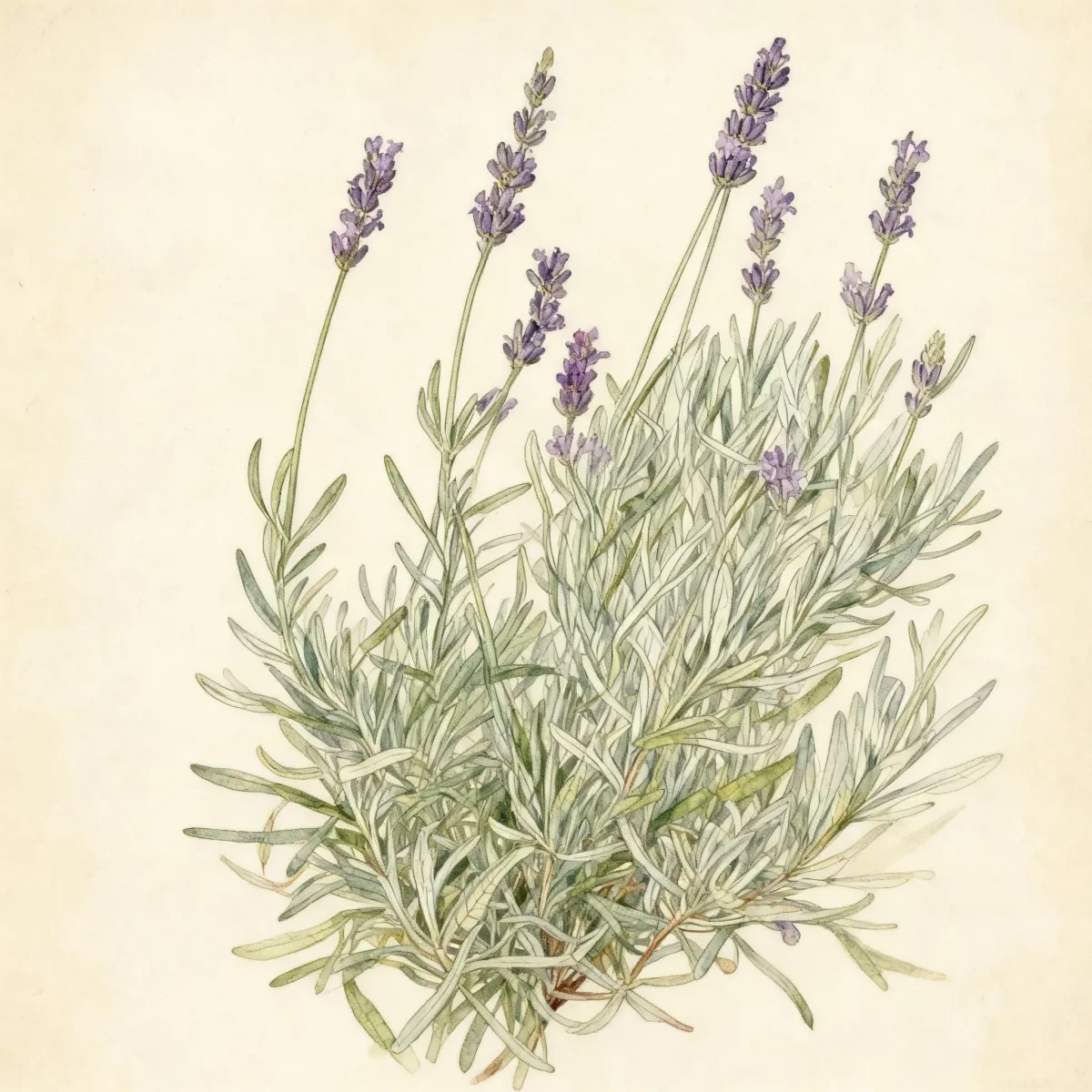
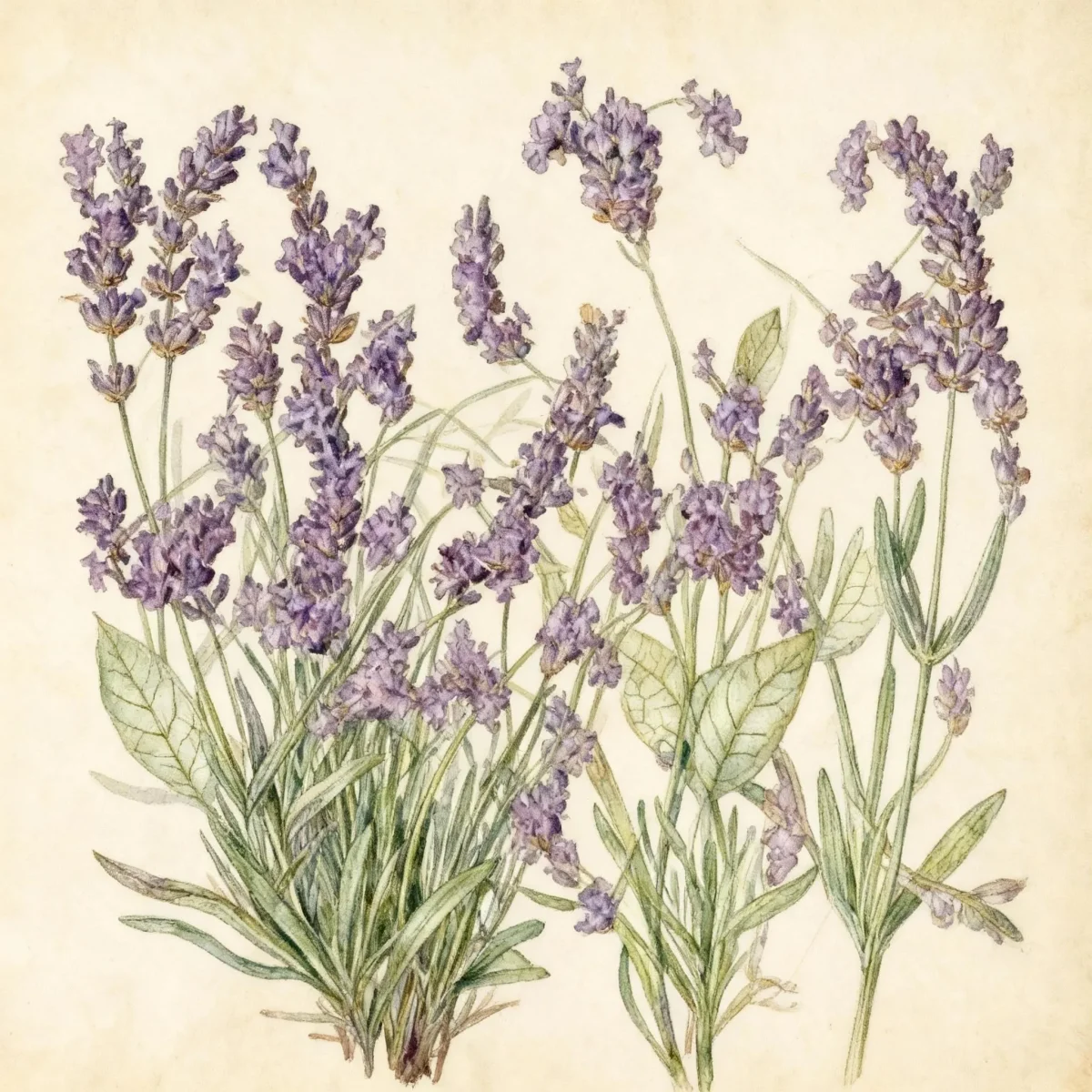
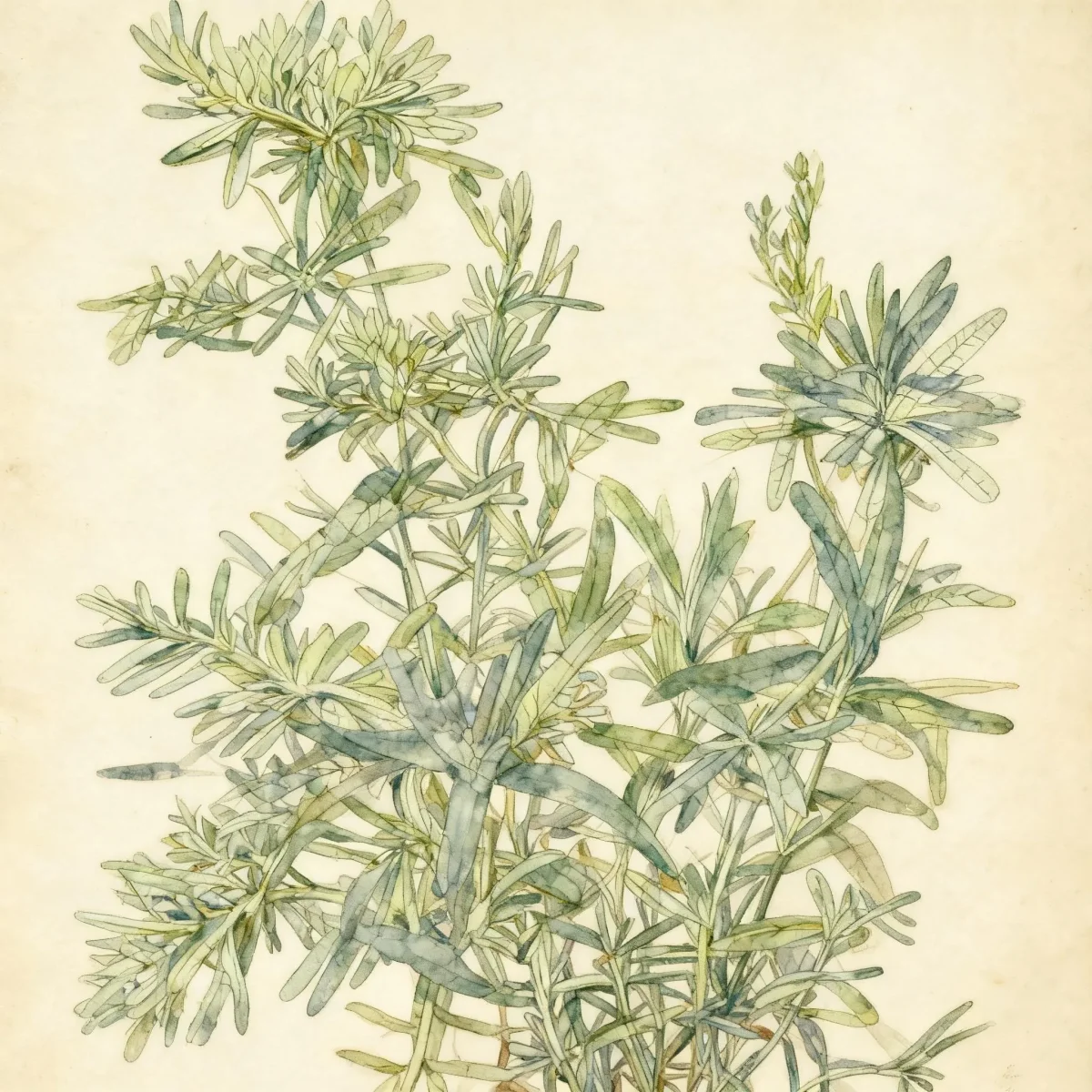
English lavender (Lavandula angustifolia)
Discover Lavandula angustifolia, the classic English lavender, prized for fragrant purple blooms in full sun conditions.
Scroll down to discover growing tips, care requirements, companion plants, and more
Complete Plant Information
Overview
Lavandula angustifolia, widely known as English lavender, remains a favorite herb for its intensely aromatic foliage and beautiful, long-lasting purple flower spikes. This herb provides essential mid-summer color contrast with its signature narrow, gray-green leaves. As a semi-woody perennial, it offers reliable structure in the garden while being commercially valuable for essential oils and potpourri.
This “true lavender” thrives on minimal care provided its cultural needs—full sun and excellent drainage—are met. Gardeners treasure English lavender for its clean fragrance, which is often preferred for culinary uses over other lavender types. While historically associated with English climates, knowing the specific needs of Lavandula angustifolia regarding humidity and drainage is key to its success outside its native Mediterranean range.
Fast Facts
- Plant Family: Lamiaceae
- Plant Type: Herbaceous perennial
- Native Range: Europe
- Hardiness Zones: USDA Zones 5-8
- Size at Maturity:
- Height: 2-3 ft
- Spread: 2-4 ft
- Bloom Time: June to August
- Bloom Description: Purple
- Sun Exposure: Full sun
- Water Needs: Dry to medium
- Maintenance Level: Medium
How to Grow
Plant English lavender in the spring or fall in a location that guarantees full sun exposure throughout the day. The single most critical requirement is excellent drainage; incorporate amendments like sand or grit if your soil is heavy toward clay, as the plant requires average, dry to medium, well-drained, and slightly alkaline soil. Poorly drained soils are a primary cause of root rot in these plants.
Watering for established Lavandula angustifolia should be conservative; allow the soil to dry out between waterings. They prefer lean conditions and require somewhat low fertility, so avoid overly rich compost or heavy fertilization. To encourage more flowering and maintain good structure, promptly deadhead faded flower spikes throughout the season.
Pruning is vital for maintaining the compact shape and vigorous growth. Annually prune to shape the plant in spring just after new leaves emerge. Every third spring, cut the stems back significantly to about 8 inches tall to rejuvenate the woody structure and promote strong new growth.
Be mindful of localized climate stresses. In regions with high summer humidity, which humid climates like the St. Louis area often experience, consider using rock mulch instead of heavy organic mulches to help soil dry faster. If winter protection is necessary below zone 5, provide a sheltered location.
Landscape Uses
English lavender is far more than just an herb garden filler; it functions beautifully as front-of-border perennial. Plant groups of Lavandula angustifolia en masse for a stunning visual and aromatic impact during mid-summer. Their contrasting green-gray foliage adds texture year-round in warmer climates.
Utilize its low, dense habit to create a neat, fragrant border along pathways or as an informal, low hedge. They excel in rock gardens, where the drainage is naturally good, and integrate perfectly into scented gardens where the foliage and flowers can be enjoyed up close. The highly fragrant material dries exceptionally well, making it a perfect harvest for sachets and potpourri projects.
Standout Features
Flower Qualities
- Showy
- Fragrant
Noteworthy Characteristics
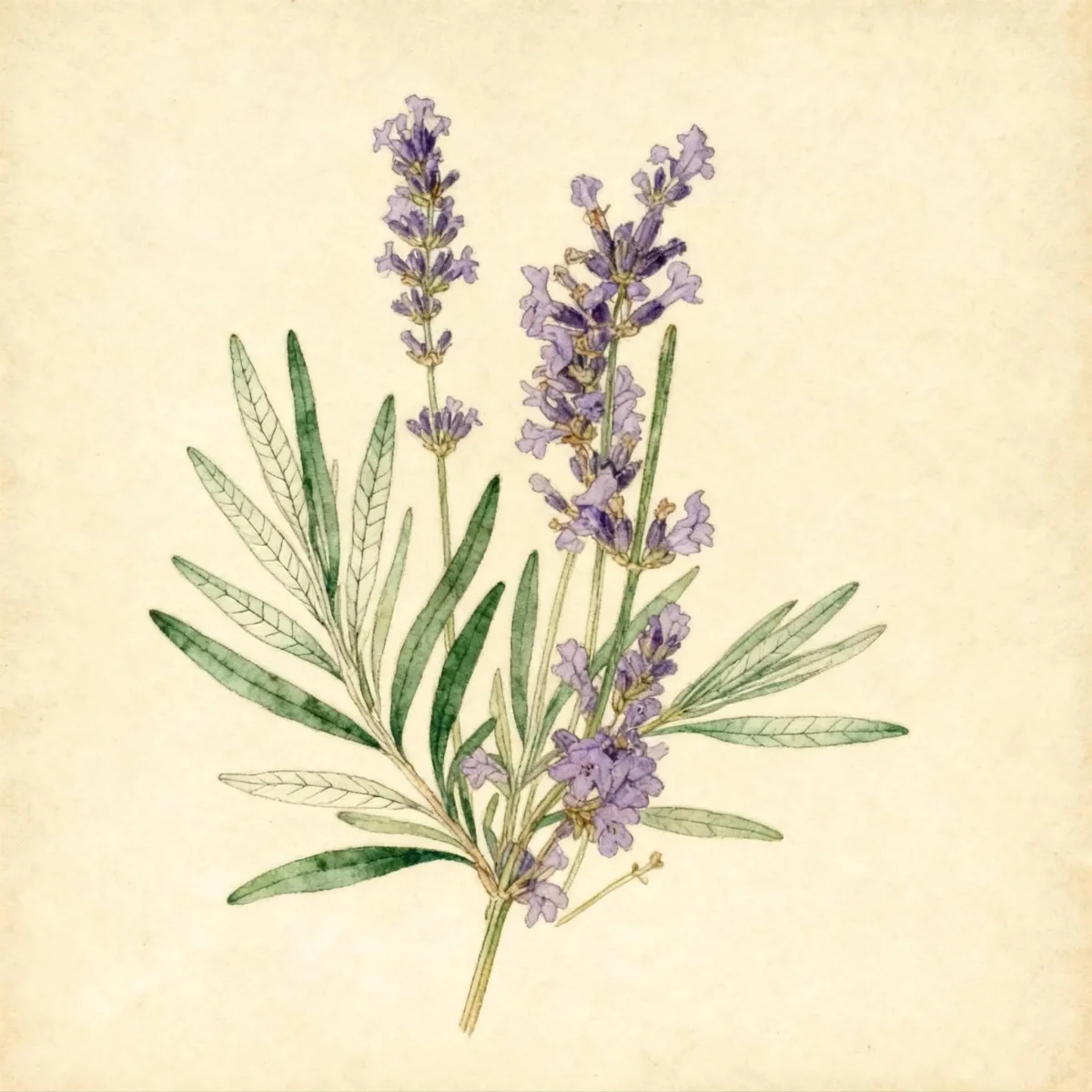
Lavandula angustifolia, commonly called English lavender, has been a mainstay of herb gardens for many years. This “true lavender” is commercially planted for harvesting its oils for use in perfumes, and its flowers and foliage are popular additions to sachets and potpourri. This semi-woody plant features narrow, gray-green leaves on square stems, topped by terminal spikes of deep purple flowers in late spring to early summer.
Tolerances
- Rabbit
- Deer
- Drought
- Dry Soil
- Shallow-Rocky Soil
- Air Pollution
Potential Problems
The two primary issues affecting Lavandula angustifolia are susceptible to leaf spot and root rot. Root rot is almost always tied directly to root system saturation; plants may not survive in winter if soils are not well-drained, especially when combined with cold temperatures dipping below zero degrees without protective snow cover. Leaf spot, a fungal issue common in high humidity, should be managed by ensuring good air circulation during pruning.
To proactively manage disease, adhere strictly to the full sun and sharp drainage requirements. If you live in a humid area, avoid heavy mulching directly around the base of the plant; instead, use gravel or rock mulch to keep the crown dry. Always prune annually to remove old, dense growth and allow air to circulate through the plant structure.
Frequently Asked Questions
What hardiness zones is English lavender suitable for?
English lavender, Lavandula angustifolia, is reliably hardy in USDA Zones 5 through 8.
How large does Lavandula angustifolia grow?
This perennial typically matures to a height between 2 to 3 feet tall and spreads to cover an area 2 to 4 feet wide.
When does English lavender bloom?
This lavender variety produces its signature purple blooms primarily from June through August.
What sun exposure does Lavandula angustifolia need?
Full sun conditions are required for successful growth and abundant flowering of English lavender.
Conclusion
English lavender is an essential, versatile perennial providing high sensory appeal through its fragrant foliage and showy purple blooms. Mastering the care of Lavandula angustifolia hinges upon providing full sun and ensuring exceptionally sharp drainage, especially to prevent winter root rot. Before planting, confirm that your garden environment matches these dry soil needs to ensure years of reliable harvest and beauty.
Companion Planting
Selecting appropriate companions for English lavender involves balancing its need for dry, lean soil with the requirements of surrounding plants. Avoid using moisture-loving species near your lavender, as this increases humidity levels around the base of the plant, inviting fungal issues. Excellent partners include drought-tolerant, full-sun perennials such as Sedum, Yarrow (Achillea), or Russian Sage (Perovskia atriplicifolia).
For a classic cottage garden look, pair Lavandula angustifolia with plants that have similar sun needs but slightly different textures. Plants with silver or white foliage, like Lamb’s Ears (Stachys byzantina), complement the muted tones of the lavender foliage beautifully. Ensure that any companion planted nearby does not shade the lavender, as it requires unobstructed sunlight to thrive.
Design Ideas for Aromatic Gardens
The structure and scent profile of English lavender make it an ideal candidate for dedicated fragrant zones near patios or frequently used entryways. Its 2 to 3-foot height is perfect for the middle layer of a layered perennial bed, providing a fragrant transition between shorter groundcovers and taller background shrubs. Consider using it to line low retaining walls where drainage is naturally optimized.
Mass planting, while requiring a larger initial investment, yields the most dramatic visual and aromatic reward when Lavandula angustifolia is in full bloom. When planted along a sunny walkway, the brushing of feet against the foliage releases its characteristic aroma. For smaller spaces, use dwarf varieties or container plantings on sunny decks, ensuring containers are large enough to allow the 2 to 4-foot spread to develop naturally.