Lemon balm (Melissa officinalis)
Lemon balm (Melissa officinalis) is a low-maintenance, lemon-scented perennial celebrated for its culinary and medicinal leaves.
Scroll down to discover growing tips, care requirements, companion plants, and more
Complete Plant Information
Overview
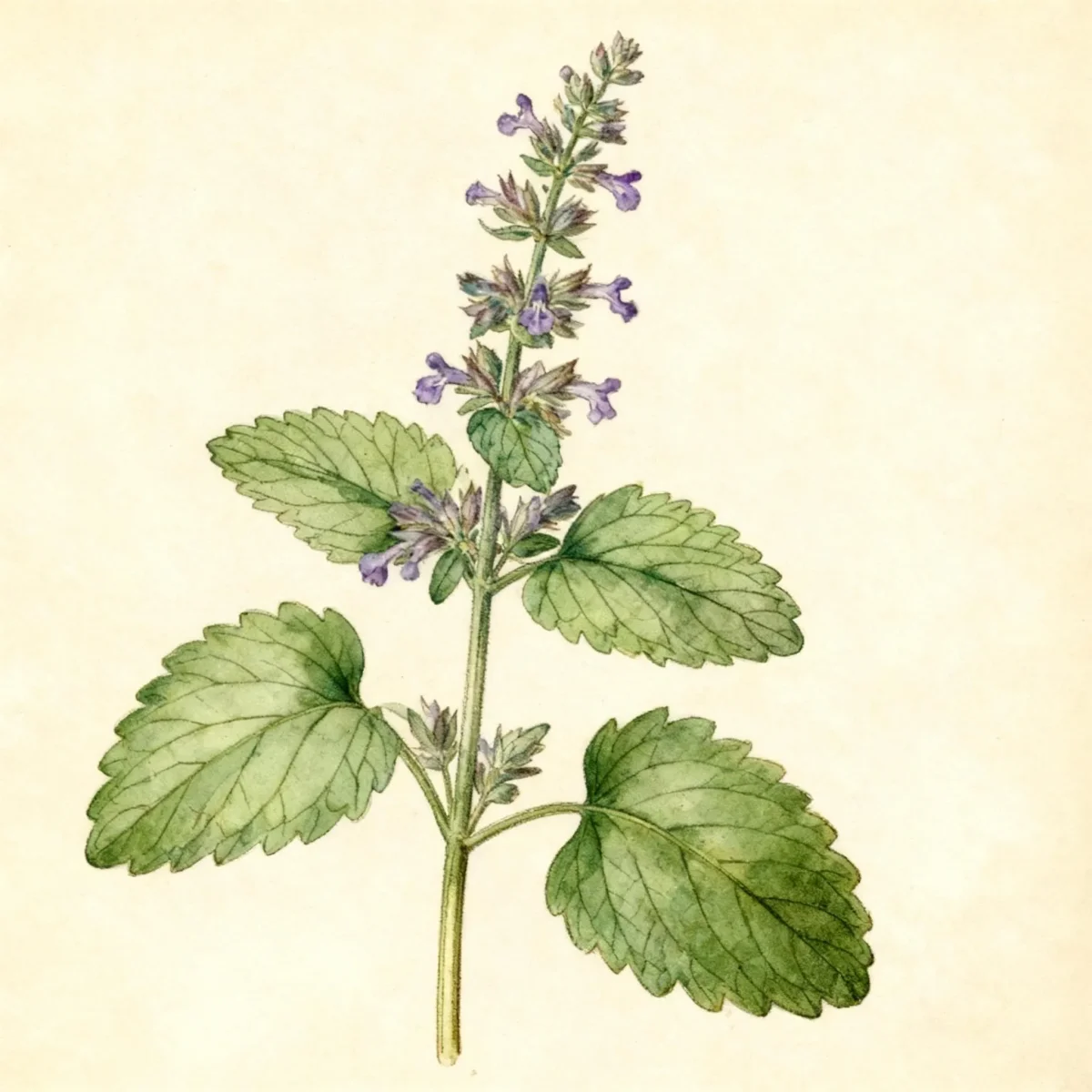
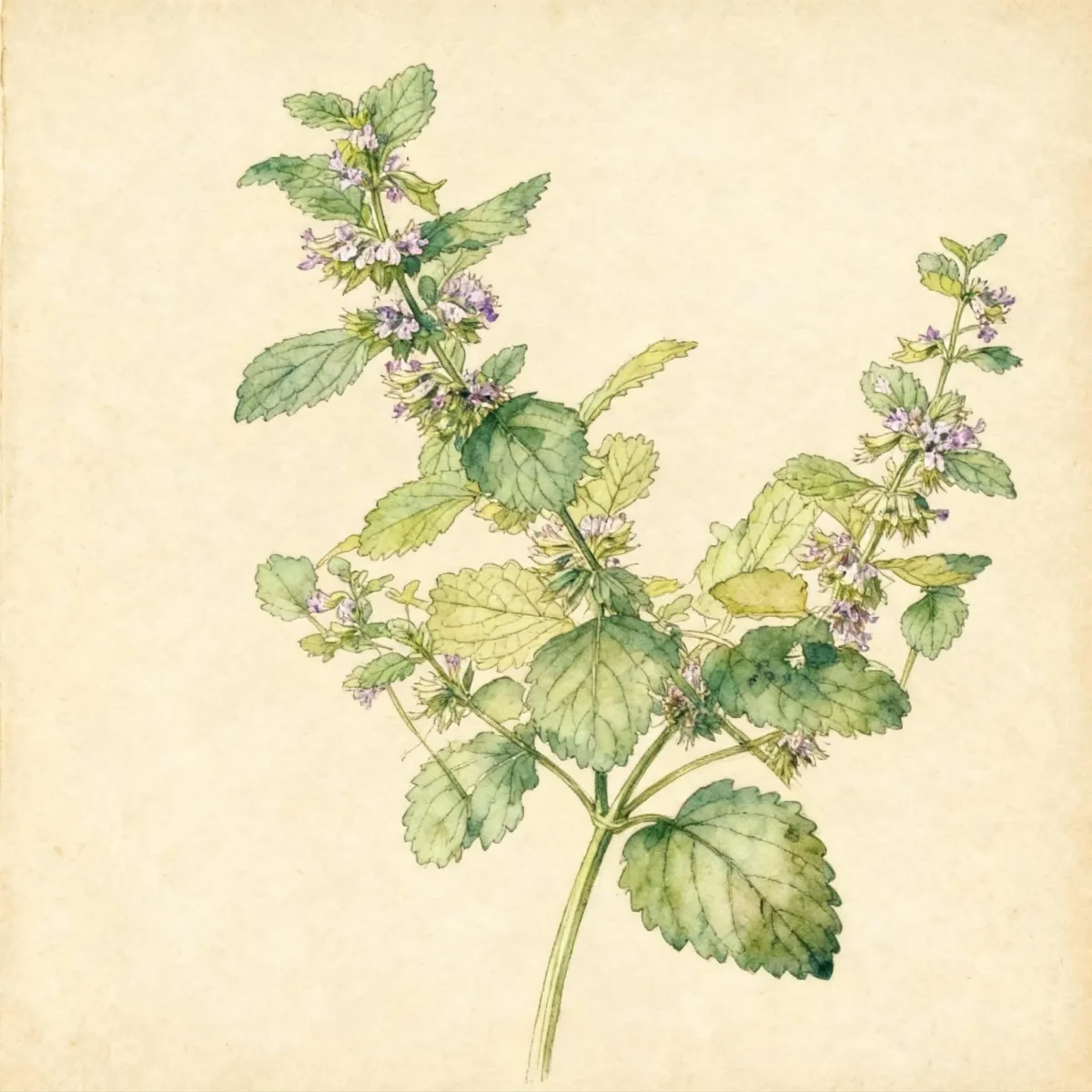
Melissa officinalis, widely known as lemon balm, is a highly aromatic, bushy herbaceous perennial that brings a bright, citrusy scent to any garden. It is treasured primarily for its wrinkled, ovate, medium-green foliage, which is utilized extensively in teas, culinary dishes, and traditional herbal remedies. This member of the mint family is native to southern Europe but has naturalized in many parts of the U.S.
Lemon balm thrives with relatively low maintenance, making it an excellent choice for busy gardeners looking for both function and fragrance. While its delicate white flowers attract honey bees—a nod to its genus name melissa, meaning honeybee—the main ornamental appeal lies in its vigorous, spreading habit and vibrant, scent-releasing leaves. Expect the plant to reach heights between 1.5 and 2 feet tall.
Culturally, Melissa officinalis adapts well to various conditions, though avoiding overly wet winter soils is crucial. Its adaptability makes it versatile, serving effectively as an informal ground cover or a fragrant addition along the front of border plantings where its fragrance can be easily released simply by brushing past it.
Fast Facts
- Plant Family: Lamiaceae
- Plant Type: Herbaceous perennial
- Native Range: Southern Europe
- Hardiness Zones: USDA Zones 3-7
- Size at Maturity:
- Height: 1.5-2 ft
- Spread: 1.5-3 ft
- Bloom Time: June to August
- Bloom Description: White to pale yellow
- Sun Exposure: Full sun to part shade
- Water Needs: Dry to medium
- Maintenance Level: Low
How to Grow
Plant lemon balm in average, well-drained soils. While it prefers full sun in cooler northern regions, providing some part afternoon shade is beneficial in hot summer climates to prevent scorching and maintain leaf quality. Melissa officinalis is known for adapting well, even to poor soils, provided drainage is adequate, especially avoiding soggy conditions during the winter months.
Maintenance for this herb is generally low, but proactive pruning is highly recommended. Frequent pinching back, particularly the removal of spent flower stalks, encourages a flush of new, highly fragrant leaves. This practice also helps control the plant’s natural tendency to self-seed and maintains a more desirable, less weedy appearance.
As an established perennial, watering needs are minimal once established; allow the soil to dry slightly between waterings, favoring dry to medium moisture levels. Fertilizing is rarely necessary, as Melissa officinalis performs perfectly well without rich amendments. Prepare for spring by cleaning up any old debris, allowing new growth from the established root system to emerge strongly.
Landscape Uses
Lemon balm is highly functional in landscape designs, excelling in dedicated herb gardens where its fragrance can be appreciated up close. Due to its spreading nature, it is often employed as a relaxed ground cover in informal settings where its foliage spills pleasingly over edges. For more controlled environments, it works beautifully as a low border front where it intermingles well with upright flowers.
Consider pairing lemon balm with other low-maintenance, sun-tolerant herbs like thyme or chamomile, or use it to soften the edges of stone paths. If you are looking to attract pollinators, the tiny white flowers of Melissa officinalis are irresistible to honey bees, making it a great addition near outdoor seating areas or vegetable patches.
Standout Features
Flower Qualities
- Showy
Noteworthy Characteristics
Melissa officinalis, commonly called lemon balm, is a bushy herbaceous perennial of the mint family that is typically grown in herb gardens and border fronts for its lemon-scented leaves. It is native to southern Europe, but has escaped gardens and naturalized in many parts of the U.S. (Eastern, Midwestern and Pacific Northwest states). Wrinkled, ovate, medium green leaves (to 3” long) appear in pairs on square stems rising to 2’ tall. Although the flowers are ornamentally inconspicuous, honey bees love them. Leaves are edible and may be added to salads, soups, sauces or vegetables.
Tolerances
- Deer
Potential Problems
This perennial generally resists serious pest or disease issues, contributing to its low maintenance profile. The primary concerns are fungal in nature, including powdery mildew, leaf spot, leaf blight, and gray mold, which are often exacerbated by high humidity or poor air circulation. Ensure ample spacing and avoid overhead watering late in the day to mitigate these fungal issues. While lemon balm spreads by self-seeding, it is not typically considered overly aggressive compared to some aggressive mint relatives.
Frequently Asked Questions
What hardiness zones is Lemon balm suitable for?
Lemon balm (Melissa officinalis) is hardy across USDA Zones 3 through 7, offering flexibility for many climates.
How large does Lemon balm grow?
This herb matures to a height ranging between 1.5 and 2 feet tall, with a spread that typically reaches 1.5 to 3 feet wide.
When does Lemon balm bloom?
The plant produces small, white to pale yellow flowers during the peak summer months, generally blooming from June through August.
What sun exposure does Lemon balm need?
Melissa officinalis thrives best when provided with full sun to partial shade conditions.
Conclusion
Melissa officinalis is an invaluable, versatile addition to any landscape, rewarding minimal effort with highly fragrant, useful leaves perfect for culinary and medicinal uses. Its easy-going nature and attractive foliage ensure that lemon balm earns its place in herb collections and informal borders alike. Check your local USDA hardiness zone compatibility, and plant this fragrant perennial in the spring for season-long enjoyment.
Propagation Tips
Propagating lemon balm is straightforward, primarily achieved through division or simple self-seeding. Every few years, dividing established clumps in early spring is the most effective way to rejuvenate older plants and control spread. Gently tease apart the root ball into smaller sections, ensuring each division has adequate roots and shoots, and replant immediately into prepared soil.
If you wish to encourage natural seeding, allow some of the tiny white flower stalks to mature fully. These seeds can then be collected once dry or allowed to drop naturally into the surrounding soil. While easy to start from seed, be mindful that seedlings may display wider variability in fragrance intensity compared to named cultivars or divisions.
Wildlife Benefits
The pale yellow flowers of Melissa officinalis serve as an excellent, accessible food source for beneficial insects throughout the summer. Of particular note, this herb is a magnet for honey bees, which explains its classic genus name. Planting lemon balm near vegetable gardens or flowering borders will encourage beneficial foraging activity.
Because the foliage contains potent citronella-like oils, lemon balm is generally left untouched by deer foraging in the garden landscape, offering a practical benefit for gardeners sharing space with wildlife browsing. This combination of attracting pollinators while repelling larger pests adds significant ecological value.