Catnip (Nepeta cataria)
Discover Nepeta cataria, the true Catnip, a low-maintenance herbaceous perennial perfect for dry areas and attracting cats.
Scroll down to discover growing tips, care requirements, companion plants, and more
Complete Plant Information
Overview
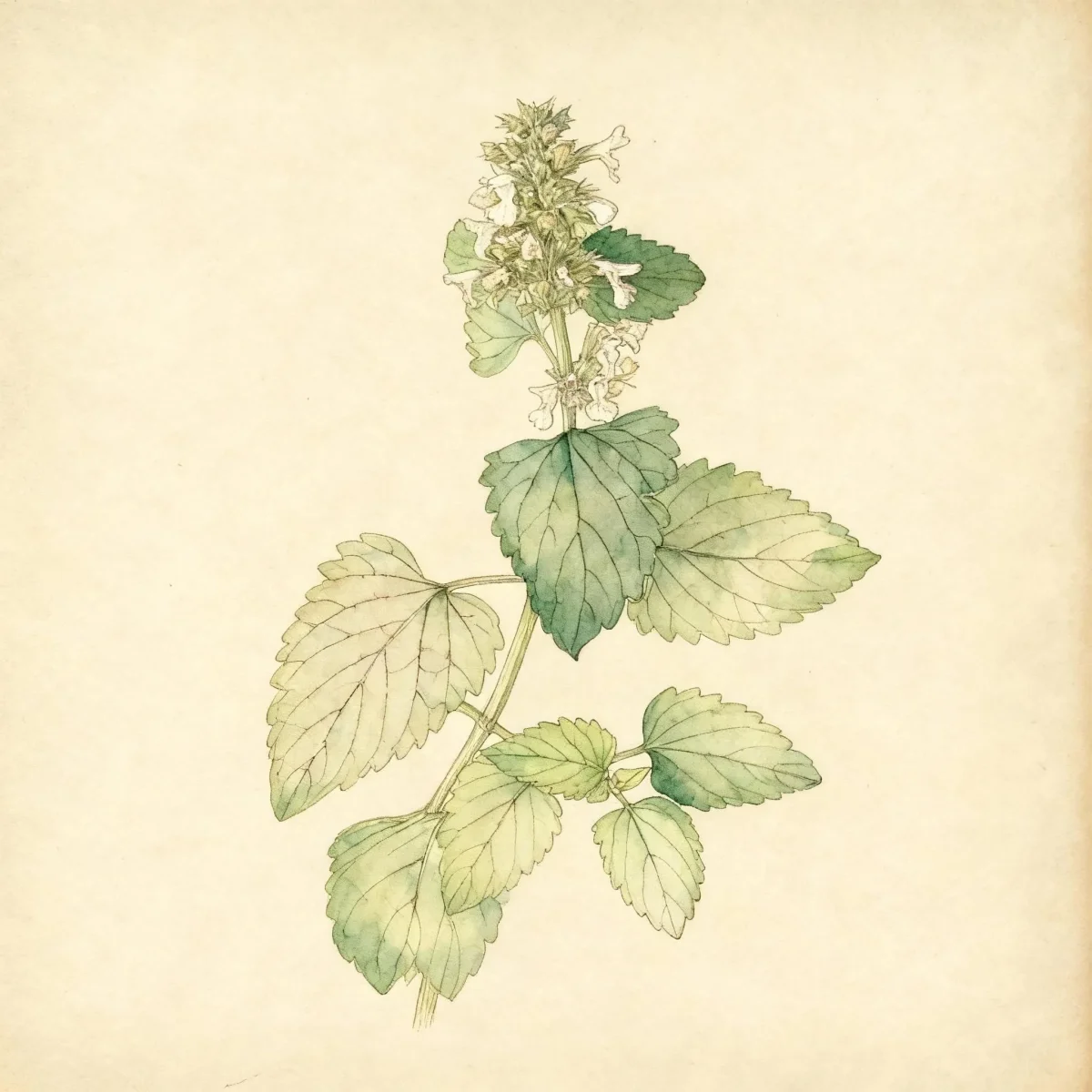
Nepeta cataria, widely recognized as the true Catnip, is a vigorous herbaceous perennial cherished less for its looks and more for its aromatic properties that drive felines wild. This member of the Lamiaceae family forms a spreading clump, characterized by its downy, gray-green, triangular leaves that release a potent scent when bruised or crushed. While it has naturalized widely outside its native range in Europe and Asia, it remains a garden staple for utility and novelty.
This plant thrives in conditions where many others struggle, preferring average, well-drained soils and tolerating significant drought once established. Gardeners appreciate the low maintenance requirements of Nepeta cataria, though they must be prepared for its tendency to self-seed profusely. It offers blooms from late spring well into summer, providing delicate white flowers, often with pale purple spotting, against its grayish foliage.
Beyond entertaining house cats, Catnip possesses practical applications. Its leaves can be used medicinally for teas or culinarily, and its presence in the garden can help repel certain common garden pests. For gardeners seeking robust, utilitarian plants that perform well in dry stretches, Nepeta cataria is an excellent, fuss-free option.
Fast Facts
- Plant Family: Lamiaceae
- Plant Type: Herbaceous perennial
- Native Range: Europe, Middle East, Central Asia, China
- Hardiness Zones: USDA Zones 3-7
- Size at Maturity:
- Height: 2-3 ft
- Spread: 2-3 ft
- Bloom Time: May to September
- Bloom Description: White with pale purple spotting
- Sun Exposure: Full sun to part shade
- Water Needs: Dry to medium
- Maintenance Level: Low
How to Grow
The key to successfully growing Nepeta cataria lies in providing proper drainage and ample sunlight. Plant this perennial in average, dry to medium soils during the spring. While it tolerates full sun, especially in northern regions, plants in hotter climates benefit significantly from partial afternoon shade to mitigate stress from heat and humidity common in the deep South.
Watering requirements are minimal once established; this plant is highly drought-tolerant and thrives in dry soils. Avoid consistent moisture, particularly wet soils during winter, which can lead to fatal root issues. Fertilizing is generally unnecessary, allowing this mint family member to maintain its low-maintenance status.
To encourage continued flowering throughout the season, shear the flower spikes back shortly after the initial bloom flush finishes. Propagation is straightforward, typically performed by dividing established clumps in the spring or fall. Be aware that Nepeta cataria readily self-seeds throughout the garden, so manage its spread proactively if you desire denser control over its location.
Landscape Uses
Nepeta cataria excels in less formal settings where its vigorous nature can be appreciated, fitting perfectly into cottage gardens or naturalized borders. Its drought tolerance makes it ideal for difficult, dry areas of the landscape where other herbs might fail to thrive. While it is often grown specifically for its relationship with cats or for harvesting, the clump-forming habit and gray-green foliage offer subtle texture along path edging.
If you are creating an herb garden, group Catnip with other Mediterranean or drought-tolerant herbs that share similar low-water needs. Though not primarily valued for ornamental appeal compared to its ornamental cousins (the catmints), its ability to naturalize means it can be used to quickly fill large, unmanicured spaces. Containers are also an option, though the plant may become root-bound quickly and require frequent division.
Standout Features
Flower Qualities
- Showy
- Fragrant
Noteworthy Characteristics
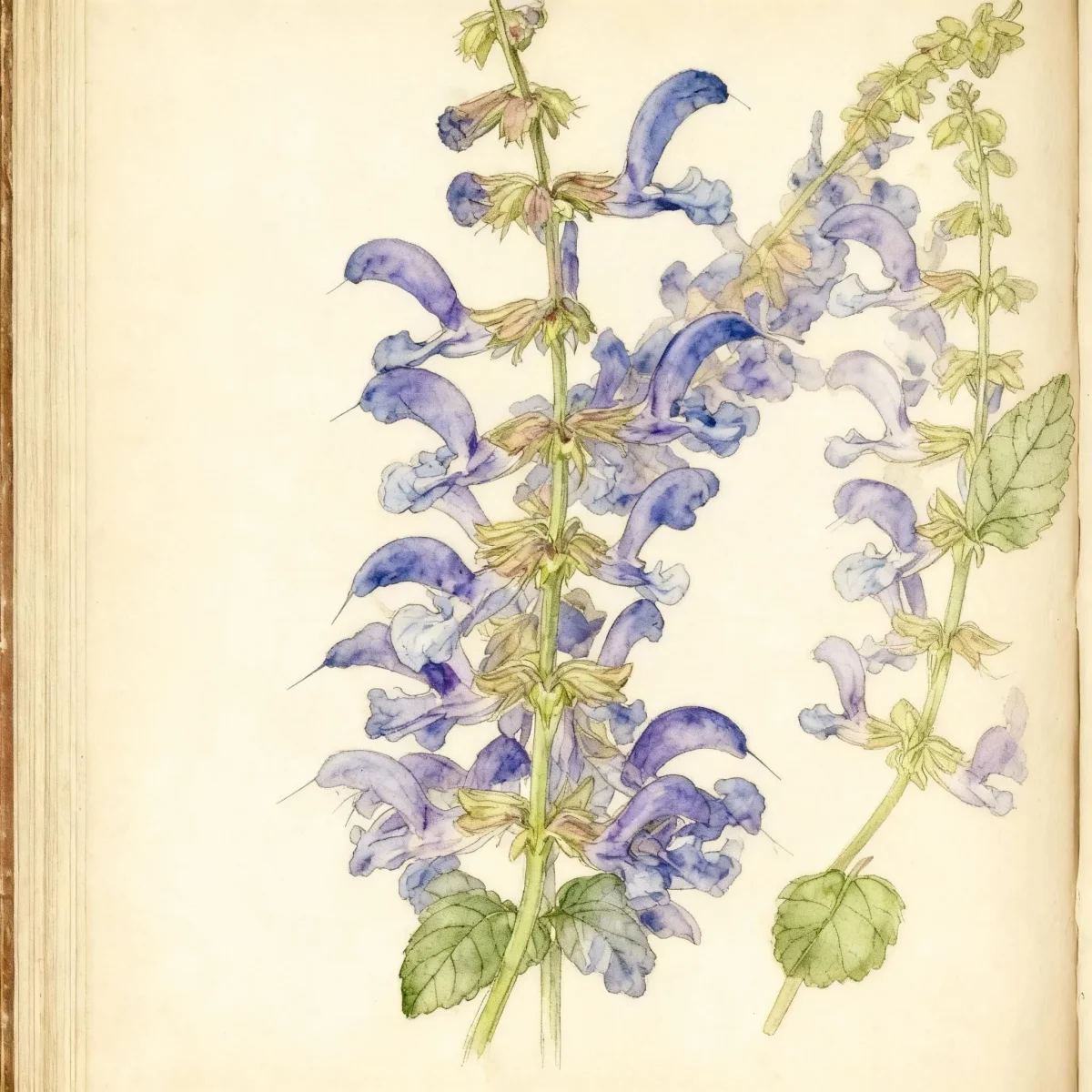
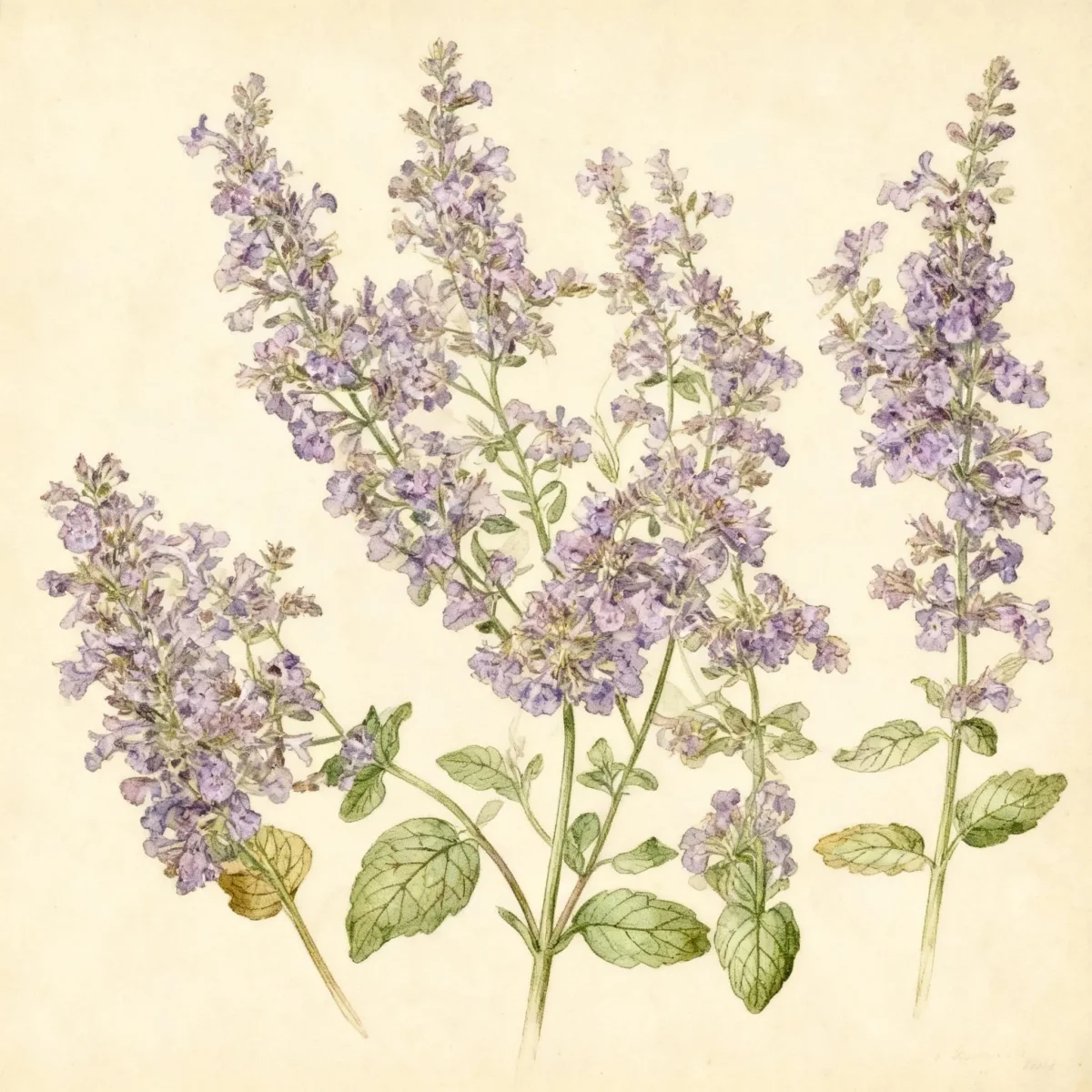
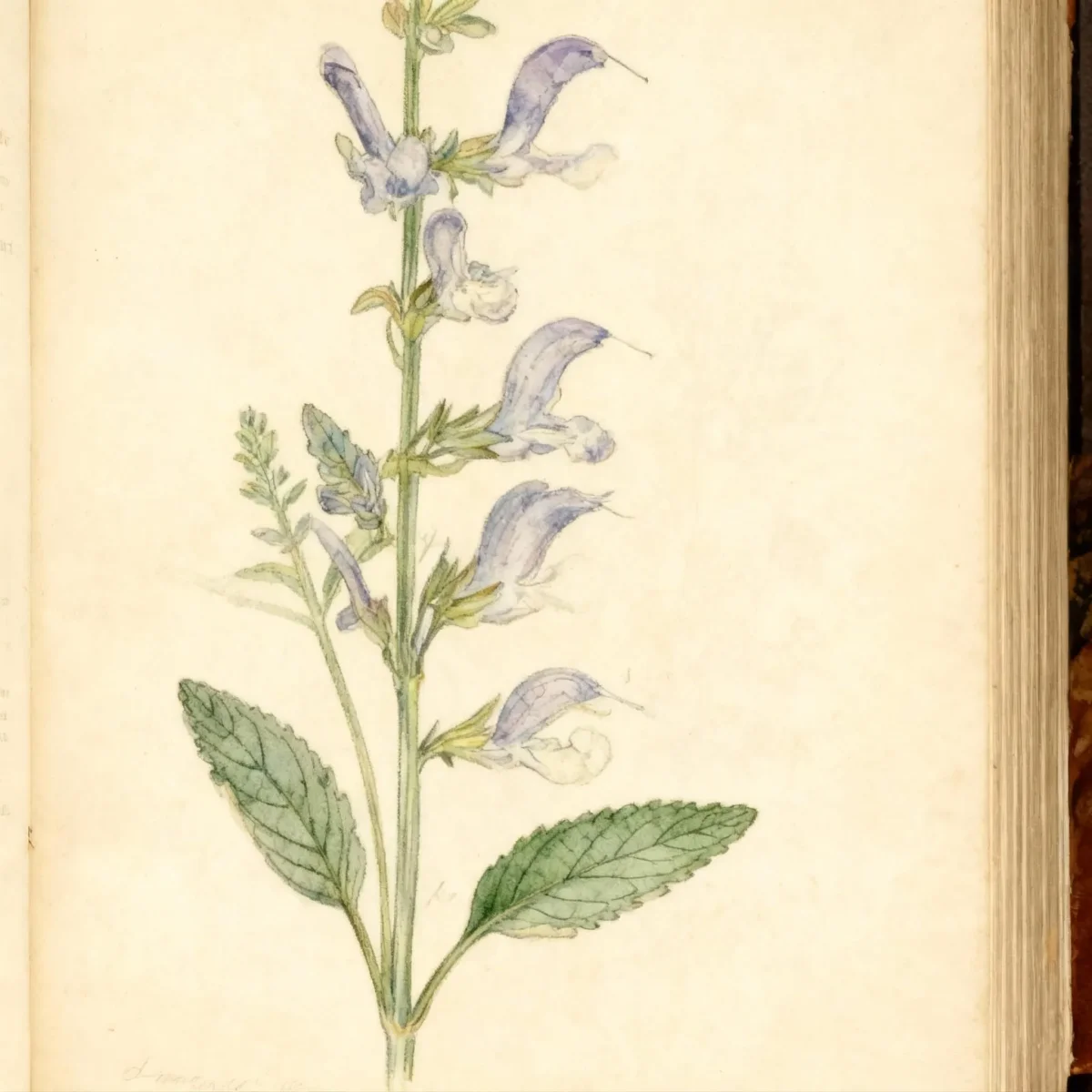
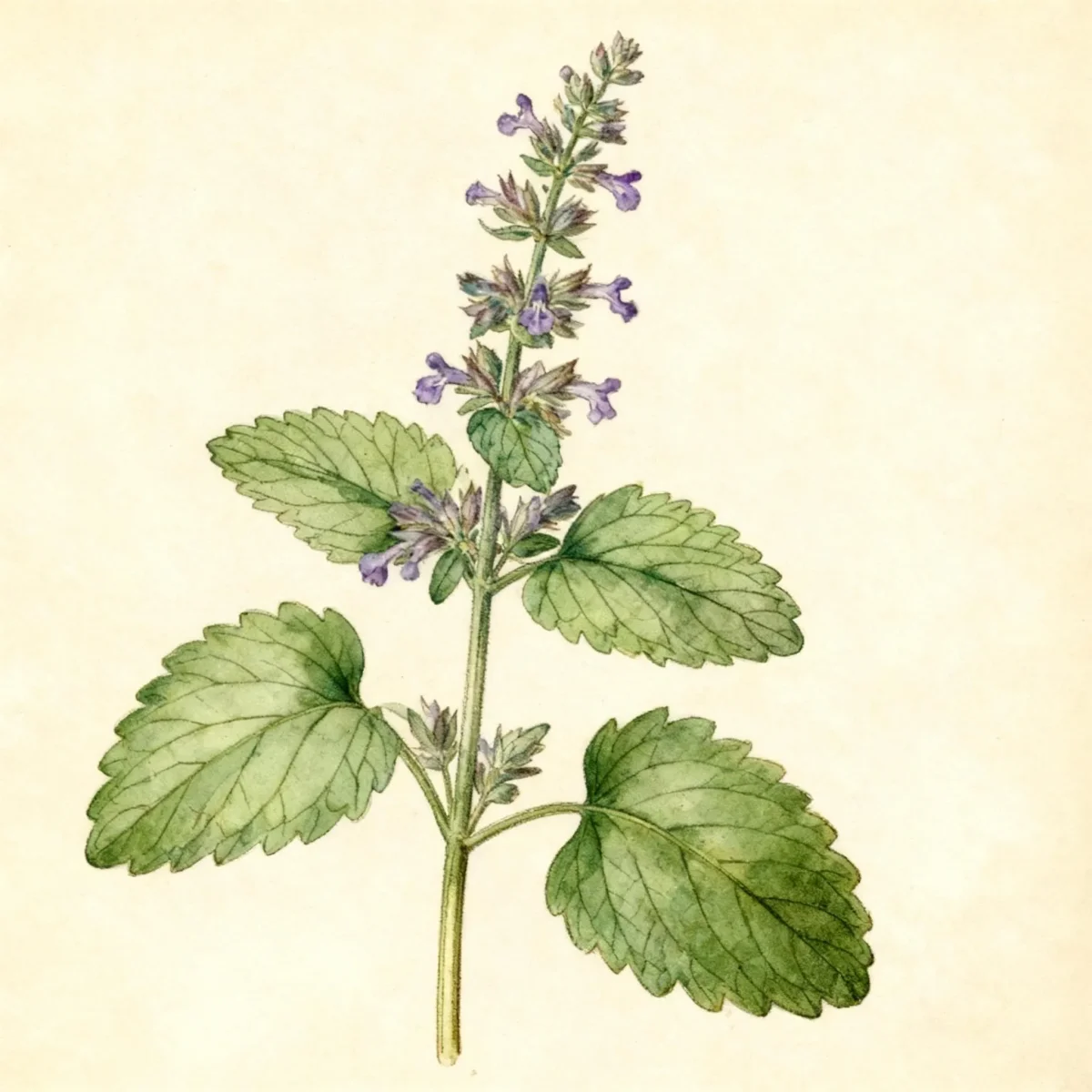
Nepeta cataria is the true catnip that is loved by house cats. Erect, branched, square, grayish stems are clad with aromatic, opposite, coarsely-toothed, triangular to ovate, gray-green leaves up to 3” long. Small, two-lipped, white (with pale purple spotting) flowers bloom in spike-like terminal clusters from late spring well into summer. Beyond its feline attraction, the leaves are historical source material for medicinal teas, used to relieve anxiety and colds, or as a culinary herb for its minty flavor.
Tolerances
- Deer
- Drought
- Dry Soil
- Shallow-Rocky Soil
- Air Pollution
Potential Problems
This genus is largely free from serious insect or disease problems when grown within its preferred conditions. The most significant management issue relates to its cultural needs rather than pests; the primary threat to Nepeta cataria survival is excess moisture, especially during winter dormancy. Ensure highly drained soil to prevent root rot, which can quickly prove fatal to this otherwise hardy perennial.
Frequently Asked Questions
What hardiness zones is Catnip suitable for?
Nepeta cataria is reliably hardy in USDA Zones 3 through 7, allowing for widespread cultivation across much of the temperate US.
How large does Catnip grow?
This plant typically reaches a mature height between 2 and 3 feet tall, achieving a similar spread of 2 to 3 feet, often forming a dense, spreading clump.
When does Catnip bloom?
Catnip produces its blooms over an extended period, typically from May all the way through September, showing small white flowers spotted with pale purple.
What sun exposure does Nepeta cataria need?
It prefers a location receiving full sun to partial shade; ensure it receives full sun in cooler northern locations, but provide some afternoon shade in hotter, humid zones.
Conclusion
Nepeta cataria offers gardeners a robust, undemanding perennial valued for its aromatic foliage and unique attraction to cats, making it a fantastic addition to herb gardens or difficult dry spots. Given its vigor, remember that this Catnip readily spreads, so plan its location accordingly. Before planting, confirm that your site aligns with its preference for dry to medium soil and adequate sun exposure within hardiness zones 3 to 7.
Propagation Tips
The ease of propagation contributes significantly to the success of Nepeta cataria once established. For precise replication of desirable forms, division of established clumps is the recommended perennial method; divide the root mass in early spring or fall, ensuring each new section retains healthy roots and crown tissue. Alternatively, this plant is easily grown directly from seed sown outdoors. However, be prepared for rapid seedling establishment, as Catnip is known to self-seed profusely in favorable garden locations.
Companion Planting
Due to its low water needs and tolerance for poor soils, Nepeta cataria pairs well with other resilient herbs and perennials. Consider planting it alongside Lavender, Rosemary, or Thyme, which share similar requirements for good drainage and dislike excessive moisture. Its grayish, aromatic foliage also provides an excellent textural contrast to deep green, finer-textured ornamentals planted near borders or pathways where drought tolerance is key.