Sweet basil (Ocimum basilicum)
Sweet basil (Ocimum basilicum) is a low-maintenance annual herb valued for fragrant leaves, blooming magenta in full sun.
Scroll down to discover growing tips, care requirements, companion plants, and more
Complete Plant Information
Overview
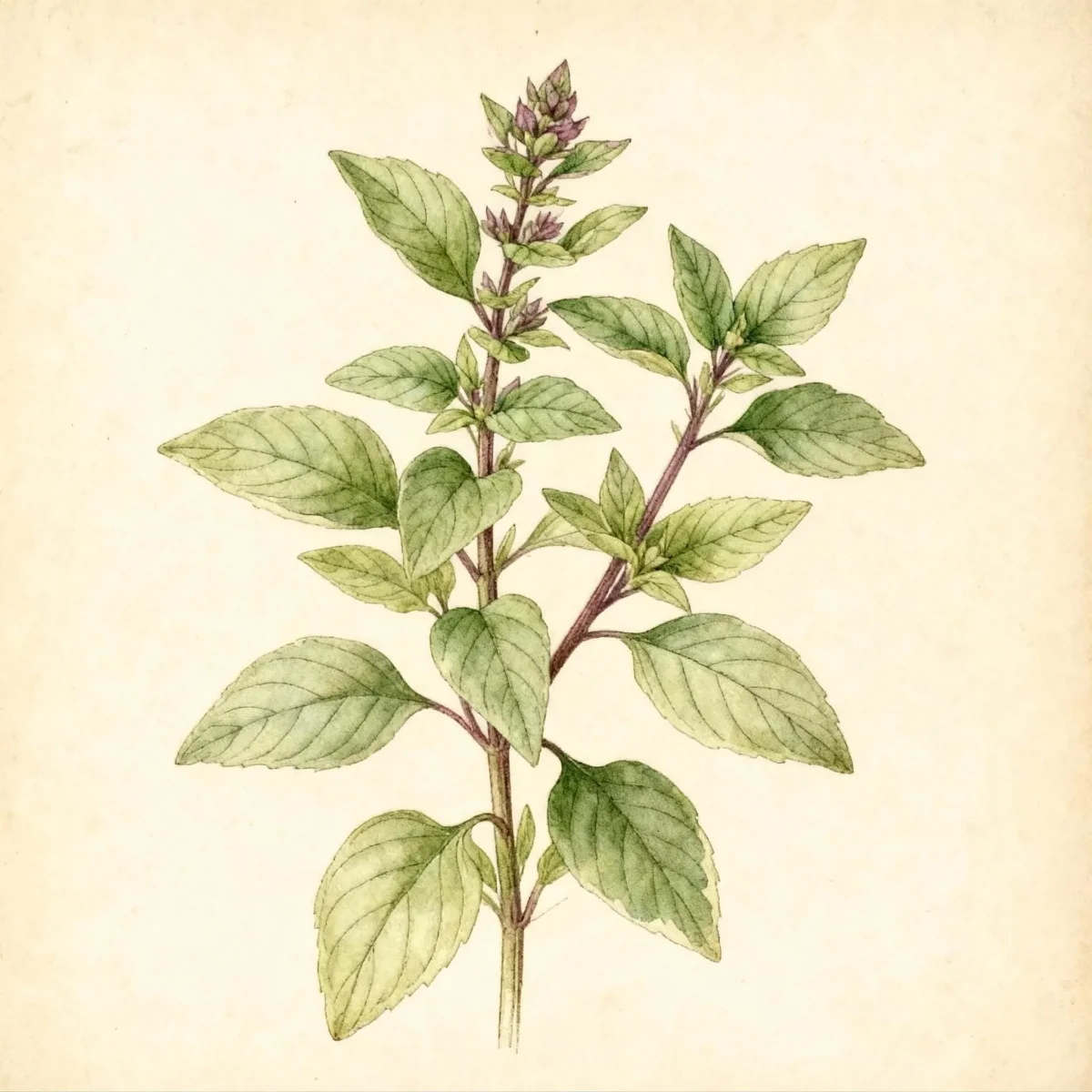
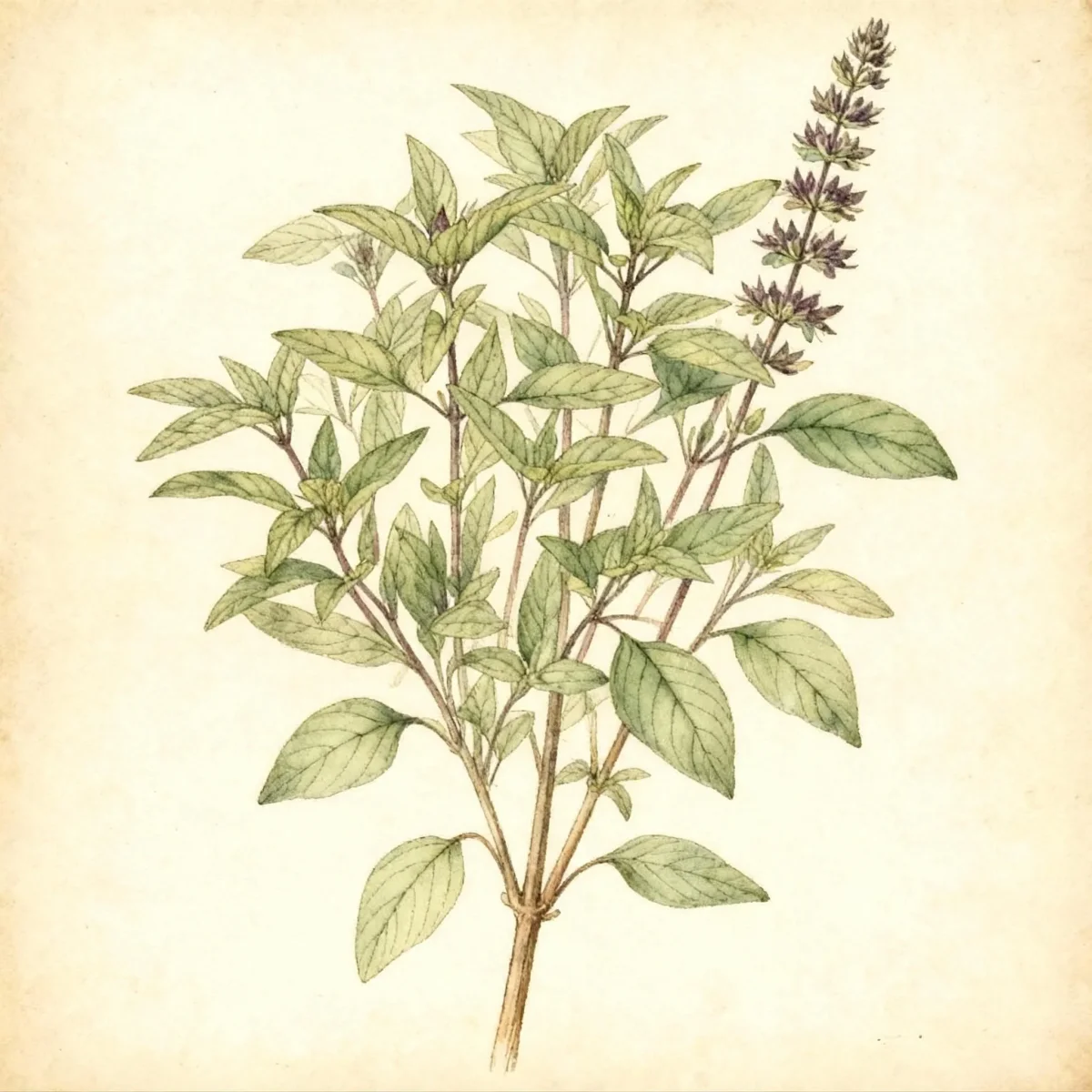
Ocimum basilicum, widely known as sweet basil, is an essential herbaceous annual treasured by cooks and gardeners across the globe for its intense fragrance and culinary utility. This popular herb grows quickly into a robust plant, typically reaching 1.5 to 2 feet tall, featuring glossy, ovate leaves arranged opposite one another on distinctive square stems. Its ease of cultivation and adaptability make Ocimum basilicum a staple for sunny herb gardens.
This adaptable plant thrives when provided full sun and consistent moisture, demanding relatively low maintenance once established. Beyond the kitchen, sweet basil offers visual appeal with its late-season magenta blooms, which are attractive to various insect pollinators. Gardeners appreciate that obtaining fresh harvests is straightforward with proper pruning techniques applied throughout the growing season.
As a versatile annual, Ocimum basilicum anchors kitchen gardens, providing the aromatic foundation for pestos, sauces, and numerous savory dishes. Its rapid growth cycle and exceptional flavor profile ensure that sweet basil remains one of the most frequently cultivated herbs in temperate climates worldwide.
Fast Facts
- Plant Family: Lamiaceae
- Plant Type: Annual
- Native Range: Tropical Asia
- Hardiness Zones: USDA Zones 2-11
- Size at Maturity:
- Height: 1.5-2 ft
- Spread: 1.5-2 ft
- Bloom Time: June to frost
- Bloom Description: Magenta
- Sun Exposure: Full sun
- Water Needs: Medium
- Maintenance Level: Low
How to Grow
Sow seeds indoors during the early spring months to get a head start on the growing season. Transplant established seedlings or purchased plants outdoors only once all danger of frost has completely passed. Ocimum basilicum performs best when situated in a location receiving full sun, planted into moderately rich, well-draining soil that remains evenly moist.
Maintain consistent moisture; this plant requires medium watering but dislikes sitting in soggy soil. Applying a layer of mulch helps significantly in retaining necessary soil moisture during hot periods. To encourage a bushier, more productive harvest, regularly pinch out the growing centers of the Sweet basil stems.
Be aware that this plant is highly intolerant of frost; plan for your final harvest as temperatures begin to drop. For gardeners wishing to preserve their favorite varieties over winter, cuttings can be easily rooted in water and potted for indoor growing near a sunny window.
Landscape Uses
Sweet basil is primarily utilized as a functional herb, but its attractive foliage and late bloom make it suitable for various landscape applications. Its defined, bushy structure works perfectly tucked into the front of herb borders or integrated into cutting gardens where its fragrant leaves can be easily accessed.
The robust growth habits of Ocimum basilicum make it an excellent candidate for container gardening, brightening patios and balconies where its presence enhances outdoor dining experiences. Use it as a key ingredient for making pesto or as a fresh seasoning herb mixed into vegetable and meat dishes.
When mass planting, consider grouping sweet basil with other sun-loving, similarly watered herbs like rosemary or thyme for a cohesive aromatic display. Its vibrant green provides a pleasing contrast against silvery foliage plants.
Standout Features
Flower Qualities
- Showy
- Fragrant
Noteworthy Characteristics
Ocimum basilicum, commonly called sweet basil, is a herbaceous annual or short-lived perennial native to tropical regions of Africa and Asia. It is cultivated worldwide for use as a culinary herb. Plants are variable, ranging in size from 6” to 2.5’ tall with ovate to oblong, glossy, fragrant leaves oppositely arranged on square stems.
Tolerances
- Rabbit
- Deer
Potential Problems
Slugs and snails are noted pests that can cause significant cosmetic damage to sweet basil foliage. Furthermore, Japanese beetles may appear and skeletonize the leaves; manual removal is the recommended control method for these beetles. Basil downy mildew presents a notable foliar disease threat.
To manage downy mildew without pesticides, gardeners should focus on preventativecultural practices. This includes planting resistant varieties of Ocimum basilicum, ensuring excellent airflow between plants, and strictly avoiding overhead watering that wets the leaves. Always remove and destroy any plant material showing signs of infection immediately.
Frequently Asked Questions
What hardiness zones is Sweet basil suitable for?
Sweet basil is notably adaptable, suitable for growing throughout USDA Zones 2-11, allowing it to be treated as an annual in most regions.
How large does Sweet basil grow?
This plant typically reaches a mature height between 1.5 and 2 feet, with a corresponding spread of 1.5 to 2 feet when grown in ideal conditions.
What sun exposure does Sweet basil need?
Ocimum basilicum requires full sun exposure to develop the most robust flavor and growth habit.
When does Sweet basil bloom?
Sweet basil begins flowering from June and continues until the first hard frost, generally displaying small, magenta blooms.
Conclusion
Sweet basil (Ocimum basilicum) remains an indispensable plant for the home garden due to its unmatched culinary value and low maintenance requirements. Whether you are using it fresh in sauces or scenting your patio, this herb is highly rewarding. Check your local frost dates and plan to start your sweet basil seeds indoors early for a plentiful summer supply.
Propagation Tips
Rooting cuttings from Ocimum basilicum is an excellent and rapid way to propagate new plants or save your favorite types before winter. When you pinch out the growing tips to encourage bushiness, save these stem sections that are 4 to 6 inches long. Remove the lowest set of leaves, leaving a few sets near the top for photosynthesis.
Place the prepared cuttings directly into a jar of clean water, ensuring no leaves are submerged below the water line, as this encourages rot rather than rooting. Position the jar in a bright spot that receives indirect light. Change the water every few days to maintain oxygen levels.
Roots should begin to develop within one to two weeks. Once the roots are about an inch long, you can carefully transplant the new Ocimum basilicum starts into small pots filled with standard potting mix. They will establish quickly and are ready to bolster your herb supply or transition outdoors after the last frost.
Companion Planting
Sweet basil benefits from thoughtful placement near other sun-loving edibles that share similar needs for medium water and rich soil. Planting companion crops near Ocimum basilicum can enhance flavor and deter pests naturally. Tomatoes are often heralded as the classic companion; the presence of basil is rumored to improve the growth and flavor of nearby tomato fruits.
Avoid planting large quantities of Ocimum basilicum too closely to mint varieties, as both can become aggressive spreaders if not contained, leading to competition for nutrients and space. Instead, complement sweet basil with companions like marigolds, which help repel general garden pests, or chamomile, which thrives in similar conditions.
When planning your edible landscape, remember Ocimum basilicum grows to a respectable 2-foot height and spread. Ensure its placement does not shade smaller, delicate neighbors, providing it with the full sun it crucially requires for optimum oil production and leaf development.