Oregano (Origanum vulgare)
Oregano (Origanum vulgare) is a low-maintenance, aromatic perennial herb ideal for full sun and dry soils.
Scroll down to discover growing tips, care requirements, companion plants, and more
Complete Plant Information
Overview
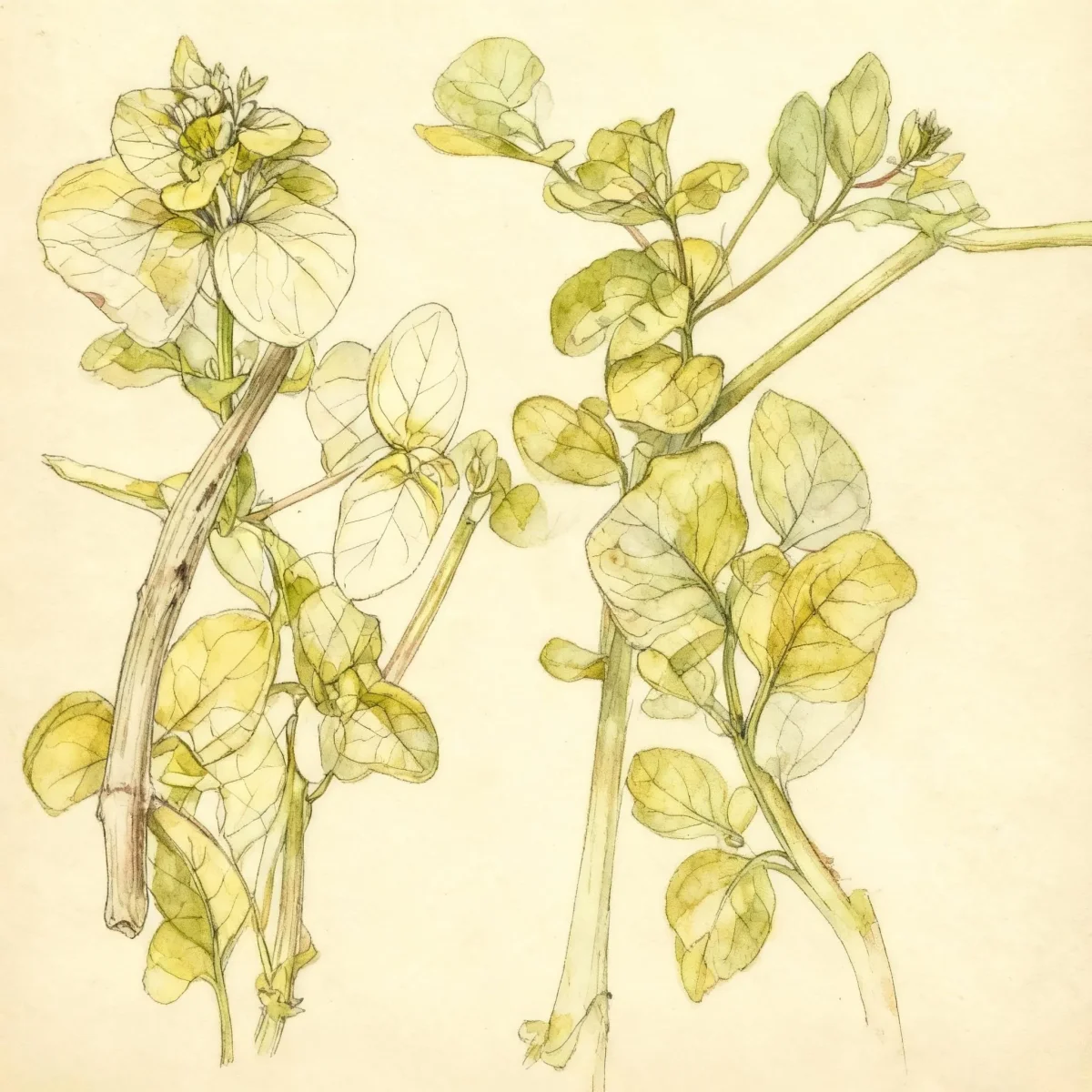
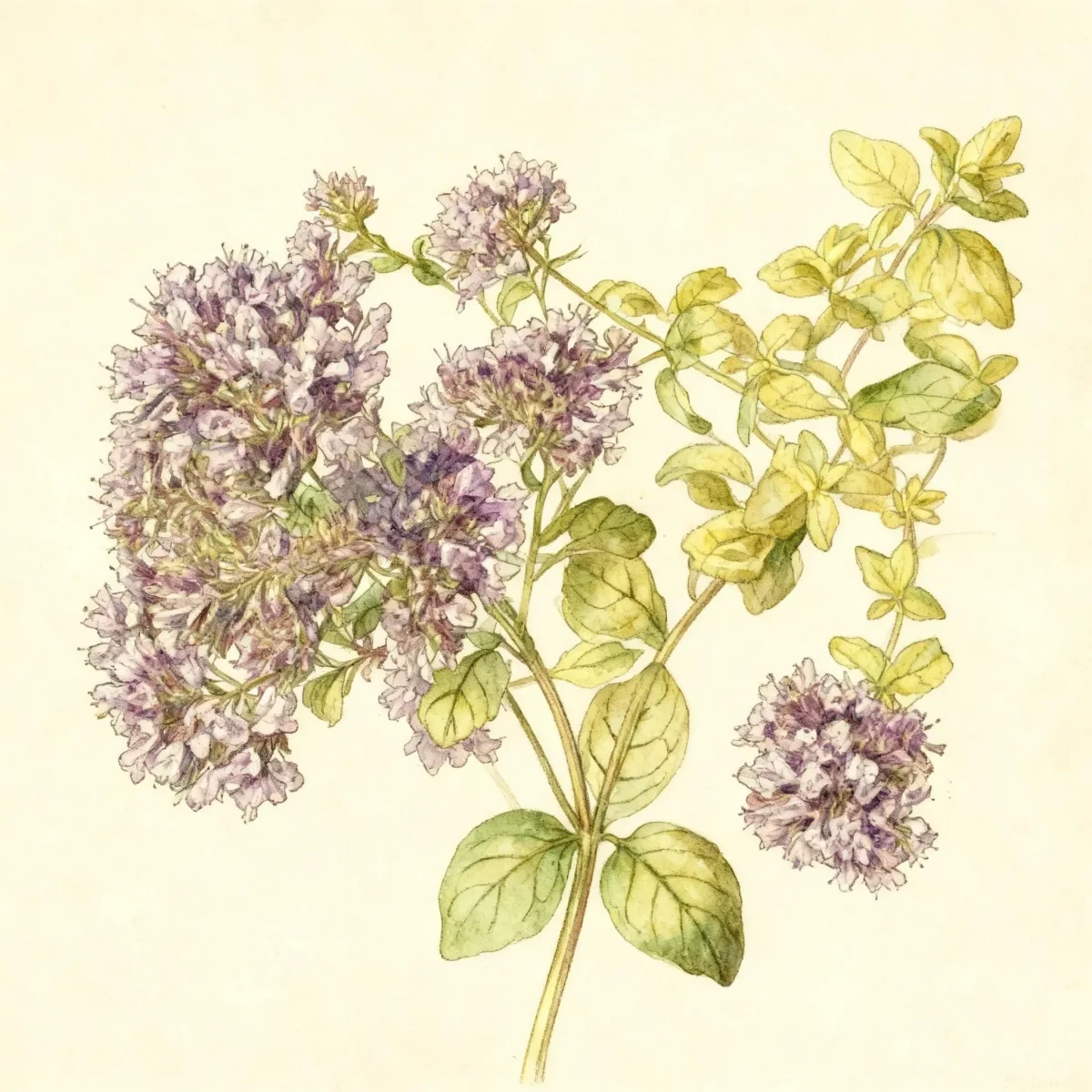
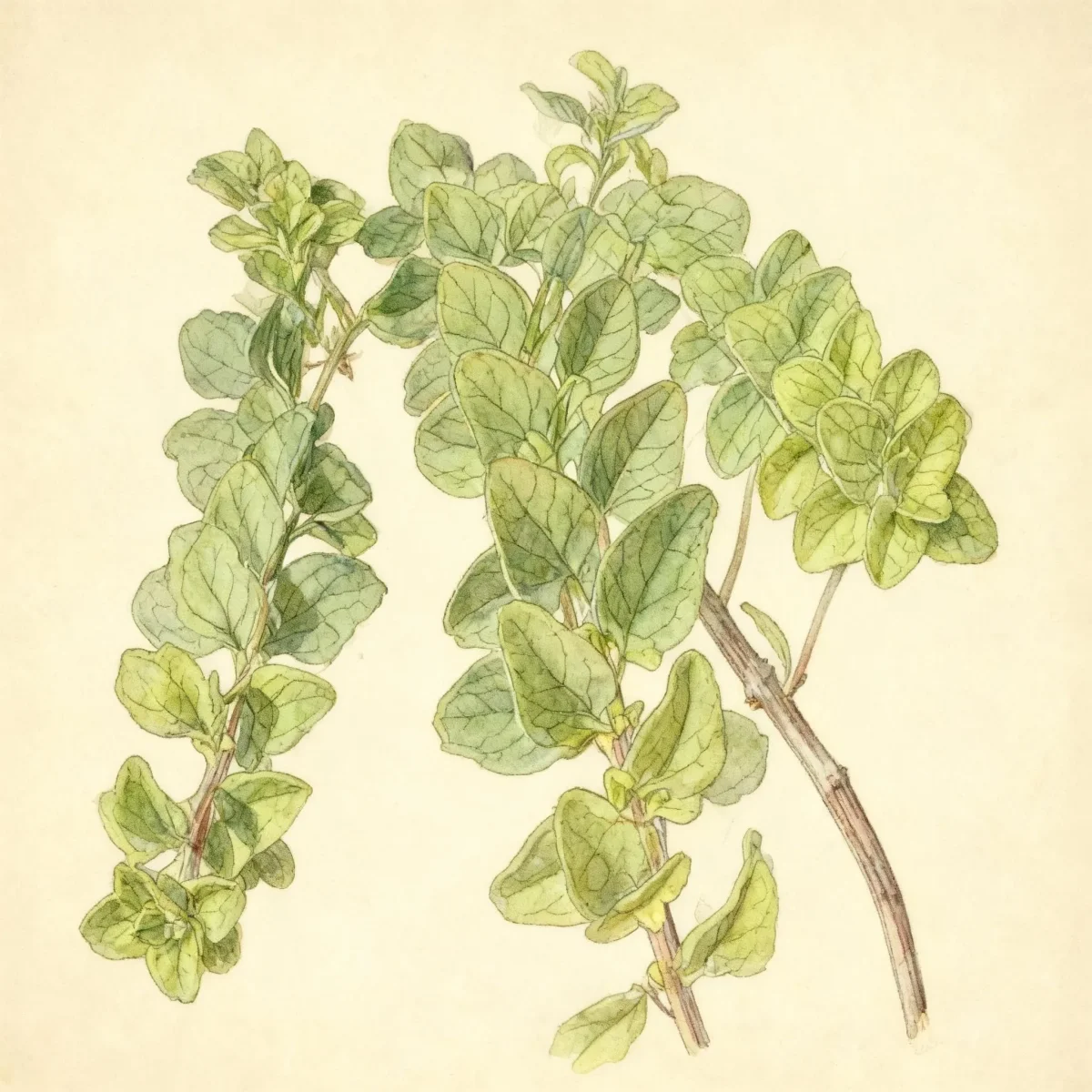
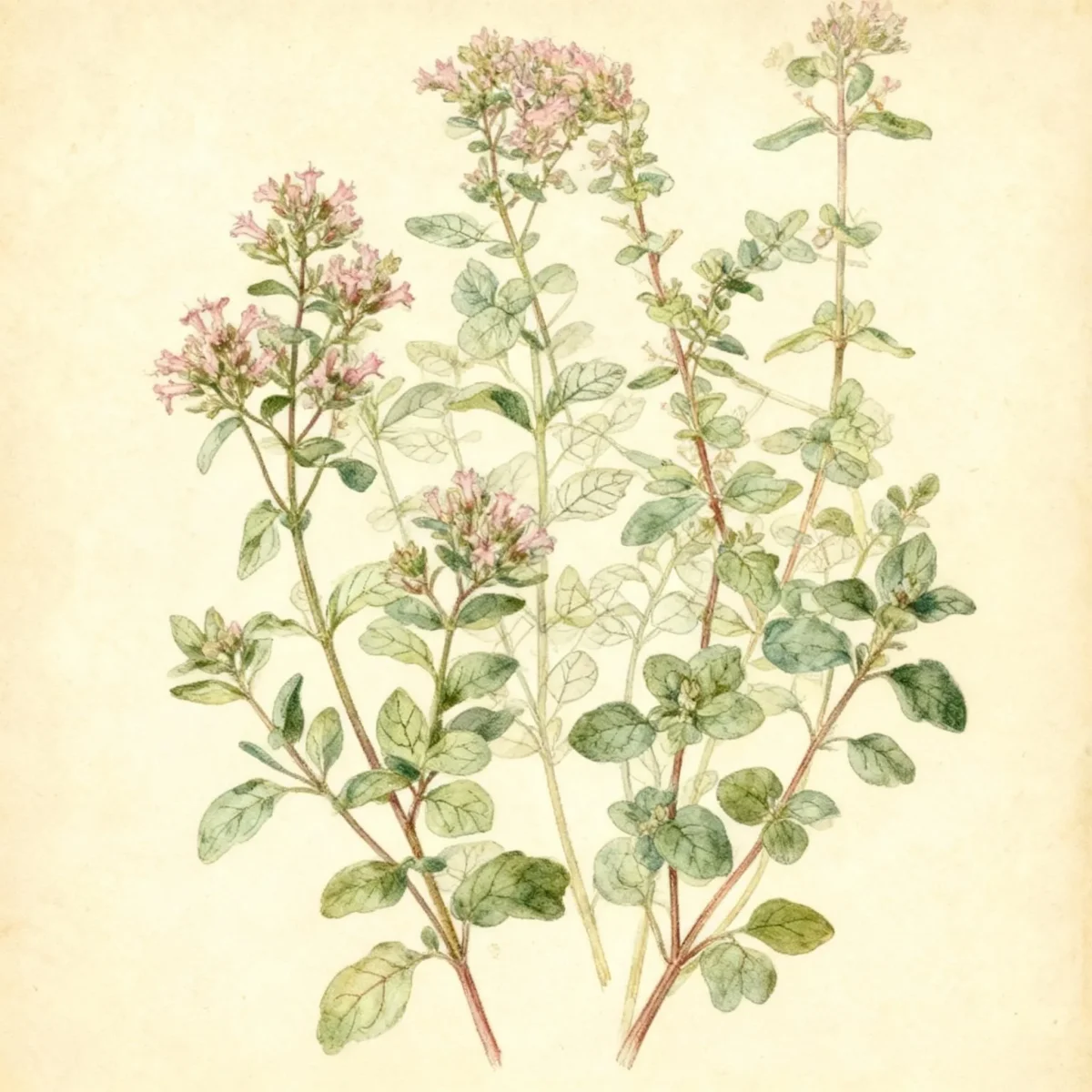
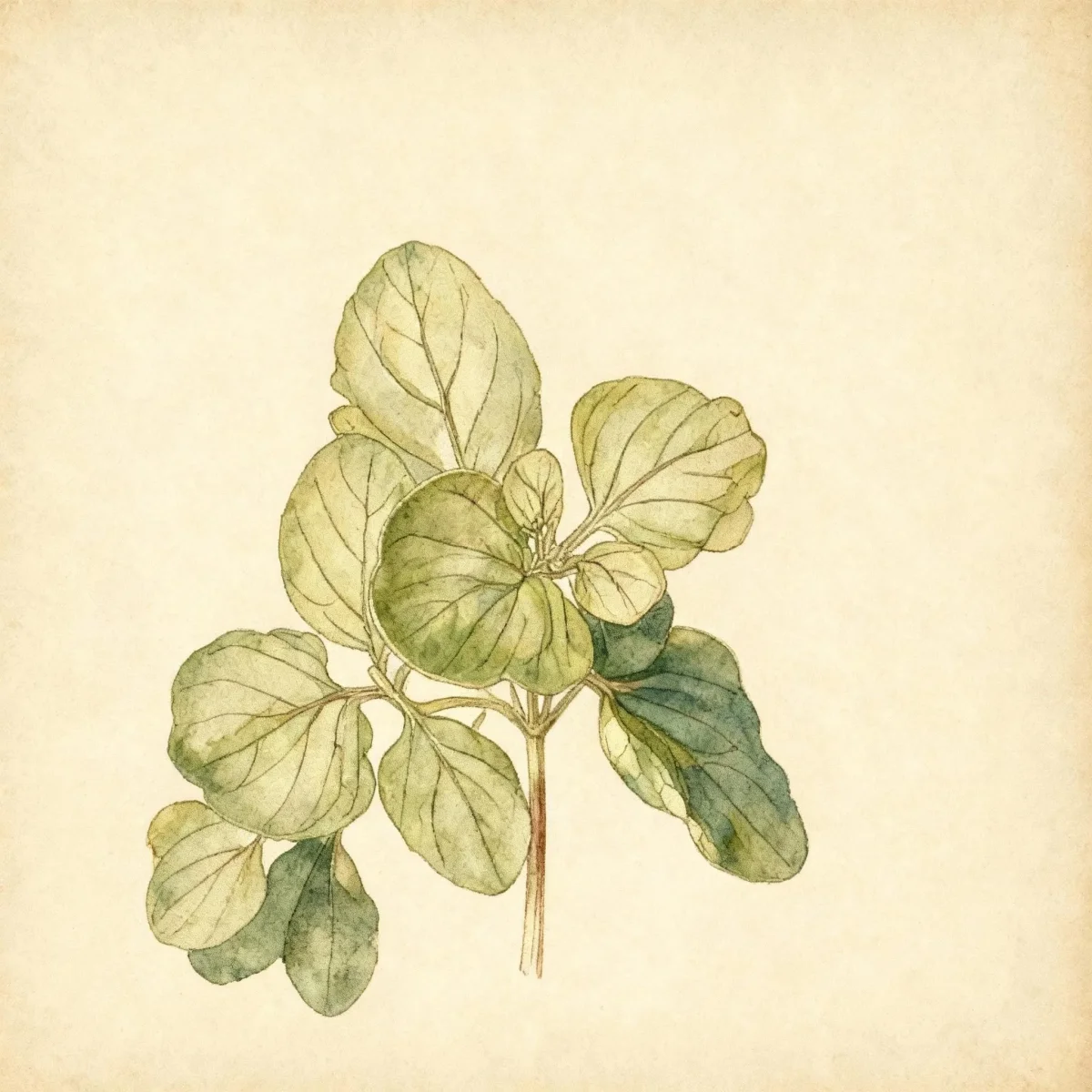
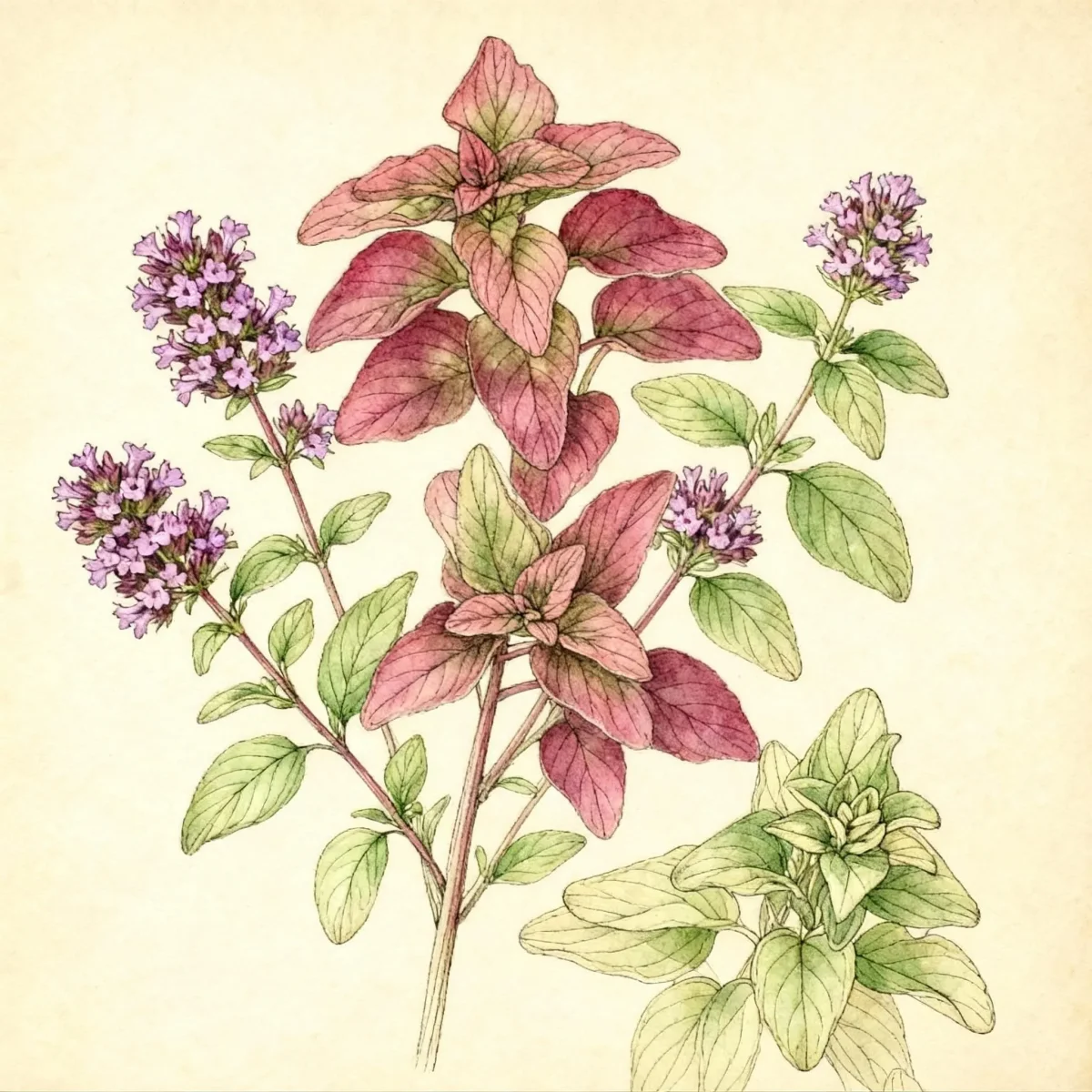
Origanum vulgare, commonly known as Oregano, is a highly valued, bushy, woody-branched perennial celebrated globally for its intensely aromatic foliage. This robust herb features square stems typical of the mint family, clad with rounded, glandular-spotted leaves perfect for culinary use. While this species is widely naturalized across many regions, its practicality as a low-maintenance garden staple remains unmatched.
This herbaceous perennial offers reliable performance across USDA hardiness zones 4 through 8. It thrives in sunny locations and tolerates dry conditions once established, making it an excellent choice for xeriscaping or rock gardens. Beyond its functional use in kitchens worldwide, Oregano provides attractive texture and small pinkish-purple blooms in mid to late summer.
Gardeners appreciate the versatility of Origanum vulgare as it blends easily into mixed plantings while demanding minimal care. Whether you seek the pungent flavor standard for Italian cuisine or desire ornamental foliage varieties, this plant species provides highly functional and aesthetically pleasing ground cover or border accent.
Fast Facts
- Plant Family: Lamiaceae
- Plant Type: Herbaceous perennial
- Native Range: Europe, Asia
- Hardiness Zones: USDA Zones 4-8
- Size at Maturity:
- Height: 1-3 ft
- Spread: 1-2 ft
- Bloom Time: July to October
- Bloom Description: Pinkish-purple or white
- Sun Exposure: Full sun
- Water Needs: Dry to medium
- Maintenance Level: Low
How to Grow
Plant Origanum vulgare in the spring after the last frost, or propagate via cuttings taken from established plants with superior aroma for the best culinary results. It requires average, well-drained soil, performing exceptionally well in gritty, sandy loams. While it prefers full sun generally, golden or variegated leaf forms benefit from partial shade during the hottest part of the day to prevent leaf scorch.
This plant exhibits good heat and drought tolerance, requiring minimal supplemental watering once established; aim for dry to medium soil moisture levels. Fertilizing is rarely necessary, as rich soils can dilute the essential oils responsible for its signature flavor. To maintain a tidy appearance and encourage a fresh flush of aromatic leaves, shear the plants back regularly before they begin flowering.
For culinary harvest, the best leaf flavor typically develops just prior to the summer bloom. You can clip leaves fresh as needed or dry them for year-round use in savory dishes. Avoid relying on seed-grown plants if intense flavor is your primary goal, as genetic variability in seed stock often yields inconsistent results compared to propagated stock.
Landscape Uses
Origanum vulgare is highly adaptable, functioning effectively in a variety of landscape settings. Its spreading, ground-hugging habit makes it a superb choice for use as an edger along pathways or as a dense groundcover to suppress weeds, especially in sunny, drier spots. Consider incorporating it into herb gardens, cascading over the edges of rock gardens, or planting masses along border fronts for continuous texture.
The subtle flower spikes rise attractively above the foliage in summer, drawing in pollinators while maintaining a useful, functional role. For those growing ornamental cultivars selected for leaf color or texture, they serve excellently in containers, window boxes, or mixed borders where their form can be appreciated up close. Origanum vulgare pairs well with other Mediterranean herbs that share dry soil tolerance, such as Thyme and Rosemary.
Standout Features
Flower Qualities
- Showy
Noteworthy Characteristics
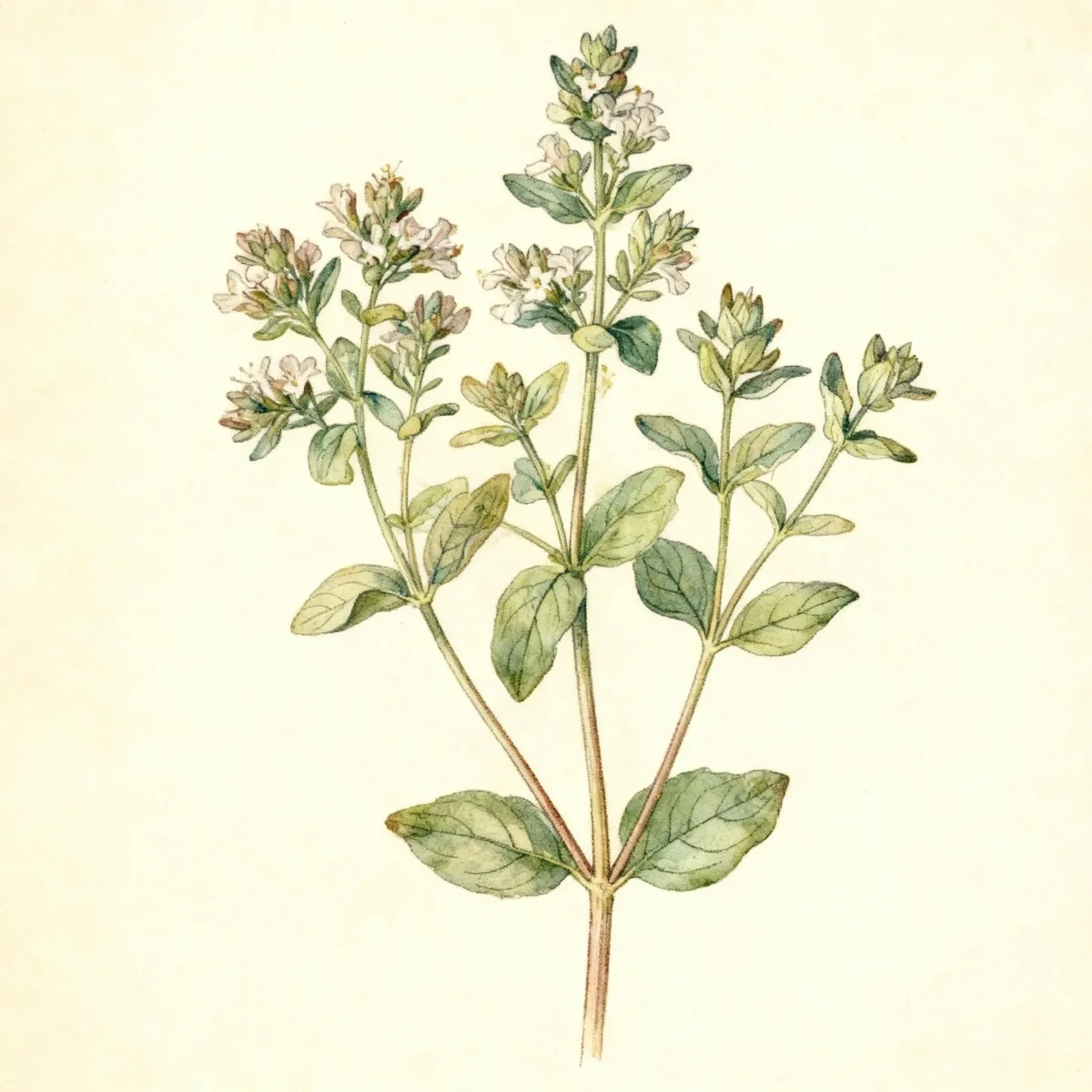
Origanum vulgare, commonly known as oregano, is a bushy, rhizomatous, woody-branched perennial which typically grows to 1-3’ tall and to 2’ wide on square stems clad with aromatic, glandular-spotted, rounded to ovate leaves. Tiny, two-lipped, pinkish-purple or white flowers bloom in spikes rising above the foliage in summer, showcasing its typical mint family structure. Different cultivars offer varied ornamental appeal or intense culinary flavor, distinguishing the straight species from highly specialized varieties like Greek oregano.
Tolerances
- Deer
- Drought
- Erosion
- Dry Soil
- Shallow-Rocky Soil
Potential Problems
Origanum vulgare generally suffers from no serious insect or disease issues when grown correctly. The primary threat comes from overly wet conditions; root rot is a distinct possibility if the soil drains poorly. Watch for common fungal diseases, particularly if humidity is high, and ensure adequate air circulation. While infrequent, monitoring for aphids, leaf miners, or spider mites is prudent. If you notice foliage reverting to the plain green form on a variegated cultivar, this indicates stress or that the plant is expressing its wild genetics.
Frequently Asked Questions
What hardiness zones is Oregano suitable for?
Oregano (Origanum vulgare) is generally hardy and suitable for USDA Zones 4 through 8.
How large does Oregano grow?
This herbaceous perennial typically reaches a mature height between 1 and 3 feet tall, with a spread averaging 1 to 2 feet wide.
When does Oregano bloom?
Origanum vulgare produces its attractive pinkish-purple or white blooms spanning from July through October.
What sun exposure does Oregano need?
This plant thrives best when provided with full sun exposure to maximize leaf production and flavor intensity.
Conclusion
The enduring popularity of Oregano (Origanum vulgare) stems from its exceptional versatility, combining ornamental appeal with irreplaceable culinary benefits in a drought-tolerant, low-maintenance package. Whether you are harvesting its flavorful leaves or using it as fragrant groundcover, this plant is a garden workhorse. Before planting, be sure to confirm that your local climate falls within USDA Zones 4-8 and ensure your soil offers excellent drainage.
Propagation Tips
Propagating Origanum vulgare is best achieved via cuttings taken from existing, high-flavor plants to preserve desired characteristics. While seed growth is possible, commercially sold seed-grown oregano often lacks the potent aroma or taste of named varieties. Taking cuttings allows you to multiply plants whose leaves have a proven superior quality for your kitchen.
When taking cuttings, choose semi-hardwood stems, usually 3 to 4 inches long. Snip them just below a leaf node and strip off the lower leaves. Place the cuttings in moist, well-draining soil—cuttings often root readily under these conditions, establishing new, genetically identical individuals.
Companion Planting
Due to its preference for dry, well-drained soils and full sun, Oregano companions well with other Mediterranean herbs that share these cultural needs. Consider planting it alongside Thyme, Lavender, or Sage to create a drought-tolerant culinary section in your garden. Its relatively compact size also makes it an excellent textural contrast when planted alongside coarser, taller herbs like Dill or Fennel.