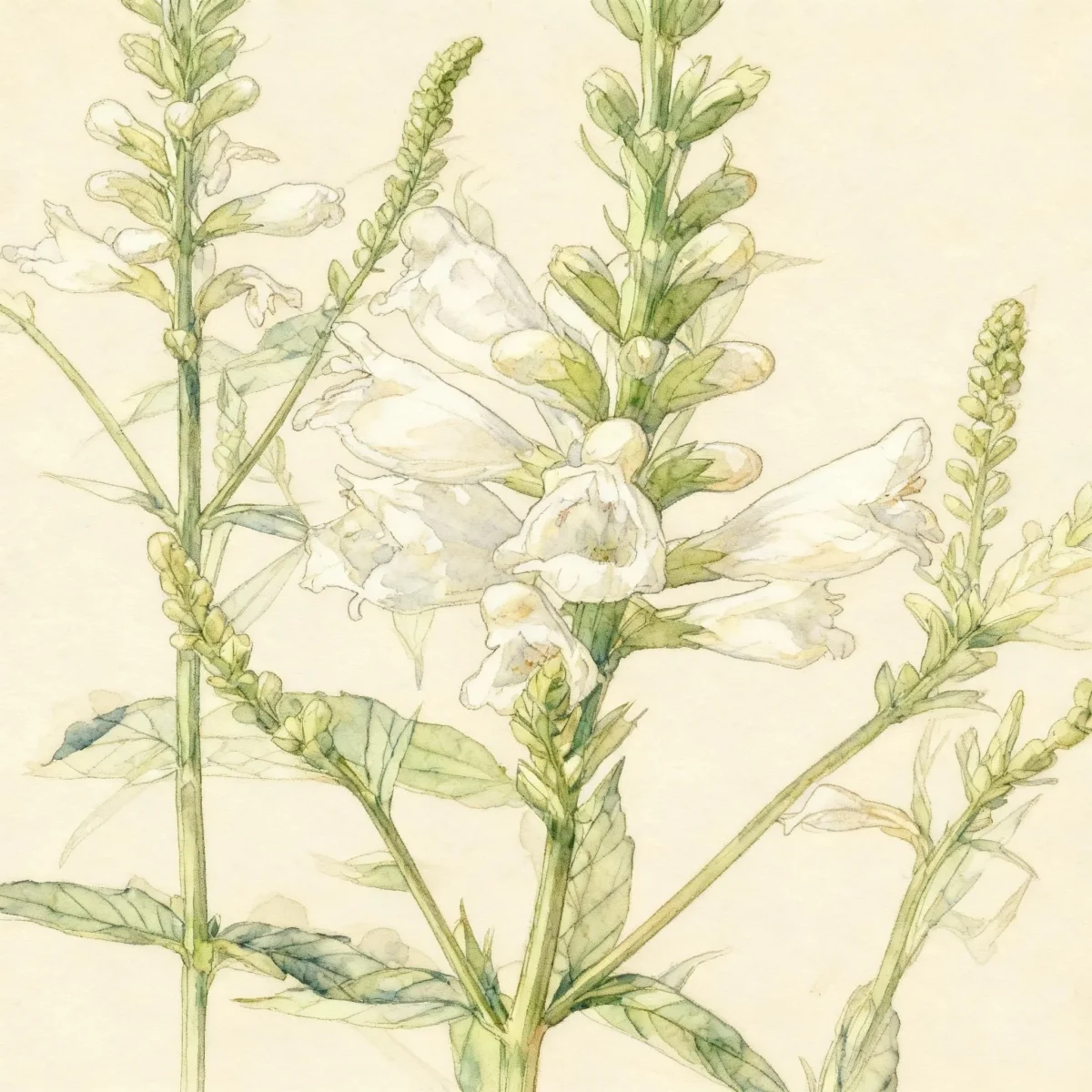
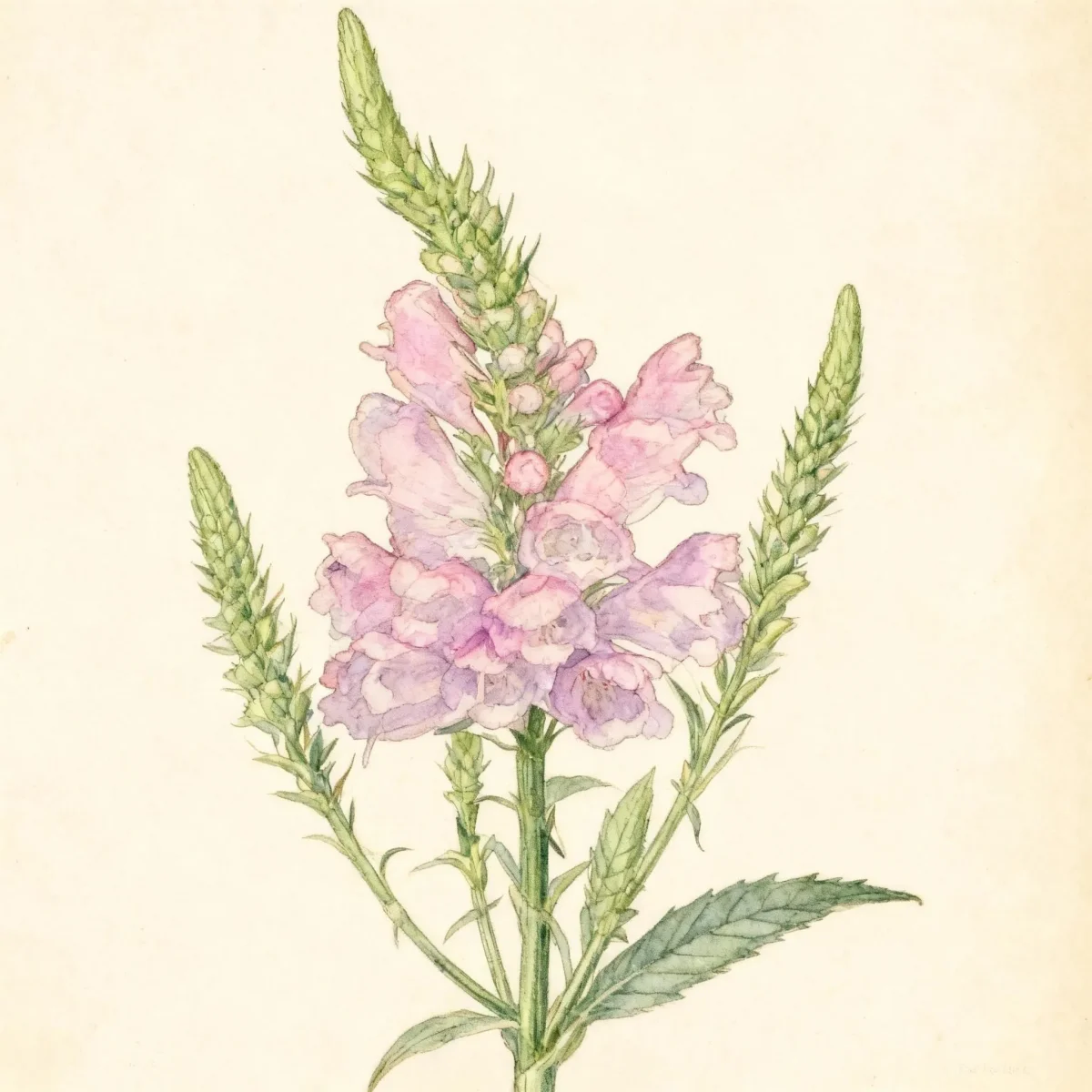
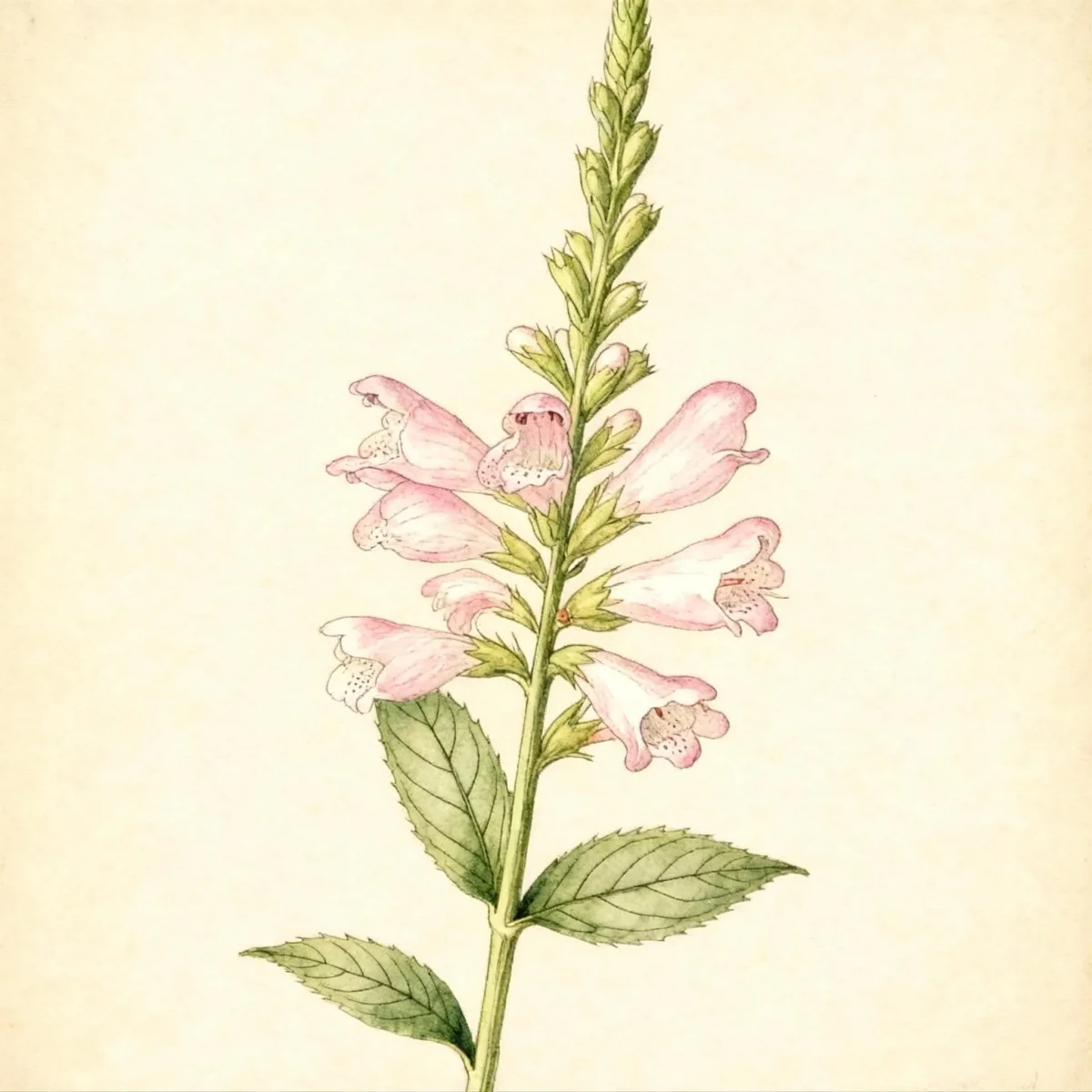
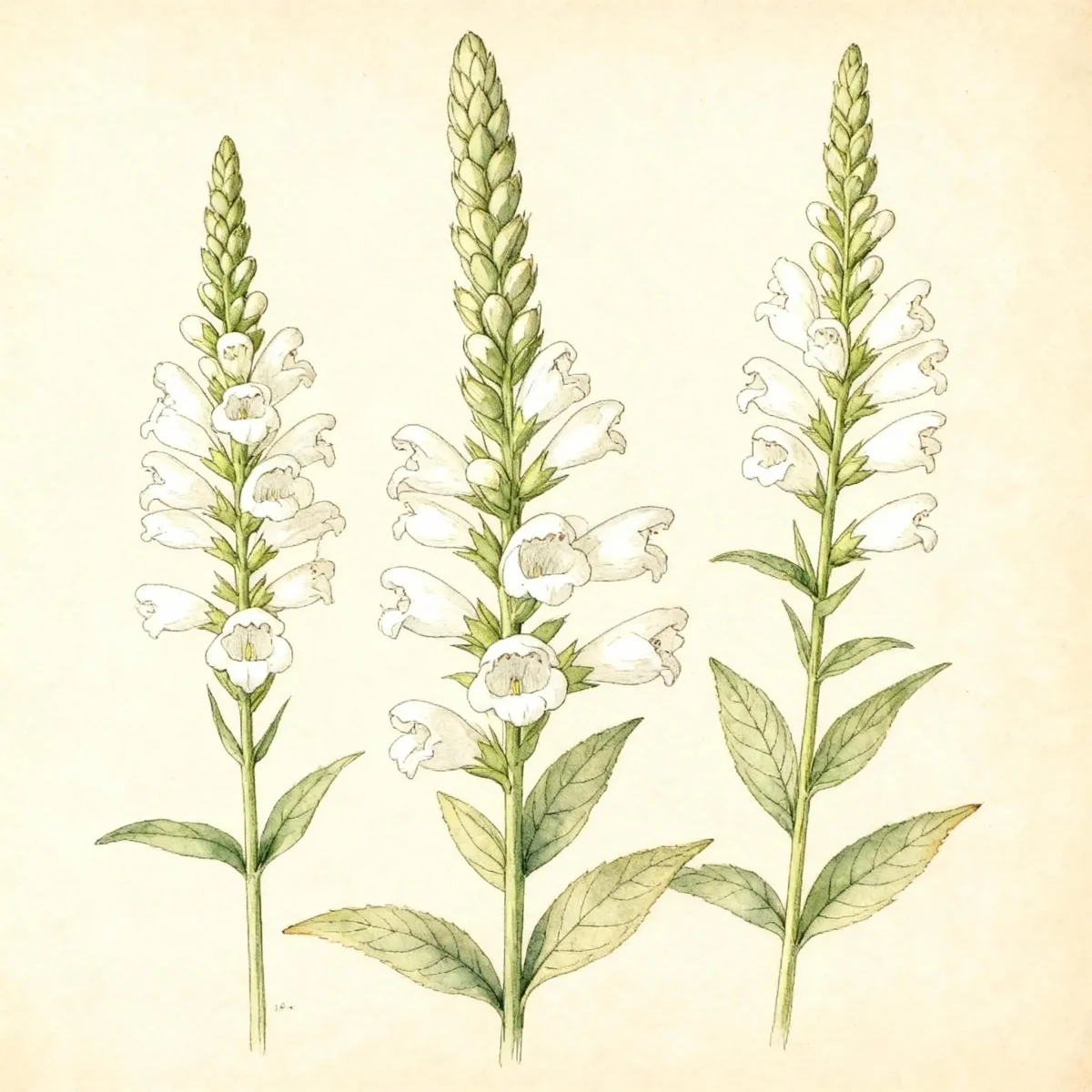
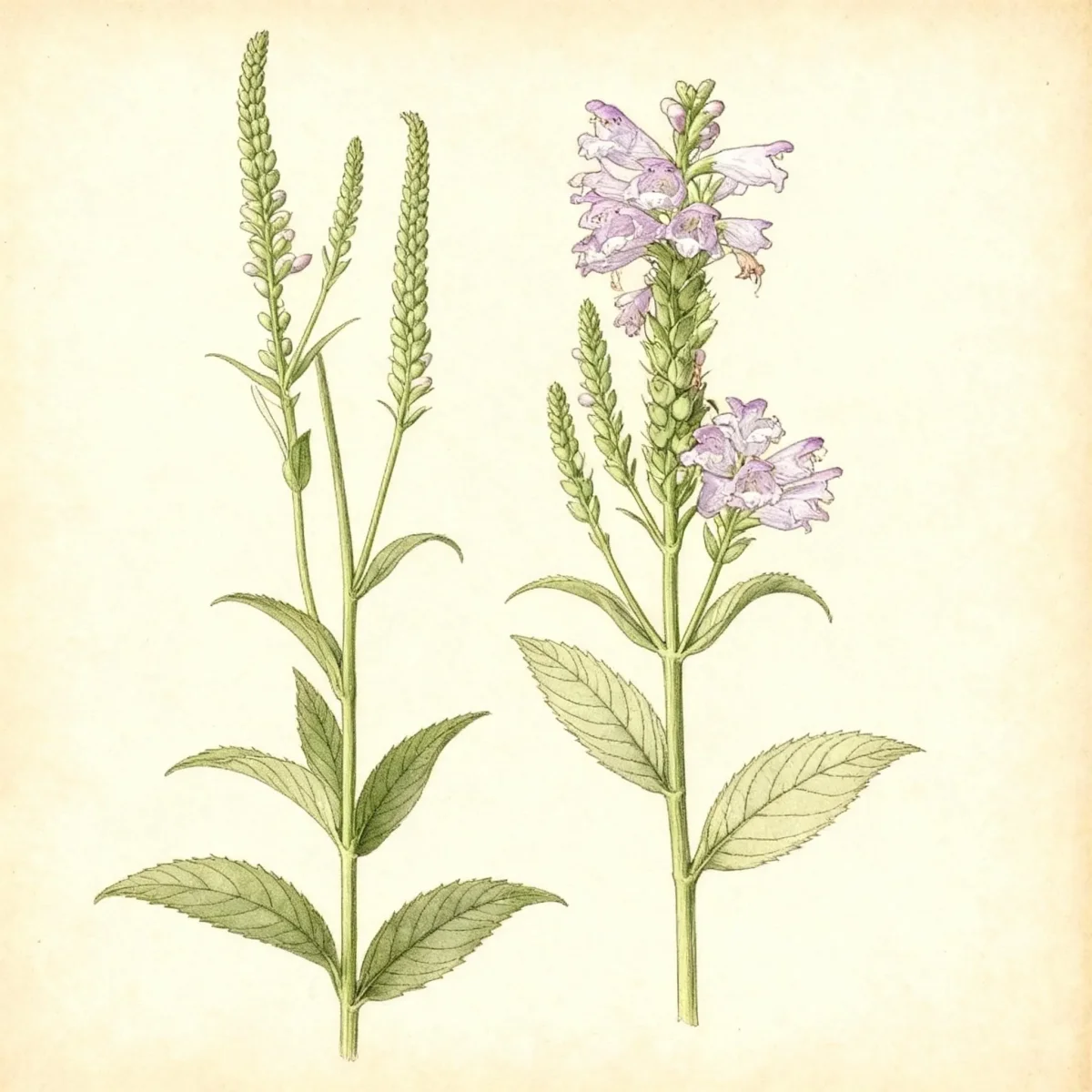
Obedient plant (Physostegia angustifolia)
The Obedient Plant, Physostegia angustifolia, offers showy pink blooms late summer. This perennial needs medium water in full sun.
Scroll down to discover growing tips, care requirements, companion plants, and more
Complete Plant Information
Overview
The Obedient plant, scientifically known as Physostegia angustifolia, is a highly valued late-season bloomer noted for its distinctive snapdragon-like flowers. Its genus name, Physostegia angustifolia, pays homage to the inflated calyces and narrow leaves characteristic of this upright, clump-forming perennial. Gardeners appreciate the long-lasting display of pink flowers that appear when many other summer perennials are fading.
As a member of the mint family, this plant features characteristic square stems, providing structural interest even before flowering begins. While Physostegia angustifolia is celebrated for its reliability and resilience, gardeners must be aware that its rhizomatous nature means it can readily spread, often requiring management to maintain borders.
This species brings reliable vertical accents to the landscape, lending contrast and color well into September. Its unusual flowers, which stay in place when nudged, give the Obedient plant its common moniker, making it an engaging focal point in perennial beds or naturalized settings throughout its central United States native range.
Fast Facts
- Plant Family: Lamiaceae
- Plant Type: Herbaceous perennial
- Native Range: Central United States
- Hardiness Zones: USDA Zones 3-9
- Size at Maturity:
- Height: 2-4 ft
- Spread: 2-3 ft
- Bloom Time: August to September
- Bloom Description: Pink
- Sun Exposure: Full sun
- Water Needs: Medium
- Maintenance Level: Medium
How to Grow
Physostegia angustifolia is adaptable and thrives when planted in average, medium, well-drained soil. The ideal location receives full sun, although this Obedient plant can tolerate very light shade. For the best bloom performance and sturdiest stems, ensure it receives adequate light exposure throughout the day. Plant during the spring or fall following standard perennial planting guidelines.
Watering requirements for Obedient plant are medium; maintain consistent moisture, especially during establishment and hot, dry spells. Fertility should be managed carefully; rich soils or excessive fertilization can lead to weak, floppy growth, necessitating staking. If staking becomes necessary, implement supports early in the season before the stems reach their full height of 4 feet.
This herbaceous perennial spreads vigorously via rhizomes, making it an aggressive gardener in ideal settings. To control its size and maintain vigor, plan to divide the clumps every two to three years. Dividing crowded clumps should be done in early spring or fall.
Landscape Uses
The primary recommendation for Physostegia angustifolia is in naturalized plantings where its spreading habit can be utilized naturally, such as in a wildflower garden, meadow, or prairie setting. It provides excellent vertical color and textural contrast against lower-growing groundcovers or bushy companion plants. While it readily naturalizes, it also performs well in the middle to back of a traditional perennial border, offering crucial late-season interest.
In mass plantings, the tight clusters of pink blooms create significant visual impact nearing the end of summer. Consider pairing Physostegia angustifolia with plants that bloom earlier, such as Rudbeckia or coneflowers, to ensure continuous color interest throughout the garden season. Its height makes it suitable for masking the dying foliage of early-season bulbs.
Standout Features
Flower Qualities
- Showy
- Good Cut
Noteworthy Characteristics
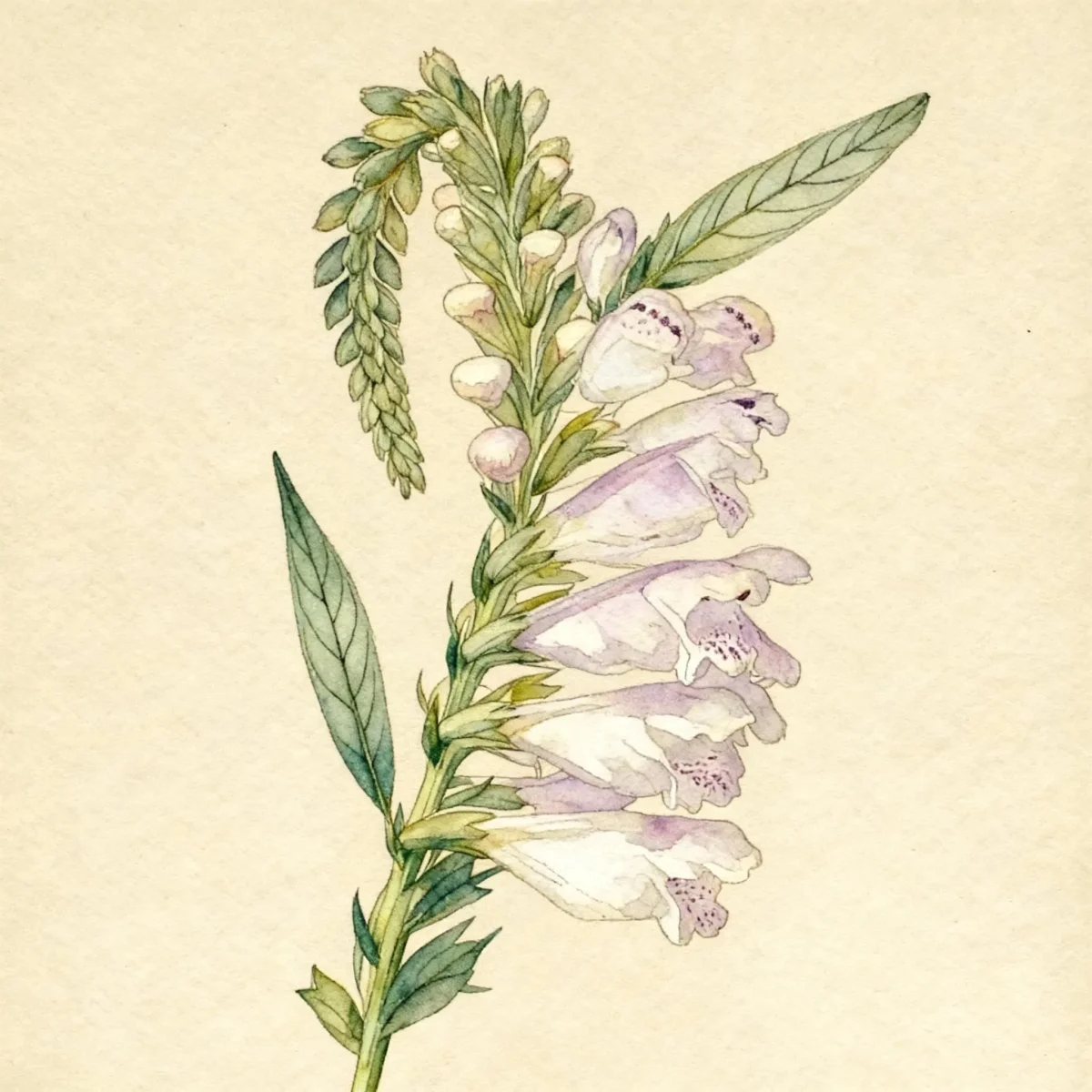
Physostegia angustifolia is an upright, clump-forming mint family (square stems) member that typically grows 2-4’ tall and features long-lasting, late summer terminal spikes of pinkish, snapdragon-like flowers. Genus members are commonly called obedient plants because each individual flower will temporarily remain in a new position if pushed in any direction as if it were hinged. Steyermark suggests that this species is very similar to the more commonly found and commercially sold P. Virginiana, except this species tends to have more rigid stems and narrower leaves.
Tolerances
- Deer
Potential Problems
Generally, Physostegia angustifolia exhibits no serious disease or insect problems, making it a relatively robust addition to the garden. The main cultural issue to watch for is rust, which can occasionally affect the foliage, especially in humid conditions or when air circulation is poor. Ensure plants are spaced adequately to prevent overcrowding, which can exacerbate fungal issues. If staking is avoided due to rich soil, the plants may flop, which is a physical maintenance issue rather than a health problem.
Frequently Asked Questions
What hardiness zones is Obedient plant suitable for?
The Obedient plant (Physostegia angustifolia) is reliably hardy across USDA Zones 3 through 9.
How large does Physostegia angustifolia grow?
This perennial typically reaches a mature height between 2 and 4 feet tall, with a spread ranging from 2 to 3 feet wide.
What sun exposure does Obedient plant need?
For the most vigorous growth and best flowering, Physostegia angustifolia requires full sun, though it can tolerate limited periods of light shade.
When does Physostegia angustifolia bloom?
The peak blooming period for this plant is late summer, extending from August right through September, producing distinctive pink flowers.
Conclusion
The Obedient plant, Physostegia angustifolia, offers dependable late-season structure and color, making it an excellent choice for gardeners seeking vibrancy in August and September. Remember that its rhizomatous nature requires periodic division to control spread, and watch for flopping if soil fertility is high. Before planting, verify that your site offers at least full sun exposure and medium, consistent moisture to ensure the best performance from this Central United States native.
Companion Planting
Successful companion planting involves pairing Physostegia angustifolia with species that share similar needs for medium moisture and sun exposure, while also providing different textures or bloom times for season-long interest. Consider utilizing structural plants that complement its upright habit, such as tall ornamental grasses like Panicum or sturdy late-season bloomers like Solidago (Goldenrod), provided the Solidago is a well-behaved cultivar. Because the Obedient plant attracts attention late in the season, placing it near plants that fade earlier ensures the border never looks bare.
Propagation Tips
Propagation of Physostegia angustifolia is most easily achieved through division, thanks to its vigorous rhizomatous growth habit. This process should ideally be undertaken in the early spring before new growth fully emerges, or in the early fall to allow roots time to establish before winter. Dig up divisions, ensuring that each section retains several healthy roots and at least one significant crown or growth bud. Alternatively, seeds can be collected from spent blooms; however, germination can be slow and unpredictable, making division the preferred method for maintaining true-to-type characteristics.