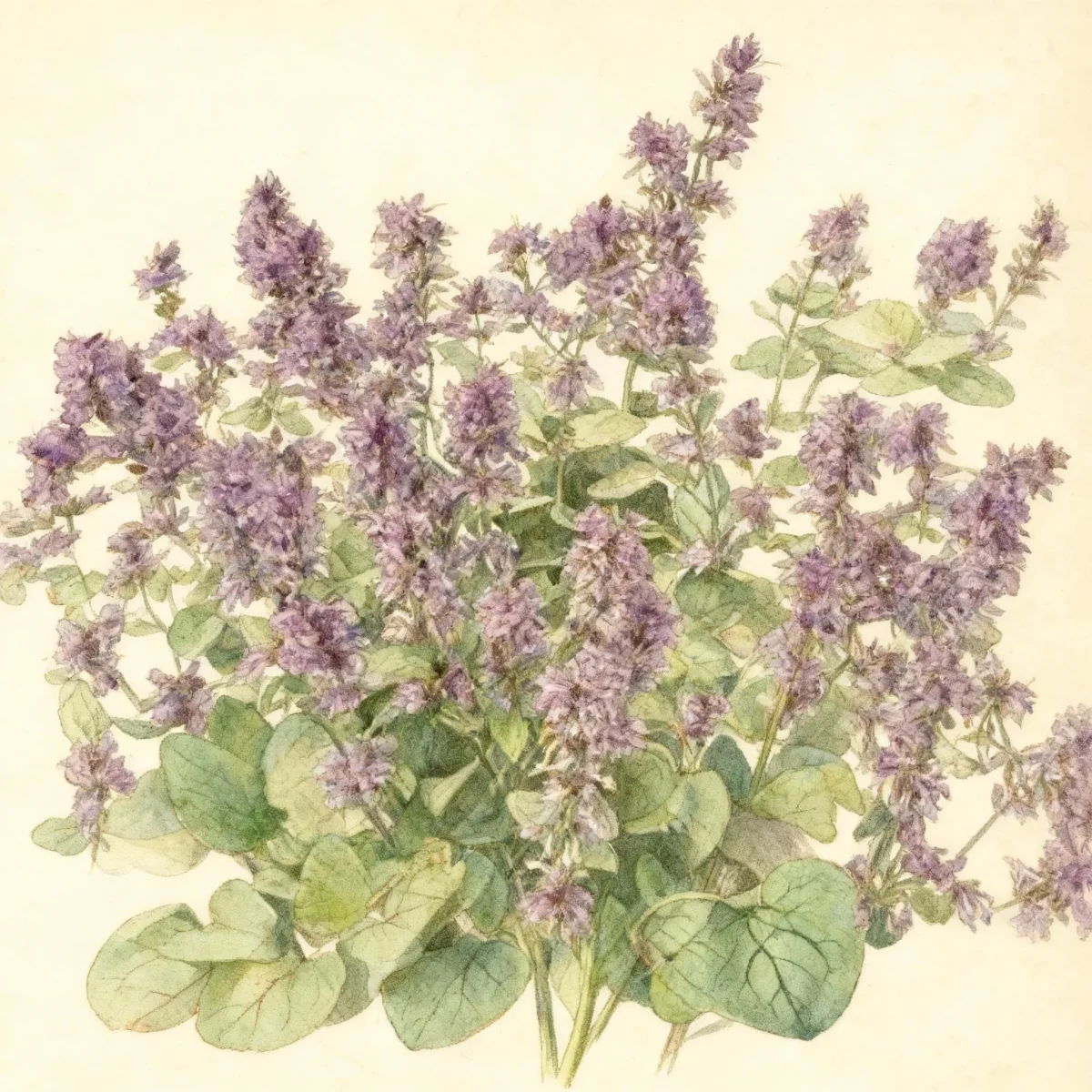
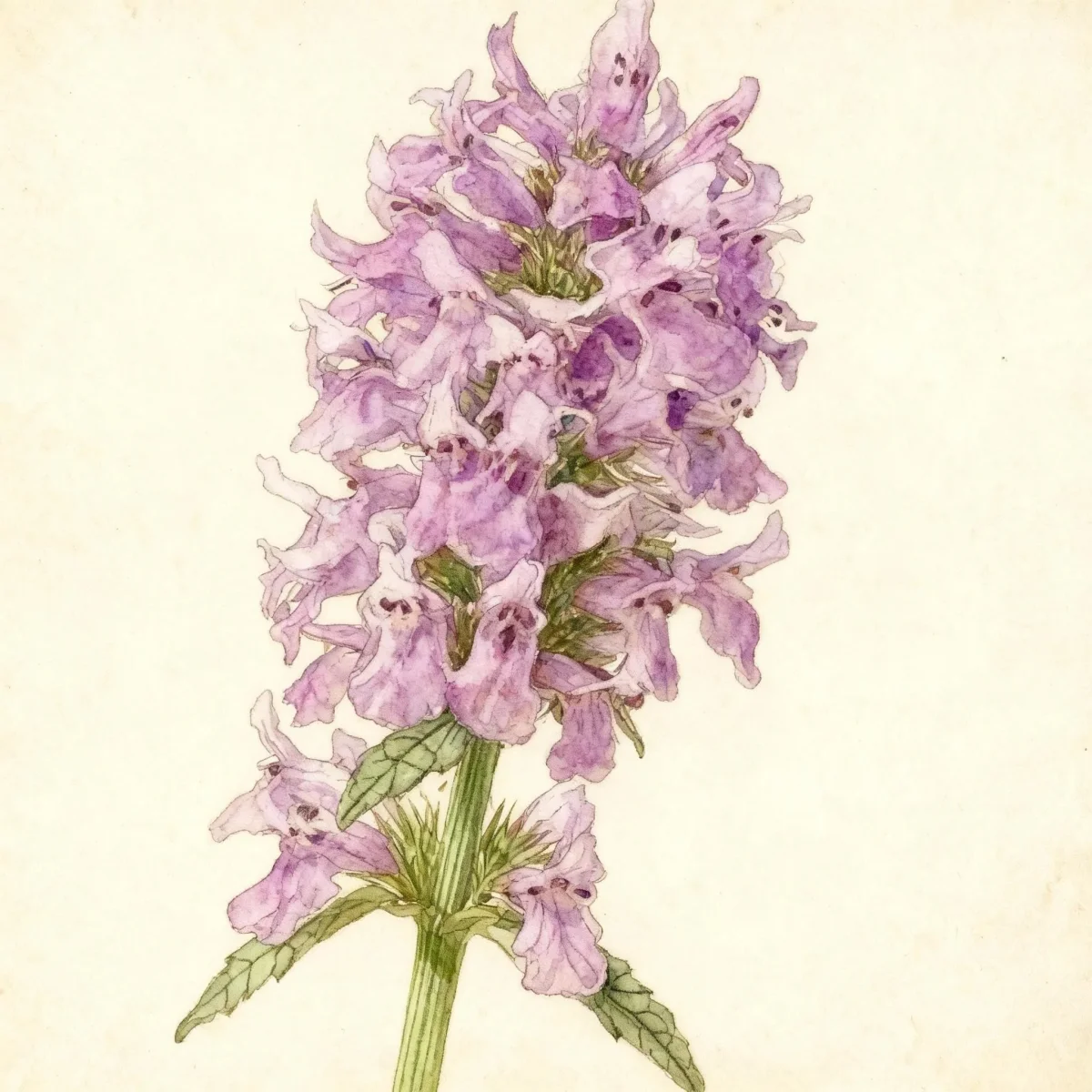
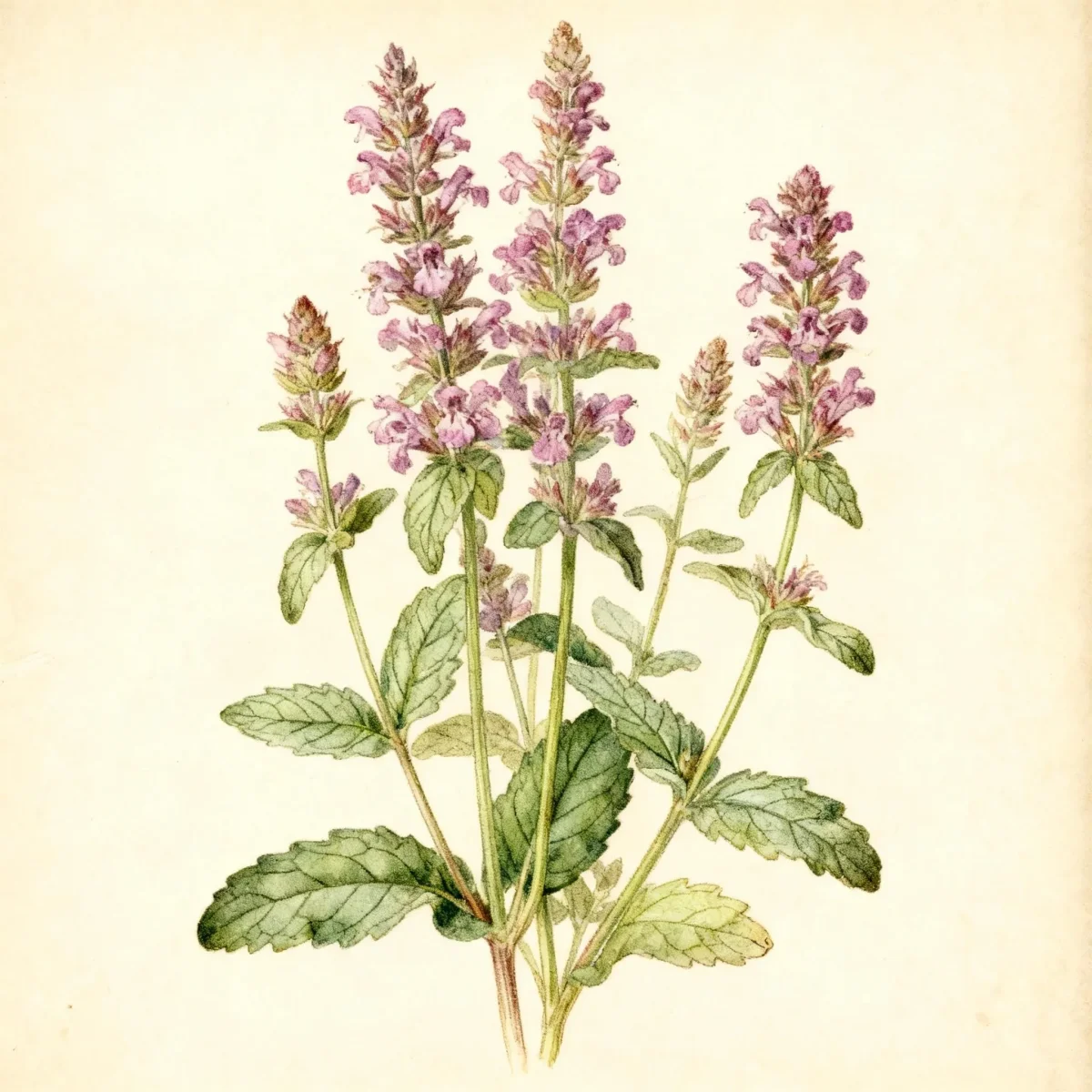
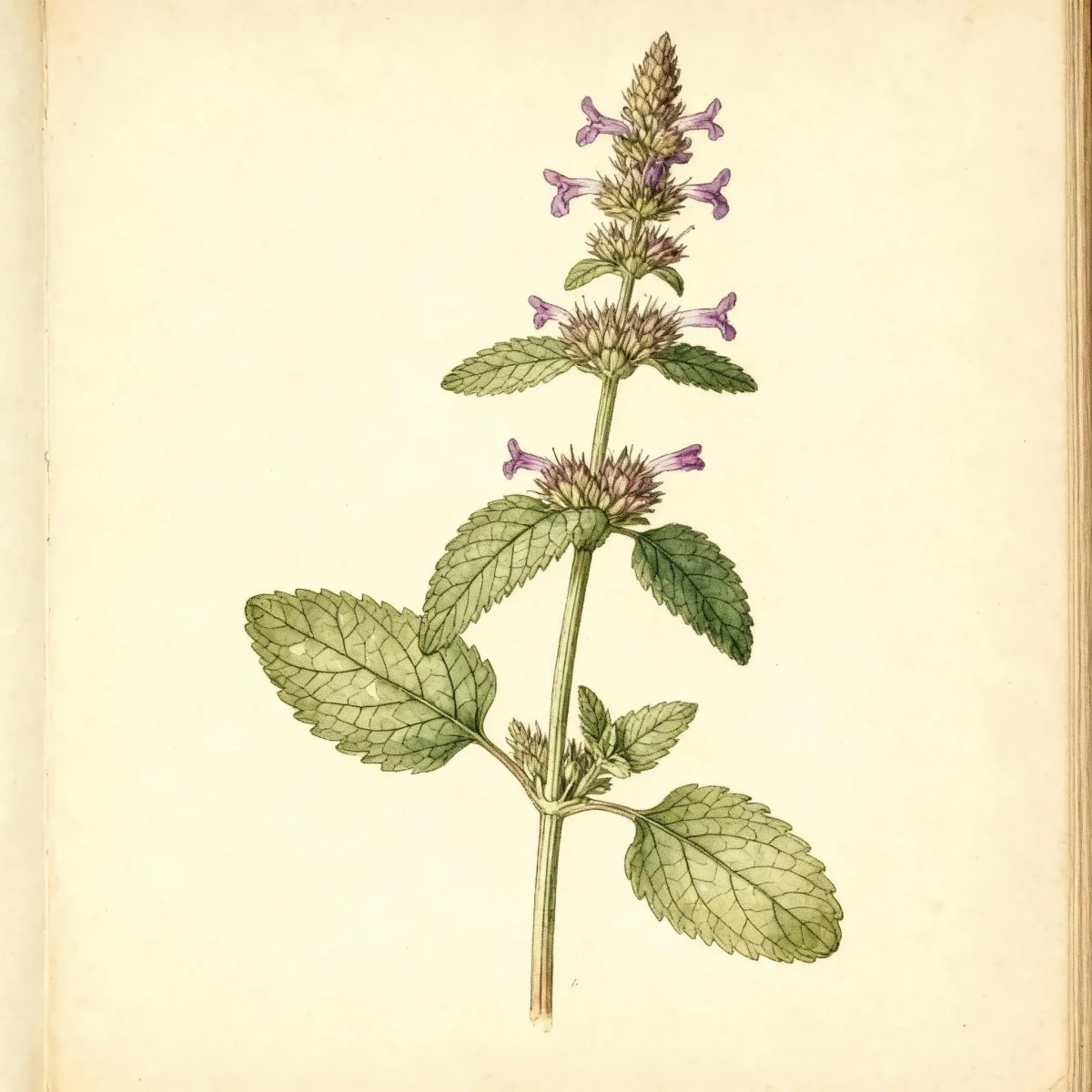
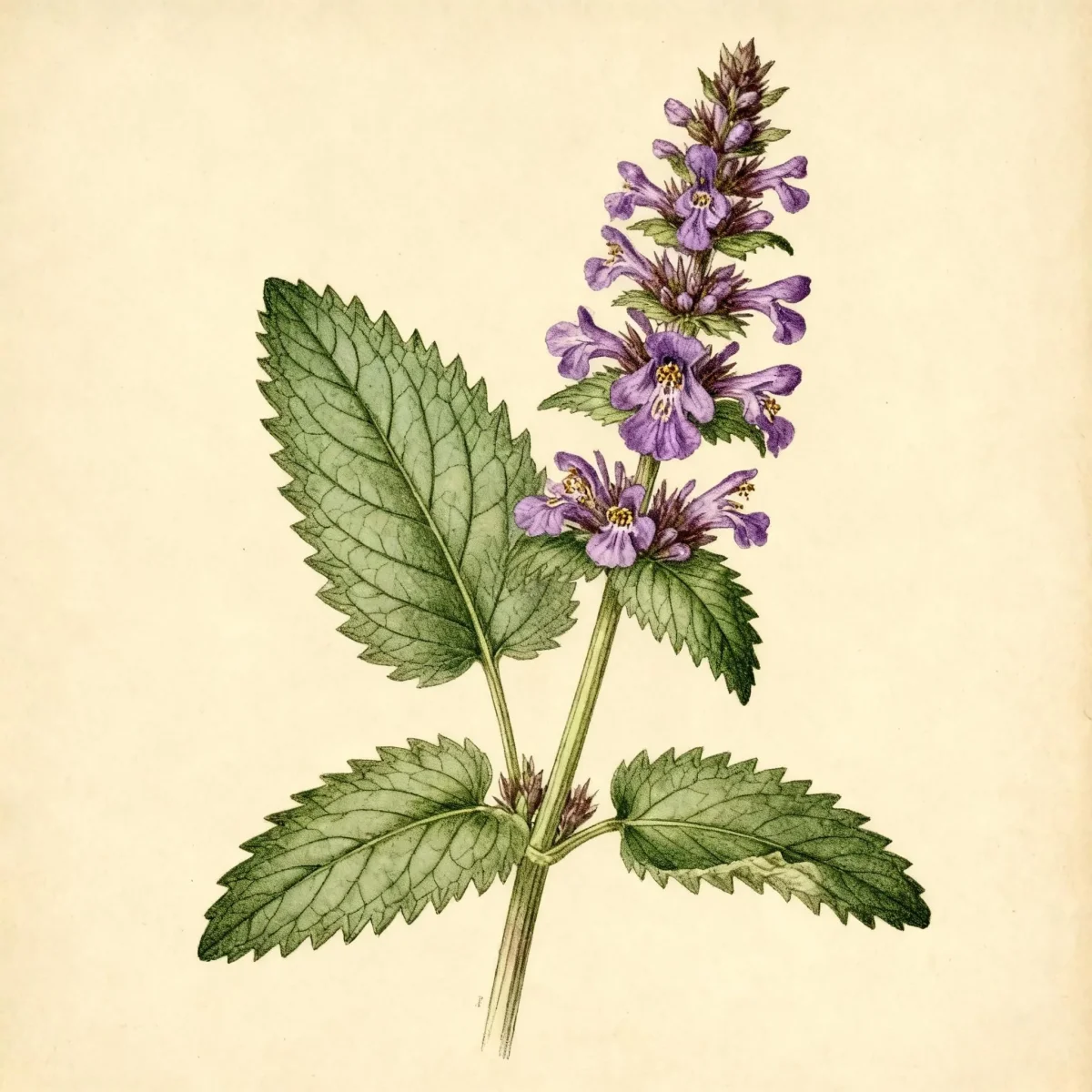
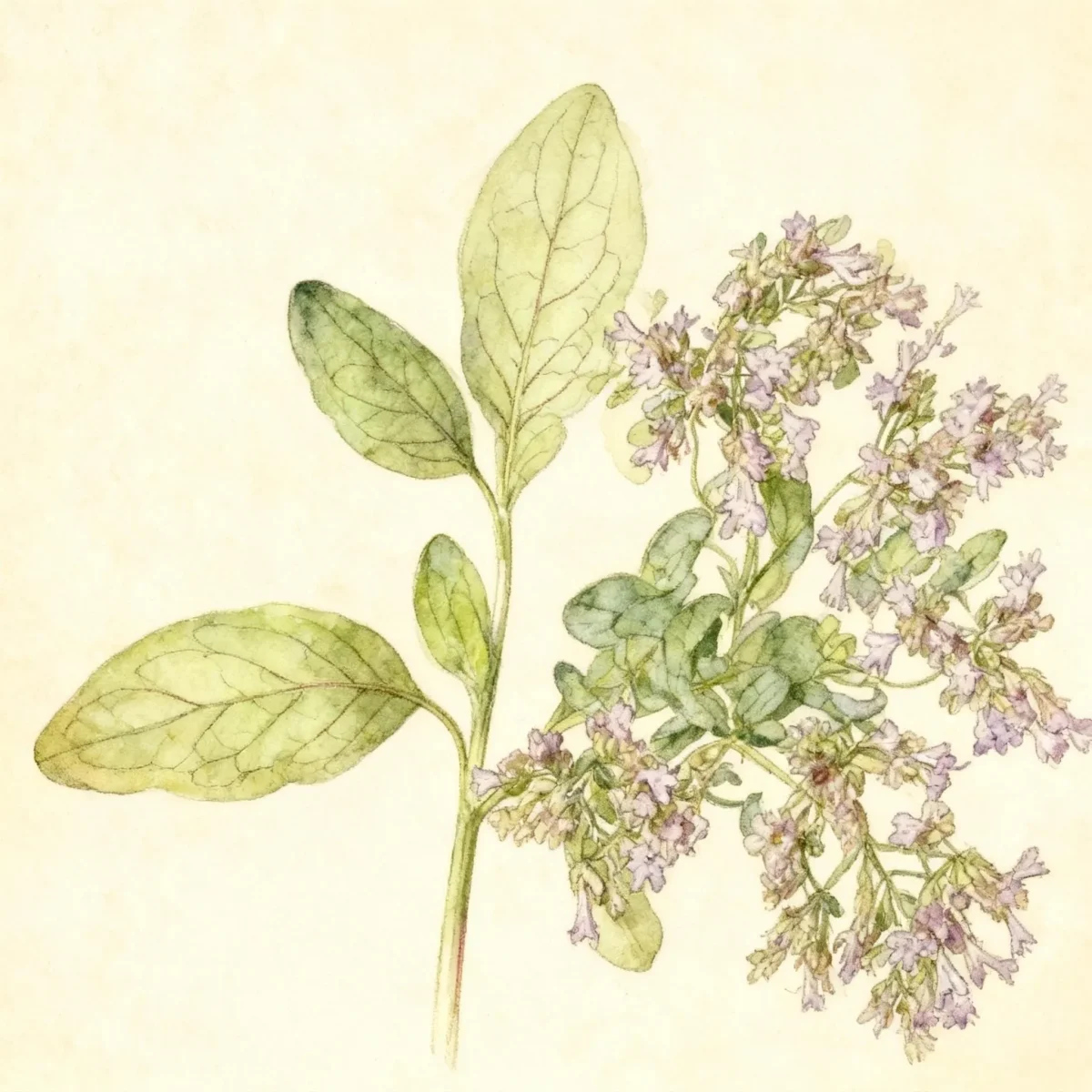
American mountain mint (Pycnanthemum virginianum)
Pycnanthemum virginianum, American mountain mint, is an aromatic, low-maintenance perennial for wet meadows and borders thriving in full sun.
Scroll down to discover growing tips, care requirements, companion plants, and more
Complete Plant Information
Overview
American mountain mint, scientifically known as Pycnanthemum virginianum, is a highly valuable addition to native and informal gardens across the Eastern United States. This erect, many-branched herbaceous perennial is renowned for the strong, refreshing mint-like aroma emitted when its foliage is crushed, making it excellent for sensory gardens. Although its common name suggests mountainous habitats, this mint thrives in moist soils, typically found near wet meadows, streams, and ponds.
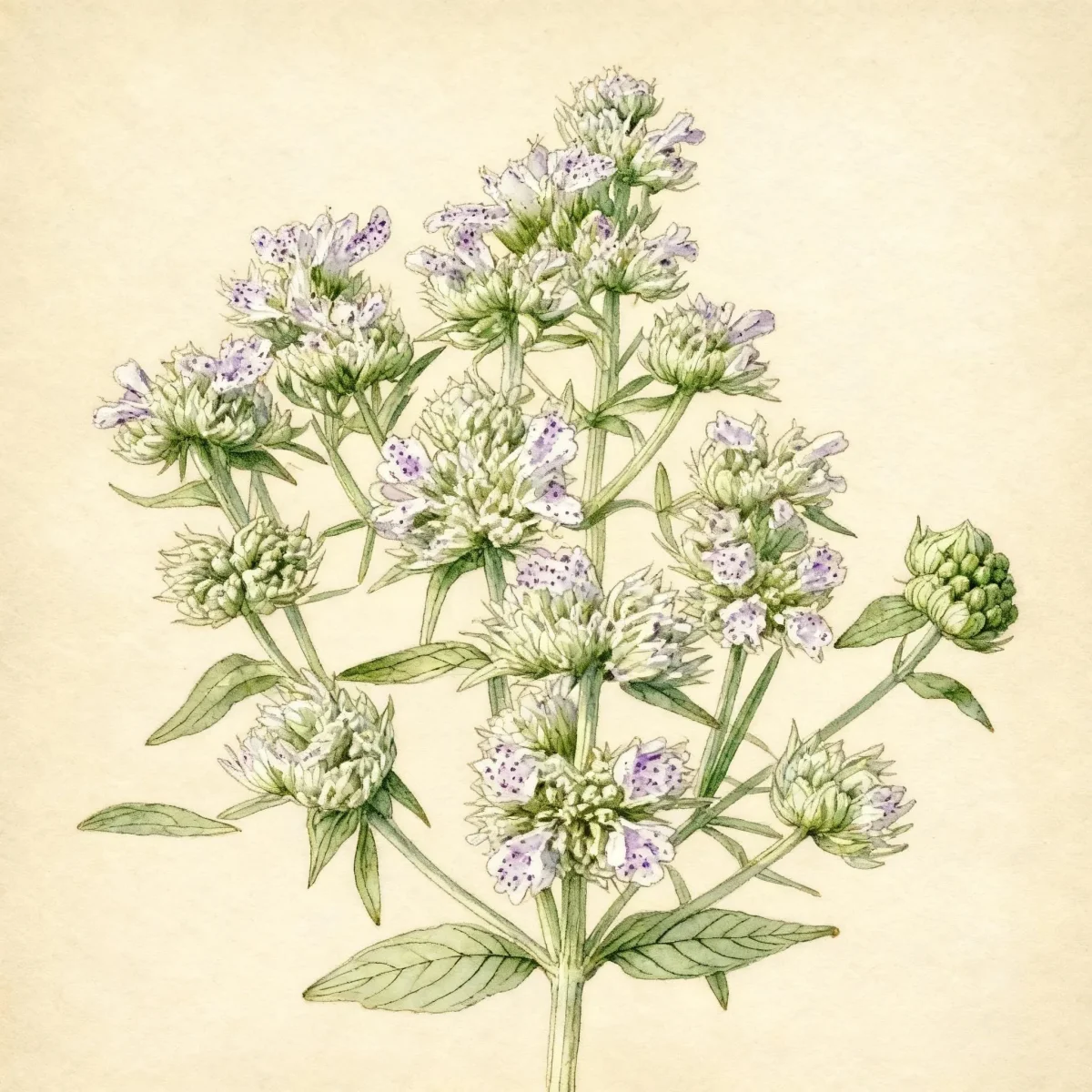
The aesthetic appeal of Pycnanthemum virginianum lies in its profuse late-summer flowering display. It produces clusters of masses of small, white, two-lipped flowers that create a soft haze from July through September. Its relatively tidy growth habit, reaching 2 to 3 feet tall, combined with its low maintenance requirements, makes it a reliable performer.
Gardeners prize American mountain mint for its adaptability, its ability to tolerate medium moisture, and its contribution to local ecosystems. Whether planted in a border, a naturalized setting, or near water features, Pycnanthemum virginianum provides reliable structure and fragrance throughout the growing season.
Fast Facts
- Plant Family: Lamiaceae
- Plant Type: Herbaceous perennial
- Native Range: Eastern United States
- Hardiness Zones: USDA Zones 3-7
- Size at Maturity:
- Height: 2-3 ft
- Spread: 1-1.5 ft
- Bloom Time: July to September
- Bloom Description: White
- Sun Exposure: Full sun
- Water Needs: Medium
- Maintenance Level: Low
How to Grow
Pycnanthemum virginianum should be planted in the spring or fall when conditions are mild, ensuring establishment before extreme temperatures hit. This species prefers average, medium, well-drained soil but adapts well to diverse conditions, especially if moisture levels are consistent. Give American mountain mint full sun—at least six hours of direct light daily—to ensure dense, high-quality blooms and minimize legginess.
Care for this perennial is minimal. Provide a medium watering schedule, especially during dry spells, to keep the soil consistently moist without becoming saturated. As a resilient member of the mint family, it rarely demands fertilization; excessive rich soils can sometimes encourage sprawling growth. Deadheading is generally unnecessary, as the fading flowers are often tolerated, though prompt removal can encourage tidiness.
Since Pycnanthemum virginianum is vigorous, management focuses more on containing spread than battling pests. While it is generally low maintenance, be aware that aggressive garden mints can spread via underground runners. If you need to control its size or location, plan to divide clumps every few years in early spring or fall maintenance cycles.
Landscape Uses
American mountain mint is highly versatile in the landscape, integrating seamlessly into both formal and highly naturalized designs. Its mid-summer white blooms offer a bright contrast when planted toward the middle or back of an herbaceous border, mingling beautifully with asters or goldenrods that bloom simultaneously. For the herb garden, its strong, aromatic foliage makes Pycnanthemum virginianum a unique addition alongside culinary herbs, offering visual texture.
Consider utilizing this native plant near areas where it mimics its natural habitat, such as the edges of ponds, streams, or rain gardens, provided the location still receives full sun exposure. Planting large drifts of Pycnanthemum virginianum is ideal for naturalized areas where you want a low-care, self-sustaining patch of color and fragrance. Its erect habit also makes it an interesting structural element when mixed with looser, airy meadow plants.
Standout Features
Flower Qualities
- Showy
Noteworthy Characteristics
Pycnanthemum virginianum is native to Missouri. Its common name of mountain mint is somewhat misleading since the plant typically occurs in moist soils in wet meadows, swamps and along streams and ponds. An erect, many-branched, herbaceous perennial that grows 2-3’ tall and features narrow, toothless, tapering leaves and profuse, somewhat flat-topped, terminal clusters of small, white, 2-lipped flowers which bloom in mid to late summer. All parts of the plant emit a strong, mint-like aroma when crushed.
Tolerances
(No data provided)
Potential Problems
Gardeners will appreciate that Pycnanthemum virginianum suffers from no serious insect or disease problems, making it an excellent choice for organic gardening practices. Its robust nature means that pests and pathogens generally pass it by. The primary management concern, as with many members of the Lamiaceae family, is ensuring adequate air circulation, especially if planted too densely, though serious fungal issues are uncommon if growing conditions mimic its preferred moist meadow environment.
Frequently Asked Questions
What hardiness zones is American mountain mint suitable for?
American mountain mint (Pycnanthemum virginianum) is hardy and well-suited for USDA Zones 3 through 7.
How large does Pycnanthemum virginianum grow?
This perennial typically reaches a mature height between 2 and 3 feet tall, spreading moderately between 1 and 1.5 feet wide.
When does American mountain mint bloom?
Pycnanthemum virginianum produces clusters of white flowers, offering a showy display throughout the mid-to-late summer, specifically from July to September.
What sun exposure does American mountain mint need?
This plant requires full sun exposure to thrive and produce its best flowering display.
Conclusion
The American mountain mint offers gardeners a highly reliable, aromatic, and long-flowering native perennial perfect for adding mid-summer brightness. Its low maintenance needs and ability to handle moist soil situations set Pycnanthemum virginianum apart as a garden staple. Before planting, ensure you check your local USDA zone compatibility and prepare a sunny location with medium moisture for the best success.
Companion Planting
When selecting companions for Pycnanthemum virginianum, focus on plants that share its preference for full sun and medium moisture. Asters, particularly New England or Smooth Asters, pair beautifully as they begin blooming as the mint slows down, extending the season of interest in the border. Coneflowers (Echinacea) and various goldenrods (Solidago) are excellent companions, providing differing textures and shapes that complement the mint’s erect form.
To manage potential spread while maximizing visual appeal, use edging materials or plant the Pycnanthemum among more aggressive plants that can help naturally check its boundary. Because it is native to wet meadows, consider pairing it with native Iris varieties or Joe-Pye Weed (Eutrochium species) if your site tends toward damp conditions, ensuring all partners demand the same level of sun input.
Wildlife Benefits
As a member of the mint family, American mountain mint is a significant attractor for beneficial insects and pollinators. The small, clustered flowers are rich in accessible nectar and pollen, making them favored by small native bees, honeybees, and various short-tongued butterflies. Its late bloom time is especially crucial, providing a vital nectar source when many earlier summer bloomers have faded.
Furthermore, the dense foliage provides valuable cover and structure for beneficial predatory insects that help naturally manage pests in your garden. Allowing a patch of Pycnanthemum virginianum to naturalize slightly near beneficial insectary plantings enhances the overall biological diversity and health of your landscape.