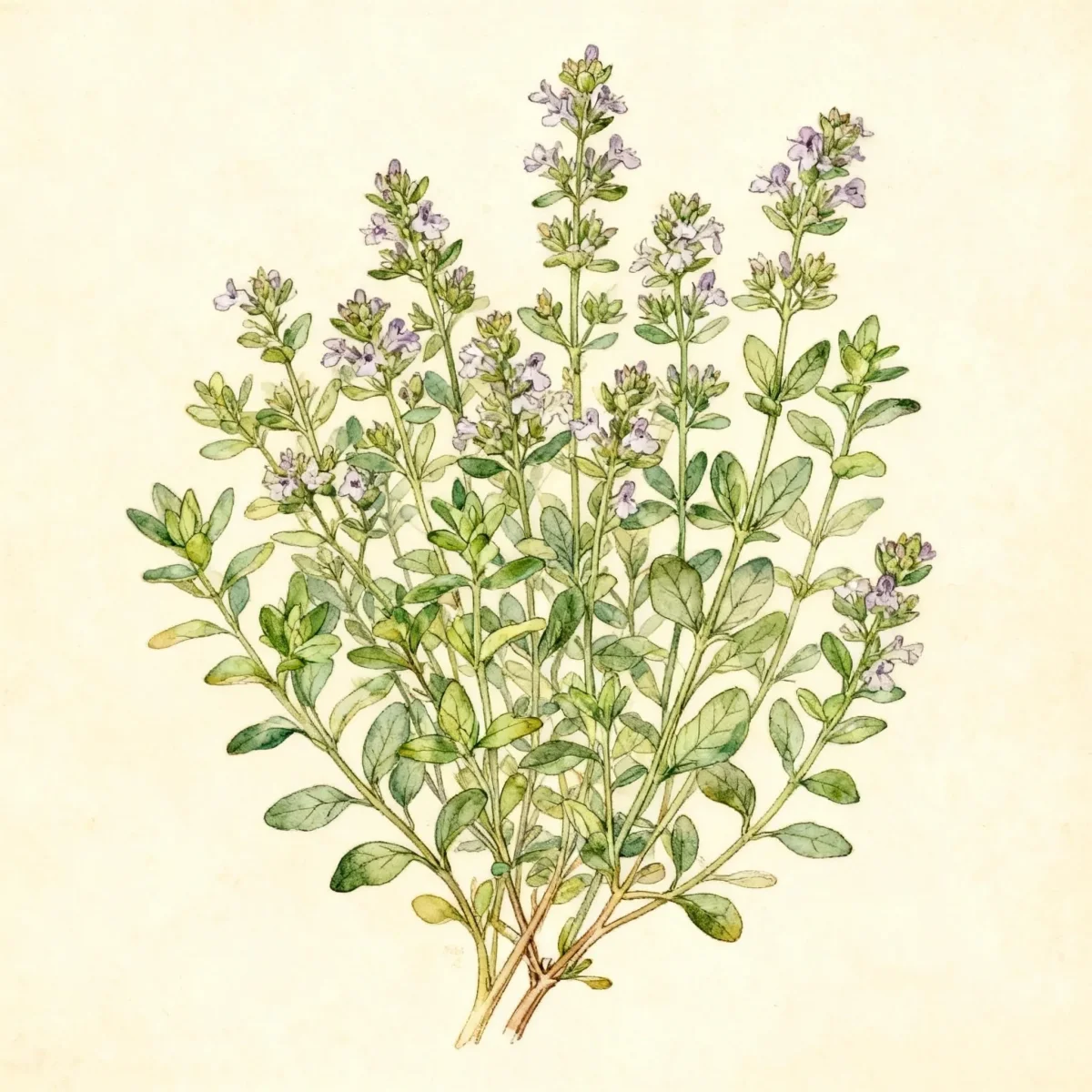
Silver sage (Salvia argentea)
Salvia argentea, or Silver sage, features striking silver-gray foliage; a low-maintenance perennial for dry, sunny spots in your garden.
Scroll down to discover growing tips, care requirements, companion plants, and more

Complete Plant Information
Overview
Salvia argentea, widely known as silver sage, is highly prized in the garden not for its flowers, but for its magnificent textural foliage. This plant forms dense, impressive rosettes of large, woolly, silver-gray leaves that remain attractive throughout the growing season, making it a standout focal point. Unlike many salvias, growers focus on maintaining the stunning basal foliage, especially in the first year of growth.
This species is generally treated as a biennial or short-lived perennial, establishing its foliage mound before sending up dramatic flower spikes in its second season. It thrives in harsh conditions where many other plants struggle, thanks to its excellent drought tolerance once established. Cultivating silver sage merges aesthetic appeal with resilience, offering low maintenance once established.
Gardeners should plan for its life cycle, knowing that flowering plants may complete their biennial cycle, though Salvia argentea often self-seeds gently to reappear in nearby locations. Its unique combination of silvery color and low water requirements makes this Salvia argentea an invaluable addition to xeriscaping or gravel gardens.
Fast Facts
- Plant Family: Lamiaceae
- Plant Type: Herbaceous perennial
- Native Range: Southern Europe and northern Africa
- Hardiness Zones: USDA Zones 5-8
- Size at Maturity:
- Height: 1-3 ft
- Spread: 1-1.5 ft
- Bloom Time: June to July
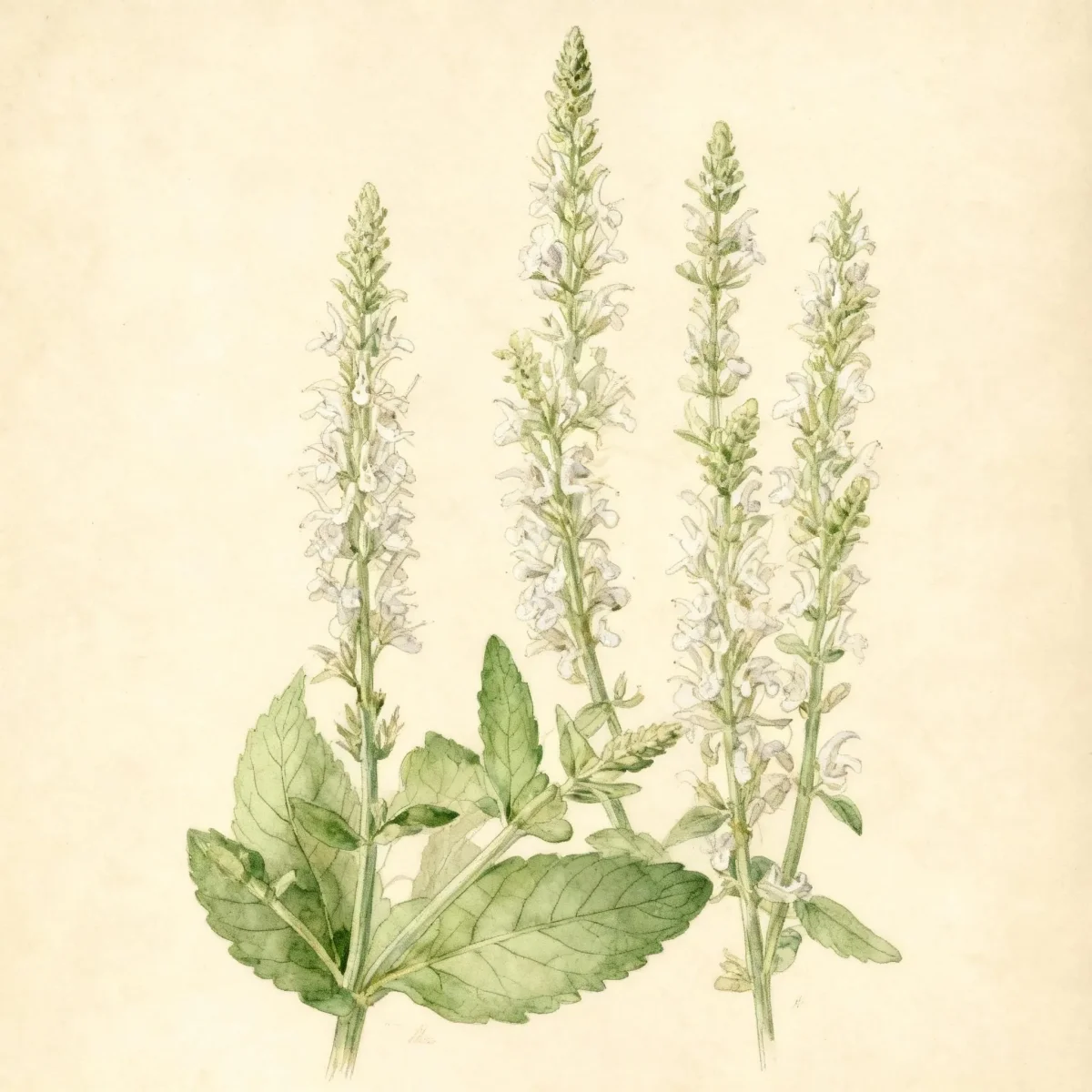
- Bloom Description: White tinged with pink
- Sun Exposure: Full sun
- Water Needs: Dry to medium
- Maintenance Level: Low
How to Grow
Plant Salvia argentea in full sun locations where drainage is excellent. This plant prefers average, dry to medium soils, but thrives particularly well in light, gravelly, or sandy substrates. Proper placement involves ensuring winter moisture is minimized, as wet soils can quickly cause stem and root rot in dormant plants.
Care for silver sage is generally easy; it is drought tolerant once established and requires minimal supplemental watering beyond natural rainfall, particularly in dry to medium conditions. Fertilization is usually unnecessary, as rich soil can sometimes lead to excessive greening of the silver foliage, defeating the visual purpose of the plant.
Because this is a biennial or short-lived perennial, consider proactively collecting seeds or allowing light self-seeding if you wish to maintain the presence of silver sage in your garden. If you prefer to maximize the foliage display, promptly cutting off flowering stems as they emerge encourages the plant to focus energy on producing more decorative leaves. Be aware that in hot, humid climates south of USDA Zone 7a, the foliage performance may decline as summer progresses.
Landscape Uses
The striking silver-gray foliage of Salvia argentea makes it an outstanding textural element in the garden landscape. It is perfectly suited for use along borders where its low mound of color contrasts beautifully against deep green or dark-leaved companions. Due to its drought tolerance, it works well along sunny walls or in herb gardens where traditional bedding plants might wilt under the heat.
Salvia argentea excels as an edging plant, clearly defining pathways or breaking up large masses of sun-loving perennials. While it is often grown for its foliage, its height in the second year, reaching up to 3 feet, allows it to add vertical interest. It also performs admirably as a good container plant, providing long-lasting, cool-toned drama in patio arrangements.
Standout Features
Flower Qualities
- Showy
Noteworthy Characteristics
Salvia argentea, commonly called silver sage, is a clump-forming biennial or short-lived perennial that is native to the Mediterranean area (southern Europe to northern Africa). Unlike most salvias, plants of this species are grown primarily for their large, woolly leaves and not for their flowers. In the first year, this sage features a large rosette of soft, felt-like, broad-oval, downy, wrinkled, silver-gray leaves (to 8” long by 6” wide) that form an attractive foliage mound to 12” tall and to 20” wide.
Tolerances
- Deer
- Drought
- Dry Soil
Potential Problems
Salvia argentea benefits from relatively few serious insect or disease issues, which contributes to its low maintenance rating. However, slugs and snails can sometimes find the soft, woolly leaves appealing, especially in damp conditions. Gardeners should monitor for these common garden pests and employ appropriate trapping or baiting methods.
Fungal issues such as stem and root rot can become a significant concern if the plant is situated in poorly drained or overly wet soil, particularly during winter dormancy. To prevent rot, ensure excellent drainage and avoid overhead watering late in the day. Powdery mildew, rust, and leaf spot are less common but can occur, often signaling poor air circulation or overly humid conditions.
Frequently Asked Questions
What hardiness zones is Silver sage suitable for?
Salvia argentea is typically suitable for USDA Hardiness Zones 5 through 8.
How large does Silver sage grow?
When mature, this plant reaches a height between 1 and 3 feet and spreads between 1 and 1.5 feet wide.
What sun exposure does Salvia argentea need?
Salvia argentea requires full sun exposure to thrive and maintain its best color.
When does Salvia argentea bloom?
Flowering generally occurs from June to July, producing flowers described as white tinged with pink.
Conclusion
The silvery texture and exceptional drought tolerance make Salvia argentea a top choice for adding light and contrast to hot, sunny garden borders. Whether grown as a foliage annual or enjoyed as a short-lived perennial, this silver sage provides sophisticated, low-effort beauty. Check your local USDA zone compatibility before planting and ensure soils drain freely to enjoy this stunning foliage display season after season.
Companion Planting
Selecting companions for Salvia argentea is easy due to its broad cultural needs—full sun and dry soil tolerance. Pair it with plants that offer contrasting textures or colors to amplify its silvery effect. Good companions include ornamental grasses with fine textures, such as blue fescue (Festuca glauca), or drought-tolerant perennials with dark purple or deep blue flowers like lavender (Lavandula) or purple coneflower (Echinacea purpurea). Avoid planting silver sage next to thirsty, shade-loving plants, as this will disrupt its required drainage and moisture profile.
Propagation Tips
Propagation of Salvia argentea is primarily done through seeds, as this is the easiest method for mass planting or yearly successions. If you allow the second-year plants to bloom and set seed, the resulting seedlings will usually appear the following spring. Alternatively, for established plants, you can attempt to propagate via the removal of rooted lateral offshoots in the spring, treating them like small divisions. This method is helpful for retaining the exact characteristics of a preferred parent plant, though seed-grown plants often establish strongly enough on their own.