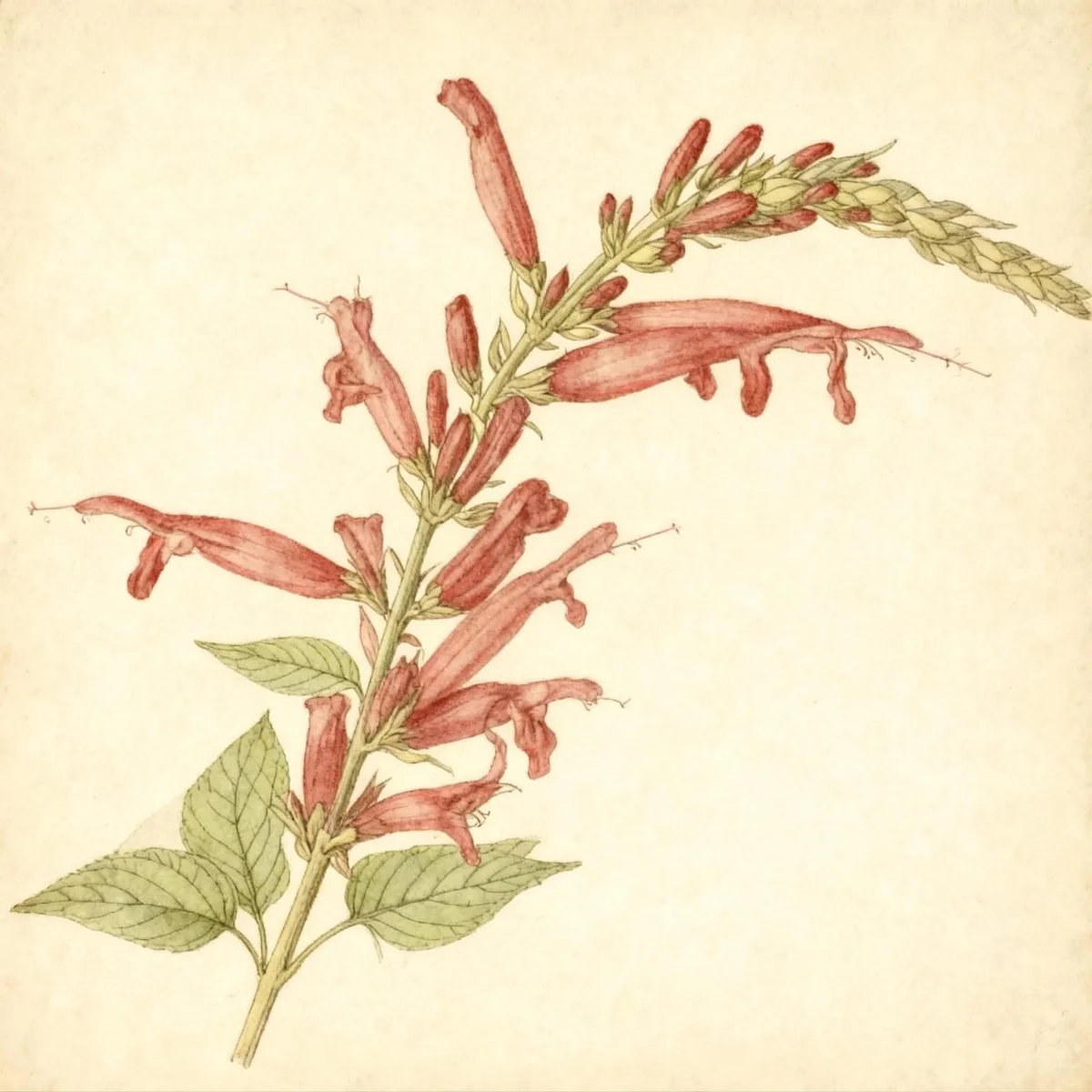
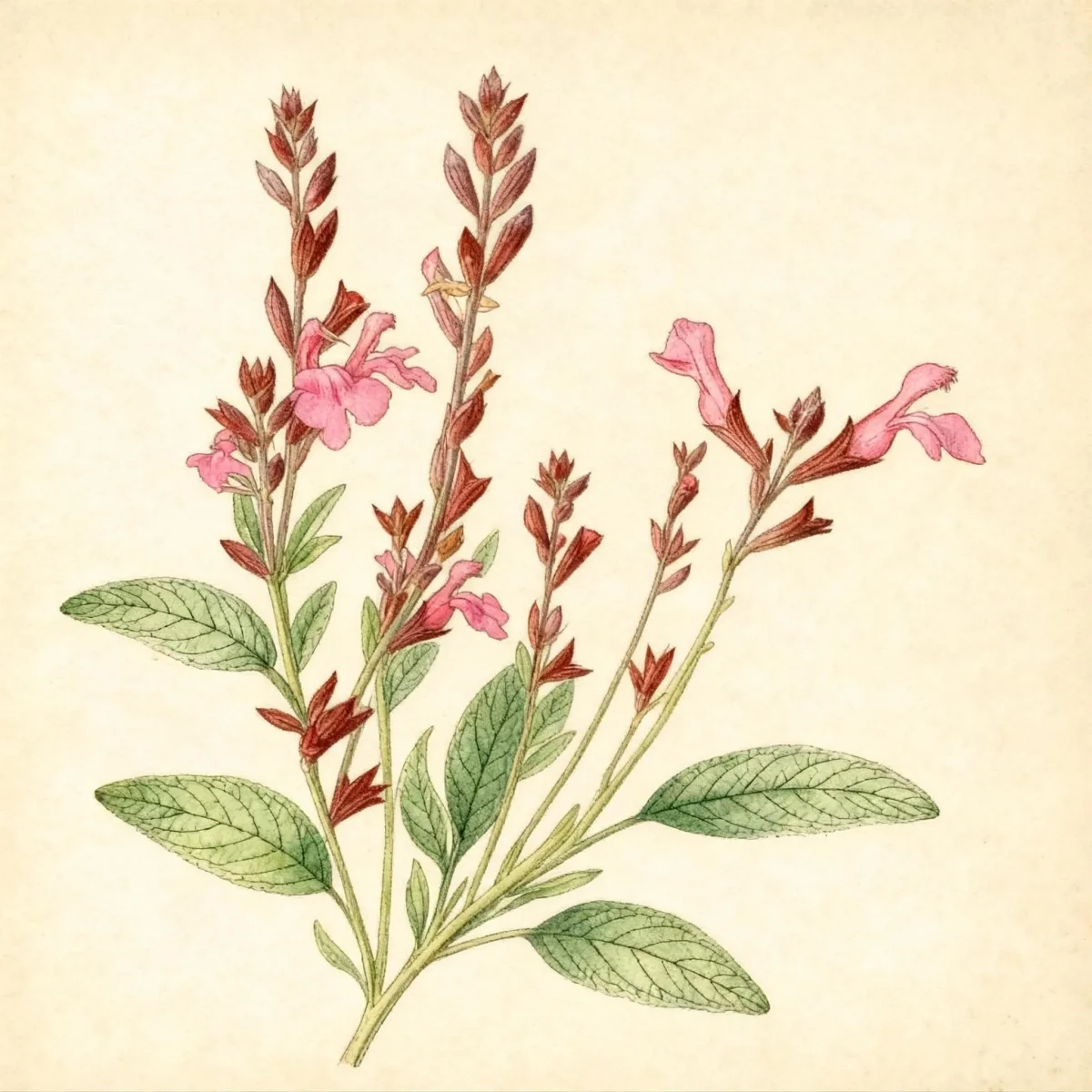
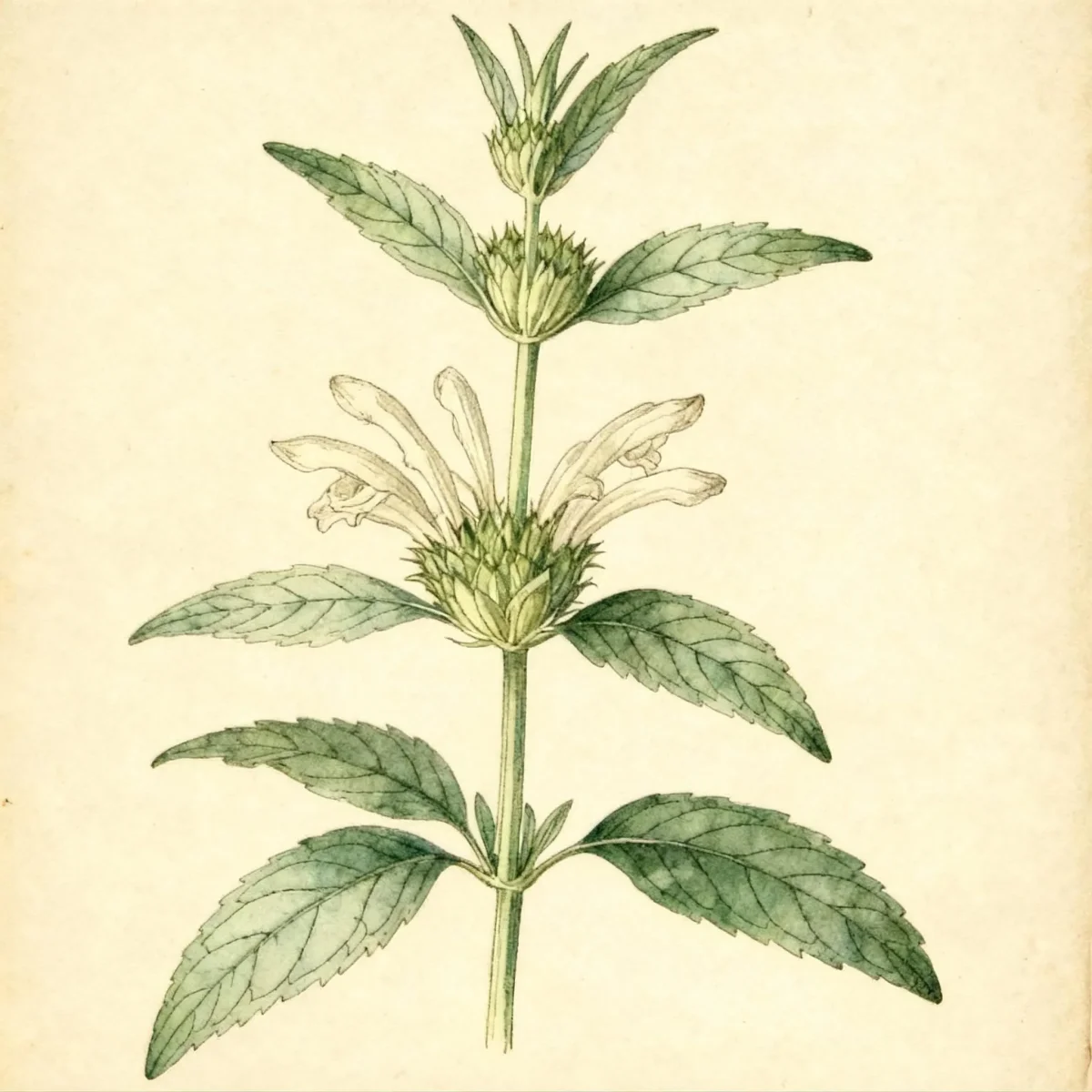
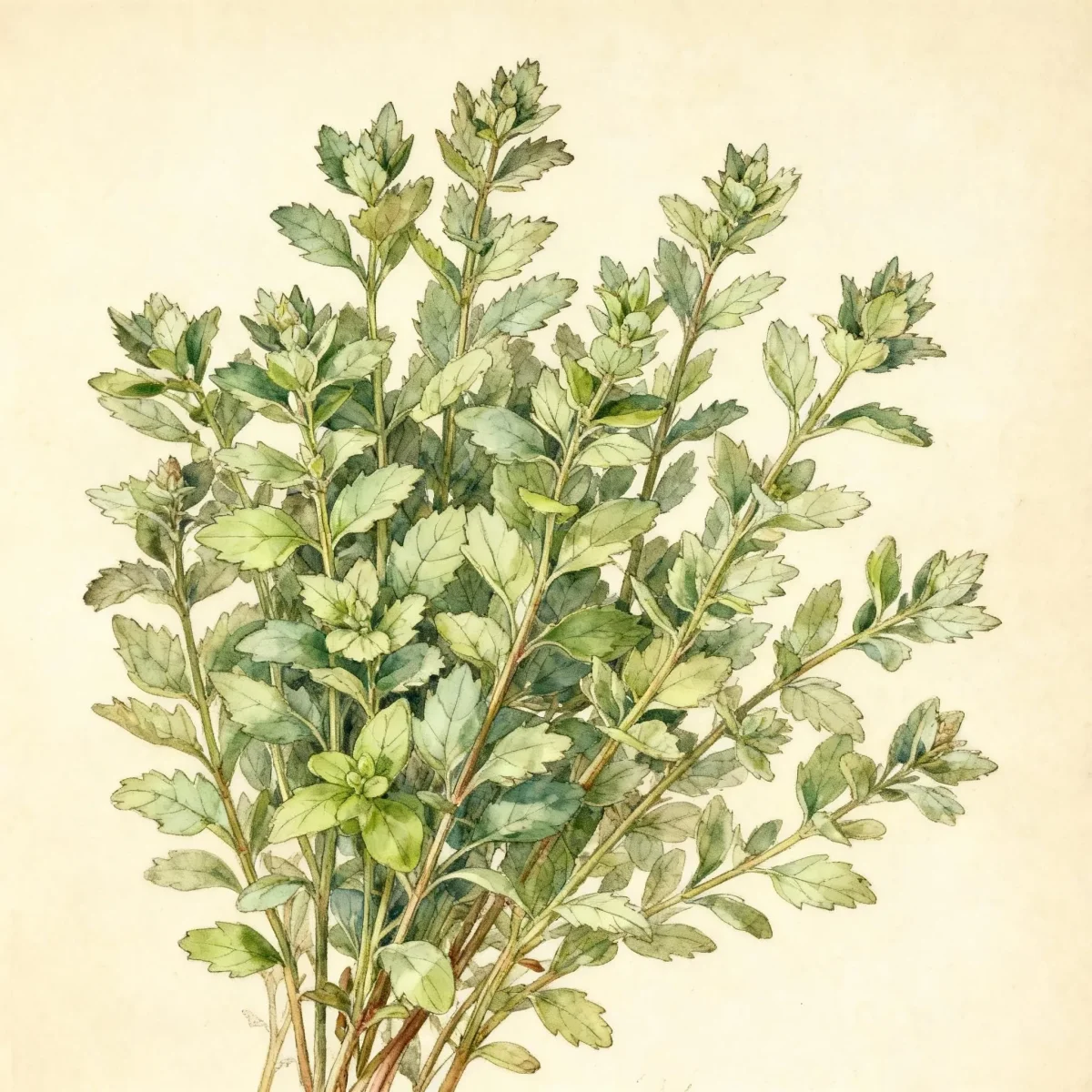
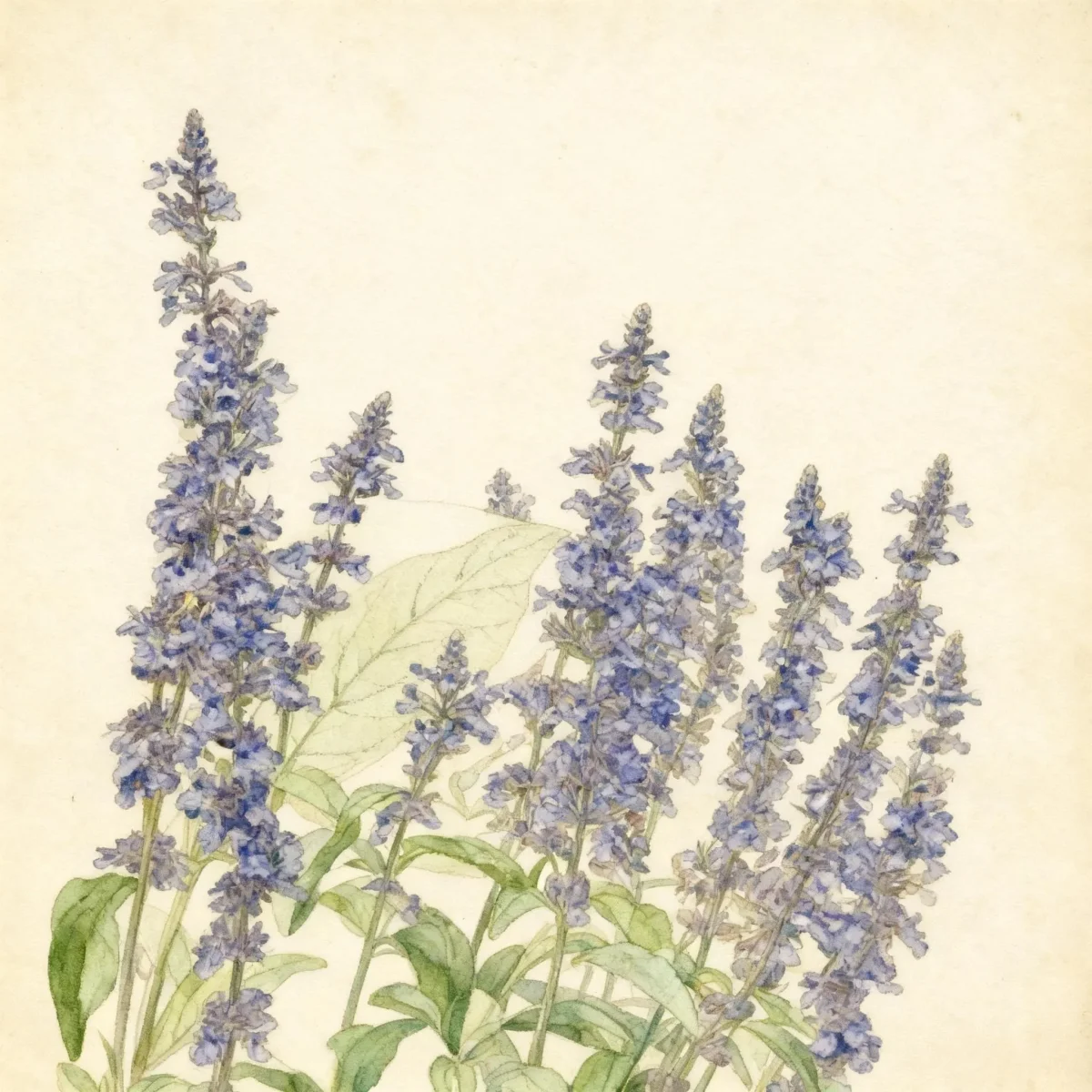
Mexican bush sage (Salvia leucantha)
Discover Mexican bush sage (Salvia leucantha), a low-maintenance perennial boasting deep purple calyces atop white flowers from late summer to frost.
Scroll down to discover growing tips, care requirements, companion plants, and more
Complete Plant Information
Overview
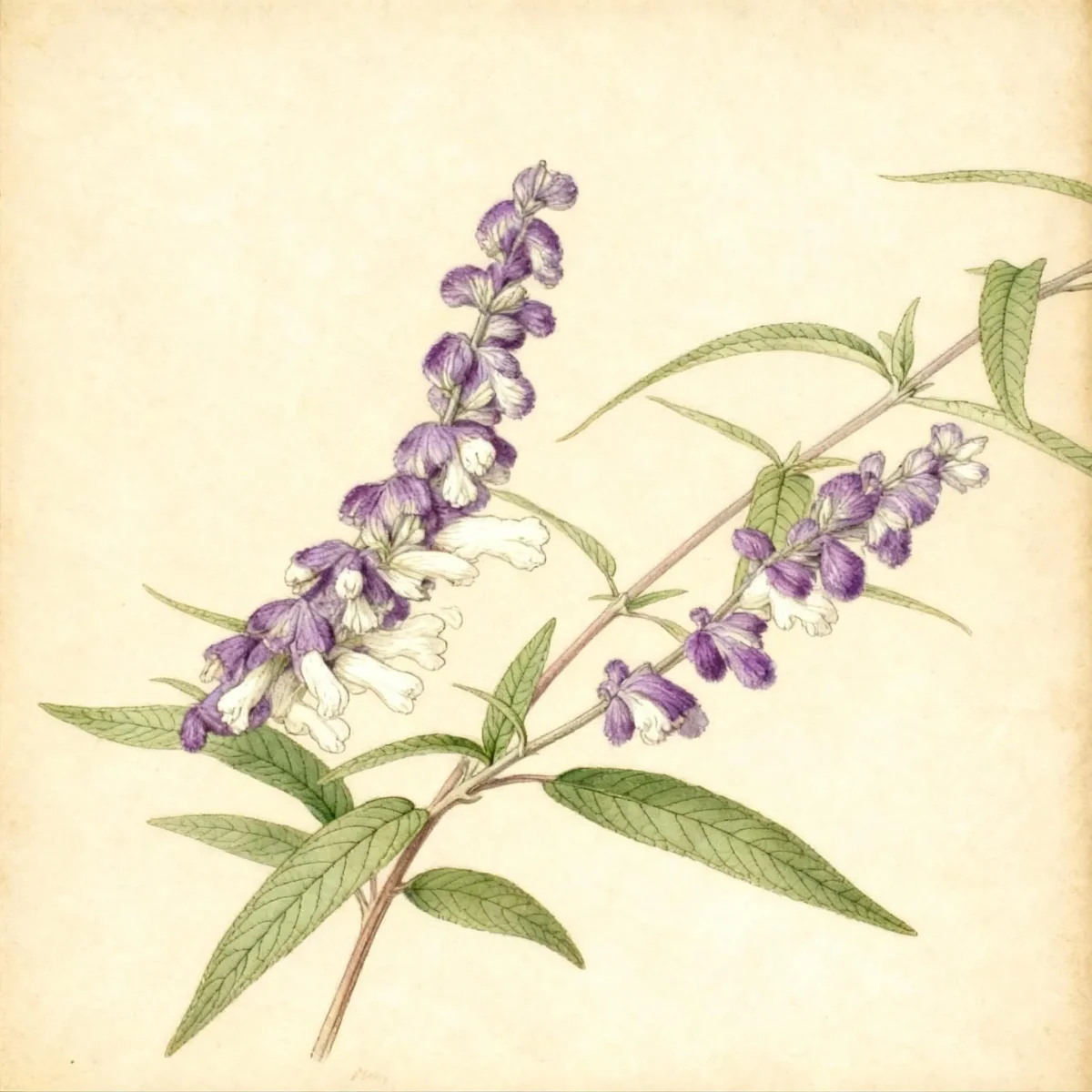
Mexican bush sage, scientifically known as Salvia leucantha, is celebrated for its incredibly long blooming period, providing vibrant color late into the season when many other plants are fading. This species is native to Mexico and the tropical Americas, offering gardeners a shrubby perennial known for striking, dense flower spikes. The combination of white corollas contrasted with long-lasting, funnel-form purple calyces makes the bloom display of Salvia leucantha particularly arresting.
As an evergreen in warmer climates, this sage adds valuable texture and structure. In cooler regions, it functions as a spectacular annual, typically reaching 2 to 3 feet tall in a single season. Beyond its aesthetic appeal, the velvety texture of the gray-green foliage and its attraction to crucial pollinators make the Mexican bush sage a highly valuable addition to almost any sunny garden space.
Fast Facts
- Plant Family: Lamiaceae
- Plant Type: Herbaceous perennial
- Native Range: Mexico and tropical Americas
- Hardiness Zones: USDA Zones 8-10
- Size at Maturity:
- Height: 2-3 ft
- Spread: 2-3 ft
- Bloom Time: August to frost
- Bloom Description: White with purple calyx
- Sun Exposure: Full sun
- Water Needs: Medium
- Maintenance Level: Low
How to Grow
For optimal performance, locate your Mexican bush sage where it receives full sun, although it can tolerate a brief period of light afternoon shade. This plant thrives in average to rich, well-drained soils. If planting in containers or where drainage is suspect, amend the soil heavily with compost or grit to ensure excess moisture can escape quickly, as moisture management is key.
Water requirements are considered medium; while Salvia leucantha can handle some drought once established, consistent moisture yields the best growth and flower production. Begin by purchasing small plants in spring or starting seeds indoors 6–8 weeks before the last spring frost. Set out established young plants only after all danger of frost has passed, as herbaceous perennials are sensitive to cold shock.
In transitional zones like St. Louis (Zone 8) where it is usually treated as an annual, you can attempt to overwinter cuttings taken in late summer, or protect outdoor specimens by cutting them back before the first frost and applying a thick layer of winter mulch. Propagating by seed or overwintering cuttings are effective propagation methods for securing next season’s display of this wonderful sage.
Landscape Uses
Mexican bush sage is an excellent choice for adding vertical interest and late-season color across the garden landscape. Its manageable 2-3 foot height makes it ideal for the middle to front of perennial borders, mixing well with shorter annuals or subsequent spring bloomers. It performs admirably when planted in mass groupings to create a cohesive, textural block of color.
Beyond traditional borders, Salvia leucantha is highly effective in containers where its arching flower spikes provide striking focal interest throughout the summer and fall. Pair it with plants requiring similar sun and moisture needs, such as zinnias, lantana, or shorter ornamental grasses, for a vibrant, unified display until the first hard freeze arrives.
Standout Features
Flower Qualities
- Showy
Noteworthy Characteristics
Salvia leucantha, commonly called Mexican bush sage, is an evergreen shrubby perennial that is native to Central America and Mexico. This sage is most noted for producing a very attractive late summer to frost bloom of showy bicolor flowers consisting of white corollas and longer-lasting funnel-form purple calyces. Flowers appear in dense, arching, terminal spikes (racemes to 10” long) that extend above the foliage, attracting both butterflies and hummingbirds consistently.
Tolerances
- Deer
Potential Problems
This plant generally experiences no serious insect or disease problems, contributing significantly to its low maintenance rating. Gardeners should primarily focus on preventing overly wet winter conditions, especially in borderline hardiness zones, as root rot can be an issue if the soil remains saturated for extended periods. Ensure good air circulation and proper drainage to maintain robust health throughout the growing season.
Frequently Asked Questions
What hardiness zones is Mexican bush sage suitable for?
Salvia leucantha is winter hardy in USDA Zones 8 through 10, though it is often grown as an annual elsewhere.
How large does Mexican bush sage grow?
This plant typically reaches a height between 2 and 3 feet, with a spread of 2 to 3 feet at maturity.
When does Mexican bush sage bloom?
The highly ornamental bloom period for Salvia leucantha extends from August until the first killing frost, featuring white flowers backed by rich purple calyces.
What sun exposure does Salvia leucantha need?
Mexican bush sage requires full sun for the most vigorous growth and densest flowering, though it can tolerate very light afternoon shade.
Conclusion
The longevity of the bloom, combined with its striking bicolor flowers and excellent pollinator attraction, cements the value of Salvia leucantha in the late-season garden. Wherever your climate allows it to thrive, planning space for Mexican bush sage ensures vibrant color when the garden needs it most. Check your local hardiness zone compatibility and aim to plant after the final spring frost for a spectacular summer and fall show.
Wildlife Benefits
The dense, nectar-rich flower spikes produced by Salvia leucantha are magnets for pollinators throughout late summer and autumn. Hummingbirds are particularly drawn to these late-season offerings, making Mexican bush sage an essential plant for gardens focused on supporting migratory birds. Planting this sage near patios or windows allows for excellent viewing opportunities of these frequent aerial visitors.
Companion Planting
Since Salvia leucantha demands full sun and thrives with medium moisture, pair it with other drought-tolerant, sun-loving perennials to create coordinated displays. Excellent companions include ornamental grasses, which contrast nicely with the sage’s soft, velvety texture, or plants that bloom earlier in the summer, ensuring continuous color succession. Consider combining it with Coneflowers (Echinacea), Black-Eyed Susans (Rudbeckia), or Sedum varieties for a cohesive, water-wise planting scheme.