Clary sage (Salvia sclarea)
Discover Clary sage (Salvia sclarea), a fragrant biennial or short-lived perennial offering showy summer blooms, ideal for full sun gardens.
Scroll down to discover growing tips, care requirements, companion plants, and more
Complete Plant Information
Overview
Salvia sclarea, commonly known as Clary sage, is a striking, multi-branched plant cherished for its aromatic foliage and beautiful summer flowers. While often grown as a short-lived, sometimes biennial perennial, it provides substantial visual impact in the garden before setting seed. This herb is rooted in history, valued both medicinally and as an aromatic flavoring agent.
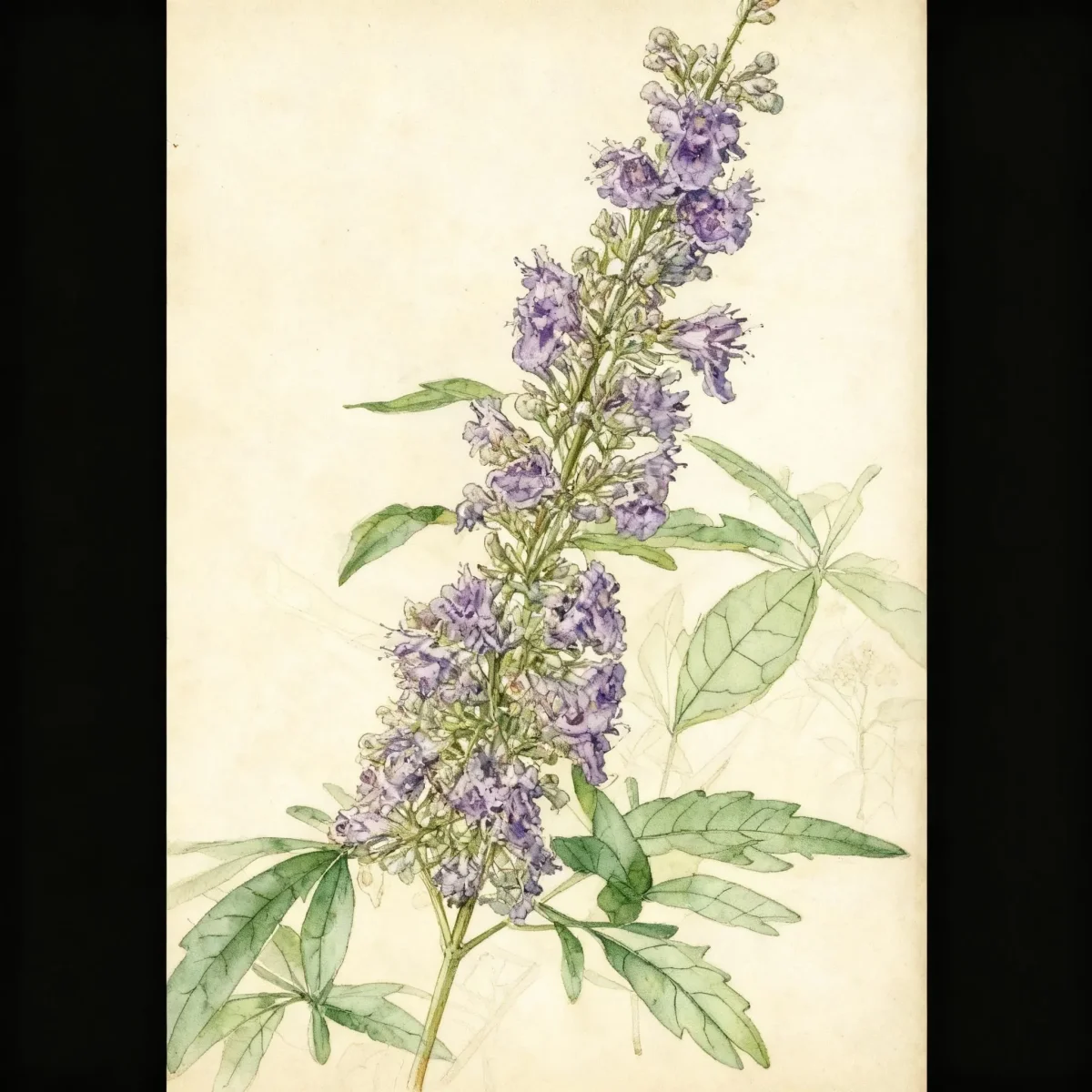
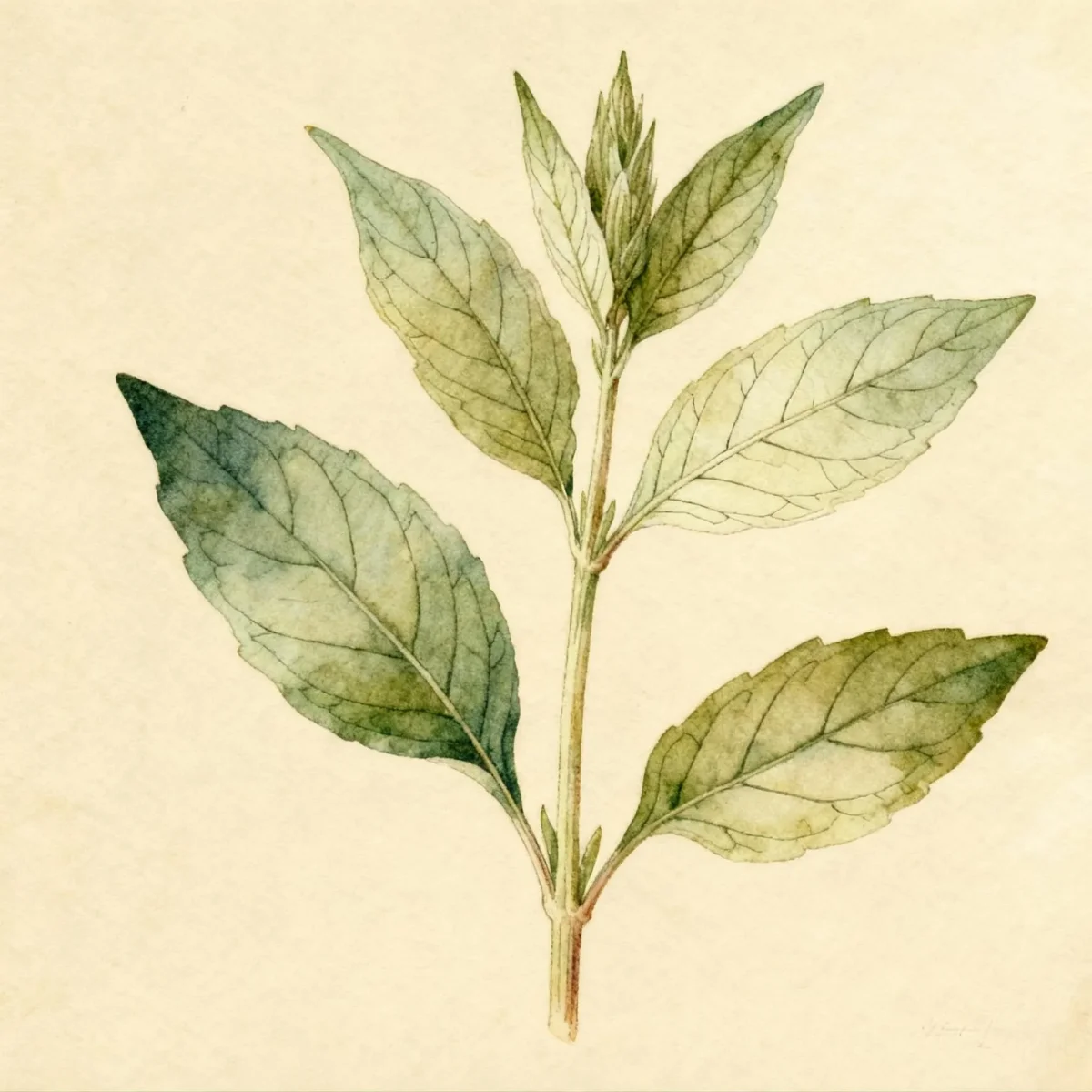
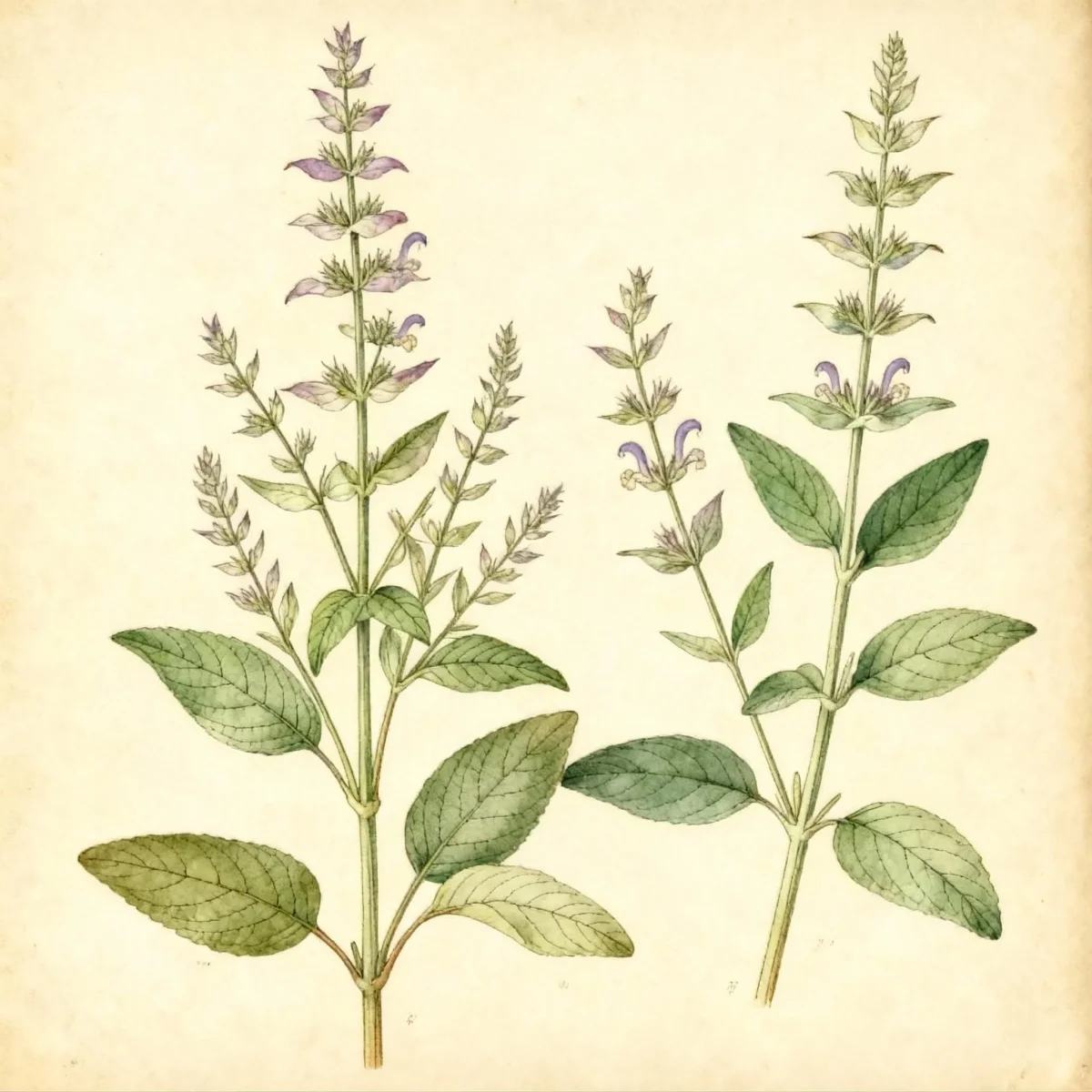
The plant establishes a broad basal rosette of gray-green leaves in its first year, remaining low-growing. In the second year, towering flowering stems erupt, showcasing creamy white to lilac flowers subtended by attractive, papery bracts. The entire structure of Clary sage lends vertical architectural interest alongside its renowned fragrance.
Gardeners appreciate this species for its robust nature in the right conditions, though Salvia sclarea requires good drainage to thrive long-term. It is an excellent addition to herb collections, cottage gardens, or dry borders where its presence contributes both scent and texture.
Fast Facts
- Plant Family: Lamiaceae
- Plant Type: Herbaceous perennial
- Native Range: Europe to Central Asia
- Hardiness Zones: USDA Zones 5-9
- Size at Maturity:
- Height: 2-4 ft
- Spread: 2-3 ft
- Bloom Time: June to August
- Bloom Description: White to lavender
- Sun Exposure: Full sun
- Water Needs: Medium
- Maintenance Level: Medium
How to Grow
The best time to establish Clary sage is when conditions are mild, allowing the plant to focus on root development before summer heat. Salvia sclarea thrives best in full sun, which is essential for compact growth and prolific blooming. It prefers average, well-drained soils, ideally somewhat moist but light, such as gravelly or sandy textures. Ensure excellent drainage, especially avoiding wet soils throughout the winter, as rot can become an issue.
Water needs for this plant are decidedly medium; once established, it tolerates drought reasonably well, making it suited for drier sections of the garden. Minimal fertilization is generally required; rich, heavy soil might encourage excessive leafy growth at the expense of flowers. Regular maintenance involves monitoring for pests like slugs and ensuring sunlight is not blocked by larger neighbors.
A crucial cultural note for extending the life of Salvia sclarea is pruning. If you wish to encourage the plant to return for a third year instead of strictly behaving as a biennial, cut back the flower stalks before they fully set seed. This prevents aggressive self-seeding, which can occur in some climates. Be aware that this plant is intolerant of prolonged periods of high heat combined with humidity.
Landscape Uses
Clary sage brings immediate height and architectural appeal to the landscape. Its vertical structure, often reaching four feet, makes it perfect for the middle or back of perennial borders where it can stand up against shorter, mounding companions. Its robust spikes of pale flowers blend beautifully with the strong colors of late-summer bloomers.
For gardeners focused on edibles or aromatics, Clary sage is a natural fit for the dedicated herb garden. The fragrant foliage and flowers make it a sensory highlight. It also performs well in rock gardens, provided the soil remains highly porous and well-drained, mimicking its native Mediterranean environment. Consider using it as an accent plant near pathways to brush against the strongly scented leaves.
Standout Features
Flower Qualities
- Showy
- Fragrant
Noteworthy Characteristics
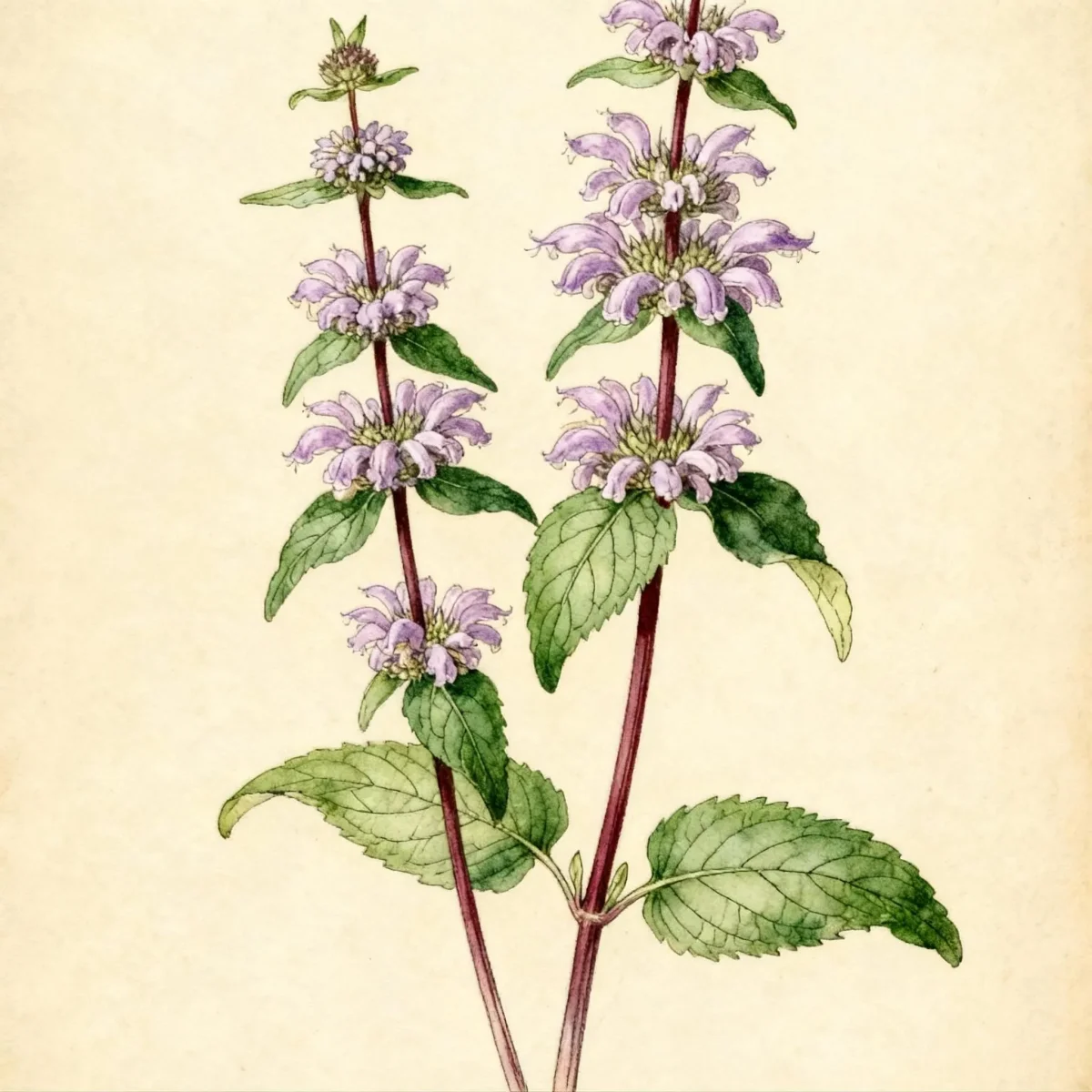
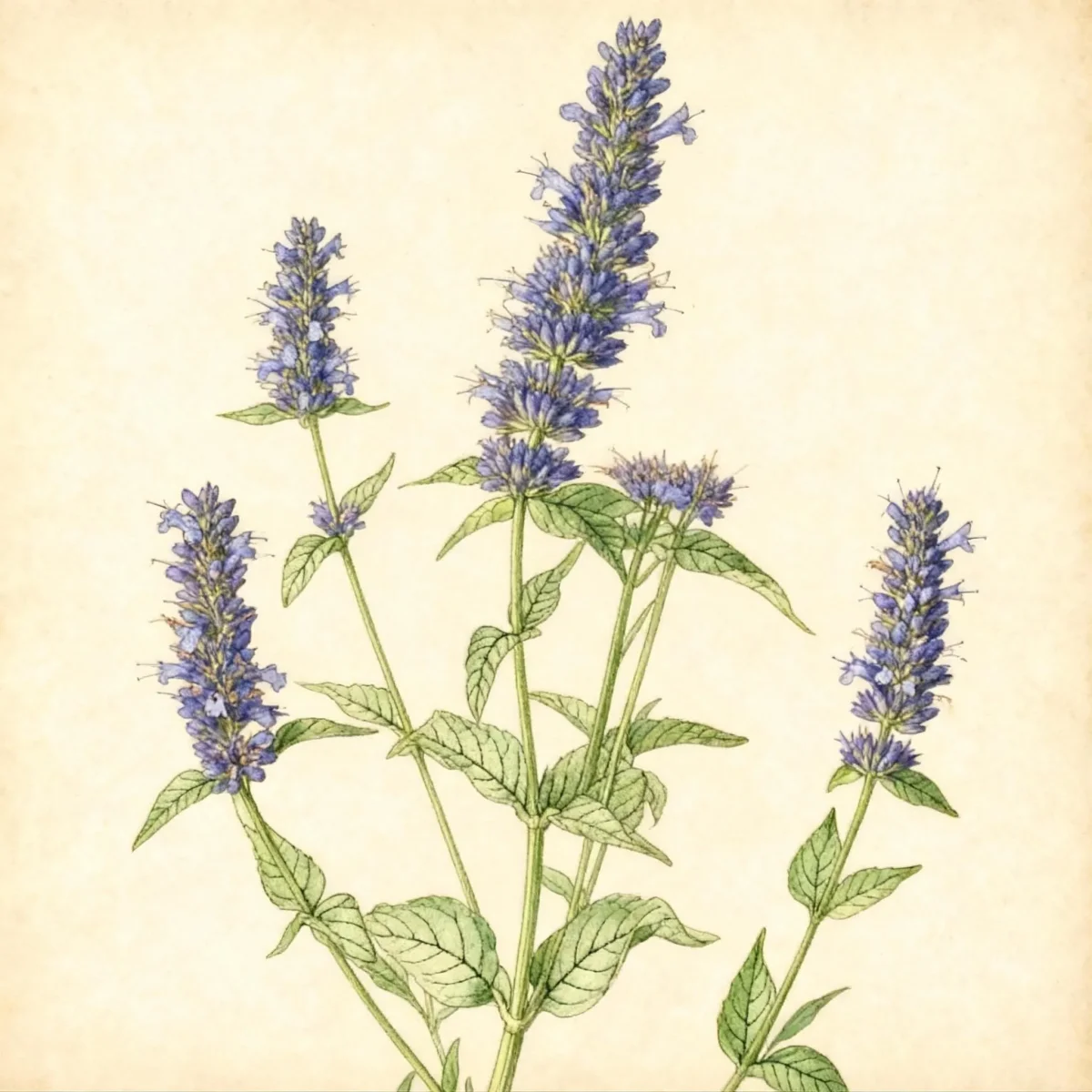
Salvia sclarea, commonly called Europe sage or Clary sage, often presents as a biennial, forming a basal rosette in its first year before sending up tall flowering stems in the second. The flowers are small and two-lipped, complemented by papery, attractive bracts in shades of white to lilac, and both the flowers and foliage are highly aromatic. Historically medicinal, this salvia is now chiefly recognized for its use in flavoring foods and spirits, lending its name to the essential oil used in fragrances and cosmetics.
Tolerances
- Deer
- Drought
- Shallow-Rocky Soil
Potential Problems
Overall, Salvia sclarea is resistant to serious insect or disease issues, which is a major benefit for low-maintenance gardening. However, slugs and snails can find the young foliage appealing, requiring vigilance, especially when growth begins in spring. Fungal issues such as powdery mildew, rust, or leaf spot can appear, typically where air circulation is poor or moisture sits on the leaves. Watch closely for small pests such as aphids and mites during hot spells. Improving garden airflow and ensuring good soil drainage remain the best preventative measures.
Frequently Asked Questions
What hardiness zones is Clary sage suitable for?
Clary sage, or Salvia sclarea, performs best when grown in USDA Hardiness Zones 5 through 9.
How large does Clary sage grow?
This plant typically reaches a height between 2 and 4 feet tall, with a spread usually ranging from 2 to 3 feet wide.
What sun exposure does Salvia sclarea need?
To achieve the best growth and flowering, you must plant Salvia sclarea where it receives full sun exposure throughout the day.
When does Clary sage bloom?
You can expect the flowers—which are white to lavender in color—to appear during the peak summer months, typically from June through August.
Conclusion
Salvia sclarea remains an invaluable addition for gardeners seeking robust height, historic use, and significant fragrance from their plantings. Whether you utilize it for its culinary history or its showy, aromatic summer blooms, this Clary sage variety contributes significantly to sunny borders. Before planting, confirm your garden falls within USDA Zones 5-9 and ensure you provide the full sun and excellent drainage this Mediterranean native requires.
Companion Planting
When selecting companions for Clary sage, focus on herbs and perennials that share similar cultural needs, particularly those that appreciate well-drained soil and full sun. Plants that tend to tolerate drier, rockier conditions pair well, such as Lavender (Lavandula) or Yarrow (Achillea). These companions will not compete aggressively for water resources, allowing the Salvia sclarea to thrive without the risk of overwatering.
Consider pairing the tall, airy habit of Clary sage with lower-growing, contrasting textures. Hardy groundcovers that thrive in rocky soil can help suppress weeds around the plant base while avoiding the excessive moisture retention that can harm the root crowns over winter. This strategy enhances the aesthetic appeal while maintaining necessary drainage.
Seasonal Care Calendar
For optimal performance of your Salvia sclarea, structure your care around the biennial growth cycle. In early spring, remove any old dead foliage from the basal rosette. This is also the best time to apply a light, balanced fertilizer if your soil is notably poor, though often none is needed.
Summer heat brings the primary bloom period. To manage its tendency to spread aggressively via seed, deadhead spent flower spikes promptly, cutting them back to encourage a longer bloom or at least prevent unwanted seedlings. If you want to encourage the parent plant to return next year, cut the stalks before they fully mature their seed heads.
As the season cools, monitor moisture levels, especially if you are in a wetter climate; damp soil in the fall increases the risk of crown rot before winter dormancy sets in. In colder hardiness zones (Zone 5), protect the overwintering rosette with a light mulch of grit or straw, avoiding heavy organic materials that trap moisture near the crown.