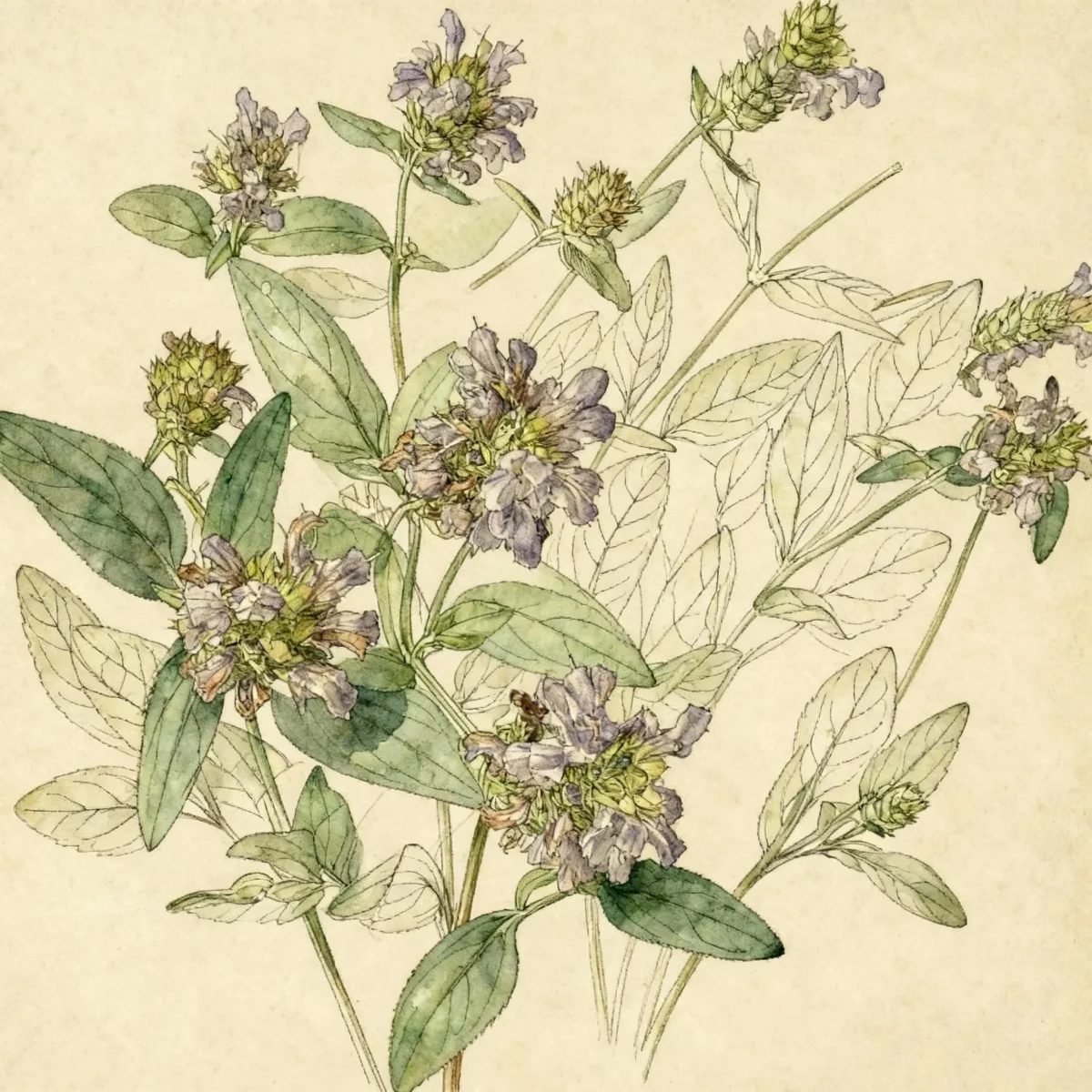
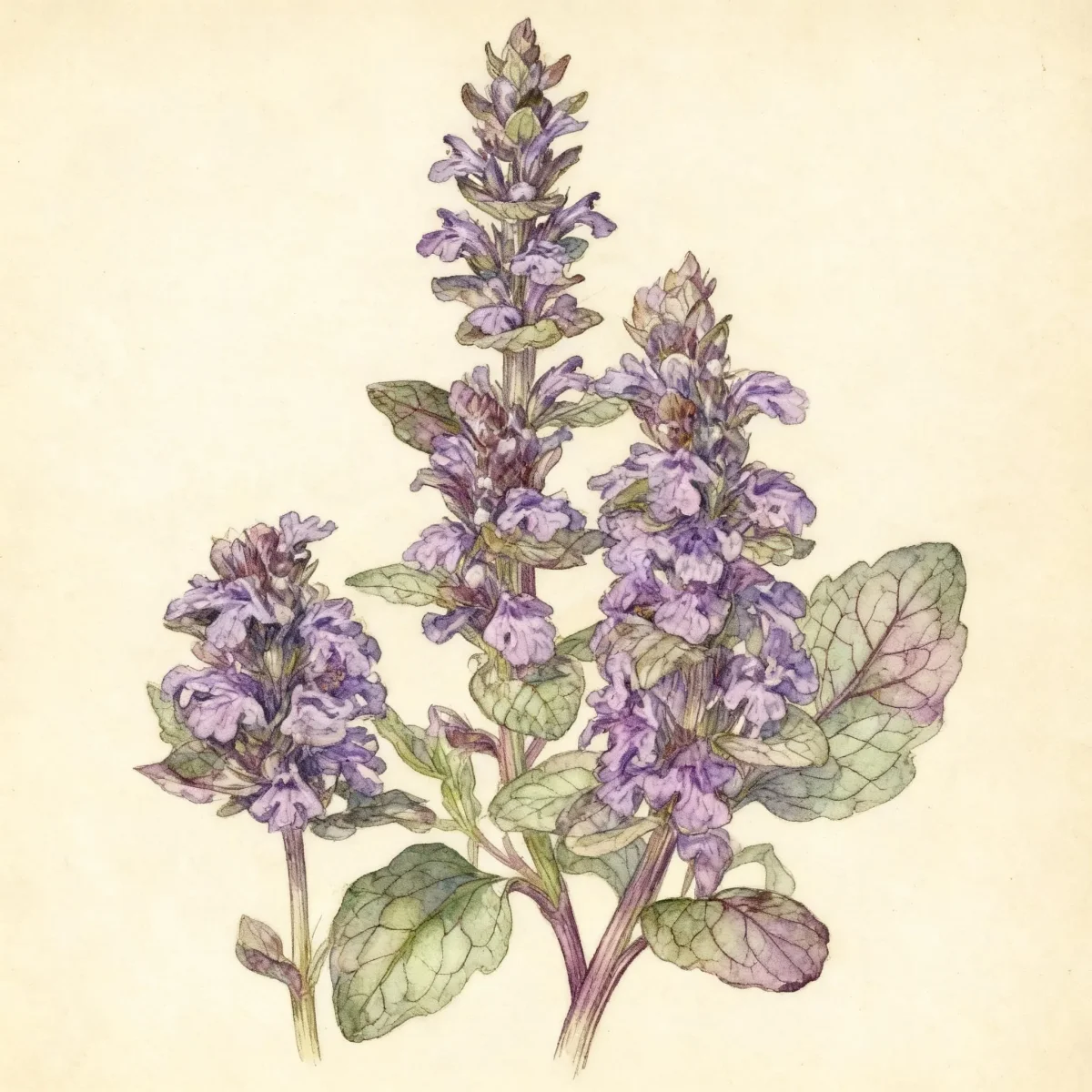
American germander (Teucrium canadense)
Discover American germander (Teucrium canadense), a rhizomatous perennial thriving in moist soils, suitable for zones 4-9, valuable for naturalizing.
Scroll down to discover growing tips, care requirements, companion plants, and more
Complete Plant Information
Overview
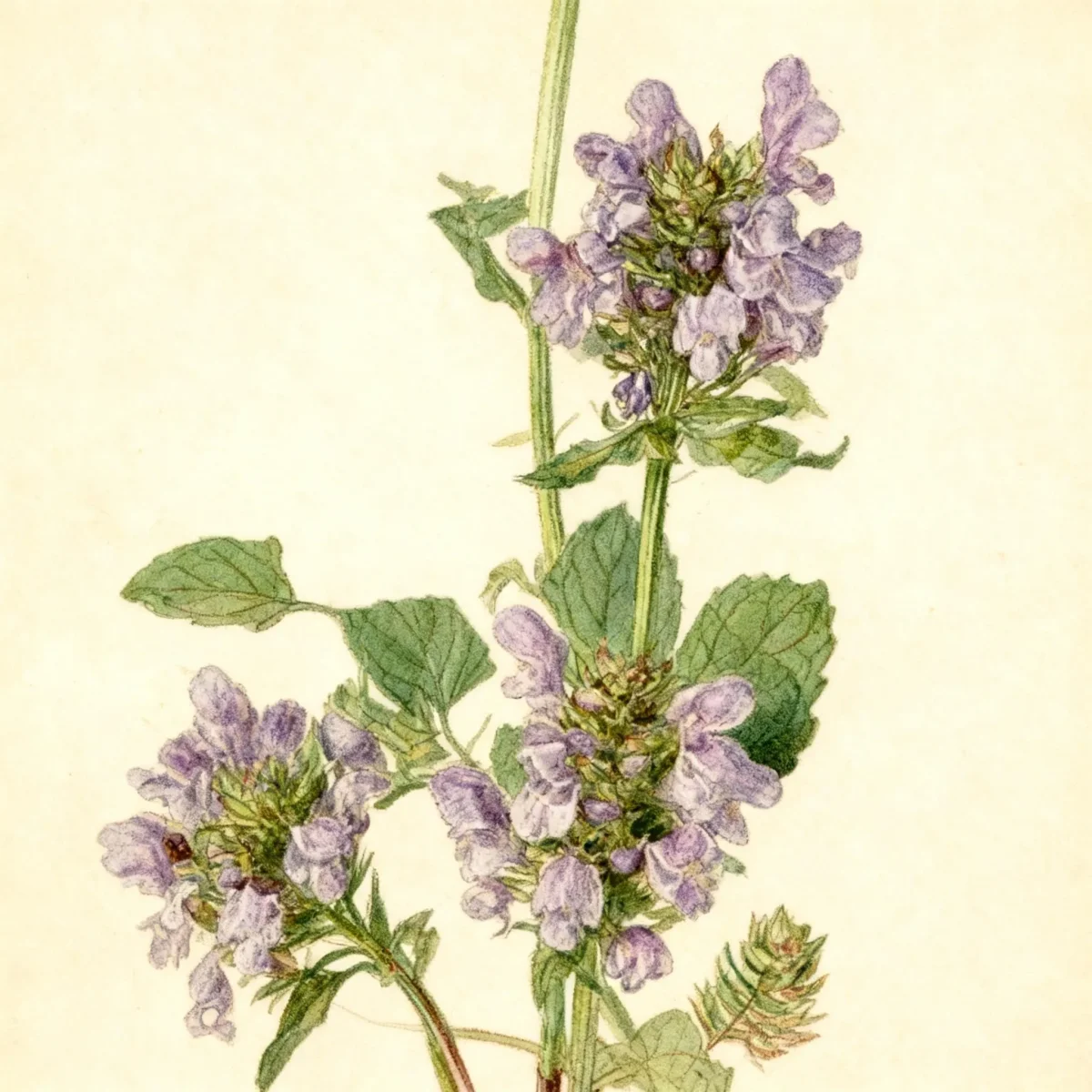
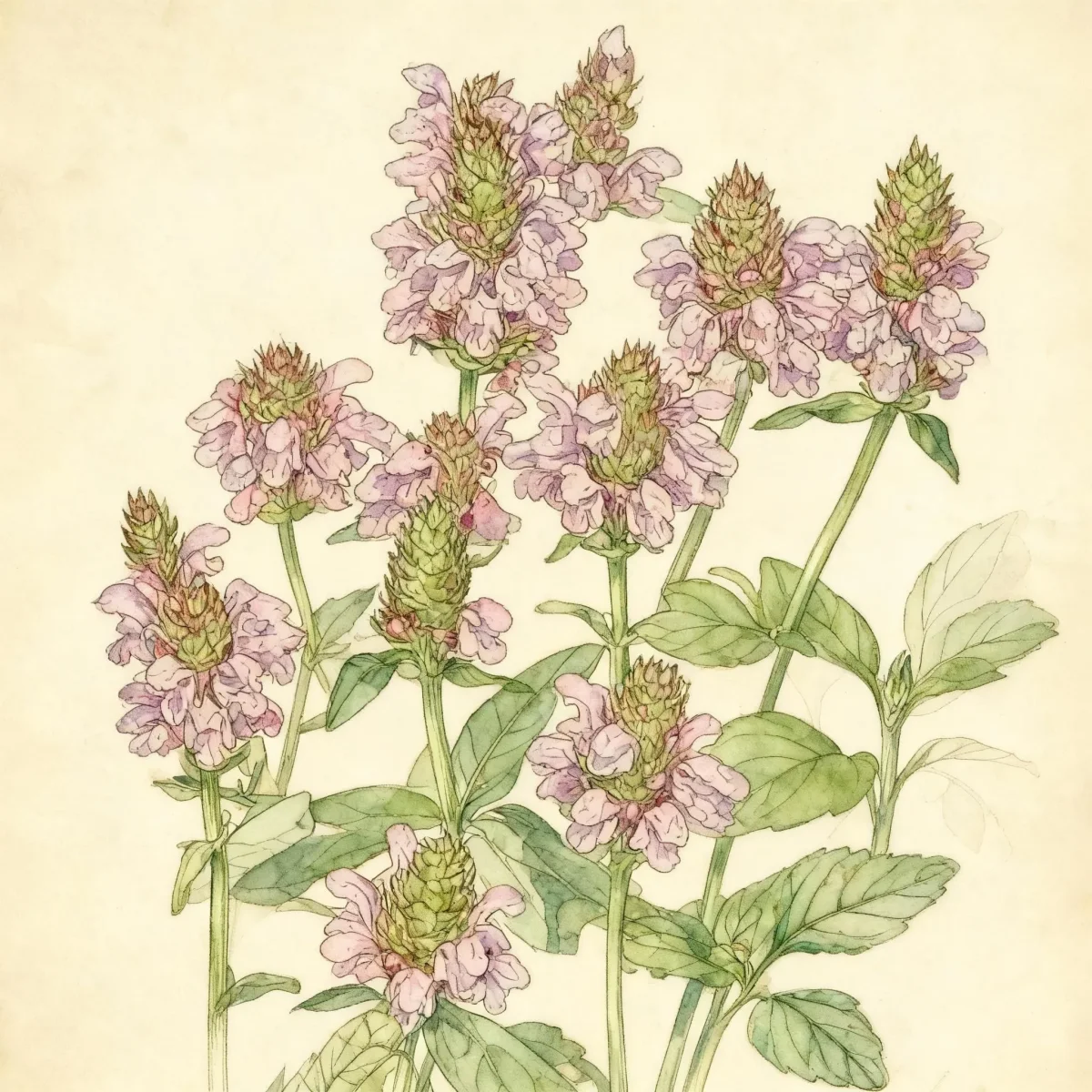
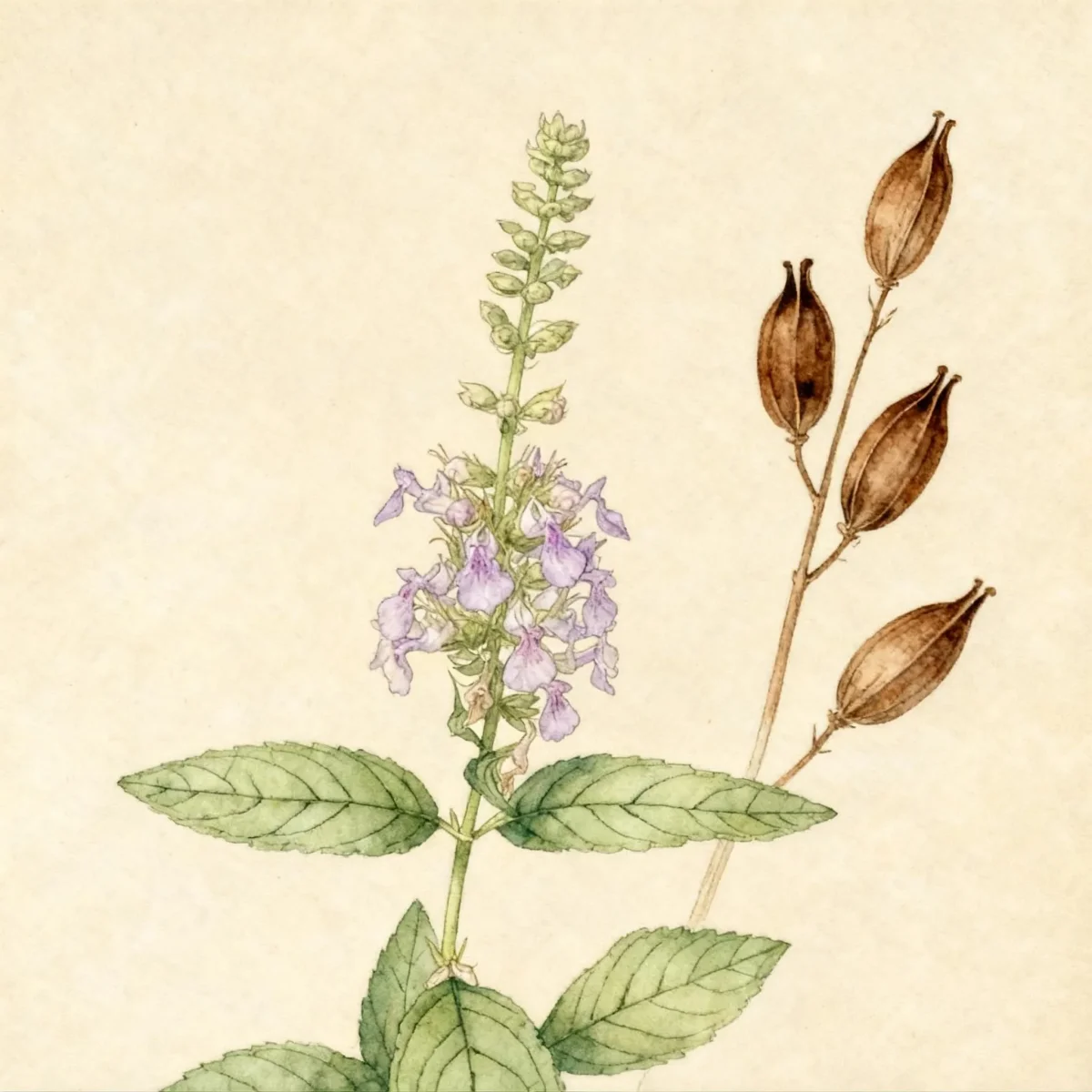
Teucrium canadense, commonly known as American germander, is a robust, woody-based perennial native to moist areas of North America. This clump-forming, rhizomatous member of the mint family is valued for its adaptability and its contribution to native landscapes. It features stout square stems topped by spikes of attractive purplish-pink flowers throughout the summer months.
The aesthetic appeal of Teucrium canadense often resides in its foliage, which releases a pleasant aroma when crushed, making it an interesting inclusion in herb gardens. While the flowers are present from June through September, the overall structure and habit lend themselves well to naturalized settings or stream margins where consistent moisture is present.
Gardeners should note that American germander can spread aggressively via rhizomes and self-seeding in ideal conditions, forming dense colonies. This characteristic makes it excellent for quickly naturalizing an area, though containment or careful placement is necessary if a more formal look is desired.
Fast Facts
- Plant Family: Lamiaceae
- Plant Type: Herbaceous perennial
- Native Range: North America
- Hardiness Zones: USDA Zones 4-9
- Size at Maturity:
- Height: 1.5-3 ft
- Spread: 1.5-3 ft
- Bloom Time: June to September
- Bloom Description: Purplish-pink
- Sun Exposure: Full sun to part shade
- Water Needs: Medium
- Maintenance Level: Medium
How to Grow
American germander establishes best when planted in the spring or fall, allowing the root system time to acclimate before seasonal extremes. Aim for a location offering full sun, though it will tolerate partial shade. Success hinges on providing moist, fertile, and well-drained soil; Teucrium canadense dislikes excessively dry conditions. While it shows some tolerance for poorly-drained soils, consistently wet feet should be avoided if possible.
Ongoing care is relatively straightforward. Maintain consistently medium moisture levels, especially during establishment and hot, dry spells. Heavy fertilization is generally not required; rich, fertile soil is preferred over heavy amendment. Due to its spreading nature, pruning or division may be necessary every few years to control colony size and maintain vigor.
To propagate, Teucrium canadense is easily grown from seed, which can be sown directly or started indoors. Alternatively, division of the rhizomes or taking cuttings in the growing season are effective methods for quick multiplication. Be aware that in rich soil, its tendency to spread rapidly means that it can readily colonize adjacent areas through both rhizomes and self-seeding.
Landscape Uses
The primary landscape value of American germander lies in its ability to naturalize and thrive in wetter areas where other ornamental perennials struggle. It works beautifully along stream or pond margins, softening hard edges with its upright green foliage. Its vigorous nature means it is an excellent choice for native plant restorations or informal cottage gardens where plants are allowed to intermingle.
For herb gardens, the aromatic leaves of Teucrium canadense provide textural contrast and historical interest, even if the flowers are not the primary draw. Plant it alongside slower-growing or more upright herbs to utilize its mid-height presence. When used in native plantings, it complements other moisture-loving meadow plants and thicket species found throughout its native North American range.
Consider using American germander as a low-maintenance filler in larger rain gardens or naturalized borders. Its presence supports local ecosystems, providing structure in transition zones between lawn and woodland areas.
Standout Features
Flower Qualities
- Showy
Noteworthy Characteristics
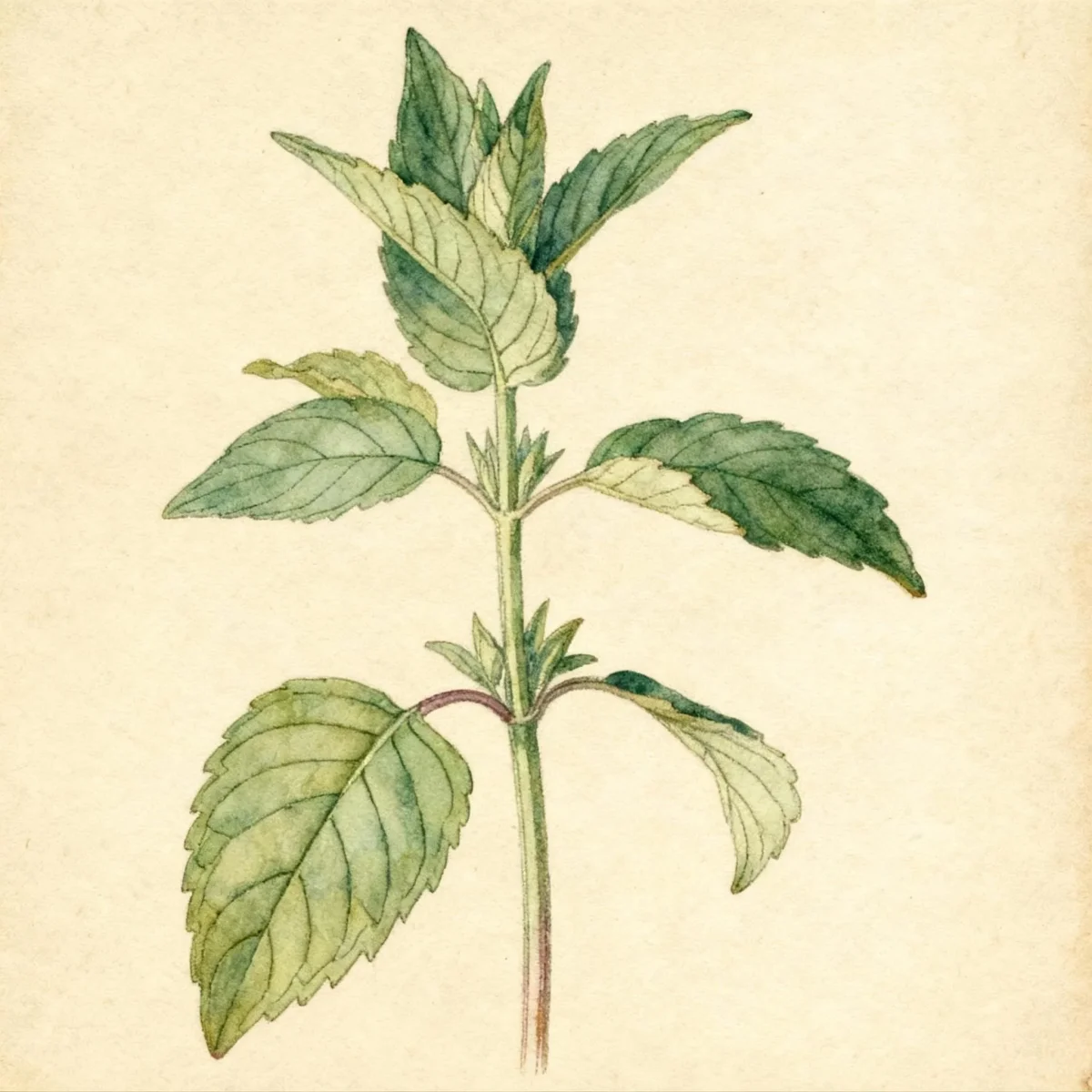
Teucrium canadense, commonly known as American germander or Canada germander, is a woody-based, clump-forming, rhizomatous, herbaceous perennial of the mint family. Each plant typically consists of a single (usually unbranched), stout, hollow, hairy, square stem to 18-36” tall clad with opposite leaves and topped in summer by a terminal spike of purplish-pink flowers. Lanceolate to narrow-ovate, coarsely-toothed, sharply-pointed, short-stalked, aromatic-when-crushed leaves (2-5” long) are smooth to soft-hairy above and grayish-hairy beneath.
Tolerances
- Susceptible to mildew
- Susceptible to leaf spot
- Susceptible to rust
- Susceptible to mites
Potential Problems
Teucrium canadense is generally noted for being free of serious insect or disease problems, which is a significant benefit for low-maintenance gardeners. However, like many members of the Lamiaceae family, it can occasionally suffer from fungal issues when air circulation is poor or humidity is consistently high.
The primary susceptibility lies with mildew, leaf spot, and rust. These issues are often exacerbated if the plant is situated too closely among other vegetation, preventing good airflow around the foliage. If signs of these issues appear, immediate actions include ensuring proper spacing and avoiding overhead watering late in the day during the growing season.
For minor pest issues such as mites, a strong jet of water to wash the leaves or the application of insecticidal soap can manage populations without resorting to harsh chemicals, keeping the garden ecosystem intact.
Frequently Asked Questions
What hardiness zones is American germander suitable for?
Teucrium canadense is reliably hardy across USDA Zones 4 through 9.
How large does American germander grow?
This species typically reaches a height between 1.5 and 3 feet, with a similar spread of 1.5 to 3 feet at maturity.
What sun exposure does American germander need?
American germander performs best in full sun but tolerates partial shade environments well.
When does American germander bloom?
You can expect the distinctive purplish-pink flowers of Teucrium canadense to appear throughout the summer, typically from June into September.
Conclusion
American germander offers gardeners a reliable, herbaceous perennial that enhances moist native landscapes and provides textural interest throughout the summer. Its ease of growth and capacity to naturalize make Teucrium canadense an excellent, low-fuss addition to ecological gardens. Before planting, assess your site conditions, ensuring you can meet its need for consistent moisture, and plan for its spreading habit.
Propagation Tips
The ability to propagate Teucrium canadense through multiple means adds significant value for gardeners looking to increase their stock or share plants. Growing this species from seed is straightforward, making it an economical choice for large-scale naturalizing projects. Seeds should be sown directly into moist soil after the last frost date.
For faster results or to ensure genetic consistency, vegetative propagation is recommended. Division of the clumps is best performed in early spring or fall when the plant is not actively flowering. Carefully lift the clump and separate sections that possess healthy roots and crown material before replanting immediately.
Alternatively, cuttings taken from semi-hardwood stems during the mid-summer months root reliably, provided they are kept consistently moist in a sheltered environment. This robust propagation profile ensures that managing the colonies of American germander is simple for the dedicated gardener.
Companion Planting
When incorporating Teucrium canadense into a more formal border or meadow setting, select companions that share its preference for medium water and fertile soil. Plants that appreciate similar site conditions include various sedges (Carex species), obedient plant (Physostegia virginiana), and swamp milkweed (Asclepias incarnata). These companions offer varying heights and bloom colors that contrast nicely with the vertical spires of the American germander flowers.
Because Teucrium canadense can become aggressive, pair it with companions that are equally vigorous or those that can be easily trimmed back without damage. Native irises, astilbes (in shadier spots), and Joe-Pye weed (Eutrochium) work well as partners that can hold their own against its spreading rhizomes without being completely overwhelmed.
Wildlife Benefits
The flowers of American germander, though lacking fragrance, provide an important late-season nectar source for native pollinators. The structure of the flower, with its prominent stamens projecting outward, is particularly accessible to short-tongued bees and small butterflies during the peak summer months. This makes Teucrium canadense a valuable component in any dedicated pollinator garden.
Furthermore, the dense growth habit of this perennial offers excellent low cover and nesting material potential for ground-dwelling beneficial insects throughout the growing season and into winter, provided dead stalks are left standing until early spring cleanup. Including native species like American germander supports the local food web far better than non-native ornamentals.