Wall germander (Teucrium chamaedrys)
Wall germander (Teucrium chamaedrys) is a tough, aromatic broadleaf evergreen perfect for low hedges and rock gardens. Thrives in full sun.
Scroll down to discover growing tips, care requirements, companion plants, and more
Complete Plant Information
Overview
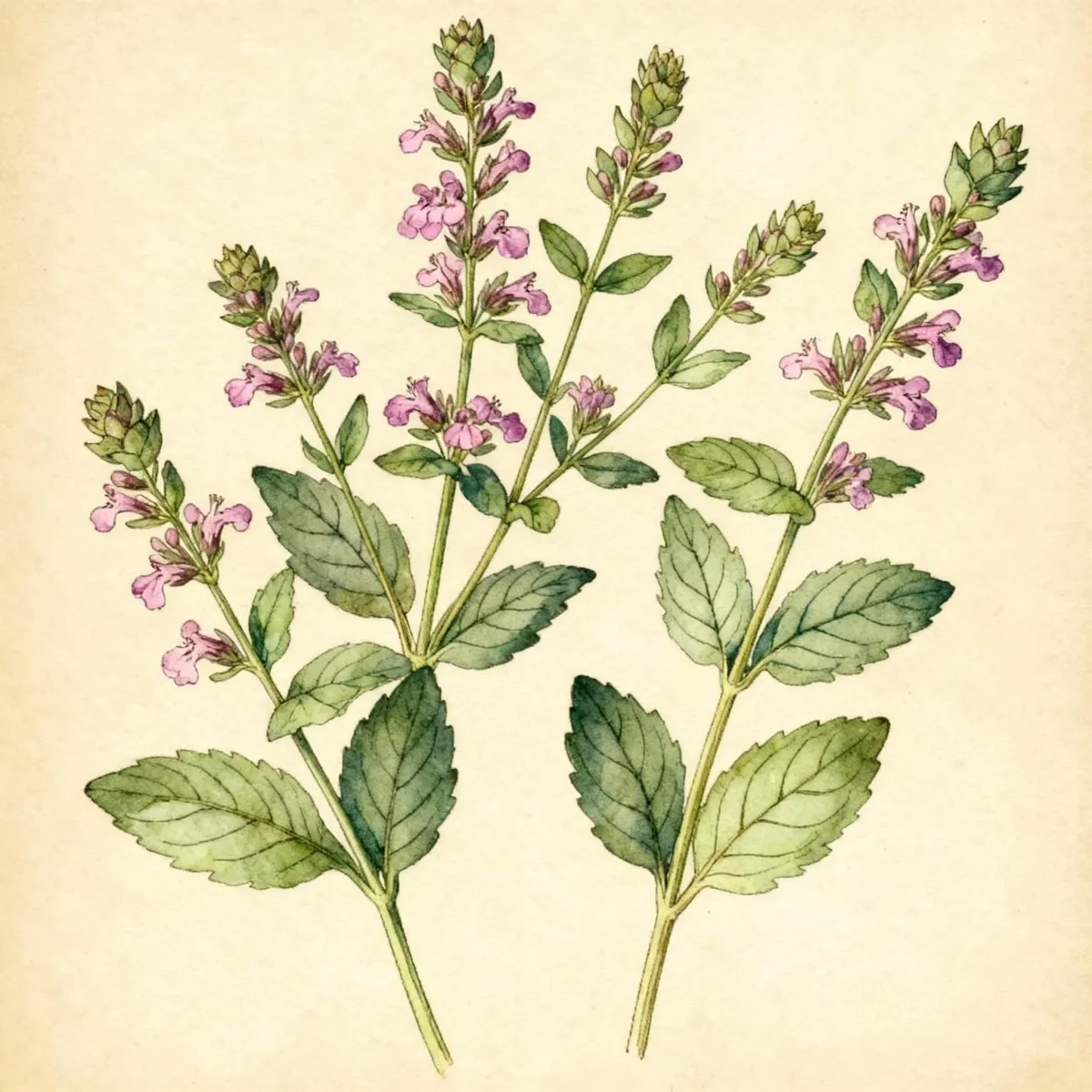
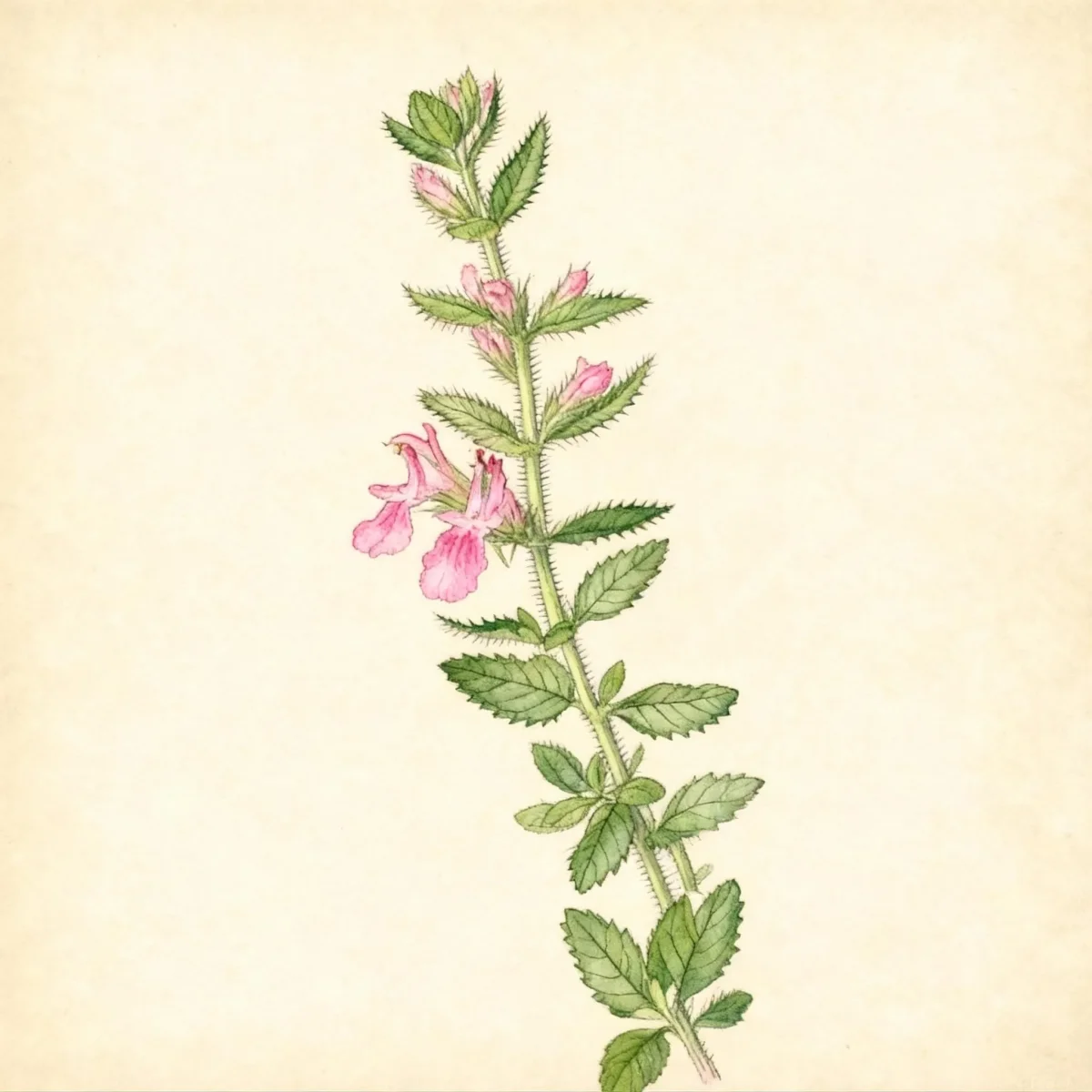
Wall germander, or Teucrium chamaedrys, is highly valued by gardeners for its attractive, aromatic, evergreen foliage that maintains structure through the winter. This broadleaf evergreen forms dense mounds of shiny, scalloped green leaves reminiscent of miniature oak leaves, giving rise to its common name, Ground Oak. It offers neat, formal structure combined with charming, whorled flowers typical of the mint family in midsummer.
Teucrium chamaedrys performs best when sited in full sun conditions and allowed to establish in average, well-drained soils. While it tolerates dry sites once mature, its medium maintenance requirement involves encouraging compact growth through periodic trimming. Its compact habit makes it an invaluable choice for formal edging or low hedges where structure is prized.
Beyond its ornamental role, wall germander has historical uses and provides year-round visual interest in the landscape. Site this robust plant thoughtfully to ensure good drainage, as this is key to long-term success with Teucrium chamaedrys.
Fast Facts
- Plant Family: Lamiaceae
- Plant Type: Broadleaf evergreen
- Native Range: Northern Africa, western Asia, Europe
- Hardiness Zones: USDA Zones 5-9
- Size at Maturity:
- Height: 0.75-1 ft
- Spread: 1-2 ft
- Bloom Time: July
- Bloom Description: Rosy lavender to pinkish purple
- Sun Exposure: Full sun
- Water Needs: Dry to medium
- Maintenance Level: Medium
How to Grow
Planting Wall germander is best achieved in spring, allowing the root system time to settle before the extremes of summer heat or winter cold. Ensure the location provides full sun exposure, which is essential for dense habit and vibrant color. Crucially, the soil must be well-drained; this plant tolerates poor soils but struggles significantly in areas where water collects.
Ongoing care for Teucrium chamaedrys revolves around shaping and soil management. While it prefers dry to medium moisture levels, establish a regular watering schedule during the first year. Fertilizer is rarely necessary if the site has reasonable soil structure. The primary pruning task involves pinching or lightly shearing stems immediately after the plant finishes blooming in July. This promotes a tighter, bushier form, preventing the stems from becoming scraggly.
Gardeners in colder regions, particularly USDA Zone 5, should provide winter protection or choose a slightly more sheltered spot. In harsh winters, wall germander might experience significant die-back, requiring hard pruning in spring to rejuvenate. Always ensure excellent drainage, particularly heading into winter, as wet, cold feet are a primary cause of decline for Teucrium chamaedrys.
Landscape Uses
Teucrium chamaedrys shines as a structural element in formal garden designs. It serves perfectly as a low, clipped hedge, offering a year-round green line that somewhat mimics boxwood, though requiring less meticulous trimming. For border applications, it forms an excellent, neat edging plant along walkways or defined planting beds.
Low height and dense habit also make wall germander suitable for massing as a small-scale ground cover, particularly effective on slopes where its drought tolerance assists establishment. Consider incorporating it into rock gardens, utilizing its need for sharp drainage, or using it as a traditional component in historic knot gardens or dedicated herb gardens where its aromatic foliage can be appreciated closer up.
Standout Features
Flower Qualities
- Showy
Noteworthy Characteristics
Teucrium chamaedrys, commonly called wall germander, is a shrubby, woody-based, clump-forming, broad leaf evergreen which is grown ornamentally for its attractive, aromatic, evergreen foliage. Features 3/4”, oval, scalloped, shiny dark green leaves on numerous ascending and spreading stems which collectively form a mound of foliage 12-15” tall. The genus name comes from the Greek name, possibly named for Teucer, first king of Troy, while the specific epithet references its ground-hugging nature resembling an oak.
Tolerances
- Rabbit
- Deer
- Drought
- Dry Soil
Potential Problems
Wall germander generally resists most serious insect or disease issues, which contributes to its appeal as a dependable border plant. However, it can become susceptible to common fungal issues like mildew, leaf spot, and rust, especially in humid conditions or when air circulation is poor. Monitor closely for mites as well. The most significant risk, especially outside the optimal zones, is cold temperature injury; harsh winters can lead to die-back down to the ground or even total plant death. Good air movement and avoiding excessively wet winter soil is the best defense against disease.
Frequently Asked Questions
What hardiness zones is Wall germander suitable for?
Wall germander (Teucrium chamaedrys) is generally suitable for USDA Hardiness Zones 5 through 9.
How large does Wall germander grow?
This plant typically reaches a mature height between 0.75 and 1 foot tall, spreading 1 to 2 feet wide, forming a dense, low mound.
What sun exposure does Wall germander need?
Teucrium chamaedrys requires full sun exposure to maintain its compact, robust growth habit and minimize the risk of fungal issues.
When does Wall germander bloom?
Wall germander blooms primarily in July, producing attractive whorls of rosy lavender to pinkish purple, two-lipped tubular flowers.
Conclusion
The resilience and evergreen structure provided by Wall germander make it an excellent, low-maintenance structural plant for formal and informal settings alike. Whether used as a neat accent or a defining low hedge, Teucrium chamaedrys delivers consistent architectural appeal. Before planting, confirm that your site offers full sun and superior drainage to ensure the best success for this sturdy Mediterranean native.
Companion Planting
When planning surrounding beds for your Wall germander, focus on plants that share similar cultural requirements: full sun and dry to medium moisture tolerance. Companion choices that contrast well in texture or color include creeping thyme varieties, Sedum ‘Autumn Joy’, or other drought-tolerant herbs like lavender. These companions thrive under the same conditions that keep Teucrium chamaedrys healthy and compact. Avoid placing it near plants requiring consistent heavy watering, as overwatering is a major health risk for this species.
Design Ideas
The ability of wall germander to be sheared makes it ideal for geometric garden design elements. Use it to create low, highly defined borders around perennial beds, offering a visual anchor that remains green year-round. In sloping or xeriscaped areas, groupings of Teucrium chamaedrys provide excellent textural contrast against gravel or larger stones. Its low stature also means it rarely obstructs views, making it perfect for flanking pathways where you want visual structure without height.