Thyme (Thymus praecox)
Low-maintenance Thymus praecox offers fragrant, creeping ground cover. This tough Thyme thrives in full sun and dry soils, perfect for paths and rock gardens.
Scroll down to discover growing tips, care requirements, companion plants, and more
Complete Plant Information
Overview
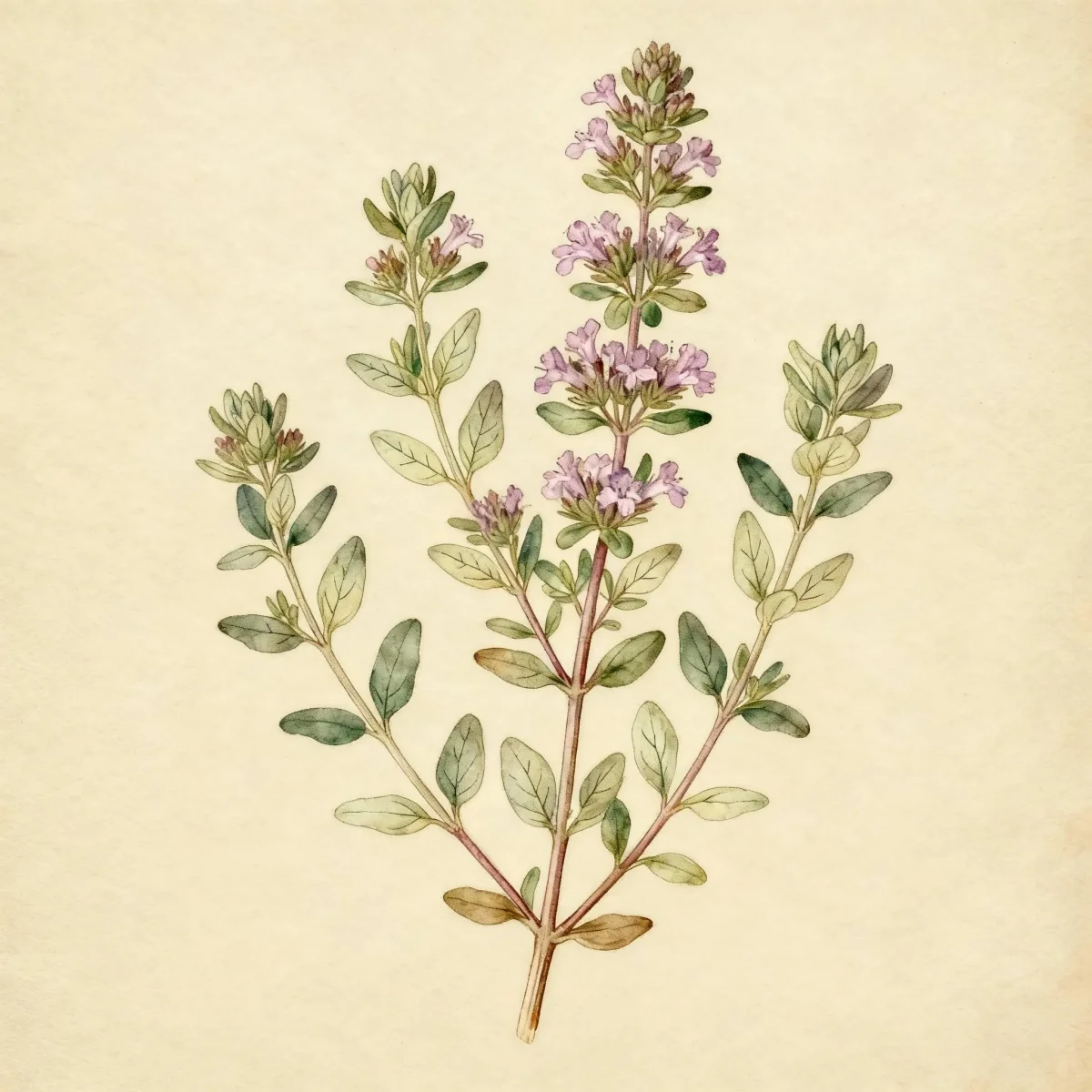
Thymus praecox, commonly known as Thyme, is highly valued by gardeners for its compact, mat-forming habit and aromatic foliage. This woody-based perennial creates a dense, low carpet, making it an exceptional choice for softening hardscapes or controlling erosion on slopes. Its evergreen nature provides year-round texture in mild climates.
This adaptable plant offers relatively low maintenance once established, thriving only when conditions mimic its native European origins. It prefers sharp drainage and abundant sunlight to flourish, contributing functional beauty to the garden space. The tiny summer flowers are a magnet for beneficial pollinators, boosting garden biodiversity.
Growing Thymus praecox successfully primarily involves site selection, ensuring it receives full sun and is not subjected to overly damp conditions. If you are seeking a tough, fragrant, and space-saving ground cover, this variety of Thyme provides excellent perennial performance with minimal fuss.
Fast Facts
- Plant Family: Lamiaceae
- Plant Type: Herbaceous perennial
- Native Range: Southern, western and central Europe
- Hardiness Zones: USDA Zones 5-8
- Size at Maturity:
- Height: 0.25-0.5 ft
- Spread: 0.25-0.5 ft
- Bloom Time: June to September
- Bloom Description: Purplish/white
- Sun Exposure: Full sun
- Water Needs: Dry to medium
- Maintenance Level: Low
How to Grow
Planting should ideally occur in spring or fall after the threat of hard frost has passed, placing Thymus praecox where it receives full, uninterrupted sun exposure. This Thyme establishes best in average soil, provided it is dry to medium and possesses excellent drainage. Loose, sandy, or rocky substrates are highly favored; avoid heavy clay soils notorious for retaining excess moisture.
Ongoing care for this low-maintenance herb is simple. Water only when the soil becomes dry, as prolonged wetness encourages root rot. Fertilization is generally unnecessary, especially if planted in lean, rocky soil, which mimics its preferred environment. Cut back stems lightly after flowering or as needed to maintain a neat, flat mat shape.
Thymus praecox displays year-round interest, remaining evergreen throughout milder winters. In early spring, clean up any winter debris, but avoid heavy cultivation around the shallow roots. Remember that this Thyme actively dislikes moist to wet conditions, which is the primary cultural mistake leading to decline.
Landscape Uses
The trailing nature of Thymus praecox makes it invaluable where a very low, dense ground cover is required. Use it as a soft border along walkways or allow it to spill gracefully over small retaining walls and rock ledges in the rock garden. Its ability to tolerate rougher, drier soils makes it perfect for naturalizing on dry slopes where many other perennials struggle.
This Thyme also excels as a filler between steppingstones, creating attractive, aromatic paths that release scent when stepped upon. While primarily used as ground cover, its culinary merits mean it should be placed near the kitchen exit for easy access during summer harvests. For dry border edges or between paving stones, this is a phenomenal utility plant.
Standout Features
Flower Qualities
- Insignificant
Noteworthy Characteristics
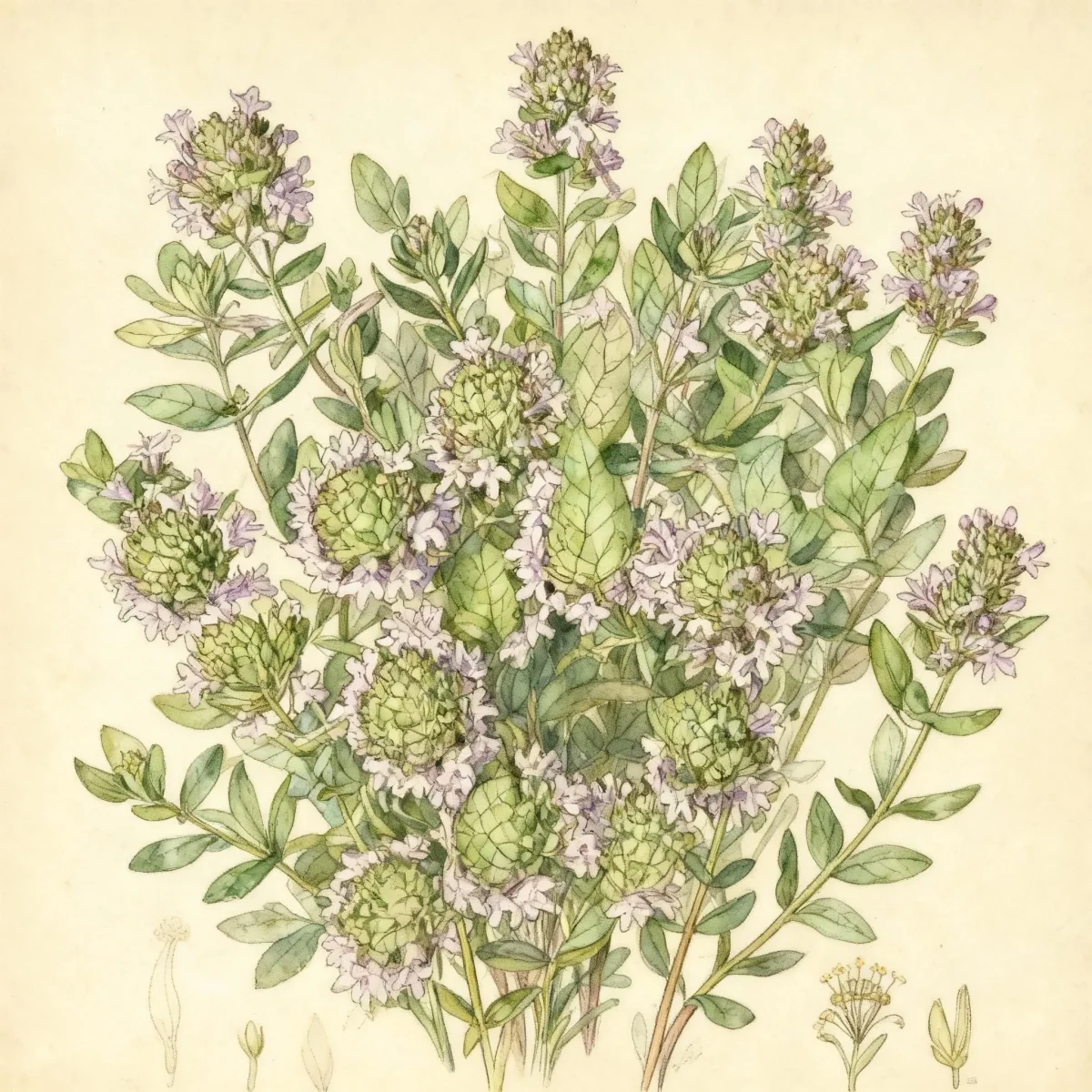
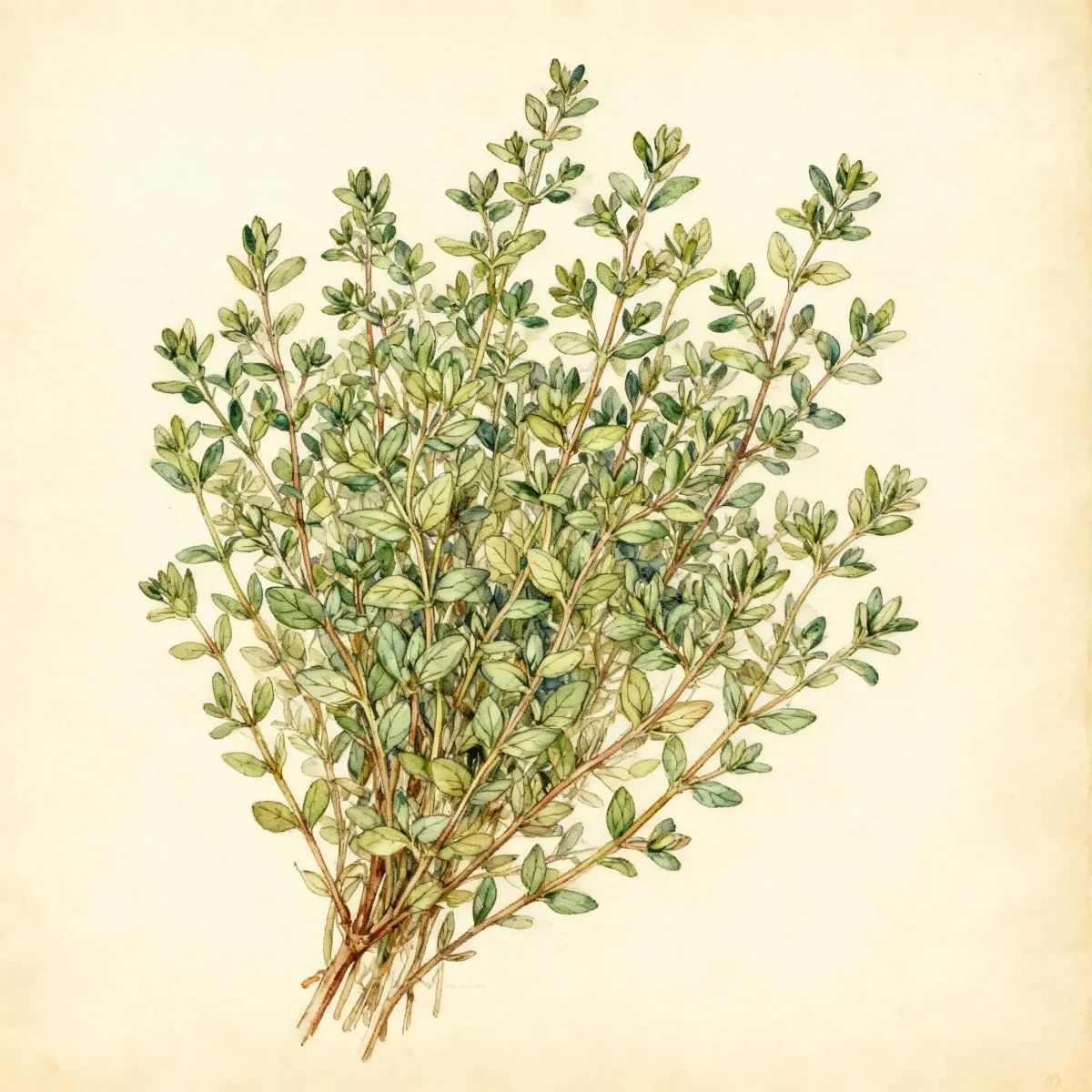
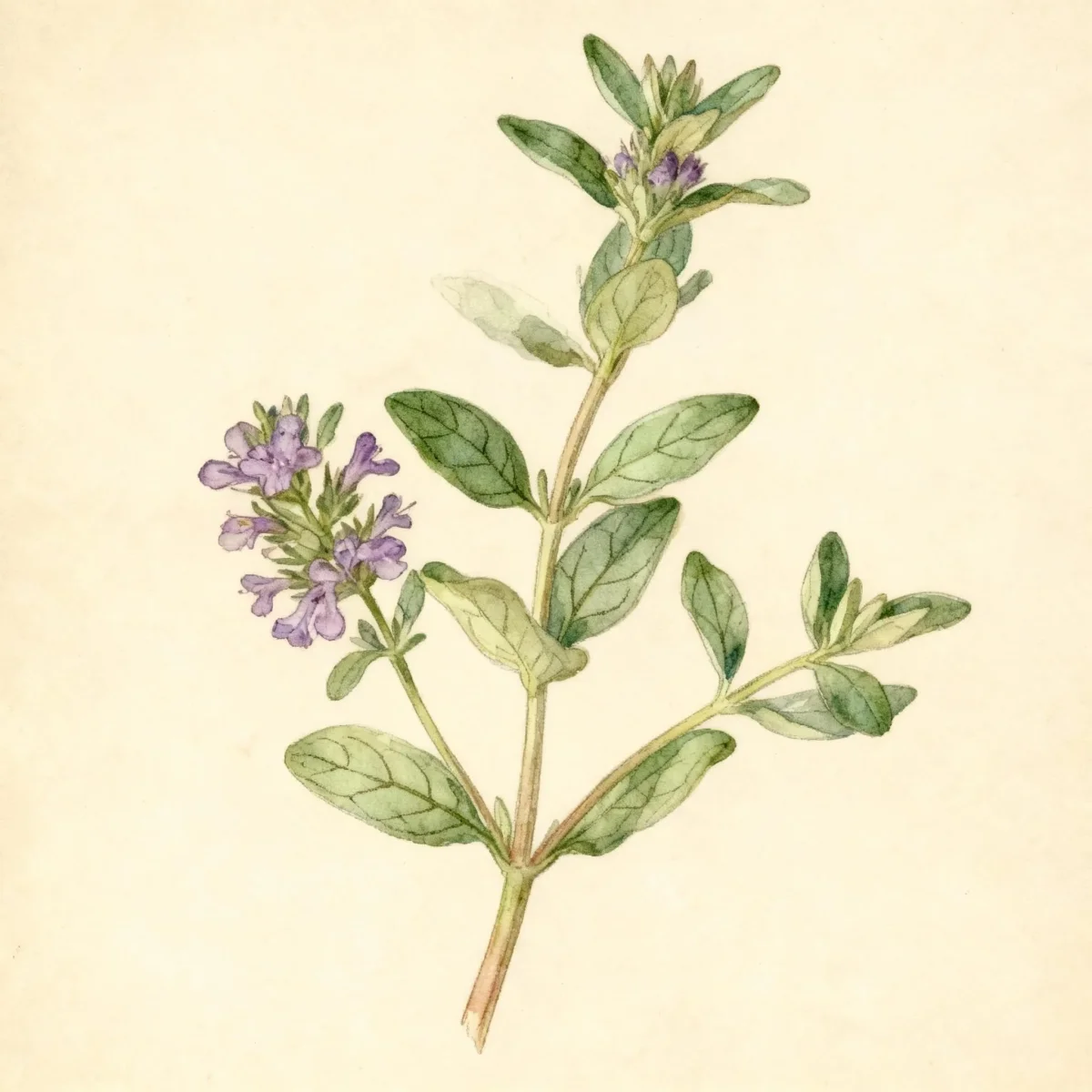
Thymus praecox is a creeping, woody-based perennial which is primarily used as a small ground cover, but also has limited culinary value. Numerous somewhat woody stems form a flat mat (2-6” tall) with tiny, rounded, fuzzy, blue-green leaves. Clusters of tiny, tubular, whitish to rose-purple flowers appear in summer, attracting bees.
Tolerances
- Deer
- Drought
- Dry Soil
- Shallow-Rocky Soil
- Air Pollution
Potential Problems
Generally, Thymus praecox is robust and shows no serious insect or disease problems under proper cultural conditions. The most significant threat comes from overly wet soil, making it highly susceptible to root rot, especially in poorly drained or heavy clay environments. Prevention is key: ensure drainage is impeccable before planting, and allow the soil surface to dry completely between watering sessions.
Frequently Asked Questions
What hardiness zones is Thyme suitable for?
This specific Thyme variety, Thymus praecox, is reliably hardy across USDA Zones 5 through 8.
How large does Thymus praecox grow?
It remains very short, typically reaching mature heights and spreads between 0.25 to 0.5 feet tall and wide, forming a spreading mat.
When does Thyme bloom?
This variety usually produces its purplish/white flowers spanning from June straight through September.
What sun exposure does Thyme need?
Thymus praecox requires full sun to achieve its best growth habit and foliage performance.
Conclusion
The evergreen mat-forming nature and exceptional drought tolerance set Thymus praecox apart as a superb low-growing option for sunny, dry areas of the landscape. Incorporating this tough Thyme ensures year-round visual interest and provides support for local bee populations during the summer bloom. Before planting, confirm your site offers full sun and sharp drainage to guarantee many seasons of resilient, beautiful ground coverage.
Companion Planting
When selecting companions for Thymus praecox, focus on plants that share its love for heat, sun, and dry, well-drained conditions. Excellent partners include other Mediterranean herbs like Lavender (Lavandula) or Rosemary, as they share similar low-fertility requirements. In rock gardens, pair it effectively with low-growing sedums, alpine phlox, or creeping thyme relatives that hug the ground.
Avoid planting this Thyme near moisture-loving perennials such as Hostas or Astilbes, as the resulting humidity and increased watering will increase the risk of fungal issues for the Thyme. By clustering plants with similar cultural needs, you create a balanced, low-maintenance zone where all components, especially Thymus praecox, can thrive.
Wildlife Benefits
While the flower qualities are noted as insignificant by some taxonomists, the clusters of tiny, tubular flowers offered by healthy Thymus praecox are highly attractive to numerous native bees during the mid-summer months. Planting this herb as a ground cover creates a wide, easily accessible landing zone for pollinators seeking nectar and pollen succession throughout the growing season.
Beyond nectar sources, the dense, low mat of this evergreen Thyme provides excellent natural early-season cover for small beneficial insects and ground-dwelling creatures. Its low profile helps maintain soil temperature and provides slight protection against temperature swings common in exposed, sunny locations.