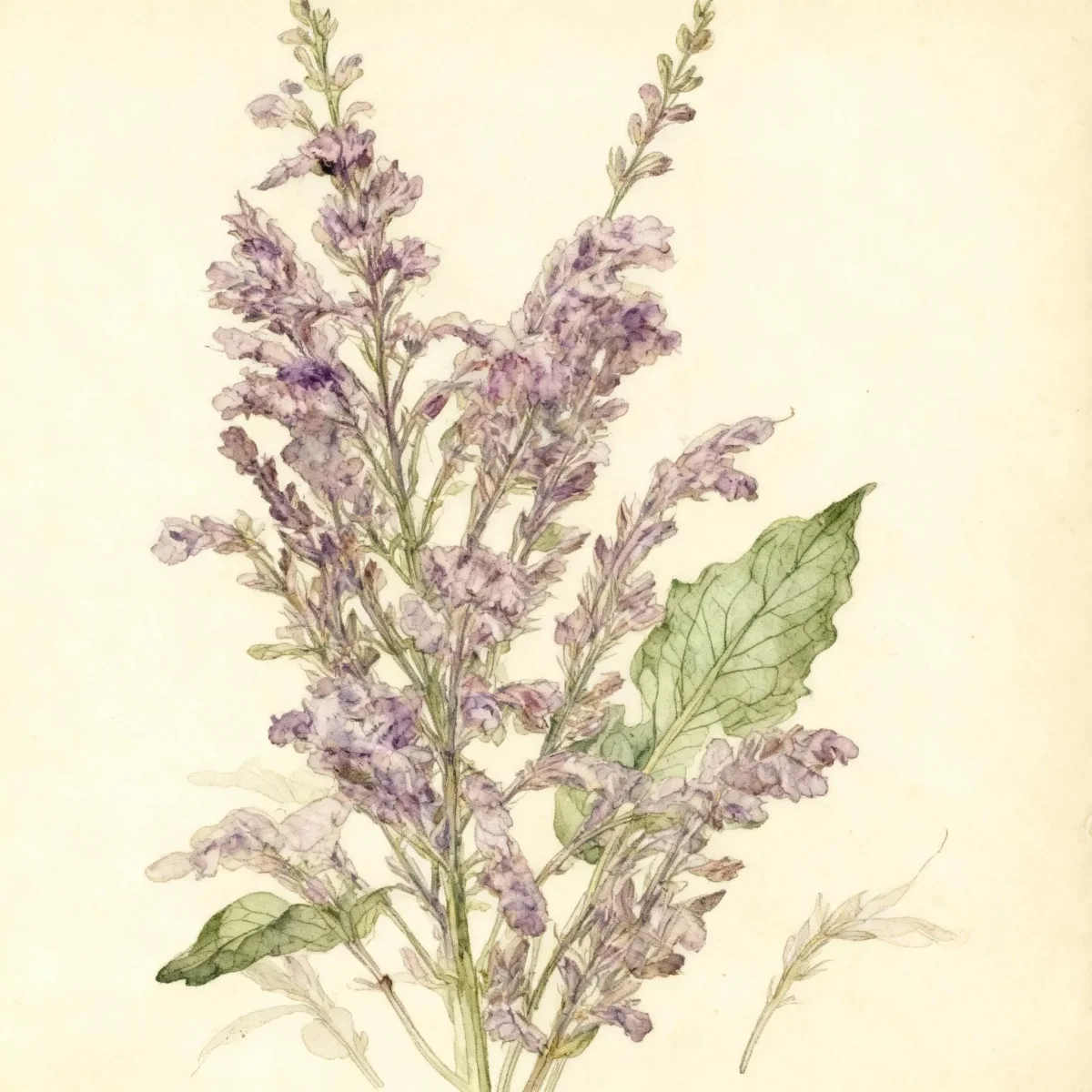
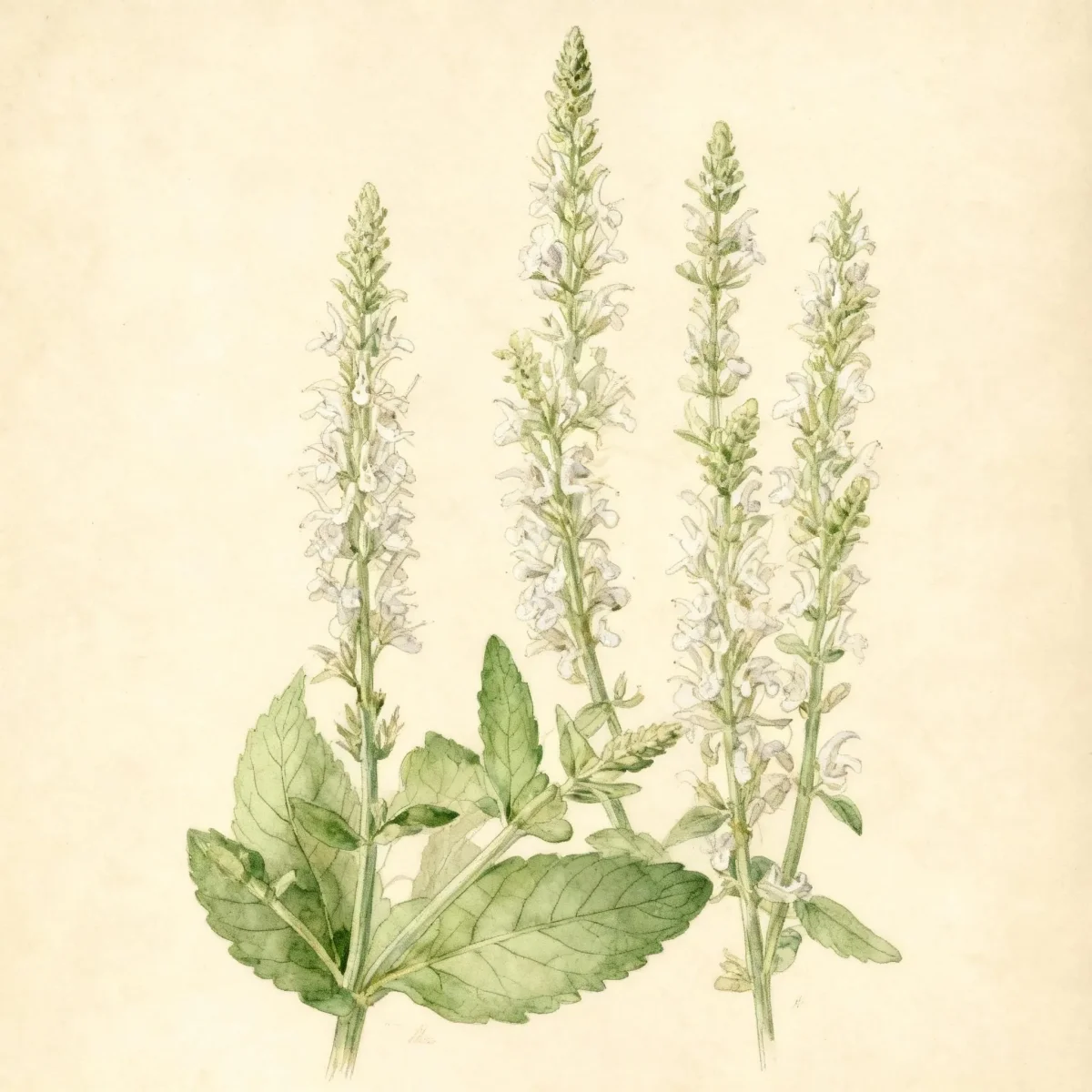
Thyme (Thymus vulgaris)
Thymus vulgaris, or garden thyme, is a low-maintenance culinary perennial prized for its aromatic foliage and drought tolerance.
Scroll down to discover growing tips, care requirements, companion plants, and more
Complete Plant Information
Overview
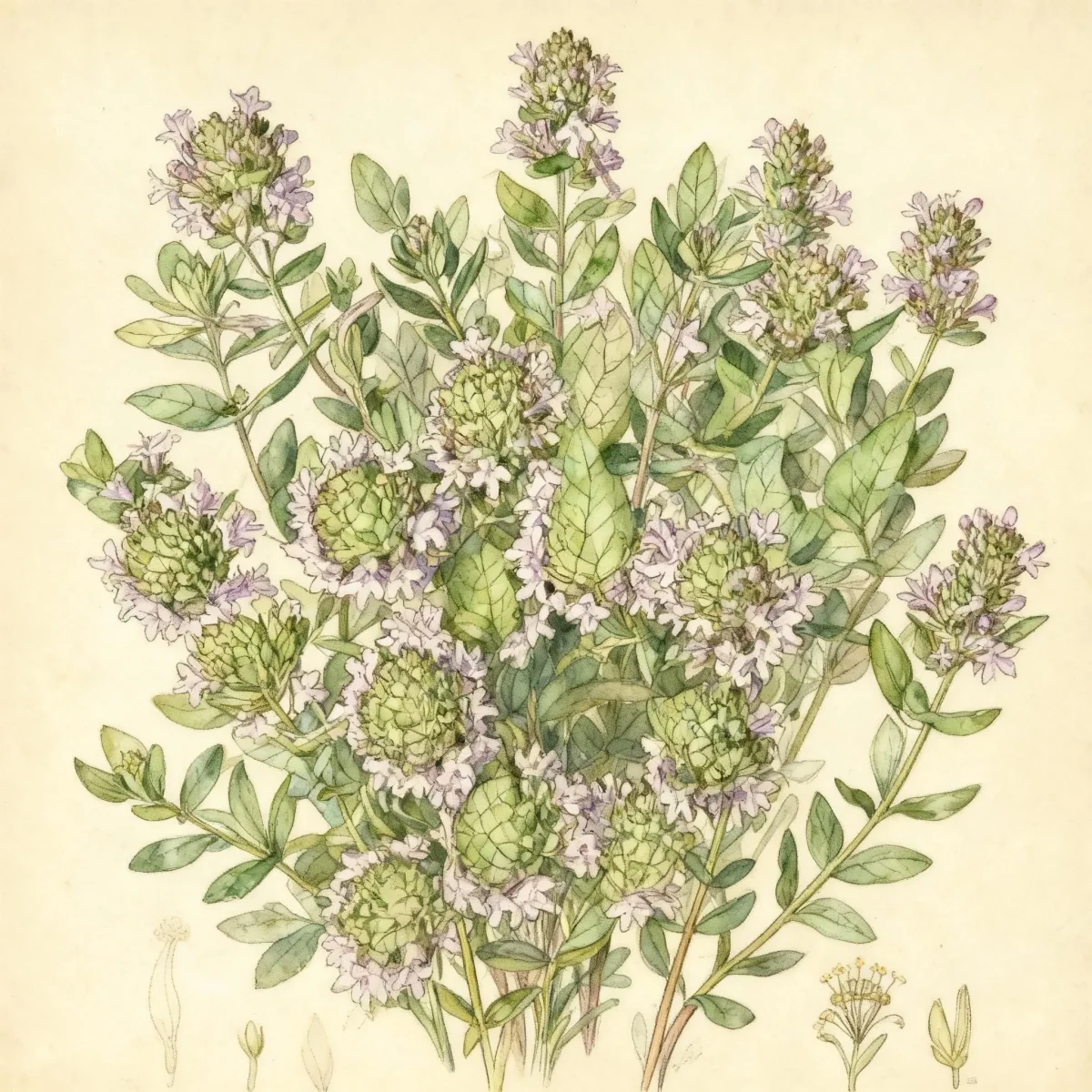
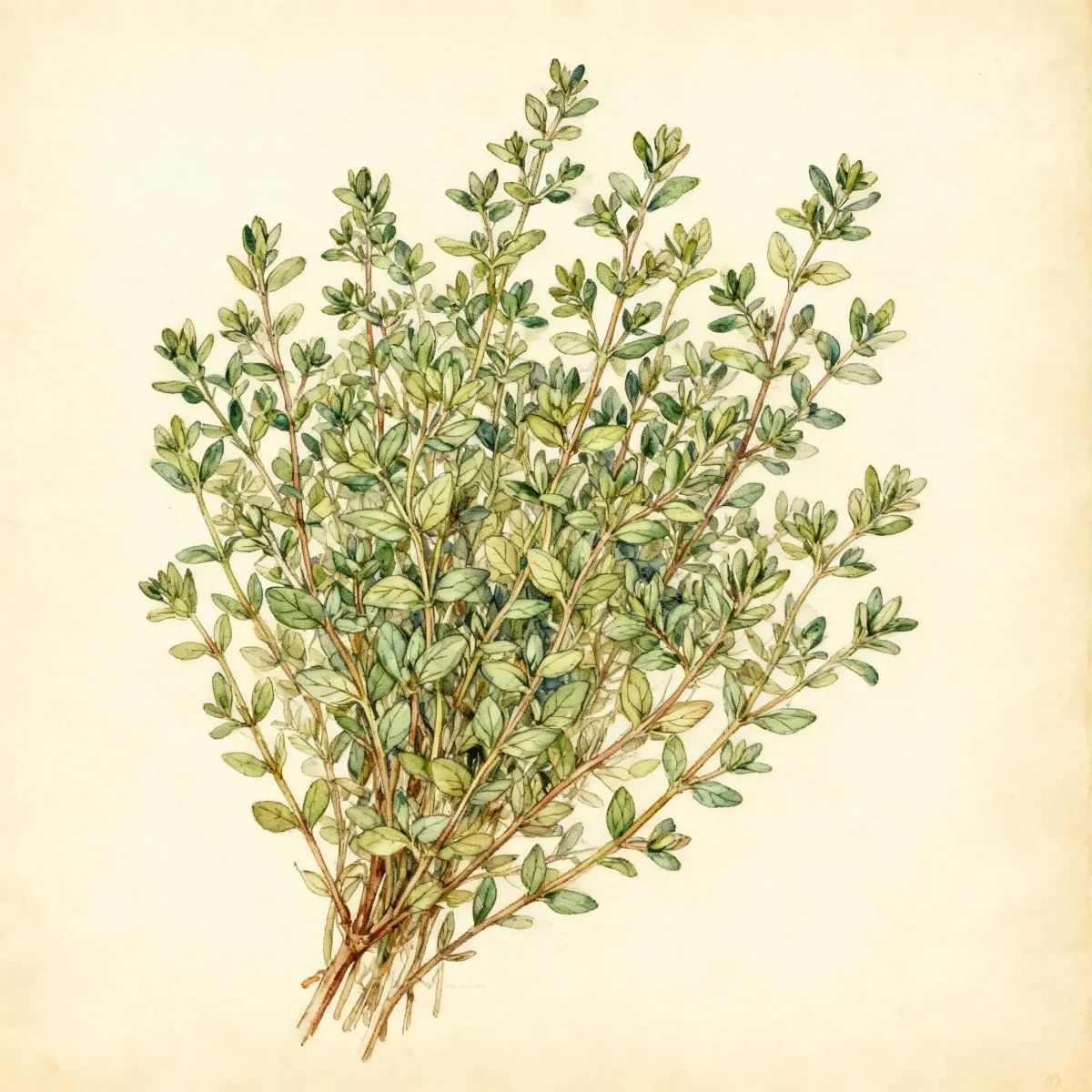
Thymus vulgaris, commonly known as Thyme, is an indispensable perennial herb celebrated globally for its highly aromatic, gray-green foliage. This woody-based perennial forms a compact mound, making it a staple in herb gardens and rockeries where its low stature complements taller plantings. Gardeners highly value Thymus vulgaris not only for its culinary contributions to countless dishes but also for its resilience once established.
This species thrives under conditions that mimic its native Southern European environment. It demands full sun and excellent drainage, contrasting sharply with plants that require consistent moisture. While it is best known as a seasoning, the tiny, pale purple blooms produced in late spring are attractive to foraging bees, adding supplemental wildlife value to the landscape.
As an herbaceous perennial, Thyme offers consistent evergreen structure in milder climates, providing year-round interest. For long-term health and productivity, routine light pruning is essential to manage woody growth and encourage the development of flavorful new foliage, ensuring your patch of Thymus vulgaris remains productive for years.
Fast Facts
- Plant Family: Lamiaceae
- Plant Type: Herbaceous perennial
- Native Range: Southern Europe
- Hardiness Zones: USDA Zones 5-9
- Size at Maturity:
- Height: 0.5-1 ft
- Spread: 0.5-1 ft
- Bloom Time: May to July
- Bloom Description: Pale purple
- Sun Exposure: Full sun
- Water Needs: Dry to medium
- Maintenance Level: Low
How to Grow
For optimal success, plant Thymus vulgaris in the spring after the danger of frost has passed. Location is paramount: select an area that receives full, uninterrupted sun throughout the day. The soil must be well-drained; loose, sandy, or rocky substrates are highly preferred. Thyme actively dislikes wet feet, which frequently leads to root rot, so avoid heavy clay soils entirely unless significant amendments are made.
Maintenance for Thyme is remarkably low once established, as it exhibits good drought tolerance. Water sparingly, ensuring the soil dries out between waterings, making it an excellent choice for xeriscaping or dry borders. Fertilizing is generally unnecessary; in fact, rich soil encourages soft, less flavorful growth.
To maintain vitality, practice regular harvesting, which doubles as pruning. Cutting back the stems encourages fresh shoots to emerge. Be mindful that mature plants can become tough and woody after several seasons. If your Thyme patch loses vigor or becomes sparse, plan to replace it with fresh young plants to ensure a continuous supply of fragrant leaves.
Landscape Uses
Thyme blends seamlessly into various garden designs due to its diminutive size and attractive texture. It is an essential component of any functional herb garden or dedicated vegetable patch. Beyond culinary uses, the foliage of Thymus vulgaris offers excellent ornamental value, particularly when used as a subtle, fragrant groundcover between stepping stones or along path edges where its low profile won’t obstruct movement.
Consider using common thyme in rock gardens where its preference for gritty, dry soil conditions is naturally met. They also perform beautifully planted along border fronts, softening the transition between lawn or pathway and taller perennials. If you have a sunny kitchen window, Thymus vulgaris can be successfully grown indoors in pots, providing fresh sprigs year-round.
Due to its specific drainage requirements, companion planting should focus on other Mediterranean herbs that share similar preferences for lean, dry soil, such as Oregano or Rosemary. Avoid planting Thyme near moisture-loving plants like Hosta or Bergenia, as the constant dampness will compromise the health of the Thyme.
Standout Features
Flower Qualities
- Showy
Noteworthy Characteristics
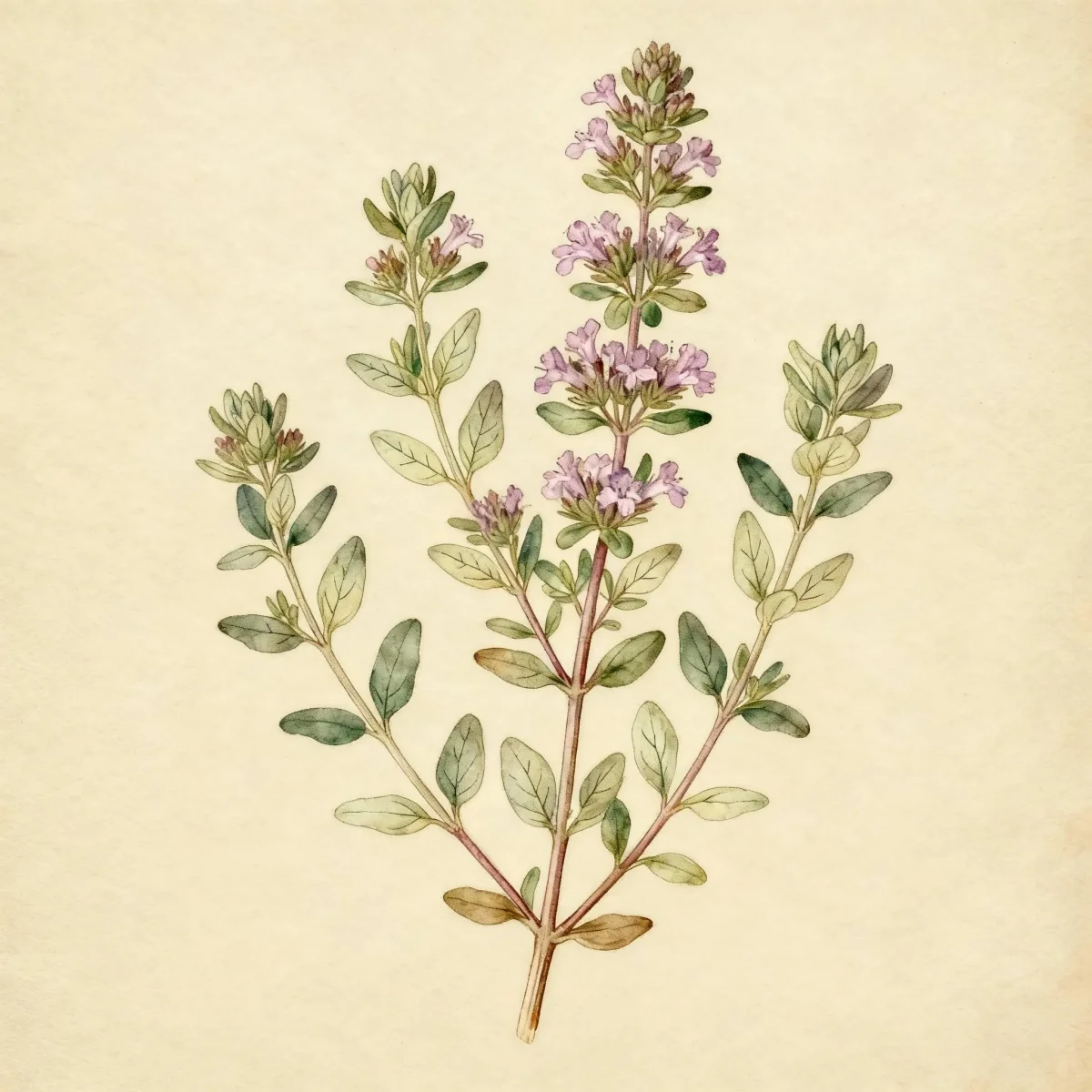
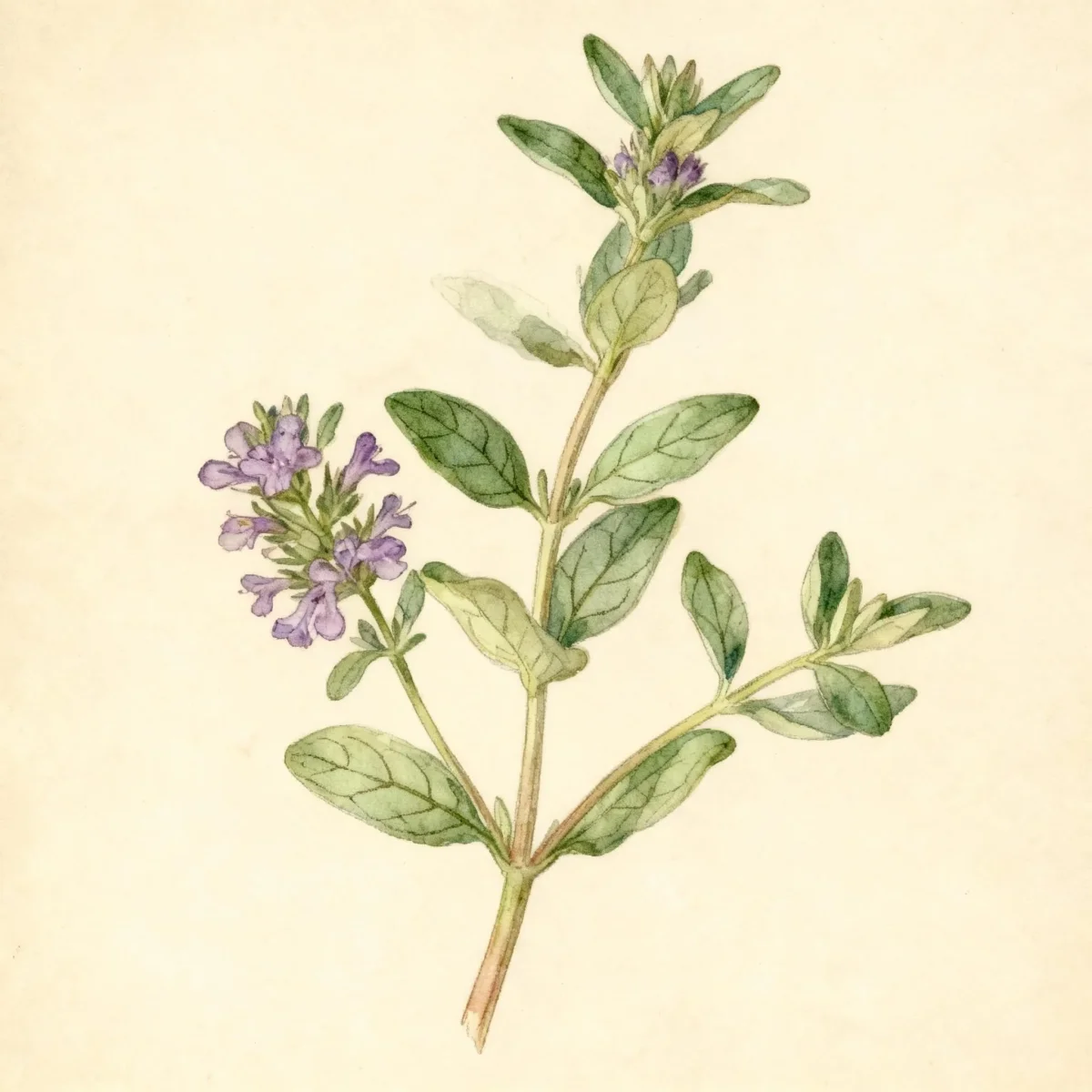
Thymus vulgaris, commonly called garden thyme or common thyme, is a generally upright, woody-based perennial which is primarily grown as a culinary herb in herb gardens. Stems are clothed with tiny, linear to elliptic, pointed, gray-green leaves which are distinctively revolute (leaf margins are rolled under). Leaves are highly aromatic and are frequently used fresh or dried as a seasoning in a variety of culinary applications. Whorls of tiny, tubular, lilac flowers appear on the stem ends in late spring to early summer, attracting bees.
Tolerances
- Deer
- Drought
- Dry Soil
- Shallow-Rocky Soil
- Air Pollution
Potential Problems
Generally, Thymus vulgaris is robust and encounters few serious threats. The primary management concern revolves around excessive moisture. Susceptibility to root rot is significant if the planting site retains water or if watering is too frequent, particularly in heavier soils. Proper site selection and ensuring impeccable drainage are the best preventative measures against this fungal issue. Beyond occasional root rot, this common thyme variety handles pests and diseases with notable ease.
Frequently Asked Questions
What hardiness zones is Thyme suitable for?
Thyme (Thymus vulgaris) is hardy and thrives across USDA Zones 5 through 9, offering reliable perennial performance in these ranges when drainage is adequate.
How large does Thyme grow?
This herb typically maintains a low profile, growing to a height between 0.5 and 1 foot tall, with a similar spread of 0.5 to 1 foot wide.
What sun exposure does Thyme need?
For the best growth and most aromatic foliage, Thyme requires full sun exposure throughout the growing season.
When does Thyme bloom?
The delicate bloom time for Thymus vulgaris is generally from May to July, producing whorls of small, pale purple flowers.
Conclusion
This easy-to-grow perennial offers exceptional value through its dual role as a low-maintenance ornamental and an essential culinary ingredient. Ensure your garden features excellent drainage and plenty of sun to successfully cultivate this robust variety of Thyme, Thymus vulgaris. Check your local hardiness maps and plan to install plants during the spring for the best chance at establishing a long-lasting, productive herb patch.
Propagation Tips
While Thymus vulgaris can sometimes be grown from seed, propagation by cuttings is often preferred by experienced gardeners to ensure true varietal characteristics are maintained. Take semi-hardwood cuttings (stems that have started to firm up but are not fully woody) in mid-summer. Aim for cuttings about 2-3 inches long. Remove the lower leaves and place the base of the cutting into a sandy rooting medium, kept lightly moist and preferably warm to encourage root development.
Cuttings root reasonably well but require patience. Once roots have formed, typically after several weeks or months depending on conditions, they can be transplanted to their permanent sunny, well-drained location. Because older plants of Thymus vulgaris become woody and decline in vigor, propagating new plants every few years ensures a perpetually fresh and productive supply of this superior culinary herb.
Wildlife Benefits
The small, tubular lilac flowers produced by Thymus vulgaris during late spring and early summer offer a valuable nectar source. Although not as dramatic as some flowering shrubs, these blooms are highly attractive to essential pollinators, particularly bees. Incorporating Thyme into sunny garden beds or borders provides a reliable, low-growing food station for these vital insects throughout the early part of the bloom season. Positioning Thyme near vegetable crops can also enhance pollination success in the surrounding area.