Corsican mint (Mentha requienii)
Discover Corsican mint (Mentha requienii), a miniature, mat-forming ground cover perfect for paving stones, thriving in zones 6-9.
Scroll down to discover growing tips, care requirements, companion plants, and more
Complete Plant Information
Overview
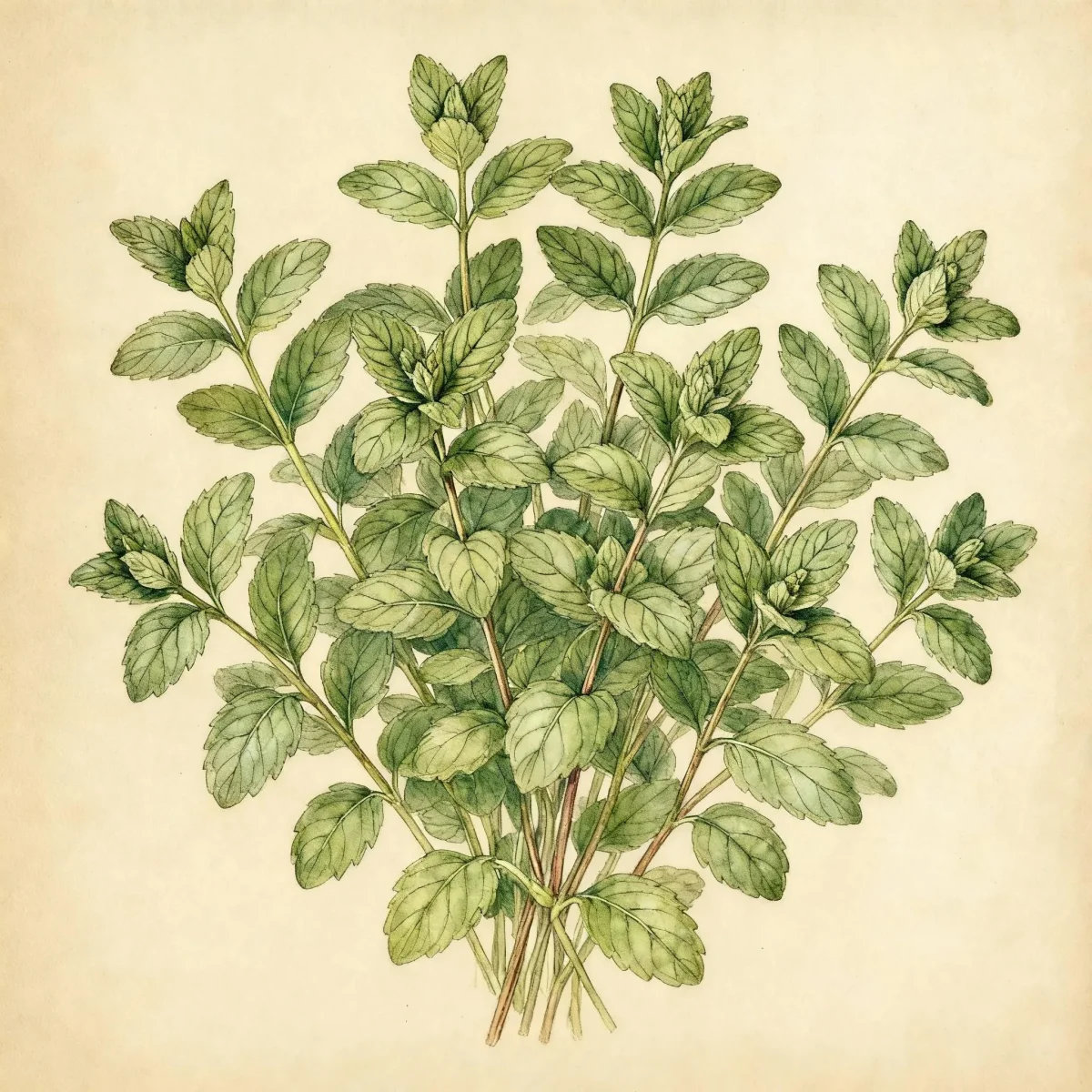
Mentha requienii, universally known as Corsican mint, is a standout perennial celebrated for its incredibly diminutive stature and potent aroma. Unlike taller mint varieties, this species forms a dense, flat mat, rarely exceeding one inch in height, making it exceptional for areas where height is undesirable. Its effectiveness as an aromatic ground cover is unmatched, especially when planted where light foot traffic releases its sharp, pleasing scent.
Native to the islands of Corsica, Italy, and Sardinia, this herbaceous perennial spreads via thread-like stems that root as they creep, developing a lush, moss-like carpet. Gardeners prize Corsican mint for its low-maintenance nature and its ability to soften hardscapes, contrasting beautifully with pavers or stone edging. Its tiny lilac flowers emerge subtly in mid-summer, though the primary appeal remains its creeping habit and fragrance.
The unique characteristics of Mentha requienii allow it to fill niche roles in the landscape, from rock gardens to container edges. While it prefers moisture, its adaptability across different soil types, provided they drain adequately, makes it a versatile choice. For gardeners seeking an extremely low-growing, fragrant herb that requires minimal upkeep, Corsican mint offers significant aesthetic and functional value.
Fast Facts
- Plant Family: Lamiaceae
- Plant Type: Herbaceous perennial
- Native Range: Corsica, Italy, Sardinia
- Hardiness Zones: USDA Zones 6-9
- Size at Maturity:
- Height: 0-0.25 ft
- Spread: 0.5-1 ft
- Bloom Time: June to August
- Bloom Description: Lilac
- Sun Exposure: Full sun to part shade
- Water Needs: Medium
- Maintenance Level: Low
How to Grow
The ideal time to establish Mentha requienii is in the spring after the threat of frost has passed. This aromatic mint thrives best when situated in rich, light, and consistently moist but well-drained soils. While it tolerates full sun, it greatly appreciates some afternoon shade, especially during the intense heat of summer, and it adapts well even to shadier garden spots, provided the soil doesn’t dry out completely.
Maintenance for Corsican mint is generally low. Ensure regular watering, as this plant is intolerant of drought. Fertilization is usually unnecessary if planted in rich soil. To maintain desired boundaries, consider planting starter plants about 6 to 10 inches apart; the plants will quickly creep and fill in the gaps.
Propagation is straightforward, primarily achieved through division of the creeping mats. In optimal growing settings, this mint will also freely self-seed, allowing it to slowly naturalize. While hardy to Zone 6, gardeners in colder climates north of Zone 6 may treat it as an annual, though self-seeding often ensures its reappearance for several seasons.
Landscape Uses
Corsican mint shines brightest when used as a delightful, living grout between paving stones, patio blocks, or stepping stones where it encounters light foot traffic that releases its signature fragrance. Its sprawling, low habit makes it an excellent choice for fully blanketing an area, functioning effectively as a diminutive ground cover in naturalized settings where its creeping stems can spread unimpeded.
It offers excellent textural contrast in rock gardens, softening the hard lines of stone arrangements. Furthermore, Mentha requienii is highly recommended for containers, particularly where its delicate foliage can drape gracefully over the container edges, adding living interest throughout the season. For culinary enthusiasts, incorporating its leaves into herb gardens allows for easy access for flavoring teas, salads, or garnishes.
Standout Features
Flower Qualities
- Showy
Noteworthy Characteristics
Mentha requienii, commonly called Corsican mint or creeping mint, is a miniature mat-forming plant that typically grows to only 1/2” to 1” tall but spreads by thread-like stems which creep along the ground rooting as they go to 12” wide or more to form a dense flat diminutive ground cover. This mint is native to the Islands of Corsica, Sardinia and Montecristo, featuring tiny round green leaves to 1/8” across that carry a strong aroma when bruised; the leaves are famously used to flavor creme-de-menthe. Tiny minute lilac flowers bloom in the leaf axils during summer, though they are often inconspicuous.
Tolerances
- Tolerates limited foot traffic
Potential Problems
Mentha requienii generally exhibits robust health, suffering from no serious insect or disease problems when grown under proper conditions. Its main concern for gardeners is its tendency toward invasiveness, characteristic of many mint relatives. However, because it forms such a low mat, it is usually far easier to control than upright mints; physical barriers or routine trimming can effectively manage its spread in contained areas.
Frequently Asked Questions
What hardiness zones is Corsican mint suitable for?
Corsican mint (Mentha requienii) is reliably winter hardy in USDA Zones 6 through 9.
How large does Corsican mint grow?
This miniature perennial develops into an extremely low mat, generally growing only 0 to 0.25 feet high, while spreading outward between 0.5 to 1 foot wide.
What sun exposure does Corsican mint need?
It performs best in full sun to part shade conditions, appreciating afternoon shade protection in hotter climates.
When does Corsican mint bloom?
The tiny lilac flowers of this aromatic herb appear through the summer months, typically blooming from June to August.
Conclusion
Mentha requienii stands out as an invaluable low-growing, aromatic addition to pathways and paved areas, releasing its signature fragrance upon displacement. This unique ground cover, Corsican mint, thrives when given consistent moisture and adaptability makes it a garden favorite. Ensure your location falls within USDA Zones 6-9 and plan for its establishment in the spring to enjoy its dense, fragrant carpet all season long.
Propagation Tips
Since Mentha requienii grows so low to the ground, the simplest propagation method is division. During the spring growing season, gently lift sections of the existing mat. These creeping stems root readily where they touch the soil. It is recommended to plant these divided pieces 6 to 10 inches apart to allow them room to spread and form a cohesive cover quickly.
Self-seeding is common but less reliable than division. For intentional spreading, use the divisions to fill in sparse areas or start new patches elsewhere. If the plant spreads too vigorously, division also serves as the primary means of containing or removing unwanted growth.
Companion Planting
Because Mentha requienii requires medium water to prevent drought stress and prefers not to be overshadowed, choose companions that share similar cultural needs. It contrasts beautifully with creeping thyme varieties that enjoy some sun, provided the thyme is not overly aggressive. In rock gardens, pair it with low-growing sedums or alpines that tolerate moist soil near paving features.
Avoid planting Corsican mint directly against plants that require dry soil conditions, as Mentha requienii will quickly claim any readily available moisture. Its diminutive size means it rarely competes with taller neighbors; focus instead on complementing its ground-hugging habit and aromatic function.