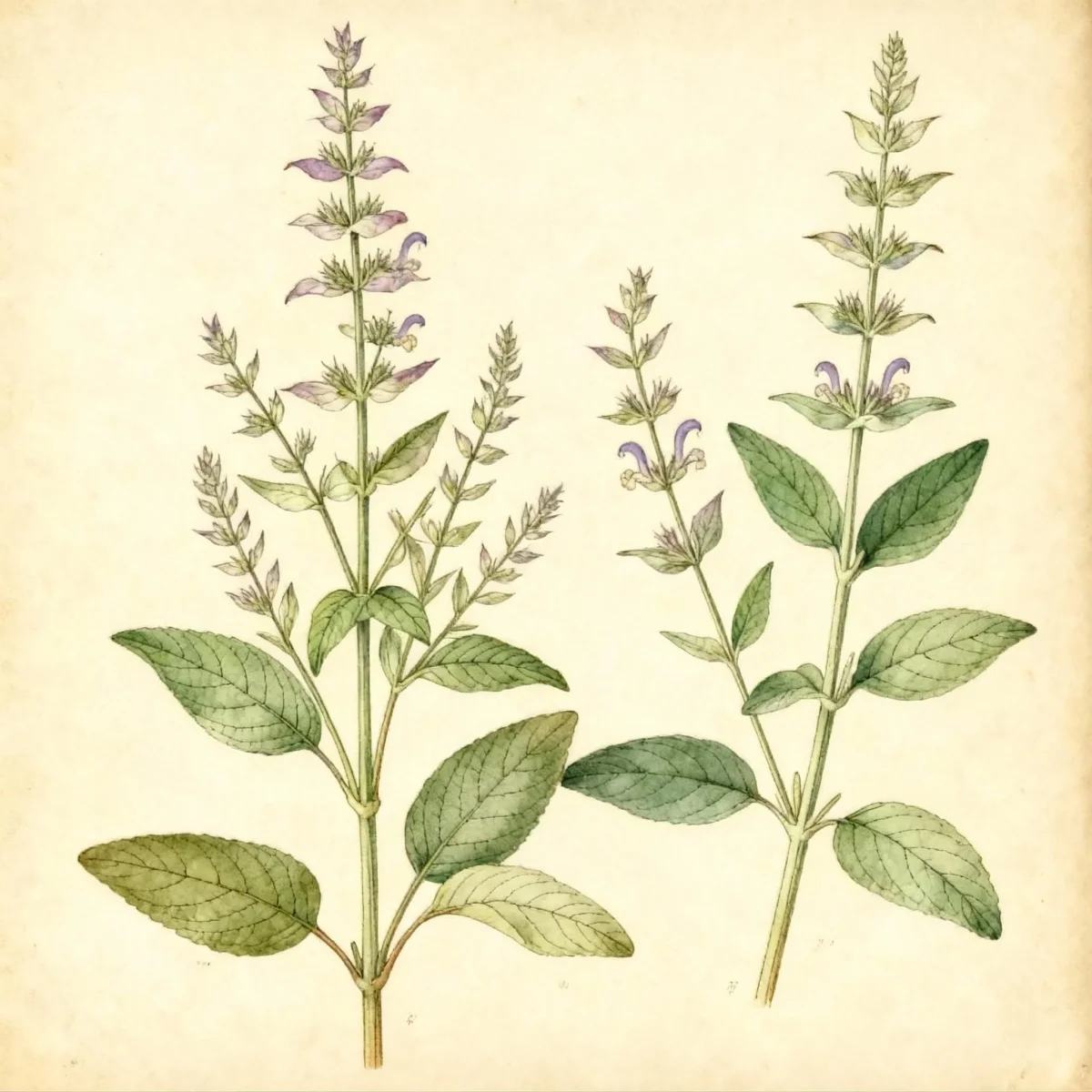
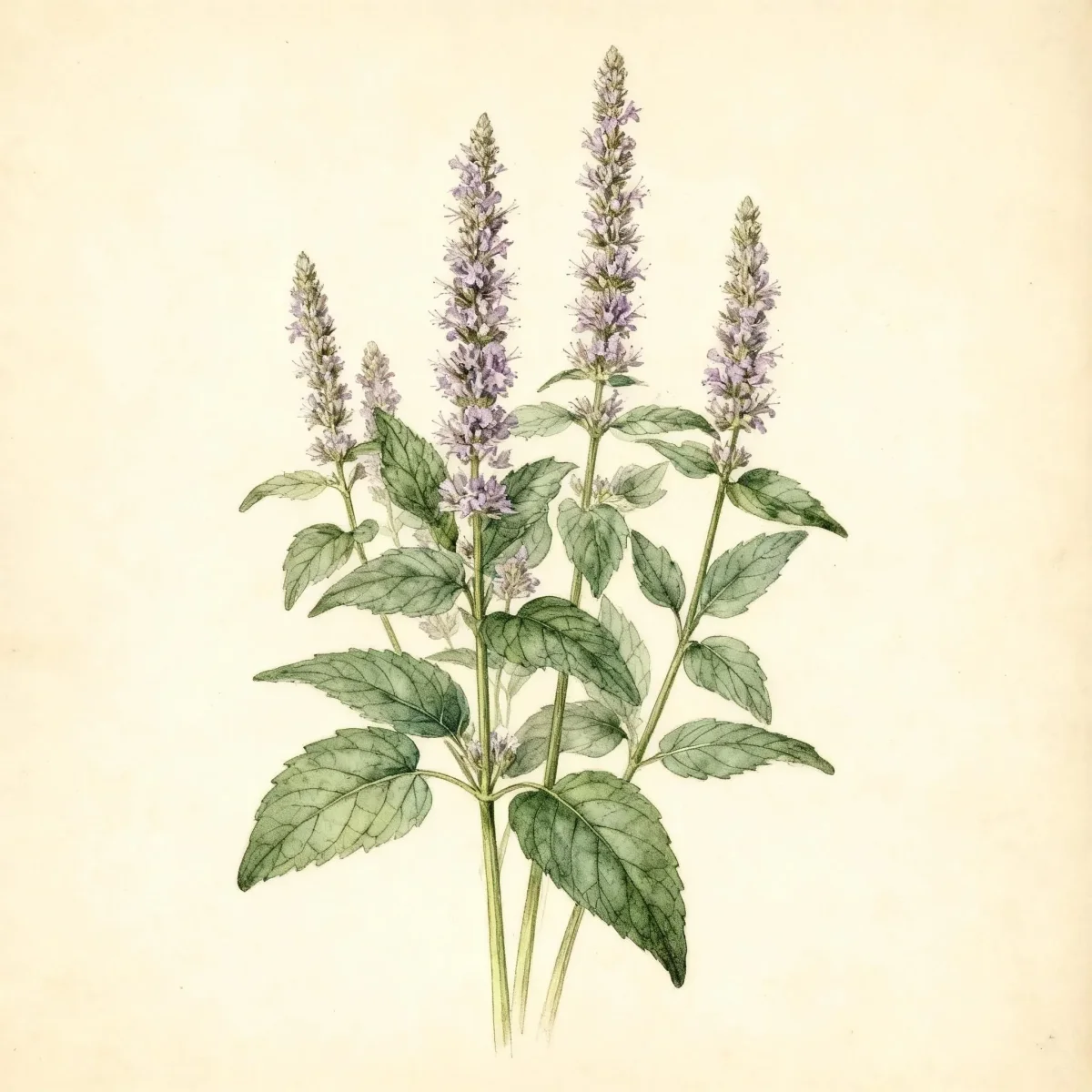
Sage-leaf mullein (Phlomis tuberosa)
Discover Sage-leaf mullein (Phlomis tuberosa), a striking herbaceous perennial producing lavender-pink spring blooms and ornamental seed heads across zones 6-9.
Scroll down to discover growing tips, care requirements, companion plants, and more
Complete Plant Information
Overview
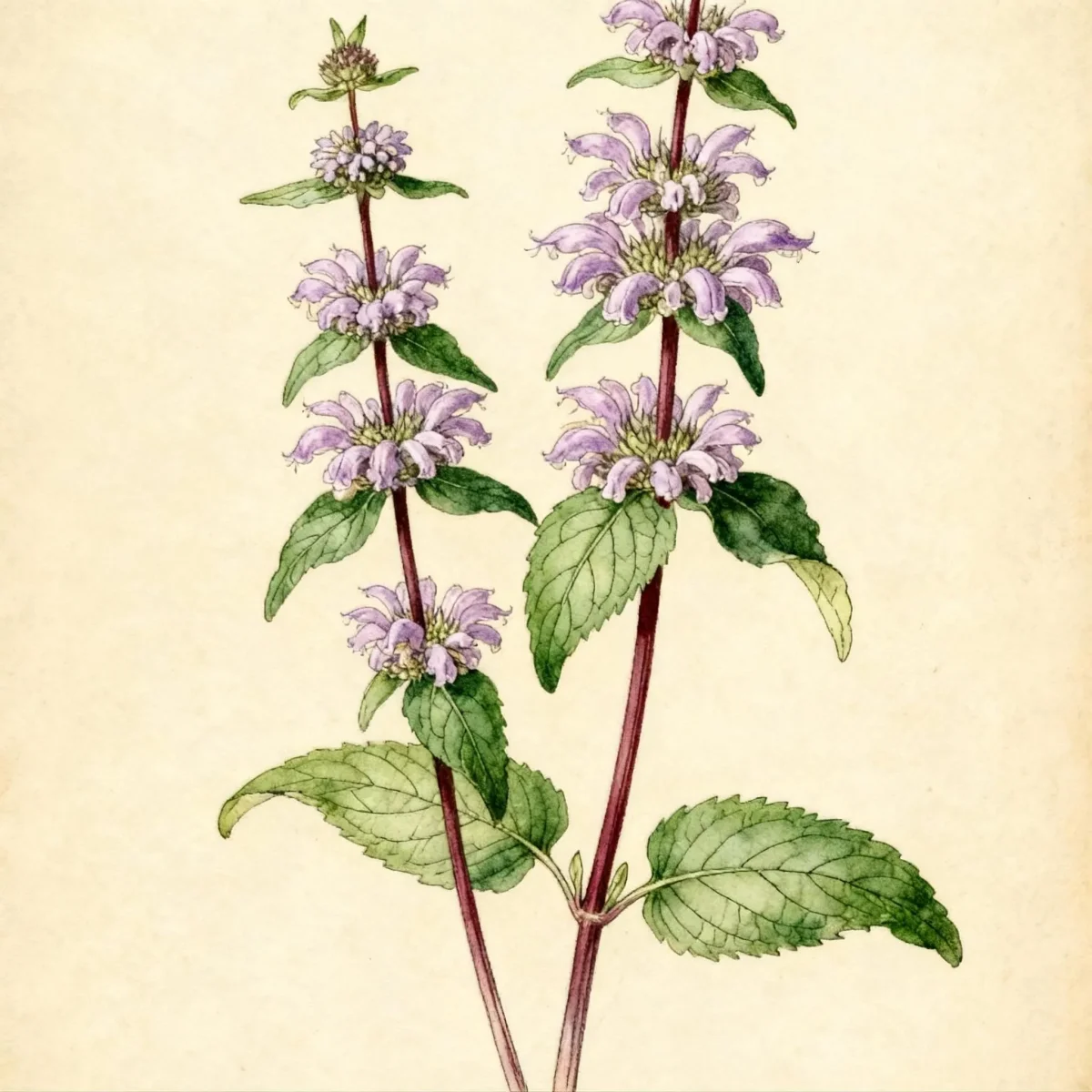
Sage-leaf mullein (Phlomis tuberosa) brings strong vertical accents and architectural interest to the perennial border, making it a valuable structure plant even after flowering concludes. This herbaceous perennial, commonly known as Tuberous Jerusalem sage, features distinctive 4-angled, dark red flowering stems that shoot well above the basal foliage mound. Gardeners prize Phlomis tuberosa not only for its lavender-pink blooms in late spring but also for its seed heads which provide lasting texture well into winter.
Native to specific regions of Asia and southeastern Europe, this member of the mint family thrives best in sunny locations. While it prefers rich, well-drained soil, it shows excellent resilience once established, tolerating some dryness. Planting Phlomis tuberosa provides reliable height and structure for middle-to-back-of-the-border applications without demanding excessive effort from the gardener due to its medium maintenance requirements.
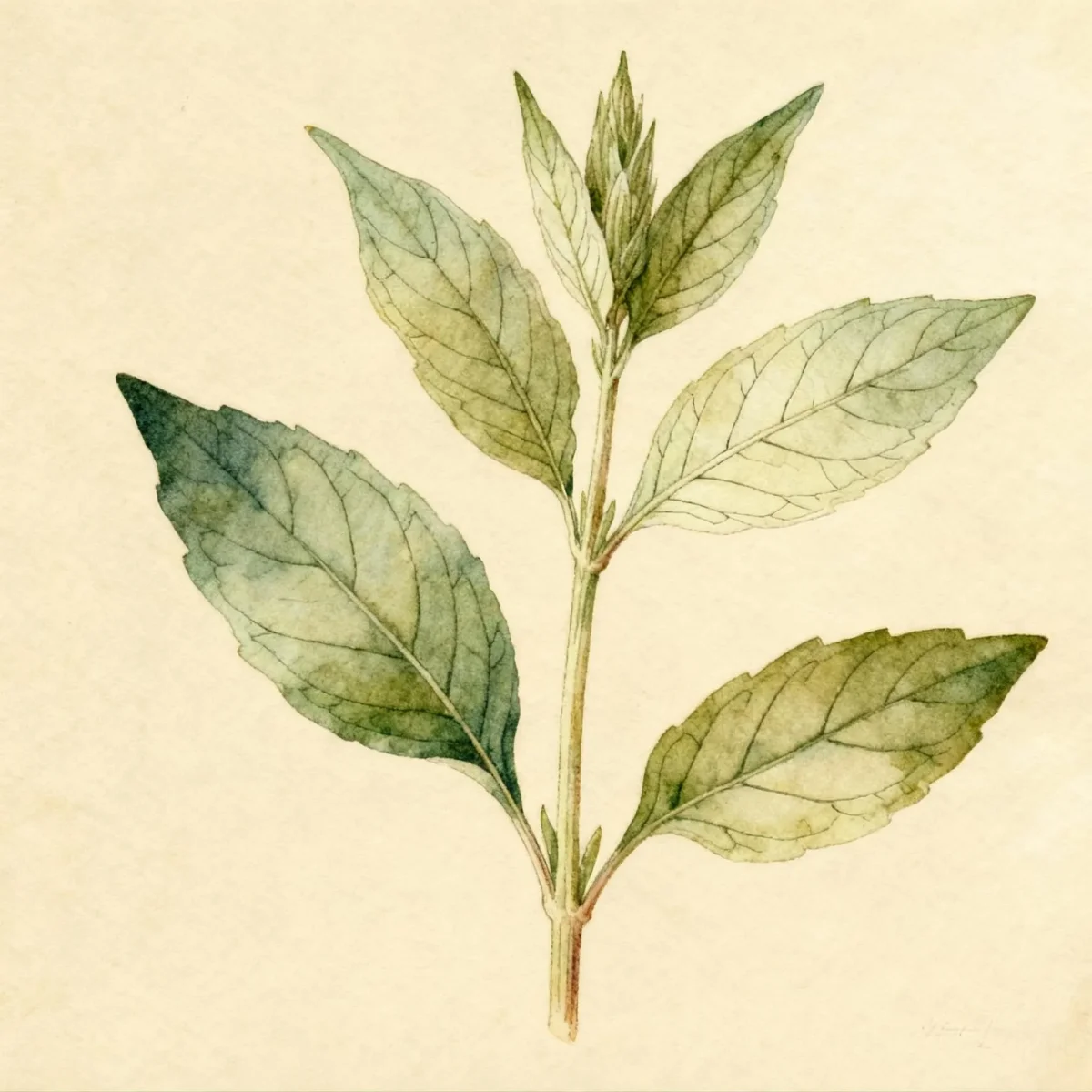
The combination of upright, columnar flower spikes and the substantial, textured basal leaves makes Sage-leaf mullein an excellent choice for sunny, slightly drier garden areas. Its visual interest throughout the season—from fresh spring foliage to summer blooms and autumnal seed heads—ensures that this resilient plant offers excellent year-round performance.
Fast Facts
- Plant Family: Lamiaceae
- Plant Type: Herbaceous perennial
- Native Range: Asia, central and southeastern Europe
- Hardiness Zones: USDA Zones 6-9
- Size at Maturity:
- Height: 2-4 ft
- Spread: 1.5-2 ft
- Bloom Time: May to July
- Bloom Description: Lavender-pink
- Sun Exposure: Full sun
- Water Needs: Medium
- Maintenance Level: Medium
How to Grow
Phlomis tuberosa roots best when planted in spring or fall, ensuring establishment before extreme temperatures hit. Choose locations that receive full sun; while it tolerates light shade, maximum flowering and sturdy stems are achieved with ample light exposure. For optimal growth, amend garden soil to be organically rich, fertile, and above all, well-drained, as this plant strongly dislikes overly wet feet, particularly in winter.
Once established, Sage-leaf mullein requires medium water, ideally applied consistently throughout the growing season, although established plants tolerate dry soil conditions well. Avoid routine fertilization; nutrient-rich soils can sometimes encourage floppy growth rather than the desired vertical habit. Pruning is minimal; cut back the spent flower stalks after they have fully dried and provided winter interest, or earlier if their appearance conflicts with your garden design goals.
Take advantage of the plant’s good tolerance for dryness by placing it in sunny borders where it can handle periods without supplemental irrigation once mature. Ensure good air circulation around the foliage, which naturally helps prevent common turf issues associated with overcrowded mint family members.
Landscape Uses
The strong vertical habit of Phlomis tuberosa makes it a fantastic architectural element in landscape designs. It excels as a vertical flowering plant specifically suited for dry, sunny areas where less water-dependent perennials thrive alongside it. Consider mass planting groups of this plant to create dramatic spikes of color and texture throughout late spring and early summer.
Use Sage-leaf mullein to anchor borders, providing height contrast against lower, mounding plants. It pairs beautifully with drought-tolerant companions such as ornamental grasses, Russian Sage (Perovskia), or Echinacea, creating a cohesive, low-water prairie or meadow look. The ornamental, whorled seed heads ensure that the plant remains visually interesting long after the petals drop.
Due to its stiff structure, this plant integrates well into formal or architectural plantings where rigid lines are desired. Though the foliage forms a mound, the flowering stems provide excellent year-round bone structure, making it an excellent choice for structured beds visible from windows or paths.
Standout Features
Flower Qualities
- Showy
Noteworthy Characteristics
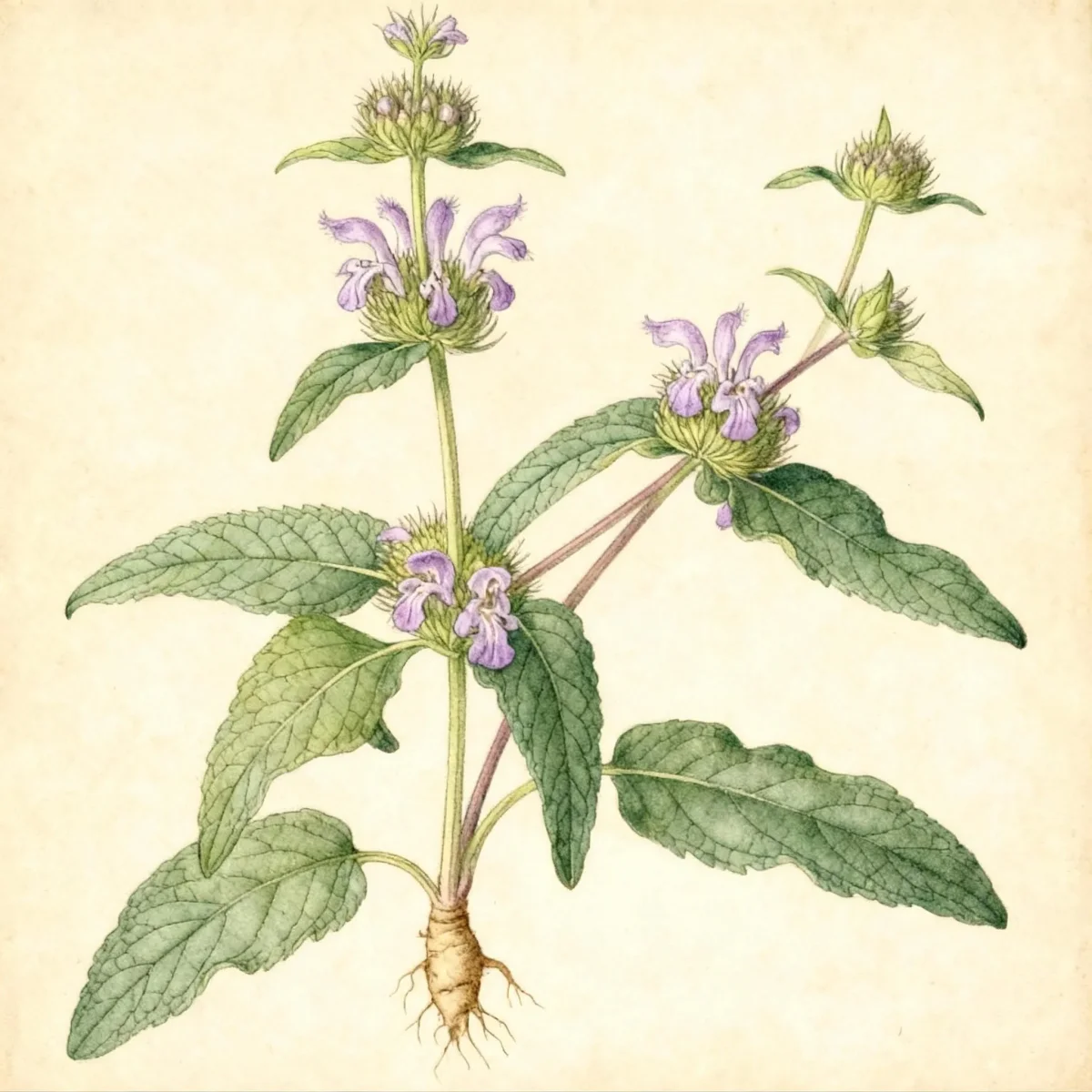
Phlomis tuberosa is a tuberous-rooted perennial of the mint family. Tiny, tubular, lavender-pink flowers bloom in dense whorled clusters atop long, columnar, 4-angled, dark red flowering stems from late spring into early summer. These clusters mature into ornamental seed heads that remain attractive throughout the fall and into winter, providing seasonal extension.
Tolerances
- Drought
Potential Problems
Generally, Sage-leaf mullein exhibits high resistance to pests and diseases, suffering from no serious insect or disease problems under normal growing conditions. Ensure proper drainage, as saturated soil is the primary threat to the health of these tuberous roots. Good air movement helps prevent potential fungal issues, although this plant is quite robust when sited correctly in full sun. Proper spacing during planting prevents overcrowding, which minimizes stress and potential susceptibility to minor issues.
Frequently Asked Questions
What hardiness zones is Sage-leaf mullein suitable for?
The Phlomis tuberosa variety is reliably hardy in USDA Zones 6 through 9.
How large does Sage-leaf mullein grow?
This perennial typically reaches a mature height between 2 and 4 feet, with a spread of 1.5 to 2 feet wide.
What sun exposure does Sage-leaf mullein need?
This plant performs best when grown in full sun, though it can manage brief periods of light shade in hot climates.
When does Sage-leaf mullein bloom?
The bloom time for Phlomis tuberosa is typically from May through July, presenting lovely lavender-pink flowers.
Conclusion
The structural reliability and drought tolerance of Sage-leaf mullein make Phlomis tuberosa an indispensable perennial for sunny, low-maintenance gardens. Its unique, upright flowering habit and long-lasting seed heads offer texture well beyond the typical bloom period. Before planting, confirm your garden falls within USDA Hardiness Zones 6-9 and ensure your soil provides the necessary excellent drainage to guarantee success with this striking plant.
Companion Planting
Selecting companions that share the cultural preferences of Phlomis tuberosa is essential for maximizing its visual impact and managing water needs. Look for other drought-tolerant sun lovers that won’t compete aggressively for space or nutrients. Plants with silvery foliage, such as Lavender (Lavandula) or Artemisia, complement the dark green basal leaves and columnar structure of Sage-leaf mullein effectively.
Consider pairing the medium height of this plant with taller background grasses, like Switchgrass (Panicum virgatum), or shorter, strong-colored companions such as Gaura for contrast toward the front of the border. Since Phlomis tuberosa forms a dense clump of foliage, avoid placing too many heavy, mounding plants immediately adjacent to it, which could impede air flow around the base.
Design Ideas for Vertical Interest
The chief design benefit of Phlomis tuberosa is its ability to provide clear, unwavering vertical lines in the landscape. Utilize these strong vertical accents to break up the monotony of flat or rounded shrubs and perennials. In dry meadow designs, place several clumps of Sage-leaf mullein strategically to draw the eye upward across the entire planting scheme.
For modern or clean-lined gardens, the architectural stems offer a disciplined structure that complements materials like stone or gravel mulch, which also help accentuate the dry-soil tolerance. When designing, remember that the whorled clusters of flowers are subtle from a distance but captivating up close, rewarding visitors who approach the border.