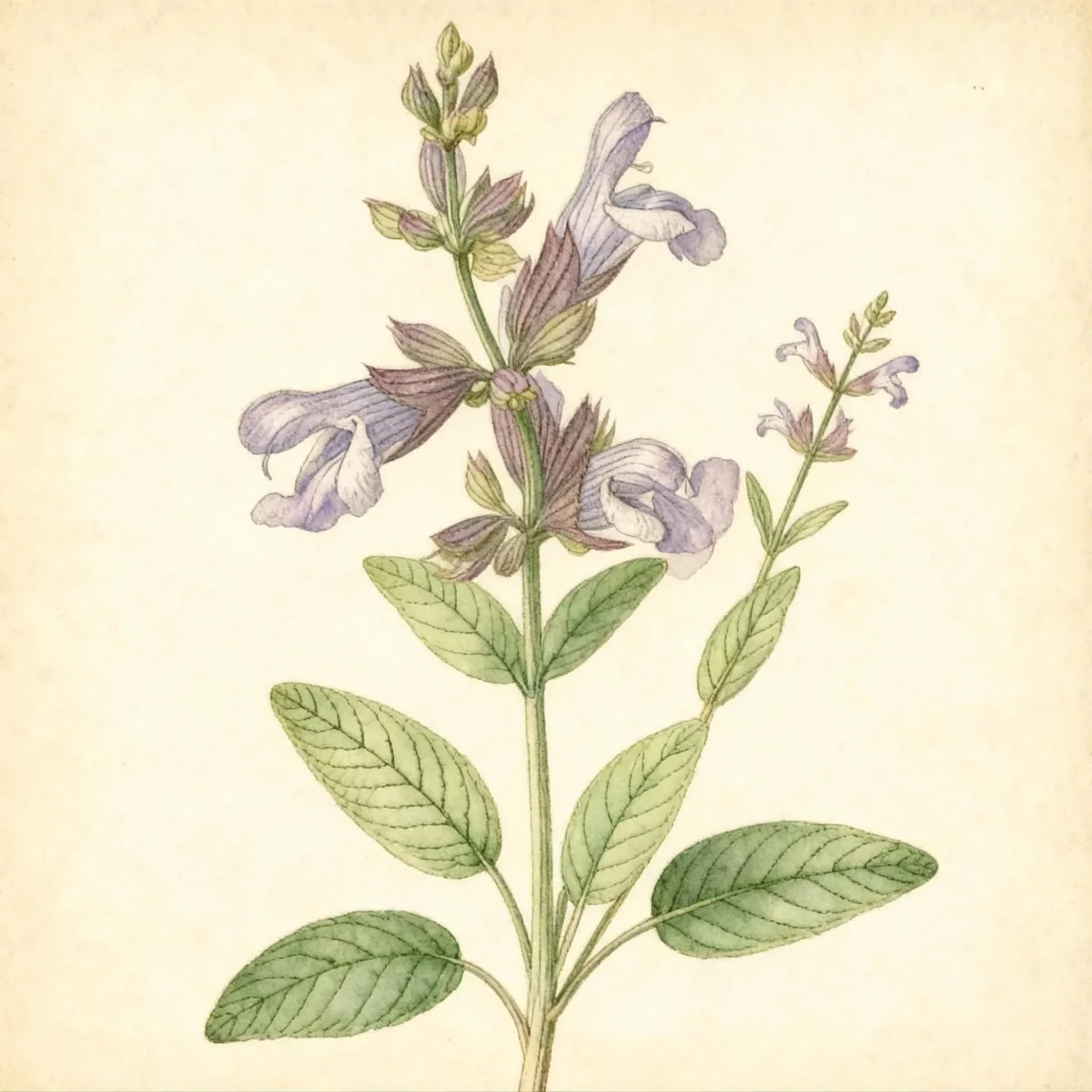
Common sage (Salvia officinalis)
Salvia officinalis, or Common sage, is a woody perennial herb perfect for culinary use and borders. Thrives in full sun.
Scroll down to discover growing tips, care requirements, companion plants, and more
Complete Plant Information
Overview
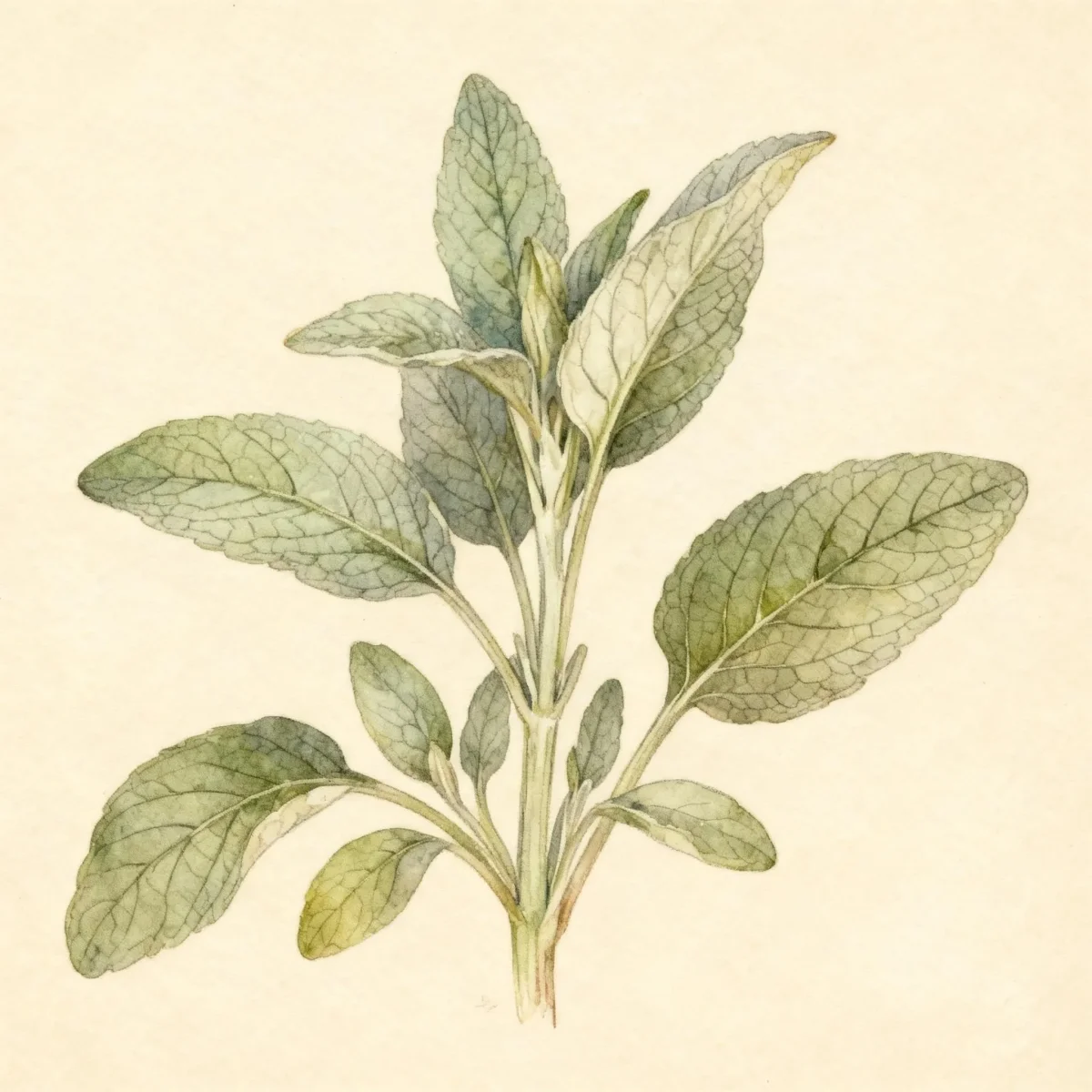
Common sage (Salvia officinalis) is an indispensable addition to any herb garden, widely recognized by cooks as the familiar culinary sage. Beyond its aromatic, wrinkled gray-green leaves, this woody-stemmed, semi-shrubby perennial offers significant ornamental value in the landscape. It attracts beneficial insects, including bees and butterflies, contributing to garden biodiversity.
This robust plant typically reaches heights between 2 and 2.5 feet, forming a neat, spreading presence. Its genus name, Salvia, derives from the Latin for “to save or heal,” hinting at the historical medicinal uses attributed to this valuable species. Successfully growing Salvia officinalis requires bright light and excellent drainage, mimicking its native Mediterranean environment.
Whether used fresh for seasoning or dried for later use, the potent, aromatic quality of Common sage makes it a gardener favorite. Its tough nature, coupled with attractive early summer blooms, ensures Salvia officinalis remains useful throughout the growing season.
Fast Facts
- Plant Family: Lamiaceae
- Plant Type: Herbaceous perennial
- Native Range: Mediterranean and northern Africa
- Hardiness Zones: USDA Zones 4-8
- Size at Maturity:
- Height: 2-2.5 ft
- Spread: 2-2.5 ft
- Bloom Time: June
- Bloom Description: Blue
- Sun Exposure: Full sun
- Water Needs: Dry to medium
- Maintenance Level: Medium
How to Grow
The best time to plant Salvia officinalis is in the spring after the threat of frost has passed, allowing it to establish roots before summer heat. Ensure placement in an area receiving full sun for the best flavor and most compact growth habit. This plant absolutely requires well-drained soil; it thrives in average conditions but is highly intolerant of wet feet.
Watering should be infrequent once established. This culinary sage prefers dry to medium moisture levels; allow the soil to dry out between waterings. Excessive moisture, especially in heavy or poorly draining soil, is detrimental and can quickly lead to fatal root rot. Fertilization is generally not necessary, as rich soils can actually reduce the intensity of the herb’s essential oils and promote soft, leggy growth.
As a perennial herb, Salvia officinalis benefits from regular harvesting, which helps maintain a tidy shape. Taller specimens grown primarily for ornamental effect may sprawl and require staking for upright presentation. In colder zones, protect the crown during winter if soil drainage is questionable, though it is generally hardy in Zones 4 through 8.
Landscape Uses
Common sage serves dual purposes, blending seamlessly into both vegetable patches and ornamental borders. It is excellent for use in herb or vegetable gardens where ease of access during meal preparation is desired. Due to its semi-shrubby habit, it mixes well with other perennials in borders, providing textural contrast with its silvery-gray foliage.
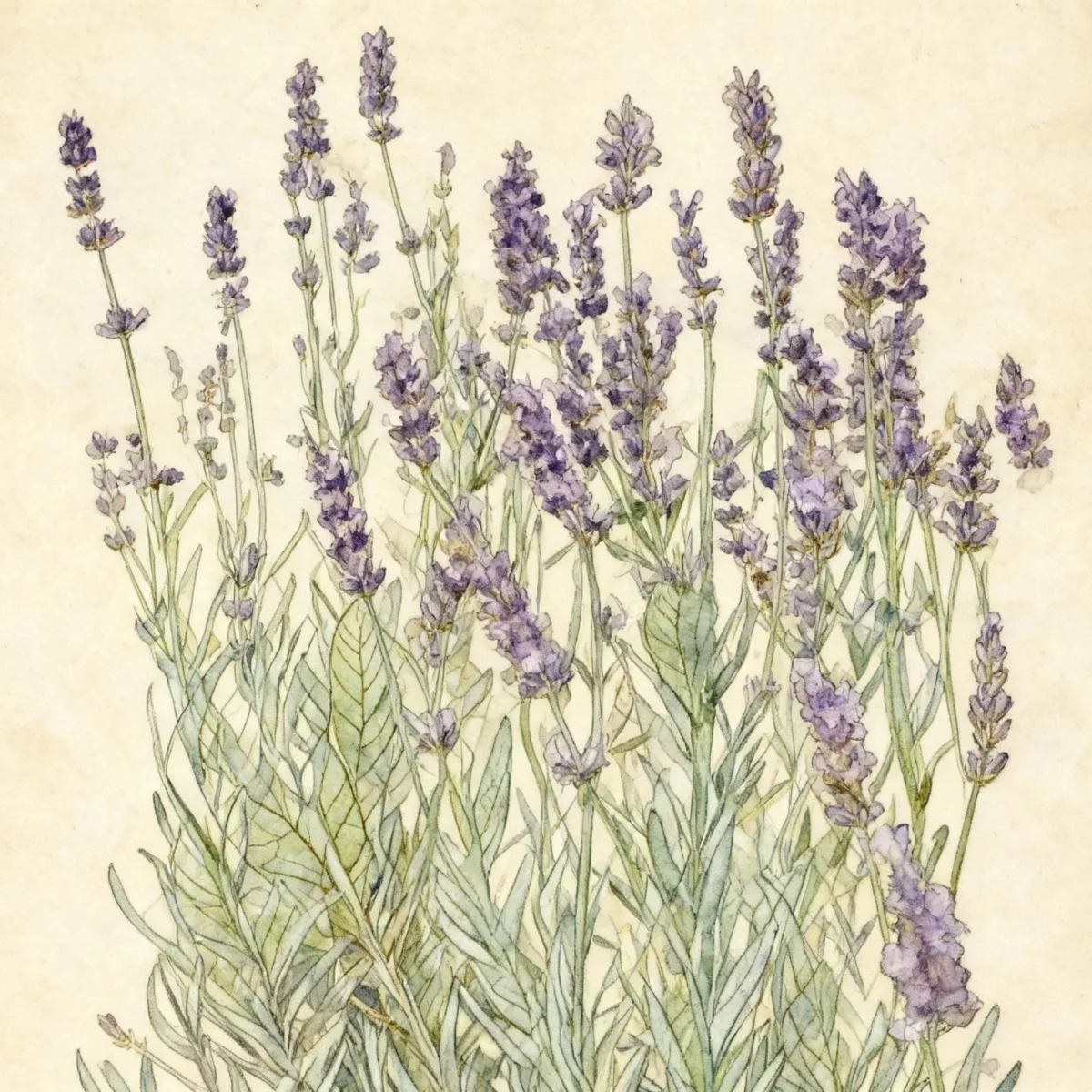
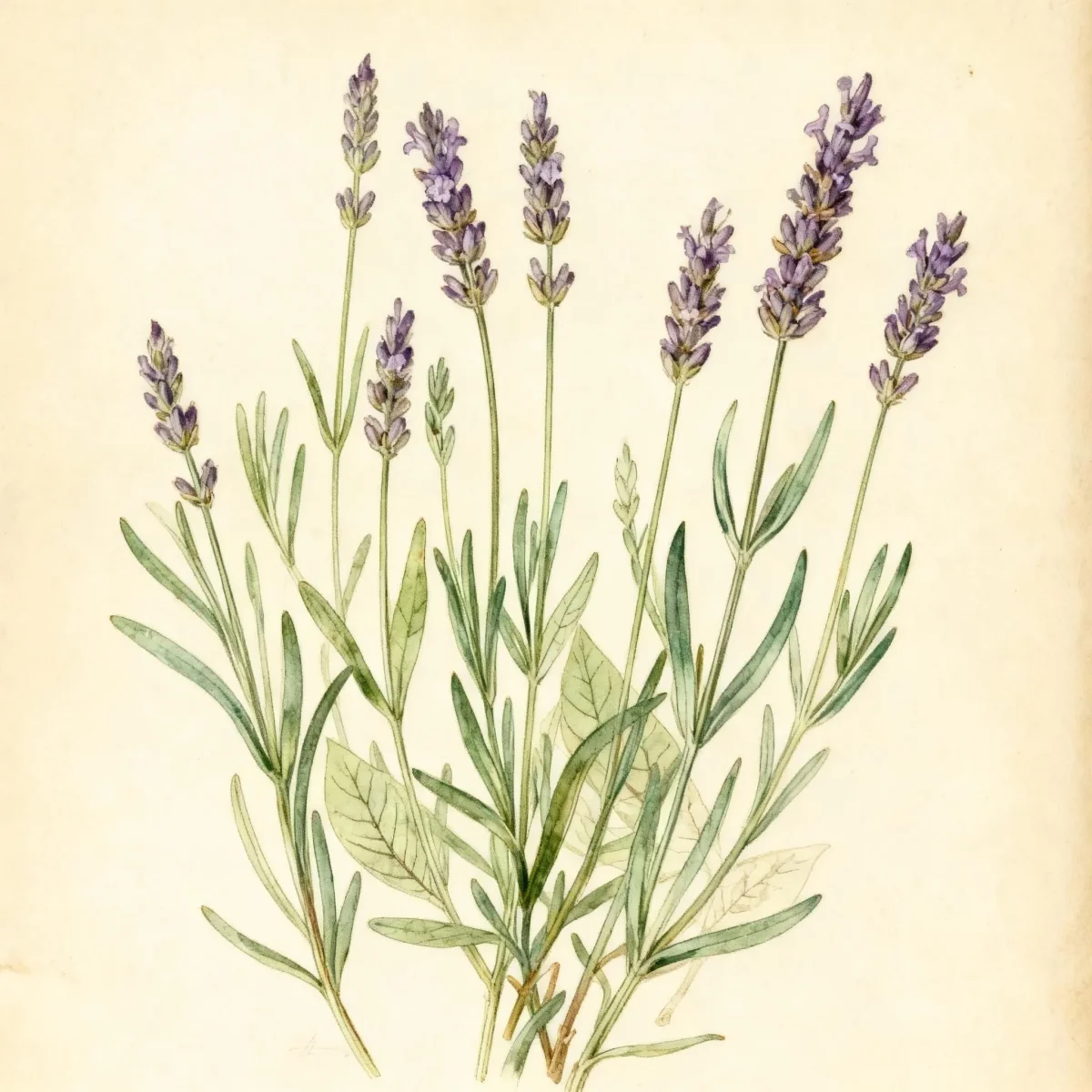
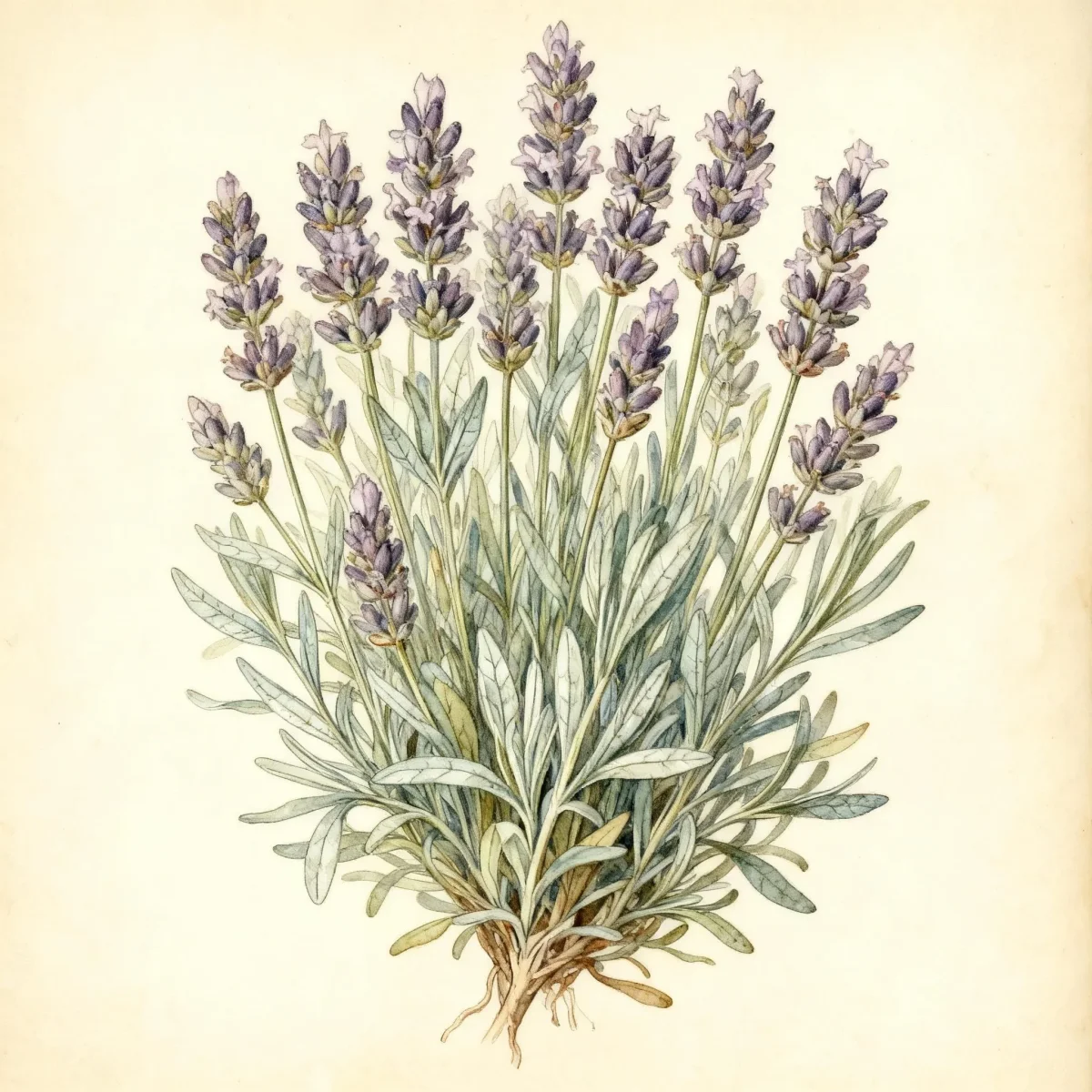
Consider planting Salvia officinalis near Mediterranean companions like rosemary, thyme, or lavender, as they share similar needs for full sun and dry, well-drained conditions. Its fragrance also serves as a deterrent to deer browsing other, more tender plants nearby. In rock gardens, its ability to thrive in shallow, rocky soil makes it a superb structural element.
The lavender-blue flowers appearing in June offer a colorful accent against the muted foliage. For a cottage garden feel, intersperse clusters of this sage among flowering perennials like Russian Sage or ornamental grasses for varied texture and height.
Standout Features
Flower Qualities
- Showy
Noteworthy Characteristics
- Salvia officinalis commonly called sage, is the culinary sage familiar to most cooks.
- Features whorls of two-lipped, lavender-blue flowers (to 1 inch long) in short, upright spikes in late spring.
- Wrinkled, gray-green leaves (to 4” long) are strongly aromatic and are frequently used fresh or dried in cooking as a seasoning.
Tolerances
- Deer
- Drought
- Dry Soil
- Shallow-Rocky Soil
Potential Problems
Salvia officinalis rarely struggles with serious insect or disease issues when correctly sited. The primary threat to this plant is cultural: susceptibility to root rot occurs if the soil remains consistently moist or wet, which is fatal. To prevent this, ensure superior drainage before planting.
Taller sage plants, especially those that are not heavily harvested for culinary use, may adopt a sprawling habit later in the season. If this occurs, staking may be required to maintain an attractive form in the perennial border. Pruning heavily after the bloom period encourages fresh, compact vegetative growth for the following year.
Frequently Asked Questions
What hardiness zones is Common sage suitable for?
Common sage (Salvia officinalis) is reliably hardy across USDA Zones 4 through 8.
How large does Salvia officinalis grow?
This variety typically reaches a mature height of 2 to 2.5 feet and spreads to a similar width of 2 to 2.5 feet.
When does Common sage bloom?
Salvia officinalis generally blooms in June, producing attractive spikes of blue flowers.
What sun exposure does Salvia officinalis need?
Salvia officinalis demands full sun for the best performance, though it can tolerate very light shade.
Conclusion
The reliable performance, aromatic foliage, and attractive blue blooms confirm that Salvia officinalis is much more than just a kitchen staple; it is a hardy, drought-tolerant landscape asset. Whether you know it as Common sage or by its scientific name, incorporating this plant into dry, sunny spots maximizes its ornamental and culinary potential. Always double-check your soil drainage before planting to ensure decades of healthy growth.
Companion Planting
Selecting companions based on shared sun and dryness requirements is key when designing a border with Salvia officinalis. Plants native to dry, sunny regions complement its structure well. Consider pairing established Common sage shrubs with ornamental grasses that enjoy similar conditions, such as Blue Fescue, which offers fine texture contrast.
Herbs sharing the Mediterranean profile perform excellently alongside sage. Rosemary, Lavender, and Thyme create a cohesive tapestry of texture and fragrance, thriving under the same dry-soil mandates. This grouping naturally creates a resilient, low-water section of the garden.
Avoid planting Salvia officinalis directly next to moisture-loving perennials like Astilbes or Hostas. Placing a thirsty plant next to dry-tolerant sage forces you to overwater the sage to satisfy its neighbor, leading to the common problem of root rot in the sage. Group plants with like needs for simplified, successful gardening.
Wildlife Benefits
As a member of the Lamiaceae family, Salvia officinalis is highly valued by small pollinator species. The whorled, two-lipped flowers are perfectly structured to attract bees searching for nectar. Providing these resource-rich flowers in early to mid-summer supports local pollinator health during a period when many spring blooms have faded.
While not primary bird forage, the dense, woody structure of established Common sage provides excellent shelter and cover, particularly over the winter months in milder climates. Its evergreen or semi-evergreen nature offers year-round structure in the garden bed.
The strong scent profile of the aromatic leaves successfully deters many browsing pests, including deer, enhancing its value as a low-maintenance feature that supports beneficial insects without attracting unwanted visitors. Planting this sage is an easy way to increase beneficial insect activity close to vegetable patches.