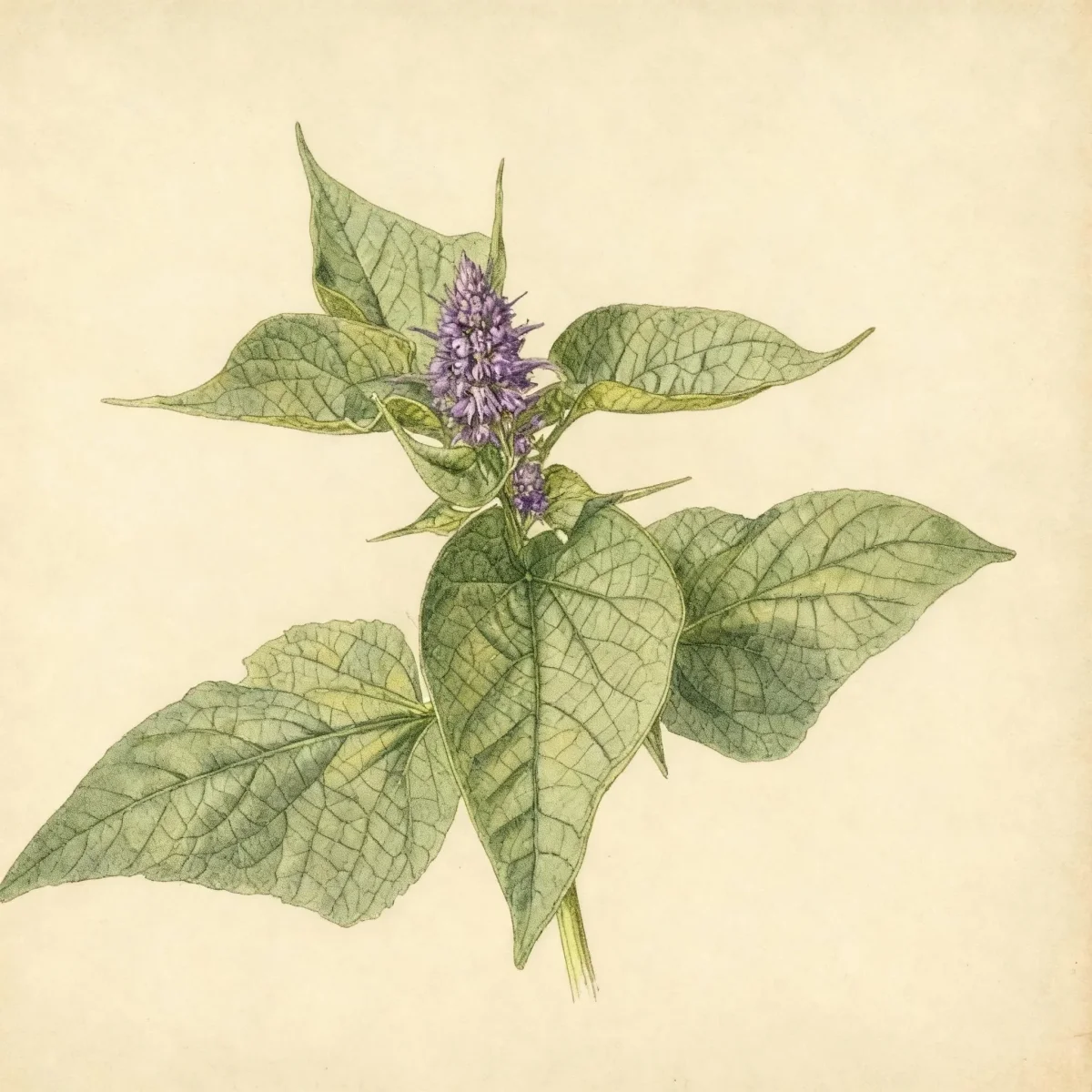
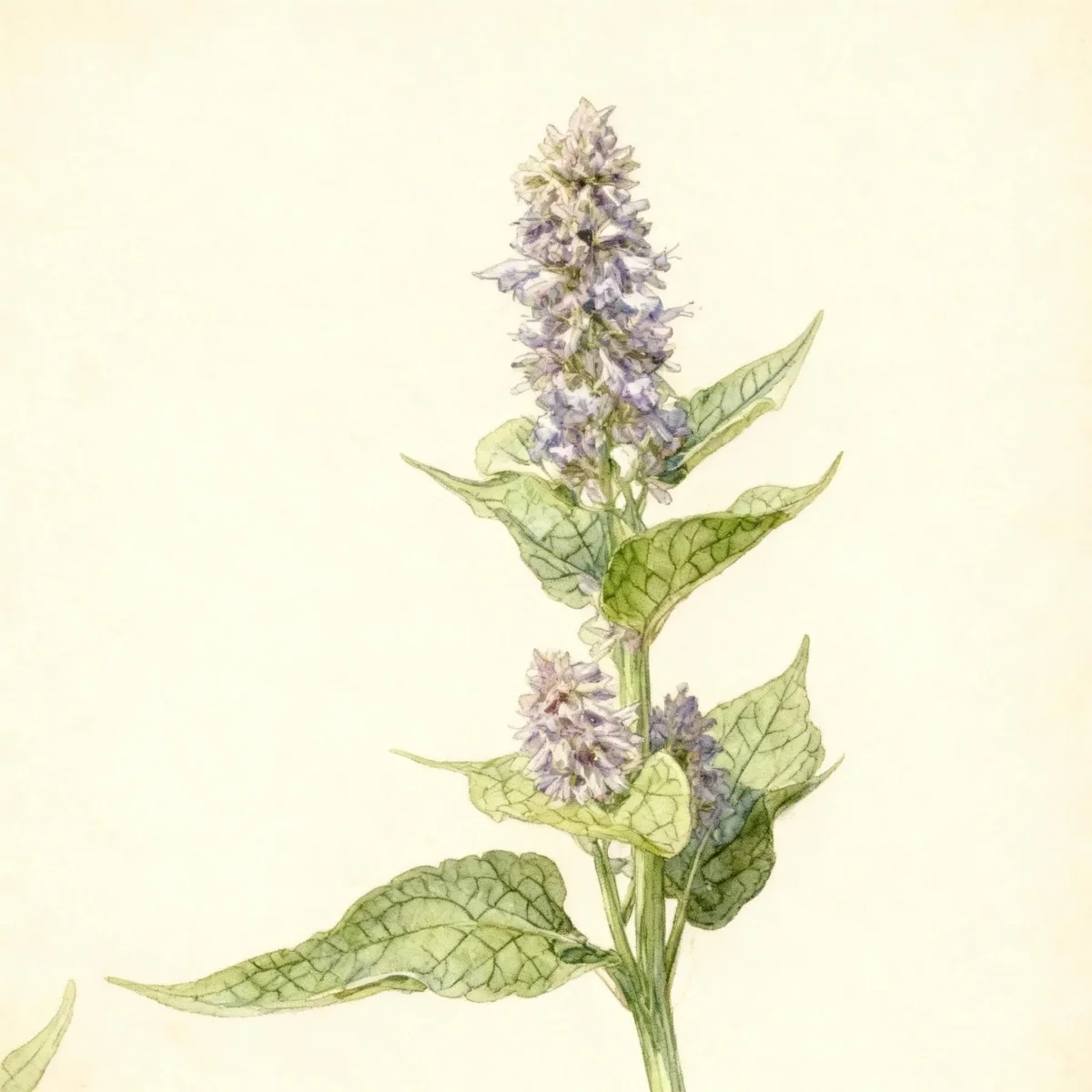
Bishop's wort (Stachys officinalis)
Discover Bishop's wort (Stachys officinalis), a low-maintenance perennial offering showy reddish-purple flowers from May to June.
Scroll down to discover growing tips, care requirements, companion plants, and more
Complete Plant Information
Overview
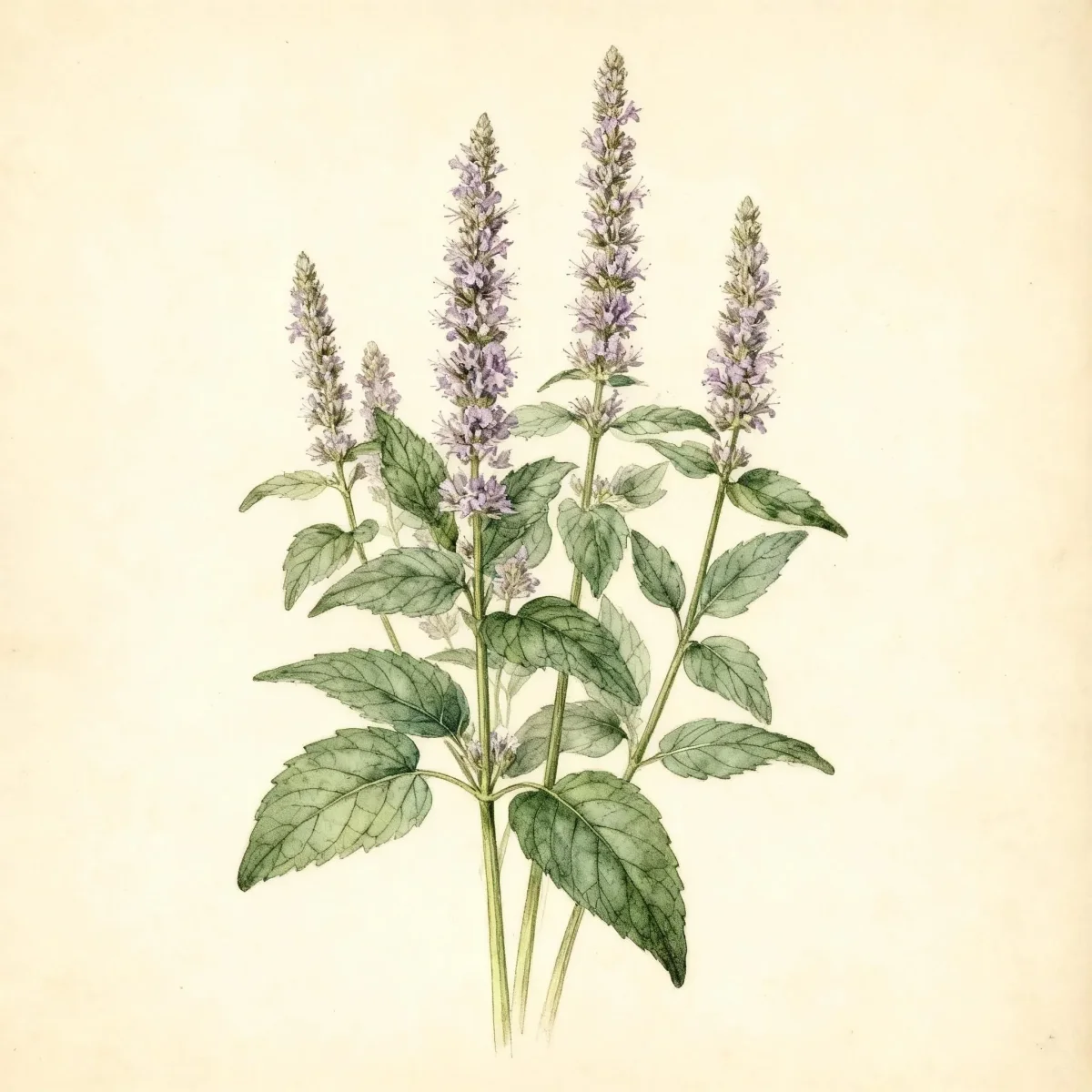
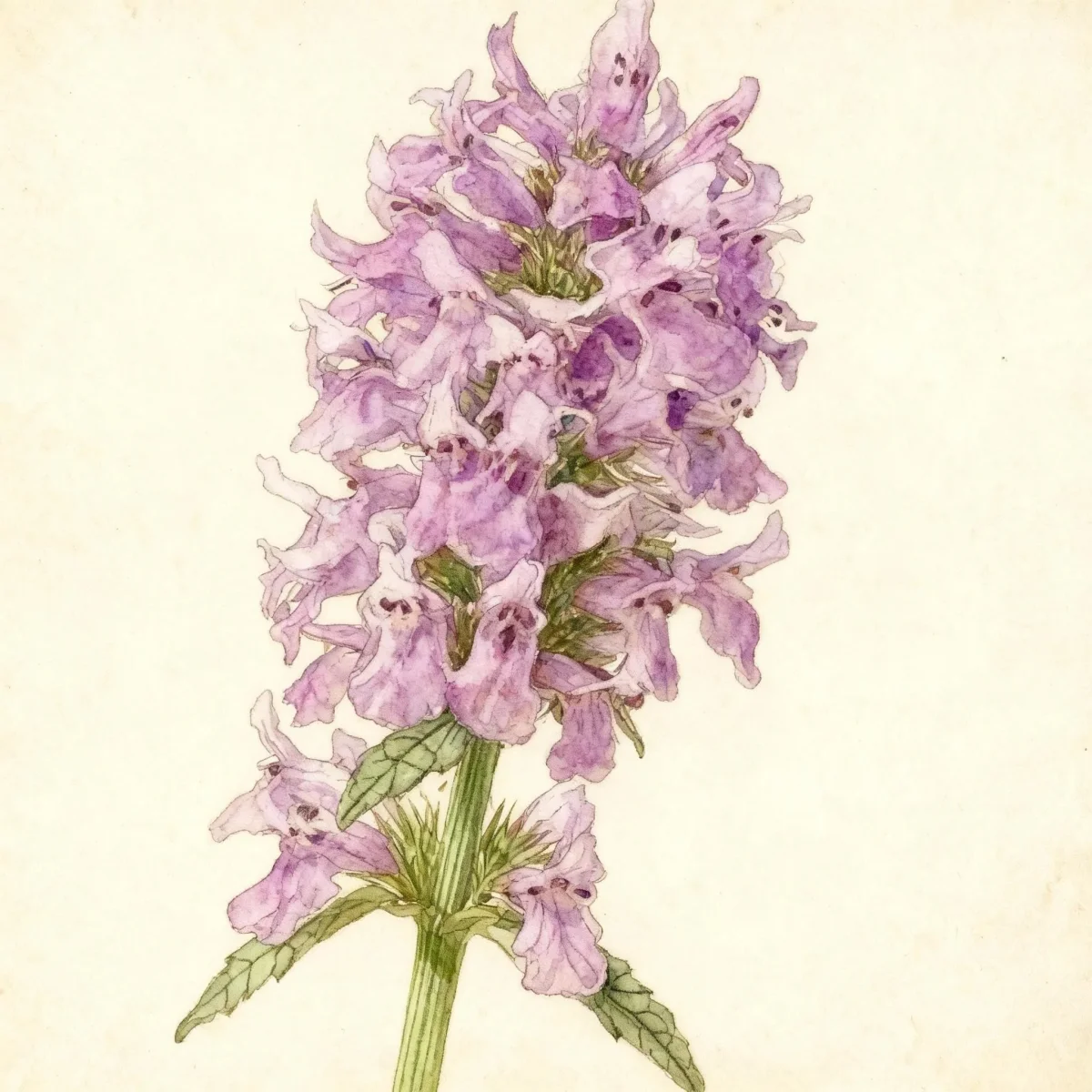
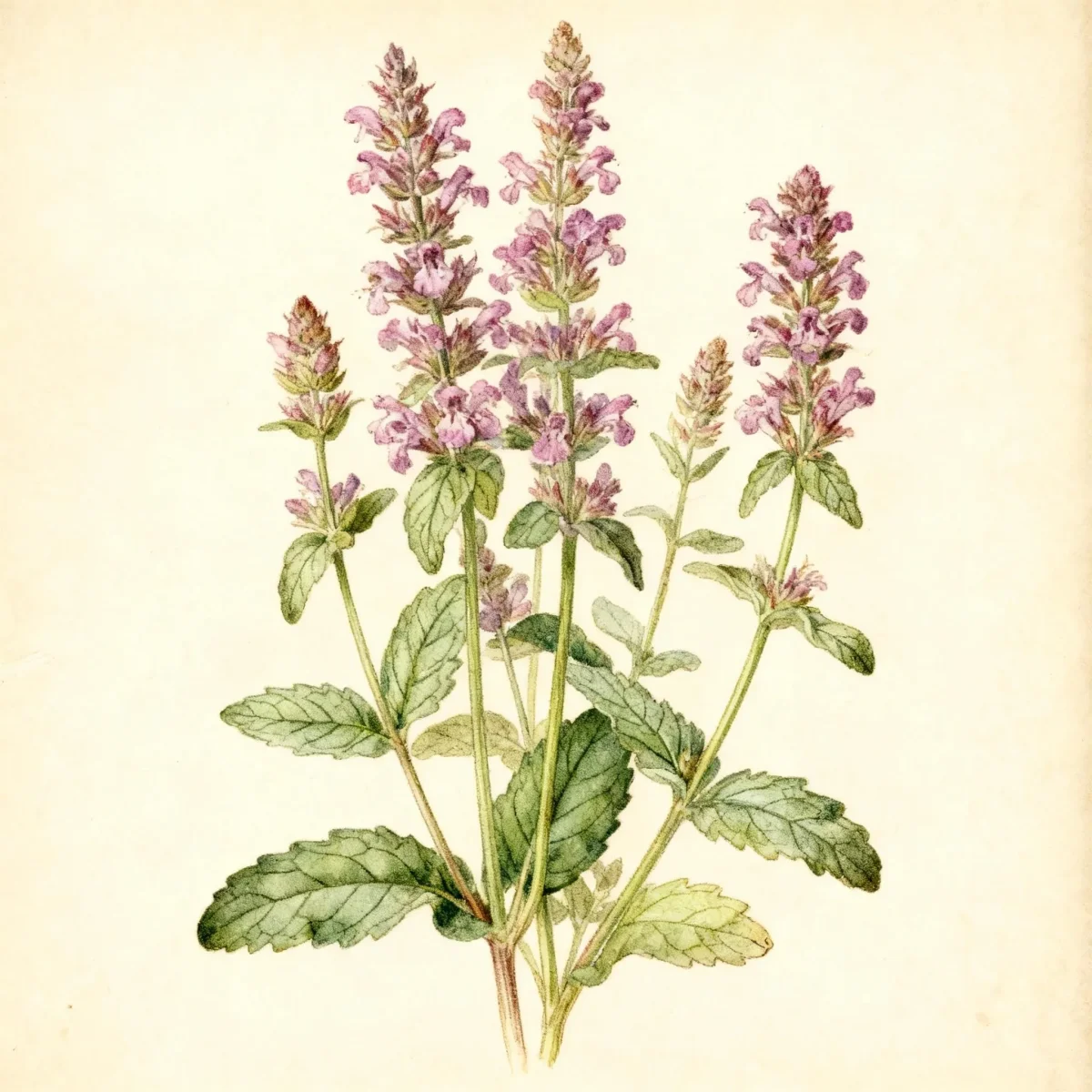
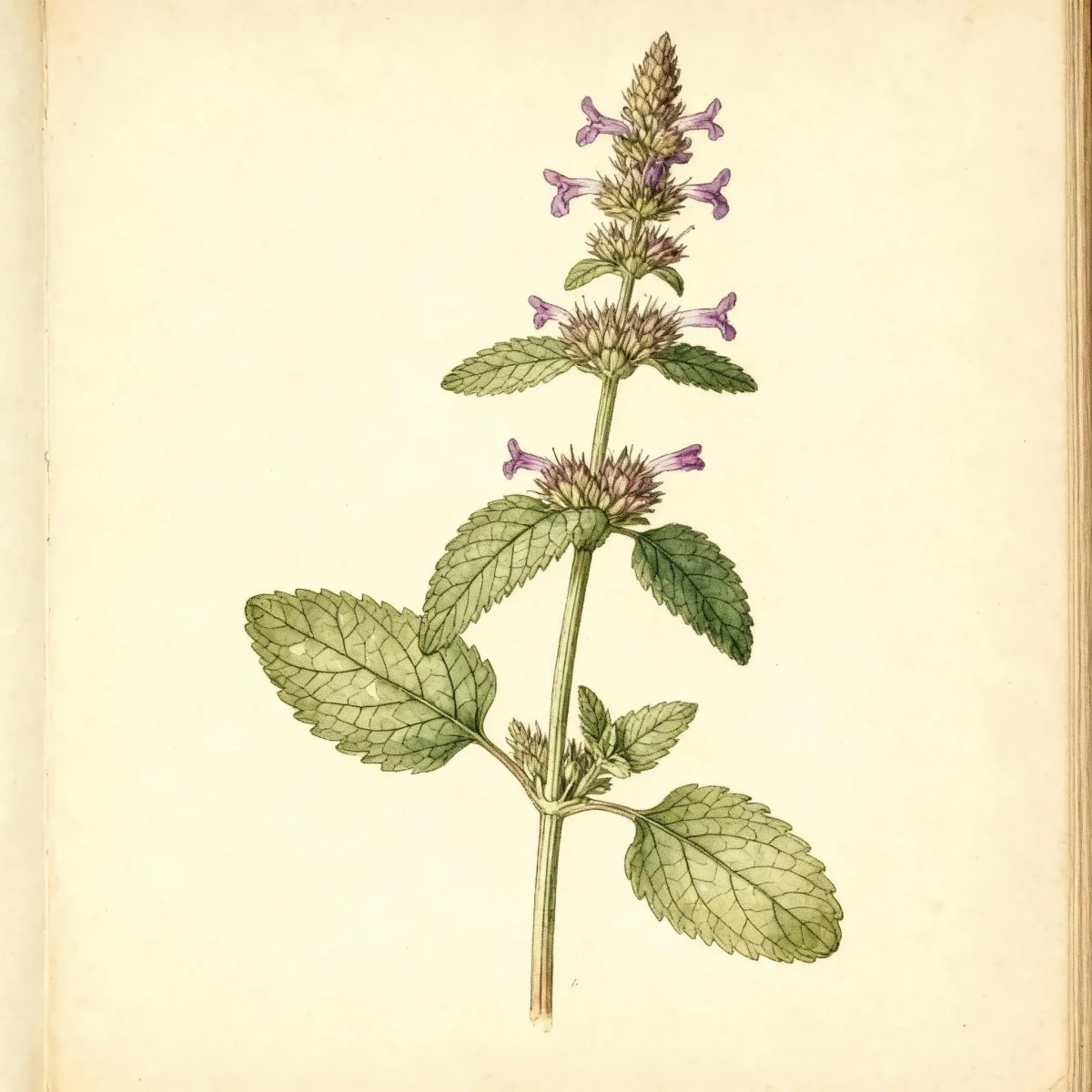
Bishop’s wort, scientifically cataloged as Stachys officinalis, offers gardeners a reliable splash of color in late spring and early summer. This herbaceous perennial is valued for its upright spikes of vibrant, reddish-purple, two-lipped tubular flowers, which stand proudly above a dense basal clump of textured, dark green leaves. It provides excellent texture and mass color, often being mistaken for Salvias when in bloom.
The cultural requirements for Stachys officinalis are quite relaxed, making it a superb choice for gardeners seeking high impact with minimal effort. It thrives in average soils, provided they are well-drained, and prefers full sunlight, though it appreciates a respite from the harshest afternoon rays in hotter climates. Its tendency to spread via creeping, rooting stems allows it to form an attractive, weed-suppressing ground cover over time.
For a cottage garden aesthetic or informal borders, Bishop’s wort is an indispensable element. When massed, the floral display of Stachys officinalis is truly spectacular, turning a simple green area into a dynamic focal point. Its low maintenance profile ensures your focus can remain on enjoying its spring and early summer presentation.
Fast Facts
- Plant Family: Lamiaceae
- Plant Type: Herbaceous perennial
- Native Range: Northern Africa, western Asia, Europe
- Hardiness Zones: USDA Zones 4-8
- Size at Maturity:
- Height: 1.5-2 ft
- Spread: 1-1.5 ft
- Bloom Time: May to June
- Bloom Description: Reddish-purple
- Sun Exposure: Full sun
- Water Needs: Medium
- Maintenance Level: Low
How to Grow
Plant Stachys officinalis in the spring or fall when the soil is workable. Ensure the site offers full sun, though light afternoon shade is beneficial in extremely hot regions. This perennial prefers average, medium-moisture, well-drained soils. For use as an effective ground cover, space plants approximately 12 to 18 inches apart to allow the creeping stems (stolons) room to establish and knit together.
Maintenance for Bishop’s wort is minimal once established. The soil should be kept evenly moist, especially during dry spells, although established plants exhibit some tolerance to drought. Fertilization is generally unnecessary in average garden soils; excessive richness can encourage floppy growth rather than dense blooming.
Pruning is straightforward. To maximize the flowering season and maintain a tidy appearance, cut back the spent flowering stalks immediately after they fade. This action encourages the plant to produce subsequent flushes of the lovely reddish-purple blooms. Winter preparation involves little more than removing dead foliage in early spring before new growth emerges.
Landscape Uses
Stachys officinalis transitions beautifully between formal and informal settings, making it versatile for many landscape designs. It is highly recommended for informal naturalized areas where its spreading habit can be utilized to create soft drifts of color and texture. The upright flower spikes lend vertical interest, making it an excellent choice for the middle to front of cottage gardens or mixed borders alongside other sun-lovers.
Due to its moderate height (up to 2 feet) and attractive foliage clump, Bishop’s wort functions perfectly as an interesting edging plant along pathways where passersby can admire the detail of the flowers. Consider massing groupings of this plant to achieve the spectacular floral display mentioned in its noteworthy characteristics, contrasting its deep green texture with lighter perennials nearby.
Companion planting should focus on species that share similar sun and water needs. Pair Bishop’s wort with plants that bloom later in the season to ensure continuous garden interest, such as coneflowers or coreopsis, or use low-growing ornamental grasses to complement its clumping habit.
Standout Features
Flower Qualities
- Showy
Noteworthy Characteristics
Stachys officinalis is native to Europe and Asia. It is a glabrous to densely-hairy perennial that is noted for its late spring floral display. Wrinkled, scallop-edged, ovate to oblong, petiolate, dark green leaves (to 5” long) form a basal clump to 9-12” high. Upright flowering stems rise to 12” above the foliage clump in late spring to early summer, each stem topped by a spike of reddish-purple (less frequently pink or white), two-lipped, tubular flowers. Clumps will spread over time to form a dense ground cover. Although some species of Stachys are grown primarily for their gray woolly leaves (e.G., Stachys byzantina or lamb’s ears), this species is grown primarily for its vivid flowers which can provide a spectacular display, particularly when massed. Moreover, when plants are in flower, they somewhat more closely resemble some of the salvias than the fuzzy-leaved lamb’s ears. Synonymous with Stachys betonica and Betonica officinalis.Genus name comes from the Greek stacys meaning ear of corn in probable reference to the inflorescence of a related plant.Specific epithet means sold in shops, which was applied to plants with real or supposed medicinal properties.
Tolerances
- Deer
- Black Walnut
Potential Problems
Stachys officinalis generally enjoys a clean bill of health regarding pests and diseases, making it a favorable addition to organic gardens. The most common garden visitors that may sample the foliage are snails and slugs. These soft-bodied mollusks are attracted to the slightly textured leaves, especially in damp conditions.
To manage slugs and snails, employ regular scouting, particularly after rain, and remove them manually. Alternatively, utilizing baits containing iron phosphate can provide effective, pet-safe control. Good air circulation, achieved by planting in full sun and avoiding overcrowding, also minimizes fungal risks.
Frequently Asked Questions
What hardiness zones is Bishop’s wort suitable for?
Bishop’s wort (Stachys officinalis) is hardy across USDA Zones 4 through 8, offering reliable perennial performance across a wide geographic range.
How large does Stachys officinalis grow?
This perennial typically achieves a height between 1.5 and 2 feet, spreading outward to a width of 1 to 1.5 feet as its stolons establish.
When does Bishop’s wort bloom?
Stachys officinalis provides its main floral show from May into June, featuring distinctive spikes of reddish-purple flowers.
What sun exposure does Stachys officinalis need?
This plant requires full sun for the best flowering, though some light afternoon shade is appreciated if conditions become very hot and humid.
Companion Planting
For optimal growth when planting Stachys officinalis, focus on companions that share its preference for well-drained soil and medium moisture, thriving in full sun. Placing Bishop’s wort near shorter, sprawling perennials can enhance the visual layering in a border; for example, utilizing low-growing thymes or creeping phlox provides a soft carpet beneath the upright flower spikes.
When designing a cottage garden scheme, consider placing Stachys officinalis next to plants that bloom sequentially. Since this plant finishes its main show by early summer, pairings with later bloomers like Echinacea (Coneflower) or Rudbeckia cultivars will ensure that the area remains colorful throughout the summer months. Any companion that appreciates sharp drainage and doesn’t require rich soil will complement the low-maintenance nature of Bishop’s wort.
Given its tolerance to Black Walnut roots, this plant can be established in areas where many other ornamentals struggle. Look for other robust, adaptable perennials like Siberian Iris or certain ornamental grasses to create a resilient, mixed border under Black Walnut trees.
Design Ideas for Mass Planting
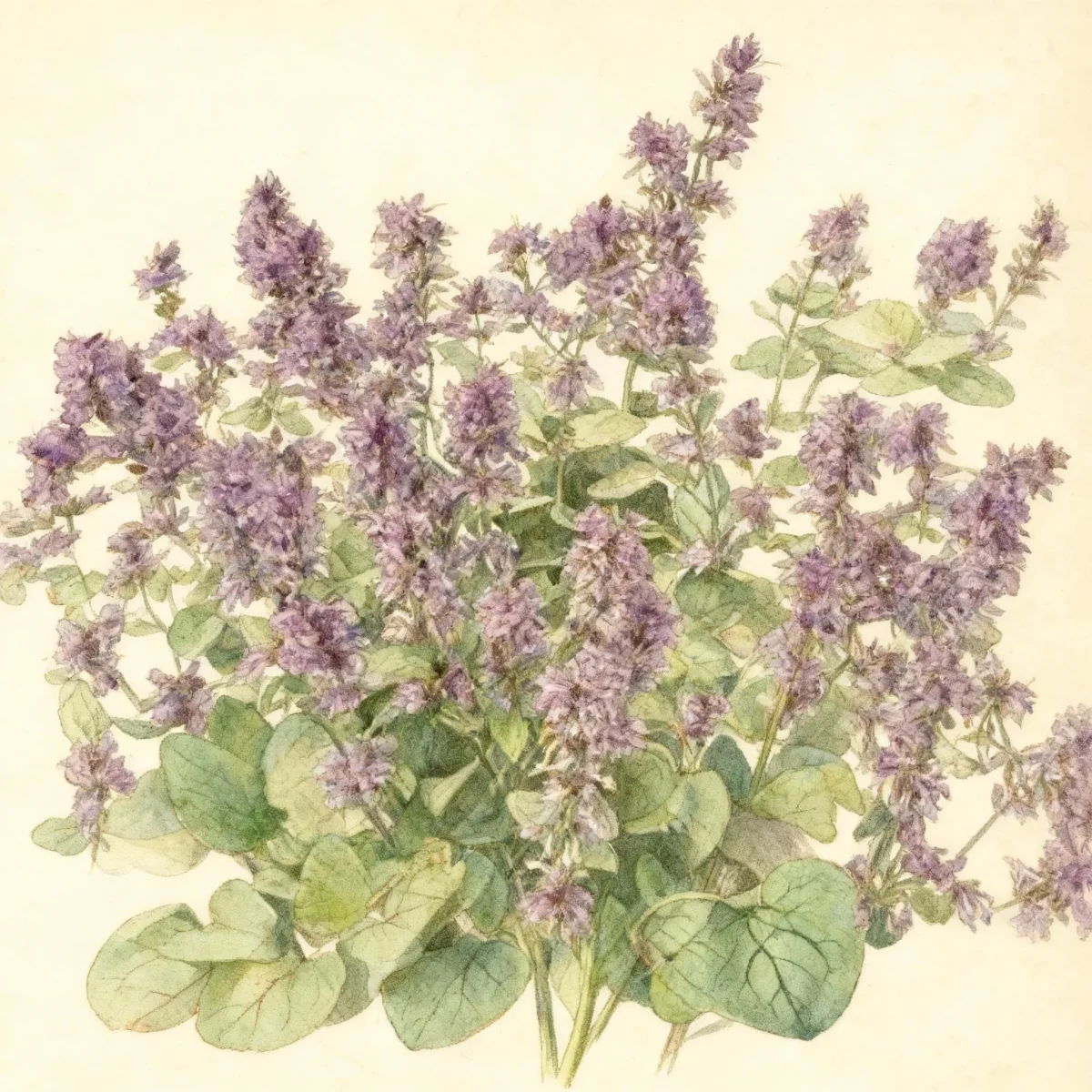
The true ornamental value of Stachys officinalis shines when it is planted in drifts rather than as single specimens. Mass planting allows the reddish-purple flower spikes to collectively create a powerful textural and color statement, reminiscent of related salvias. This strategy is particularly effective in naturalized areas as suggested in its use profile.
To utilize Bishop’s wort as a robust ground cover, plant densely (as close as 12 inches apart) so the stolons quickly knit together, shading out weeds, and creating a uniform, low-maintenance carpet of green foliage punctuated by summer flowers. This technique works well on gentle slopes or bankings where its spreading nature can stabilize the soil.
Consider using Stachys officinalis to line less formal pathways. The low profile ensures clear passage while providing visual interest close to the ground level. In these placements, the subtle fragrance and texture of the basal leaves become more noticeable when viewed up close.
Conclusion
Bishop’s wort (Stachys officinalis) provides outstanding value to the home garden through its reliable blooming period, low maintenance needs, and attractive texture throughout the season. This versatile perennial excels whether used as an edging plant or allowed to naturalize among larger plantings. Before planting, confirm that your site falls within USDA Zones 4-8 for dependable return year after year.