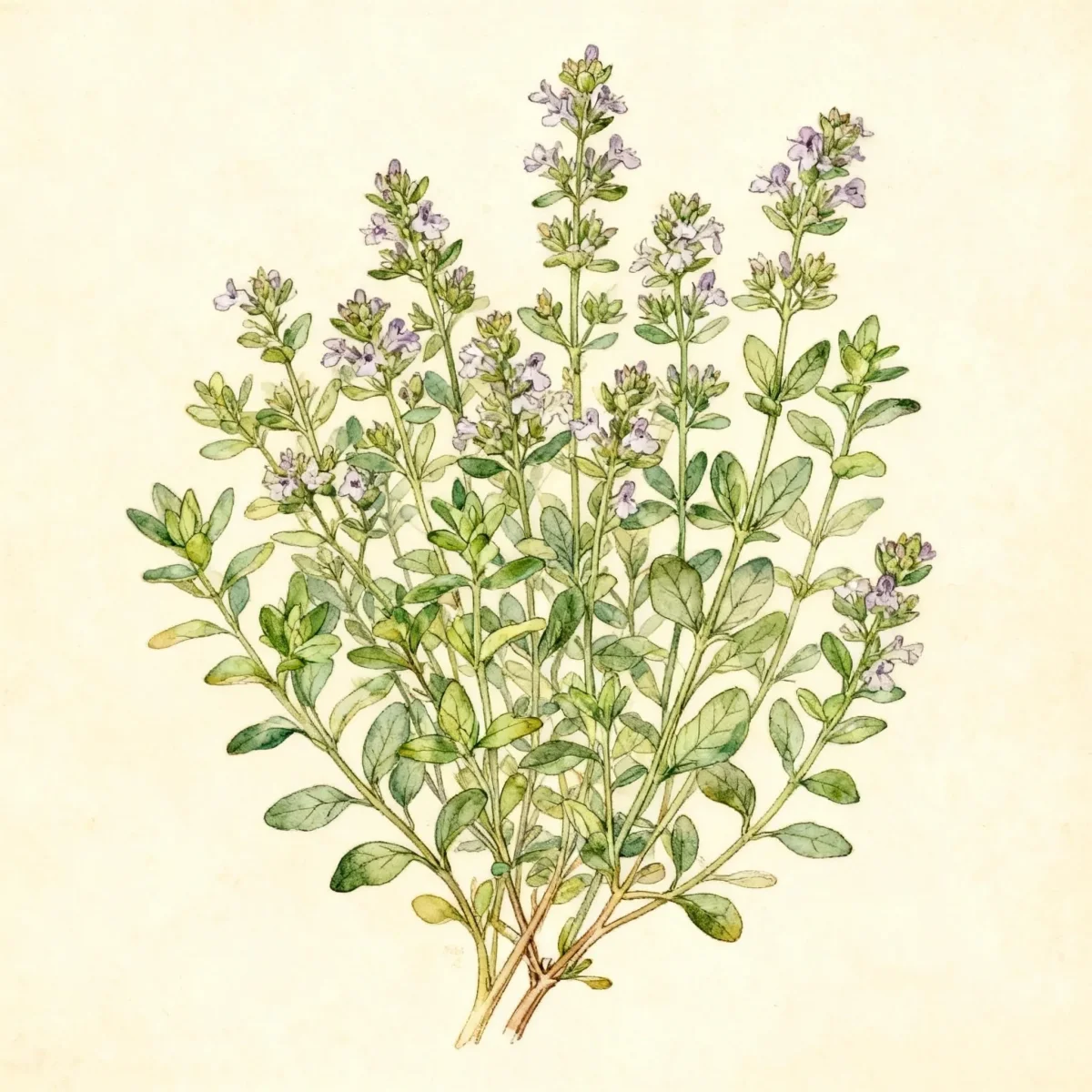
Caraway thyme (Thymus herba-barona)
Thymus herba-barona, or Caraway thyme, is a low-growing, aromatic perennial perfect for ground cover and culinary use.
Scroll down to discover growing tips, care requirements, companion plants, and more
Complete Plant Information
Overview
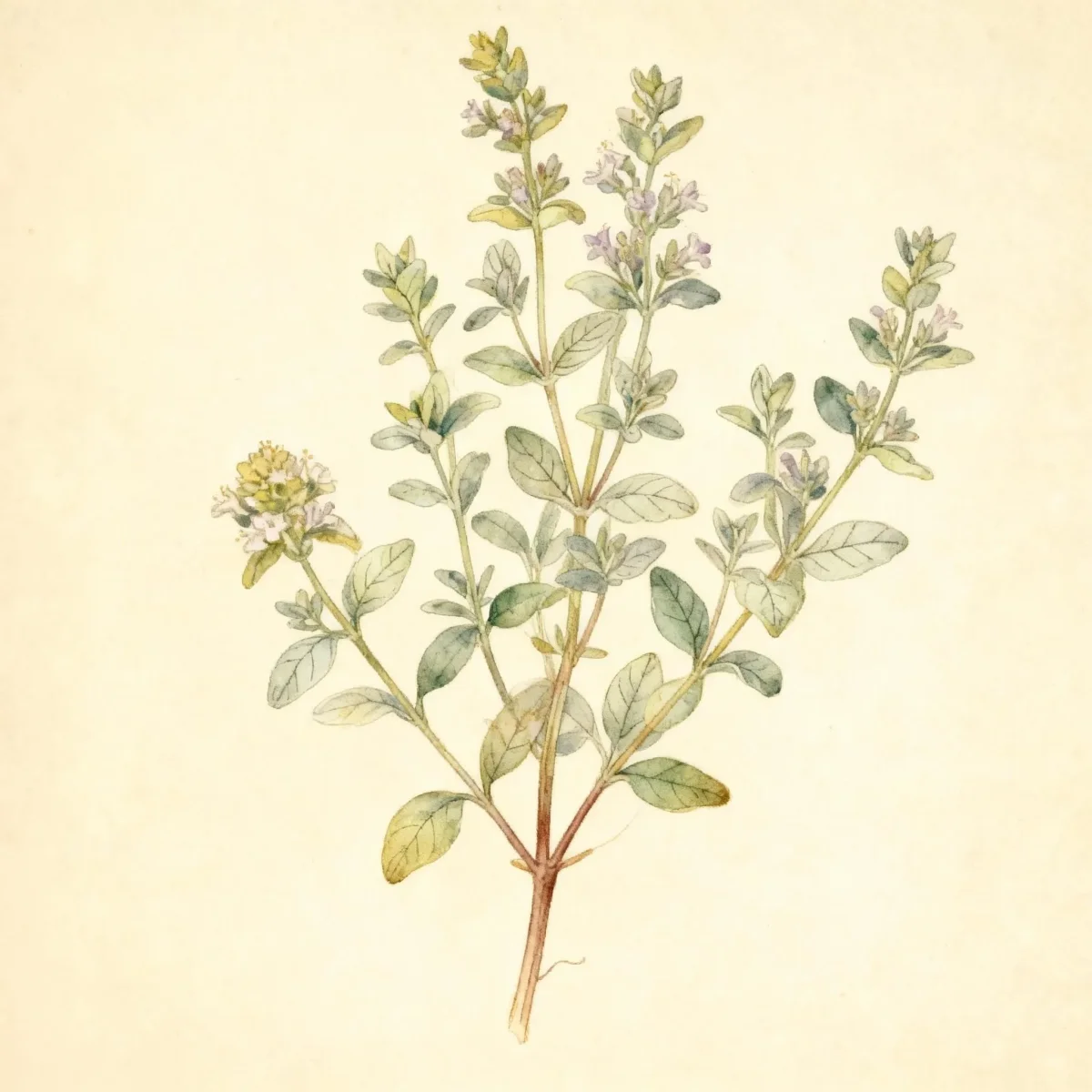
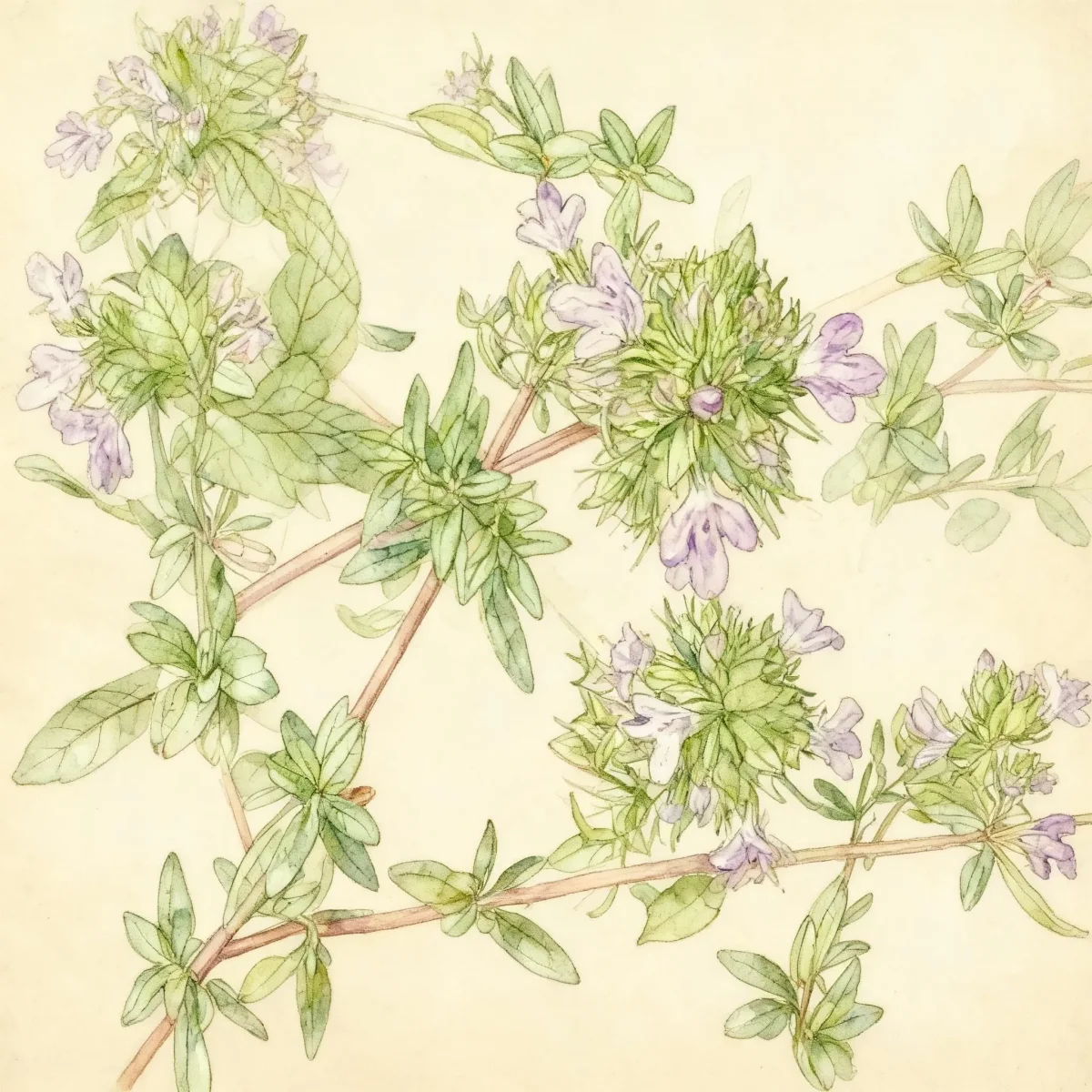
Caraway thyme, scientifically known as Thymus herba-barona, offers gardeners a highly aromatic and attractive low-growing option for borders and rockeries. This creeping, woody-based perennial spreads into a dense mat, making it an excellent choice when you need a durable, fragrant ground cover that demands little attention. Its primary appeal lies in its glossy, dark-green foliage, which releases a distinct caraway scent when crushed, making Thymus herba-barona valuable both ornamentally and culinarily.
This species thrives in conditions mimicking its native Mediterranean habitat, preferring full sun and well-drained soil. It forms a very low profile, typically reaching only 2 to 5 inches in height, spreading up to one foot wide. In early summer, Thymus herba-barona is adorned with clusters of small, deep pink flowers that are highly attractive to foraging bees.
Gardeners seeking low-maintenance herbs or drought-tolerant ground covers will appreciate this variety. Its evergreen nature ensures winter interest in milder climates, while its hardiness extends down to Zone 4. Whether tucked between paving stones or used near a path to release fragrance with every footstep, Caraway thyme is a subtle yet powerful addition to the landscape.
Fast Facts
- Plant Family: Lamiaceae
- Plant Type: Herbaceous perennial
- Native Range: Corsica, Sardinia
- Hardiness Zones: USDA Zones 4-8
- Size at Maturity:
- Height: 0.25-0.5 ft
- Spread: 0.75-1 ft
- Bloom Time: June to July
- Bloom Description: Pink
- Sun Exposure: Full sun
- Water Needs: Dry to medium
- Maintenance Level: Low
How to Grow
Thymus herba-barona is easily established by planting during spring or early fall. Locate it where it will receive unimpeded full sun exposure, as insufficient light will lead to leggy, weaker growth. The most critical factor for success with Caraway thyme is drainage; ensure the soil is loose, sandy, or rocky, offering excellent drainage. It tolerates average, dry to medium soil fertility but strongly dislikes consistently moist or wet conditions, which quickly encourage root rot.
Maintenance for this low-growing thyme is minimal. Water sparingly once established; this drought-tolerant herb prefers leaning towards dry rather than consistently moist. Fertilization is generally unnecessary, as fertile soils can encourage softer, less aromatic growth. The primary care task involves pruning; cut back stems as needed, especially after flowering, to maintain a tight, attractive shape and to prevent woody stems from becoming unsightly or overly sprawling.
As an evergreen in milder winters, Thymus herba-barona requires little winter protection below Zone 5. In colder zones, ensure it is planted in a well-drained spot before the first hard freeze. Spring cleanup involves nothing more than trimming back any winter-damaged tips or shaping the mat to maintain its tidy appearance as new growth emerges.
Landscape Uses
The compact, creeping habit of Caraway thyme makes it incredibly versatile in landscape design. It functions exceptionally well as a true ground cover, effectively stabilizing small slopes or filling in bare patches where traditional turf struggles. Consider using it to spill gracefully over the edges of retaining walls or small ledges in a rock garden, softening hard lines.
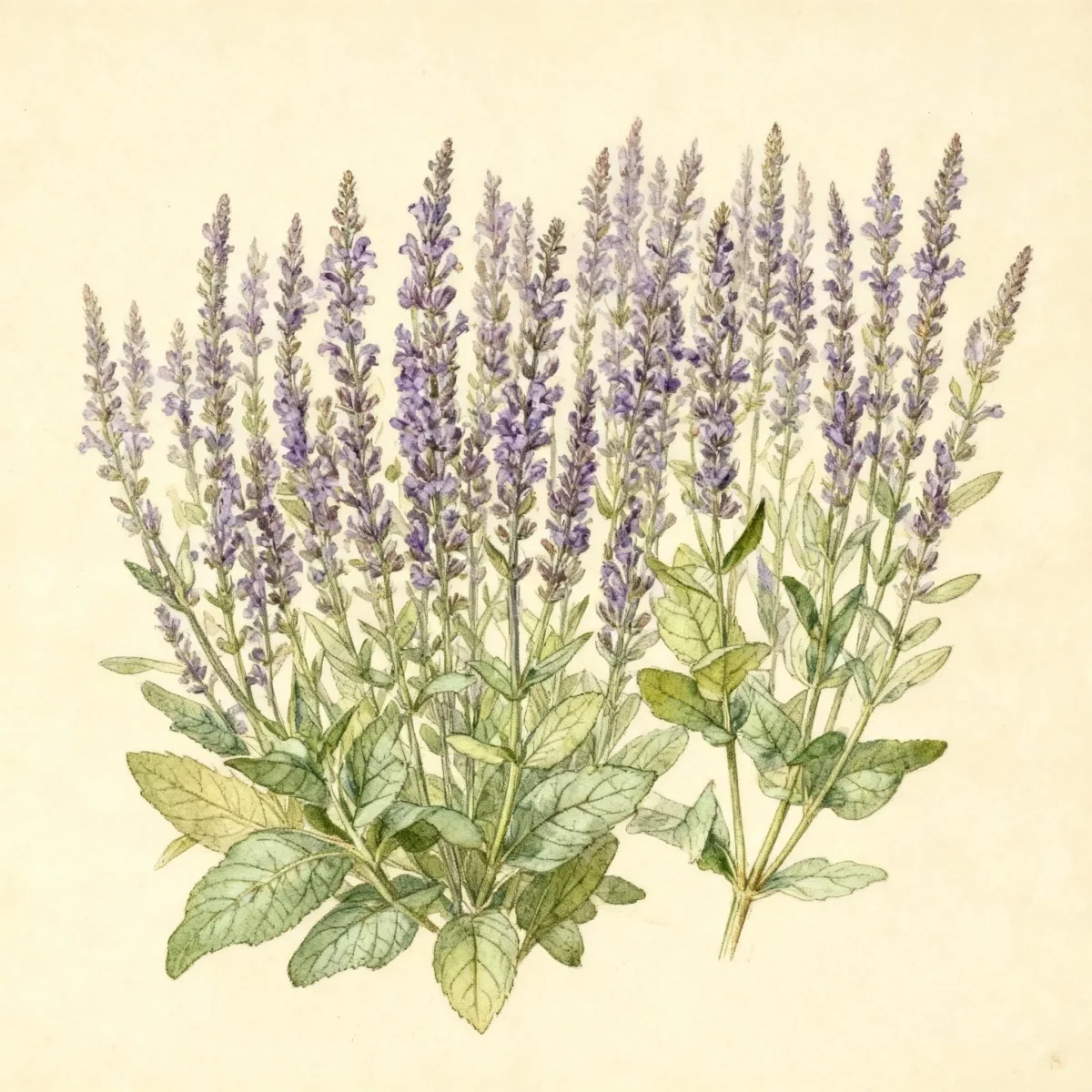
As an herb, incorporate Thymus herba-barona into dedicated herb gardens where its texture and scent can be appreciated up close. It also performs admirably as a short, fragrant edging plant along walkways or borders. Due to its low water requirements once established, it pairs wonderfully with other sun-loving, drought-tolerant perennials like Sedums, Lavender, and other low-growing thymes.
For containers, ensure the pot has superb drainage holes, perhaps mixing standard potting mix with extra grit or perlite to mimic its preferred rocky soil. Groupings of this herb allow for easy harvesting when flavoring meats or potato salads. Its low profile means it works best as a trailing element or as a simple, fragrant ground layer within a mixed container display.
Standout Features
Flower Qualities
- Showy
Noteworthy Characteristics
Thymus herba-barona, commonly called caraway thyme, is a creeping, woody based perennial which is used as an ornamental ground cover and/or as a culinary herb. Numerous, thin, somewhat woody stems form a prostrate mat (2-3” tall), covered with tiny, pointed, glossy dark-green leaves that have a strong caraway scent for culinary use. Clusters of tiny, tubular, deep pink flowers appear in summer, offering crucial nectar for bees.
Tolerances
- Deer
- Drought
- Dry Soil
- Shallow-Rocky Soil
- Air Pollution
Potential Problems
Thymus herba-barona generally leads a pest-free existence, enjoying resistance to most common garden insects and diseases. The most significant threat gardeners face relates entirely to soil conditions. If the soil retains too much moisture, the plant becomes highly susceptible to root rot, which can quickly lead to plant collapse. Prevention is key: site this herb in sharp, fast-draining soil, especially in winter when growth slows. Avoid amending heavy clay soils with excessive organic matter; instead, amend with gravel or sharp sand to improve aeration and maintain the dry conditions preferred by Caraway thyme.
Frequently Asked Questions
What hardiness zones is Caraway thyme suitable for?
Thymus herba-barona is adaptable to USDA Zones 4 through 8, providing reliable perennial coverage across a broad range of climates.
How large does Caraway thyme grow?
This species maintains a very low profile, typically reaching only 0.25 to 0.5 feet tall but spreading between 0.75 and 1 foot wide, forming a dense mat.
What sun exposure does Caraway thyme need?
For the best performance, dense matting, and optimal fragrance, Thymus herba-barona requires a location with full sun exposure throughout the day.
When does Caraway thyme bloom?
The flowering period for this aromatic herb is typically from June to July, presenting small clusters of pink blossoms.
Conclusion
Thymus herba-barona provides exceptional value through its low-maintenance nature, aromatic leaves, and effective ground-covering habit. Whether you are selecting a drought-tolerant filler or a unique culinary herb, Caraway thyme offers texture and scent in one package. Before planting, confirm your site offers the full sun and excellent drainage essential for cultivating a long-lasting, robust patch of Thymus herba-barona.
Companion Planting
When planning your sunny, dry garden spaces, select companions that share the demanding drainage needs of this thyme. True Mediterranean herbs flourish alongside Thymus herba-barona. Consider planting it near culinary Lavender varieties, Rosemary (if climate permits), or savory looking partners like Creeping Thyme (other species) or Sedum ground covers. These companions thrive in similar lean, sunny conditions, creating a cohesive, low-input planting scheme.
Avoid placing Caraway thyme near moisture-loving perennials like Astilbes or Hostas, as the required overhead watering will be detrimental to the thyme’s long-term health. Focus instead on plants tolerant of drying soils, ensuring that the root zone of your Caraway thyme never sits in water, particularly during winter months when rot risk is highest.
Wildlife Benefits
The summer blooms of Thymus herba-barona are a significant draw for beneficial insects, particularly native and honey bees. While the plant is low enough to be easily masked by taller neighbors, placing it near seating areas ensures you can observe the pollinator activity it generates in June and July. Because it is deer-resistant, this patch of fragrant foliage remains untouched, providing sustained cover and forage for pollinators in an otherwise palatable area.
This plant serves as an excellent, safe food source for bees, which are attracted to the small, tubular pink flowers. By including this low-growing herb, you enhance the biodiversity of your garden while providing reliable texture throughout the growing season, supported by low water use that benefits environmental sustainability.