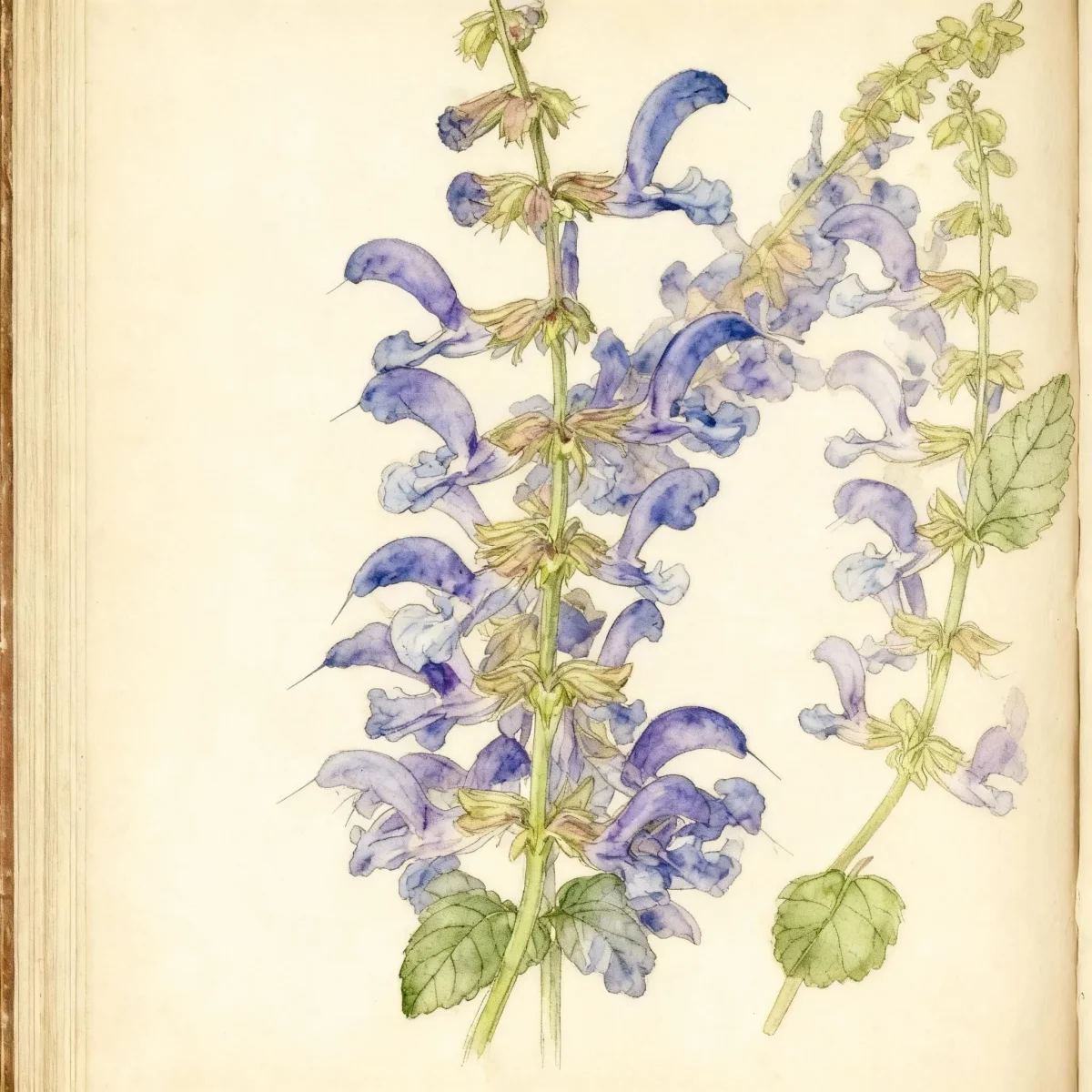
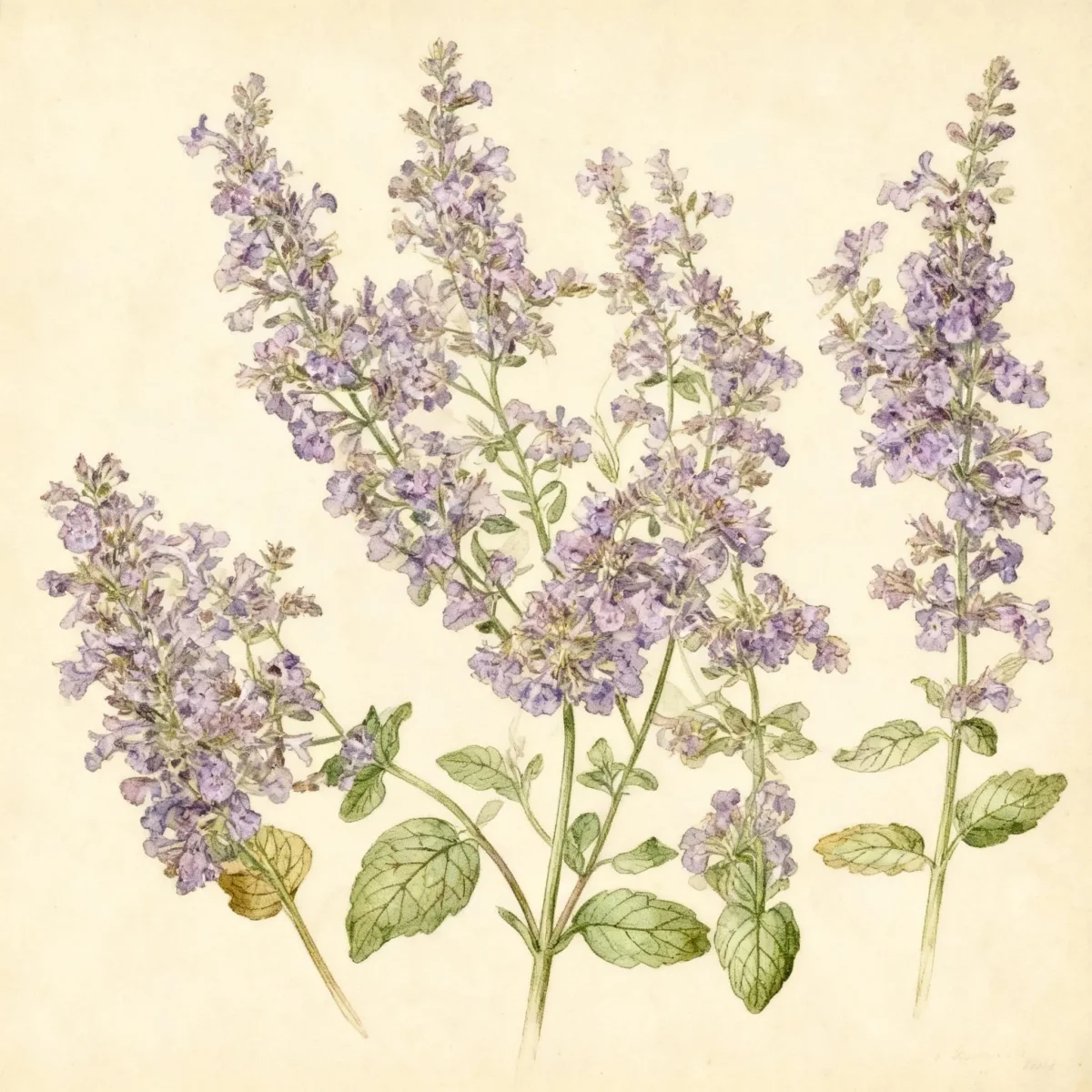
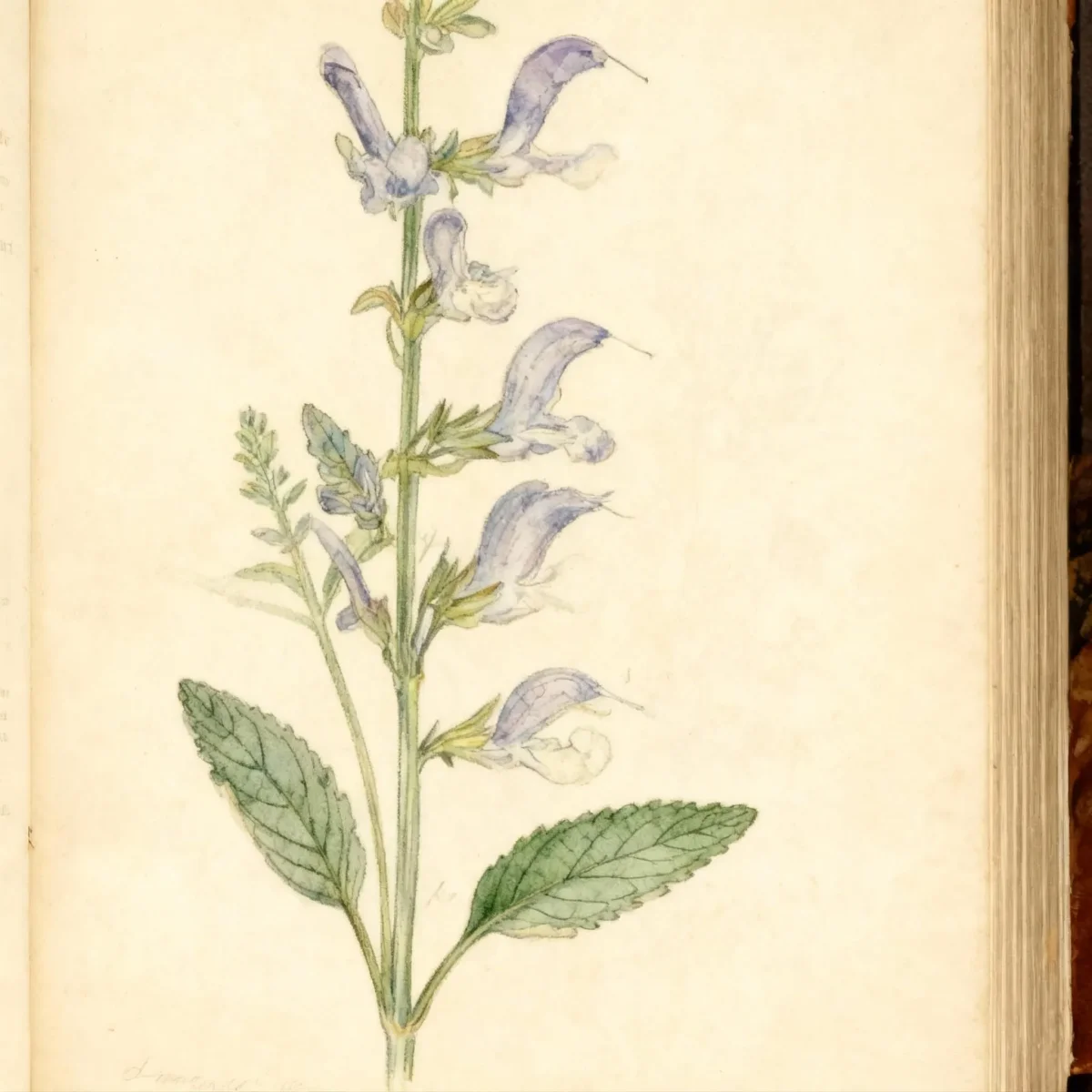
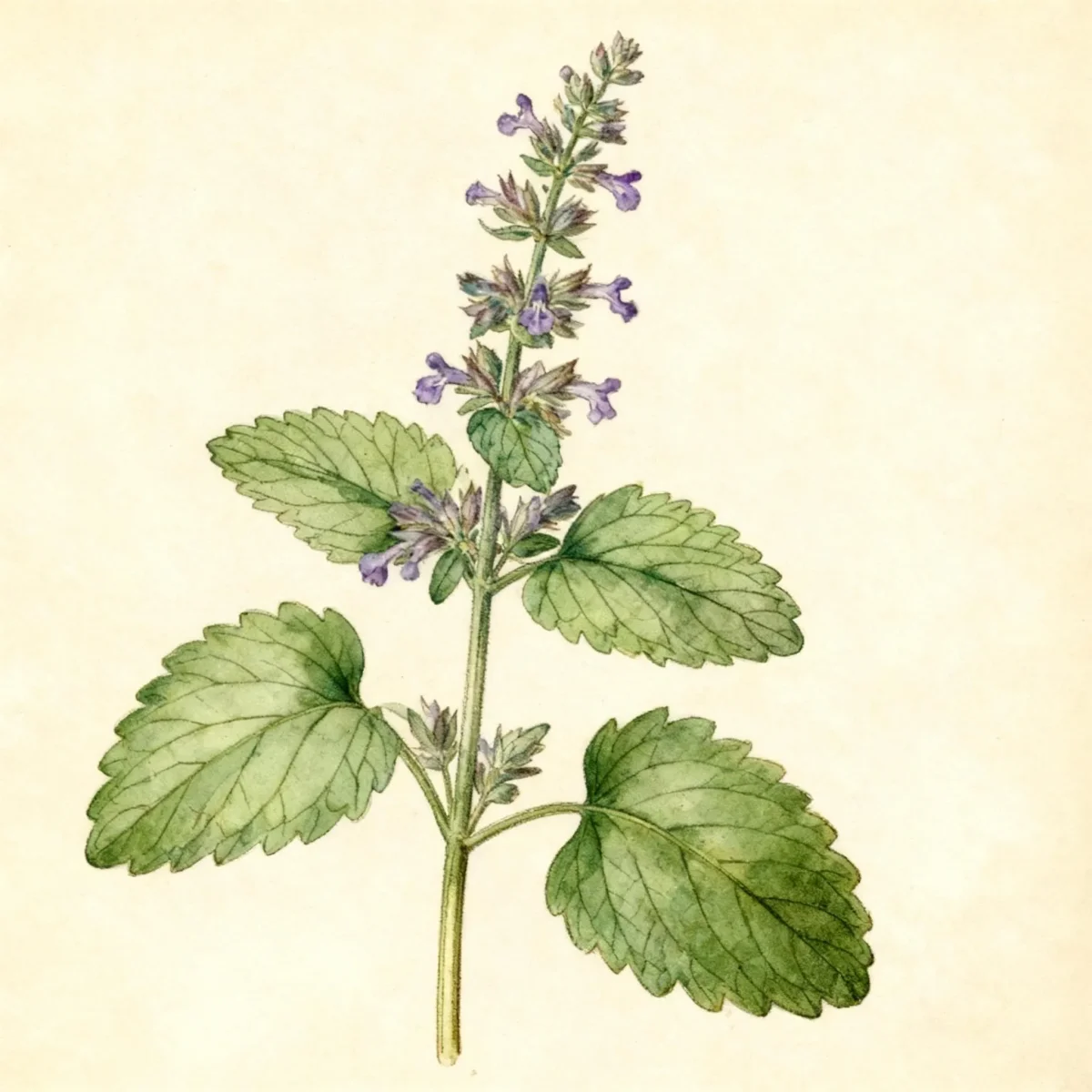
Mountain mint (Pycnanthemum incanum)
Pycnanthemum incanum (Mountain mint) is a vigorous, aromatic perennial prized for drought tolerance and excellent pollinator support.
Scroll down to discover growing tips, care requirements, companion plants, and more
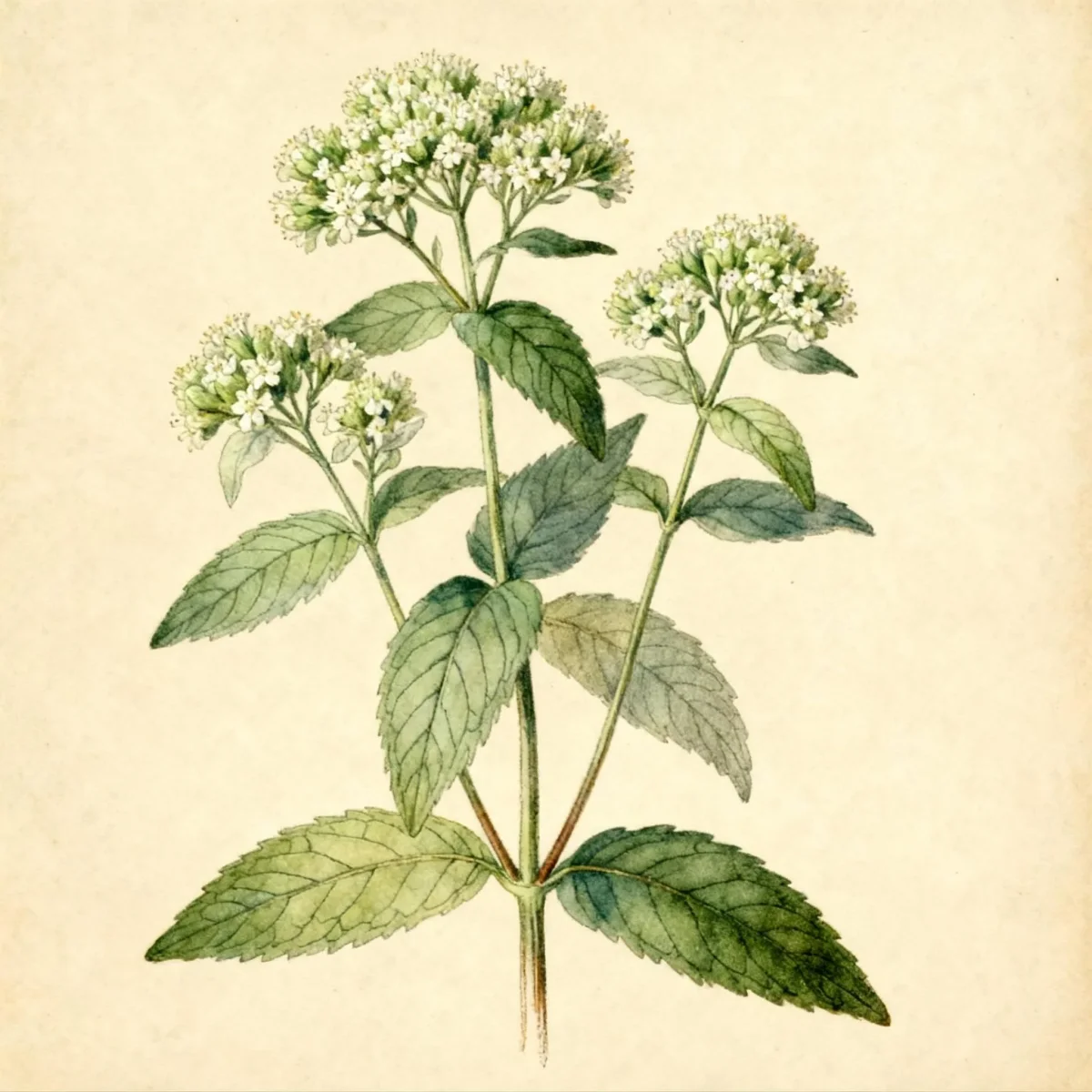
Complete Plant Information
Overview
The hoary mountain mint, Pycnanthemum incanum, is a valuable native perennial renowned for its vigor and strong menthol/spearmint aroma when its foliage is crushed. Gardeners prize this plant not only for its resilient nature but also for the dense, tiered white flower clusters it presents throughout late summer. As a member of the mint family, Pycnanthemum incanum attracts a wide array of beneficial insects, making it a cornerstone for native plant and pollinator gardens.
This species is generally low maintenance once established, thriving across varied conditions common throughout the Eastern United States, from dry thickets to open fields. Its growth habit is quite assertive, spreading reliably via underground rhizomes, which can create robust, self-sustaining colonies quickly. This aggressive nature requires gardeners to plan its placement carefully unless they specifically desire large, naturalized drifts of blooming mountain mint.
Aesthetically, the plant is distinguished by the subtly whitish or “hoary” appearance of its upper leaves and bracts, which frames the small, attractive white-to-lavender flowers. For gardeners prioritizing ecological function and minimal fuss, Pycnanthemum incanum offers high reward with easy cultivation.
Fast Facts
- Plant Family: Lamiaceae
- Plant Type: Herbaceous perennial
- Native Range: Eastern United States
- Hardiness Zones: USDA Zones 4-8
- Size at Maturity:
- Height: 2-3 ft
- Spread: 3-4 ft
- Bloom Time: July to September
- Bloom Description: White sometimes tinged with lavender
- Sun Exposure: Full sun to part shade
- Water Needs: Dry to medium
- Maintenance Level: Low
How to Grow
Pycnanthemum incanum is easily established, benefiting most from planting in average, well-drained soils. While it tolerates dry to medium moisture levels, best and most prolific flowering is observed when situated in locations receiving full, unhindered sun. Planting in spring or fall allows the root system time to establish before the demands of peak summer heat arrive.
Maintenance for mountain mint is generally low, perfectly suiting naturalized areas or native meadows. Standard watering is only necessary until the plant is settled; afterward, its drought tolerance makes supplemental irrigation rare outside of prolonged dry spells. No regular fertilizing is typically required, as excess fertility can encourage softer, floppier growth rather than compact stems.
The primary cultural consideration for this plant is managing its spreading habit. Pycnanthemum incanum spreads vigorously via long rhizomes. If you wish to restrict its size or prevent it from encroaching on adjacent plantings, sever the roots using a spade or garden edging material buried about 6-8 inches deep around the perimeter of the clump during the early spring.
Landscape Uses
The suggested use for this vigorous perennial is largely within naturalized settings, making it outstanding for large native plant gardens, dry meadows, or informal borders where space is abundant. When allowed to colonize, Pycnanthemum incanum forms an effective ground cover that helps stabilize soil and suppress weeds. Its height (2-3 ft) makes it suitable for the middle layer of a layered perennial border.
Consider planting mountain mint alongside other mid-to-late season bloomers that share similar dry soil and full sun requirements, such as certain coneflowers (Echinacea) or perennial salvias. It excels in areas where its aromatic foliage can brush against walkways, though care should be taken when placing it near more delicate, slow-spreading border plants that might be overwhelmed.
If using Pycnanthemum incanum near manicured lawns or sensitive areas, ensure the rhizome barrier is maintained annually. Otherwise, let this native spread freely for a cost-effective, highly functional floral display that feeds beneficial insects throughout the late summer months.
Standout Features
Flower Qualities
- Showy
Noteworthy Characteristics
Pycnanthemum incanum, commonly called hoary mountain mint, is best distinguished by the hoary/whitish appearance of the upper leaves and bracts beneath the tiered flower clusters. This is an erect, many-branched perennial that typically grows 2-3’ tall on square stems. All parts of the plant emit a strong, spearmint-like aroma when crushed, and the flowers are highly attractive to butterflies, moths, and beneficial predatory wasps.
Tolerances
- Drought
- Erosion
- Dry Soil
Potential Problems
This mint family member generally faces no serious insect or disease issues, which contributes to its low-maintenance appeal. The primary concern for gardeners growing Pycnanthemum incanum is its tendency to spread aggressively via robust rhizomes. Proactive root pruning in the spring is the most effective management technique if space containment is necessary. Otherwise, embrace its vigor in wilder garden spaces.
Frequently Asked Questions
What hardiness zones is Mountain mint suitable for?
Pycnanthemum incanum is happy growing in USDA Zones 4 through 8, allowing wide versatility across the Eastern United States.
How large does Pycnanthemum incanum grow?
This herbaceous perennial typically achieves a mature height between 2 and 3 feet, spreading outward 3 to 4 feet wide.
When does Mountain mint bloom?
The bloom time for Pycnanthemum incanum is generally from July through September, offering small white flowers sometimes tinged with lavender.
What sun exposure does Mountain mint need?
This plant prefers full sun for the best flowering display but will tolerate partial shade, though it may become less dense.
Conclusion
For gardeners seeking a resilient, aromatic, and ecologically valuable perennial, Pycnanthemum incanum—or hoary mountain mint—is an outstanding selection. Its ability to thrive in drier soils with minimal intervention makes it a low-stress addition to native plantings. Before planting, make a decisive plan for containing its spread, then enjoy the low-maintenance beauty and abundant late-season blooms this species provides.
Wildlife Benefits
The flowering structure of Pycnanthemum incanum is specifically adapted to attract a host of beneficial arthropods. The small, densely packed flowers provide excellent landing pads and nectar sources for pollinators. Significant visitors include various species of butterflies and moths that rely on late-summer nectar sources when many early-season blooms have faded.
Furthermore, the tiered clusters are highly favored by beneficial predatory wasps, which play a crucial role in garden ecosystems by controlling pest populations like aphids and caterpillars. Integrating Pycnanthemum incanum into your landscape actively supports the functional health of your garden by increasing biodiversity and natural pest management.
Companion Planting
Because Pycnanthemum incanum prefers drier soils and full sun, successful companions share these tough cultural requirements. Pair it with other robust, drought-tolerant natives such as various species of Asclepias (Milkweed), especially those adapted to drier sites, or sturdy coneflowers. Avoid planting it immediately adjacent to moisture-loving ferns or fine-textured woodland plants that would struggle in the drier conditions preferred by this mountain mint.