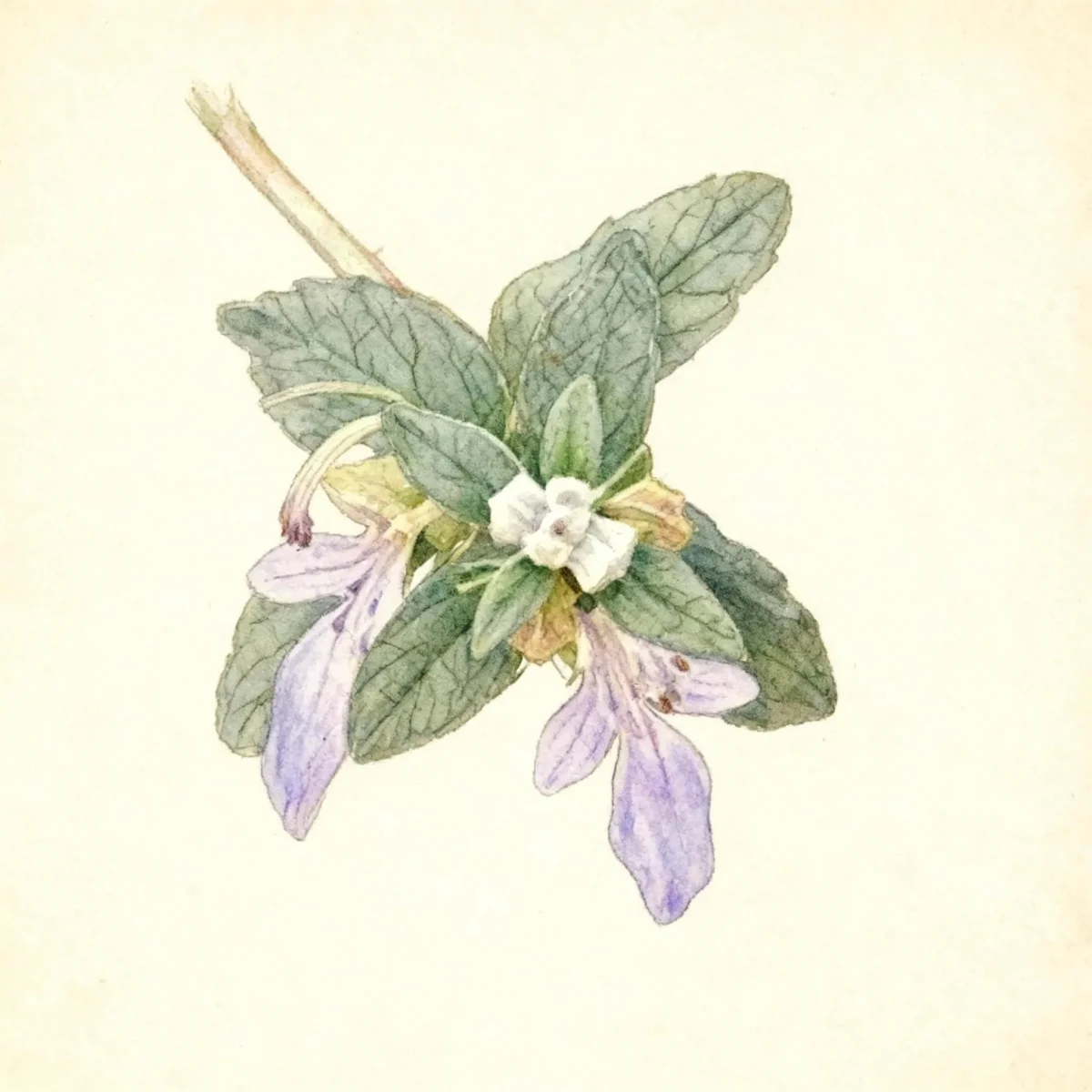
Lion's ear (Leonotis leonurus)
Grow the striking Leonotis leonurus (Lion's ear), known for its tiered orange tubular flowers, in Zones 8-11.
Scroll down to discover growing tips, care requirements, companion plants, and more
Complete Plant Information
Overview
Leonotis leonurus, commonly known as Lion’s ear, is a rapidly growing tropical shrub valued for its unique and visually arresting floral displays. Native to Southern Africa, this plant produces captivating tiers of fuzzy, tubular orange flowers that encircle the stems, giving rise to its evocative common name. While it thrives as an evergreen perennial in warmer climates, it offers gardeners in cooler regions a fantastic opportunity for seasonal drama.
This shrubby species belongs to the mint family (Lamiaceae) and maintains a modest size, typically reaching 3 to 6 feet in height. Its growth habit is robust, making it an excellent choice for adding vertical impact to borders or containers where its late-season flowers can shine. Gardeners appreciate the low maintenance associated with Leonotis leonurus once established in suitable conditions.
The distinct appearance of the flowers, which purportedly resemble a lion’s ear, ensures that Lion’s ear is a focal point when blooming heavily in the fall. Aromatic green foliage adds sensory appeal, enhancing its use in sunny garden spaces or as a container specimen that can be brought indoors in challenging winters.
Fast Facts
- Plant Family: Lamiaceae
- Plant Type: Broadleaf evergreen
- Native Range: Southern Africa
- Hardiness Zones: USDA Zones 8-11
- Size at Maturity:
- Height: 3-6 ft
- Spread: 1.5-3 ft
- Bloom Time: Seasonal bloomer
- Bloom Description: Orange
- Sun Exposure: Full sun
- Water Needs: Medium
- Maintenance Level: Low
How to Grow
For successful cultivation, Leonotis leonurus requires planting in a location receiving full sun, though it can tolerate a bit of light afternoon shade. This plant is not overly demanding regarding soil structure and thrives in average, medium soils, provided they are well-drained. Aim to plant container starts only after the danger of the last spring frost has passed if you intend to grow it as an annual or tender perennial outdoors.
Water requirements are medium; ensure the established plant receives regular moisture, especially during dry spells, as it likes consistent hydration. Because it is native to drier regions, avoid overly soggy conditions which can compromise root health. Pruning is minimal, focusing mainly on shaping or cutting back dead material before new spring growth begins.
Gardeners in zones colder than Zone 8 must treat Lion’s ear as an annual or a tender container perennial. If overwintering containers indoors, provide a bright, sunny spot and continue watering lightly; flowering may extend into winter if conditions are favorable. If grown as an annual, start seeds indoors during the winter for best results, planting them outside before the last frost date to ensure fall flowering.
Landscape Uses
Leonotis leonurus excels as a bold, slightly exotic addition to the landscape, particularly popular as an annual providing vibrant late-season color in cooler climates. It works wonderfully planted densely in annual borders where its height and unusual blooms create a dynamic visual screen or backdrop. In all zones, it performs admirably as a specimen or focal point in large containers.
When using Lion’s ear in containers, pair it with foliage plants that offer contrasting textures or cooler colors, such as silver-leaved succulents or deep purple foliage plants, to make the brilliant orange flowers—the trademark of Leonotis leonurus—truly pop. For garden beds, consider mass plantings where its tropical structure can be fully appreciated.
As a fast-growing component, it can fill spaces quickly during the summer growing season. Whether you feature it in a mixed border or as a standalone container feature, this Lion’s ear offers architectural interest long before its striking blooms emerge.
Standout Features
Flower Qualities
- Showy
Noteworthy Characteristics
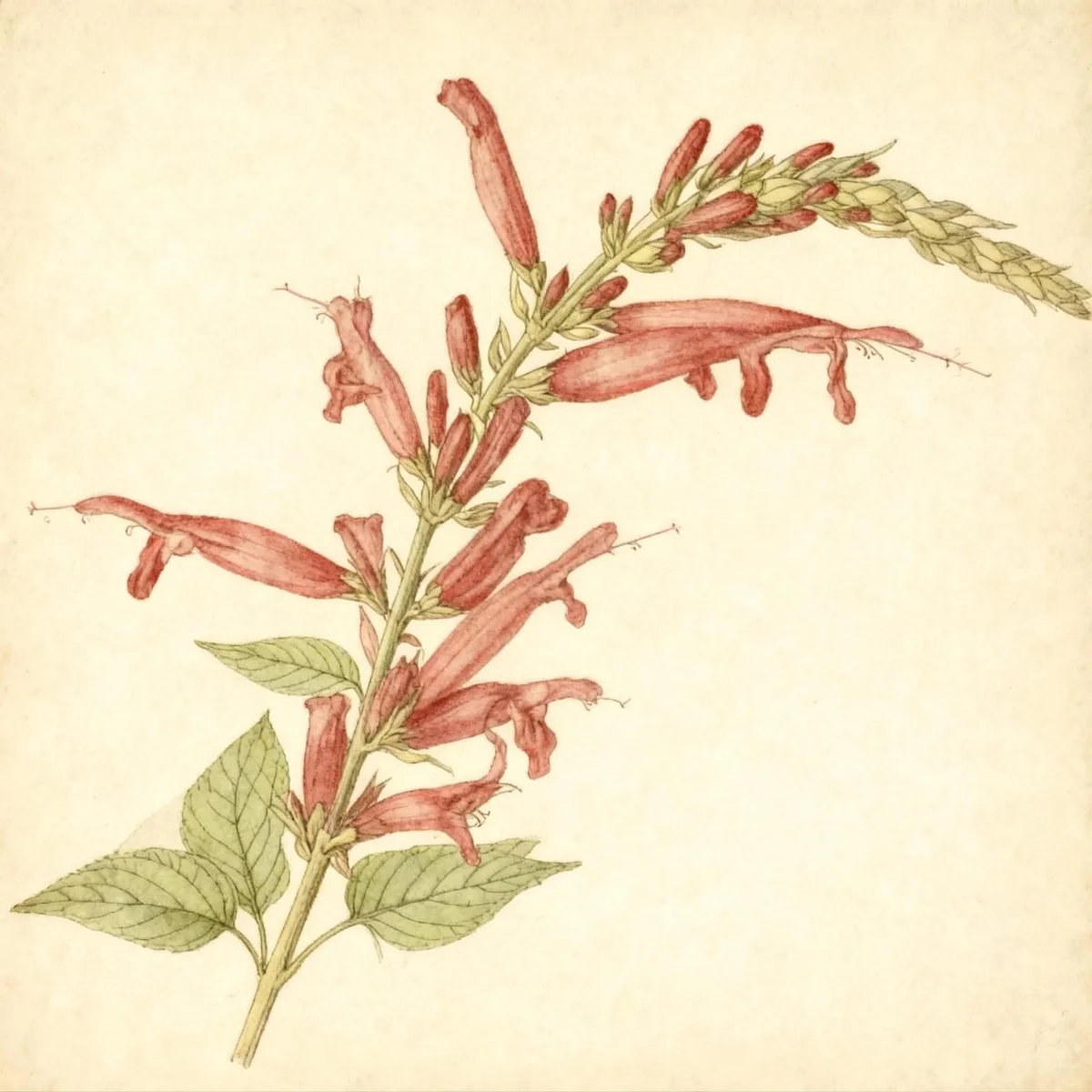
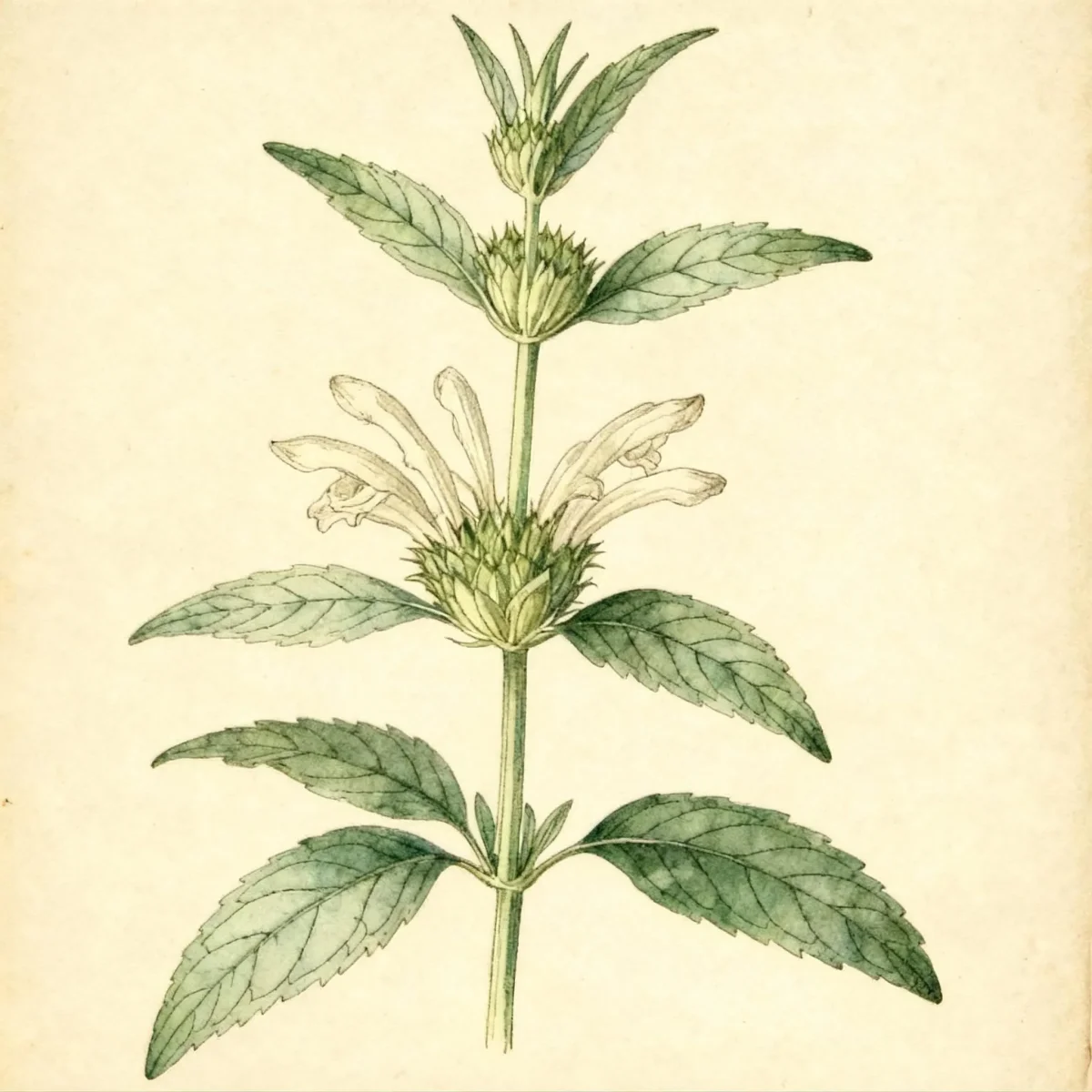
Leonotis leonurus, commonly called lion’s ear, is native to South Africa, where it grows as a tropical shrub that can rapidly reach 3-6 feet tall in one season when started early from seed. Tubular, two-lipped orange flowers appear in attractive tiered whorls encircling the plant’s characteristic square stems, with the petals purportedly resembling the ears of a lion. The leaves are aromatic when bruised, providing a pleasant scent near pathways or seating areas.
Potential Problems
This plant generally exhibits robust health, suffering from no serious, widespread insect or disease issues. However, when grown inside over the winter, especially in dry indoor air, be vigilant for common houseplant pests. Actively watch for infestations of whiteflies and spider mites, particularly on overwintering Leonotis leonurus plants, and treat promptly with insecticidal soap or horticultural oils to prevent serious damage before returning the plant outdoors.
Tolerances
Frequently Asked Questions
What hardiness zones is Lion’s ear suitable for?
Leonotis leonurus is winter hardy across USDA Zones 8 through 11. Gardeners outside this range should treat it as an annual or overwinter potted specimens indoors.
How large does Lion’s ear grow?
When grown under optimal conditions, this plant often reaches a mature height between 3 and 6 feet, with a spread ranging from 1.5 to 3 feet wide.
When does Leonotis leonurus bloom?
This plant is generally a seasonal bloomer, with the brilliant orange flowers typically beginning to appear in the fall when planted early in the season.
What sun exposure does Lion’s ear need?
For the best flowering and growth, Leonotis leonurus requires full sun exposure, although it can tolerate limited amounts of light shade during the hottest part of the day.
Conclusion
The vibrant orange spikes of Leonotis leonurus provide undeniable ornamental value, making the Lion’s ear a highly worthwhile addition for gardeners seeking tropical texture and powerful late-season color. Its low maintenance requirement further enhances its appeal across various settings. Before planting, confirm your USDA hardiness zone or plan your strategy for overwintering containers successfully to enjoy this unique specimen year after year.
Companion Planting
When selecting companions for Lion’s ear, focus on plants that share similar needs for full sun and medium water. Consider pairing it with silvery foliage plants, such as Artemisia varieties, to provide a cool textural contrast to the fuzzy orange flowers of the Leonotis leonurus. Drought-tolerant, late-flowering salvias or purple-leafed basil work well beneath or beside it, as all these species appreciate well-drained soil and maximum sunlight.
Propagation Tips
Propagating Lion’s ear is most easily achieved through stem cuttings, which provides a reliable way to carry desirable stock over winter, especially for those in northern zones. Take cuttings in the spring from the new growth on previously overwintered stock, or secure cuttings from established garden plants during the summer months. Ensure these cuttings are placed into a well-draining propagation medium and kept slightly moist in a warm environment until roots form, securing your supply of this dramatic perennial for the following season.