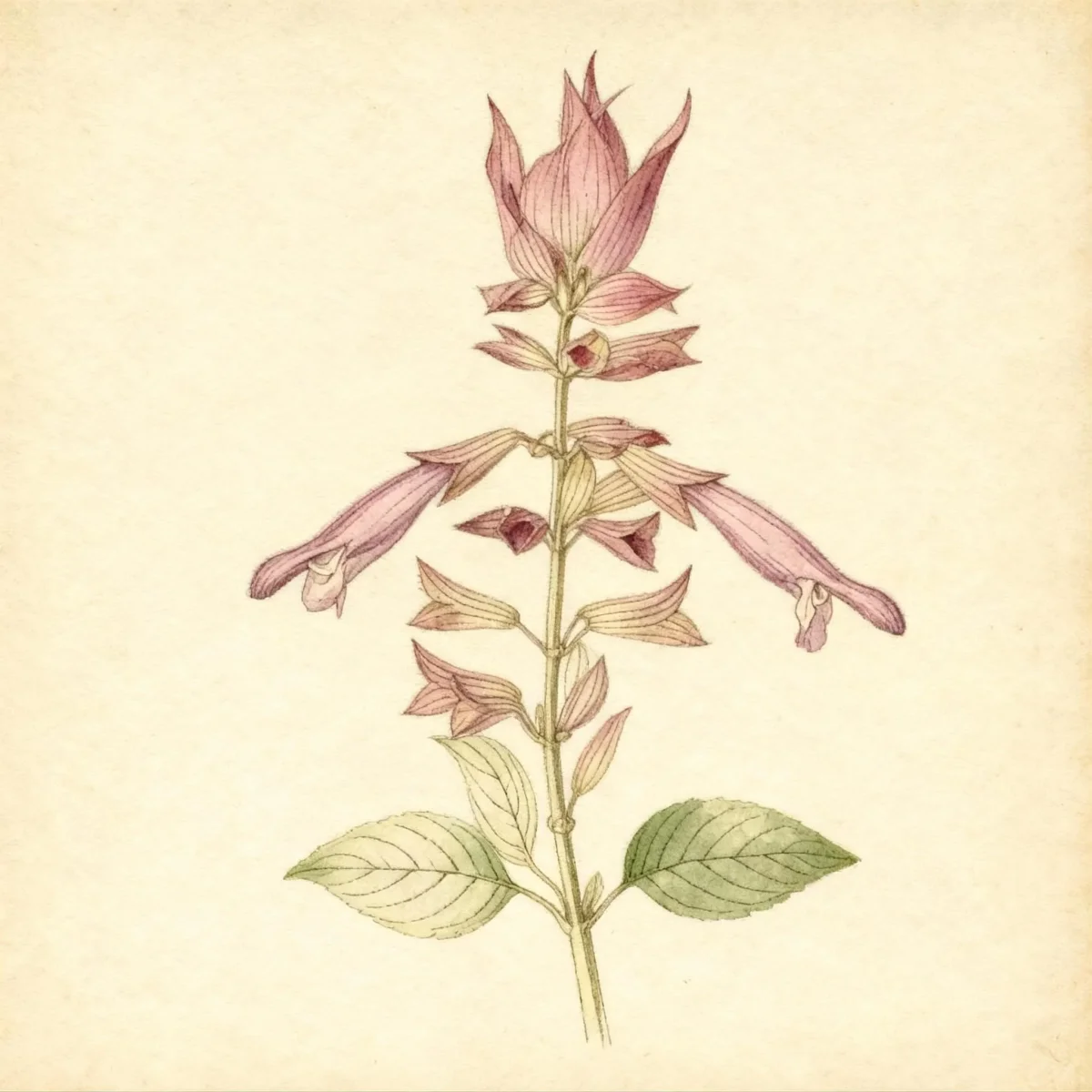
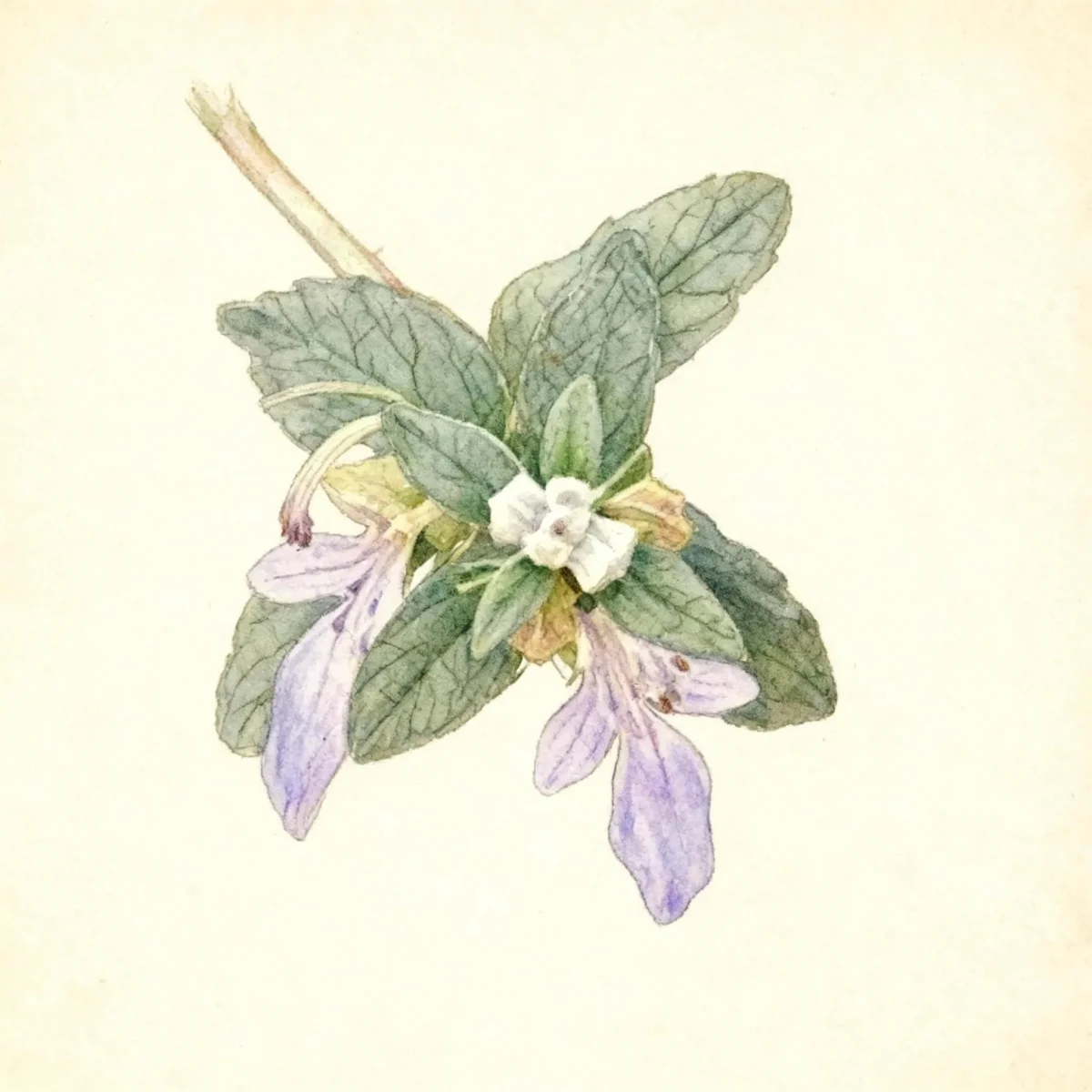
Sweet marjoram (Origanum majorana)
Sweet marjoram (Origanum majorana) offers delicate, aromatic foliage perfect for culinary use. This low-maintenance herb thrives in full sun and exhibits excellent drought tolerance.
Scroll down to discover growing tips, care requirements, companion plants, and more
Complete Plant Information
Overview
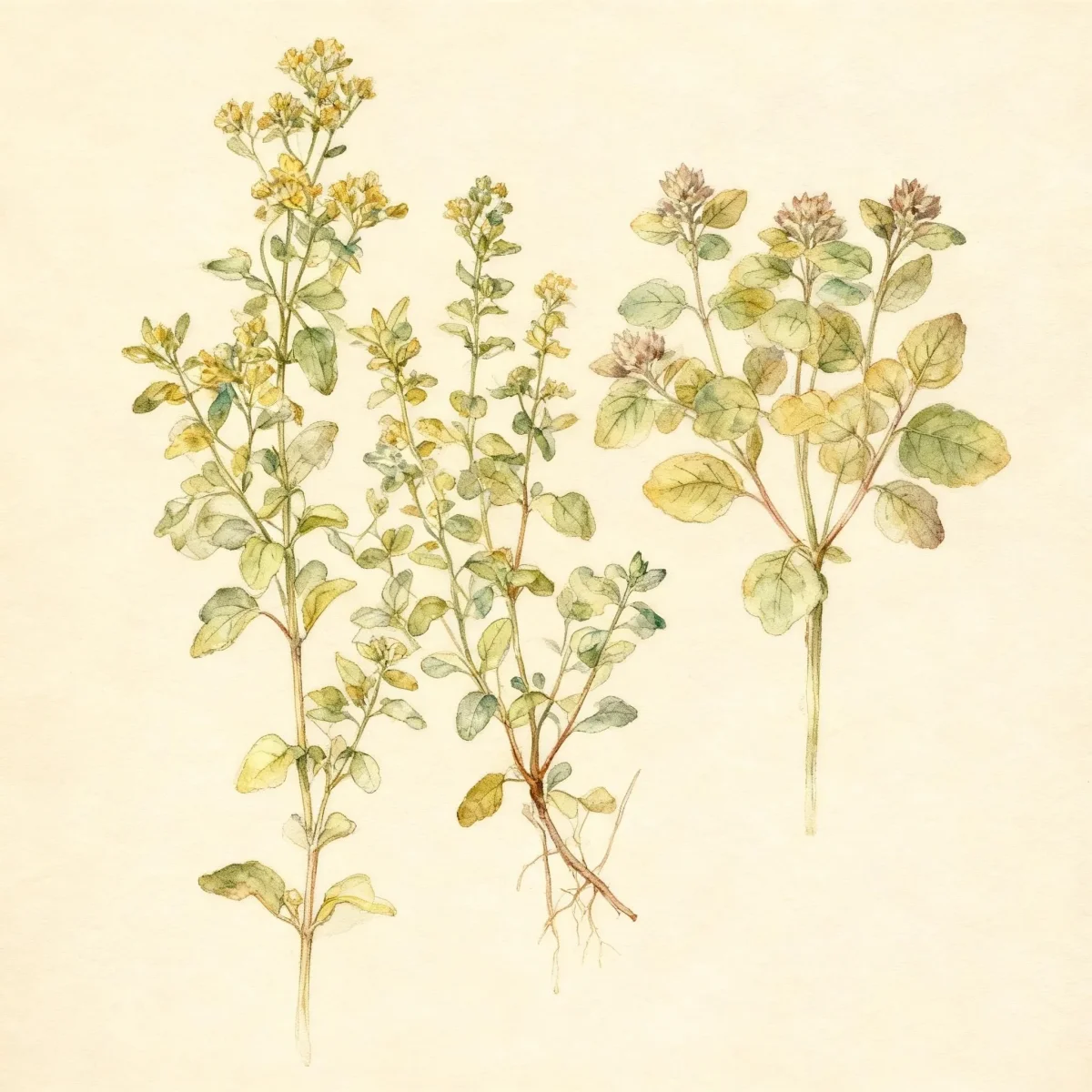
Sweet marjoram, scientifically known as Origanum majorana, is a beloved annual culinary herb treasured for its aromatic, slightly sweeter leaves compared to its perennial cousin, oregano. This bushy sub-shrub forms attractive upright mounds well-suited for kitchen gardens and containers, providing continuous aromatic harvests throughout the warm season. As a tender perennial in warmer climates, Origanum majorana brings a low-maintenance Mediterranean charm to the landscape.
It performs best when situated in full sun and prefers soil that drains rapidly, resisting both heat and drought once established. Gardeners rely on Sweet marjoram for seasoning everything from meats and stews to salads, making it an indispensable member of any herb collection. Its compact, neatly mounded habit ensures it integrates well even in small gardening spaces.
Fast Facts
- Plant Family: Lamiaceae
- Plant Type: Herbaceous perennial
- Native Range: Mediterranean and Turkey
- Hardiness Zones: USDA Zones 9-10
- Size at Maturity:
- Height: 1-2 ft
- Spread: 1-2 ft
- Bloom Time: July to August
- Bloom Description: White to pale pink
- Sun Exposure: Full sun
- Water Needs: Dry to medium
- Maintenance Level: Low
How to Grow
Origanum majorana requires patience at the start, as it is best grown from seed started indoors 6 to 8 weeks before the last expected spring frost. Alternatively, sow seeds directly outdoors about two weeks before this date, or purchase young plants from nurseries. Superior soil drainage is truly the key to success; the plant thrives in gritty, sandy loams, preferring neutral to slightly alkaline conditions. Ensure the planting location receives full sun exposure for the best flavor development.
Ongoing care for Sweet marjoram is minimal. Water only when soil moisture dips to dry or medium levels; consistently wet feet will quickly lead to root rot. Fertilization is generally unnecessary if grown in average, well-drained soil incorporating some grit. To maintain a bushy habit and delay flowering—which reduces leaf flavor—regularly cut back the stems before the flowers fully emerge.
While Origanum majorana is winter hardy only down to Zone 9, gardeners in cooler regions treat it as an annual. If growing in pots, you may attempt to bring container plants indoors before the first frost, though they rarely overwinter successfully inside. Good heat and drought tolerance allow this herb to manage summer stress exceptionally well once fully established.
Landscape Uses
The compact size and aromatic foliage of Sweet marjoram make it exceptionally versatile in landscape design. It is a staple for dedicated herb gardens but excels equally well used for formal edging along pathways where its low, soft profile shines. For gardeners lacking ground space, Origanum majorana is highly effective in window boxes, hanging baskets, or mixed containers. Pair it with other sun-loving, drought-tolerant herbs like thyme or rosemary to create a highly functional and fragrant display near the kitchen door.
Standout Features
Flower Qualities
- Insignificant
Noteworthy Characteristics
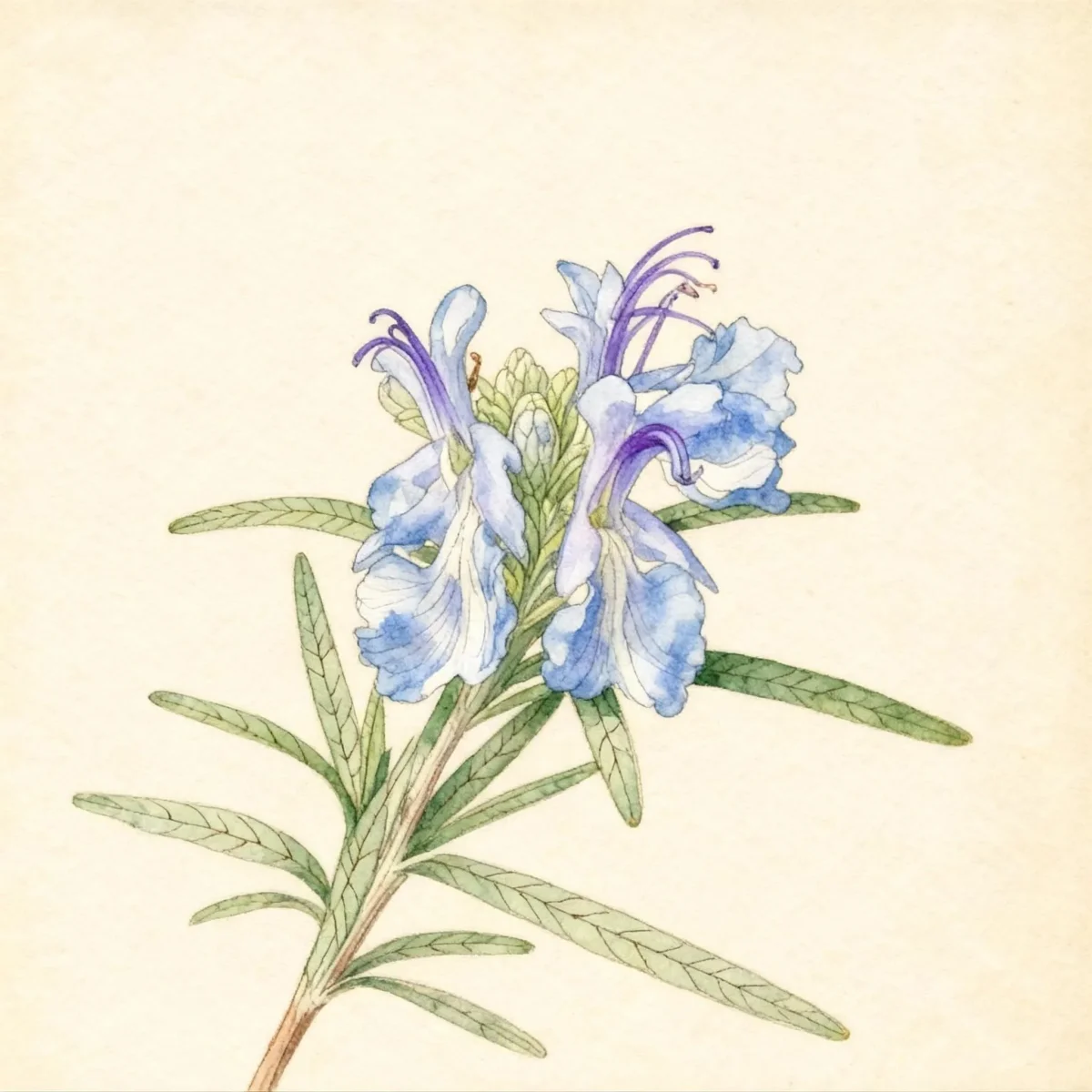
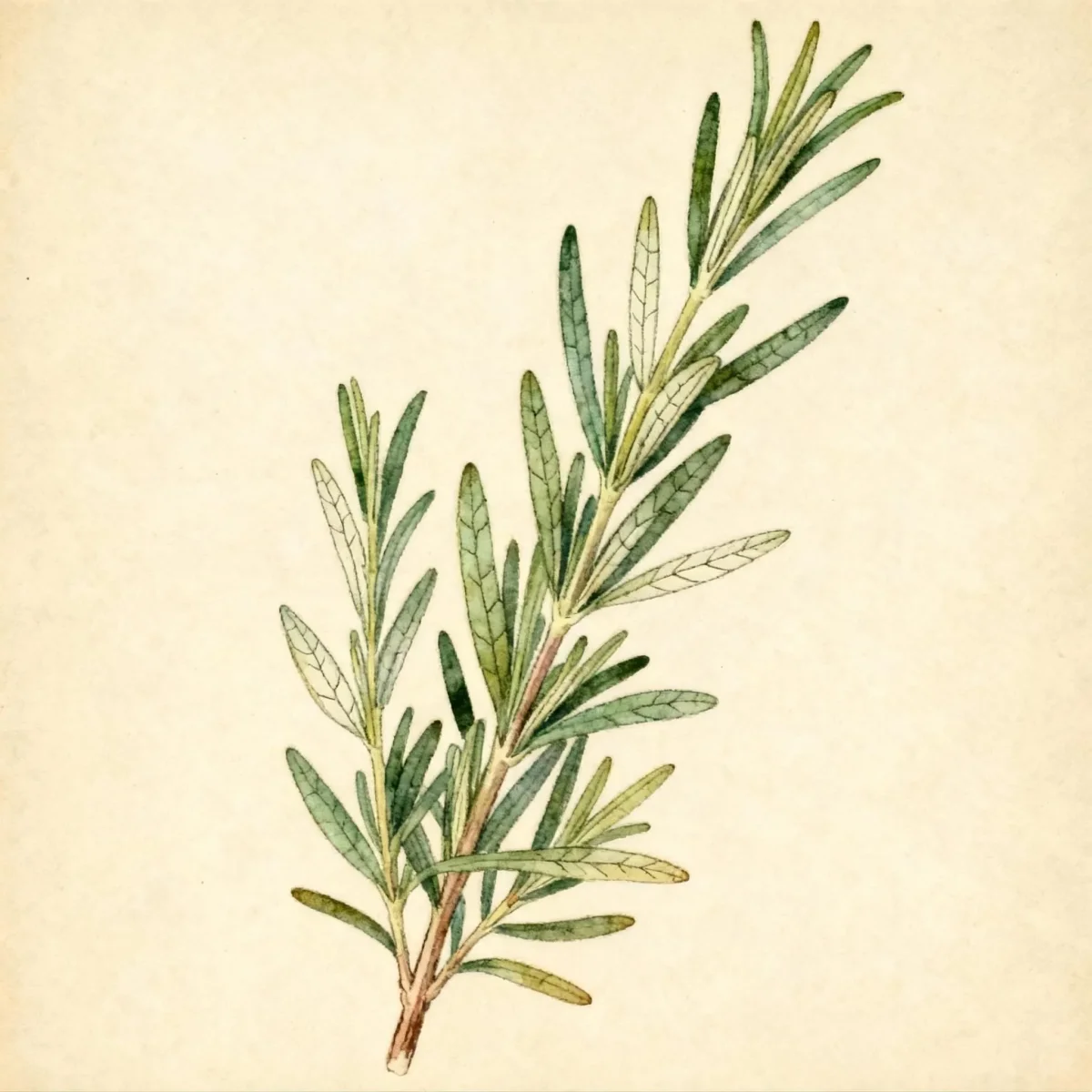
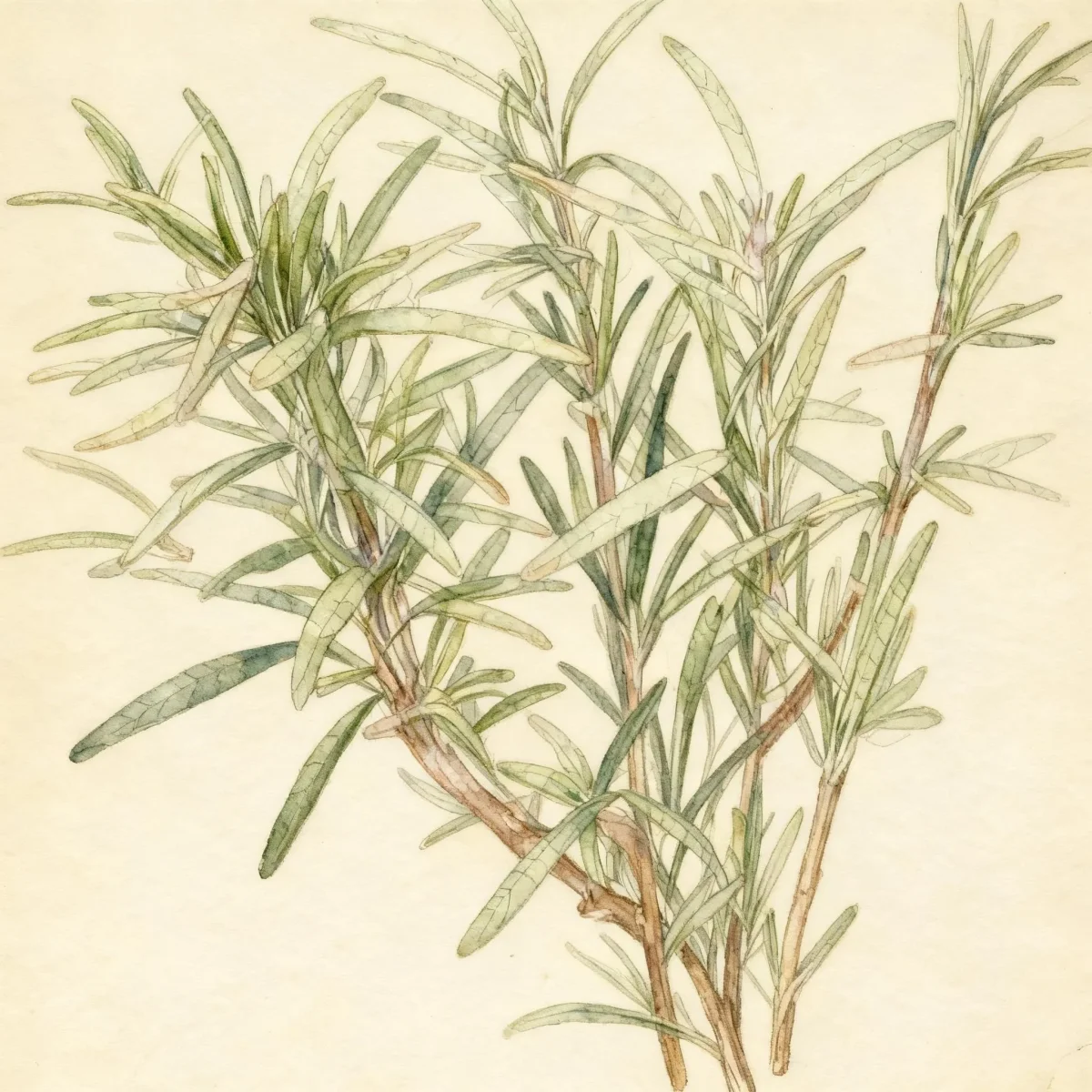
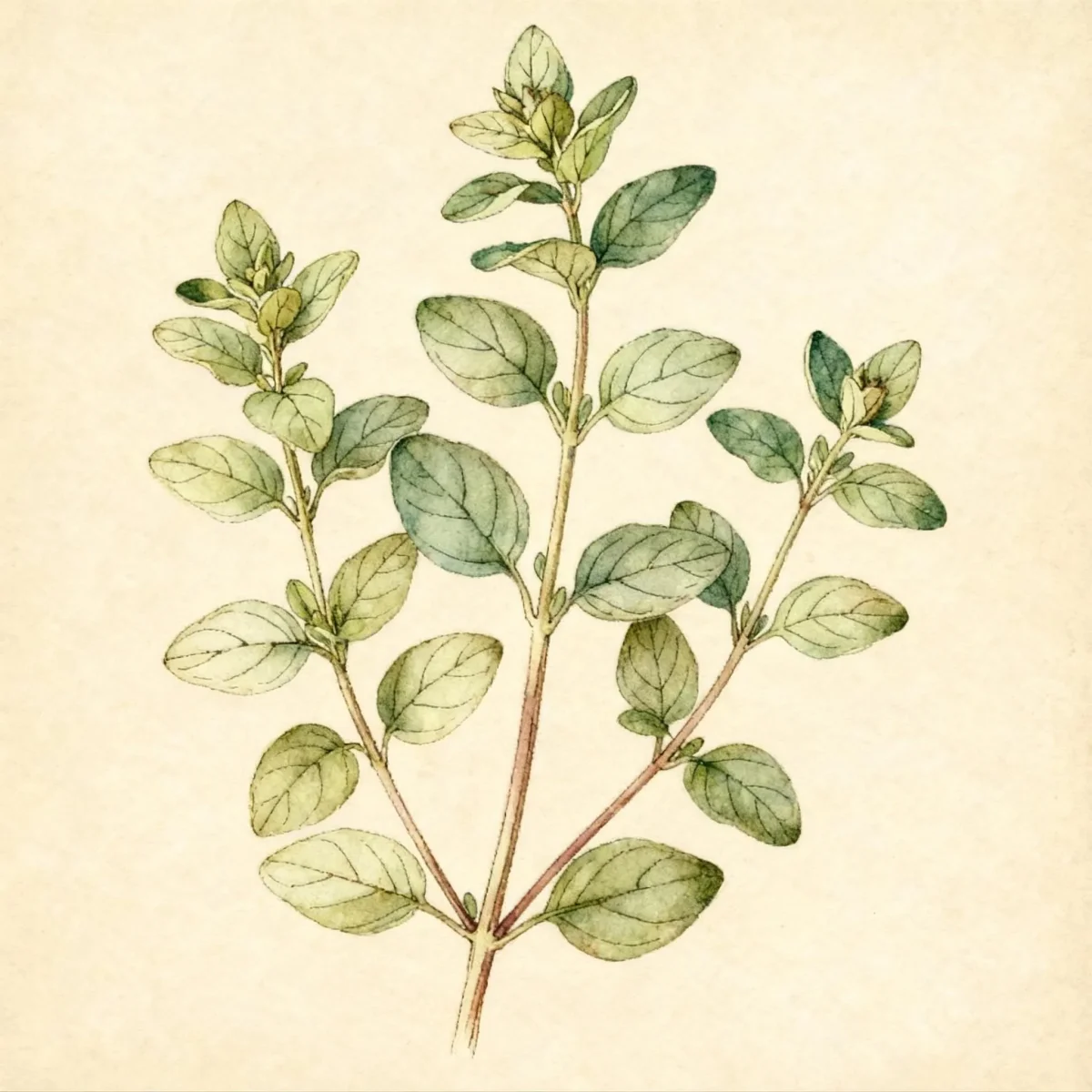
Origanum majorana, commonly called sweet marjoram, is a bushy sub-shrub with aromatic foliage that typically grows in an upright mound to 1-2’ tall. It is widely cultivated as an annual culinary herb, featuring leaves that are milder and more delicate in flavor than perennial oregano. Growth includes reddish, square stems densely covered with highly aromatic, gray-green leaves, culminating in tiny white or pale pink flowers clustered in mid to late summer spikes.
Tolerances
- Deer
- Drought
Potential Problems
Thankfully, Origanum majorana generally avoids serious insect or disease issues in managed garden settings. The primary threat to this herb is cultural: root rot. This condition occurs if the plant is situated in wet, poorly drained soils, which directly contradicts its need for gritty, sandy loam conditions. Always amend heavy soils with sand or grit prior to planting to ensure water moves away from the root zone quickly.
Frequently Asked Questions
What hardiness zones is Sweet marjoram suitable for?
Origanum majorana is winter hardy in USDA Zones 9 and 10, but it is widely grown as an annual in all other regions.
How large does Sweet marjoram grow?
This herb typically reaches a mature height between 1 and 2 feet tall, with a similar spread of 1 to 2 feet wide, forming a tidy mound.
What sun exposure does Sweet marjoram need?
Origanum majorana requires full sun exposure to thrive and develop the best flavor in its aromatic leaves.
When does Sweet marjoram bloom?
The plant produces its small, white to pale pink flowers during the peak of summer, generally blooming from July through August.
Conclusion
Sweet marjoram (Origanum majorana) offers unparalleled delicate flavor and low-maintenance utility in the herb garden, especially appealing due to its drought tolerance once established. Whether grown as a summer annual or a zone 9/10 perennial, this plant provides essential fragrant leaves for culinary works. Consult your local climate data to determine the best planting time and ensure superior drainage to enjoy this beautiful herb all season long.
Companion Planting
Because Origanum majorana demands excellent drainage and full sun, it pairs naturally with other Mediterranean herbs like Thyme (Thymus vulgaris) and Rosemary (Salvia rosmarinus). These plants share similar cultural requirements, meaning you can group them together in raised beds or containers without worrying about over- or under-watering conflicts. Avoid planting Sweet marjoram near plants that require consistently moist soil, such as water-loving greens, to prevent competition that stresses the herb.
Container Growing
Growing Origanum majorana in containers is an excellent strategy, especially for gardeners outside of Zones 9-10 who wish to overwinter the plant. Use potting mixes amended heavily with perlite or coarse sand to mimic the gritty conditions it prefers in its native habitat. Containers also offer better control over soil richness; use lean, average mixes rather than rich compost, which can sometimes dilute the essential oils responsible for its signature flavor. Ensure the container has ample drainage holes.