American mountain mint (Pycnanthemum pilosum)
Pycnanthemum pilosum, Hairy mountain mint, is a low-maintenance perennial perfect for prairies and dry meadows. Aromatic leaves and summer blooms attract bees.
Scroll down to discover growing tips, care requirements, companion plants, and more
Complete Plant Information
Overview
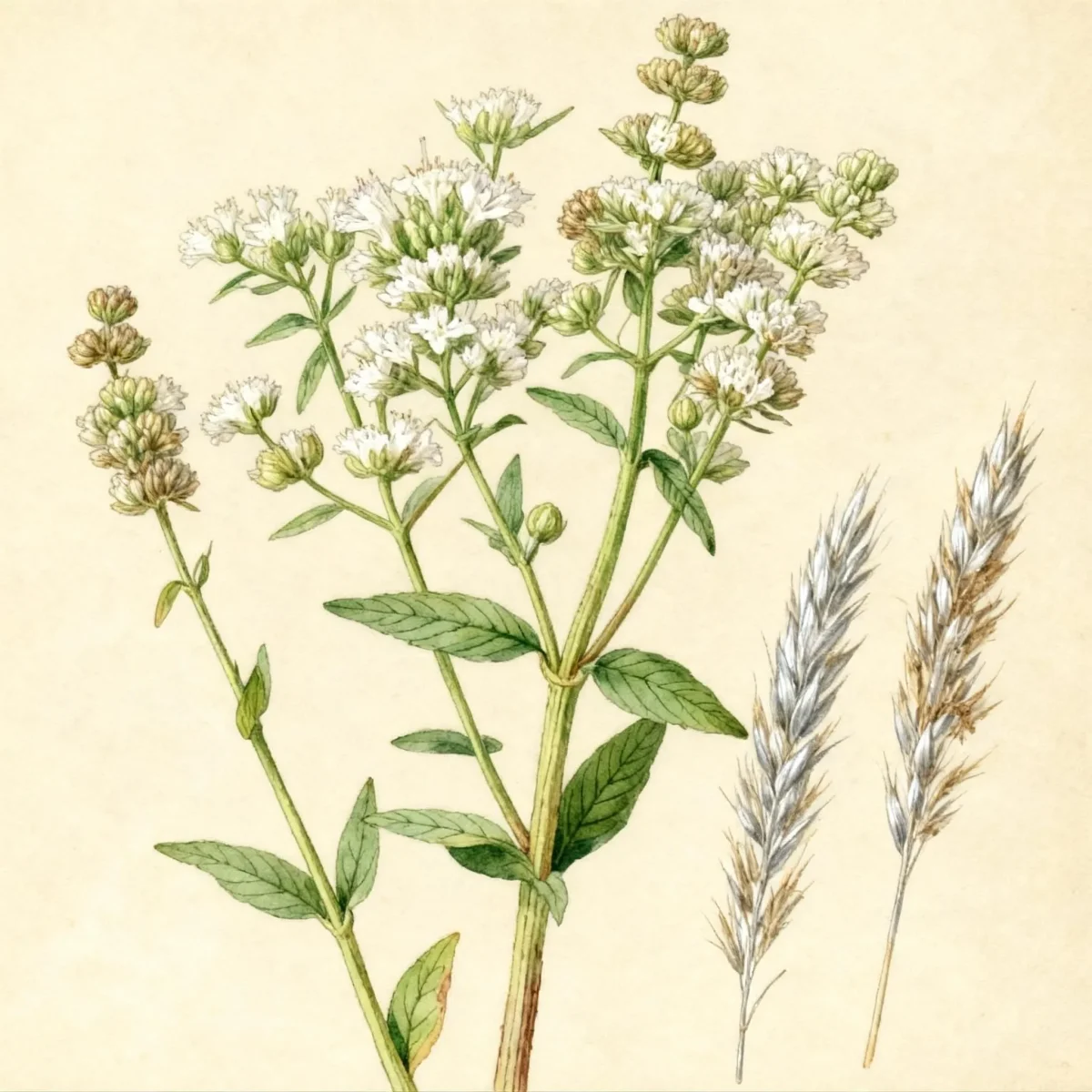
American mountain mint (Pycnanthemum pilosum) is a valuable native perennial renowned for its vigor and attractiveness to pollinators. Commonly known as hairy mountain mint, this species establishes quickly, offering dense summer floral displays appealing to bees. It is highly valued in ecological landscaping for its ability to thrive in less-than-ideal soil conditions.
This clump-forming perennial typically reaches heights between one and three feet, creating fine texture in the garden. Belonging to the mint family (Lamiaceae), Pycnanthemum pilosum features aromatic leaves that release a pleasant scent when crushed. Its low maintenance requirement makes it an excellent choice for gardeners looking to establish sustainable, native plant communities.
The modest white flowers appear from July through September, providing late-season nectar sources. While generally well-behaved, gardeners should note that Pycnanthemum pilosum is a vigorous grower that can spread via rhizomes in rich soils. Proper siting or occasional root pruning will ensure it remains a welcomed feature in your landscape design.
Fast Facts
- Plant Family: Lamiaceae
- Plant Type: Herbaceous perennial
- Native Range: Eastern and central United States
- Hardiness Zones: USDA Zones 4-8
- Size at Maturity:
- Height: 1-3 ft
- Spread: 1-3 ft
- Bloom Time: July to September
- Bloom Description: White
- Sun Exposure: Full sun to part shade
- Water Needs: Dry to medium
- Maintenance Level: Low
How to Grow
Pycnanthemum pilosum is easily established when planted in average, well-drained soils. While it manages with dry to medium moisture levels once established, achieving the best flowering performance requires planting it in a location receiving full sun. If naturalizing is the goal, placement in native plant groupings or dryer meadows is ideal.
Watering requirements are relatively low, making this an excellent drought-tolerant selection once established. Fertilization is generally unnecessary, as the plant is adapted to leaner soils typical of its native prairie and woodland edge habitats. Focus your limited care efforts on containing spread if necessary.
If you wish to restrict the spread of this vigorous grower, manage its roots actively. Prune roots in the early spring using a spade driven vertically around the clump edge to prevent undesirable spreading by rhizomes. There is no significant winter cleanup required, as stalks can generally be left standing until spring cleanup begins.
Landscape Uses
The primary recommendation for American mountain mint is to allow it to naturalize freely within the landscape. It excels in native plant gardens, dry meadows, and even rock gardens where its tendency to spread can be utilized to create soft drifts. Its cultural needs align well with other sturdy, drought-tolerant perennials.
Consider using Pycnanthemum pilosum in the perimeter of borders, provided you actively monitor and manage its rhizomatous spread. While it may lack the formal structure desired for a prominent formal garden position, it offers exceptional textural contrast when planted alongside shorter, fine-textured sedges or sun-loving coneflowers. Its low maintenance profile makes it perfect for large-scale restoration projects or ecologically focused landscapes.
Standout Features
Flower Qualities
- Showy
Noteworthy Characteristics
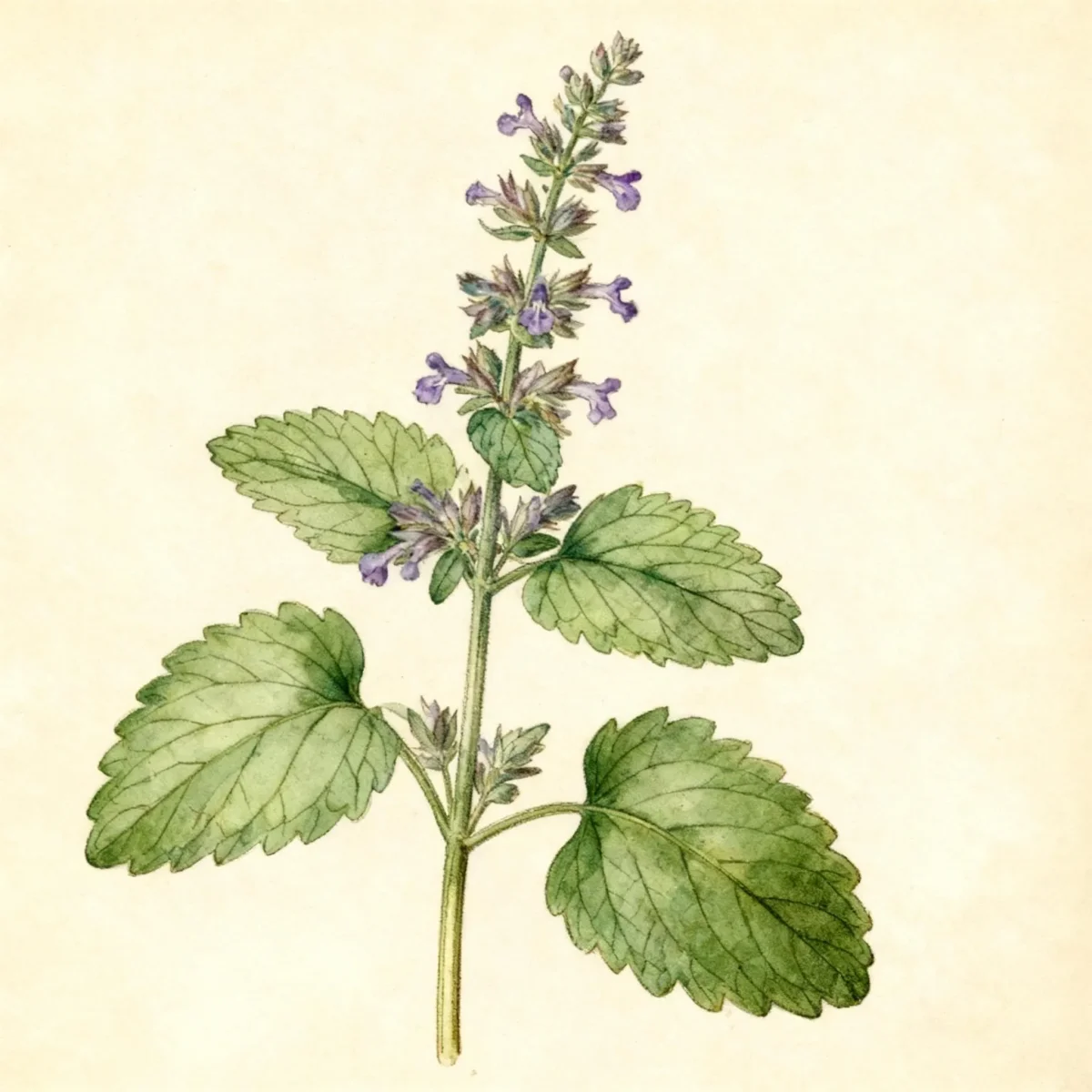
Pycnanthemum pilosum, commonly called hairy mountain mint, is a clump-forming perennial that typically grows 1-3’ tall. It is native from Ontario to deep into the central United States, thriving in prairies and open woodlands. Features small, white flowers with purple spotting in mid to late summer, and its narrow leaves are noted for being very aromatic when bruised.
Tolerances
- Drought
- Erosion
- Dry Soil
Potential Problems
Pycnanthemum pilosum seldom suffers from serious insect or disease issues, reinforcing its low-maintenance profile. The main concern for gardeners is its potential to spread aggressively via underground rhizomes, particularly in optimum, moist growing conditions. To manage this vigor, regularly check the clump margins, especially in the spring, and use sharp tools to sever any aggressive runners attempting to colonize adjacent garden space.
Frequently Asked Questions
What hardiness zones is American mountain mint suitable for?
American mountain mint (Pycnanthemum pilosum) is suitable for USDA Hardiness Zones 4 through 8.
How large does American mountain mint grow?
This herbaceous perennial typically reaches a mature height between 1 and 3 feet and spreads between 1 and 3 feet wide.
When does American mountain mint bloom?
Pycnanthemum pilosum displays its white flowers from July through September, offering reliable late-season color and nectar.
What sun exposure does American mountain mint need?
It tolerates both full sun and part shade, though the best and most prolific flowering occurs in full sun conditions.
Conclusion
Pycnanthemum pilosum, or American mountain mint, is a superb choice for creating resilient, wildlife-friendly landscapes due to its drought tolerance and late-summer nectar production. By understanding its vigorous spreading habit and ensuring excellent drainage, gardeners can fully exploit the low-maintenance benefits of this native perennial. Check your local USDA zone compatibility and plan to plant this summer bloomer during the spring or fall for best establishment.
Companion Planting
When selecting companions for Pycnanthemum pilosum, focus on other plants that share its preference for full sun and dry to medium soil moisture. Plants that bloom alongside it, such as various species of Coneflower (Echinacea) or False Indigo (Baptisia), pair well aesthetically and culturally. Avoid setting it next to moisture-loving plants, as this can encourage excessive spread and potentially compromise the plant’s drought tolerance for which it is known.
Wildlife Benefits
The dense clusters of small, white flowers on Pycnanthemum pilosum are highly attractive to native bees. These flowers bloom well into late summer and early fall when many other nectar sources are beginning to fade. Planting American mountain mint specifically feeds beneficial insects during this crucial transition period. For maximum pollinator support, plant in large drifts rather than isolated specimens.