Blue sage (Salvia azurea)
Salvia azurea (Blue sage) is a low-maintenance perennial offering striking azure blue flowers mid-summer through fall in sunny, dry conditions.
Scroll down to discover growing tips, care requirements, companion plants, and more
Complete Plant Information
Overview
Salvia azurea, frequently known by its common name, blue sage, stands out in the late-season garden with its dramatic display of sky-blue flowers. This clump-forming perennial contributes excellent vertical interest with stiff stems that support whorls of azure blue blossoms from summer into autumn. Being a native plant to the Southeastern United States, it is naturally suited to challenging, drier garden conditions.
The value of Salvia azurea lies not only in its showy bloom color—a true, clear blue rarely found in the summer garden—but also in its resilience. It thrives in full sun and requires minimal intervention once established, making it perfect for gardeners seeking structure without constant fuss. The vibrant color attracts beneficial pollinators, adding ecological value alongside its strong aesthetic appeal.
For the best results with blue sage, understand its cultural preference for drier, well-drained sites. While it offers flexibility in soil types, rich, damp soils should be avoided as they can encourage the main cultural issue: flopping stems. Proper placement ensures this lovely species maintains its stately, upright habit throughout its long blooming season.
Fast Facts
- Plant Family: Lamiaceae
- Plant Type: Herbaceous perennial
- Native Range: Southeastern United States
- Hardiness Zones: USDA Zones 5-9
- Size at Maturity:
- Height: 3-5 ft
- Spread: 2-4 ft
- Bloom Time: July to October
- Bloom Description: Azure blue
- Sun Exposure: Full sun
- Water Needs: Dry to medium
- Maintenance Level: Low
How to Grow
Plant Salvia azurea during the spring after the last frost, ensuring it is situated in a location receiving full, intense sun throughout the day for best flowering. This perennial demands well-drained soil; it performs adequately in average soil but excels where gravel, sand, or grit aids aeration, mimicking its preference for dry to medium moisture environments. Good drainage is paramount to prevent stem weakness.
Watering is straightforward, as blue sage tolerates drought well once established. While it prefers drier conditions, providing moderate, regular moisture during the summer can encourage a more robust repeat bloom cycle. There is generally no need for fertilization, as rich soil contributes to weak, floppy growth habit.
Pruning is key to maintaining a tidy appearance. In late spring, you can cut the stems back by up to half their height to encourage a more compact, sturdy structure, mitigating the common problem of flopping. Deadhead spent flower spikes throughout the summer to maximize the continuation of bloom. If the foliage looks ragged by mid-summer heat, a rejuvenation trim is acceptable. Always cut the plants back completely after the final flowering has concluded for the season.
Landscape Uses
The stately upright habit of Salvia azurea makes it an exceptional choice for adding vertical accents within perennial borders, drawing the eye upward during late summer and early fall when many earlier bloomers fade. It integrates beautifully into cottage gardens, offering its unique shade of blue amongst softer textures like ornamental grasses or shorter, sun-loving perennials such as Coneflowers or Black-eyed Susans.
For more naturalistic designs, blue sage serves as a wonderful element in prairie plantings or wild areas where it can naturalize without intense competition or care. Its drought tolerance makes it suitable for rock gardens where soil depth is limited, provided it receives the required sun exposure. The structure provided by Salvia azurea also offers excellent contrast against rounder forms typical in sunny, dry plantings.
Its robust, linear foliage and tall flower spikes provide year-round structure that is useful from the moment it leafs out. Consider planting it slightly towards the middle or back of a border, allowing shorter companions to soften the base while capitalizing on the height of this dependable blue sage.
Standout Features
Flower Qualities
- Showy
Noteworthy Characteristics
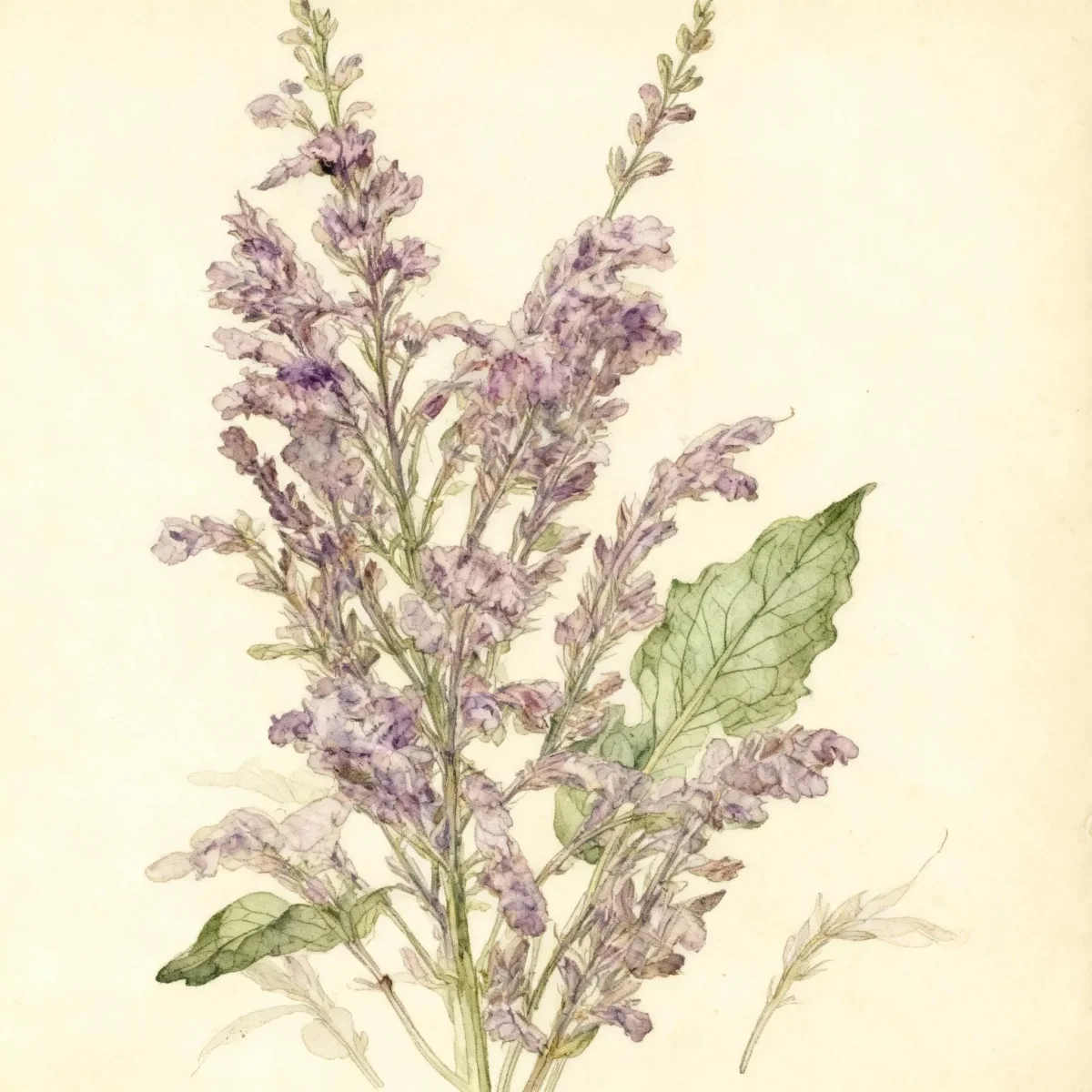
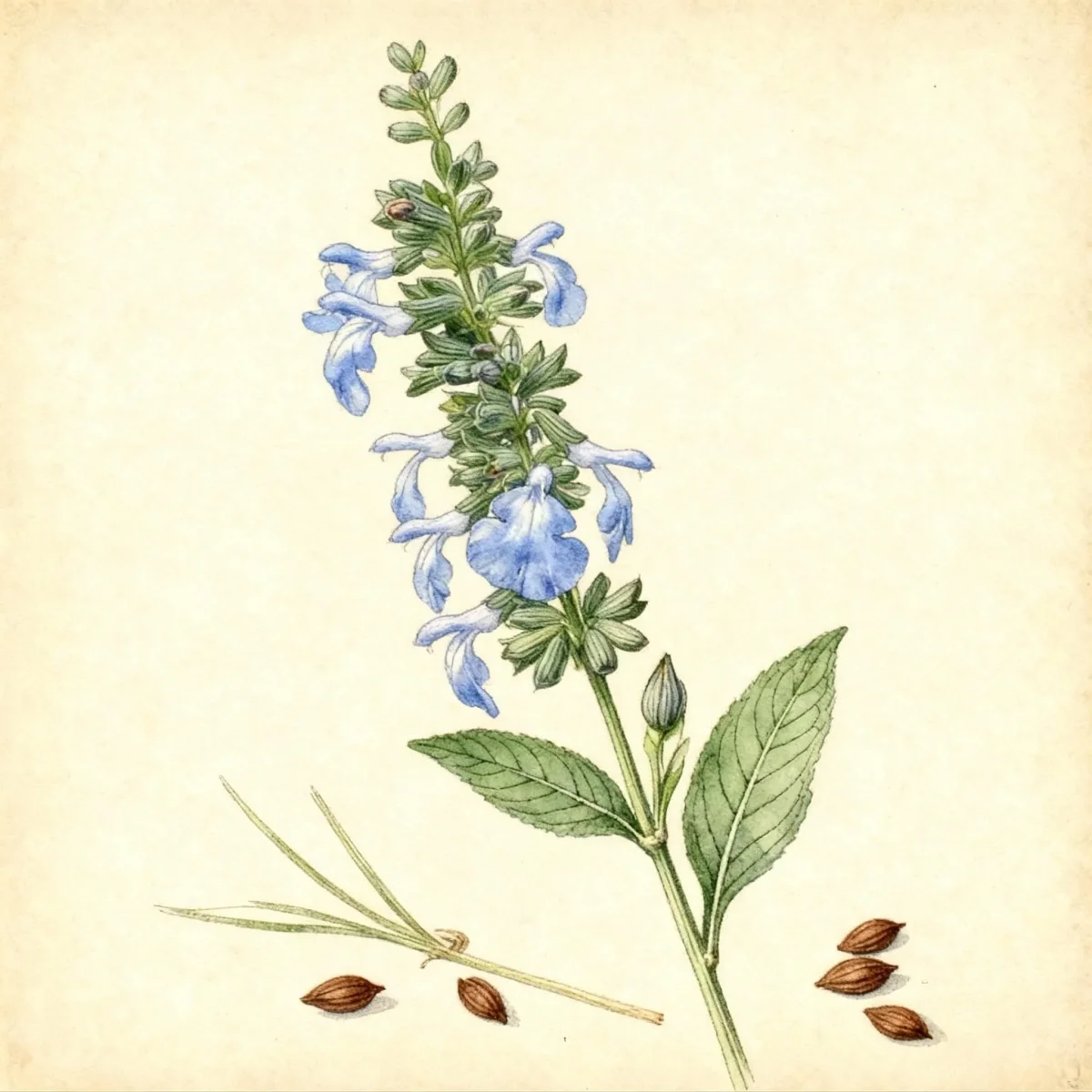
Salvia azurea, commonly called blue sage, is a clump-forming perennial that typically grows to 3-5’ tall (shorter if pruned). Whorls of 2-lipped, azure blue flowers bloom in spikes from mid-summer to fall atop stiff stems clad with linear to lanceolate to obovate, grayish-green leaves. The specific epithet means sky-blue; a notable variation, Salvia azurea var. Grandiflora, is often preferred by gardeners for having larger, more impressive blooms.
Tolerances
- Deer
- Drought
- Dry Soil
- Shallow-Rocky Soil
Potential Problems
This plant is generally robust, exhibiting no serious recurring insect or disease issues in well-managed gardens. The primary cultural challenge to anticipate with Salvia azurea is stem flopping. This problem almost always occurs when the plant is situated in overly rich or heavily fertilized soil, or if it is grown in too much shade, leading to weak, etiolated growth. Ensure excellent drainage and avoid heavy compost amendments to keep the stems rigid. Deer typically avoid consuming the foliage, lending extra value to areas where browsing is a concern.
Frequently Asked Questions
What hardiness zones is Blue sage suitable for?
Salvia azurea is reliably hardy across USDA Zones 5 through 9, provided it receives adequate drainage and plenty of sunlight.
How large does Salvia azurea grow?
Mature blue sage typically reaches a height between 3 and 5 feet tall, spreading moderately to cover an area between 2 and 4 feet wide.
What sun exposure does Blue sage need?
This perennial requires full sun to thrive, which encourages strong, upright growth and maximizes the reliable July to October bloom period of its azure blue flowers.
When does Salvia azurea bloom?
Blue sage provides excellent late-season color, featuring blooms from July extending through October.
Conclusion
The Salvia azurea offers reliable height, exceptional drought tolerance, and a commanding azure blue flower color that brightens the late summer landscape. Its low maintenance profile makes it a workhorse for sunny, drier borders where other perennials might struggle. Before planting, confirm your region falls within USDA Zones 5-9 and ensure placement in full sun for the sturdiest performance from this beautiful blue sage.
Companion Planting
Selecting companions that appreciate similar conditions—full sun and dry to moderate moisture—will ensure the health of your Salvia azurea. Plants with contrasting textures and shapes work best against its upright spikes. Consider pairing it with structural Coneflowers (Echinacea) or the feathery plumes of Prairie Dropseed grass (Sporobolus heterolepis).
In cottage garden schemes, allow shorter, mounding plants like Coreopsis or hardy Geraniums to fill the foreground. Because blue sage can sometimes lean in rich soil, planting companions that can lightly support its base without shading it excessively will help maintain its elegant silhouette.
Wildlife Benefits
The distinctive tubular flowers of blue sage are highly attractive to many beneficial insects, providing crucial late-season nectar for pollinators. Bees and hummingbirds are frequent visitors to the spikes of azure blue blooms. By planting this native species, gardeners support local ecosystems, as native flora often offers better nutritional value and habitat than exotic imports.
Limiting pesticide use around Salvia azurea is recommended to maximize the benefit to visiting wildlife, especially beneficial predatory insects that help manage garden pests naturally. The structure of the plant may also offer winter shelter to small beneficial insects once the main flowering season has passed.