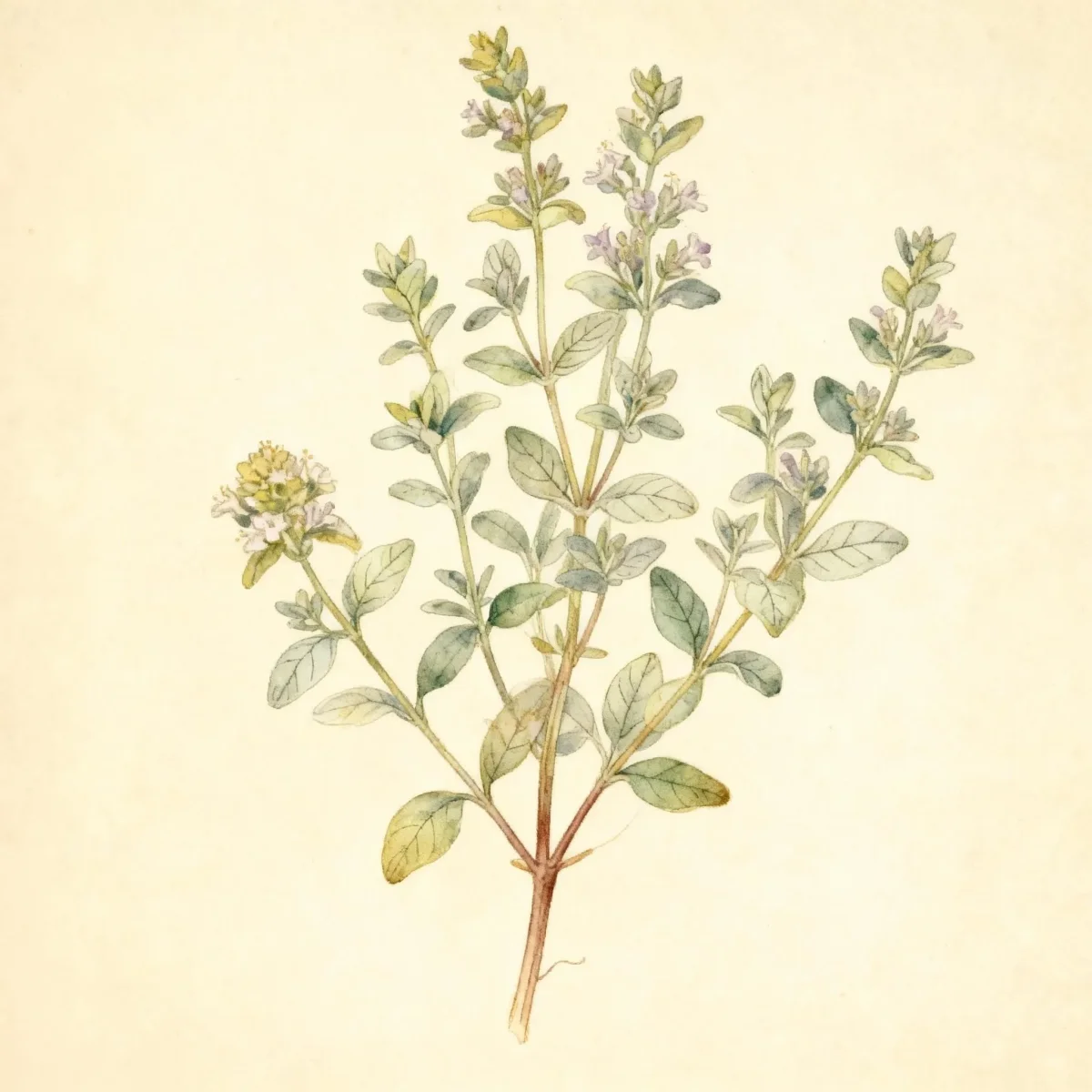
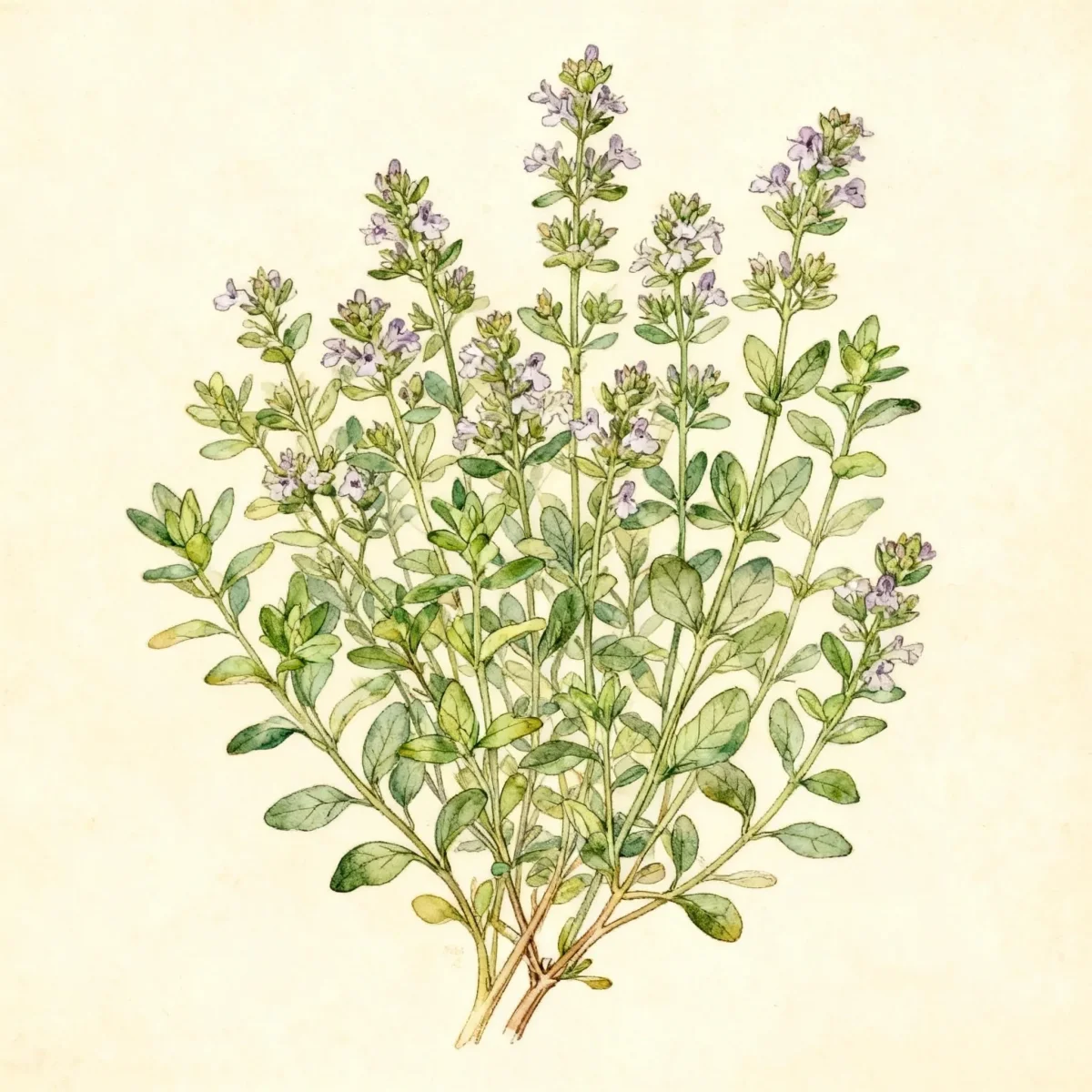
Blue sage (Salvia azurea 'Nekan')
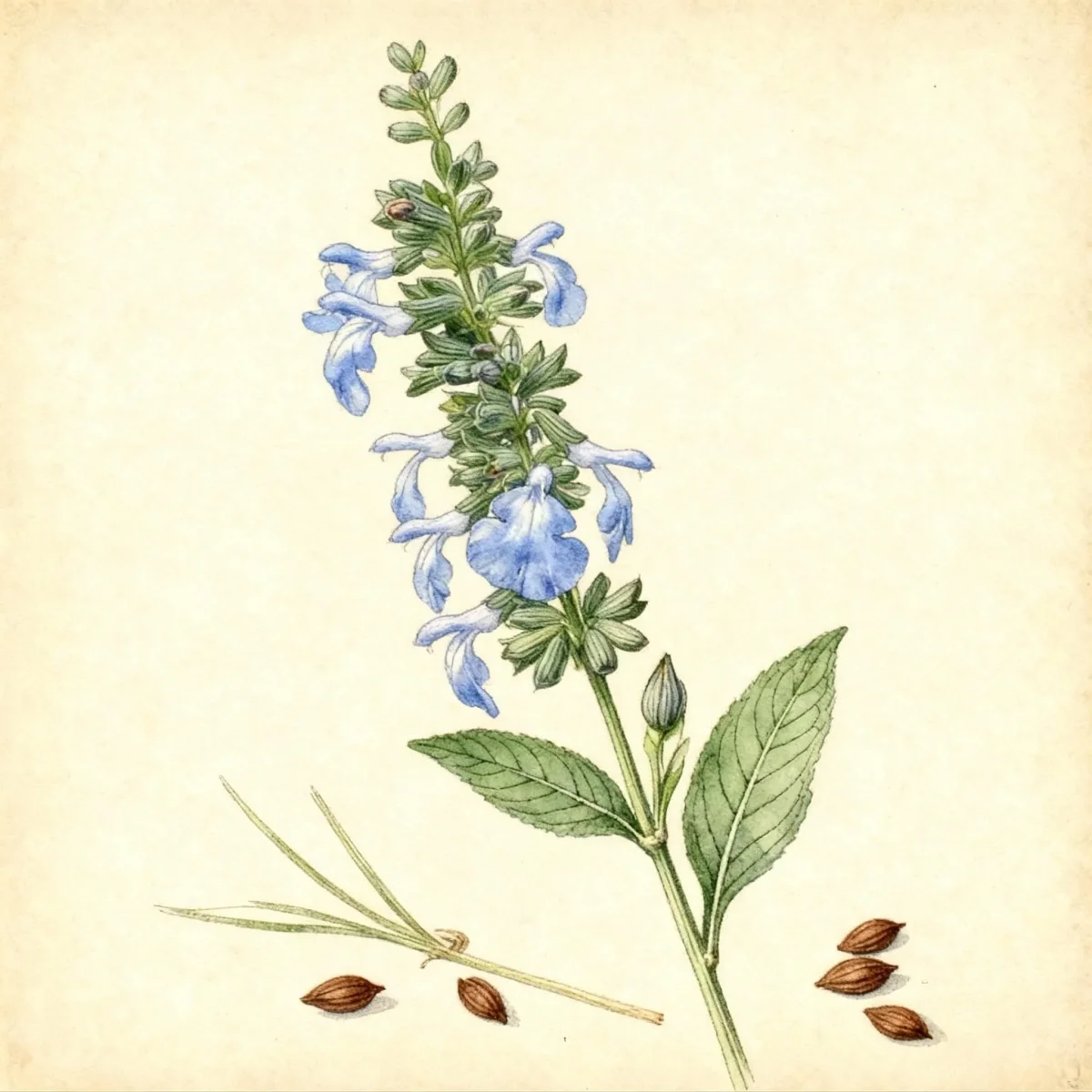
Salvia azurea 'Nekan', or Blue sage, is a striking herbaceous perennial known for vibrant azure blue flowers and low maintenance.
Scroll down to discover growing tips, care requirements, companion plants, and more

Complete Plant Information
Overview
Salvia azurea ‘Nekan’ is a captivating, clump-forming herbaceous perennial prized for its exceptionally bright, sky-blue blooms that persist late into the season. This cultivated strain of Blue sage brings vertical interest to the garden, featuring whorls of two-lipped azure flowers atop stiff stems, contrasting beautifully with its grayish-green foliage. Gardeners appreciate Salvia azurea ‘Nekan’ for its robust nature and relative ease of cultivation, especially in sunny, drier conditions.
As a low-maintenance selection, Blue sage thrives where many other perennials struggle, tolerating poor drainage and dry spells once established. Its extended blooming period from mid-summer through fall ensures dependable color when many summer flowers begin to fade. The stiff habit of Salvia azurea ‘Nekan’ makes it an excellent structural element in borders or naturalized settings.
The specific epithet ‘Nekan’ highlights its origins in Nebraska and Kansas, suggesting excellent resilience in varied temperate climates. Beyond its visual appeal, this variety is often more robust and features larger flowers than the straight species, making Salvia azurea ‘Nekan’ a superior choice for perennial borders and prairie restorations alike.
Fast Facts
- Plant Family: Lamiaceae
- Plant Type: Herbaceous perennial
- Hardiness Zones: USDA Zones 4-9
- Size at Maturity:
- Height: 2-4 ft
- Spread: 2-3 ft
- Bloom Time: July to October
- Bloom Description: Blue
- Sun Exposure: Full sun
- Water Needs: Dry to medium
- Maintenance Level: Low
How to Grow
Plant Salvia azurea ‘Nekan’ in the spring after the danger of frost has passed, ensuring it is sited in full sun for the best performance. This Blue sage variety establishes best in average, well-drained soils, thriving in conditions that are dry to medium in moisture. It readily tolerates drought once established, making it perfect for xeriscaping or hot, dry borders.
Care for Salvia azurea ‘Nekan’ is minimal. While established plants tolerate dry soil, providing regular moisture will encourage reblooming from summer into the fall. Avoid overly rich soils, as this is the primary cause of weak stems that are prone to flopping. If necessary, fertilizing is rarely required; focus instead on moisture management during dry spells.
For structural benefits, cut plant stems back by up to half in late spring to promote a more compact form and prevent potential stem flopping later in the season. Deadheading spent flower spikes will help extend the bloom duration. If the foliage appears unsightly during oppressive summer heat, a light trim can refresh the plant’s appearance until the main flush of fall bloom. Cut plants back entirely after flowering concludes for neat winter appearance.
Landscape Uses
Salvia azurea ‘Nekan’ is highly versatile due to its strong vertical line and late bloom time. It functions wonderfully placed toward the middle or back of perennial borders, adding vibrant blue contrast against yellow and white late-season flowers. Its tolerance for dry soil and sun makes it an outstanding component for cottage gardens seeking a less water-intensive display.
Consider incorporating this Blue sage into wild areas or prairie plantings where its need for minimal intervention mirrors the natural landscape. It pairs well with other drought-tolerant natives like coneflowers, black-eyed Susans, and ornamental grasses that share similar sun and soil demands. For rock gardens, ensure planting sites have excellent drainage to meet the preference of Salvia azurea ‘Nekan’ for gravelly or sandy soils.
Standout Features
Flower Qualities
- Showy
Noteworthy Characteristics
The genus name Salvia comes from the Latin word salveo meaning “to save or heal,” referencing purported medicinal uses of some plants in the genus, while the specific epithet means sky-blue. ‘Nekan’ is a seed strain found in the wild in Nebraska and Kansas, developed to feature whorls of azure blue flowers atop stiff stems. It is often considered more robust and boasts larger flowers than the typical species forms of Salvia azurea.
Tolerances
- Deer
- Drought
- Dry Soil
- Shallow-Rocky Soil
Potential Problems
No serious insect or disease problems are commonly reported for Salvia azurea ‘Nekan’. The most frequent cultural issue faced by gardeners is stem flopping. This generally occurs when plants are placed in overly rich soil or receive too much supplemental water, leading to soft, weak growth that cannot support the structure of the bloom spikes. Proper siting in full sun and well-drained, average soil is the best prevention against this structural failure. Deer generally tend to avoid this plant due to the texture or essential oils common to the Salvia genus.
Frequently Asked Questions
What hardiness zones is Blue sage suitable for?
Salvia azurea ‘Nekan’ is remarkably hardy, thriving across USDA Zones 4 through 9.
How large does Salvia azurea ‘Nekan’ grow?
This herbaceous perennial typically matures to a height of 2 to 4 feet and spreads between 2 and 3 feet wide.
What sun exposure does Blue sage need?
For optimal flowering and robust structure, Salvia azurea ‘Nekan’ requires full sun exposure throughout the day.
When does Salvia azurea ‘Nekan’ bloom?
You can expect vibrant blue flowers on this Blue sage variety from July all the way through October.
Conclusion
Salvia azurea ‘Nekan’ offers reliable, striking azure blue color combined with the highly desirable trait of low maintenance, making it a premier choice for dry, sunny garden spaces. Planting this robust Blue sage ensures continued late-season beauty, provided you select a location with ample sun and excellent drainage. Check your local USDA zone compatibility before planning your late spring planting or early spring pruning schedule.
Companion Planting
When selecting neighbors for Salvia azurea ‘Nekan’, prioritize plants that appreciate similar conditions: full sun and dry to medium soil moisture. Good companions that share this low-water need include many Echinacea (Coneflower), Rudbeckia (Black-Eyed Susan), and certain varieties of ornamental grasses like Little Bluestem (Schizachyrium scoparium). Pairing the vertical blue spires of Blue sage with the mounding shapes of yellow and orange coneflowers creates a classic, high-contrast prairie-style tapestry that remains visually appealing all season long.
Wildlife Benefits
The dense spikes of numerous small flowers produced by Salvia azurea ‘Nekan’ are highly attractive to a variety of native pollinators. Bees, particularly bumblebees, frequently visit the nectar-rich blossoms throughout the late summer and early fall when many other nectar sources are depleted. Planting this Blue sage supports local insect populations, contributing significantly to the ecological value of your garden space while providing you with stunning, undemanding color.