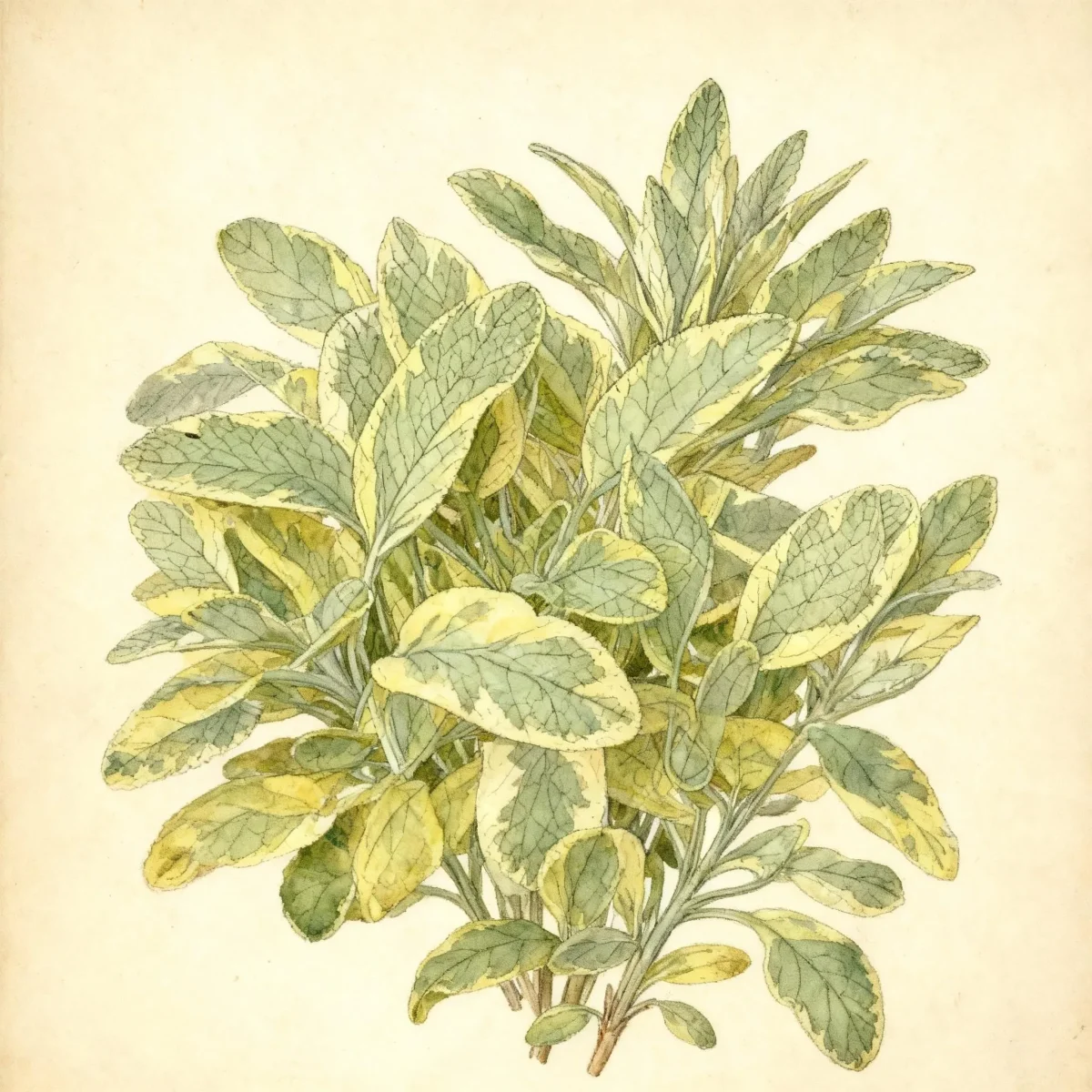
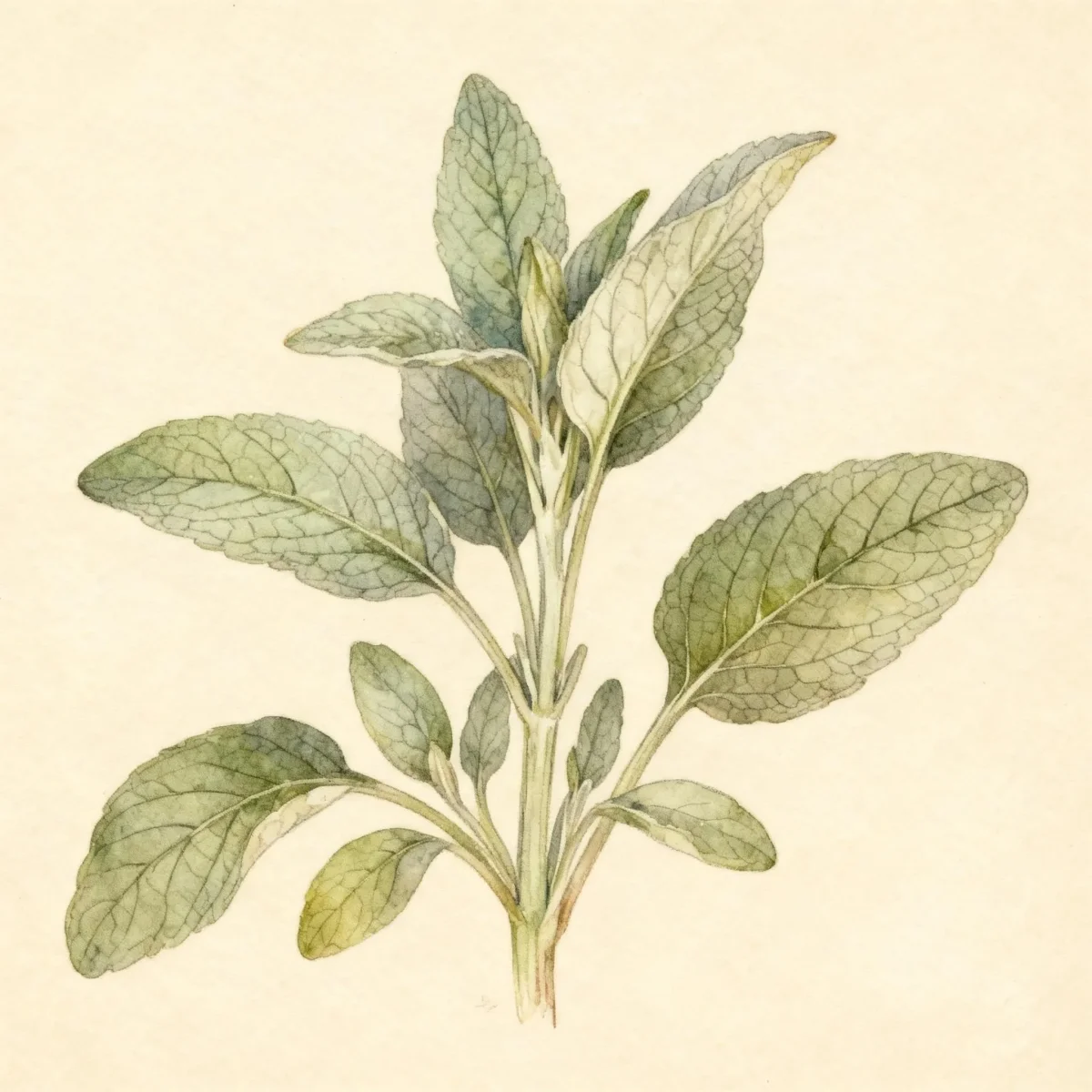
Cancer weed (Salvia lyrata)
Salvia lyrata, or Cancer weed, is a unique herbaceous perennial native to the eastern US, thriving in wet conditions with showy purple spring blooms.
Scroll down to discover growing tips, care requirements, companion plants, and more
Complete Plant Information
Overview
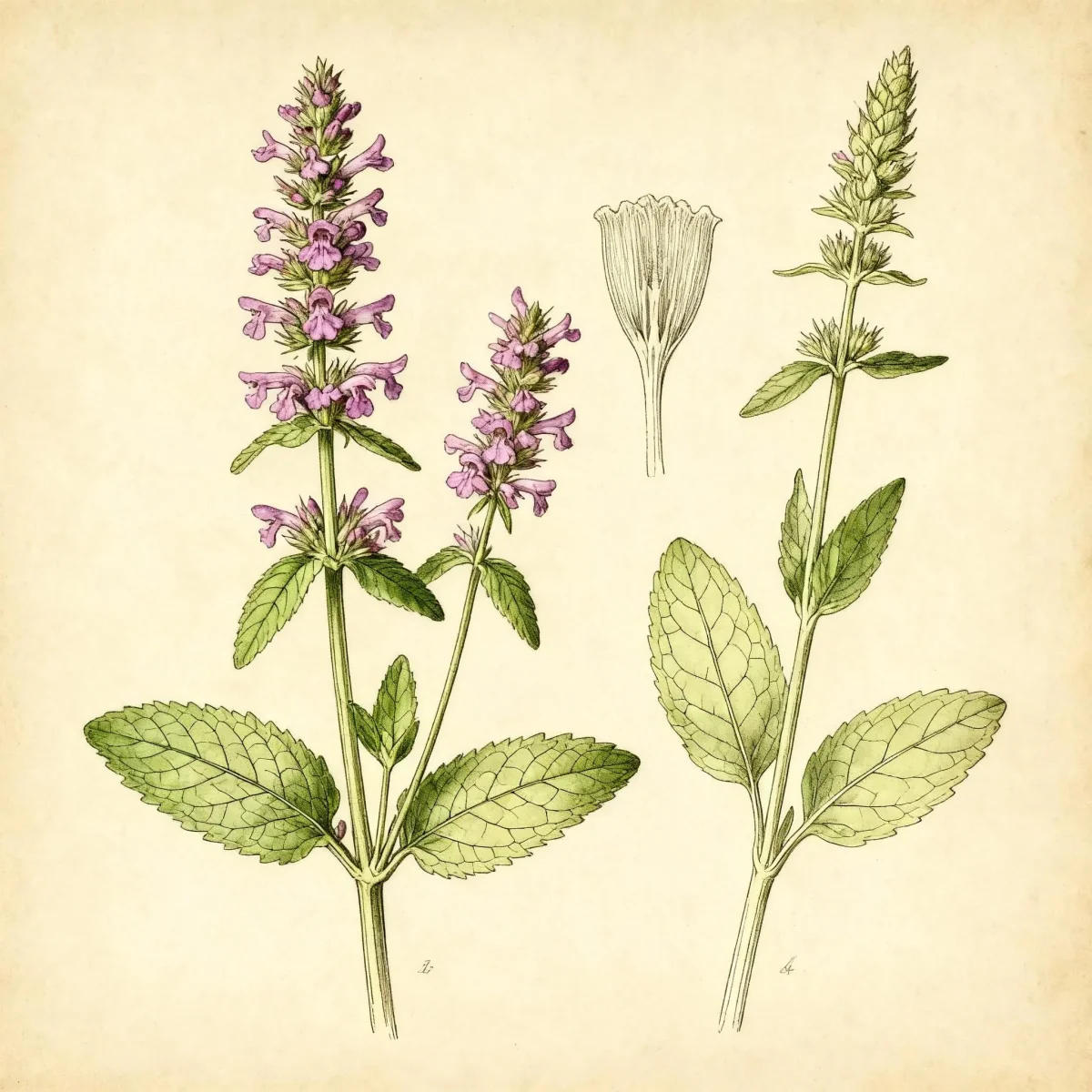
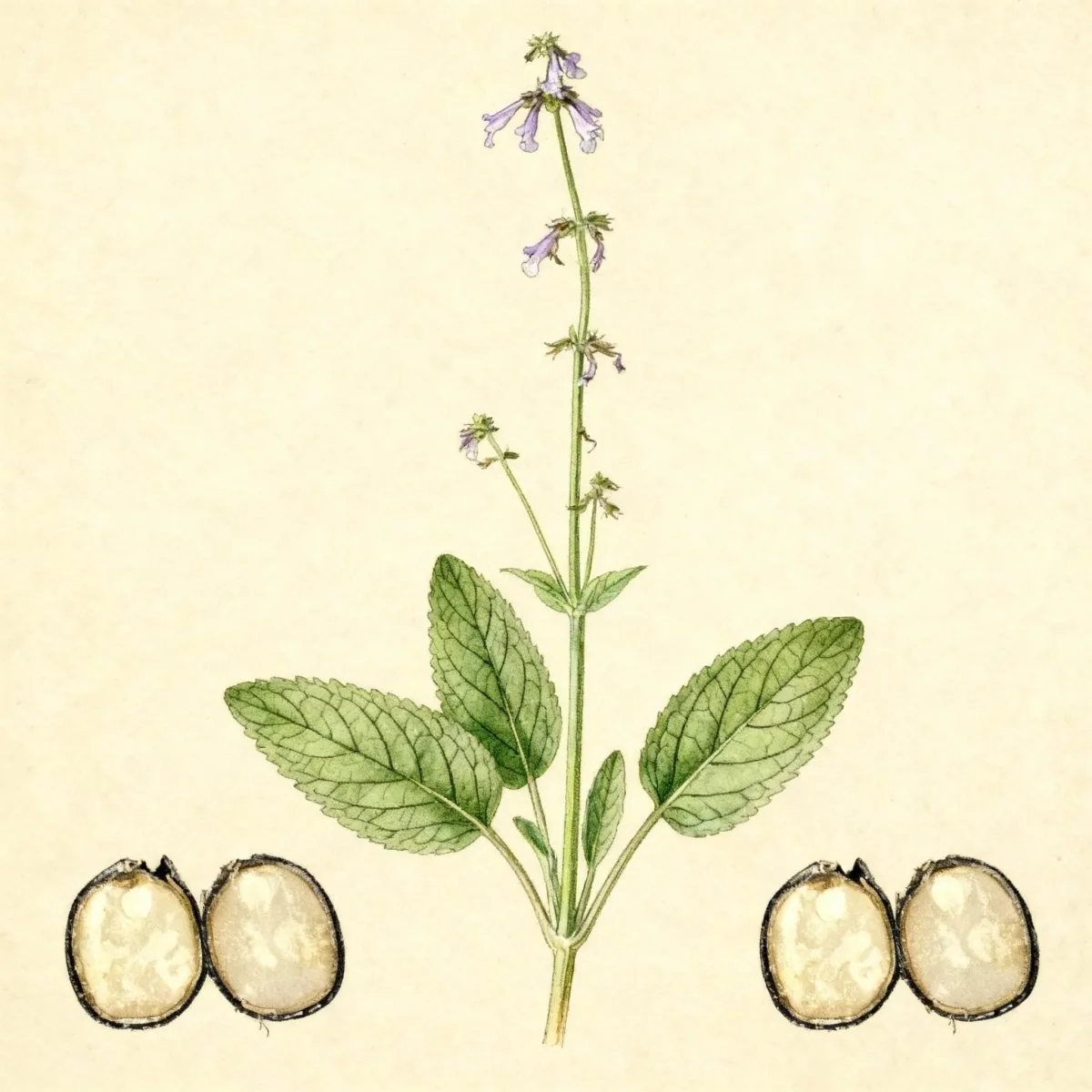
Salvia lyrata, widely known by its common name Cancer weed, is a valuable addition to native and moisture-retentive gardens across the Eastern and Central United States. This herbaceous perennial distinguishes itself with whorls of striking lavender-blue flowers borne on upright spikes, typically appearing between April and June. Its basal leaves are often irregularly lobed, sometimes resembling a lyre, lending it the secondary name, lyre-leaved sage.
As a member of the mint family, Salvia lyrata offers reliable performance in challenging, wet areas where many other perennials struggle. Its ability to tolerate heavy clay and consistently moist soils, combined with its attraction to beneficial pollinators, makes it highly functional in ecological landscaping. While it prefers full sun, it can adapt to very light shade, offering flexibility in placement.
Gardeners appreciate Cancer weed not only for its reliable spring color but also for its low-maintenance nature once established. It readily self-seeds and naturalizes in optimal, moist spots, quickly filling out rain gardens or stream edges. The plant’s heritage, suggested by the genus name Salvia referencing healing properties, adds historical depth to its contemporary aesthetic appeal.
Fast Facts
- Plant Family: Lamiaceae
- Plant Type: Herbaceous perennial
- Native Range: Eastern and central United States
- Hardiness Zones: USDA Zones 5-8
- Size at Maturity:
- Height: 1-2 ft
- Spread: 0.75-1 ft
- Bloom Time: April to June
- Bloom Description: Purple
- Sun Exposure: Full sun
- Water Needs: Medium to wet
- Maintenance Level: Medium
How to Grow
Planting Salvia lyrata is best done in the spring or fall when preparing areas that retain consistent moisture. This species truly excels when situated in average soils that range from medium to wet, showing a notable preference for moist, sandy, or clay compositions. While full sun guarantees the best flowering, sites receiving very light shade are generally acceptable, though growth may be leggier.
Maintenance for Cancer weed is relatively straightforward, earning it a “Medium” rating, largely because it handles its own necessary self-seeding. Water deeply until the plant is established, particularly if sited away from permanent moisture sources. Once mature, it tolerates humidity well and rarely requires supplemental fertilizer unless planted in extremely poor, depleted soil.
Pruning is minimal; deadheading spent flower spikes is optional and may reduce natural reseeding if that is desired. In late winter or very early spring, clean up any old, dried foliage, but otherwise, let the basal rosette protect the crown. This tolerance for heat and humidity, combined with its preference for moist conditions, makes this plant adaptable to specialized garden pockets.
Landscape Uses
The primary landscape role for Cancer weed (Salvia lyrata) is in areas requiring moisture tolerance. It is perfectly suited as the backbone plant in a Rain Garden, effectively managing runoff while providing structure. Its upright flower spikes make it an excellent choice for the middle layer of borders or informal drifts within native plant gardens.
For a naturalistic aesthetic, group Salvia lyrata in wild or naturalized plantings near water features, streams, or low spots where water collects. It pairs wonderfully with other moisture-loving natives such as Cardinal Flower (Lobelia cardinalis) or various sedges, creating a dynamic fabric of foliage and color throughout the season. Utilizing its spreading, easy-to-grow nature allows it to blend seamlessly into the landscape rather than standing rigidly alone.
Standout Features
Flower Qualities
- Showy
Noteworthy Characteristics
Salvia lyrata, commonly called cancer weed, is a Missouri native perennial which typically occurs in moist or sandy soils in open woods, clearings, thickets and streambanks in the southeastern Ozark region of the State. Features whorls of two-lipped, lavender blue flowers (1 inch long) in upright, interrupted spikes which typically rise above the foliage to 1-2’ tall. Flowers bloom in mid to late spring. Irregularly lobed, basal leaves (often somewhat lyre-shaped) with smaller and sparser stem leaves. A mint family member that is attractive to bees and butterflies.
Tolerances
- Deer
- Clay Soil
- Wet Soil
- Shallow-Rocky Soil
Potential Problems
Salvia lyrata generally exhibits exceptional resilience, boasting no serious insect or disease problems requiring intensive intervention. The most common “issue” reported is excessive self-seeding, which creates dense colonies over time. If you prefer to control its spread, ensure thorough deadheading occurs immediately after the purple flowers fade in early summer.
This robustness is partly attributed to its status as a native plant well-adapted to local pest and fungal pressures. Gardeners should primarily focus on ensuring the soil drainage meets its needs—while it tolerates wet spots, stagnant, boggy conditions without air circulation can sometimes encourage minor rot issues, though this is rare for Salvia lyrata.
Frequently Asked Questions
What hardiness zones is Cancer weed suitable for?
Salvia lyrata, or Cancer weed, is reliably hardy across USDA Zones 5 through 8, offering a wide range for gardeners in the central and eastern United States.
How large does Salvia lyrata grow?
This species typically reaches a height between 1 and 2 feet, with a modest spread ranging from 0.75 to 1 foot wide, forming a manageable clump.
What sun exposure does Salvia lyrata need?
The optimal light requirement for Salvia lyrata is full sun; however, it performs adequately even when receiving very light shade throughout the day.
When does Salvia lyrata bloom?
This perennial delights gardeners with its purple blooms appearing from April into June, providing early to mid-season color.
Conclusion
The distinctive beauty and robust nature of Salvia lyrata, the versatile Cancer weed, make it an indispensable choice for wet or heavy soil environments. Its purple flower spikes and tolerance for challenging conditions streamline garden maintenance while supporting local pollinators. Before planting, always confirm that your area falls within USDA Zones 5-8 and plan your site selection around its preference for medium to wet sun exposure.
Wildlife Benefits
A significant advantage of including Salvia lyrata in your landscape is its strong appeal to beneficial insects. As a member of the mint family, it produces nectar-rich flowers that are intensely attractive to numerous species of bees and butterflies throughout its blooming period. Integrating this plant directly supports local pollinator populations needing reliable food sources in late spring and early summer.
To maximize wildlife benefits, plant Cancer weed in masses rather than singular specimens. Large drifts provide a more substantial target for foraging pollinators and create visually appealing natural groupings. Its presence helps foster garden biodiversity, turning an otherwise difficult-to-plant damp area into a vibrant ecological hub.
Companion Planting
Because Salvia lyrata demands medium to wet conditions, successful companion planting involves selecting other moisture-loving perennials that thrive in full sun. Excellent pairings include native irises (Iris versicolor), Joe Pye Weed (Eutrochium species), or switchgrass (Panicum virgatum) for height contrast. Avoid grouping it with drought-tolerant Mediterranean herbs, as their needs conflict dramatically concerning water availability.
When grouping these companions, consider the structural differences in foliage. The basal rosettes of Salvia lyrata provide excellent ground cover at the base of taller companions, suppressing weeds while retaining soil moisture around their roots. This layered approach enhances the overall health and visual texture of the rain garden setting.