Cumberland rosemary (Conradina verticillata)
Discover Cumberland rosemary (Conradina verticillata), a rare, drought-tolerant evergreen for zones 6-8, boasting aromatic leaves and lavender-pink blooms.
Scroll down to discover growing tips, care requirements, companion plants, and more
Complete Plant Information
Overview
Conradina verticillata, widely known as Cumberland rosemary, is a captivating and rare broadleaf evergreen shrub prized for its adaptation to challenging, drier soils. Belonging to the mint family, this species offers the distinct aromatic appeal and foliage structure reminiscent of culinary rosemary, making it a unique addition to specialized gardens. It forms low-growing mats, providing year-round texture and interest in the landscape.
Native to the Cumberland Plateau regions of Tennessee, Kentucky, and South Carolina, this plant thrives in conditions that mimic its stream bank origins—sandy, well-drained sites under full sun. While naturally short-lived, Conradina verticillata can persist longer through self-seeding when growing conditions are ideal. Gardeners appreciate the subtle beauty of its lavender-pink flowers appearing mid-spring.
For gardeners seeking native, low-maintenance groundcovers that can handle drought once established, Cumberland rosemary presents an excellent choice. Its federal Threatened status underscores the importance of careful cultivation and placement to ensure the preservation of this botanical gem.
Fast Facts
- Plant Family: Lamiaceae
- Plant Type: Broadleaf evergreen
- Native Range: Tennessee, Kentucky, South Carolina
- Hardiness Zones: USDA Zones 6-8
- Size at Maturity:
- Height: 1-2 ft
- Spread: 1-2 ft
- Bloom Time: May to June
- Bloom Description: Lavender-pink
- Sun Exposure: Full sun
- Water Needs: Dry to medium
- Maintenance Level: Medium
How to Grow
Planting Conradina verticillata is best achieved in spring or fall to allow establishment before extreme summer heat or winter cold. The most critical factor is soil: ensure it is adequately sandy, well-drained, and can hold dry to medium moisture levels. While it prefers full sun, it will tolerate light shade, though flowering and overall density may diminish slightly in shadier spots.
Established plants exhibit excellent drought tolerance, requiring infrequent deep watering during prolonged dry spells. Avoid overwatering, as this species suffers significantly in saturated or heavy clay soils. Fertilization is generally unnecessary; in fact, rich soil or high fertility can negatively impact the longevity of this alpine/plateau native.
Maintenance for Cumberland rosemary is minimal. Pruning is rarely required, as the plant naturally forms a pleasing, low mat. If reseeding occurs, allow seedlings to mature, as natural regeneration helps sustain this potentially short-lived perennial in your garden.
Landscape Uses
The tenacious nature of Conradina verticillata makes it highly suitable for specific rugged landscapes. Its low, spreading habit excels in rock gardens where sharp drainage is guaranteed, allowing its aromatic foliage to cascade over stones. It is also effectively used for naturalizing barren, drier slopes where turf struggles to establish.
Because of its native range ecology, integrating Cumberland rosemary along water margins—provided the soil drains well between rain events or flooding—can replicate its natural habitat. Use it to soften transitions between hardscaping elements or as a textural foreground planting in native plant gardens, complementing other xeric, low-growing species from the Southeast.
Standout Features
Flower Qualities
- Showy
Noteworthy Characteristics
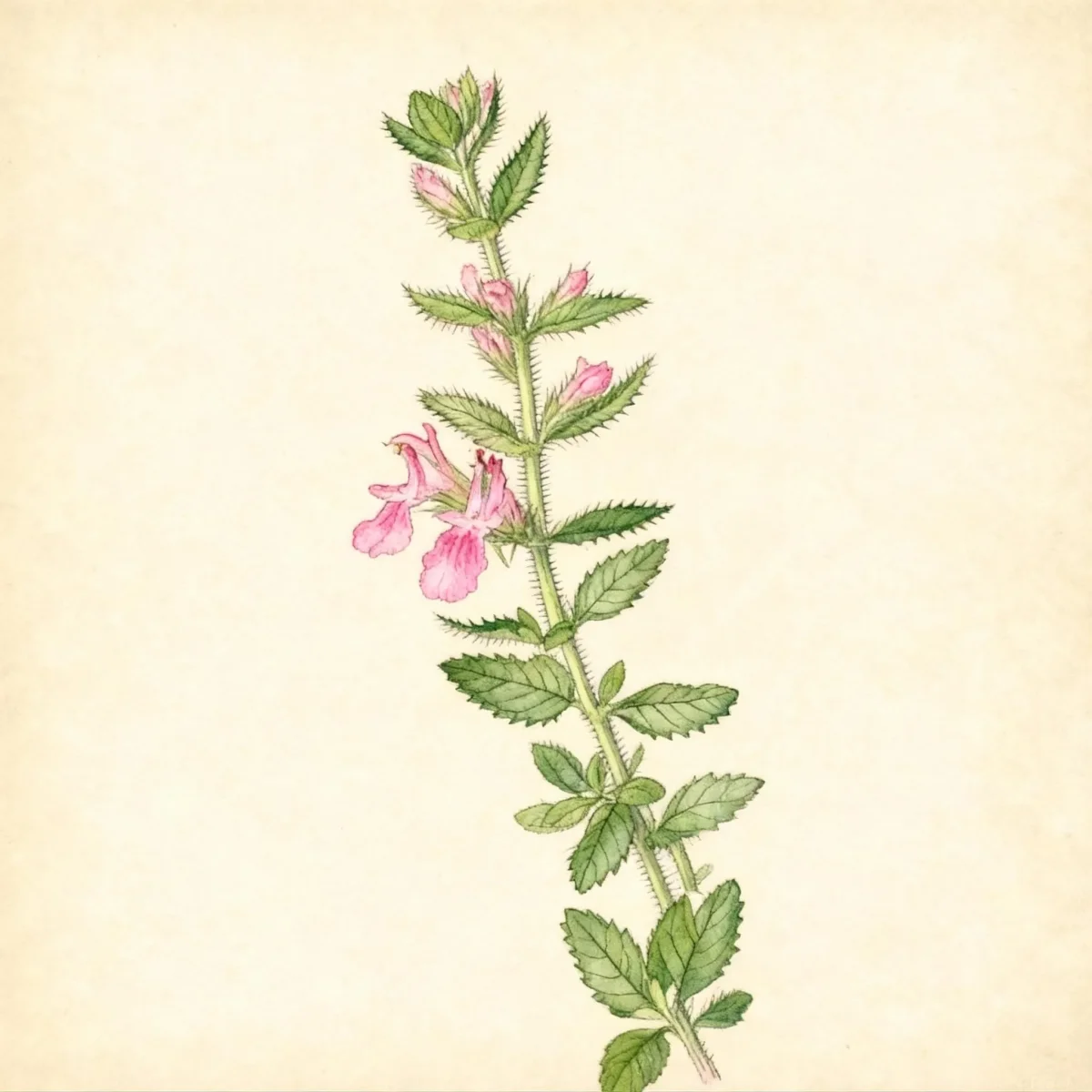
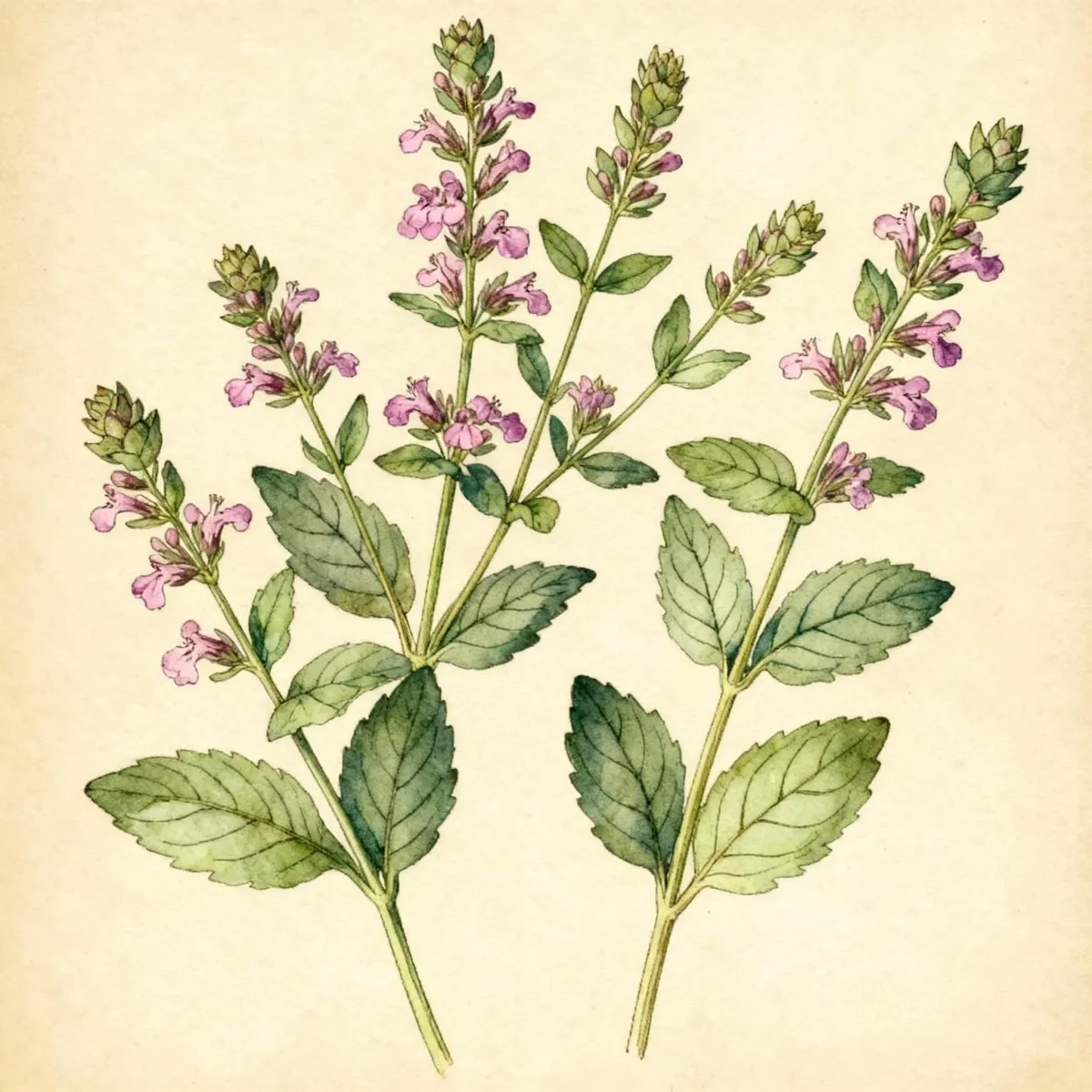
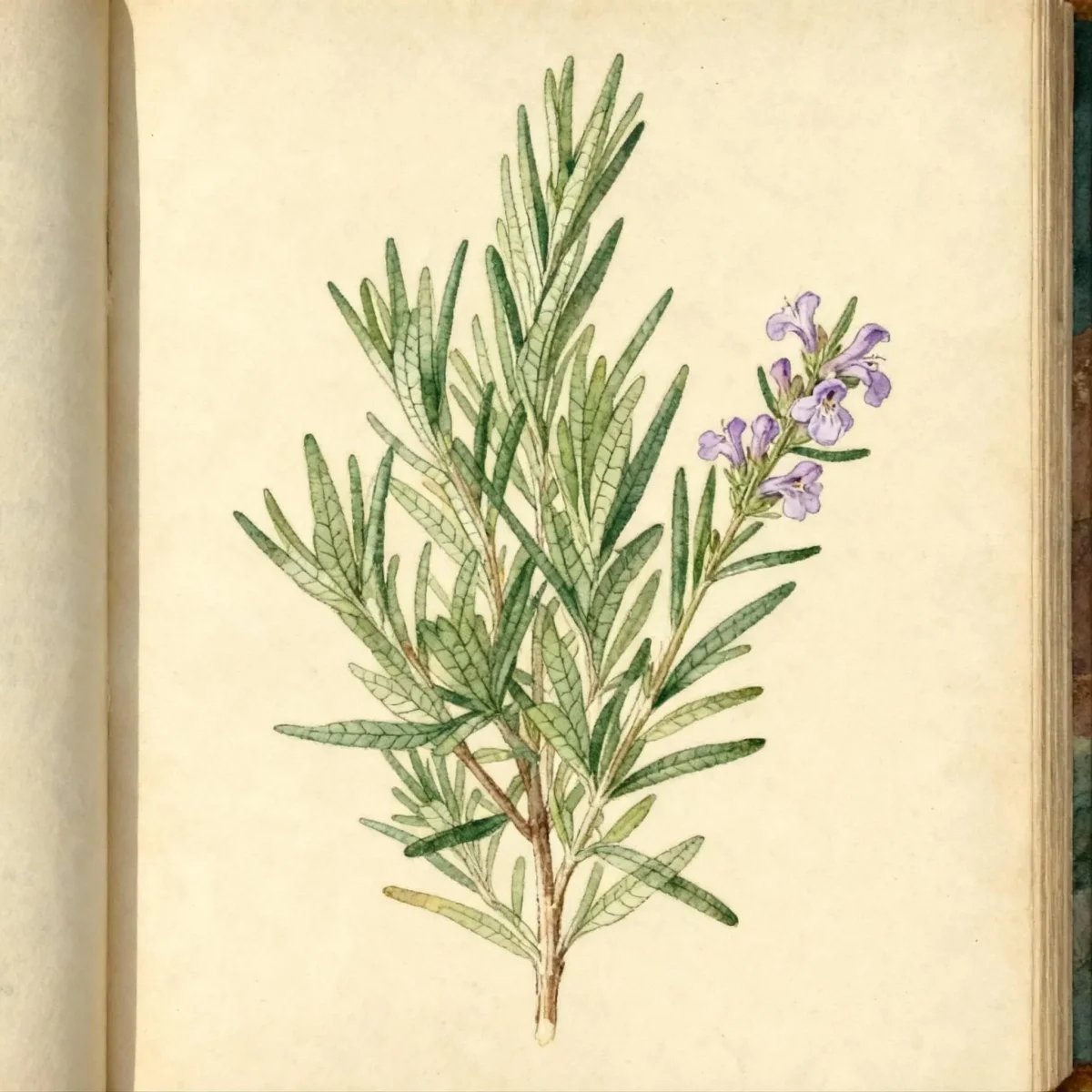
Contradina verticillata, commonly known as Cumberland rosemary, is a rare evergreen shrub of the mint family which typically grows to 15-20” tall. It is native to the Cumberland Plateau in several counties in eastern Kentucky and Tennessee where it is primarily found growing on sandy/gravelly stream banks which typically experience seasonal flooding followed by somewhat dry summers. Key shrub features include: (a) clumps/mats of spreading, bark-shredding, almost square-stemmed branches which root in the ground at the nodes, (b) stiff, aromatic, tiny, fragrant, needle-like leaves (to 3/4” long) which mimic the shape and exude the strong scent (particularly when crushed) of Salvia rosmarinus (the culinary rosemary of the mint family), (c) red-spotted, pink to lavender, two-lipped flowers (to 3/4” long) in axillary 2-7 flowered verticillasters which bloom in May-June, and (d) nutlets which fall to the ground when the calyx drops. Federally listed as Threatened by the USFWS (U. S. Fish and Wildlife Service).Genus name honors Solomon White Conrad (1779-1831), American botanist from Philadelphia.Specific epithet is in reference to the flowers appearing in verticillasters.Common name is in reference to the Cumberland Plateau where this plant is native.
Tolerances
- Drought
- Dry Soil
Potential Problems
This plant generally exhibits excellent resistance, with no serious insect or disease problems noted under correct growing conditions. The primary management issue is cultural: avoiding overly moist or rich, heavy soils, which can rapidly lead to root rot or decline, especially in wetter climates. Proper site selection focusing on sharp drainage is preventative maintenance for successful cultivation of Cumberland rosemary.
Frequently Asked Questions
What hardiness zones is Cumberland rosemary suitable for?
Conradina verticillata thrives in USDA hardiness zones 6 through 8.
How large does Conradina verticillata grow?
This shrub typically reaches heights and spreads between 1 and 2 feet tall and wide.
What sun exposure does Cumberland rosemary need?
It performs best in full sun, although it can tolerate some light shade in the landscape.
When does Conradina verticillata bloom?
The plant displays its lavender-pink flowers primarily from May to June.
Conclusion
Conradina verticillata offers unique texture, strong aroma, and resilience in dry, sunny locations, making it a valuable inclusion for specialized native plant collections. Successfully integrating Cumberland rosemary requires honoring its need for sharp drainage and sandy soil types. Always verify your local USDA zone compatibility to ensure this threatened, aromatic evergreen prospers long-term.
Companion Planting
When selecting companions for Conradina verticillata, prioritize plants that share a similar affinity for lean, well-drained, and drier sites. Look toward other members of the Lamiaceae family adapted to these conditions, such as certain Penstemons or native Thymes, which will not compete aggressively for root space or moisture. Placing this shrub near gravel or stone mulch will further enhance drainage and mimic the rocky streambanks where it naturally occurs. This association helps maintain the ecological integrity of a dry garden setting.
Propagation Tips
While often short-lived, Conradina verticillata can be encouraged to persist through opportunistic propagation. Stem cuttings taken during the growing season, particularly semi-hardwood cuttings, can be rooted to create new, genetically identical plants. Furthermore, allow seed capsules to mature and drop naturally; the seeds may germinate in the surrounding sandy soil, successfully renewing the population. These seedlings can then be cautiously transplanted to new, suitable, well-drained areas.