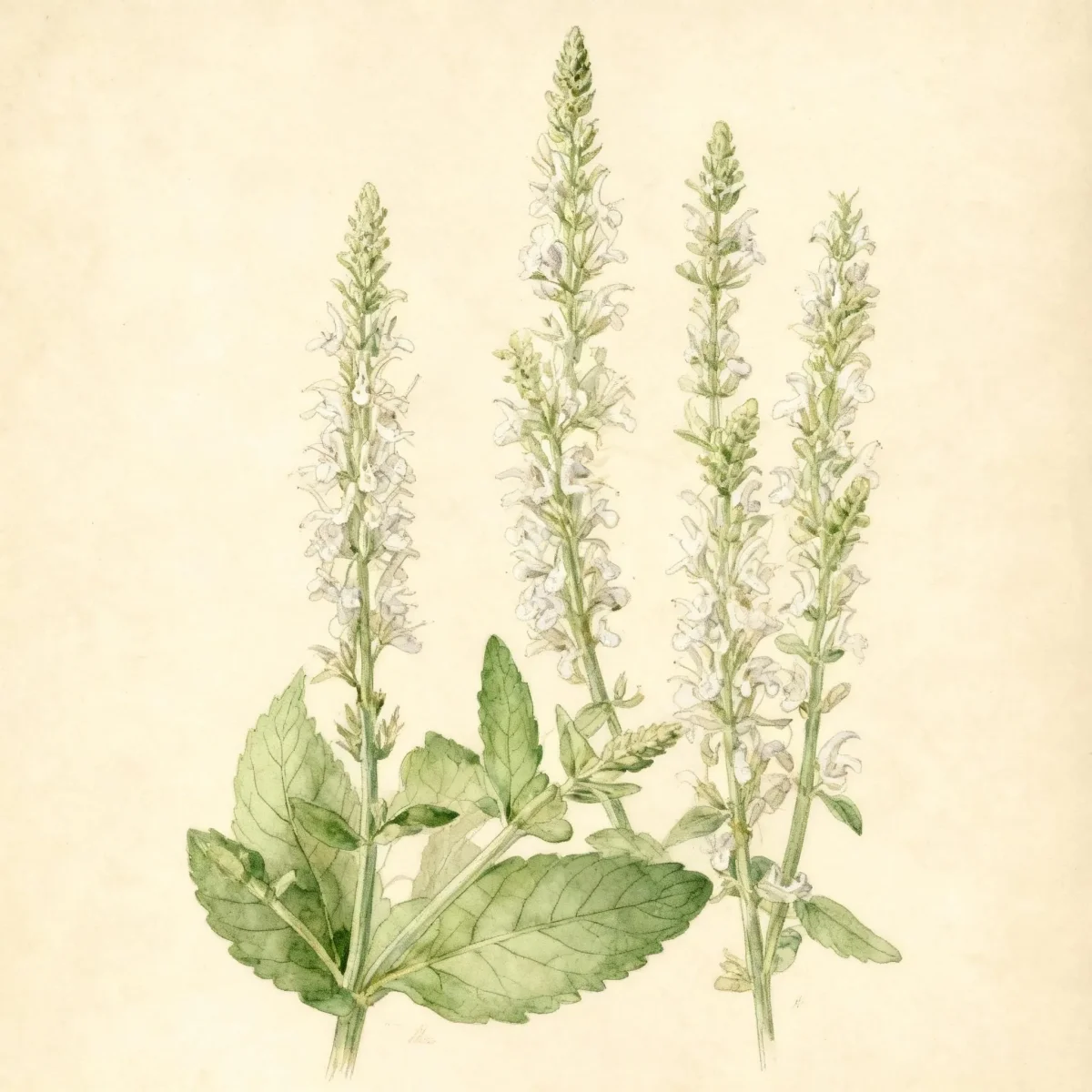
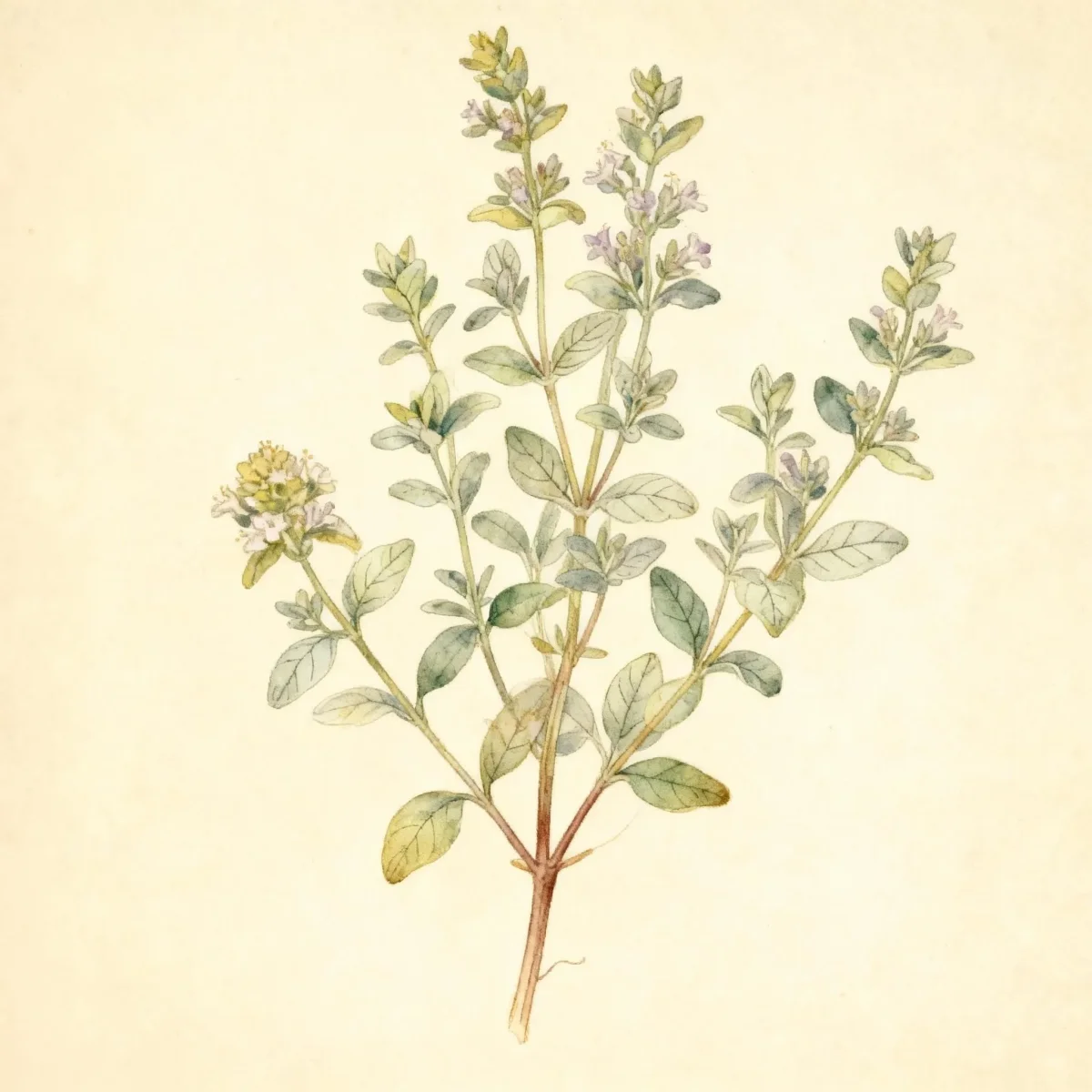
Calamint (Calamintha nepeta)
Discover Calamintha nepeta, the low-maintenance Calamint. A fragrant perennial blooming white flowers from June to September in full sun.
Scroll down to discover growing tips, care requirements, companion plants, and more
Complete Plant Information
Overview
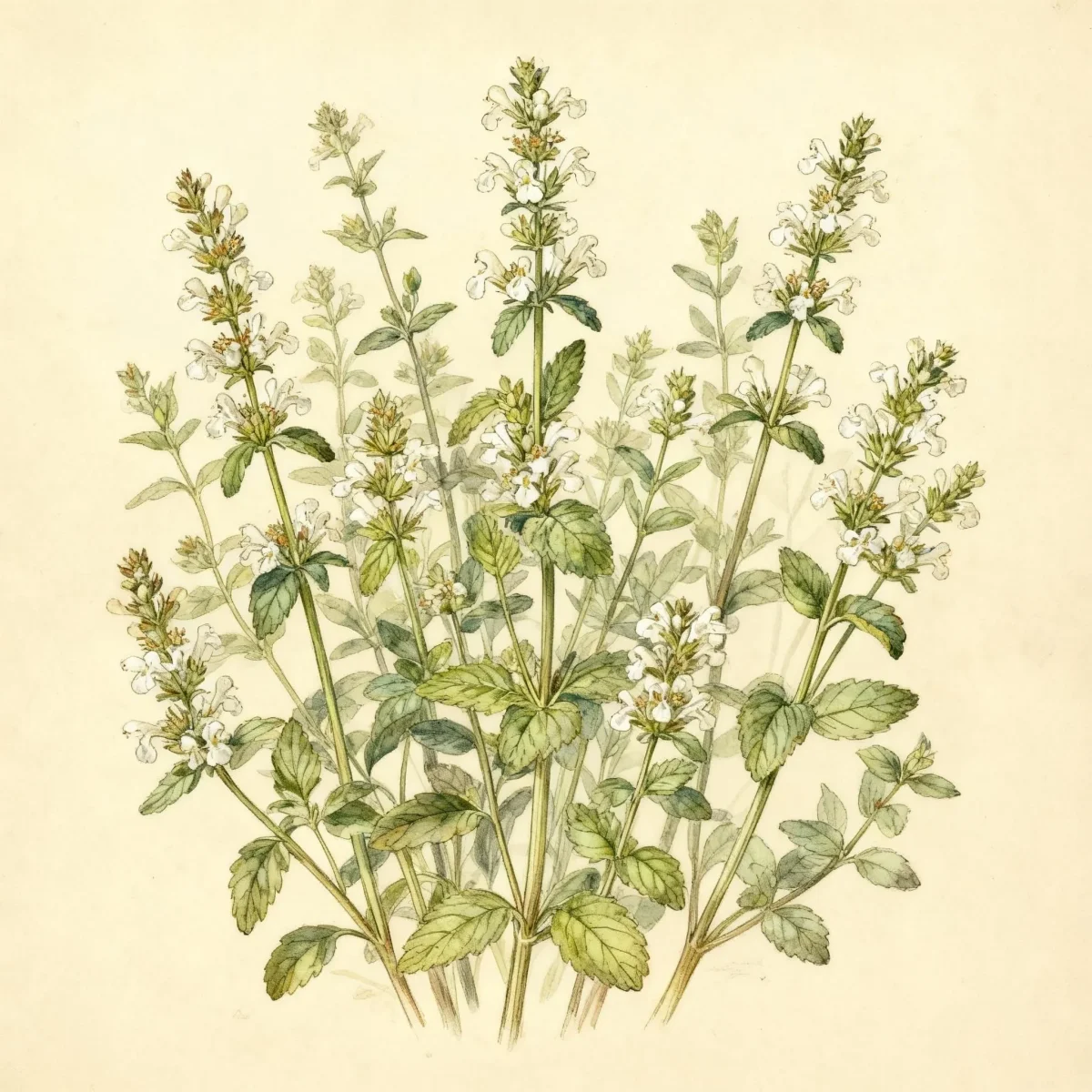
Calamint, scientifically known as Calamintha nepeta, is a highly valued herbaceous perennial celebrated for its long blooming season and aromatic foliage. This member of the mint family establishes quickly, forming a dense, spreading mat that effectively softens edges and fills gaps in the garden landscape. Gardeners appreciate its reliable performance and its ability to thrive in drier conditions once established.
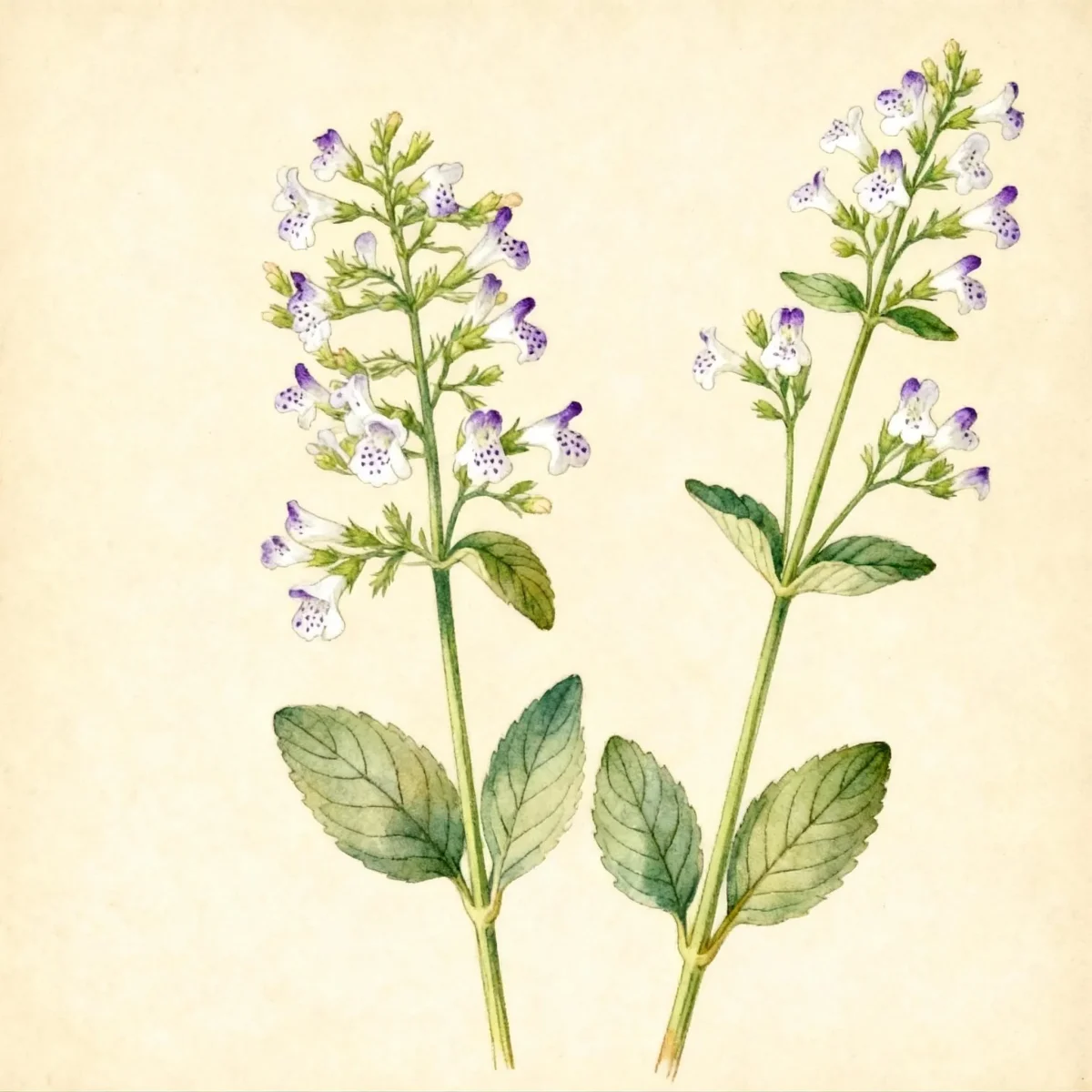
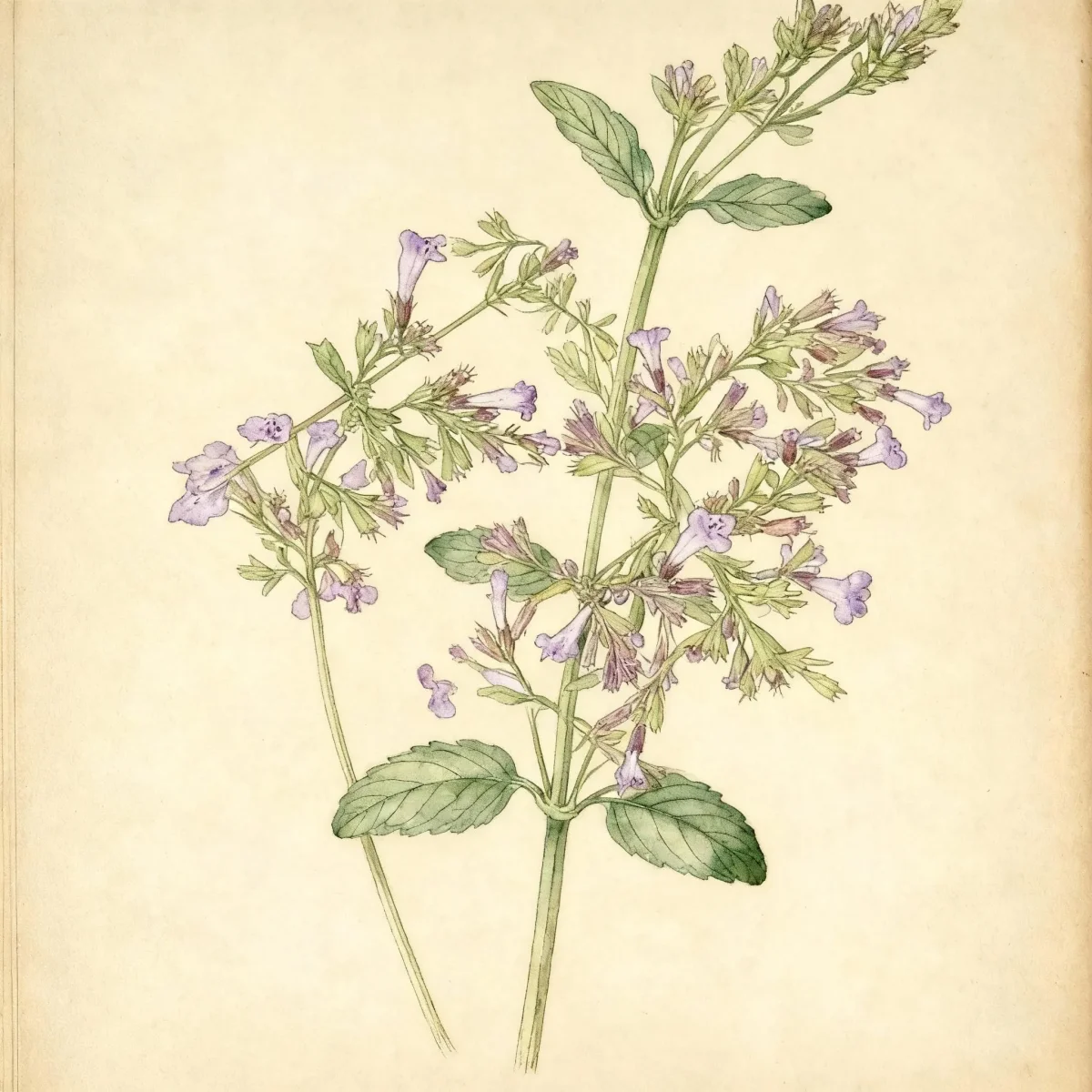
This bushy perennial features small, gray-green, ovate leaves that release a pleasant fragrance when crushed, hinting at its connection to savory herbs. From early summer through early autumn, Calamintha nepeta produces masses of tiny, tubular, lilac to white flowers over upright stems, making it a perennial powerhouse for continuous color. The flowers are particularly attractive, drawing in essential pollinators like bees throughout the season.
Known for its low-maintenance nature, Calamint is an excellent choice for gardeners seeking beauty without demanding constant attention. It spreads gently by rhizomes or self-seeding, often rooting where stems touch the ground, which helps it naturalize beautifully, provided the climate is not excessively hot and humid.
Fast Facts
- Plant Family: Lamiaceae
- Plant Type: Herbaceous perennial
- Native Range: Europe, northern Africa, western Asia
- Hardiness Zones: USDA Zones 5-7
- Size at Maturity:
- Height: 1-1.5 ft
- Spread: 1-1.5 ft
- Bloom Time: June to September
- Bloom Description: White
- Sun Exposure: Full sun
- Water Needs: Dry to medium
- Maintenance Level: Low
How to Grow
Calamintha nepeta is easily established by starting with seeds or purchased plants. Aim to plant in spring after the last frost date, choosing a location that receives full sun exposure for the best flower production. This herb is adaptable to slightly acidic to slightly alkaline soils, provided they are well-drained. While it prefers medium moisture during establishment, it thrives in dry to medium conditions once mature.
Once planted, care for Calamint is minimal. Although it tolerates drought well, consistent watering during dry spells will keep the foliage looking tidier, especially in intense heat. Avoid fertilizing unless the soil is extremely poor; excess nutrients can lead to looser growth and reduced flowering. Light afternoon shade is tolerated, but deep shade reduces vigor.
To maintain a compact shape and encourage fresh growth, shear or lightly cut back the plants immediately after the main bloom period concludes. This tidies the planting and prevents excessive, unwanted self-seeding throughout the borders. Remember that Calamintha nepeta does not typically perform well when grown south of USDA Zone 7 due to heat and humidity stress.
Landscape Uses
The naturalizing tendency of Calamint makes it an exceptional choice for softening hard edges. Due to its spreading habit, this herbaceous perennial functions beautifully when sprawled over low retaining walls or allowed to weave through rock gardens. It is highly recommended for border fronts where its texture and low stature will not obscure taller plantings.
Use Calamintha nepeta as an excellent edging plant alongside walking paths, patios, or within formal herb gardens where its fragrant leaves can be brushed against. It pairs well with other Mediterranean herbs or drought-tolerant perennials that appreciate sharp drainage and similar sun exposure. Allowing it to naturalize in drifts creates a relaxed, cottage-garden feel.
Standout Features
Flower Qualities
- Showy
Noteworthy Characteristics
Calamintha nepeta is a bushy, rhizomatous, perennial herb of the mint family that is native to Europe and the Mediterranean region. It typically forms a dense, indefinitely spreading, foliage mat with upright leafy flowering stems rising to 12-18” tall. Tiny, tubular, two-lipped, lilac to white flowers appear in axillary spikes over a long June-September bloom period, and these flowers are highly attractive to bees.
Tolerances
- Drought
- Erosion
- Dry Soil
- Shallow-Rocky Soil
Potential Problems
This plant exhibits remarkable resistance to serious insect pests and diseases, which greatly contributes to its low-maintenance profile. The primary concern for Calamintha nepeta is foliage decline when grown in areas characterized by hot and humid summer climates, such as areas south of USDA Zone 7. Managing expectations regarding plant health in these challenging environments is key; ensure excellent drainage to mitigate any risk of root issues.
Frequently Asked Questions
What hardiness zones is Calamint suitable for?
Calamintha nepeta is reliably hardy in USDA Zones 5 through 7.
How large does Calamint grow?
This perennial typically reaches a mature height between 1 and 1.5 feet tall, with a similar spread of 1 to 1.5 feet.
When does Calamintha nepeta bloom?
Calamint produces its small, white flowers consistently throughout the summer, blooming from June well into September.
What sun exposure does Calamintha nepeta need?
For optimum vigor and flowering, Calamintha nepeta requires full sun exposure in the garden.
Conclusion
The fragrant foliage and extended bloom period featuring white flowers make Calamintha nepeta a resilient and attractive addition to nearly any sunny border or rockery. Its low maintenance and excellent drought tolerance cement its status as a gardener favorite. Before planting your Calamint, confirm your location falls within USDA Zones 5-7 and prepare well-draining soil for lasting success.
Companion Planting
Selecting appropriate companions ensures that Calamintha nepeta thrives within its cultural requirements while contributing textural contrast. Plants that share a preference for full sun and dry-to-medium moisture are ideal partners. Consider pairing it with ornamental grasses that appreciate aeration, such as Blue Fescue (Festuca glauca), or tough ornamental sages (Salvia species).
For areas where you wish to encourage pollinators, combine Calamint with other long-bloomers like lavender or sedums. The low, spreading habit of this perennial works well to conceal the bare bases of taller, woody shrubs or dormant spring bulbs, providing continuous ground cover throughout the growing season.
Wildlife Benefits
The tiny, nectar-rich flowers of Calamintha nepeta provide an invaluable late-season food source for numerous beneficial insects. The specific structure of the tubular flowers is perfectly suited for pollination by bees and hoverflies, extending local pollinator support well beyond mid-summer displays. Planting Calamint near vegetable gardens can enhance the activity of these beneficial insects nearby.
While the foliage is famously aromatic (though less strongly attractive to cats than true catnip), it is the sustained floral display that draws in the widest array of small foraging wildlife. Focus on allowing the plant to fully mature and bloom uninterruptedly from June to September to maximize these ecological benefits for your garden ecosystem.