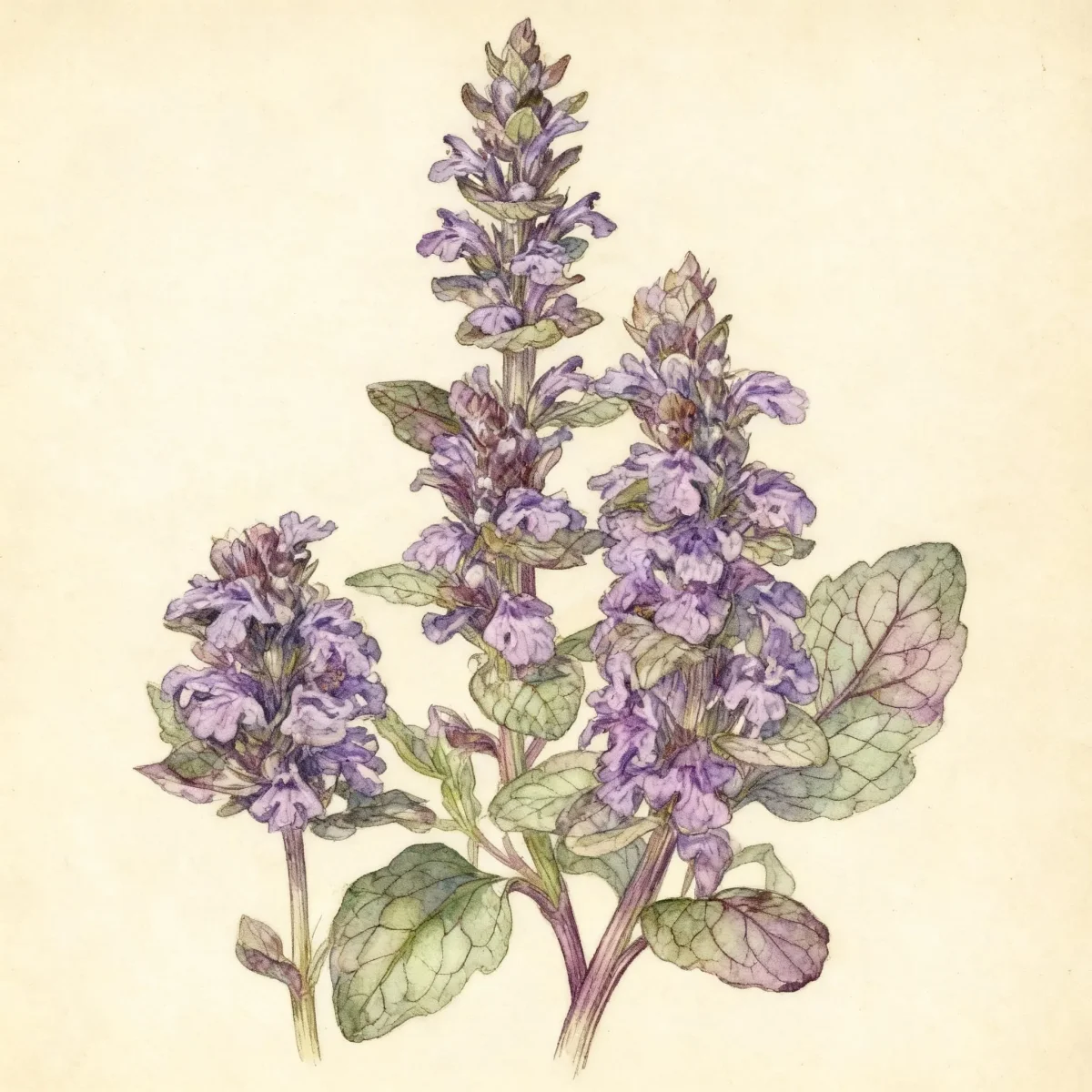
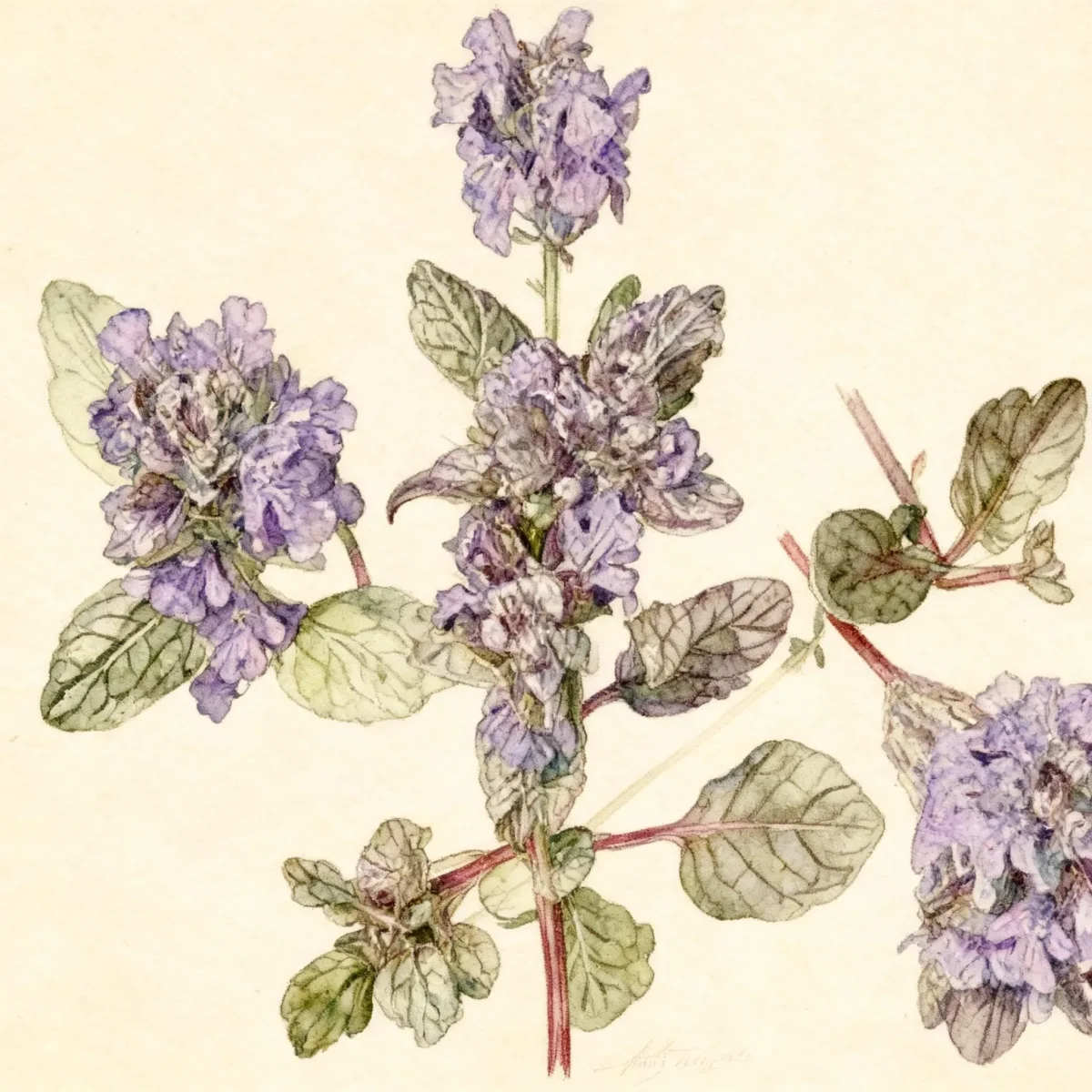
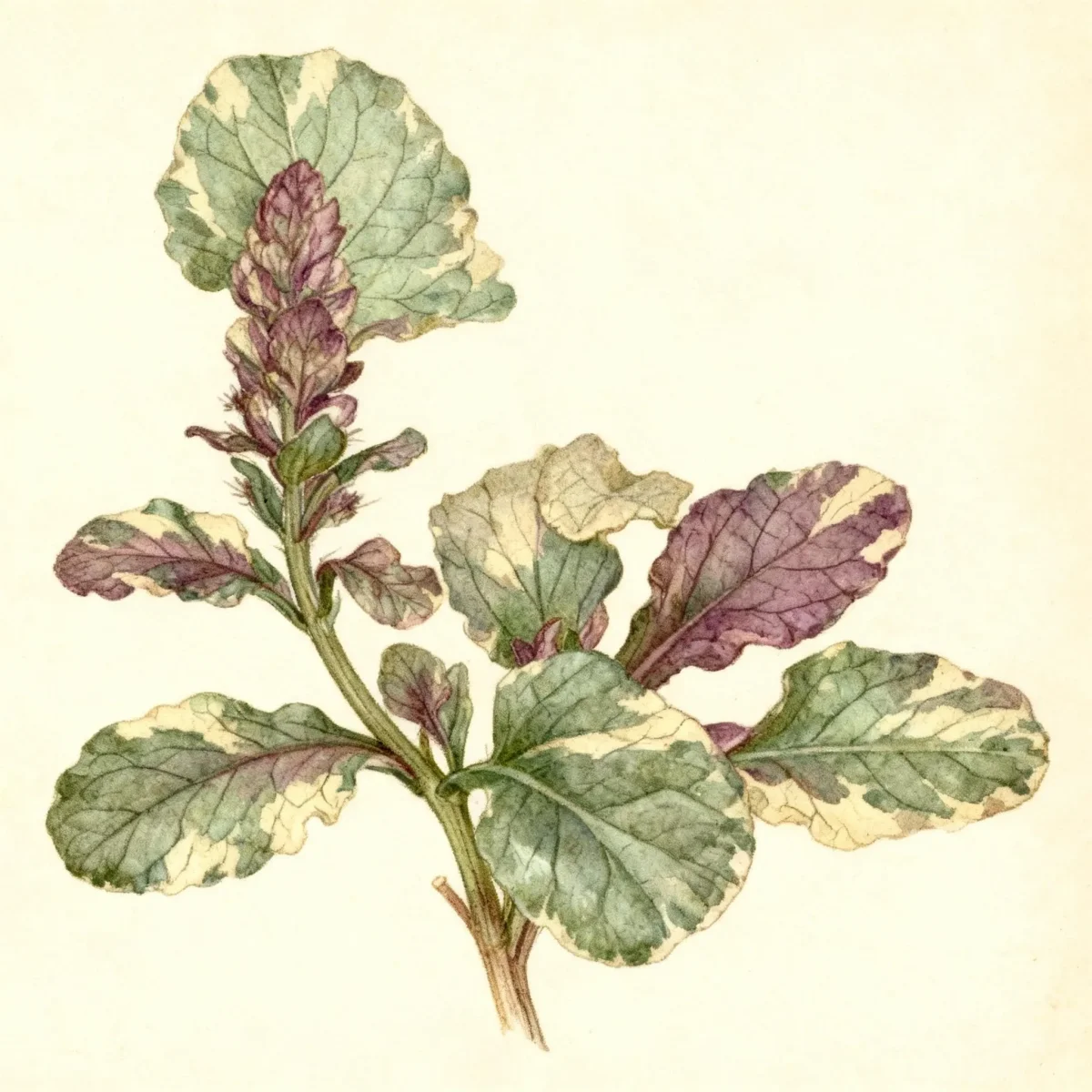
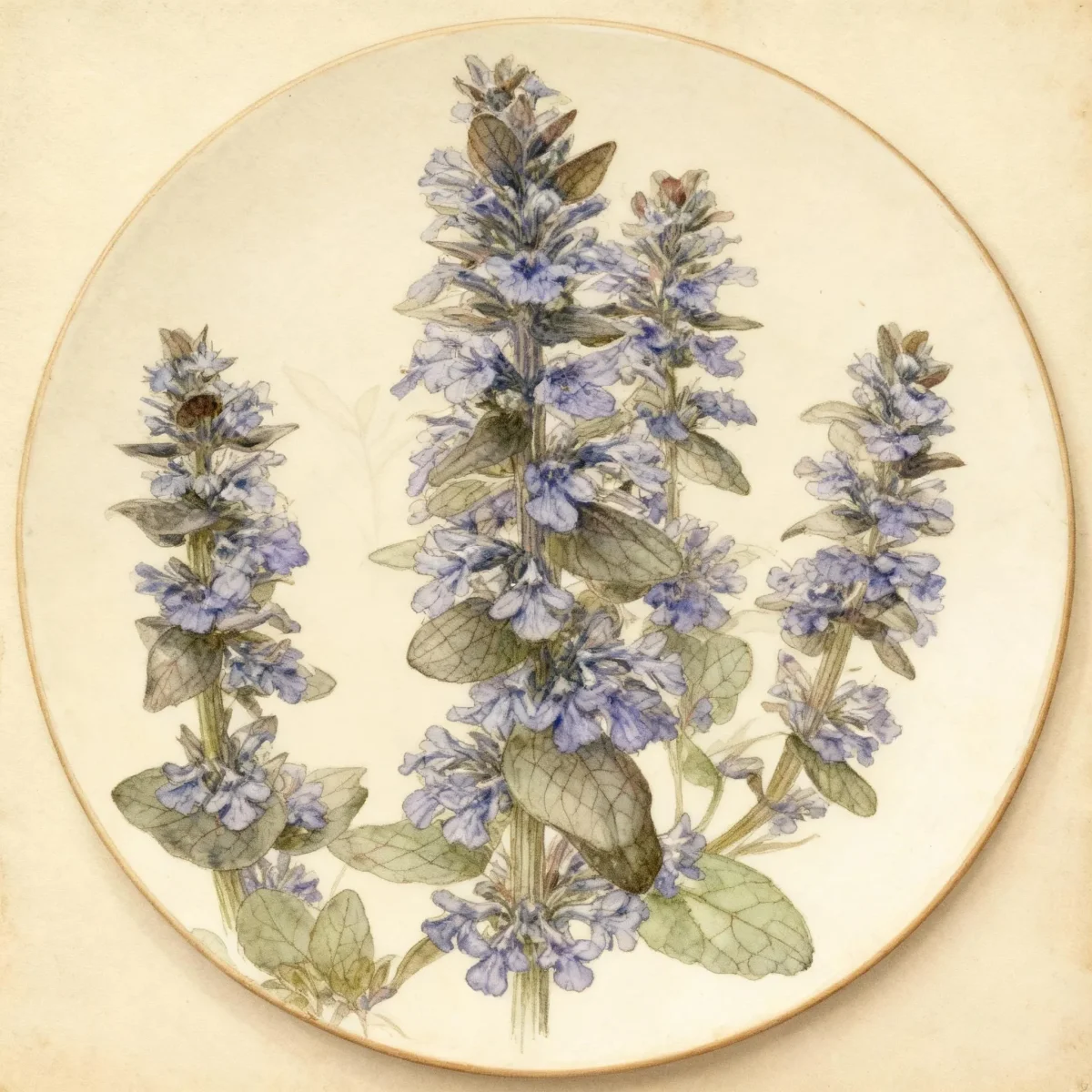
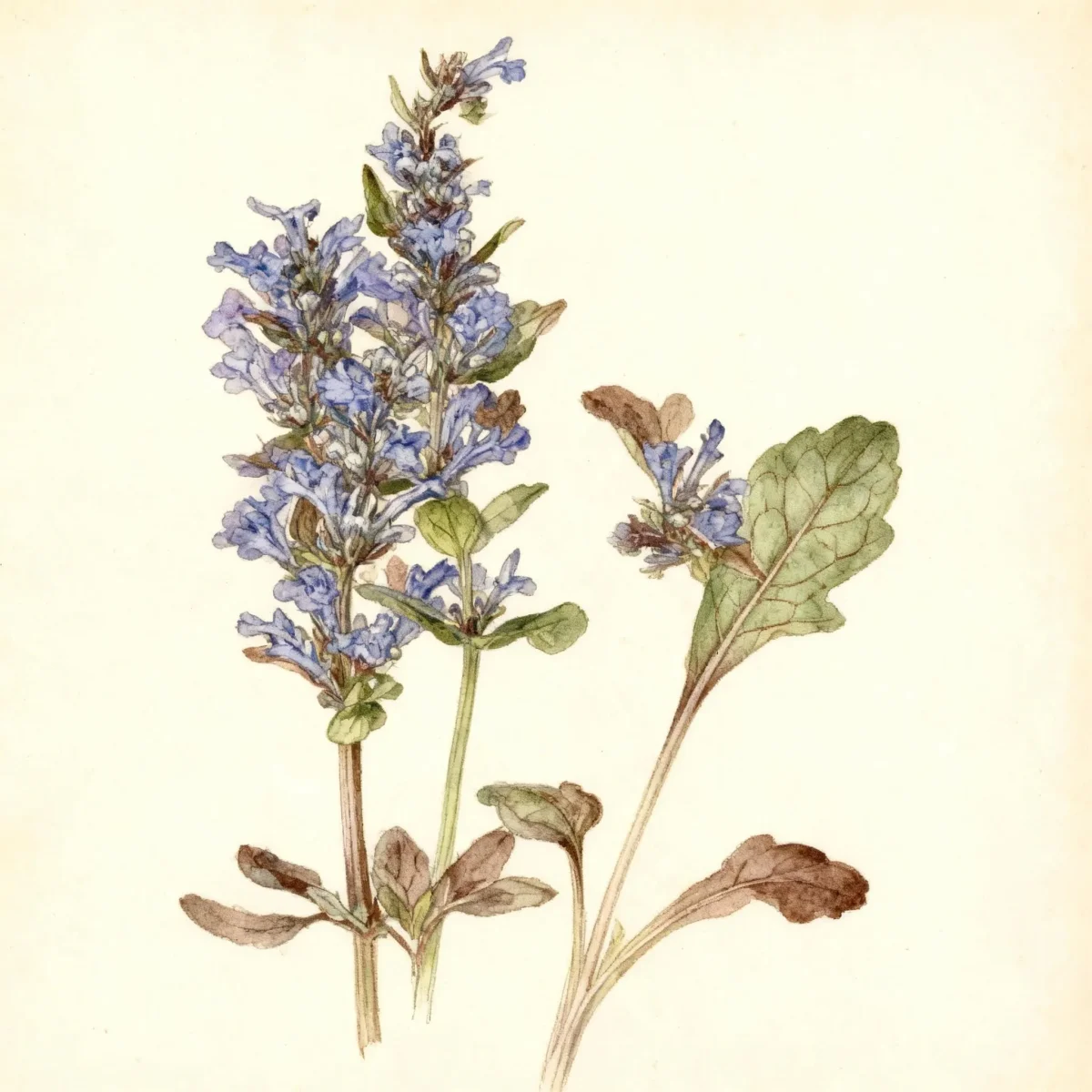
Northern dragonhead (Dracocephalum ruyschiana)
The highly fragrant Northern dragonhead (Dracocephalum ruyschiana) is a low-maintenance perennial for zones 3-7, blooming blue in mid-summer.
Scroll down to discover growing tips, care requirements, companion plants, and more
Complete Plant Information
Overview
The Northern dragonhead, Dracocephalum ruyschiana, brings vibrant, intensely fragrant blue flowers to the summer garden. This clump-forming herbaceous perennial belongs to the mint family and offers excellent garden impact without demanding extensive care. Its structure and color make it a standout addition to perennial borders and rock gardens across diverse climates.
Native to montane grasslands spanning from Central Europe through Siberia, Dracocephalum ruyschiana is remarkably resilient. It forms neat mounds of foliage, typically reaching under a foot in height, providing good texture throughout the season. The plant’s common name, dragonhead, refers directly to the distinctive hooded shape of its flowers.
Gardeners appreciate Dracocephalum ruyschiana for its low maintenance needs and reliability in cooler zones. It thrives in full or partial sun, provided the soil remains consistently moist but well-drained. Expect a beautiful display of intensely blue blooms during the peak of summer, appealing both visually and aromatically.
Fast Facts
- Plant Family: Lamiaceae
- Plant Type: Herbaceous perennial
- Native Range: Central Europe, Russia, Asia
- Hardiness Zones: USDA Zones 3-7
- Size at Maturity:
- Height: 0.5-1 ft
- Spread: 1-1.5 ft
- Bloom Time: July to August
- Bloom Description: Blue
- Sun Exposure: Full sun to part shade
- Water Needs: Medium
- Maintenance Level: Low
How to Grow
For optimal establishment of Northern dragonhead, plant in the spring or fall when temperatures are moderate. Ideal sites feature well-drained soil that retains consistent moisture; this plant dislikes sitting in soggy conditions, even though it requires medium water levels. Dracocephalum ruyschiana is winter hardy down to Zone 3, demonstrating excellent cold tolerance.
Regular watering is essential during the first growing season to establish a strong root system. Once mature, water deeply if rainfall is scarce, especially during hot dry spells. Fertilizing is rarely necessary; healthy soil usually provides sufficient nutrition. Deadheading spent flower spikes can encourage a tidier look but is not required for continued health.
Maintenance for this perennial is conveniently low. At the end of the season, the faded foliage can be cut back, though often the plant remains tidy enough to manage with just a light trim in early spring before new growth emerges. Propagating Dracocephalum ruyschiana is easily accomplished through division of the established clumps, typically done in spring or fall to refresh older plants.
Landscape Uses
The manageable height and vibrant blue flowers make the Northern dragonhead an excellent choice for creating defined lines and borders. It is particularly effective when used in mass plantings or drifts, allowing its color impact to be fully realized during its July to August bloom window. Consider placing it along pathways where its fragrant qualities can be easily enjoyed.
Due to its preference for well-drained soil and its rock garden suitability, pairing Dracocephalum ruyschiana with other tough, sun-loving perennials works well. Good companions include catmint (Nepeta), Russian sage (Perovskia), and various ornamental sages (Salvia). These plants share similar cultural requirements and provide complementary textures and bloom times.
When utilizing Dracocephalum ruyschiana in general garden use, remember that its foliage provides a neat, green base when not in bloom. It provides structural interest without becoming overly aggressive, helping to anchor mixed perennial beds.
Standout Features
Flower Qualities
- Showy
- Fragrant
Noteworthy Characteristics
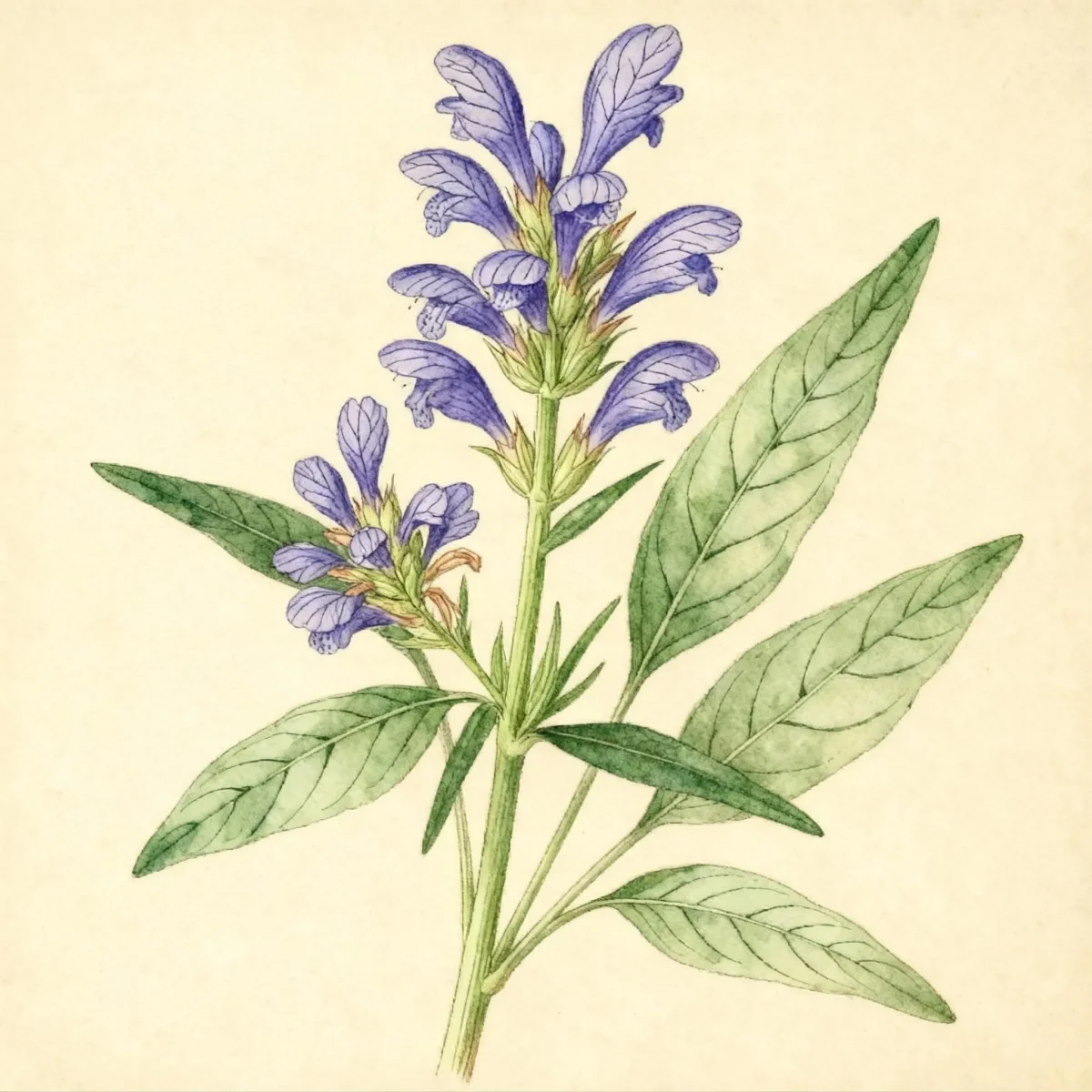
Dracocephalum ruyschiana, commonly known as dragonhead, is a clump-forming herbaceous perennial of the mint family which produces foliage to 8” tall spreading to 18” wide. It is native to montane grasslands from central Europe to Siberia. The common name of dragonhead is in reference to the shape of the flower. Its two-lipped, strongly-fragrant, hooded blue flowers bloom profusely in mid-to-late summer.
Tolerances
No specific tolerances were listed for this variety.
Potential Problems
Fortunately, Dracocephalum ruyschiana generally avoids serious pest infestations or severe diseases. Gardeners should remain vigilant for common fungal issues inherent to the Lamiaceae family, specifically powdery mildew, rust, and blight. Ensuring excellent air circulation by spacing plants adequately is the best preventative measure. If fungal spots appear, treat promptly with a targeted fungicide and avoid overhead watering during the evening hours.
Frequently Asked Questions
What hardiness zones is Northern dragonhead suitable for?
The Northern dragonhead (Dracocephalum ruyschiana) is a robust perennial well-suited for USDA Zones 3 through 7.
How large does Northern dragonhead grow?
This species typically reaches a height between 0.5 and 1 foot tall with a spread of 1 to 1.5 feet wide at maturity.
What sun exposure does Northern dragonhead need?
Dracocephalum ruyschiana performs best when situated in an area receiving full sun to part shade.
When does Northern dragonhead bloom?
You can expect brilliant blue flowers from Dracocephalum ruyschiana throughout the peak summer months, specifically from July to August.
Conclusion
The Northern dragonhead offers exceptional value as a reliably cold-hardy and easy-to-manage perennial. Its showy, fragrant blue blooms in mid-summer provide crucial color when many spring flowers have faded. Before planting, confirm that your hardiness zone falls between 3 and 7, and ensure you can provide a reliably moist but well-drained spot for your Dracocephalum ruyschiana to thrive.
Propagation Tips
Division is the most reliable method for increasing your supply of Dracocephalum ruyschiana. Perform this task in early spring just as new growth begins, or in the early fall, allowing the new divisions several weeks to establish roots before hard freezes arrive. Dig up the mature clump and use a sharp spade or knife to carefully separate it into smaller sections, ensuring each piece has adequate roots and a few healthy growing points. Replant the divisions immediately at the same depth they were previously growing.
Companion Planting
When planning perennial borders, consider pairing Dracocephalum ruyschiana with plants that appreciate similar moisture levels and sun exposure. White or yellow flowering plants create a striking complementary contrast to the deep blue flowers of the dragonhead. Excellent partners include sturdy Alliums that finish blooming before the Northern dragonhead reaches its peak, or Shasta Daisies which bloom concurrently, providing bright accents near the cooler blue tones.