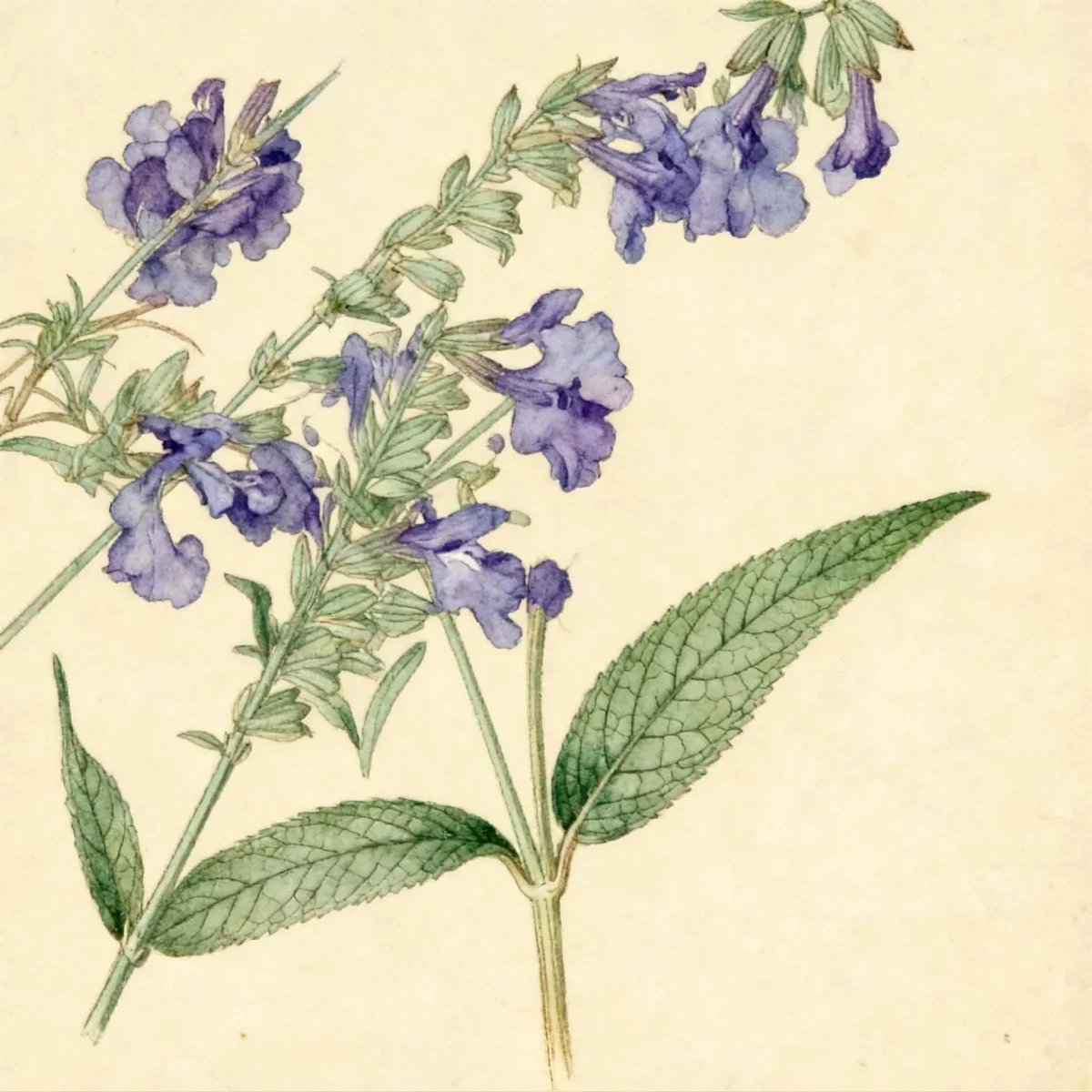
Blue sage (Salvia azurea var. grandiflora)
Stunning Salvia azurea var. grandiflora, or Blue sage, offers azure spikes July-Oct. Drought tolerant perennial for full sun gardens.
Scroll down to discover growing tips, care requirements, companion plants, and more
Complete Plant Information
Overview
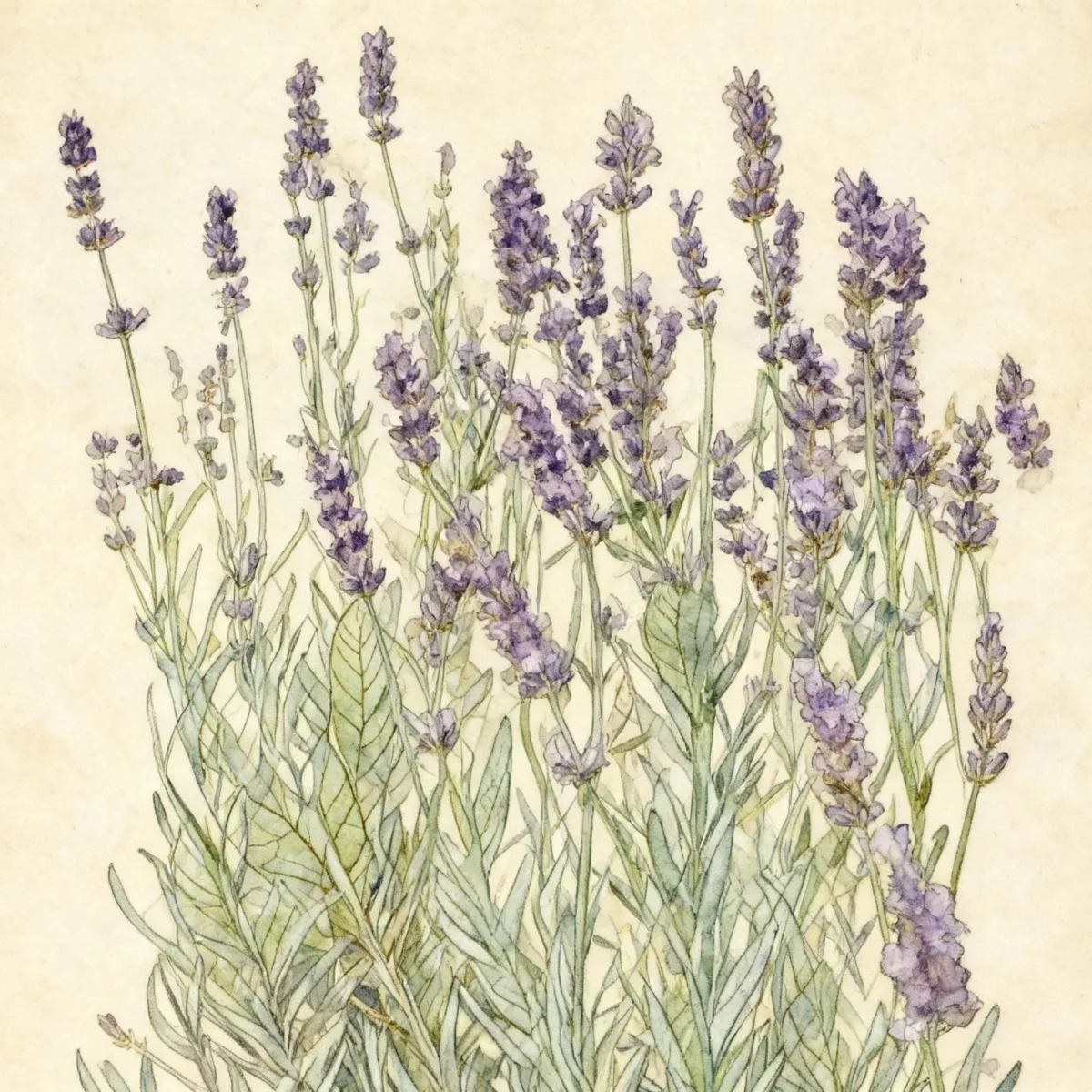
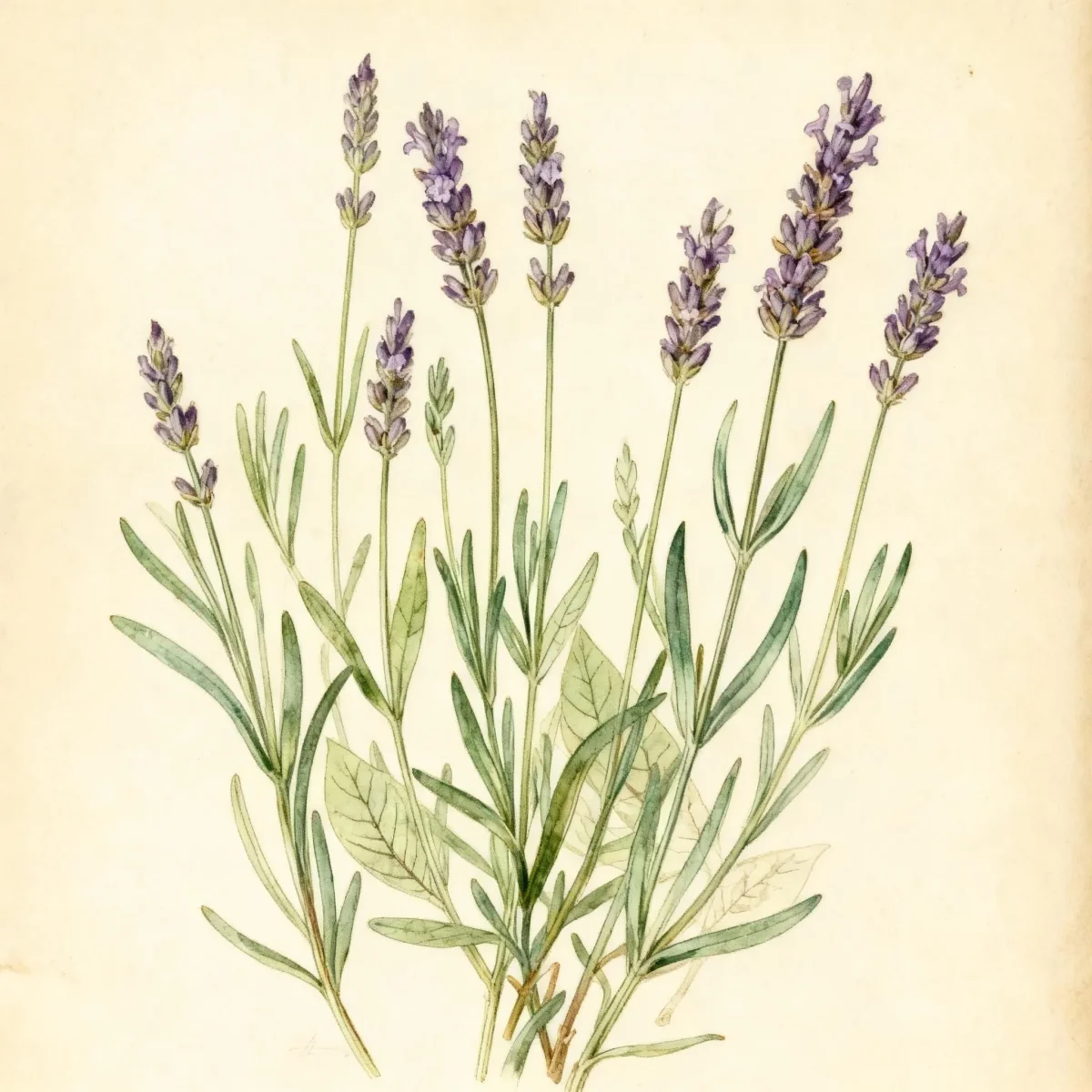
The glorious Salvia azurea var. grandiflora, commonly known as Blue sage, is a late-season star prized for its intensely colored, azure-blue flower spikes that stand tall against summer heat. This herbaceous perennial brings vibrant, cool color to the garden just as many other spring bloomers begin to fade, extending the visual interest well into the autumn months. It is a clump-forming native, offering excellent aesthetic appeal atop stiff stems clad with linear, grayish-green leaves.
Native to the Southern United States, Blue sage (Salvia azurea var. Grandiflora) thrives in conditions that mimic its drier native prairies and woodlands. While elegant in garden settings, it rewards gardeners with minimal fuss, tolerating heat, humidity, and drought once established. The ‘Grandiflora’ designation highlights its advantage: this variety features notably larger flowers than its relatives, making it a superior choice for gardeners seeking maximum visual impact from this sky-blue beauty.
For optimal performance, provide Salvia azurea var. grandiflora with consistent sunlight and well-drained soil. Its upright habit and striking coloration make it a fantastic vertical element, successfully bridging the transition between formal perennial borders and more naturalized, prairie-style plantings. It requires surprisingly little intervention to provide reliable summer and fall color.
Fast Facts
- Plant Family: Lamiaceae
- Plant Type: Herbaceous perennial
- Native Range: Southern United States
- Hardiness Zones: USDA Zones 5-9
- Size at Maturity:
- Height: 3-5 ft
- Spread: 2-4 ft
- Bloom Time: July to October
- Bloom Description: Blue
- Sun Exposure: Full sun
- Water Needs: Dry to medium
- Maintenance Level: Medium
How to Grow
Planting your Blue sage is best accomplished in the spring after the danger of hard frost has passed, allowing the root system to establish before the summer heat sets in. This Salvia azurea var. grandiflora demands full sun to produce the best flower spikes, though it will tolerate very light shade. Ensure the planting location features average, well-drained soil; sodden or heavy clay soils should be amended to avoid root rot, especially during winter dormancy.
Care is generally straightforward, relying on its drought tolerance once mature. Water regularly during its first year to encourage deep rooting. Established plants require only supplemental water during prolonged dry spells. Over-fertilizing should be avoided, as rich, heavy soil can exacerbate stem laxness. This plant appreciates its dry to medium water needs.
A critical maintenance task involves pruning in late spring. Cut the plants back by about half their height. This practice achieves two important goals: it helps keep the plants shorter, preventing them from becoming leggy, and it actively promotes a bushier, stronger growth habit to better support those tall flower spikes. Without this pruning, the lax stems may lodge easily.
Landscape Uses
Salvia azurea var. grandiflora serves effectively in several landscape roles due to its vertical structure and late-season color show. It is an excellent component for planting in borders, where its height provides a beautiful backdrop for shorter flowers. It blends seamlessly into cottage gardens, offering an airy, native texture among classic perennials.
For a more naturalistic approach, incorporate Blue sage into native plant gardens or sweeping prairie-like areas. Its required dry soil tolerance makes it an ideal candidate for xeriscaping or stabilizing slightly challenging, dry slopes. Plant it alongside coneflowers, goldenrods, or native grasses to create dynamic, ecologically sound groupings.
This plant also performs well in wild or naturalized plantings where it can be allowed to spread gently without intense manicuring. While it needs support if unpruned, its architectural presence in the late summer landscape is undeniable, making it a reliable workhorse for structure.
Standout Features
Flower Qualities
- Showy
Noteworthy Characteristics
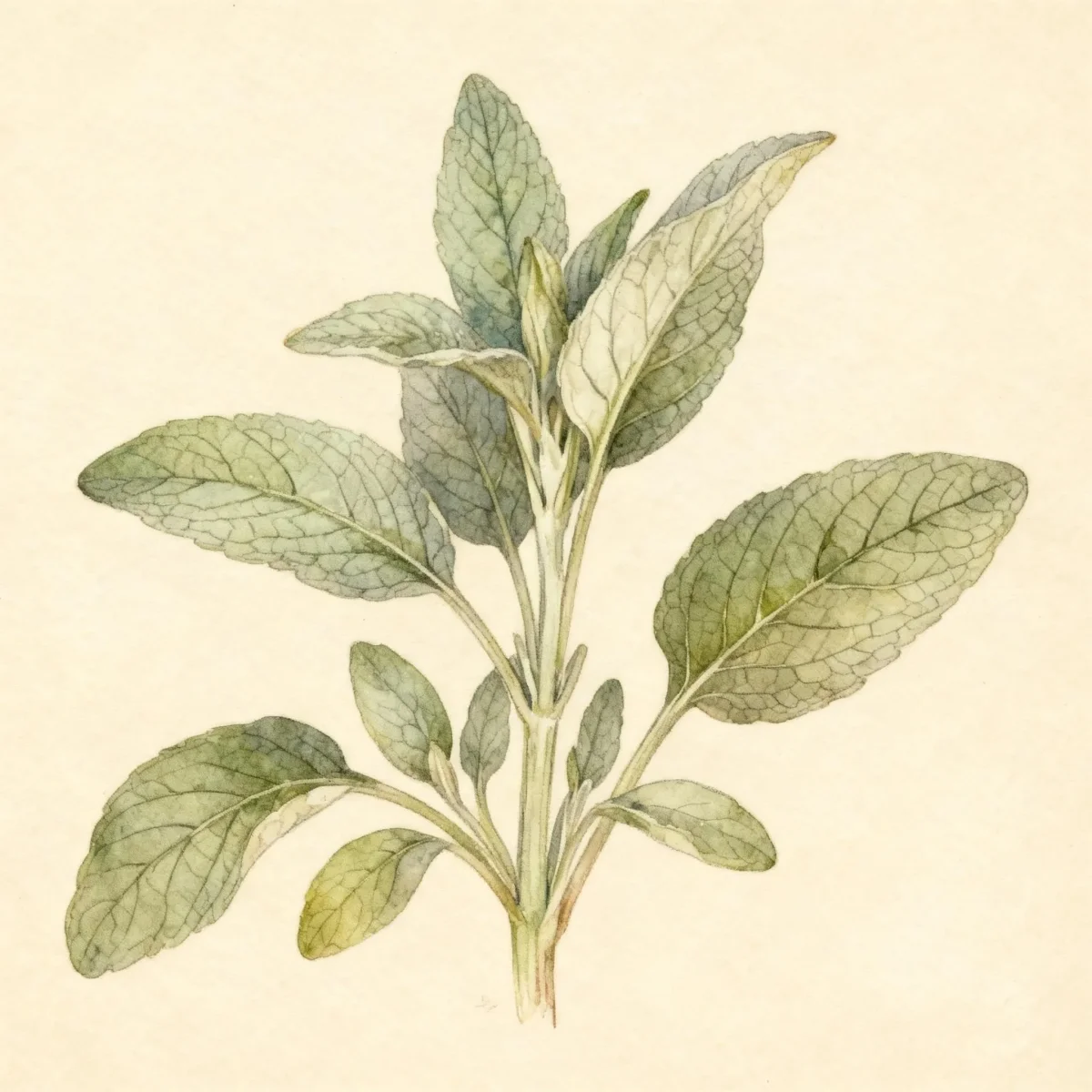
Salvia azurea, commonly called blue sage, is a clump-forming perennial that typically grows to 3-5’ tall (shorter if pruned). Whorls of 2-lipped, azure blue flowers bloom in spikes from mid-summer to fall atop stiff stems clad with linear to lanceolate to obovate, grayish-green leaves (to 3-4” long). Salvia azurea var. Grandiflora grows further west to New Mexico and further north to Nebraska and Minnesota, and Var. Grandiflora is often considered to be a better garden plant than var. Azurea due to its larger flowers.
Tolerances
- Deer
- Drought
- Dry Soil
- Shallow-Rocky Soil
Potential Problems
Blue sage is generally regarded as resilient, presenting no serious insect or disease problems under ideal cultural conditions. However, attentive gardeners should watch for common fungal issues like leaf spot and rust, especially in humid environments or where air circulation is poor. Occasionally, pests like whitefly or scale might appear, though they usually do not cause significant long-term damage to a healthy planting of Salvia azurea var. grandiflora.
The primary structural concern involves stem lodging. The plant’s stems can become lax, especially if grown with too much fertilizer or insufficient light, causing them to lean or flop over. To manage this proactively, remember to cut the plants back by 1/2 in late spring to promote staunch growth and bushiness, reducing the need for staking later in the season.
Frequently Asked Questions
What hardiness zones is Salvia azurea var. grandiflora suitable for?
Salvia azurea var. grandiflora is hardy across USDA Zones 5 through 9.
How large does Blue sage grow?
This herbaceous perennial generally reaches a mature height between 3 and 5 feet, with a spread ranging from 2 to 4 feet if left unpruned.
When does Salvia azurea var. grandiflora bloom?
The sky-blue flowers of this plant appear along the spikes from July through October, providing excellent late-season color.
What sun exposure does Blue sage need?
For the most robust growth and best flowering display, Salvia azurea var. grandiflora requires full sun exposure.
Conclusion
The unmatched azure display of Salvia azurea var. grandiflora ensures that your garden retains vibrant color from mid-summer until the first hard frost. Valued for its drought tolerance and impressive stature, this Blue sage is a stellar choice for low-maintenance, high-impact native gardening. Before planting, confirm your location falls within USDA Zones 5-9 and plan for that essential late-spring pruning to guarantee strong, upright stems.
Companion Planting
Selecting companions that share the preference for full sun and dry to medium soil will ensure the success of your Blue sage. Pair it with other robust, late-blooming prairie natives like various species of Rudbeckia (Black-eyed Susan) or Solidago (Goldenrod) to create a tapestry of complementary shapes and textures. These drought-tolerant partners will not compete heavily for water.
Consider shorter blooming plants that fill the gap before this Salvia reaches its peak, such as Baptisia or early blooming Echinacea. By layering plants with different bloom times but similar cultural needs, you ensure continuous interest in the border without having to amend the soil chemistry drastically between groups.
For a truly native display emphasizing the blue tones of Salvia azurea var. grandiflora, look toward other salvias or native asters that thrive in poor or dry conditions. This approach supports local ecosystems while meeting the specific soil and sun requirements of this beautiful perennial.
Wildlife Benefits
The genus Salvia is universally recognized for its appeal to pollinators, and Salvia azurea var. grandiflora is no exception. Its late-season bloom time is particularly crucial, providing necessary nectar and pollen resources when many other floral food sources have diminished. Bees, including various native and honeybee species, are highly attracted to the nectar-rich, 2-lipped flowers.
The structure of the flower spikes also makes them attractive to long-tongued pollinators. Furthermore, as a native plant, it supports the entire local insect ecology, which in turn benefits birds that rely on insect populations for food. Even when the flowers are spent, the seed heads can offer winter foraging opportunities.
Because Blue sage is deer tolerant and thrives without demanding high levels of care, it provides excellent ecological value without creating extra work or requiring pesticide inputs, aligning perfectly with sustainable gardening practices for perennial borders.