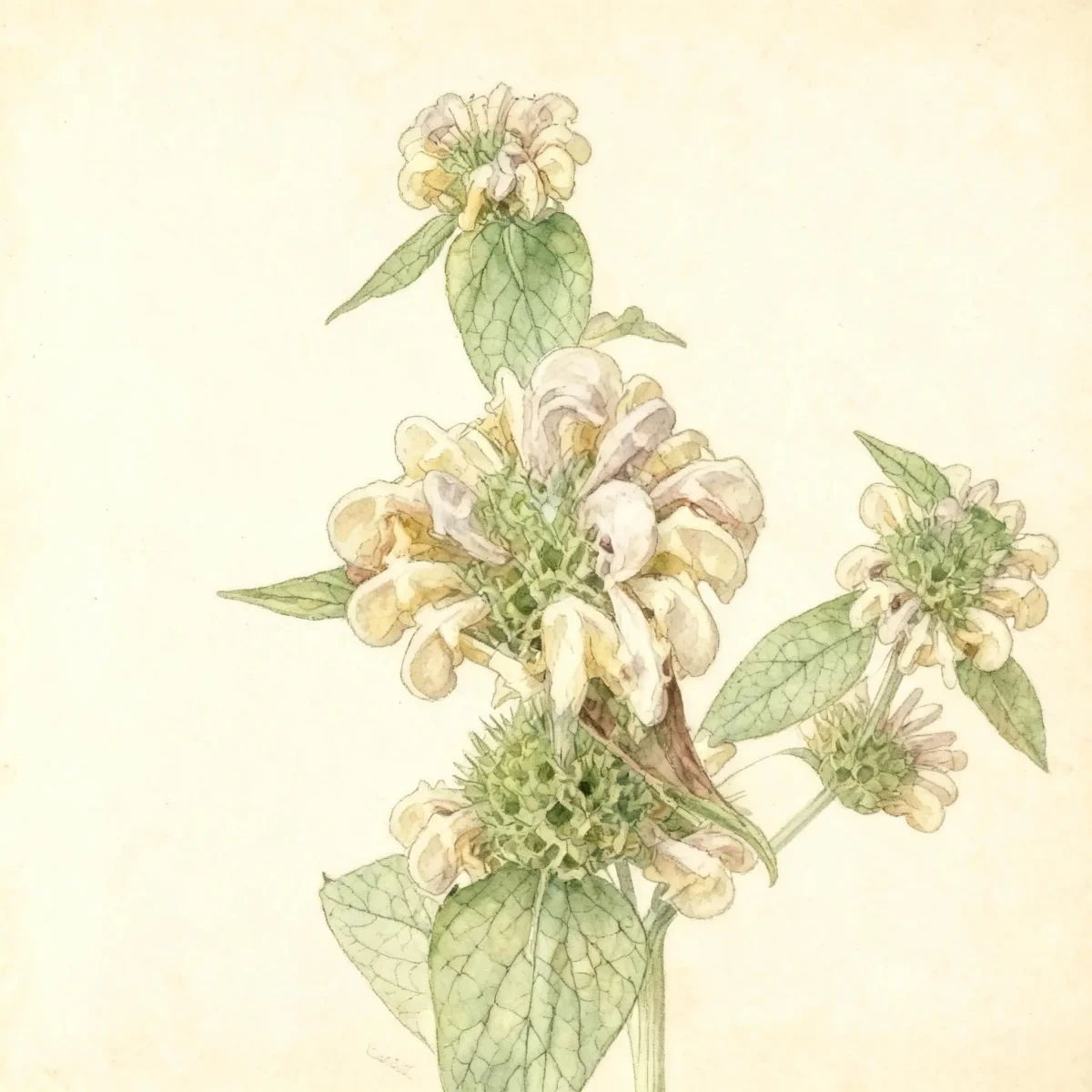
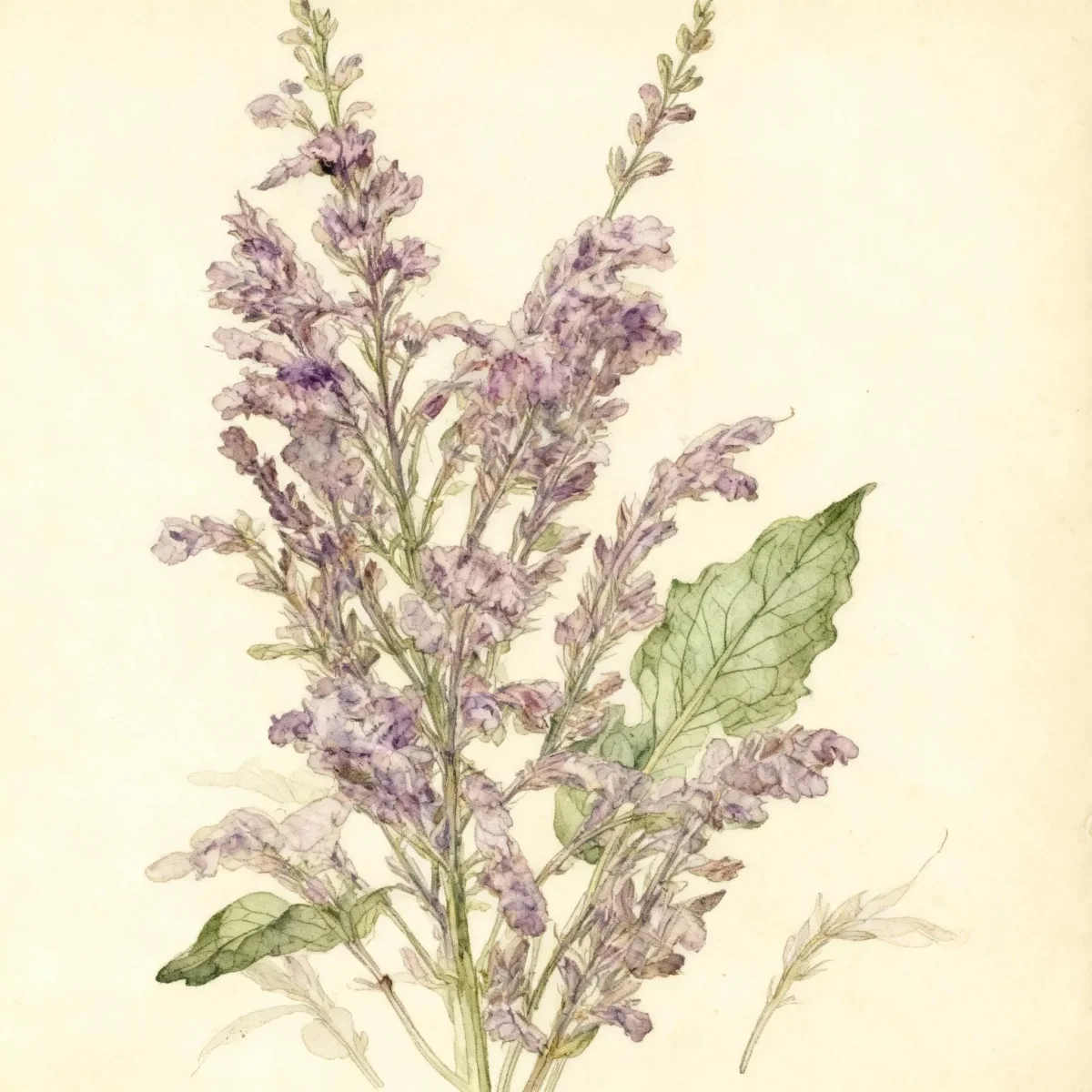
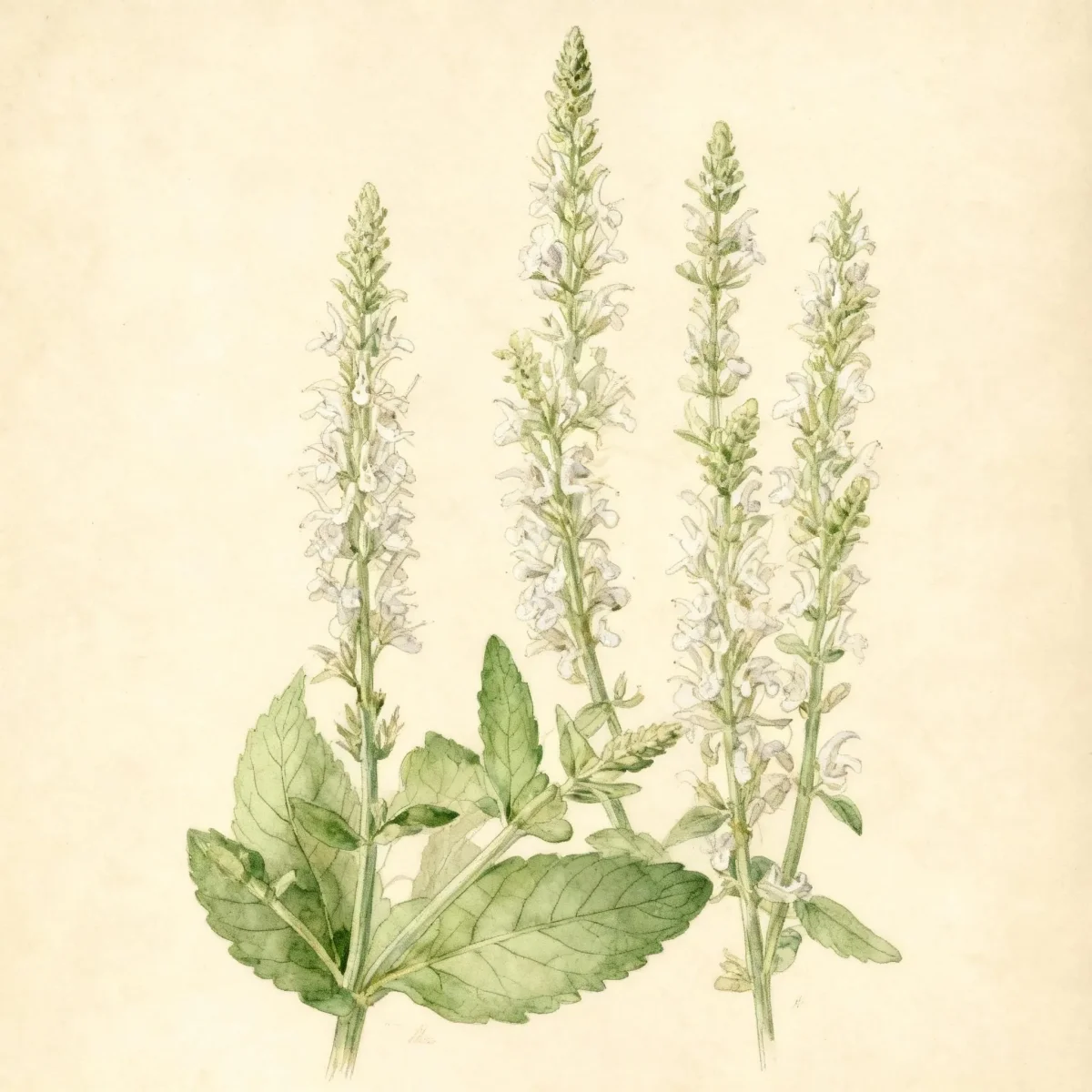
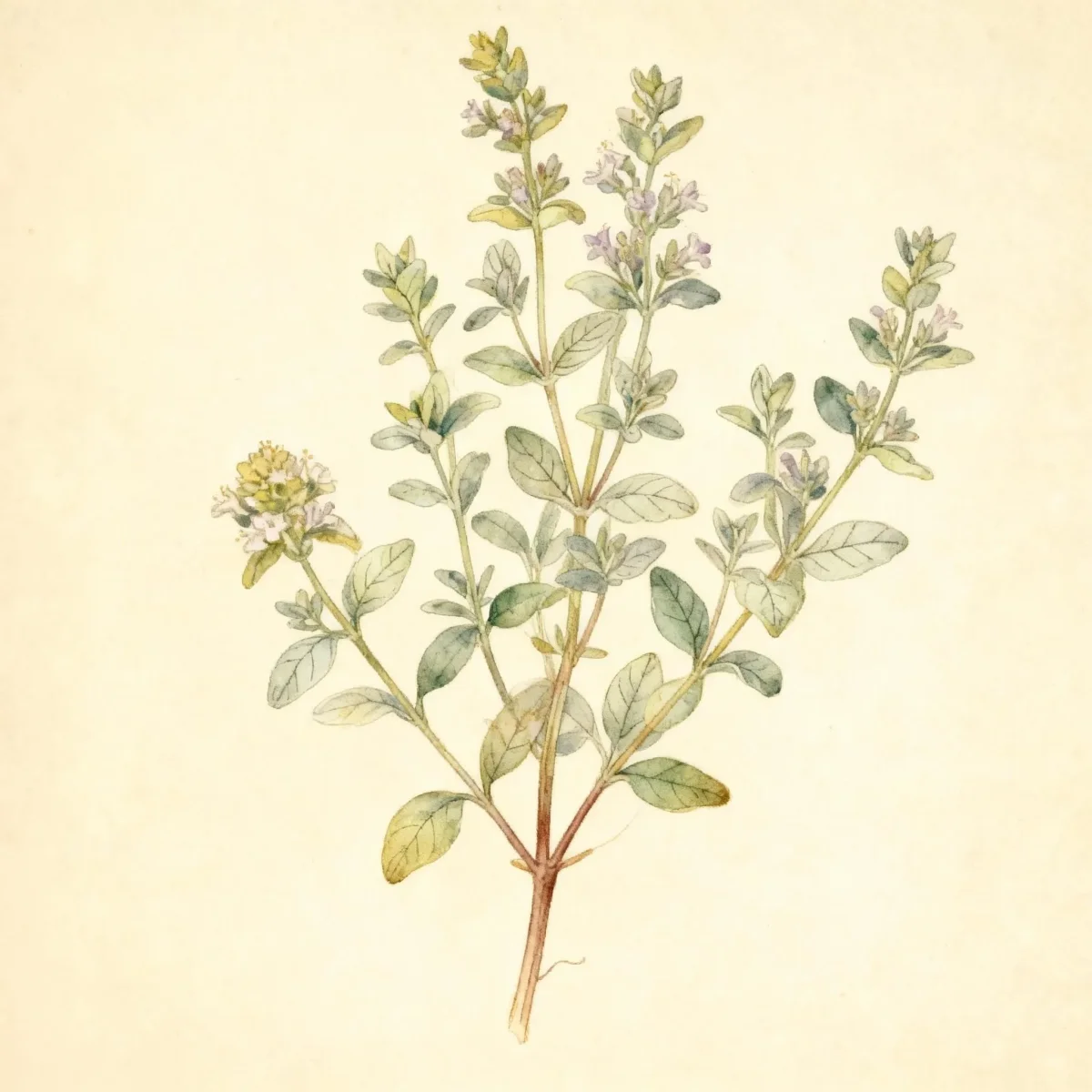
Lambs' ears (Stachys byzantina)
Stachys byzantina, or Lambs' ears, is famed for soft, silver-gray foliage. Low maintenance, drought-tolerant perennial ground cover.
Scroll down to discover growing tips, care requirements, companion plants, and more
Complete Plant Information
Overview
Stachys byzantina, universally recognized as Lambs’ ears, is treasured in horticulture primarily for its exceptional foliage. The leaves are notably thick, velvety, and exhibit a highly desirable silver-gray coloration, creating a striking textural contrast in the garden. This herbaceous perennial spreads readily via creeping stems, forming a dense, low-growing mat that excels as ground cover.
While the plant is incredibly pleasing to the touch, gardeners should note that its primary ornamental value lies in the leaves rather than the summer blossoms. Lambs’ ears are highly valued for their resilience; they thrive when given full sun and tolerate dry conditions well once established. This makes Stachys byzantina an excellent, low-effort solution for softening hardscapes or filling difficult, dry areas.
The appeal of Lambs’ ears extends beyond aesthetics, as its physical texture often deters browsing wildlife, adding another layer of functional benefit. Careful placement regarding humidity is key to managing its health, but overall, Stachys byzantina remains a staple for gardeners seeking dependable texture and evergreen presence in mild climates.
Fast Facts
- Plant Family: Lamiaceae
- Plant Type: Herbaceous perennial
- Native Range: Turkey, Armenia, Iran
- Hardiness Zones: USDA Zones 4-8
- Size at Maturity:
- Height: 0.75-1.5 ft
- Spread: 1-1.5 ft
- Bloom Time: May to July
- Bloom Description: Purplish-pink
- Sun Exposure: Full sun
- Water Needs: Dry to medium
- Maintenance Level: Low
How to Grow
Start planting Stachys byzantina in average, dry to medium, well-drained soils during optimal seasons for perennials in your region. Full sun is essential for maintaining the compact shape and best leaf color; however, in very hot climates, some light afternoon shade can prevent scorching. Poor drainage is the biggest threat to this plant.
Care is minimal once established, as these plants are exceptionally drought tolerant. Avoid overwatering, especially in humid summers, because the woolly leaves easily trap moisture, making them susceptible to leaf spot and rot diseases. Fertilization is generally unnecessary, which contributes to its low maintenance rating.
If the foliage begins to look messy or declines significantly by mid-summer, it is best practice to shear off the damaged leaves to encourage fresh growth and maintain the dense mat appearance. Many gardeners also choose to remove flowering stems promptly to enhance the ground cover effect, since the flowers are considered insignificant. Site starter plants about 12-18 inches apart if you intend to use the Lambs’ ears as a formal ground cover.
Landscape Uses
The distinctive silver foliage of Stachys byzantina makes it an outstanding choice for adding textural interest along borders. Its low, spreading habit is ideal when used as an effective edger along pathways where its softness can contrast with hard paving materials or sharper-leaved plants. Furthermore, it performs well when naturalized in sunny, dry slopes where standard turf grasses might struggle.
When deployed as a ground cover, it creates a continuous, fuzzy carpet, effectively suppressing weed growth beneath it. Consider pairing the soft leaves of Lambs’ ears with plants offering strong, upright structure or dark, deep green foliage for maximum visual impact. It is perfect for rock gardens, softening the stark edges of stone arrangements.
Standout Features
Flower Qualities
- Insignificant
Noteworthy Characteristics
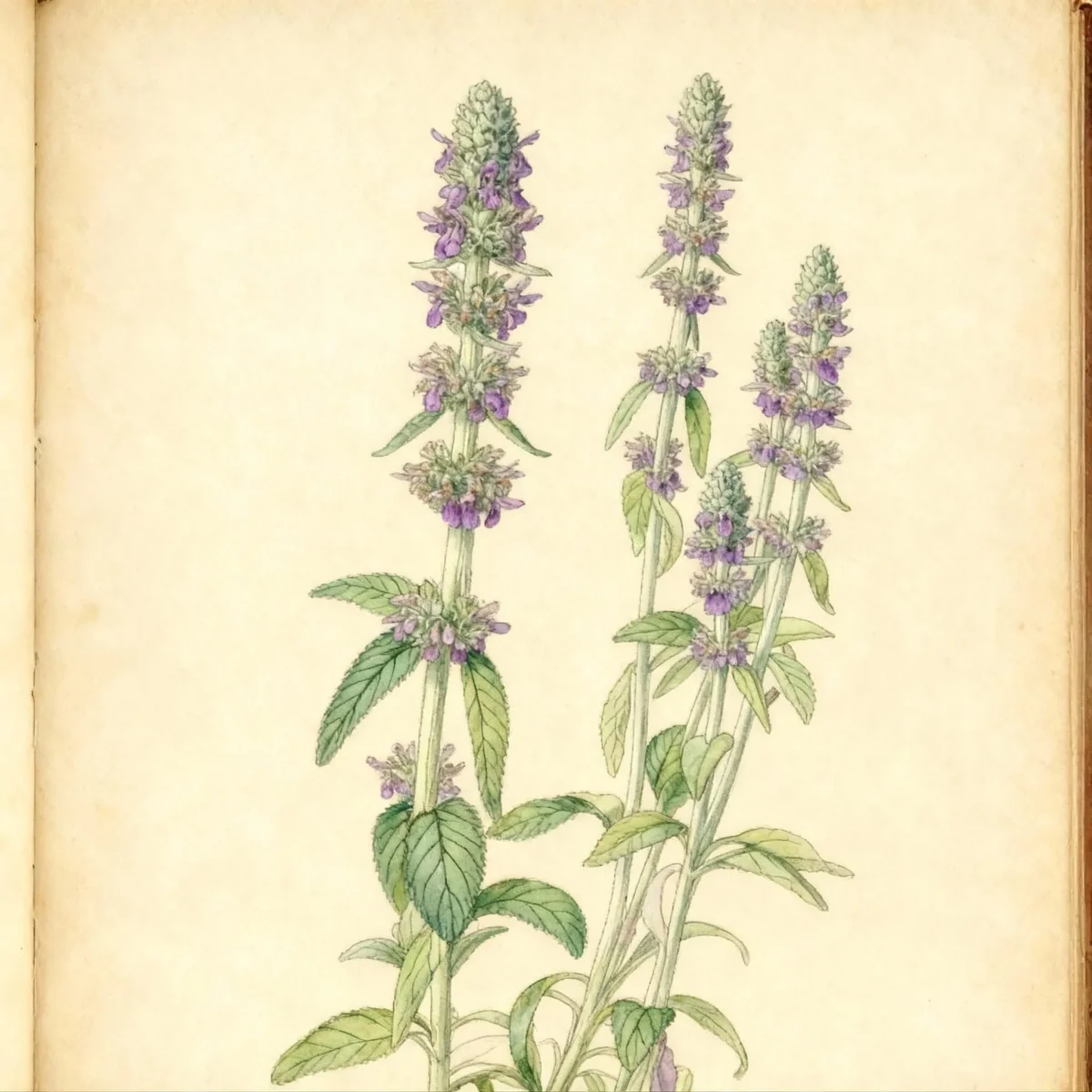
Stachys byzantina, known as lamb’s ears, is grown primarily for its thick, soft, velvety, silver-gray leaves which typically form a rapidly spreading mat approximately 4-6” off the ground. Erect, small-leaved flowering stems with terminal spikes of insignificant, tiny, purplish-pink flowers appear in summer rising above the foliage; many gardeners remove these stems to enhance the ground cover effect. Dense rosettes of woolly, tongue-shaped, gray-green leaves spread by runners, and the leaf texture strongly resembles a lamb’s ear.
Tolerances
- Rabbit
- Deer
- Drought
- Dry Soil
- Shallow-Rocky Soil
- Black Walnut
- Air Pollution
Potential Problems
The primary concern for growers managing Stachys byzantina is fungal disease, particularly rot and leaf spot, which thrive in humid summer climates. Well-drained soils are absolutely essential to mitigate these rot problems, which are often observed even when drainage is moderate. In areas with high ambient humidity, moisture sitting on the woolly foliage throughout the day can cause summer die-out. If this occurs, remove problematic leaves immediately. Additionally, be aware that this species can spread aggressively, especially in rich garden soils, meaning division or occasional trimming may be needed to keep it within bounds.
Frequently Asked Questions
What hardiness zones is Lambs’ ears suitable for?
Stachys byzantina is suitable for USDA Zones 4 through 8.
How large does Lambs’ ears grow?
Mature Lambs’ ears typically reach a height between 0.75 and 1.5 feet tall, with a spread of 1 to 1.5 feet wide.
What sun exposure does Lambs’ ears need?
Lambs’ ears thrives best in full sun conditions to maintain dense, bright foliage.
When does Lambs’ ears bloom?
This perennial blooms from May to July, producing spikes of small, purplish-pink flowers.
Conclusion
Lambs’ ears offers unmatched tactile appeal and drought tolerance, establishing itself as a dependable, low-maintenance perennial ground cover. The silver foliage of Stachys byzantina brings unique texture to any garden layer, provided attention is paid to soil drainage, especially in humid regions. Before planting, confirm your location falls within USDA Zones 4-8 and ensure you have a full sun spot available for this fuzzy favorite.
Propagation Tips
Division is the simplest and most common method for propagating Stachys byzantina. Since the plant spreads using creeping stems that root as they grow, you can lift sections of the established mat during early spring or fall, carefully separating rooted segments. Ensure each division has healthy roots before replanting it to its new location, spacing them 12 to 18 inches apart for ground cover use.
Although many gardeners choose division to maintain existing cultivars, plants can also be propagated by tip cuttings taken from non-flowering stems early in the season. These cuttings root readily, especially if placed in moist, well-draining soil in a location protected from harsh overhead watering until roots are established.
Companion Planting
Because Lambs’ ears prefers dry, well-drained soil and full sun, it pairs beautifully with other Mediterranean or drought-tolerant perennials. Good companions include Russian Sage (Perovskia atriplicifolia), which shares similar sun and water needs and provides fine, airy texture above the Lambs’ ears. For striking color contrast, pair the silver foliage with deep purple or dark blue blooms, such as blue Catmint (Nepeta) or Salvia varieties.
Avoid planting Stachys byzantina directly adjacent to plants that require constant moisture or tolerate heavy shade, as this difference in cultural need will lead to unnecessary stress or disease issues for the Lambs’ ears. Successful companion planting relies on matching the desire for dry, sun-drenched conditions.