Russian sage (Perovskia atriplicifolia)
Discover Perovskia atriplicifolia, or Russian sage. A tough, showy perennial offering lavender-blue blooms and excellent drought tolerance.
Scroll down to discover growing tips, care requirements, companion plants, and more
Complete Plant Information
Overview
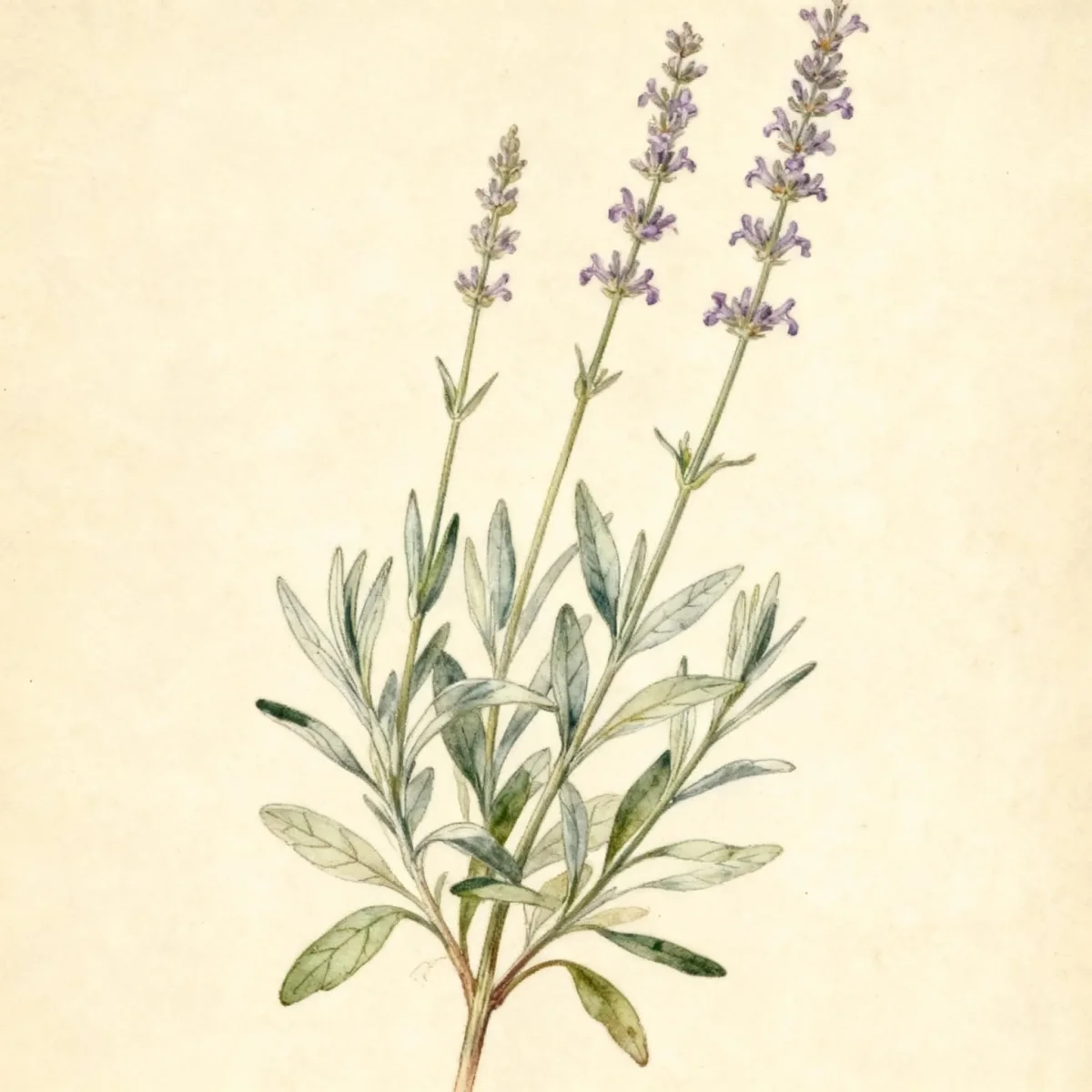
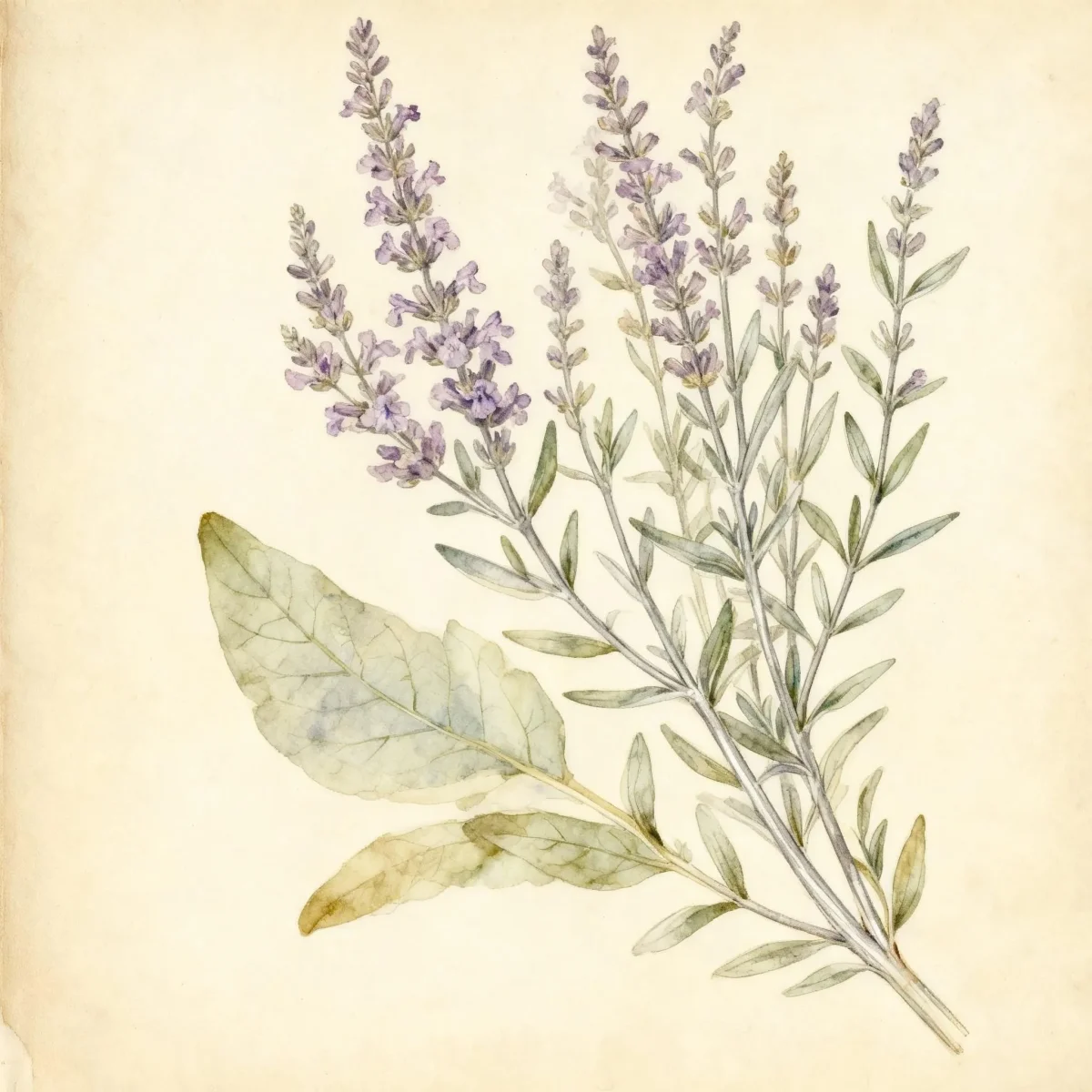
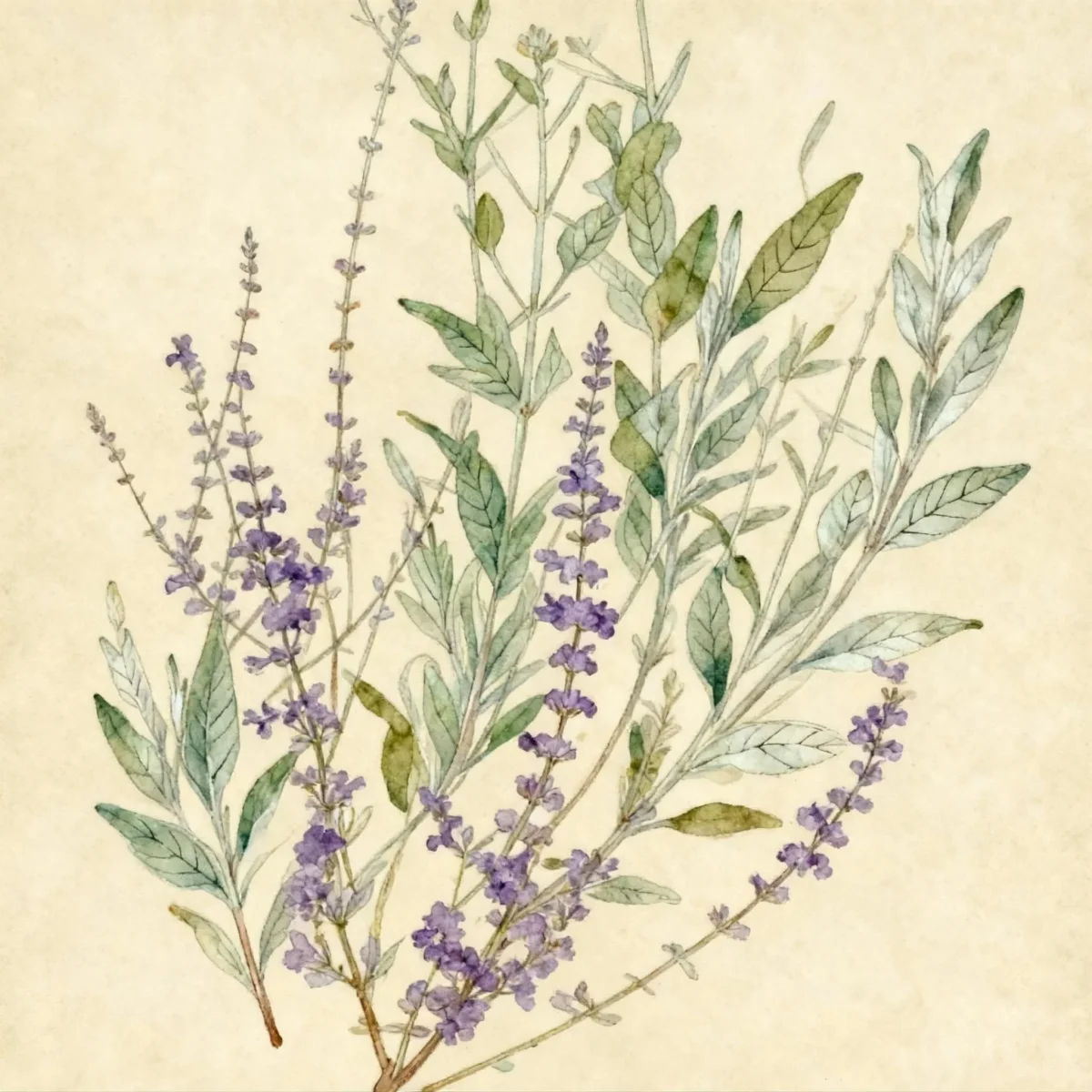
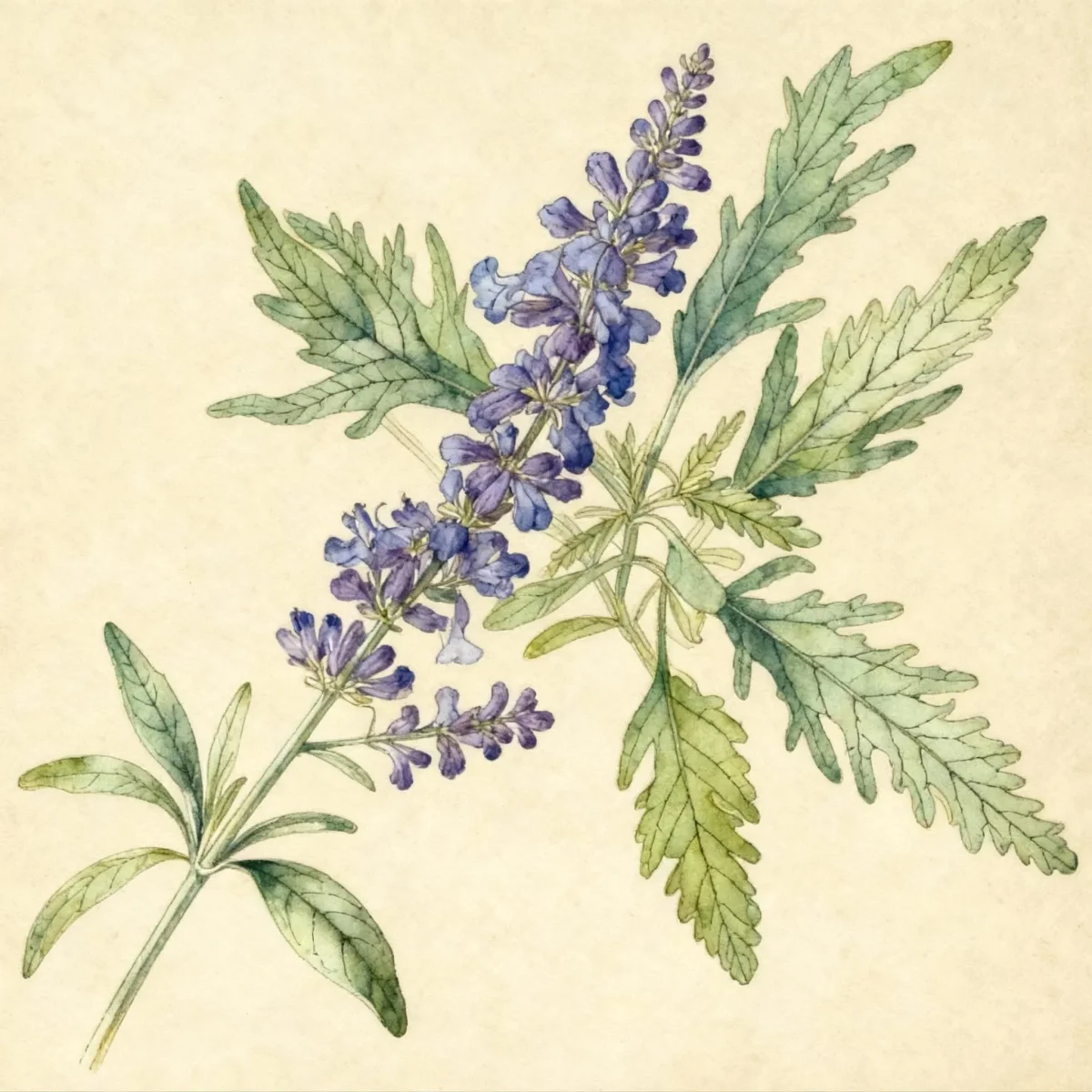
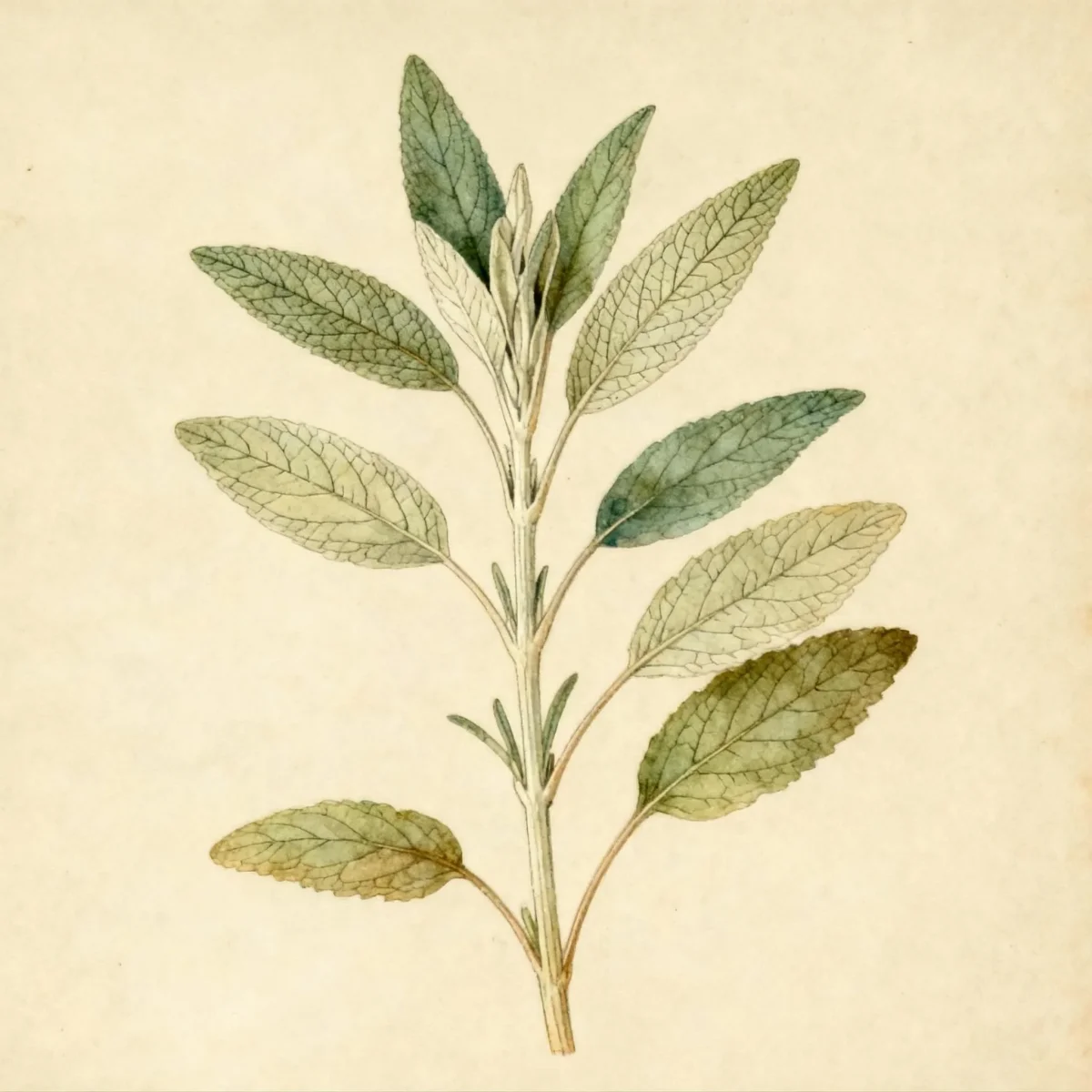
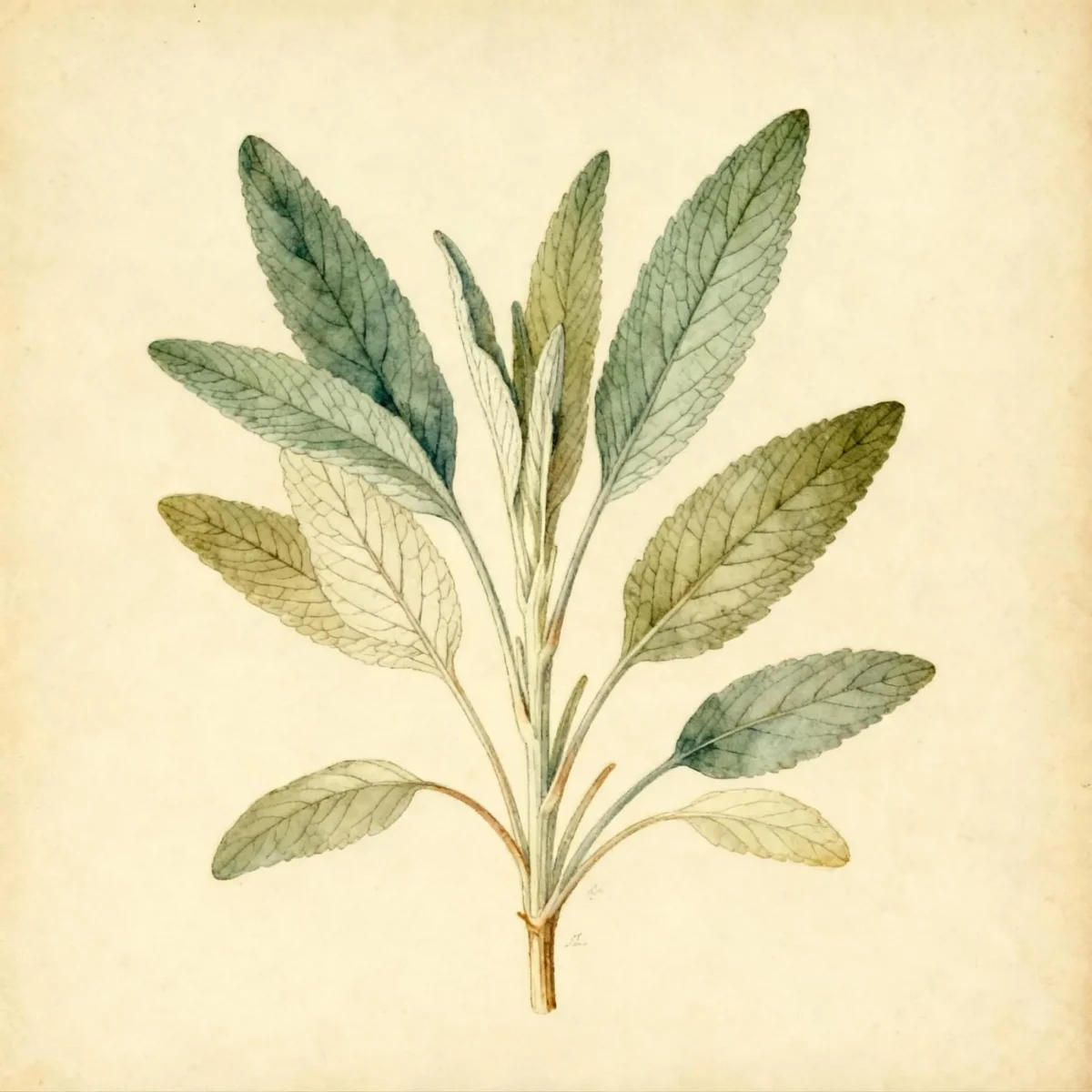
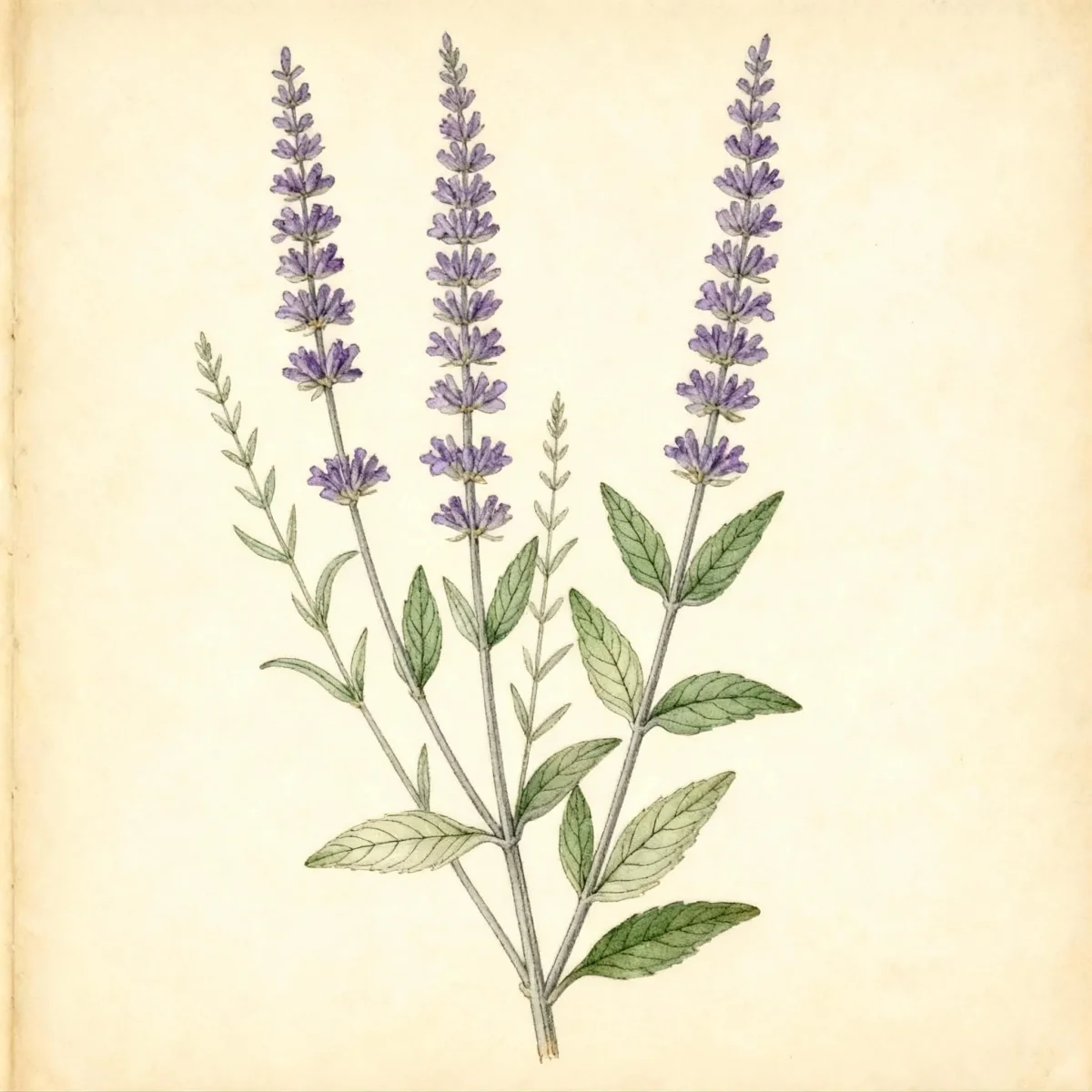
Perovskia atriplicifolia, widely known as Russian sage, is a highly valued, woody-based perennial prized for its airy texture and long-lasting summer color. Its finely-dissected, aromatic, gray-green foliage provides year-round visual interest, beautifully contrasting with the tall, airy panicles of lavender-blue flowers. Gardeners appreciate Russian sage for its resilience and ability to thrive in harsh conditions where many other plants struggle.
This herbaceous perennial belongs to the mint family (Lamiaceae) and originates from the rugged environments of the Himalayas and western China. Its nature lends it superb drought tolerance once established, making it an excellent choice for water-wise and low-maintenance landscapes. The general structure of Perovskia atriplicifolia is stiff and upright, ensuring vertical interest throughout the peak growing season.
When incorporated thoughtfully, this plant delivers significant aesthetic impact, earning recognition like the Perennial Plant Association Plant of the Year in 1995. Whether used as an accent or massed in borders, the continuous bloom display from mid-summer through autumn ensures that your garden maintains vibrancy late into the season.
Fast Facts
- Plant Family: Lamiaceae
- Plant Type: Herbaceous perennial
- Native Range: Himalayas, western China
- Hardiness Zones: USDA Zones 5-9
- Size at Maturity:
- Height: 3-5 ft
- Spread: 2-4 ft
- Bloom Time: July to October
- Bloom Description: Lavender / blue
- Sun Exposure: Full sun
- Water Needs: Dry to medium
- Maintenance Level: Low
How to Grow
The key to successfully growing Perovskia atriplicifolia is maximizing sun exposure and ensuring sharp drainage. Plant Russian sage in average soils that are dry to medium in moisture retention. Full sun is essential; insufficient light encourages weak stems that are far more likely to flop over midday or as the season progresses. Avoid heavy, wet, or poorly drained sites at all costs, as wet feet can quickly compromise the plant’s health.
Once established, this perennial exhibits excellent drought tolerance. Water sparingly, allowing the soil to dry out considerably between irrigation events. Fertilization is generally unnecessary; rich soil often leads to excessively lush growth that exacerbates flopping issues, which is a common concern with Russian sage.
Routine maintenance is minimal, but annual pruning is crucial for maintaining a tight, upright habit. In late winter or early spring, as soon as you detect new growth emerging near the base, cut the entire plant back hard—shear it almost to the ground. This hard pruning promotes fresh, strong new stems that can better support the foliage and flower structure throughout the summer.
Landscape Uses
Russian sage serves beautifully in large-scale plantings where its silvery foliage and blue haze of flowers can create significant visual texture. It excels when massed in borders, providing a soft, diaphanous backdrop or mid-layer element. Because it sends out masses of flowers on upright stems, it perfectly fills the gap between lower foreground plants and taller background specimens.
The coolness of the lavender-blue color palette allows Perovskia atriplicifolia to pair wonderfully with hot colors, creating dynamic contrast. Consider planting it alongside pink companions like phlox or roses, or juxtapose it with cheery yellows offered by Rudbeckia. Its airy nature prevents the border from appearing too dense.
Use this plant specifically where low maintenance is a priority, such as in xeriscaping or rock gardens, leveraging its natural preference for dry soil. Its tough nature also allows it to perform reliably in areas prone to air pollution, making it a versatile solution for challenging urban sites.
Standout Features
Flower Qualities
- Showy
Noteworthy Characteristics
Perovskia atriplicifolia, commonly called Russian sage, is a woody-based perennial of the mint family which typically grows 2-4’ (less frequently to 5’) tall and features finely-dissected, aromatic (when crushed), gray-green leaves on stiff, upright, square stems and whorls of two-lipped, tubular, light blue flowers tiered in branched, terminal panicles (12-15” high). The genus name honors Russian general V. A. Perovski. Specific epithet means with leaves resembling salt-bush, alluding to its dusty foliage.
Tolerances
- Rabbit
- Deer
- Drought
- Clay Soil
- Dry Soil
- Air Pollution
Potential Problems
The overall pest and disease profile for Russian sage is excellent, with plants rarely suffering from serious insect infestations or fungal diseases, even when thriving in full sun. The primary cultural challenge is physical—the tendency of the plant to sprawl or flop over, especially if growing conditions are too rich or shaded.
To prevent flopping, strictly adhere to the cultural requirements: ensure full sun exposure and avoid over-fertilizing. If flopping still occurs, the solution is proactive pruning. Cutting the stems back severely in late winter or early spring forces bushier, stronger growth that resists collapse later in the summer heat.
Frequently Asked Questions
What hardiness zones is Russian sage suitable for?
Perovskia atriplicifolia performs reliably in USDA hardiness zones 5 through 9.
How large does the Russian sage grow?
This plant typically reaches heights between 3 and 5 feet tall with a spread ranging from 2 to 4 feet wide.
When does Russian sage bloom?
You can expect the lavender-blue flowers of Russian sage to appear across a long blooming window, typically from July through October.
What sun exposure does Perovskia atriplicifolia need?
For the best flowering and strongest structure, Perovskia atriplicifolia demands full sun exposure throughout the day.
Conclusion
The striking silvery foliage and extended mid-to-late season flowering of Perovskia atriplicifolia make it an indispensable component of dry, sunny garden spaces. Its low maintenance needs combined with high tolerance for tough conditions cement Russian sage as a favorite among savvy gardeners. Before planting, confirm that your location meets its full sun requirement and offers sharp drainage so you can enjoy its drought tolerance immediately.
Companion Planting
Selecting appropriate neighbors is vital when growing Russian sage, mainly due to its moderate height (3-5 ft) and need for sharp drainage. Since this perennial dislikes wet feet, pair it with other drought-tolerant Mediterranean or prairie species. Good companion plants include ornamental grasses that share similar cultural needs, such as Blue Fescue (Festuca glauca) for contrasting texture, or Coreopsis varieties that handle dry conditions well. Avoid placing it near moisture-loving ferns or hostas, as their watering requirements conflict directly with what Perovskia atriplicifolia thrives on.
Design Ideas
For high-impact border design, utilize Russian sage as a screen or filler where its upright structure contrasts beautifully with mounding or spreading forms. Plant it slightly off-center in a drift rather than as a solitary specimen to maximize its visual impact during the long bloom period. In cottage garden settings, allow its airy structure to intermingle with robust, formal flowers like Shasta Daisies or tall Sedums, softening their lines while benefiting from their shared love of full sun and dry soil conditions.