Mint-shrub (Elsholtzia stauntonii)
Discover Elsholtzia stauntonii, the low-maintenance Mint-shrub, offering late-season lilac-purple flowers and fragrant foliage in zones 4-8.
Scroll down to discover growing tips, care requirements, companion plants, and more
Complete Plant Information
Overview
Elsholtzia stauntonii, widely known in gardening circles as the Mint-shrub, is a highly valuable addition for providing late-season color and texture. This semi-woody, deciduous shrub brings interest to the garden starting in the fall, often when many other plants are winding down. Its structure and low maintenance needs make it an increasingly popular choice for reliable late-season blooms.
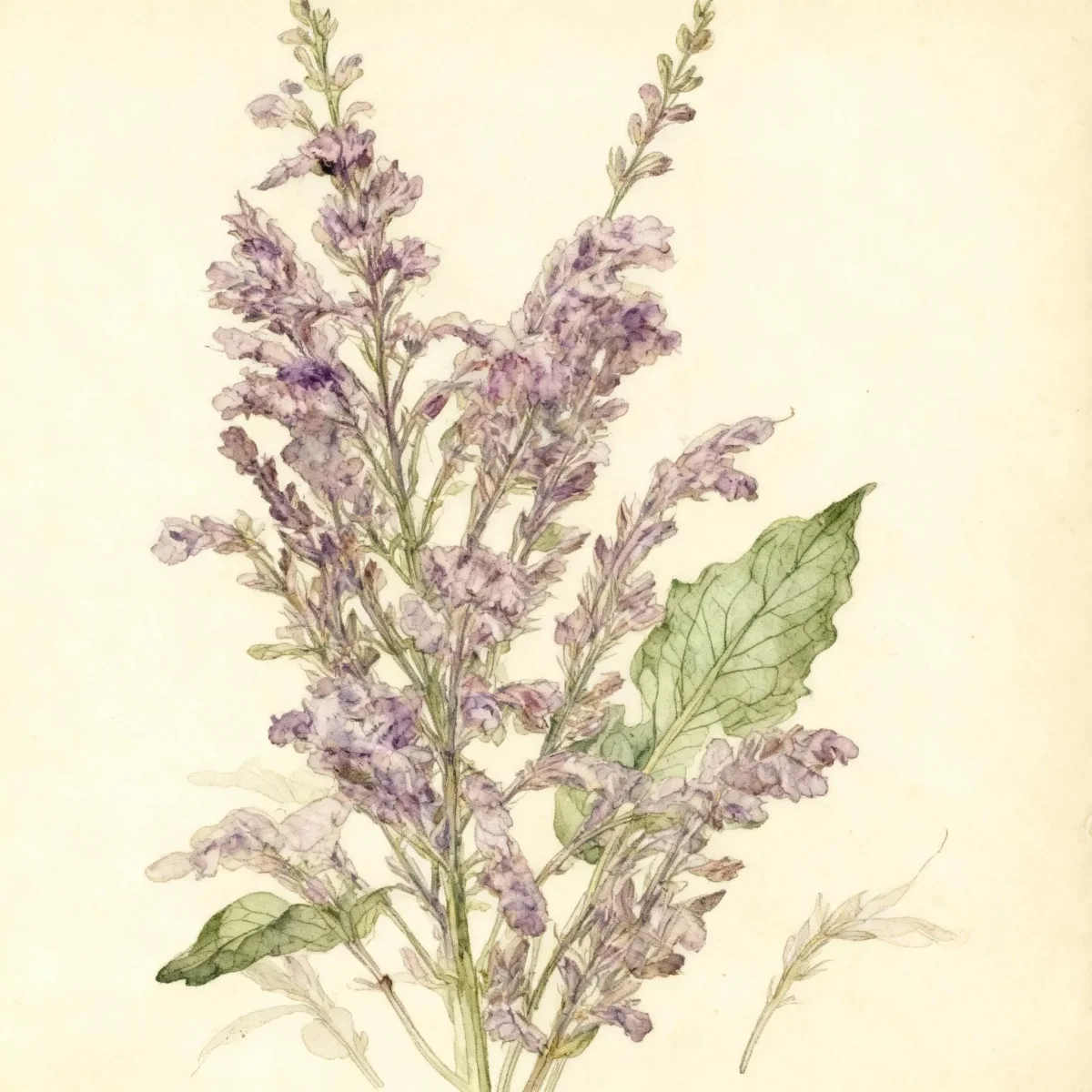
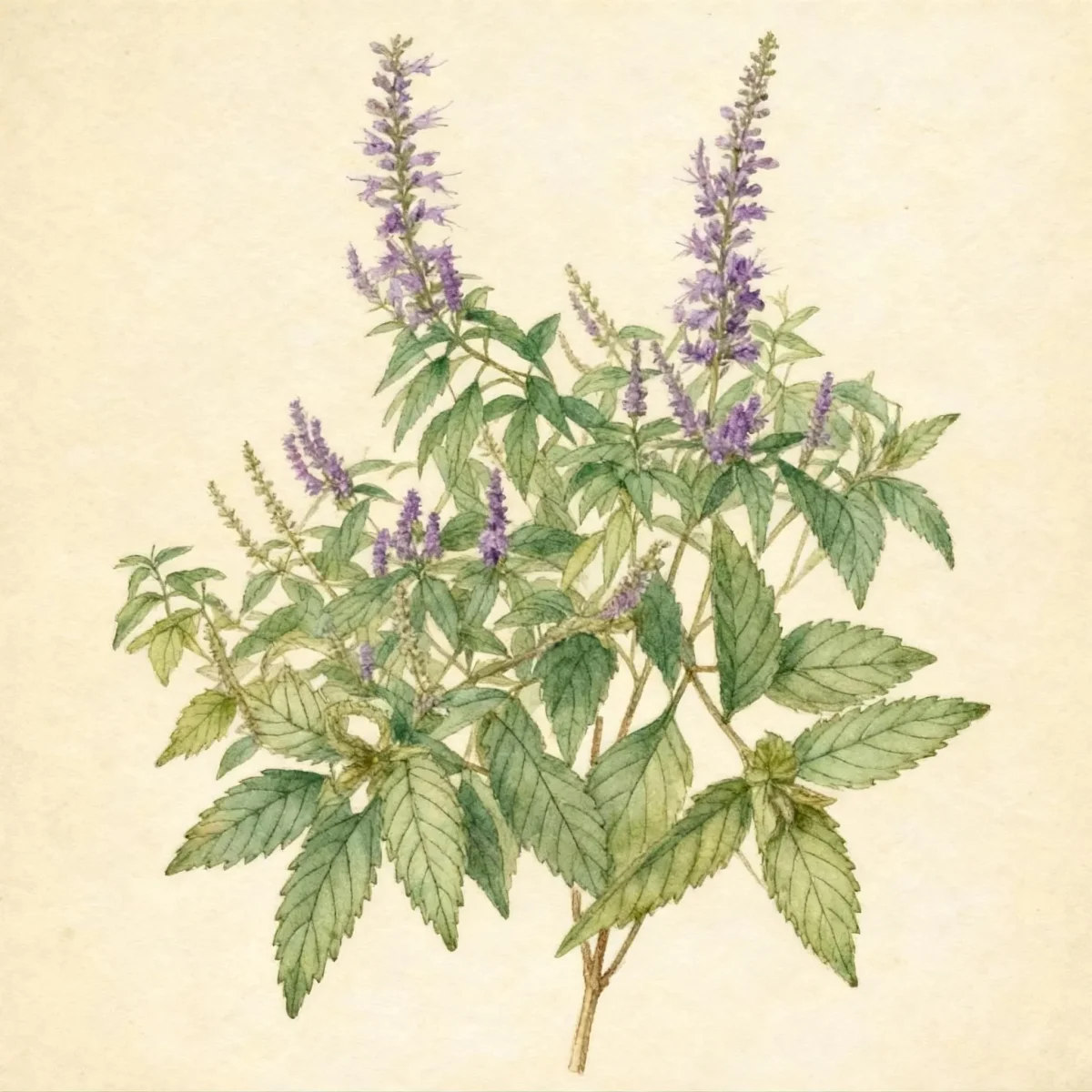
The Mint-shrub features distinctive foliage that, when bruised or crushed, emits a refreshing minty fragrance, adding an unexpected sensory dimension to the landscape. Aesthetically, Elsholtzia stauntonii produces dense spikes of attractive lilac-purple flowers that bloom reliably in autumn. Being native to China, this species is remarkably adaptable across various conditions.
For gardeners seeking structure without demanding constant attention, the Mint-shrub fits the bill perfectly. It thrives in full sun and tolerates dry soil once established, making it an excellent candidate for hot, sunny locations or low-water gardens. Proper pruning in late winter encourages robust growth that supports the seasonal flower display of Elsholtzia stauntonii.
Fast Facts
- Plant Family: Lamiaceae
- Plant Type: Deciduous shrub
- Native Range: China
- Hardiness Zones: USDA Zones 4-8
- Size at Maturity:
- Height: 3-5 ft
- Spread: 3-5 ft
- Bloom Time: September to October
- Bloom Description: Lilac-purple
- Sun Exposure: Full sun
- Water Needs: Dry to medium
- Maintenance Level: Low
How to Grow
Planting the Mint-shrub is straightforward; it prefers average, well-drained soil conditions, whether moist or slightly dry. Ensure the location receives full sun exposure to maximize flowering potential and maintain a compact shape for your Elsholtzia stauntonii specimen. The best time for planting is typically spring or early fall, allowing roots to establish before tackling extreme seasonal changes.
Care requirements for this species are conveniently low. Water should be managed to keep the soil consistently dry to medium; avoid waterlogged conditions which can stress the root system. Fertilization is generally unnecessary unless the soil is extremely poor; this plant prefers to rely on its natural vigor.
The management technique for Elsholtzia stauntonii involves necessary pruning executed in late winter just before new vegetative growth begins. Gardeners have the option to simply prune back growth or, for a radically renewed structure, cut the entire shrub down to the ground annually, effectively growing it as a large herbaceous perennial similar to Buddleia. This hard pruning ensures vigorous flowering stems emerge for the crucial autumn show.
Landscape Uses
The physical size and density of Elsholtzia stauntonii make it highly versatile in landscape design applications. Use the Mint-shrub to form informal hedges where structure and fragrance are desired, or plant several together to create a solid screen. They shine when placed at the rear of perennial borders, adding height and texture above shorter companions that bloom earlier in the season.
Because of its tolerance for drought and dry soil, companions should share similar low-water needs. Consider pairing the deep green foliage and lilac-purple blooms of the Mint-shrub with late-blooming ornamental grasses, sedums, or hardy Russian Sage (Perovskia atriplicifolia). This combination builds a resilient, relatively hands-off late-season border.
For a more intentional design, mass plantings of Elsholtzia stauntonii create a significant block of fall color that draws attention to the structure before the herbaceous perennials fade. Its generally tidy habit ensures it acts as a dependable backdrop year after year within mixed shrub and perennial plantings.
Standout Features
Flower Qualities
- Showy
Noteworthy Characteristics
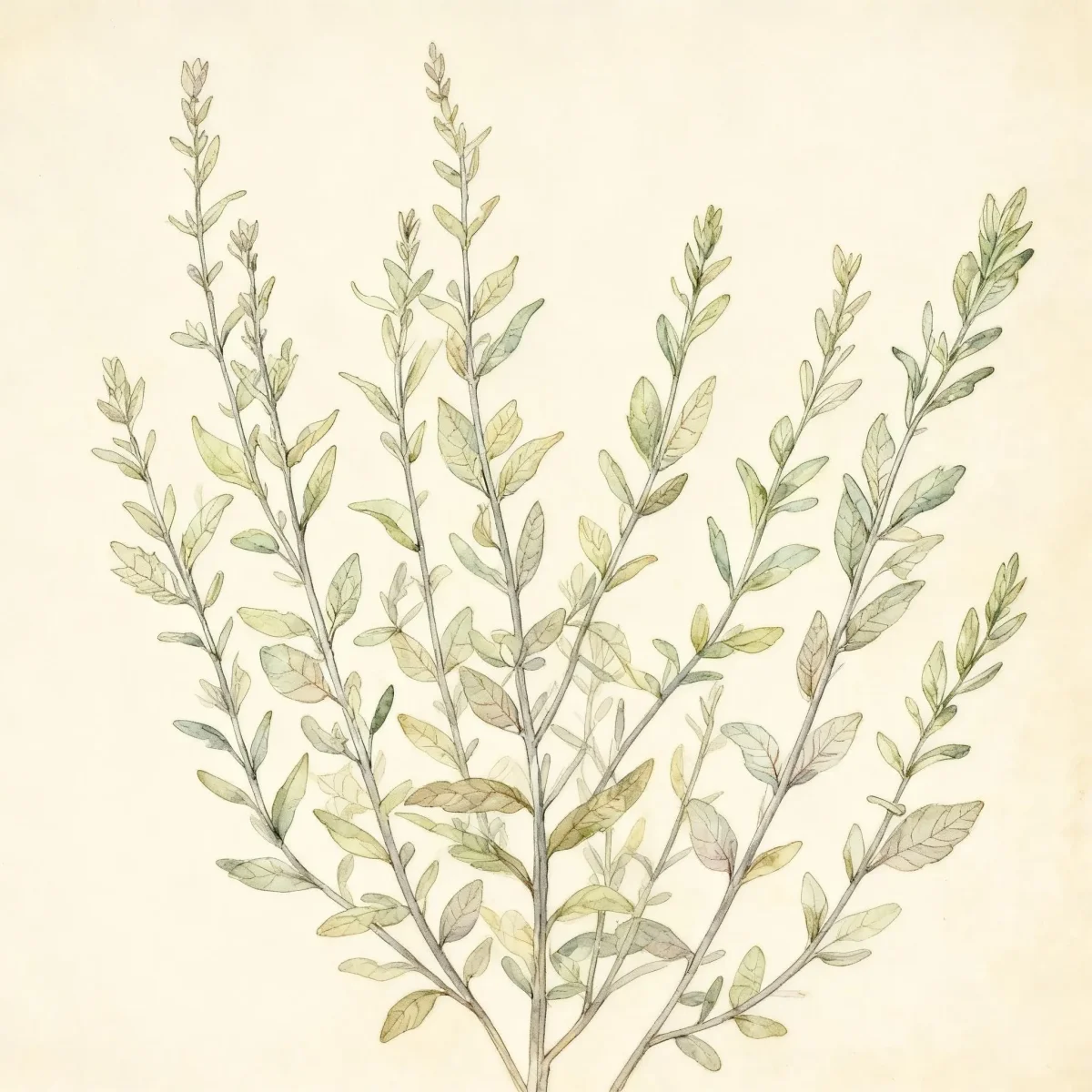
Elsholtzia stauntonii, commonly called mint shrub, is a semi-woody, deciduous shrub of the mint family. Typically grows 3-5’ tall. Features toothed, ovate-elliptic leaves (2-5” long) which emit a minty fragrance when crushed and narrow, upward pointing spikes (to 8” long) of two-lipped, densely-packed, lilac-purple flowers in autumn. Genus name honors Johann Sigismund Elsholtz (1623-1688), Prussian horticulturist and physician, author of the once popular Vom Garten-Baw.
Tolerances
- Drought
- Dry Soil
Potential Problems
This plant maintains an excellent reputation for robustness, displaying no serious insect or disease problems under normal growing conditions. Smart gardeners should focus primarily on cultural practices, as these are the main factors determining long-term health.
The most important cultural management practice is providing adequate air circulation and ensuring sharp drainage, as excessive wetness, especially combined with rich soil, can occasionally lead to root issues. Avoid excessive fertilization, which can promote weak, floppy growth that detracts from the plant’s natural upright habit.
If growing Elsholtzia stauntonii in a spot that retains too much moisture over winter, monitor for signs of distress in early spring, though its general hardiness usually prevents widespread problems.
Frequently Asked Questions
What hardiness zones is Mint-shrub suitable for?
Elsholtzia stauntonii is reliably hardy across USDA Zones 4 through 8, offering a good range for many temperate gardeners.
How large does Mint-shrub grow?
This shrub typically reaches a mature height between 3 to 5 feet tall, demonstrating a proportionate spread of 3 to 5 feet wide.
When does Mint-shrub bloom?
The noteworthy flowering period for Elsholtzia stauntonii occurs late in the season, spanning September into October, featuring striking lilac-purple blossoms.
What sun exposure does Mint-shrub need?
For best performance and prolific blooming, ensure your Mint-shrub receives full sun exposure throughout the growing season.
Conclusion
The Mint-shrub (Elsholtzia stauntonii) offers low maintenance coupled with essential late-season interest, making it a standout performer in the autumn garden. Its fragrant foliage and dependable lilac-purple blooms provide value right up until frost. Plan your planting location now, ensuring it meets the full sun requirement and dry to medium soil preference of this fantastic shrub.
Companion Planting
Selecting companions that appreciate similar sun and soil conditions will maximize the visual success of your Mint-shrub planting scheme. Focus on plants that offer contrasting foliage color or bloom earlier in the season to provide continuous interest before the Elsholtzia stauntonii takes center stage.
Consider pairing the upright structure with spreading groundcovers suitable for dry conditions, such as various forms of creeping thyme or low-growing junipers. These choices help suppress weeds and maintain soil moisture retention around the established root zones.
For height diversity, interplant with late-flowering perennials like tall ornamental grasses such as switchgrass (Panicum virgatum) or aster varieties that bloom reliably as temperatures drop. This layering effect creates depth in the border while honoring the low-water needs of the Mint-shrub.
Design Ideas
Because Elsholtzia stauntonii can be pruned hard to resemble a perennial, it works beautifully in naturalistic or cottage garden designs where softness and textural variety are valued. Its shrub form, however, allows it to anchor smaller garden rooms effectively.
Use the Mint-shrub near pathways or seating areas where the crushed-leaf fragrance can be easily enjoyed, perhaps by incorporating structural elements like rustic stone or weathered wood nearby. The fragrance is one of its most underrated selling points.
In contemporary settings, a mass planting of several Elsholtzia stauntonii specimens can create a modern, architectural flow, providing necessary vertical punctuation that contrasts sharply with low, mounding accent plants. Its reliable size consistency aids in creating clean lines.