Sassafras (Sassafras albidum)
Discover Sassafras albidum, a unique deciduous tree native to Eastern N. America, known for its three-lobed leaves and excellent fall color.
Scroll down to discover growing tips, care requirements, companion plants, and more
Complete Plant Information
Overview
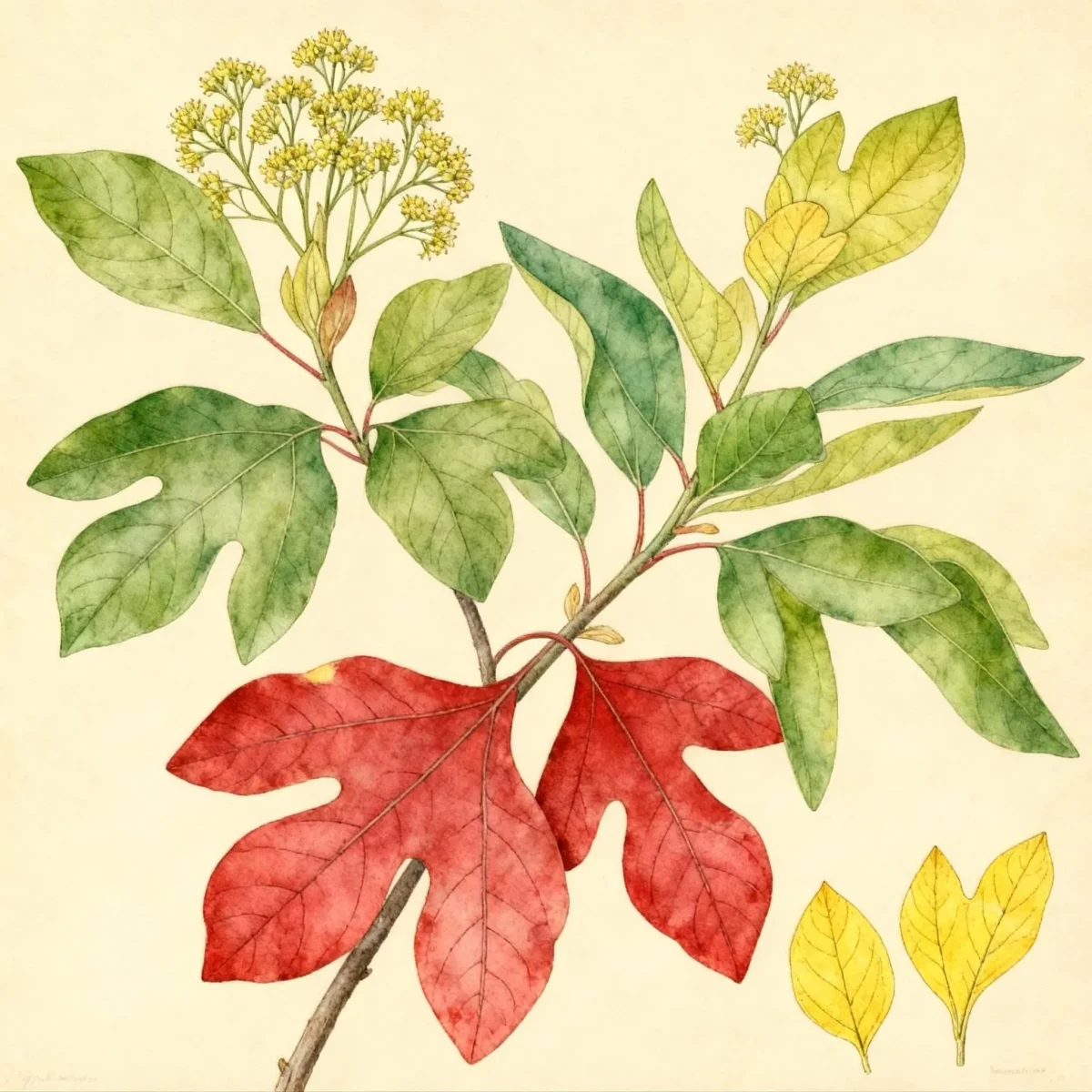
Sassafras albidum, commonly known as Sassafras, is a distinctive, multi-season ornamental tree native to Eastern North America, cherished for its highly variable, three-shaped leaves that provide sensational autumn color. This deciduous species matures into a dense, often pyramidal tree, though it readily spreads via root suckers, forming interesting colonies in the landscape. Gardeners appreciate Sassafras for its unique look and its historical significance.
This species is dioecious, meaning separate male and female trees exist; successful pollination on female trees results in showy, bluish-black berries borne on scarlet stalks, adding visual interest in late summer and early fall. While the Sassafras albidum tree is appealing year-round, prospective growers must note that its large taproot makes transplanting established specimens challenging.
The cultural significance of Sassafras, ranging from early tonic uses to flavoring agents, is notable, though modern culinary uses are restricted due to safrole content. Establishing Sassafras in the correct site ensures a low-maintenance, attractive addition that offers both structure and seasonal flair to the garden.
Fast Facts
- Plant Family: Lauraceae
- Plant Type: Tree
- Native Range: Eastern North America
- Hardiness Zones: USDA Zones 4-9
- Size at Maturity:
- Height: 30-60 ft
- Spread: 25-40 ft
- Bloom Time: April to May
- Bloom Description: Greenish-yellow
- Sun Exposure: Full sun to part shade
- Water Needs: Medium
- Maintenance Level: Medium
How to Grow
Sassafras albidum establishes best when planted in spring or fall in a location that accommodates its mature size, as mature trees are difficult to move due to their large taproot system. It thrives in average, medium, well-drained soil, showing a preference for moist, acidic, loamy conditions, but it can tolerate drier, sandy soils once established. Ensure the site receives full sun or light partial shade for the best overall growth and foliage development.
Care requirements for the Sassafras tree are generally medium. Water deeply during extended dry periods, especially while the tree is young, to support root development. Fertilization is rarely necessary if the soil is reasonably rich. A key management consideration is monitoring for root suckers; if you prefer a single-trunked specimen, these must be diligently removed, or the plant will naturally spread into a multi-stemmed colony appearance.
No significant winter preparation is usually required in its native zones. In spring, inspect for any winter damage and prune only as necessary to maintain structure, avoiding heavy pruning periods. Be vigilant about its alkaline soil tolerance, as chlorosis—yellowing leaves with green veins—can occur if the soil pH is too high.
Landscape Uses
The Sassafras is suggested primarily as a Flowering Tree, making it an excellent specimen planting where its unique silhouette and fall color can be admired. Given its tendency to spread by root suckers, Sassafras albidum is highly recommended for naturalized plantings or across woodland margins where it is allowed to colonize freely. This habit also makes it useful for creating large, informal screens or borders, provided ample space is allocated for its mature spread of 25 to 40 feet.
When siting your Sassafras, consider pairing it with understory shrubs or perennials that appreciate similar medium moisture levels but do not compete aggressively for space near the shallow root zone. Because it is dioecious, selecting a known female tree will maximize the ornamental value provided by the late-season blue-black drupes. Use it as a focal point in a native plant garden to showcase its distinct leaf shapes.
Standout Features
Flower Qualities
- Showy
Fruit Qualities
- Showy
Noteworthy Characteristics
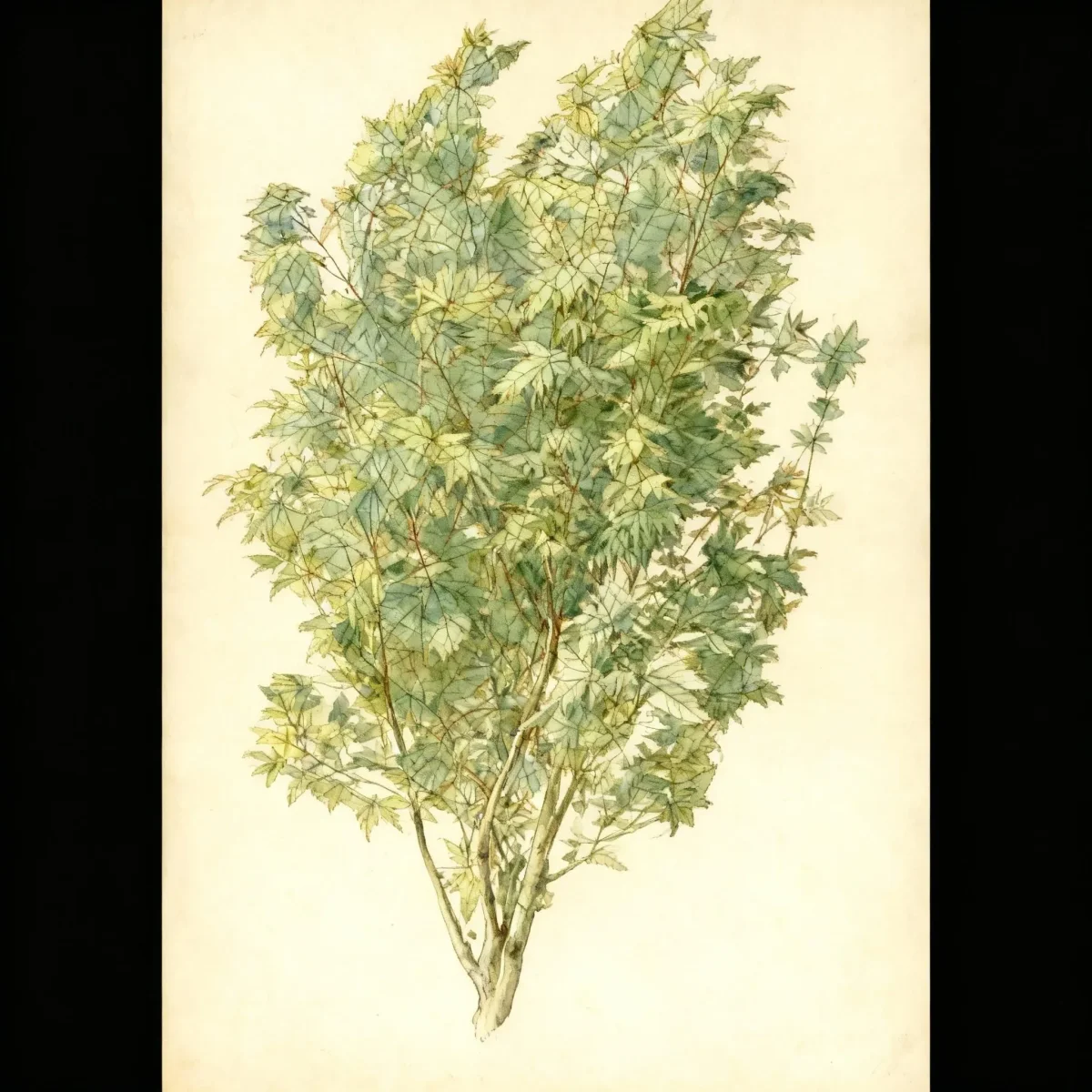
Sassafras albidum, commonly called sassafras, is a Missouri native, ornamental, small to medium-sized deciduous tree which occurs in wood margins, fence rows, fields, thickets and roadsides. Shrubby in youth, but matures to a dense, pyramidal tree up to 60’ tall, spreading by root suckers to form large colonies. Its variable leaves—often presenting in three distinct shapes on the same tree—turn exceptional shades of yellow, purple, and red in the fall. Female trees bear attractive bluish-black berries on scarlet stalks after flowering, which mature in September.
Tolerances
- Deer
- Drought
- Clay Soil
- Black Walnut
Potential Problems
This tree generally exhibits resistance to most serious insect pests and diseases, which contributes to its low maintenance requirements. The most common cultural issue encountered with Sassafras albidum is chlorosis, where the leaves appear yellowed with distinct green veins, indicating stress from growing in overly alkaline soil conditions. Managing this involves soil amendment, such as adding acidifying agents, or relocating the tree to a naturally acidic site if chlorosis becomes severe.
Frequently Asked Questions
What hardiness zones is Sassafras suitable for?
Sassafras (Sassafras albidum) is reliably hardy across USDA Zones 4 through 9.
How large does Sassafras grow?
This deciduous tree typically reaches heights between 30 and 60 feet, with a comparable spread of 25 to 40 feet at maturity.
When does Sassafras bloom?
Flowering occurs from April into May, presenting with subtle but showy, greenish-yellow flowers clustered at the branch ends.
What sun exposure does Sassafras need?
The optimal environment for Sassafras is full sun to areas receiving partial shade.
Conclusion
The Sassafras albidum offers exceptional aesthetic value through its unique, variable foliage and brilliant fall display, making it a worthwhile addition for gardeners establishing native or naturalized landscapes. While managing its spreading nature via suckers is important outside of woodland settings, the robust nature of the Sassafras tree rewards gardeners with reliable seasonal performance. Before planting, confirm that your site conditions match the preference for acidic, well-drained soil and that you can accommodate its full spread.
Wildlife Benefits
Sassafras acts as an important food source in the fall landscape. When female Sassafras albidum trees are present and pollinated, they produce numerous small drupes favored by various bird species. These fruits are borne on scarlet stalks and mature in September, providing critical late-season nourishment before winter migration or dormancy.
Planting Sassafras also supports beneficial insect populations early in the season. The attractive, greenish-yellow flowers appearing in spring are visited by early emerging pollinators. Because the tree spreads easily, large colonies can quickly develop into valuable dense cover and nesting habitat for small wildlife away from heavy foot traffic areas.
Companion Planting for Sassafras
Because Sassafras prefers medium moisture, well-drained, and slightly acidic soils, companion plants should share these cultural needs. Consider pairing it with native spring ephemerals or woodland edge plants like Mayapple (Podophyllum peltatum) or various ferns that thrive in dappled light. These understory companions will complement the Sassafras without intense competition for surface nutrients.
Avoid planting shallow-rooted, heavy feeders immediately adjacent to the base of a young Sassafras tree. Since this species develops a significant taproot over time, ensuring adequate space for its roots to establish without hindrance is crucial for long-term tree health. For a truly native planting, incorporate species such as Bloodroot or Trillium beneath the canopy layer.