Golden garlic (Allium moly)
Discover Golden garlic (Allium moly), a low-maintenance bulb offering bright yellow, showy flowers in late spring for sunny gardens.
Scroll down to discover growing tips, care requirements, companion plants, and more
Complete Plant Information
Overview
Golden garlic (Allium moly) is a cherished ornamental onion prized for its exceptionally bright, cheerful blooms that stand out in the late spring garden. This species, also known as yellow garlic, provides a wonderful splash of saturated yellow color when many other spring bulbs are fading. Its relatively compact size makes it versatile for various landscape applications.
The growth habit of Allium moly is straightforward, featuring distinctive flat, blue-green basal leaves that rise before the flower stalks. Gardeners appreciate this plant for its ease of care and its ability to multiply over time. It naturalizes readily through offsets and self-seeding, quickly forming colonies of color in ideal settings.
Valued for its resilience, Golden garlic asks for little beyond adequate sunlight and decent drainage. It serves as an excellent low-maintenance addition to perennial borders or naturalized meadows, offering reliable beauty year after year. Ensure you place these bulbs where their vibrant display can be admired before the summer heat takes hold.
Fast Facts
- Plant Family: Amaryllidaceae
- Plant Type: Bulb
- Native Range: Southern and southwestern Europe
- Hardiness Zones: USDA Zones 3-9
- Size at Maturity:
- Height: 0.75-1.5 ft
- Spread: 0.5-0.75 ft
- Bloom Time: May to June
- Bloom Description: Yellow
- Sun Exposure: Full sun to part shade
- Water Needs: Medium
- Maintenance Level: Low
How to Grow
The ideal time to plant Allium moly bulbs is in the fall, before the ground freezes hard. Choose a location offering average, medium, well-drained soil. While these thrive best in full sun, they will tolerate partial shade, especially appreciating light afternoon shade if planted in hot summer climates. Consider amending heavy soils, as sandy loams provide excellent structure for bulb health.
Once established, caring for Golden garlic is minimal. Water moderately, ensuring the soil does not stay waterlogged, which can cause bulb rot. These plants rarely require supplemental fertilization if the soil quality is decent. There is no specific pruning required, though you should deadhead spent flowers before they set seed to help manage naturalization, as Allium moly can spread moderately.
As the foliage begins to die back after flowering in early summer, resist the urge to cut it away immediately. Allow the leaves to yellow naturally so the bulb can store energy for next year’s display. This ease of care makes Allium moly a favorite for gardeners seeking high impact with low effort, especially since it shows no serious insect or disease problems.
Landscape Uses
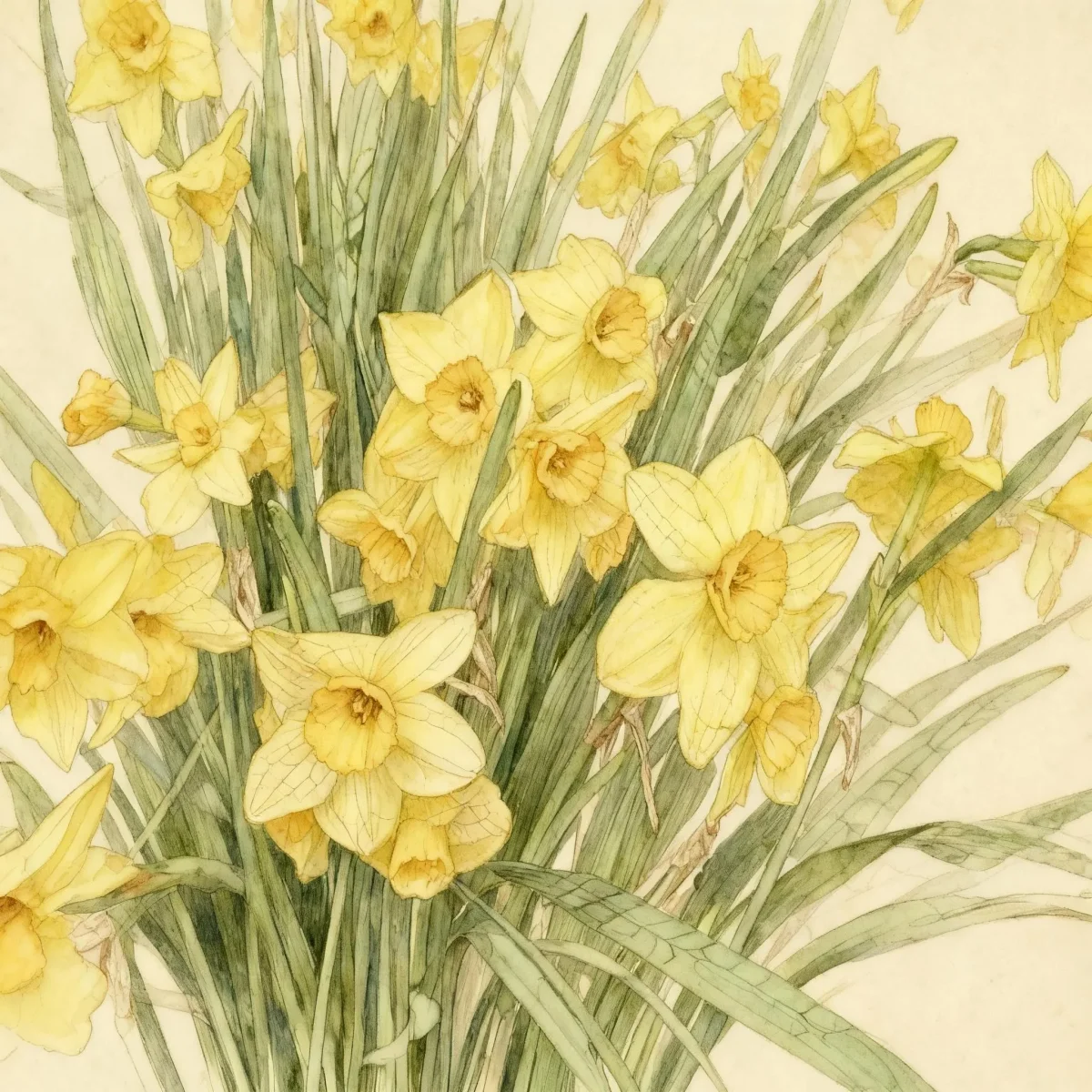
Allium moly is perfectly suited for designs intending to mimic a natural, slightly wild look, frequently suggested for naturalized areas. Their reliability and tendency to colonize make them wonderful for planting widely in drifts across lawns or beneath deciduous trees where they will receive sun before the canopy fills in. This approach truly showcases the massed effect of their bright yellow umbels.
Beyond naturalized settings, the medium height of Golden garlic makes it an excellent choice for border fronts, softening the edge between pathways or lawns and taller structural plantings. They also perform beautifully when tucked into rock gardens where the drier, well-drained conditions mirror their native preference. Consider pairing them with early-blooming perennials or later-flowering plants to ensure continuous garden interest.
Standout Features
Flower Qualities
- Showy
- Good Cut
Noteworthy Characteristics
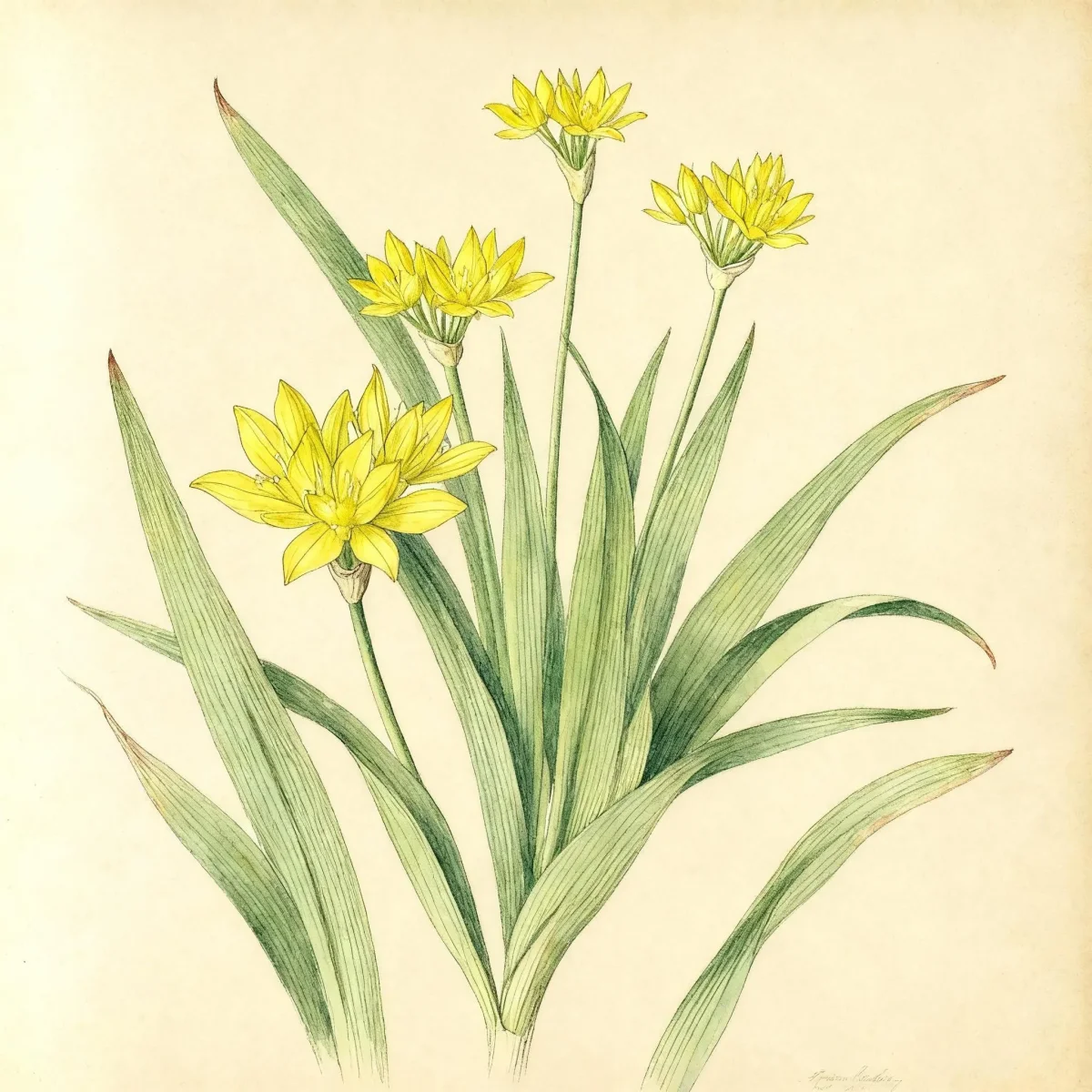
Allium moly ornamental flowering onion is noted for its star-shaped, 1/2” diameter, bright yellow flowers which appear in loose clusters (umbels) atop leafless stalks (9-15” tall) in late spring. They contrast nicely with the flat, tulip-like, blue-green basal leaves which provide structure after the blooms fade. All parts of this plant possess an oniony smell when cut or bruised, confirming its identification as an Allium.
Tolerances
- Deer
- Black Walnut
Potential Problems
Gardeners cultivating this lovely species will find few reasons to worry, as Allium moly generally has no serious insect or routine disease problems under normal growing conditions. Good air circulation and well-drained soil are the best preventative measures against any fungal issues that might arise from overly wet conditions. Its natural resilience makes it a trustworthy choice for mixed borders.
Frequently Asked Questions
What hardiness zones is Golden garlic suitable for?
Allium moly is hardy across a wide range, suitable for USDA Zones 3 through 9.
How large does Golden garlic grow?
This bulb typically reaches a height between 0.75 and 1.5 feet, with a modest spread of 0.5 to 0.75 feet at maturity.
When does Golden garlic bloom?
Golden garlic produces its signature yellow blooms between May and June.
What sun exposure does Allium moly need?
Allium moly prefers a location receiving full sun to part shade for optimal flowering performance.
Conclusion
The vibrant yellow display offered by Golden garlic ensures it remains a favorite choice for adding cheer to the late spring garden. Its low maintenance requirements and tolerance for deer and black walnut make Allium moly incredibly practical for many landscape situations. Plan to plant your bulbs this fall to secure a cheerful, colonizing bloom for the coming season.
Companion Planting
When incorporating Allium moly into formal beds, consider pairing it with plants that appreciate similar sun and soil conditions but emerge later. Good companions include plants like Peonies or Oriental Poppies, whose emerging foliage hides the dying leaves of the garlic. For an informal, cottage garden feel, let them mingle with low-growing Geraniums or Nepeta, which can also help mask foliage senescence.
Design Ideas
For high-impact visuals, plant Allium moly in long, sweeping curves rather than small clumps. This creates a river of yellow that draws the eye across the garden space in late spring. Because its height is manageable (under 1.5 feet), it works well in the foreground of mixed borders, ensuring that the taller plants behind it do not completely overshadow the star-shaped flowers of the Golden garlic.