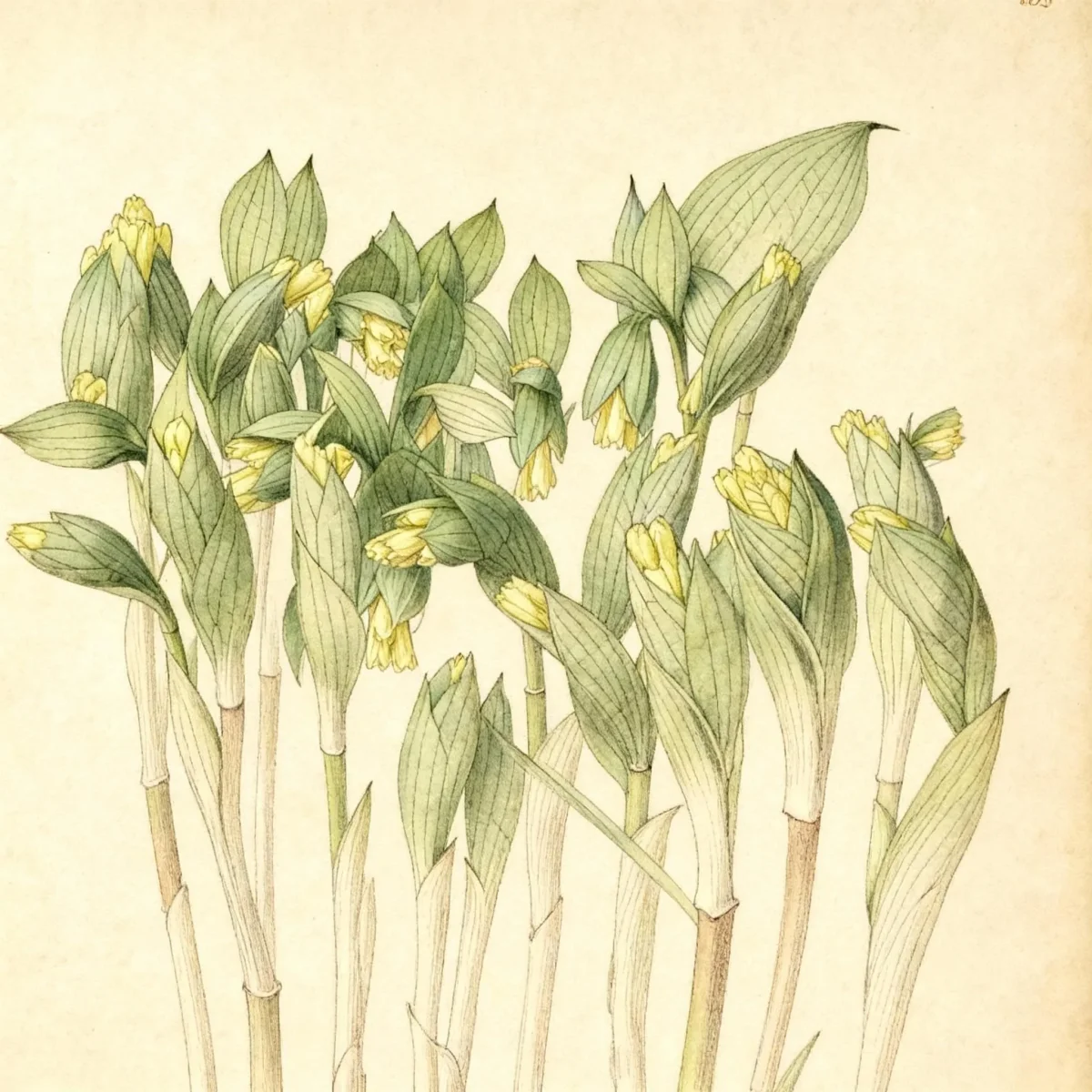
Fairy bells (Disporum flavens)
Disporum flavens, or Fairy bells, offers soft yellow blooms and low maintenance. Ideal for woodland and shade gardens in zones 5-8.
Scroll down to discover growing tips, care requirements, companion plants, and more
Complete Plant Information
Overview
Disporum flavens, commonly known as Fairy bells, is a captivating herbaceous perennial prized for its delicate yet distinctive spring display. Native to Korea, this plant fills the woodland garden niche beautifully, offering an easy-to-care-for option for shadier spots under the canopy. Its habit is reminiscent of Solomon’s seal, providing excellent vertical texture in the shade garden.
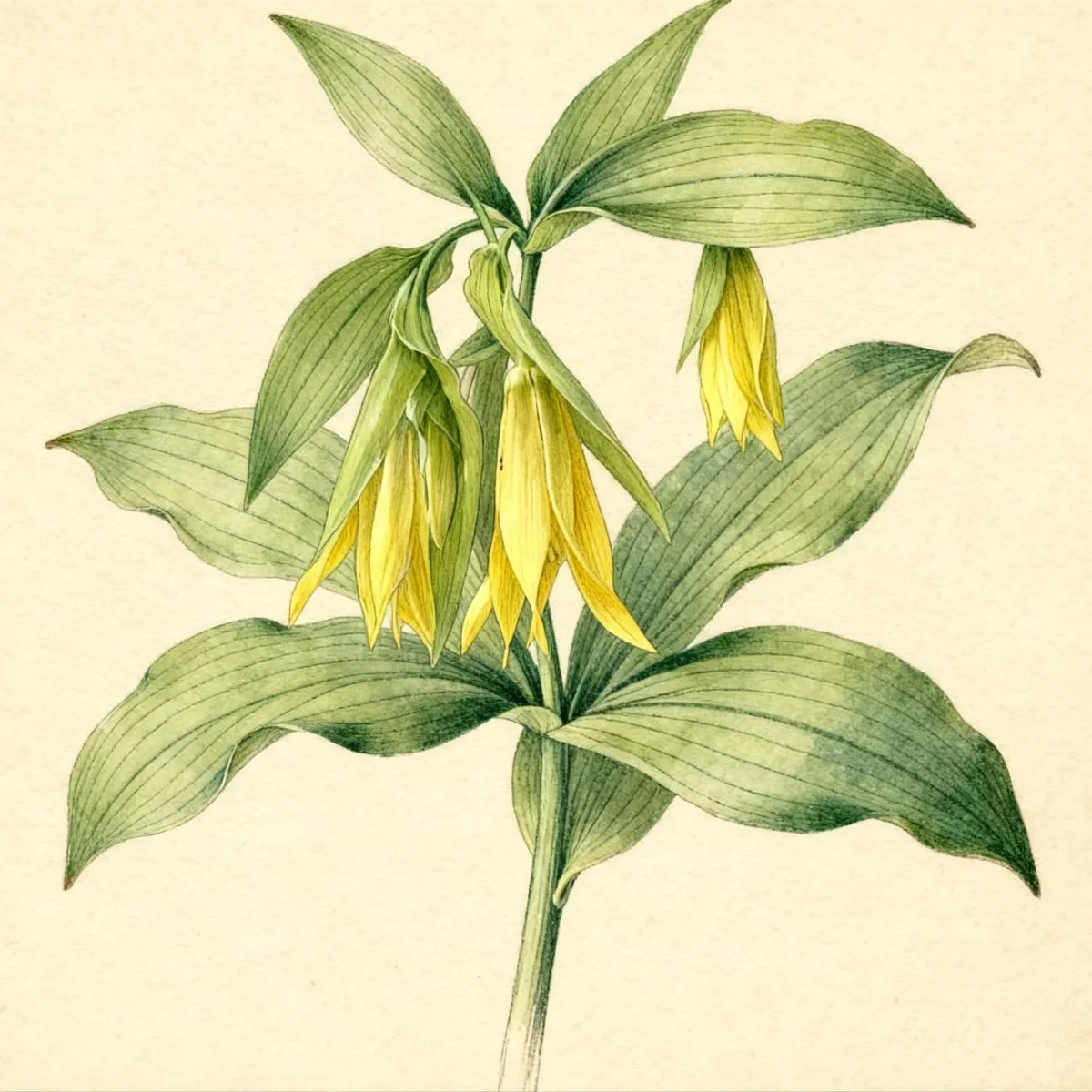
The visual highlight of Disporum flavens occurs in April when drooping clusters of tubular, soft yellow flowers appear near the stem tips. These blooms give way to showy black berries later in the season, extending its aesthetic appeal well beyond flowering. Established clumps of Fairy bells provide a surprisingly dense and rewarding presence in the dappled light of the understory.
As a rhizomatous perennial, this species slowly establishes itself, rewarding patience with reliable performance. It is highly valued for its low maintenance requirements and its ability to thrive where many ornamentals struggle—in consistently moist, shaded environments. For gardeners seeking reliable structure and subtle spring color, Disporum flavens is an excellent choice.
Fast Facts
- Plant Family: Colchicaceae
- Plant Type: Herbaceous perennial
- Native Range: Korea
- Hardiness Zones: USDA Zones 5-8
- Size at Maturity:
- Height: 2-2.5 ft
- Spread: 0.75-1 ft
- Bloom Time: April
- Bloom Description: Soft yellow
- Sun Exposure: Part shade to full shade
- Water Needs: Medium
- Maintenance Level: Low
How to Grow
Plant Disporum flavens in the spring once the danger of hard frost has passed, ensuring you select a site that mimics its native woodland environment. This plant thrives in moist, organically rich, well-drained soils. While it tolerates full shade, it performs best when given some morning sun or bright, filtered light (part shade locations). Be aware that Disporum flavens is somewhat slow to establish its full root system, so maintain consistent moisture during its first growing season.
Watering requirements are medium; aim to keep the soil consistently moist but never waterlogged, as rich, damp soil is key to healthy rhizome development. Fertilization is rarely necessary if the soil is heavily enriched with organic matter, such as compost or leaf mold, placed around the base annually. Minimal pruning is required; simply cut back the faded foliage in late fall or early spring before new growth emerges.
Seasonal care focuses mainly on maintaining soil moisture. In summer droughts, supplemental watering is crucial to prevent stress. As fall approaches, the foliage of Disporum flavens may turn an attractive yellow, especially if summer temperatures are relatively cool. Avoid disturbing the clump once established, as this can hinder its slow spread and clump formation.
Landscape Uses
Fairy bells are perfectly suited for woodland or shade gardens, providing critical vertical interest among low-growing hostas, ferns, and spring ephemerals. They work effectively planted in drifts to create a naturalized, tapestry-like effect beneath deciduous trees. The emerging flower buds and blooms in April offer an essential succession element as spring bulbs fade.
In mixed borders, integrate Disporum flavens into the middle or back sections, situated in part shade areas where they receive dappled light throughout the day. Their upright habit contrasts beautifully with groundcover companions. When planting, group at least three plants together to encourage the slow creeping necessary for forming a more impactful visual mass of foliage and flower over time.
These plants can also transition nicely into shaded rock gardens or used as an accent plant near shaded water features where the consistent moisture is guaranteed. Their low maintenance profile makes them ideal for areas of the garden that are somewhat inaccessible for frequent fussing or high-intensity care regimes.
Standout Features
Flower Qualities
- Showy
Fruit Qualities
- Showy
Noteworthy Characteristics
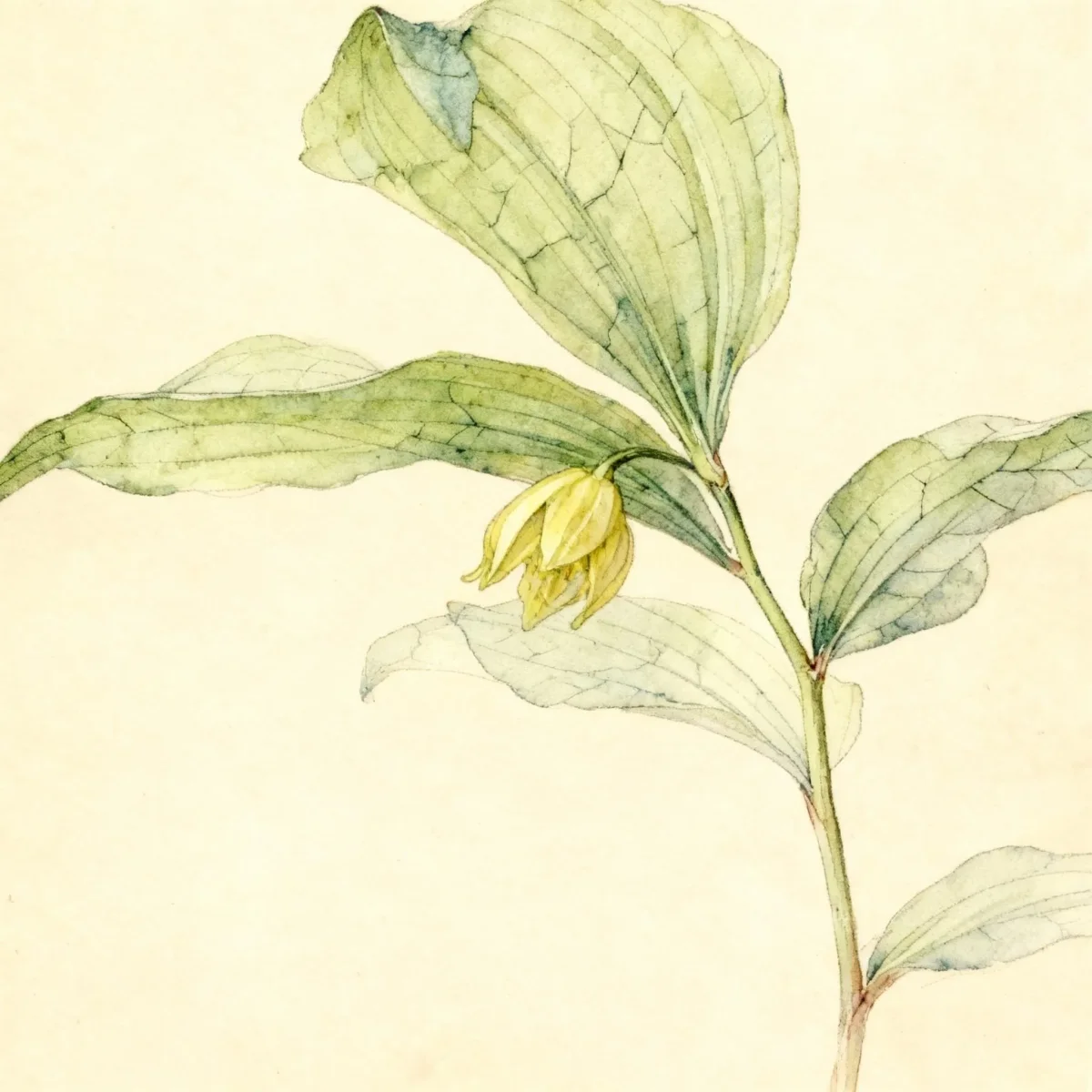
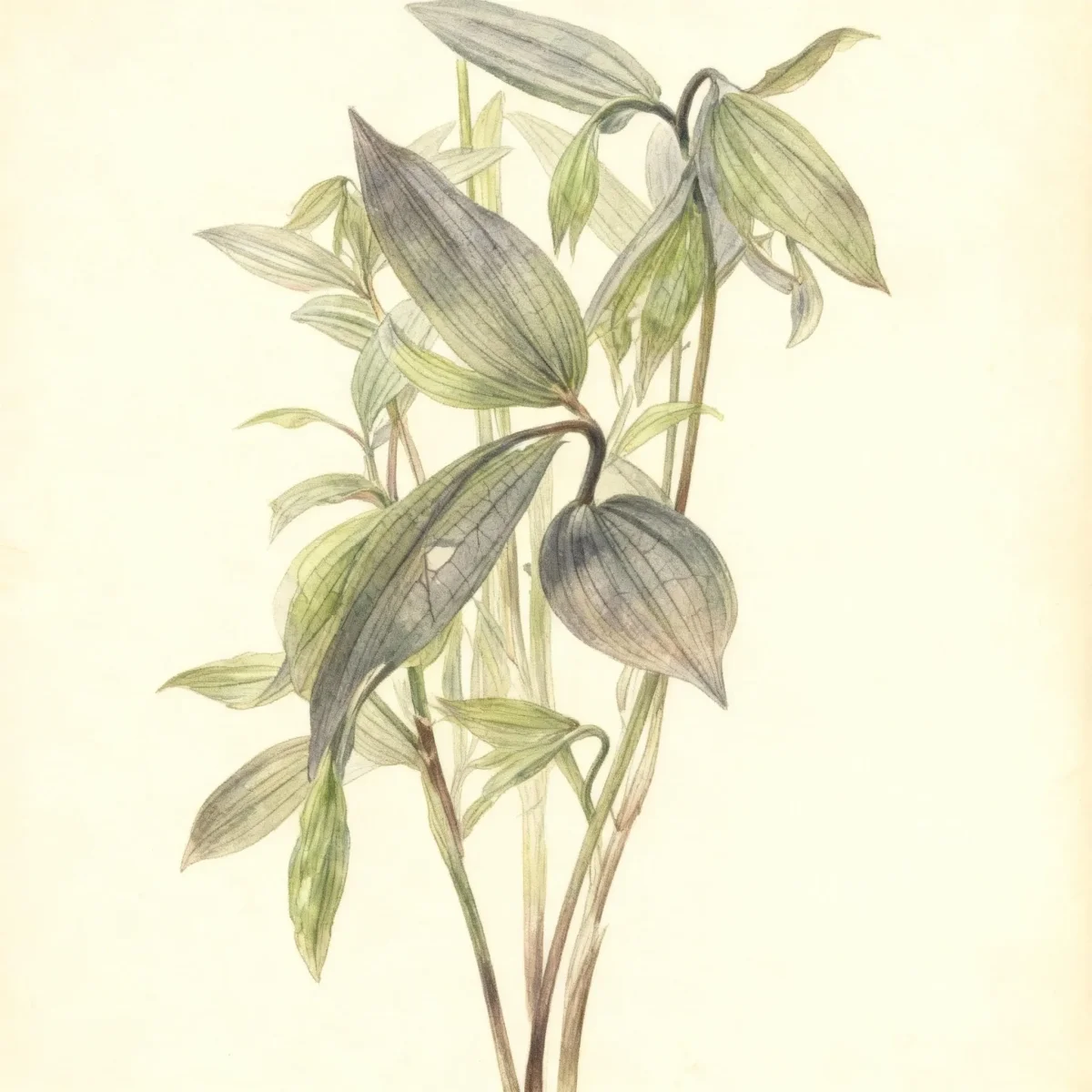
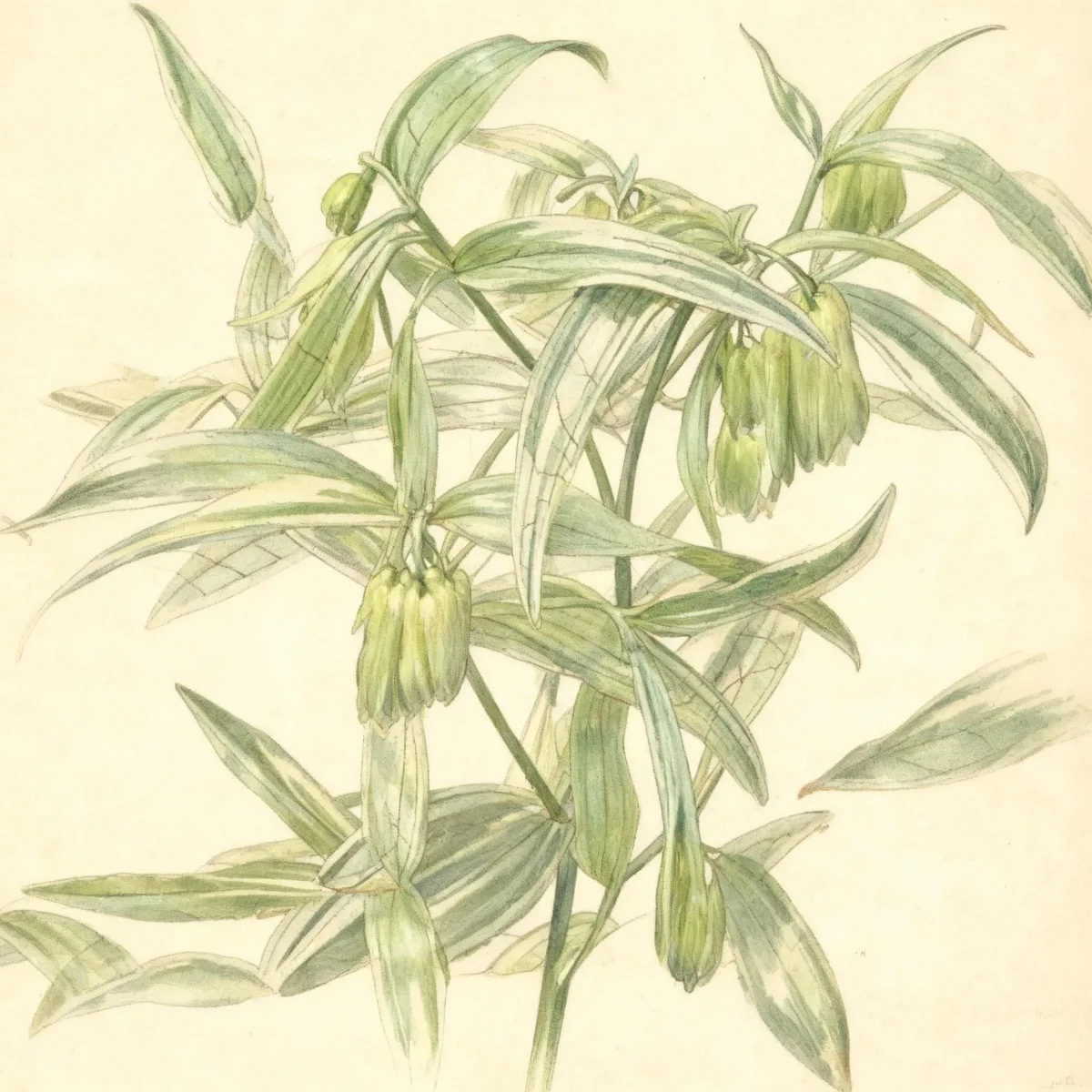
Disporum flavens, commonly called fairy bells is native to Korea. It is a rhizomatous perennial that typically grows in a slowly creeping clump to 30” tall. Lance-shaped leaves (to 6” long) and plant habit are reminiscent of the related Solomon’s seal (Polygonatum), except fairy bell flowers are terminal. Drooping, tubular, soft yellow flowers (usually 1-3) appear in small clusters at the stem ends in April. Flower buds appear with the new growth. Flowers from established clumps often produce a showy display. Flowers give way to black berries that ripen in late summer. Foliage will sometimes turn an attractive yellow in fall, particularly in climates with cool summer temperatures.Genus name comes from the Greek words dis meaning two and spora meaning seed for the two ovules in each chamber of the ovary.Specific epithet means yellow.
Tolerances
Potential Problems
Disporum flavens is generally regarded as having no serious insect or disease problems, which contributes significantly to its low-maintenance status. The primary pests to watch for are slugs and snails, particularly when the new shoots are emerging in early spring. Their tender new growth makes them an easy target. Managing these pests successfully involves maintaining good air circulation and employing non-toxic barriers or baits if infestations become noticeable. Fungal leaf spots can occasionally appear, usually as a result of excessively humid conditions or poor air circulation; ensure adequate spacing between plants to promote drying.
Frequently Asked Questions
What hardiness zones is Fairy bells suitable for?
Disporum flavens is reliably hardy through USDA Zones 5 to 8.
How large does Fairy bells grow?
This perennial typically reaches mature heights between 2 and 2.5 feet tall, spreading roughly 0.75 to 1 foot wide.
What sun exposure does Disporum flavens need?
Fairy bells perform excellently in part shade to full shade conditions.
When does Fairy bells bloom?
The plant produces its soft yellow flowers during the month of April.
Conclusion
The combination of graceful form, low maintenance, and reliably showy blooms makes Disporum flavens an essential perennial for cultivating deep shade areas. This Korean native, Fairy bells, provides vertical structure and delicate color perfectly suited to woodland settings. Before planting, ensure your location offers moist, rich, well-drained soil compatibility within USDA Zones 5-8.
Companion Planting
When situating Disporum flavens in the garden, select companions that share its preference for part shade, consistent moisture, and organically rich soil. Excellent partners include various types of Hosta cultivars, particularly those with chartreuse or blue foliage to contrast the plant’s yellow spring color. Shade-tolerant ferns, such as Japanese Painted Fern (Athyrium niponicum) or Athyrium filix-femina, provide textural synergy with the upright habit of the Fairy bells. Consider early spring bloomers like Snowdrops (Galanthus) or Squills (Scilla) that will finish flowering just as Disporum flavens begins to develop its buds, ensuring continuous visual interest.
Seasonal Care Calendar
Spring is the primary time for observation; ensure the soil remains moist as the flower buds emerge for the April bloom display. Once flowering ends, the plant focuses on developing its foliage and setting fruit, so consistent watering during dry spells is vital. Summer care is minimal; apply a top dressing of compost or leaf mold during the active growth phase to replenish organic matter naturally. In the autumn, appreciate the potential yellow fall color of the Disporum flavens before the foliage dies back completely. Since it is low maintenance, winter preparation is simple; leave the old stalks standing until late winter or early spring cleanup provides minimal disturbance to dormant crown.