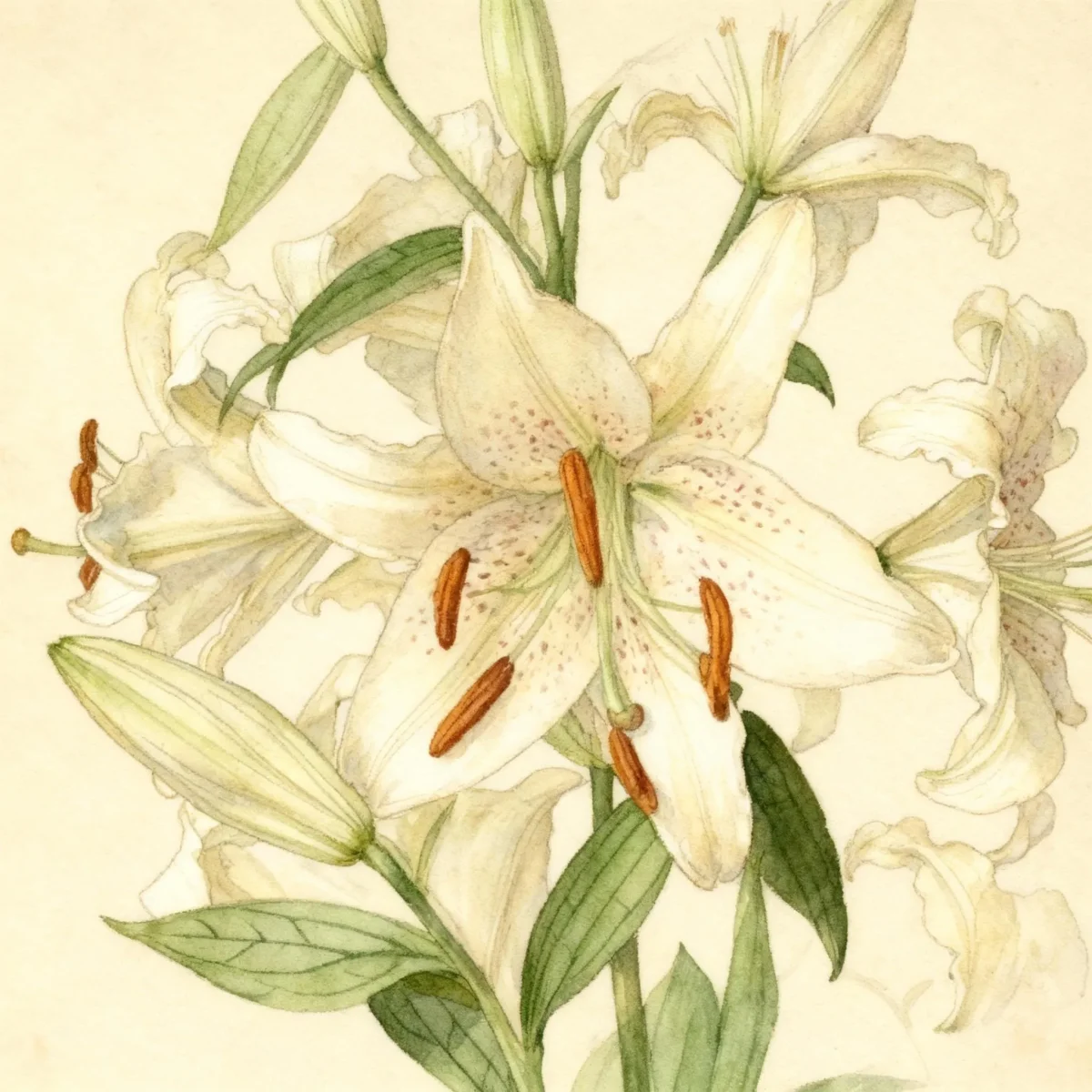
Persian lily (Fritillaria persica)
Fritillaria persica, the Persian lily, offers striking plum purple racemes atop 3-ft stems. Low maintenance bulb for sunny borders in Zones 5-8.
Scroll down to discover growing tips, care requirements, companion plants, and more
Complete Plant Information
Overview
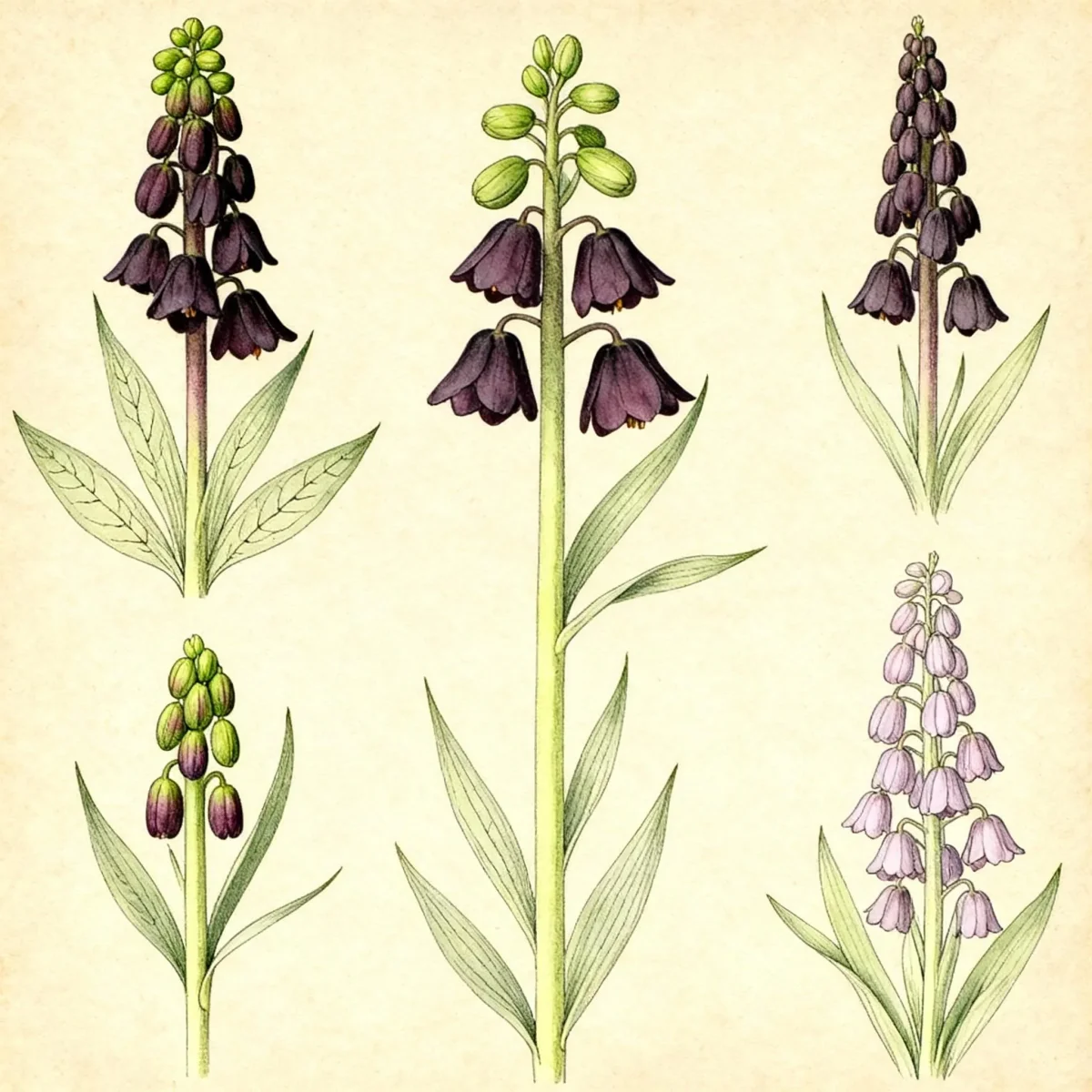
The Persian lily (Fritillaria persica) stands out in the spring garden with its dramatic, architectural presence. This bulbous perennial from the lily family provides a unique focal point, showcasing dense racemes packed with nodding, bell-shaped flowers in shades of plum purple to pale gray green. Its height, reaching up to three feet, adds valuable vertical interest among lower-growing spring bloomers.
Valued for its relatively low maintenance requirements once established, the Fritillaria persica thrives when its specific needs for drainage and location are met. Gardeners appreciate this species for its ability to naturalize slowly, creating reliable seasonal displays year after year in well-drained environments.
Native to the rocky slopes of Western Asia, the Persian lily brings an exotic, yet rugged, beauty to borders and rock gardens. For successful cultivation, focus on mimicking its native preference for hot, dry sites following the bloom period, ensuring excellent soil drainage is paramount to prevent bulb decay.
Fast Facts
- Plant Family: Liliaceae
- Plant Type: Bulb
- Native Range: Western Asia
- Hardiness Zones: USDA Zones 5-8
- Size at Maturity:
- Height: 1-3 ft
- Spread: 1-1.5 ft
- Bloom Time: May to June
- Bloom Description: Plum purple to gray green
- Sun Exposure: Full sun to part shade
- Water Needs: Medium
- Maintenance Level: Low
How to Grow
Planting Fritillaria persica bulbs should occur in the fall, providing them ample time to establish roots before winter dormancy. Select a site receiving full sun, particularly in northern climates, though light afternoon shade may benefit the plants in extremely hot summer regions. The most critical factor for success is soil structure; grow them in deep, organically rich soils that drain extremely well.
To ensure proper drainage, amend the planting hole generously with grit or sand. Plant the bulbs relatively deep—about 6 inches down—and space them 9 to 12 inches apart to allow room for naturalizing. While the plants appreciate medium moisture during their active growing and blooming cycle, they strongly prefer hot, dry conditions once the foliage begins to die back post-bloom.
Care is generally simple. Water according to the medium moisture requirement while actively growing, but reduce watering significantly in summer dormancy. While specific fertilizing needs are minimal, ensuring rich, amended soil at planting time provides necessary nutrients. Applying a good winter mulch over the planting area can help insulate the bulbs and moderate soil temperatures.
Landscape Uses
The robust stature and unique coloring of the Persian lily make it an excellent candidate for sunny borders where its height can contrast with smaller spring bulbs. The recommendation to naturalize areas means planting Fritillaria persica in groups allows the stems to create a more significant visual impact as they multiply over the years. Consider placing them where they won’t be crowded by more aggressive perennials later in the season.
These bulbs fit perfectly within rock gardens, provided the conditions are sunny and drainage is impeccable, mimicking their rocky native habitat. When mixed with early-blooming perennials or late-blooming spring tulips, the Fritillaria persica bridges the gap in the spring color transition. Their vertical lines are also wonderful when placed near foundational shrubs that provide a dark, solid backdrop for the plum-purple flowers to emerge against.
Standout Features
Flower Qualities
- Showy
Noteworthy Characteristics
Fritillaria persica, commonly called Persian lily, is a bulbous perennial of the lily family that is noted for producing attractive racemes of plum purple to gray green flowers in spring. Each raceme contains up to 30 conical, nodding, bell-shaped flowers atop a stiff, erect stem rising to 1-3’ tall. Stems are clad with glaucous, lanceolate, often twisted, gray-green leaves (to 5” long).
Tolerances
- Deer
- Black Walnut
Potential Problems
Bulb rot presents a significant threat to Fritillaria persica when soil drainage is inadequate; this is the number one cultural mistake leading to plant failure. To prevent this, use sand or grit liberally below and around the planted bulb to encourage rapid water runoff. Beyond soil issues, the plants can be susceptible to various fungal or viral issues, including leaf spot, rust, and mosaic virus. Regular scouting for evidence of these diseases and promptly removing infected foliage helps limit spread. Furthermore, slugs and snails may find the emerging foliage appealing, so management of these common garden pests is often necessary during early spring growth.
Frequently Asked Questions
What hardiness zones is Persian lily suitable for?
The Persian lily (Fritillaria persica) performs best when grown in USDA Hardiness Zones 5 through 8.
How large does Fritillaria persica grow?
This species typically achieves a mature height between 1 and 3 feet, with a spread ranging from 1 to 1.5 feet.
What sun exposure does Persian lily need?
For optimal flowering, Fritillaria persica requires full sun to part shade conditions.
When does Fritillaria persica bloom?
The bloom time for this striking bulb is generally from May into June, featuring flowers described as plum purple to gray green.
Conclusion
The architectural form and deep, unusual flower coloring make the Persian lily (Fritillaria persica) an invaluable addition for expert gardeners seeking sophisticated spring interest. Its low maintenance profile is highly attractive, provided the gardener prioritizes excellent soil drainage. Before planting this season, verify your garden sites fall within USDA Zones 5-8 and prepare the soil deeply for best performance.
Companion Planting
When planning companion plantings for the Persian lily, focus on species that thrive in similar conditions—full sun, well-drained soil, and a need for dry summer dormancy. Early-season bulbs like Daffodils (Narcissus) or early Tulips can share the space, emerging slightly before or concurrently with the Fritillaria persica. Ensure that surrounding perennials die back relatively early or tolerate dry summer soil, as the bulbs need this period of dryness to prevent rot. Ornamental grasses planted behind the lily can provide soft texture and visual support for the tall flower spikes once they emerge.
Seasonal Care Calendar
For year-round success with your Fritillaria persica, adherence to a seasonal calendar is beneficial. In Fall, this is the primary planting window; situate bulbs deeply and amend soil with grit. During Winter, apply a light mulch for insulation, especially in colder Zone 5 locations. Spring is for observation; water moderately while foliage is green and blooming, and be vigilant for slug and snail activity. Finally, in Summer, cease irrigation once the foliage yellows. Allow the leaves to die back naturally to recharge the bulb, as this period of heat and dryness is necessary for next year’s impressive bloom display.