Fritillary (Fritillaria raddeana)
Discover Fritillaria raddeana, a showy, fragrant Fritillary bulb featuring nodding greenish-yellow flowers in spring. Ideal for zones 5-8.
Scroll down to discover growing tips, care requirements, companion plants, and more
Complete Plant Information
Overview
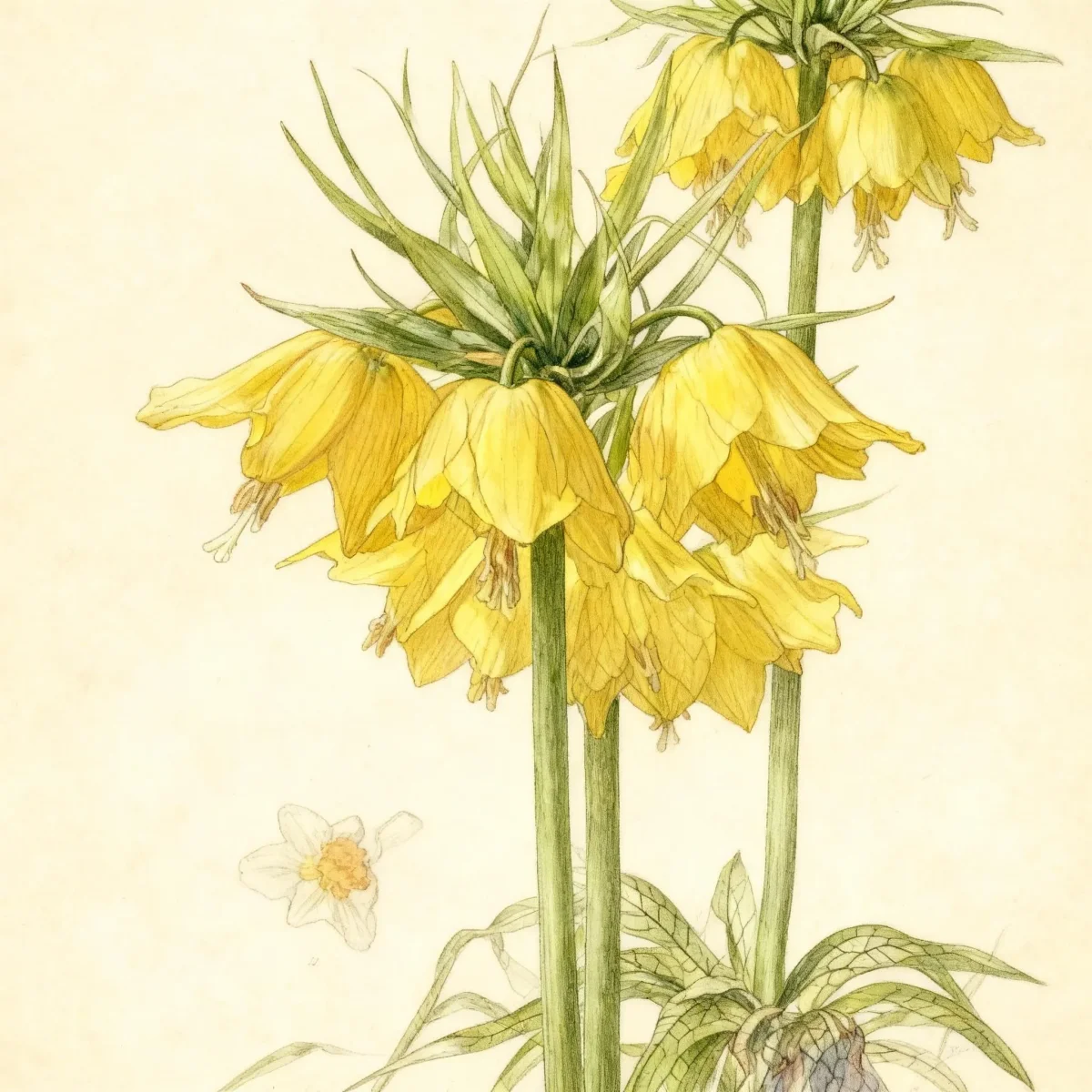
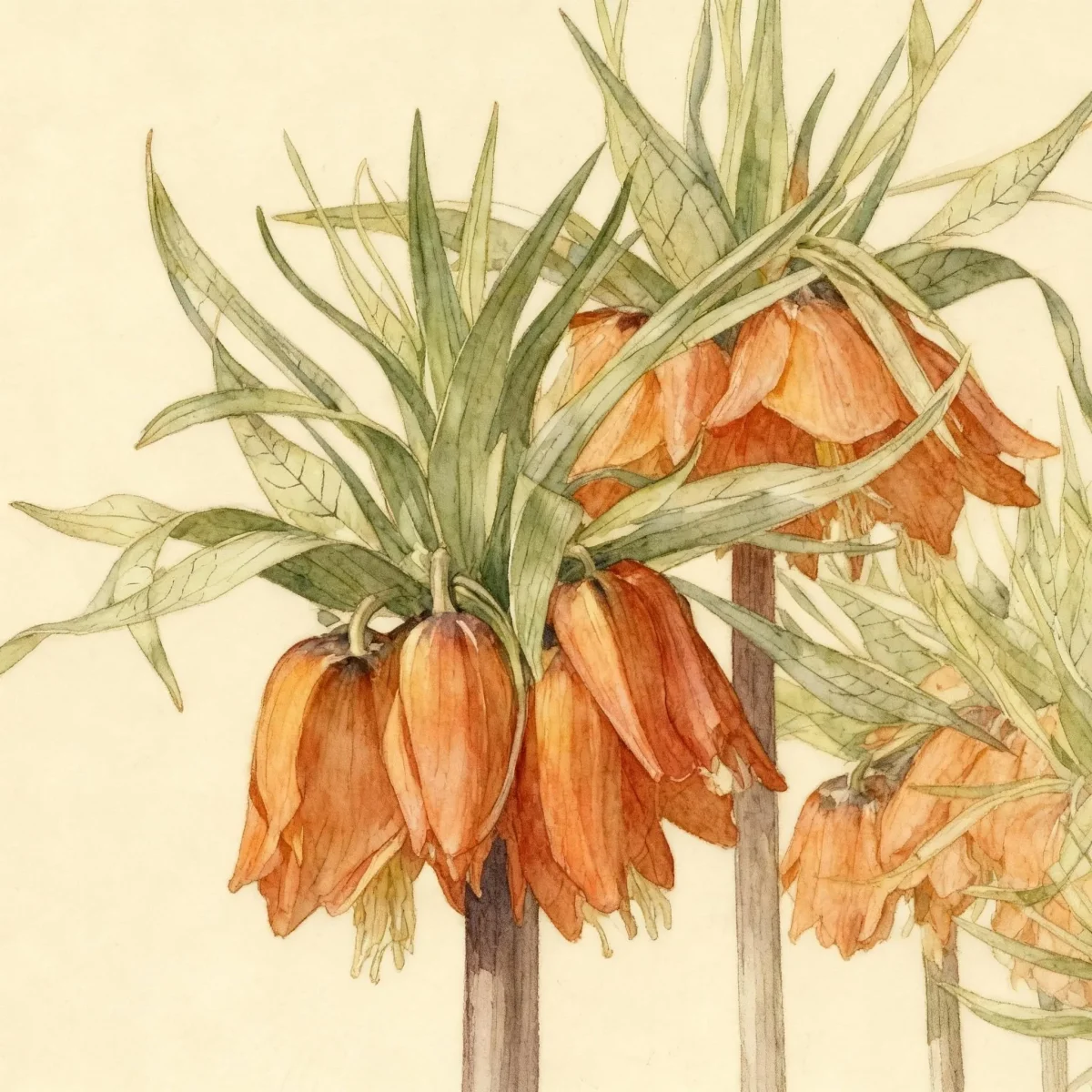
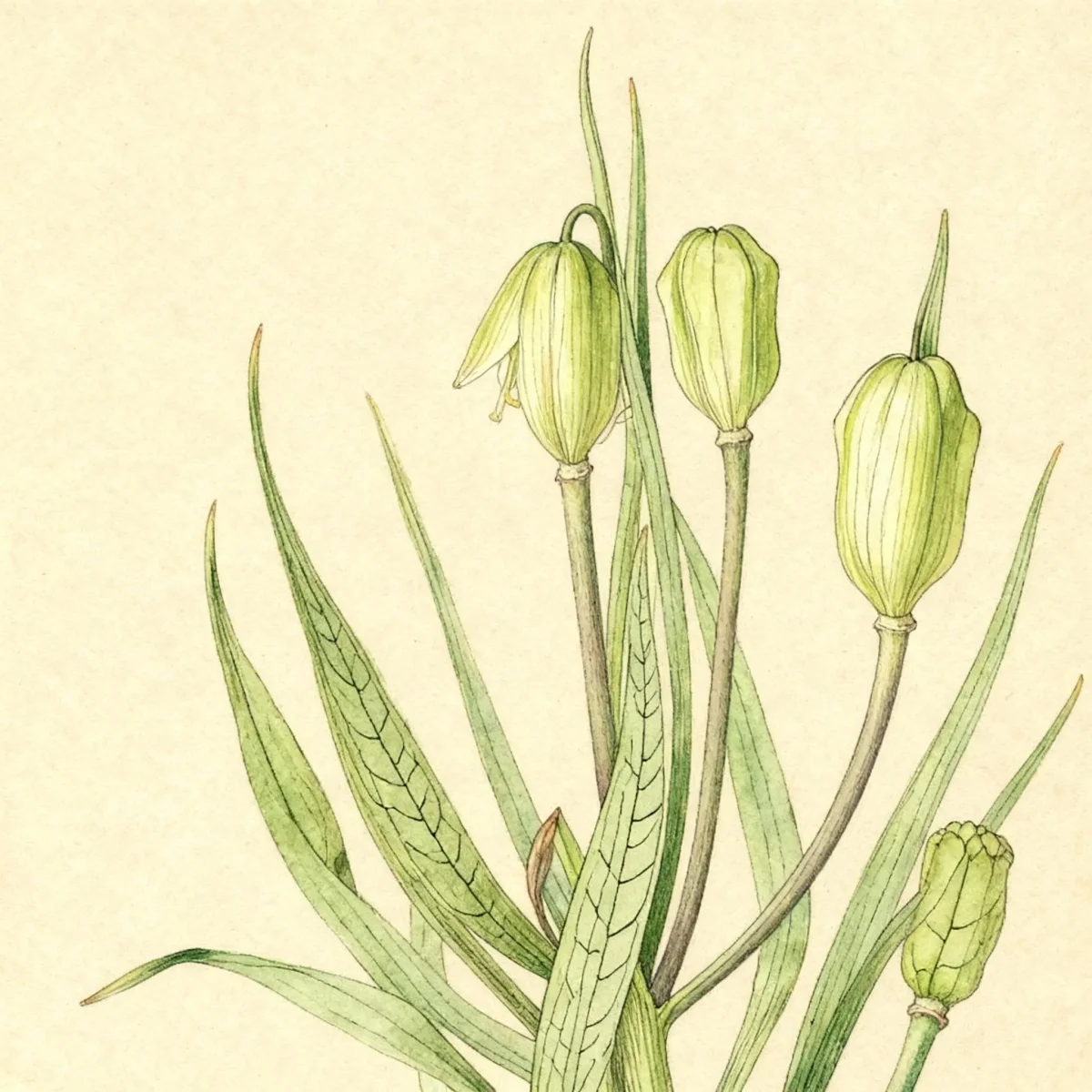
Fritillaria raddeana, commonly known as the Fritillary, is a highly esteemed spring-blooming bulb prized for its architectural form and unique floral display. This species produces striking umbels of large, pendant, bell-shaped flowers that emerge in a soft greenish-yellow hue, often tinged with burgundy. Its upright habit grants excellent vertical interest in the early garden season.
Native to the rocky landscapes of Iran and Turkmenistan, this Fritillary requires conditions that mimic its well-drained, organically rich environment. Gardeners value it for its height, reaching up to 2.5 feet, and the cluster of flowers crowned by a distinct pineapple-like tuft of bracts, setting it apart from other spring bulbs.
While the foliage and bulb possess an unpleasant odor, the visual reward provided by mature clumps of Fritillaria raddeana is worth the slight inconvenience throughout the summer dormancy period. Successful cultivation relies heavily on providing excellent drainage, especially as the plants enter summer dormancy.
Fast Facts
- Plant Family: Liliaceae
- Plant Type: Bulb
- Native Range: Iran, Turkmenistan, western Himalayas
- Hardiness Zones: USDA Zones 5-8
- Size at Maturity:
- Height: 2-2.5 ft
- Spread: 1-1.5 ft
- Bloom Time: April to May
- Bloom Description: Greenish-yellow
- Sun Exposure: Full sun to part shade
- Water Needs: Medium
- Maintenance Level: Medium
How to Grow
The optimal time to plant this Fritillary is in the fall, preparing for its spring show. Fritillaria raddeana thrives in deep, organically rich soils, but excellent drainage is paramount for bulb survival. When setting the bulbs, plant them approximately 6 inches deep and space them 9 to 12 inches apart. Incorporating sand or grit into the bottom of the planting hole significantly aids drainage, mitigating the risk of bulb rot.
During the growing season, maintain medium moisture levels, ensuring the soil is consistently damp but never waterlogged, particularly through the April to May bloom period. In hotter climates within its range (Zones 7-8), providing light afternoon shade can prevent foliage scorch. Ensure adequate moisture until the plant naturally begins to go dormant in the summer.
As the foliage begins to yellow and die back in summer, reduce watering significantly, as this Fritillaria raddeana prepares for dormancy. Bulbs benefit from a good layer of winter mulch to moderate soil temperatures, further protecting them through the colder months in Zones 5 and 6. Plants will slowly naturalize over time, and new divisions can be acquired via offsets forming around the main bulb.
Landscape Uses
The upright structure and dramatic flowers of Fritillaria raddeana make it an excellent choice for sunny borders where its springtime display can be admired up close. It performs beautifully when planted in small groups rather than solitary specimens, creating a more impactful block of color as the plants naturalize.
Consider using this bulb in rock gardens where the sharp drainage required by the species is naturally provided by the slopes and grit. They also work well in naturalized areas, provided the lawn mowing or maintenance activities respect their summer dormancy period when the foliage has completely died back. The height of this variety makes it a perfect mid-border plant, adding texture between low spring annuals and taller summer perennials.
Standout Features
Flower Qualities
- Showy
- Fragrant
Noteworthy Characteristics
Fritillaria raddeana, a bulbous perennial from the lily family, draws its name partly from the descriptive pattern seen in related species. Each bulb yields a substantial umbel holding 10 to 20 pendant, bell-shaped flowers of pale greenish-yellow, sometimes showing light burgundy tints, blooming early in April. Architectural interest is added by the cluster of narrow, leaf-like bracts crowning the flower heads, rising atop stems clad in shiny, glaucous, pale green leaves up to 5 inches long.
Tolerances
Potential Problems
Bulb rot poses the most significant threat to Fritillaria raddeana if planted in poorly drained soils; mitigation involves amending the planting site heavily with grit or sand. Like many lilies, these plants are susceptible to various fungal and viral issues, including leaf spot, rust, and mosaic virus, for which good air circulation and avoiding overhead watering can help prevent spread. Garden pests such as slugs and snails may be attracted to the soft, emerging foliage in early spring, requiring proactive monitoring and control measures.
Frequently Asked Questions
What hardiness zones is Fritillary suitable for?
This beautiful Fritillary is suitable for USDA Zones 5 through 8.
How large does Fritillaria raddeana grow?
At maturity, Fritillaria raddeana typically reaches a height between 2 and 2.5 feet, with a spread of 1 to 1.5 feet.
When does Fritillary bloom?
The bloom time for this species is generally from April to May, producing conspicuous greenish-yellow flowers.
What sun exposure does Fritillaria raddeana need?
This plant prefers full sun to partial shade conditions for optimal growth.
Conclusion
The unique flowers and stately height make Fritillaria raddeana a standout specimen for sophisticated early spring gardens. By ensuring meticulous drainage and respecting its summer dormancy, you can successfully cultivate this dramatic Fritillary. Check your local zone compatibility and plan to plant your bulbs deeply this coming fall to welcome this showy perennial next spring.
Companion Planting
Selecting appropriate companions is key to ensuring the health and visual impact of Fritillaria raddeana. Since this Fritillary goes dormant in summer, pair it with perennials that emerge later, providing ground cover as the bulb foliage declines. Excellent companions include plants that enjoy similar drainage profiles, such as certain Sedums, low-growing Irises, or spring-flowering native ephemerals. Placing them near plants with fine, fern-like textures helps contrast the strong vertical lines of the Fritillaria stems.
Seasonal Care Calendar
Spring is when the main action happens; ensure consistent, medium watering as the shoots emerge and the greenish-yellow flowers develop in April and May. Once flowering ceases and the foliage starts to yellow, stop routine watering to encourage proper bulb hardening for summer. A late fall application of mulch will protect the dormant bulbs through winter, especially for those gardening near the lower end of the hardiness range (Zone 5). Avoid disturbing the area above the bulbs during summer dormancy.