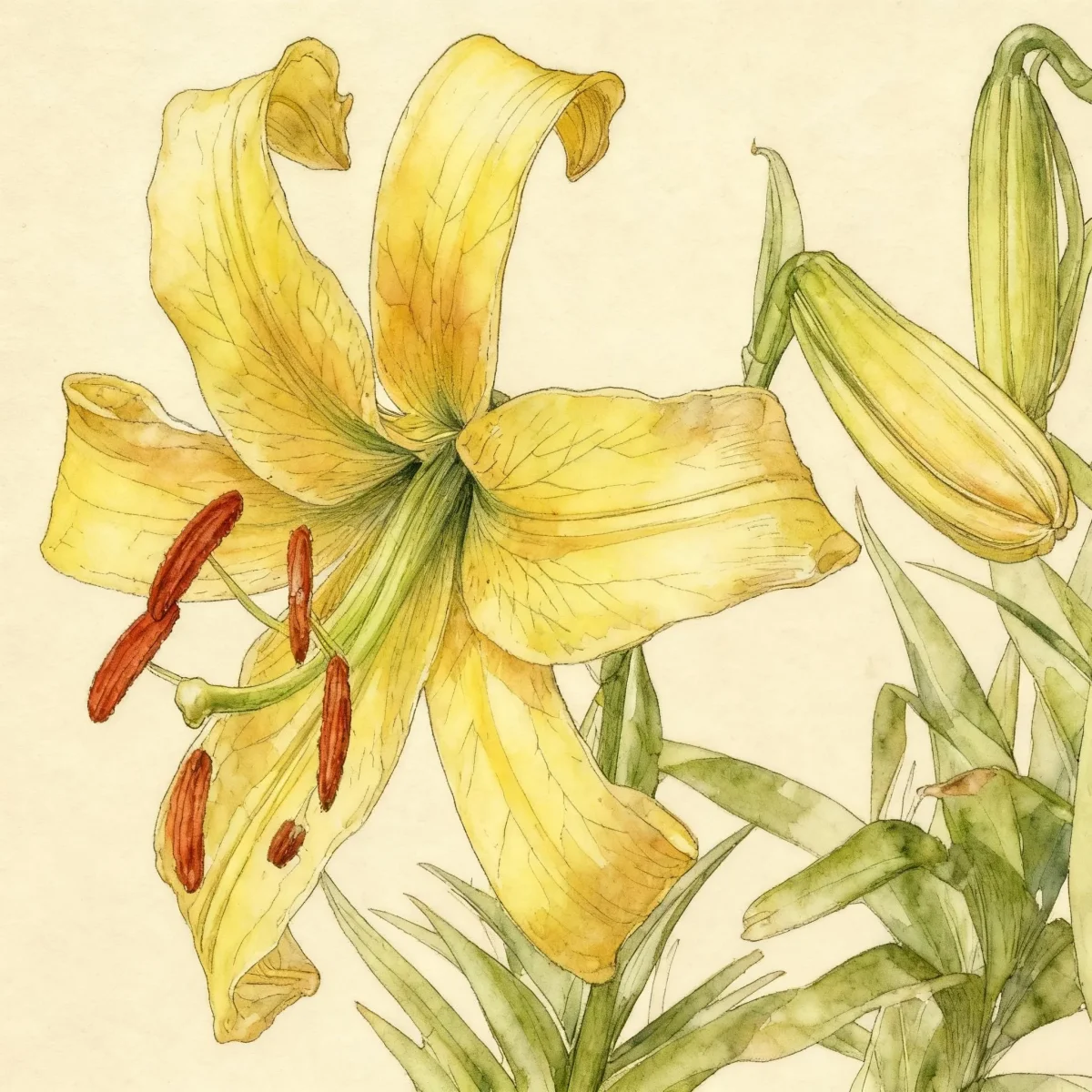
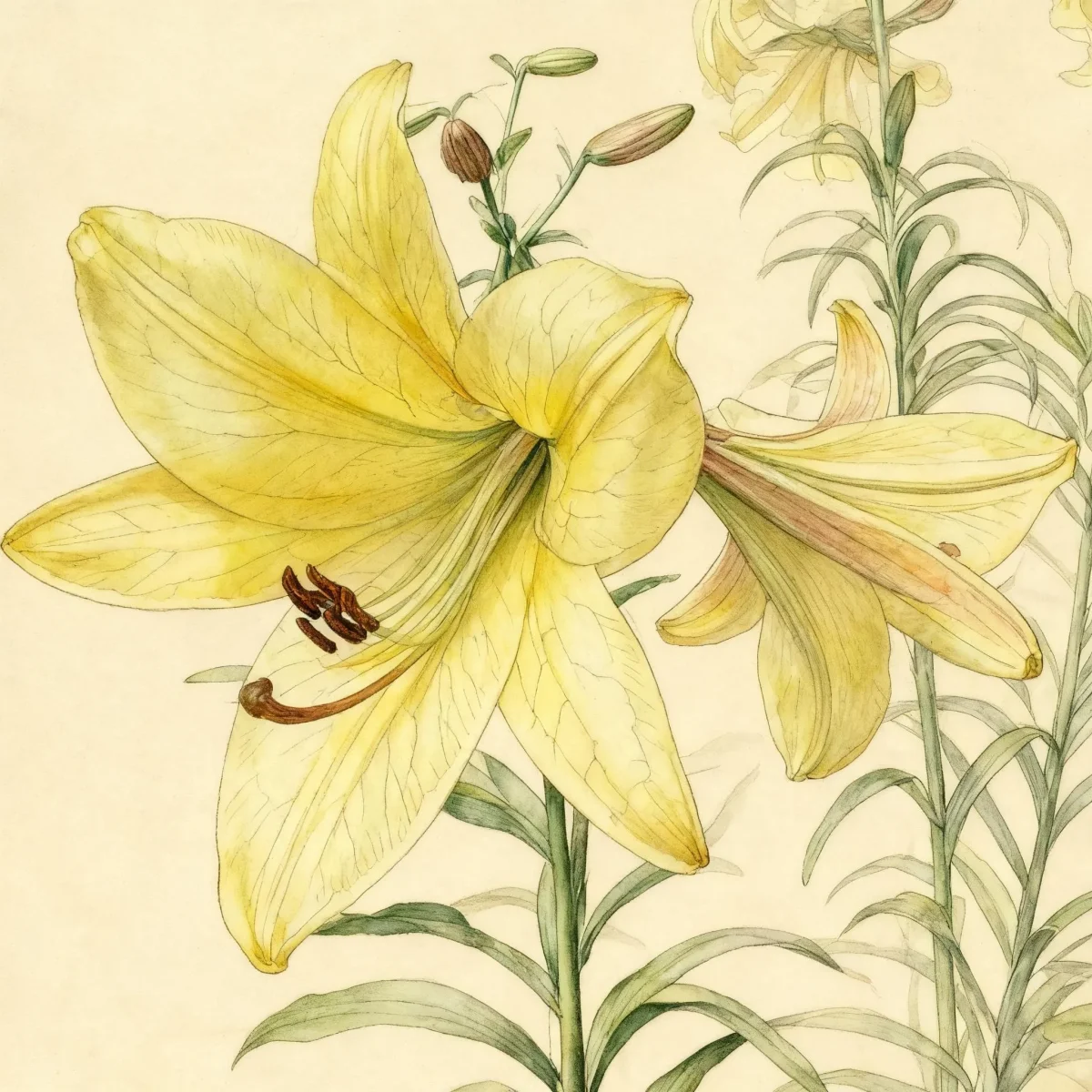
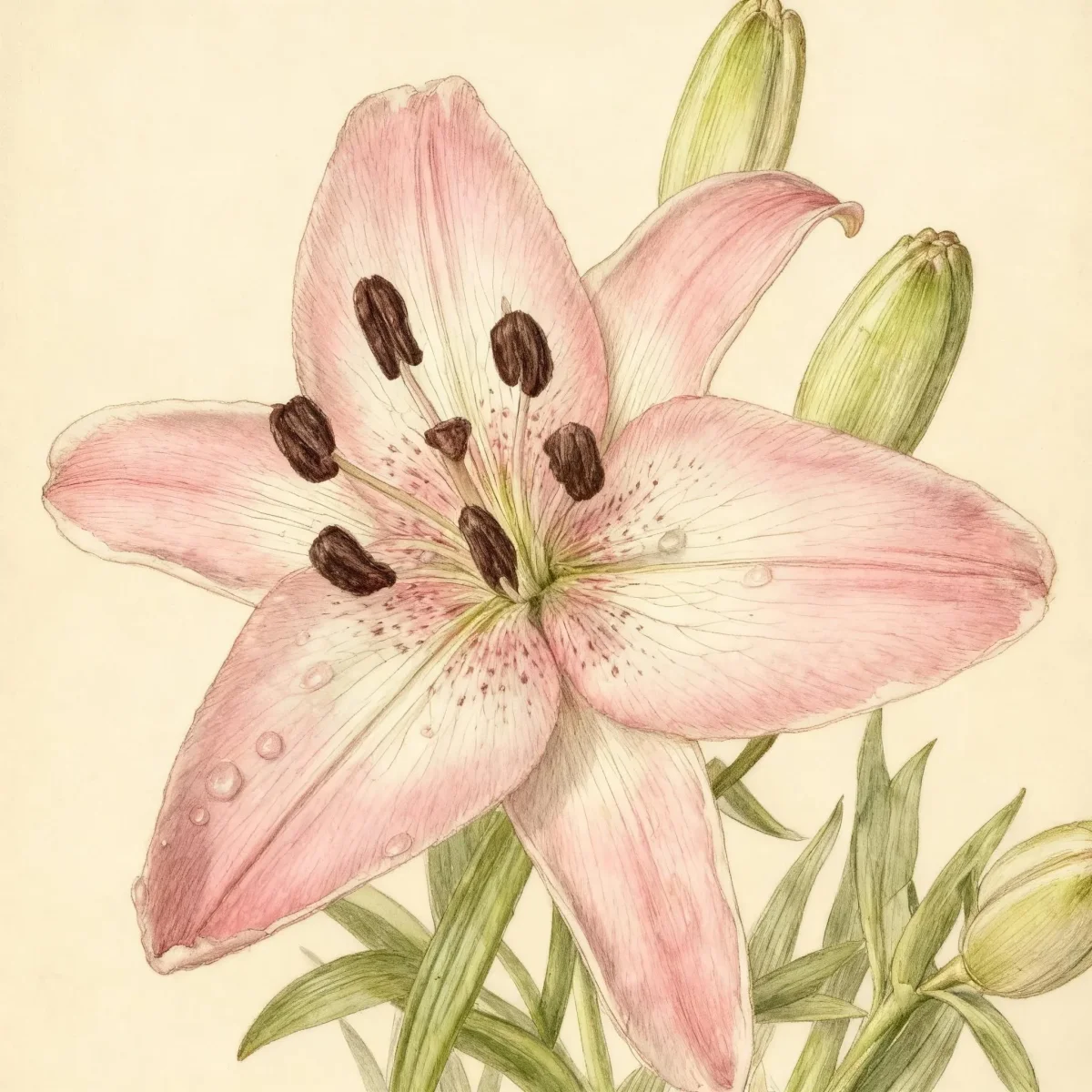
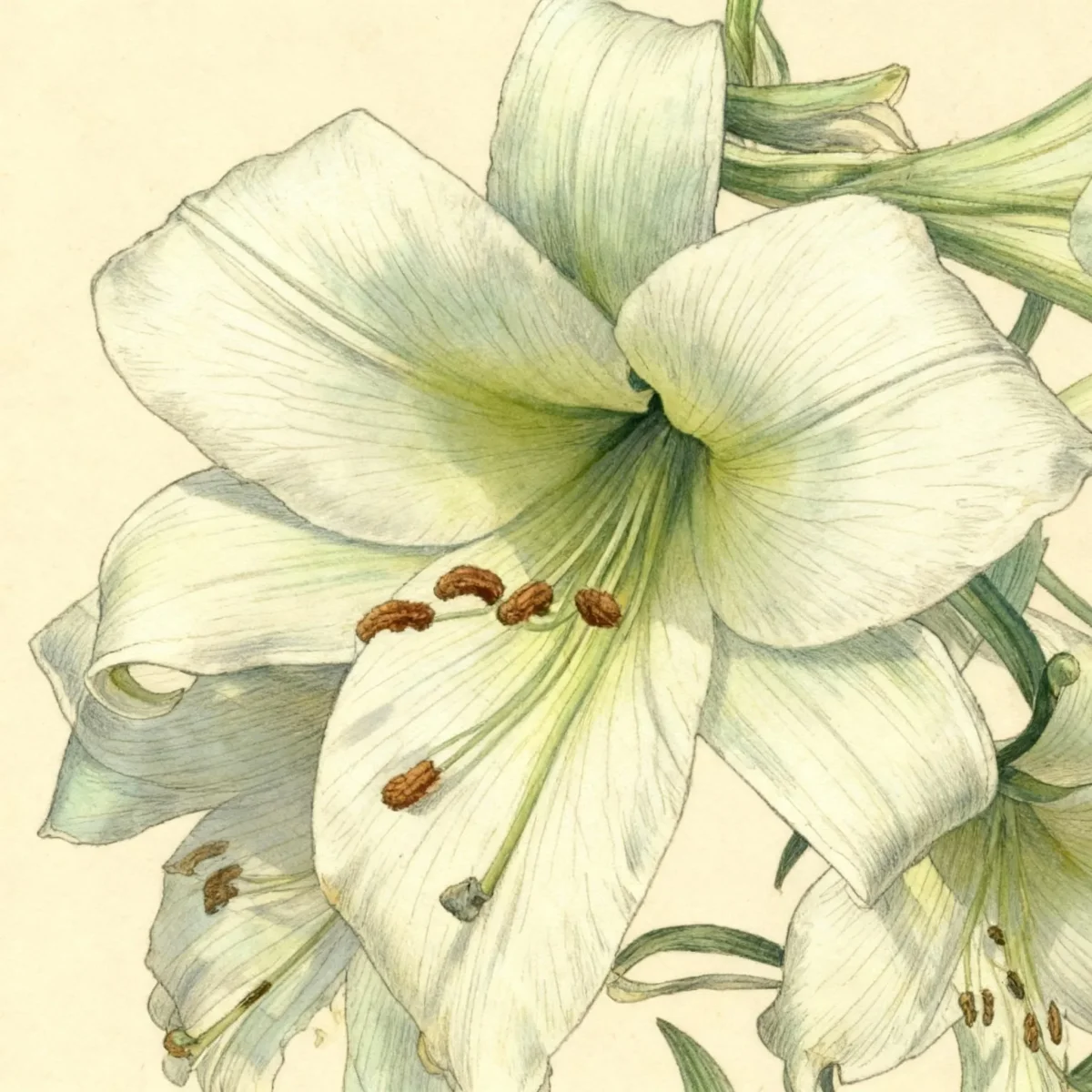
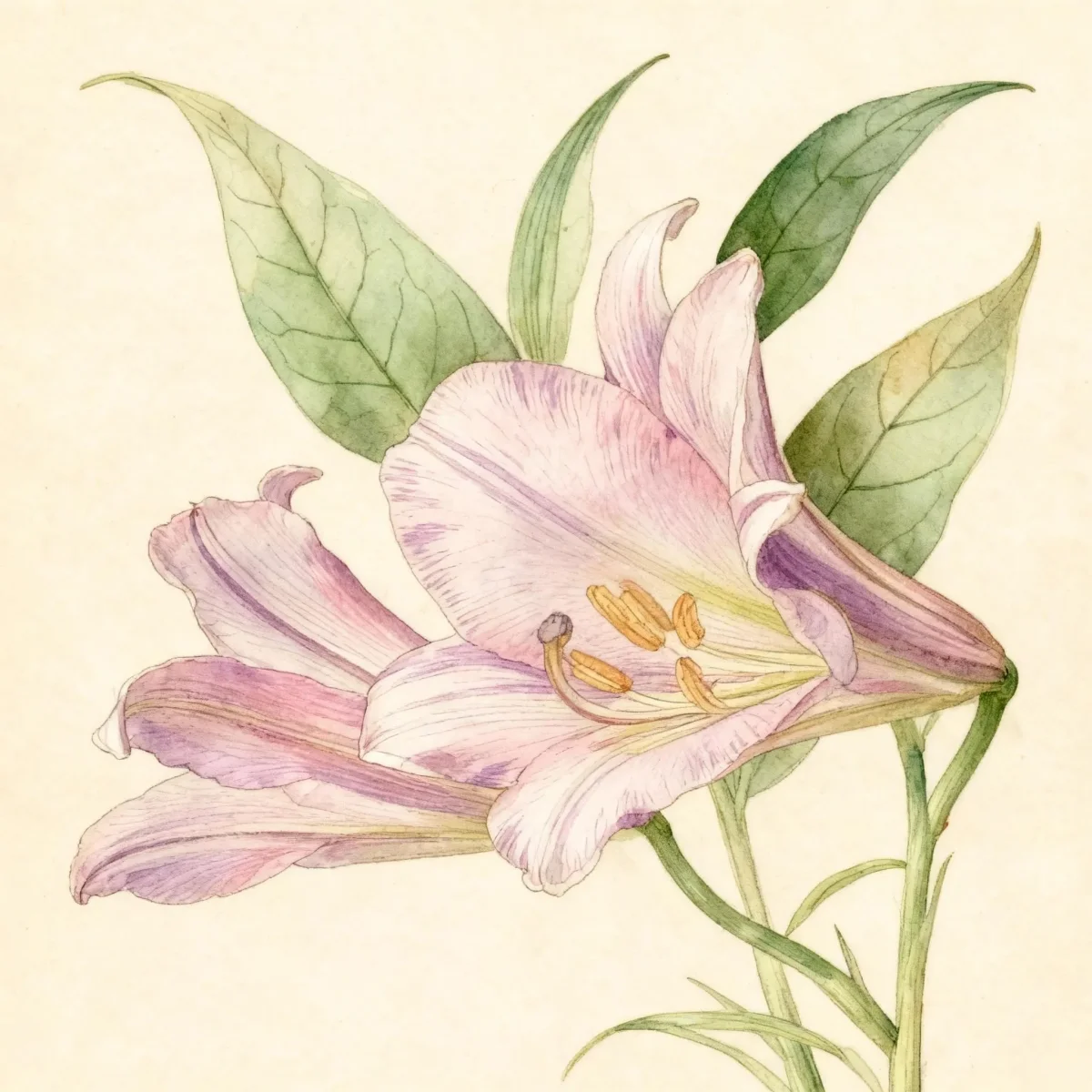
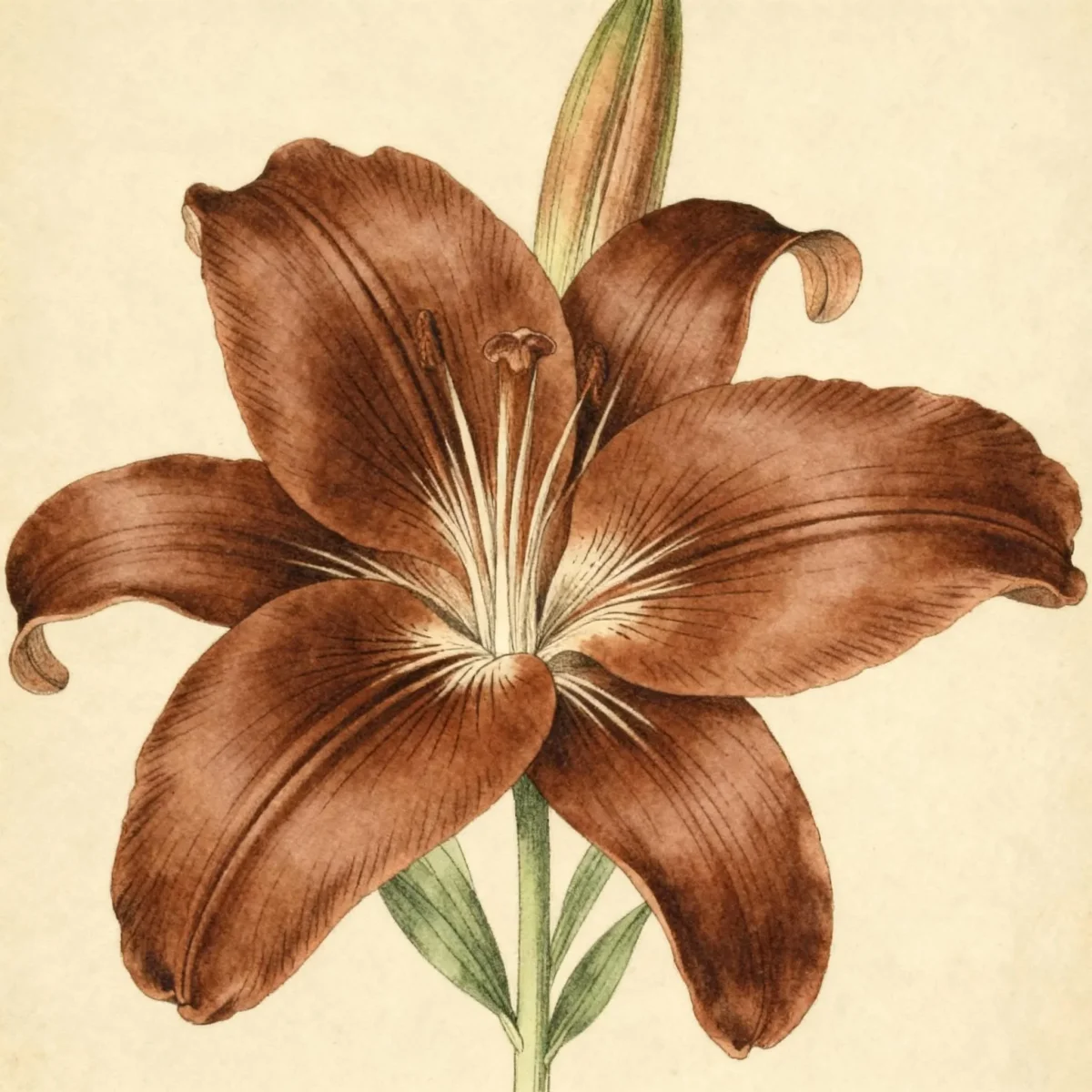
Turkscap lily (Lilium martagon)
Discover the elegance of Lilium martagon, the Turkscap lily, known for arching stems bearing showy, fragrant, maroon-spotted pink blooms.
Scroll down to discover growing tips, care requirements, companion plants, and more
Complete Plant Information
Overview
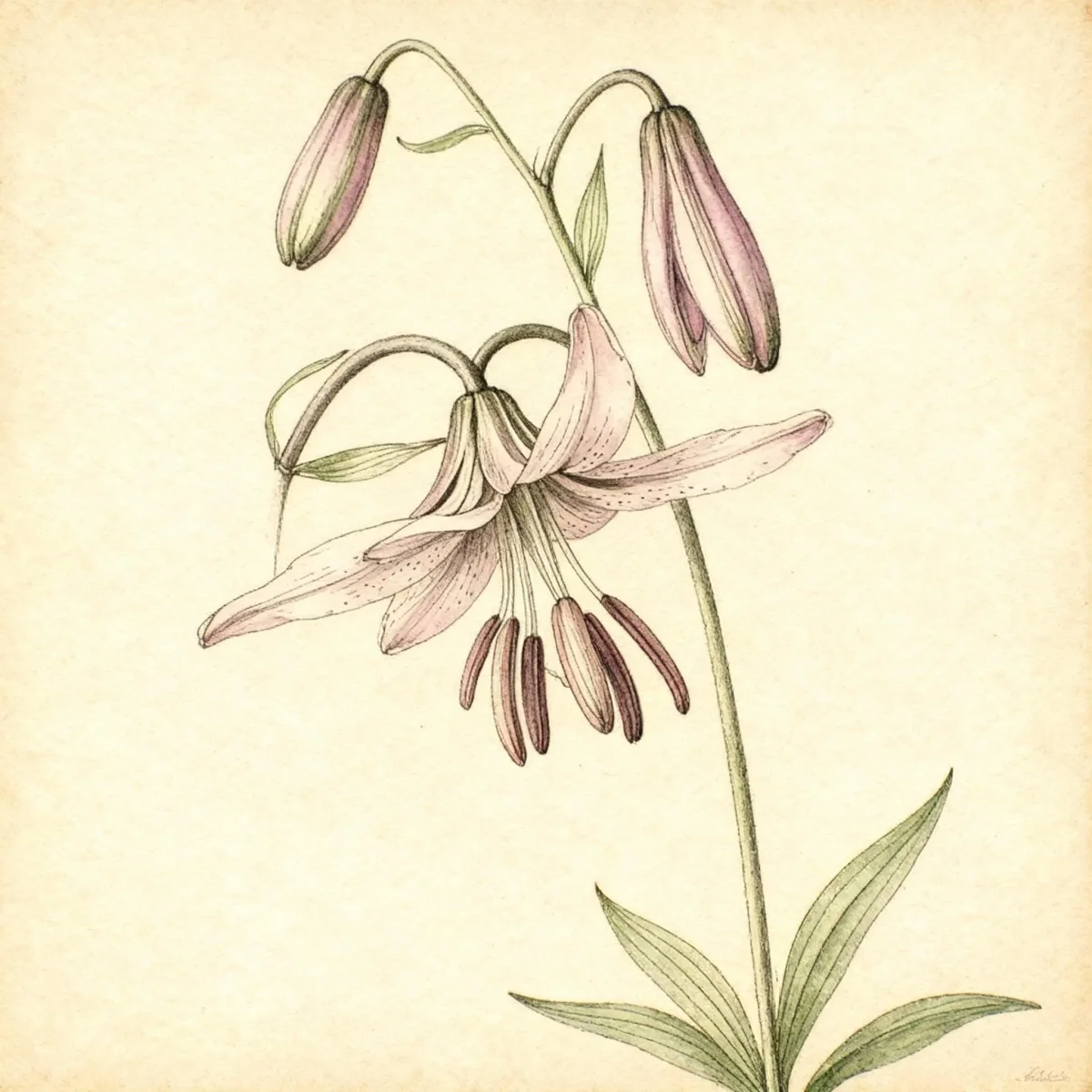
The Turkscap lily, scientifically known as Lilium martagon, offers a distinctly elegant silhouette in the mid-to-late summer garden. This Eurasian native is treasured for its towering flower spikes, which can support dozens of reflexed, mottled blossoms reminiscent of a turban, lending it the common name Turk’s cap lily. While they can present a challenge initially, established Lilium martagon plants are exceptionally long-lived and low-maintenance, rewarding patient gardeners with spectacular floral displays and attracting hummingbirds.
Mature specimens of this herbaceous perennial typically reach heights between three and six feet, creating vertical interest in perennial beds. The flower arrangement, with petals sweeping backward to expose distinctive maroon spots, is characteristic of the martagon group. Siting these lilies correctly is key to success, as they prefer dappled light over harsh afternoon sun.
Once settled, the Turkscap lily forms small colonies without aggressive spreading, providing years of virtually pest-free beauty. Their unique structure adds movement and exotic flair to mixed borders, making Lilium martagon a highly sought-after addition for herbaceous plantings.
Fast Facts
- Plant Family: Liliaceae
- Plant Type: Herbaceous perennial
- Native Range: Asia, Europe
- Hardiness Zones: USDA Zones 3-8
- Size at Maturity:
- Height: 3-6 ft
- Spread: 1-3 ft
- Bloom Time: July to September
- Bloom Description: Pink to white, spotted maroon
- Sun Exposure: Full sun to part shade
- Water Needs: Medium
- Maintenance Level: Medium
How to Grow
Establishment is the most critical phase for Lilium martagon. Plant bulbs in the fall or early spring in moist, well-draining soil that is organically rich and slightly sandy. Slightly alkaline soils are preferred, and although they can handle some clay, lightening the texture significantly improves bulb health. Provide full sun to part shade; remember that more shade encourages longer flowering stems, which can be beneficial for supporting heavy bloom loads.
Watering should be consistent but never soggy, as medium water needs must be balanced against the requirement for sharp drainage to prevent bulb rot. Avoid high-moisture, peat-heavy potting mixes if growing these lilies in containers. An annual top dressing of organic matter, such as leaf mold or compost applied in the fall, enriches the soil naturally.
Once daylight hours shorten and foliage yellows in the fall, stems can be cut back. Do not disturb established bulbs; Lilium martagon resents being moved once it has rooted in. Be vigilant early in the season to protect the emerging new growth from hungry slugs.
Landscape Uses
The dramatic, nodding flowers of the Turkscap lily make it an indispensable vertical element in shaded or partially shaded garden areas. Ideal for cottage gardens, where their height complements lower-growing companions, they also shine in formal mixed borders, providing mid-summer excitement. Due to their height, plant them toward the middle or back of the border where they can receive afternoon shade, especially in hot climates.
Consider planting Lilium martagon among ferns, hostas, or other shade-tolerant perennials that thrive under similar dappled light conditions. They integrate beautifully into naturalized settings or less formal meadow plantings where their historic appearance blends seamlessly with native grasses and flowers. While they perform best in the ground, containers are an option provided the soil mix is sandy, extremely well-draining, and explicitly avoids moisture-retentive peat.
Standout Features
Flower Qualities
- Showy
- Fragrant
Noteworthy Characteristics
Lilium martagon, known as martagon lily or Turk’s cap lily, is a Eurasian species of lily native to much of Europe and central Asia. A mature martagon lily will typically reach 3-6’ tall and bloom in mid to late summer. The recurved petals are spotted maroon, and while they can take time to establish, they are prized for being long-lived and virtually pest-free.
Tolerances
Potential Problems
The most significant challenge with the Turkscap lily is establishing it correctly; bulbs can take a year or more before blooming, leading inexperienced gardeners to assume failure. Once established in ideal conditions, Lilium martagon is highly resistant to most common garden pests and diseases. The primary threat appears early in spring when tender shoots emerge: slugs. Protecting this new growth is paramount to ensuring a strong, tall stem develops for the summer bloom season.
Frequently Asked Questions
What hardiness zones is Turkscap lily suitable for?
The Lilium martagon is hardy across USDA Zones 3 through 8, offering wide adaptability across temperate regions.
How large does the Turkscap lily grow?
This plant typically achieves a mature height between 3 and 6 feet, with a spread ranging from 1 to 3 feet wide.
What sun exposure does Lilium martagon need?
Lilium martagon thrives in locations receiving full sun to part shade. Providing afternoon shade is often beneficial, especially in regions experiencing very hot summers.
When does Turkscap lily bloom?
The bloom time for this species is generally from July through September, producing flowers described as pink to white and heavily spotted maroon.
Conclusion
The elegant architecture and captivating fragrance of the Lilium martagon secure its place as a valuable midsummer feature in the perennial garden. Successful cultivation of the Turkscap lily hinges upon perfect drainage and patience during the initial years. Check your local hardiness zone compatibility and plan your planting location soon to enjoy this historical beauty for decades to come.
Companion Planting
Selecting appropriate neighbors is essential for mitigating moisture issues and supporting the impressive height of the Turkscap lily. Companion plants should enjoy similar soil profiles—moist but well-drained, leaning slightly alkaline—and appreciate partial shade. Excellent partners include plants with contrasting leaf textures, such as large-leaved Hosta varieties or delicate groundcovers like Epimedium (Barrenwort). These groundcovers help keep the soil cool around the bulb base without competing for deep water resources typical of a mixed border.
Wildlife Benefits
The structure and nectar availability of the Turkscap lily flower make it highly attractive to specific garden visitors. The open, heavily spotted throats of the reflexed petals serve as clear landing targets for large, specialized pollinators. Hummingbirds are known to be drawn to the rich floral display during the midsummer months. Furthermore, the robust nature of Lilium martagon means it supports biodiversity without requiring intensive chemical intervention, supporting a healthier ecosystem in your garden beds.