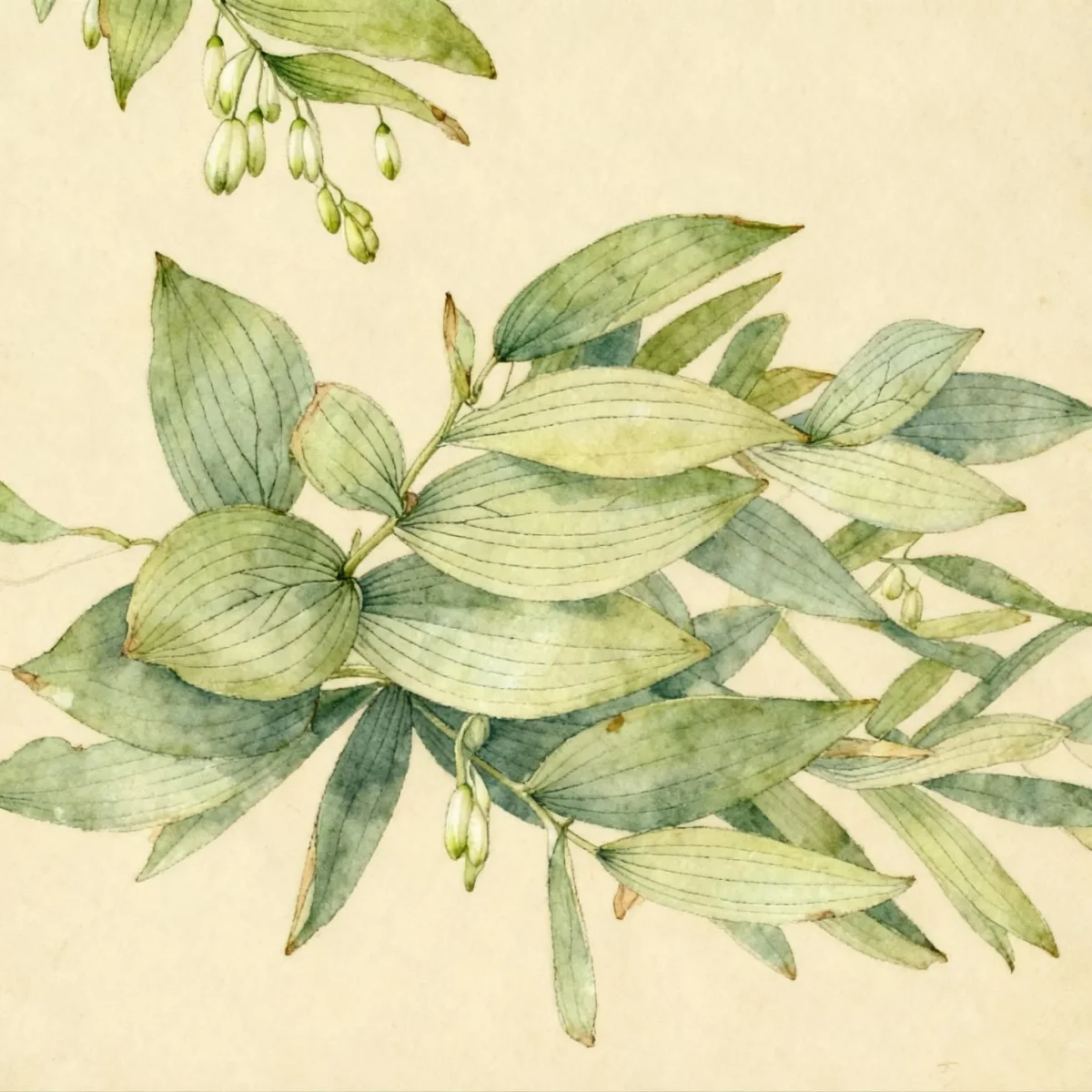
Dwarf Solomon's seal (Polygonatum humile)
Polygonatum humile, or Dwarf Solomon's seal, is a charming, low-growing perennial ideal for deep shade and moist gardens.
Scroll down to discover growing tips, care requirements, companion plants, and more
Complete Plant Information
Overview
Dwarf Solomon’s seal, scientifically known as Polygonatum humile, is a diminutive yet refined addition to the shaded garden. This creeping, rhizomatous perennial brings delicate texture and dependable performance to areas where grass struggles to thrive. Its graceful, arching stems offer subtle beauty throughout the growing season.
Valued for its very low stature, rarely exceeding 9 inches, Polygonatum humile is perfect for woodland settings or naturalized areas. It forms colonies slowly via its thin rhizomes, creating excellent ground cover under larger trees or near streams. Gardeners appreciate its resilience in deep shade and moist soils.
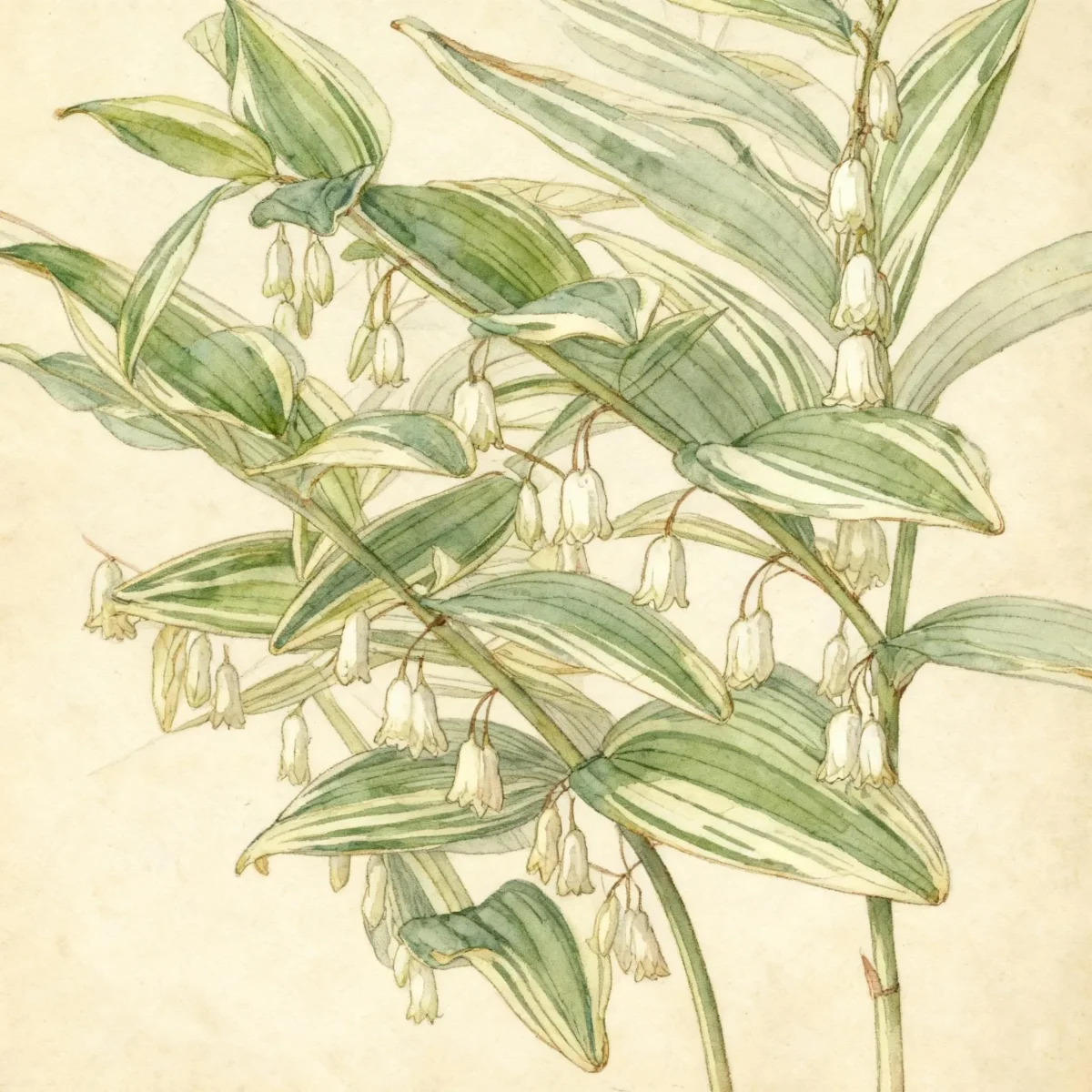
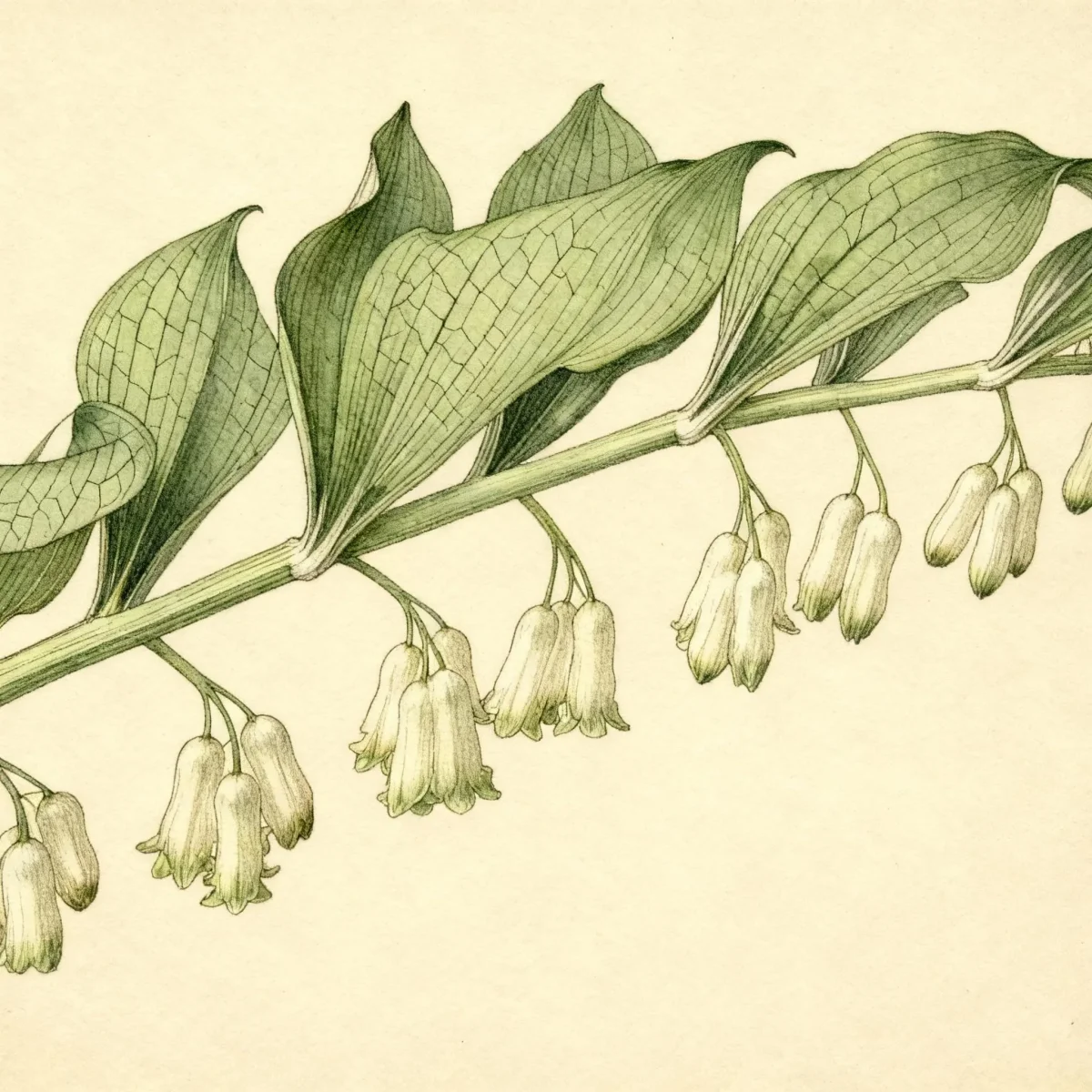
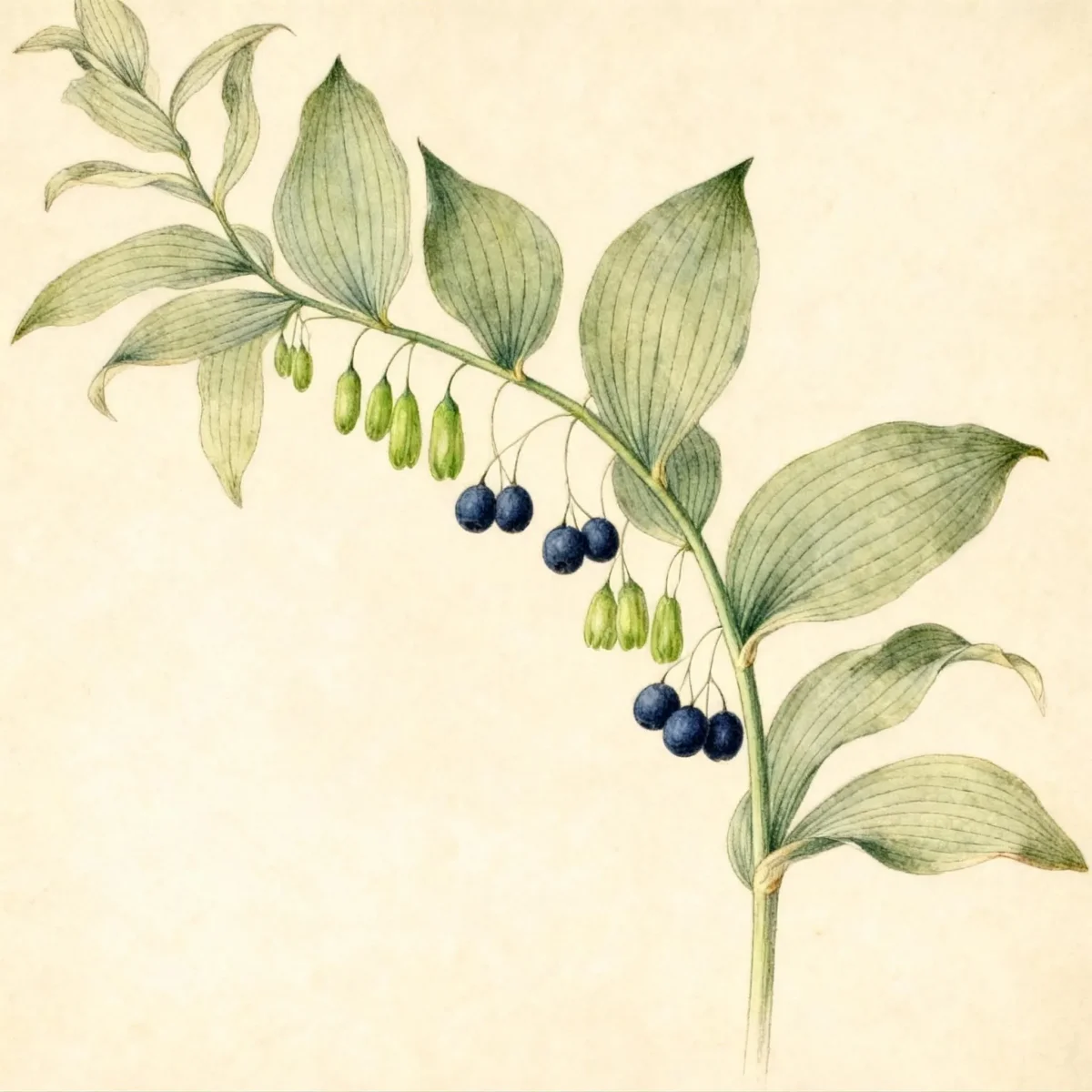
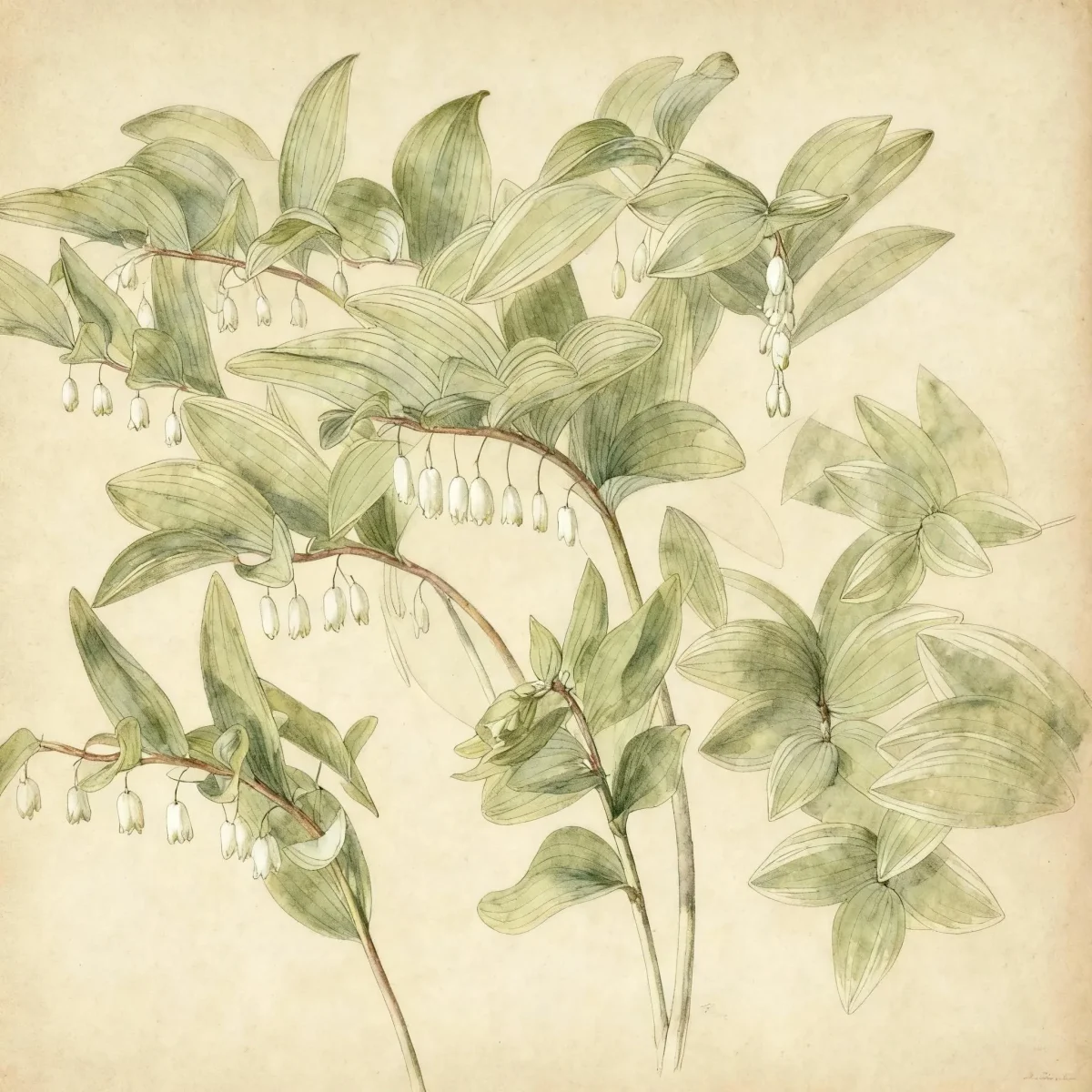
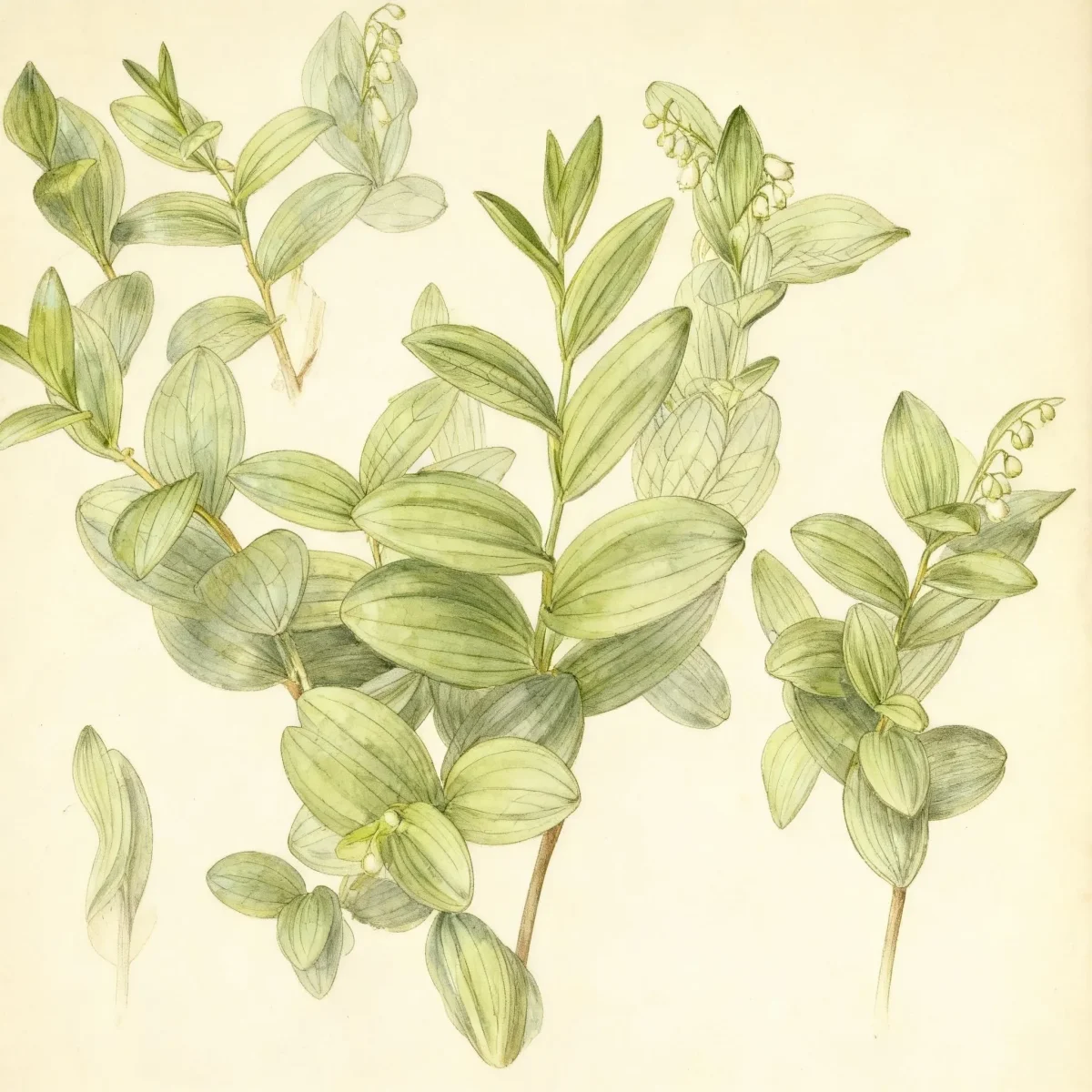
The plant distinguishes itself with arching stems adorned with veined, lance-shaped leaves. In late spring, small, greenish-white, tubular flowers dangle beneath the leaves, followed by attractive blue-black berries, enhancing its ornamental appeal.
Fast Facts
- Plant Family: Asparagaceae
- Plant Type: Herbaceous perennial
- Native Range: Central to eastern Asia
- Hardiness Zones: USDA Zones 4-8
- Size at Maturity:
- Height: 0.5-0.75 ft
- Spread: 1-1.5 ft
- Bloom Time: May to June
- Bloom Description: Greenish-white
- Sun Exposure: Part shade to full shade
- Water Needs: Medium to wet
- Maintenance Level: Low
How to Grow
The best time to establish Polygonatum humile is in the spring or fall when temperatures are moderate. Select a location that provides part shade to full shade, mimicking its native forest environment. This perennial thrives best in moist, humus-rich soils; amending heavy clay or sandy soils with compost ensures adequate drainage while maintaining necessary moisture levels.
Care for Dwarf Solomon’s seal is minimal once established. Ensure the soil remains consistently medium to wet, especially during dry spells, as it does not tolerate drying out well. Fertilization is rarely required if the soil is rich in organic matter; letting leaf litter decompose naturally provides sufficient nutrients.
Pruning is generally unnecessary for Polygonatum humile. Allow the foliage to naturally die back in the fall. Minimal cleanup is needed, which benefits soil structure and provides a natural mulch layer over the spreading rhizomes that form its colonies.
Landscape Uses
Polygonatum humile shines as an elegant underplanting or subtle ground cover where fine texture is desired. Its adaptation to wet soil makes it an excellent candidate for rain gardens or along the edges of ponds and streams, fulfilling its role in naturalizing areas beautifully.
Use this low-growing species along border fronts where its scale will not overpower neighboring plants, or integrate it into woodland gardens beneath deciduous trees. It pairs well with other shade lovers that share its moisture requirements, such as ferns, Hosta varieties with dark foliage, or spring ephemerals. The dense mat formed by the creeping rhizomes helps suppress weeds effectively.
Standout Features
Flower Qualities
- Showy
Fruit Qualities
- Showy
Noteworthy Characteristics
Polygonatum humile, commonly called dwarf Solomon’s seal, is a creeping, rhizomatous, herbaceous perennial that typically grows to only 9” tall. It is native to forests and grassy slopes in northeastern China, Japan, Korea and eastern Siberia. Upright stems rise from plant rhizomes to 6-8” tall in spring, each stem bearing 7-11 alternate, conspicuously veined, lanceolate to ovate leaves (each to 3” long). Tubular, greenish-white flowers (to 3/4” long) dangle in spring from the upper leaf axils (usually one but sometimes two flowers per axil). Flowers are followed by pendulous blue-black berries (each 1/4” diameter) which hang downward from the axils.Genus name comes from Greek words poly meaning many and gonu meaning knee joint in reference to the jointed plant rhizomes. Early herbalists believed that plants with jointed rhizomes were helpful in treating human joint disorders.Specific epithet comes from the Latin humilis meaning small or slight in reference to the dwarf size of this plant.Common name is usually considered to be in reference to the large, circular seals (leaf stalk scars) located on the rhizomes. However, some authorities suggest the common name actually refers to “wound sealing properties” of the plant.
Tolerances
- Heavy Shade
- Wet Soil
Potential Problems
This plant generally exhibits no serious insect or disease problems, contributing to its low maintenance reputation. Avoid planting it in dry, sunny locations, as these cultural mismatches are the primary cause of poor performance. Good air circulation is naturally maintained by its open growth habit, limiting fungal issues common in densely packed, overly wet environments.
Frequently Asked Questions
What hardiness zones is Dwarf Solomon’s seal suitable for?
Polygonatum humile is reliably hardy across USDA Zones 4 through 8.
How large does Dwarf Solomon’s seal grow?
This plant is quite small, typically reaching only 0.5 to 0.75 feet tall, with a spread of 1 to 1.5 feet.
What sun exposure does Dwarf Solomon’s seal need?
Polygonatum humile prefers the protection of part shade to full shade for optimum health and growth.
When does Dwarf Solomon’s seal bloom?
It produces its nodding, greenish-white flowers throughout the late spring, generally spanning May to June.
Conclusion
The Dwarf Solomon’s seal offers undeniable charm through its subtle scale and resilience in deep shade. Polygonatum humile is an outstanding choice for low-maintenance gardeners seeking reliable ground cover in moist, woodland environments. Before planting, confirm your site offers adequate shade and consistent moisture levels to ensure this Asian native thrives for years to come.
Companion Planting
Given the requirements of Polygonatum humile for consistent moisture and shade, consider companions that accept similar conditions. Hostas with contrasting leaf textures, particularly those with deep green or blue hues, make excellent neighbors. Shade-loving ground covers that spread slightly faster, like certain Vinca cultivars or wild ginger (Asarum), can fill in gaps while the Dwarf Solomon’s seal colonizes.
Propagation Tips
The most effective method for increasing Polygonatum humile is through division of its creeping rhizomes. In early spring or fall, gently excavate the clump and carefully separate pieces of the rhizome, ensuring each division has at least two healthy buds or stems attached. Replant the divisions immediately at the same depth, keeping the soil very moist until new growth is established to encourage rapid rooting.