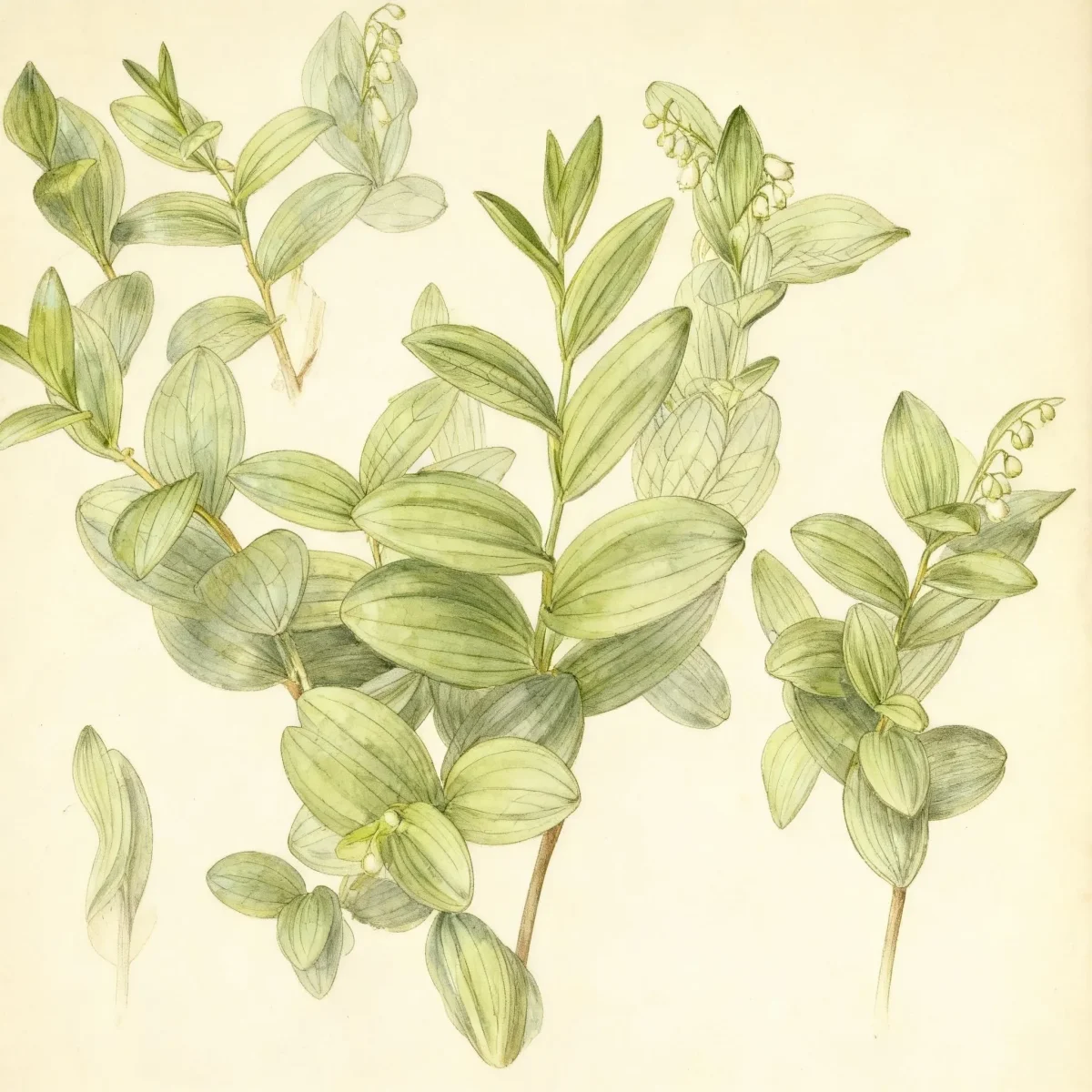
Solomon's seal (Polygonatum odoratum)
Fragrant Polygonatum odoratum (Solomon's seal) offers gracefully arching stems, white bell-like flowers, and low maintenance in shady gardens.
Scroll down to discover growing tips, care requirements, companion plants, and more
Complete Plant Information
Overview
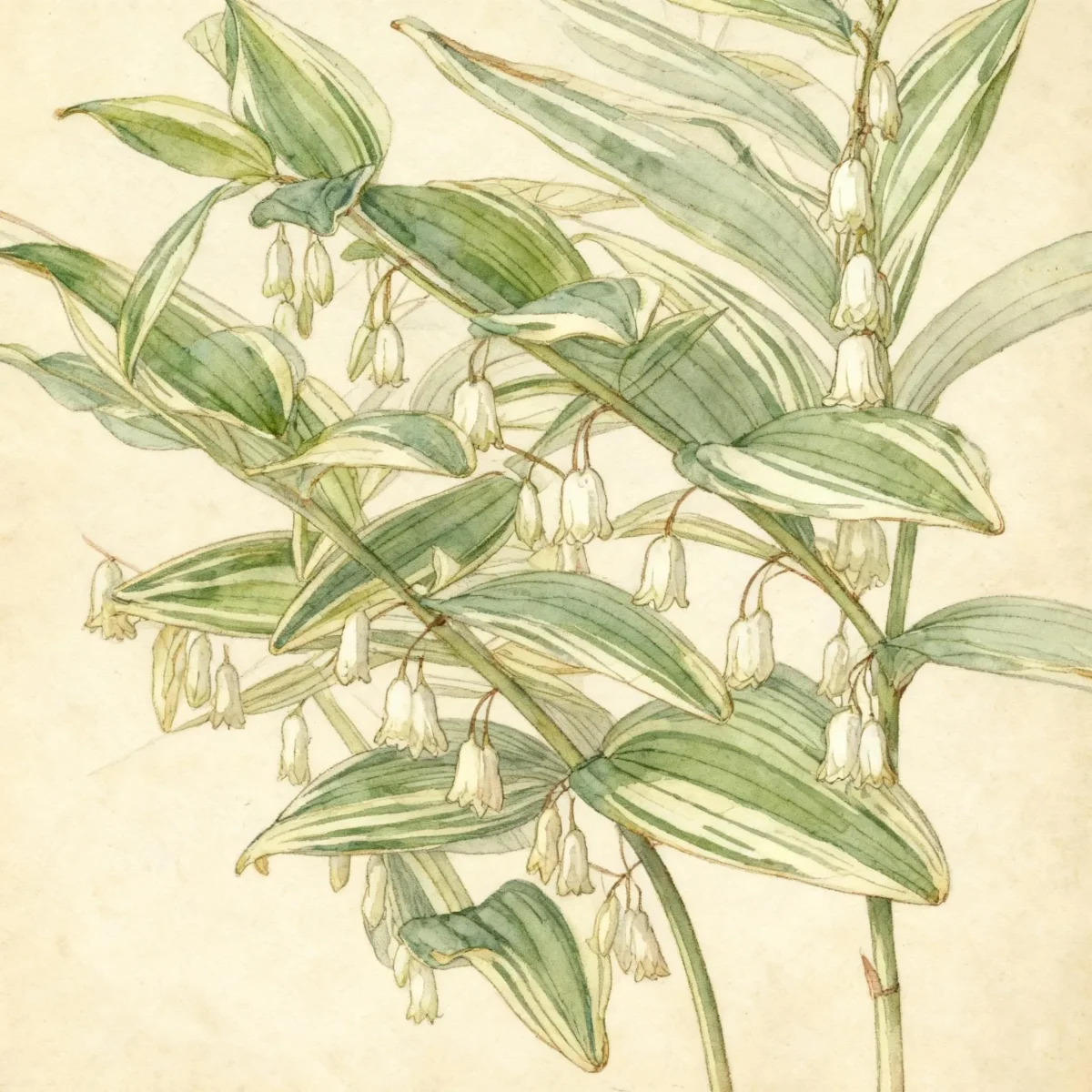
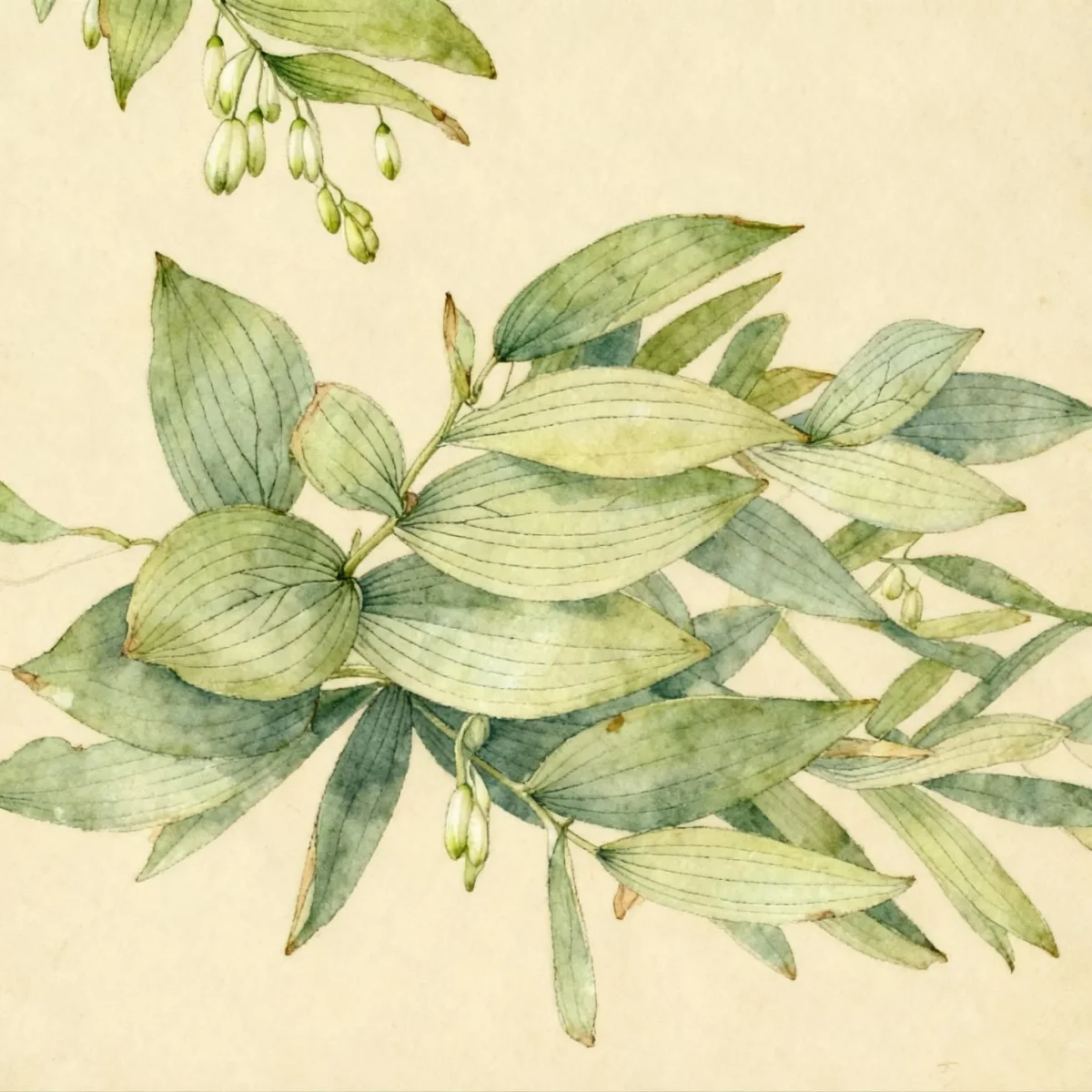
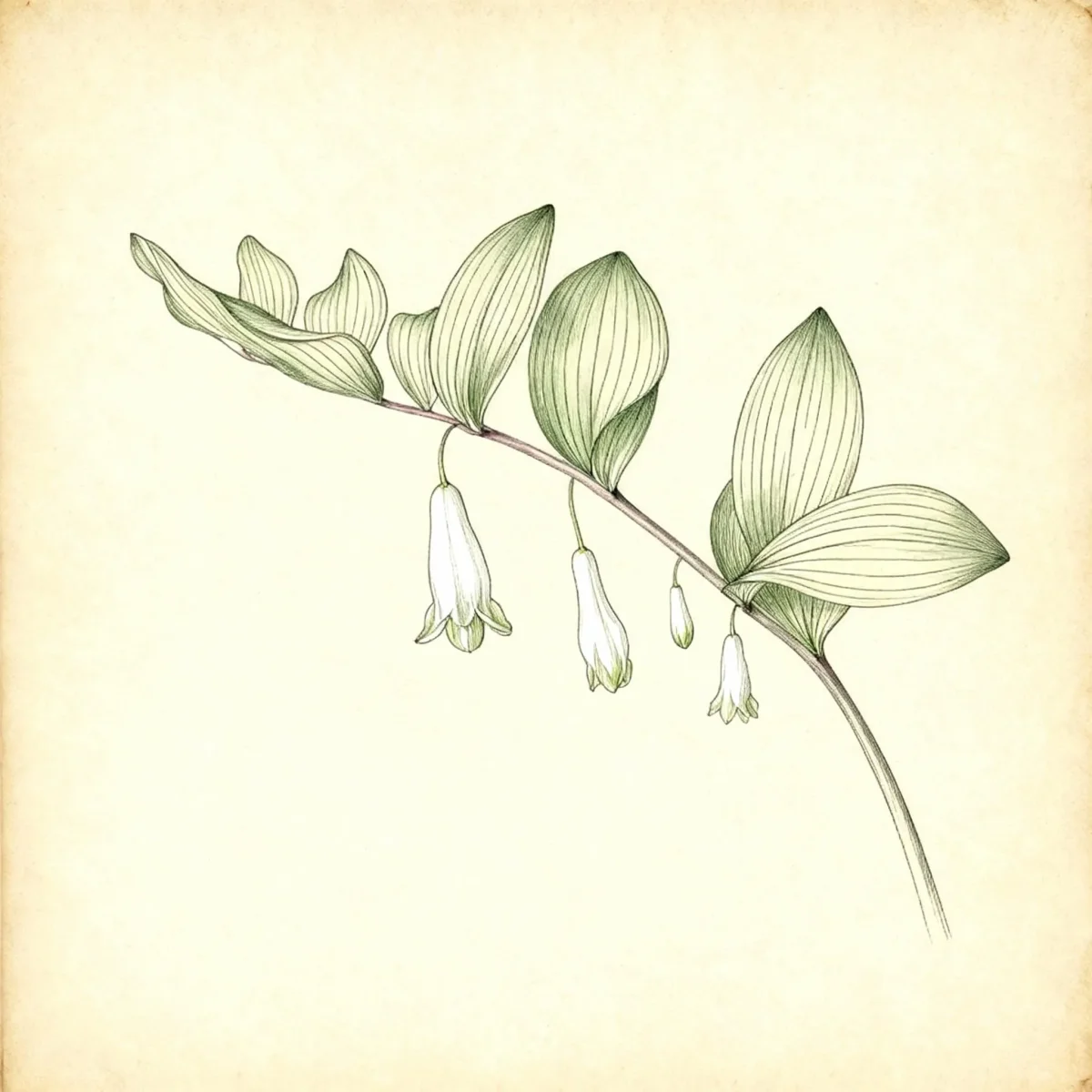
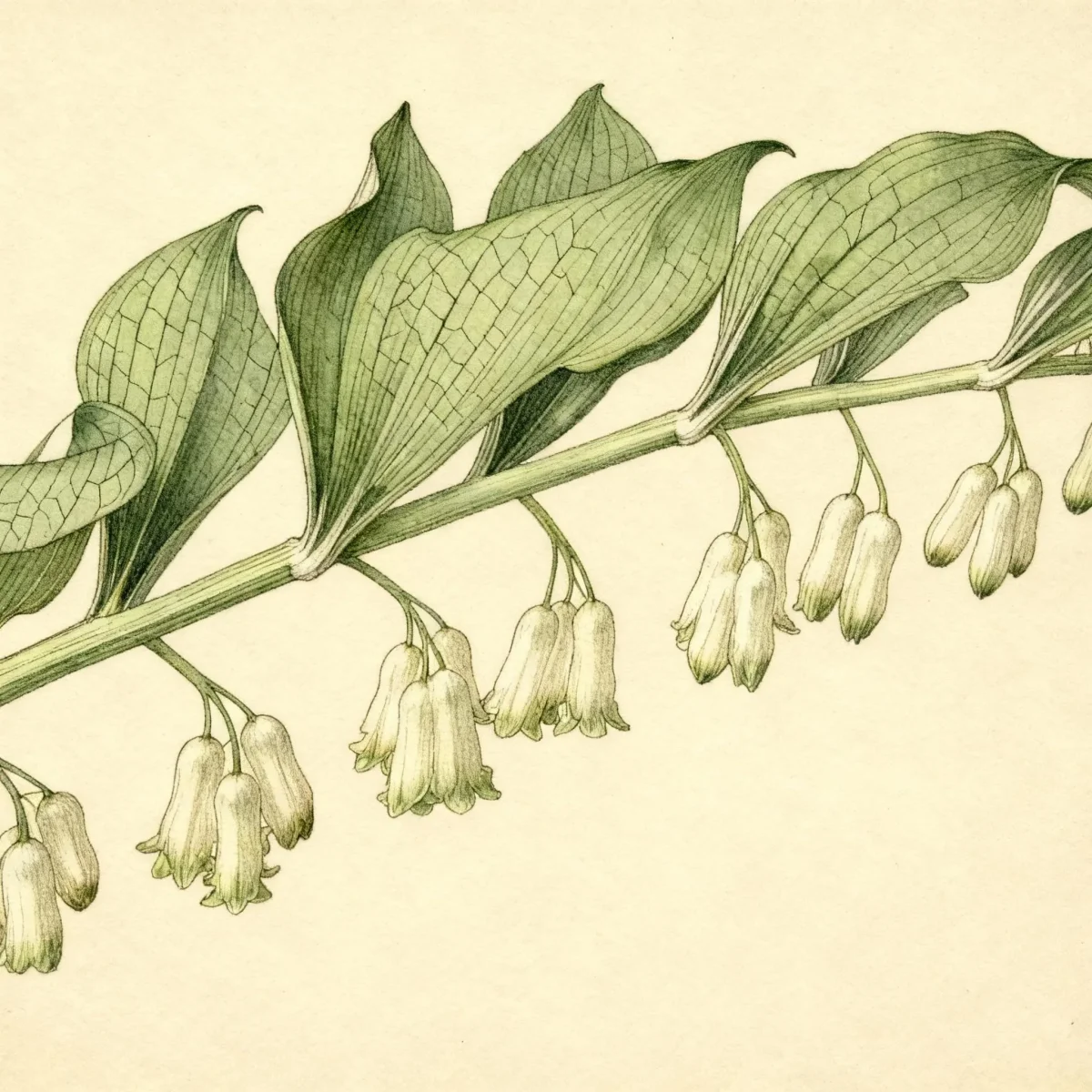
Solomon’s seal, specifically Polygonatum odoratum, is a highly valued woodland perennial appreciated for its elegant, arching form. This plant features stems draped with parallel-veined leaves, creating a delicate, rhythmic display throughout the growing season. Adding to its appeal, the dangling, greenish-white tubular flowers in late spring possess a notably sweet, lily-like fragrance.
Polygonatum odoratum is a rhizomatous grower, slowly spreading to form attractive colonies perfectly suited for shaded niches where other plants struggle. It thrives under the canopy, establishing itself as a low-maintenance feature that brightens deep shade. The foliage often transitions to an attractive yellow hue before dormancy.
Gardeners seeking reliable structure and reliable performance in difficult shady areas find Polygonatum odoratum indispensable. Its tolerance for various soil moisture conditions, combined with its low demands, establishes it as an excellent choice for naturalized plantings and rain gardens.
Fast Facts
- Plant Family: Asparagaceae
- Plant Type: Herbaceous perennial
- Native Range: Asia, Europe
- Hardiness Zones: USDA Zones 3-8
- Size at Maturity:
- Height: 2-3 ft
- Spread: 0.75-1 ft
- Bloom Time: April to May
- Bloom Description: White
- Sun Exposure: Part shade to full shade
- Water Needs: Medium to wet
- Maintenance Level: Low
How to Grow
Planting Solomon’s seal is best achieved in spring or early fall when soil temperatures are moderate. The ideal location offers protection from intense afternoon sun, favoring organically rich, humusy, and well-drained soils. Polygonatum odoratum performs best where conditions remain cool; it actively dislikes overly hot summer environments.
Ongoing care for this perennial is minimal once established. Ensure consistent moisture—medium to wet—especially during dry spells, as it readily adapts to both medium and wet soil conditions. Fertilization is rarely necessary if the soil is sufficiently amended with organic matter. There is generally no need for pruning, beyond cutting back the dead foliage in late fall or early spring.
Because Polygonatum odoratum spreads slowly via thin rhizomes, monitor its spread if you desire contained colonies. For winter preparation, the foliage will naturally yellow. Simply allow it to die back naturally, as the plant is quite hardy once established in zones 3 through 8.
Landscape Uses
The graceful habit of Polygonatum odoratum makes it superb for woodland settings or any area receiving dappled sunlight throughout the day. It excels when allowed to naturalize beneath established deciduous trees, creating an informal tapestry of texture. Furthermore, its ability to handle damper spots means it fits perfectly within rain garden designs.
For border treatments, Solomon’s seal provides excellent mid-height structure. Consider planting it alongside hostas or ferns, which share similar cultural demands for shade and moisture. The foliage is also highly regarded by florists, offering striking linear elements when used in fresh flower arrangements.
This plant’s tolerance for shade and moisture also makes it a solid choice for stabilizing slopes or filling in shady rock gardens where consistent water retention is helpful. The arching stems offer a beautiful visual contrast to more upright shade perennials.
Standout Features
Flower Qualities
- Showy
- Fragrant
Noteworthy Characteristics
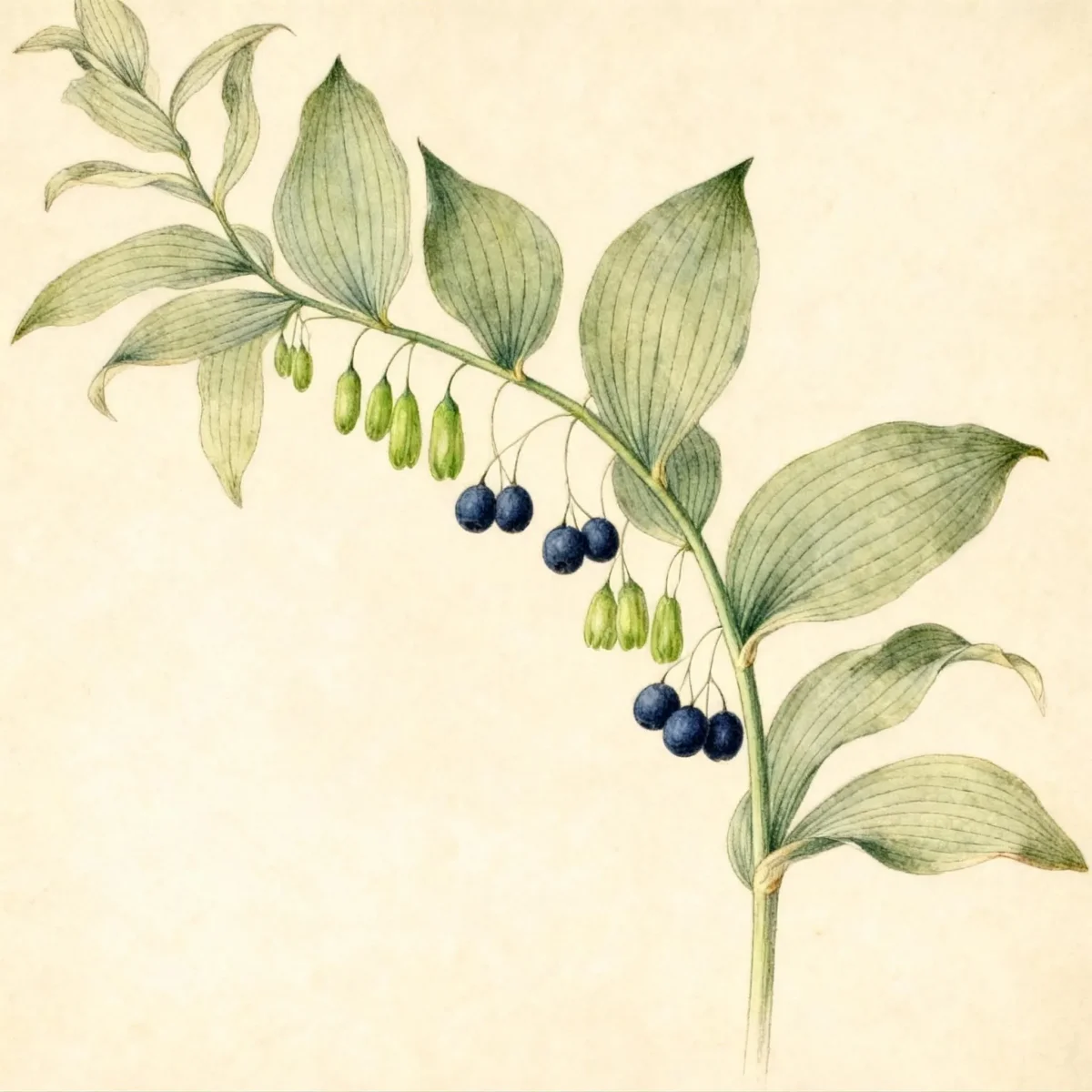
Polygonatum odoratum, commonly called fragrant Solomon’s seal, is a rhizomatous, shade-loving perennial that typically grows to 18-24” tall on low, gracefully arching, angled (as opposed to cylindrical), unbranched stems. It is native to shaded slopes and woodland areas in temperate regions of Europe and Asia. Flowers have a sweet, lily-like fragrance, and the plant produces attractive blue-black berries in the fall.
Tolerances
- Drought
- Heavy Shade
- Erosion
- Dry Soil
- Wet Soil
Potential Problems
Solomon’s seal generally exhibits low disease and pest pressure. Serious insect or disease issues are uncommon for Polygonatum odoratum. However, gardeners should remain vigilant for common garden pests such as slugs, snails, weevils, and sawflies, which can occasionally chew on the foliage.
A critical consideration is toxicity: all parts of this plant contain saponin and convallamarin, making them potentially harmful if ingested by humans or pets. Ensure placement away from areas accessible to curious children or animals. Infrequently, fungal issues like leaf spot or rust may appear, especially if air circulation is poor in overly dense plantings. Improving air flow helps manage these mild fungal outbreaks.
Frequently Asked Questions
What hardiness zones is Solomon’s seal suitable for?
Polygonatum odoratum is well-suited for a wide range, thriving in USDA Zones 3 through 8.
How large does Solomon’s seal grow?
This perennial typically reaches a height between 2 and 3 feet tall, with a relatively narrow spread ranging from 0.75 to 1 foot wide.
When does Solomon’s seal bloom?
The flowering period for Polygonatum odoratum is generally from April through May, producing distinctive white, fragrant flowers.
What sun exposure does Solomon’s seal need?
This plant requires protection from direct heat, performing best in part shade to full shade conditions.
Conclusion
The combination of elegant structure, beautiful fragrance, and exceptional shade tolerance makes Polygonatum odoratum a standout perennial for woodland and shade gardens. Its low maintenance requirements ensure you can enjoy the beauty of Solomon’s seal year after year with minimal effort. Before planting, confirm your location falls within USDA Zones 3-8 and plan for consistently moist, humus-rich soil.
Companion Planting for Shade Gardens
When designing a planting scheme around Polygonatum odoratum, choose companions that share its affinity for moist, humusy soil and protection from the summer sun. Hosta varieties with blue or variegated foliage offer a strong textural and color complement to the clean lines of the seal. Ferns, such as Japanese Painted Fern or Ostrich Fern, pair well, reinforcing the woodland aesthetic that Solomon’s seal naturally evokes.
Another excellent grouping involves shade-loving groundcovers that can spread beneath the vertical accents of the Polygonatum odoratum stems. Consider low-growing Ajuga reptans or Epimediums (Barrenwort). These plants establish quickly and help suppress weeds while keeping the soil surface cool and covered, which benefits the moisture-retention needs of the seal.
Designing with Arching Forms
The unique arching habit of Solomon’s seal is a key design feature that should be utilized thoughtfully in the landscape. Avoid planting it directly against solid walls, where the graceful sweep of the stems will be obscured. Instead, place Polygonatum odoratum where its silhouette can be viewed against an open background or viewed from above on a slight slope.
Use the plant to soften hardscaping elements like paving edges or the transition between lawn and woodland. Its arching stems naturally lead the eye through the garden space. When bloom time arrives in April and May, the dangling flowers offer a subtle, delicate contrast to the broad leaves of nearby shade perennials, adding visual movement near the ground plane.