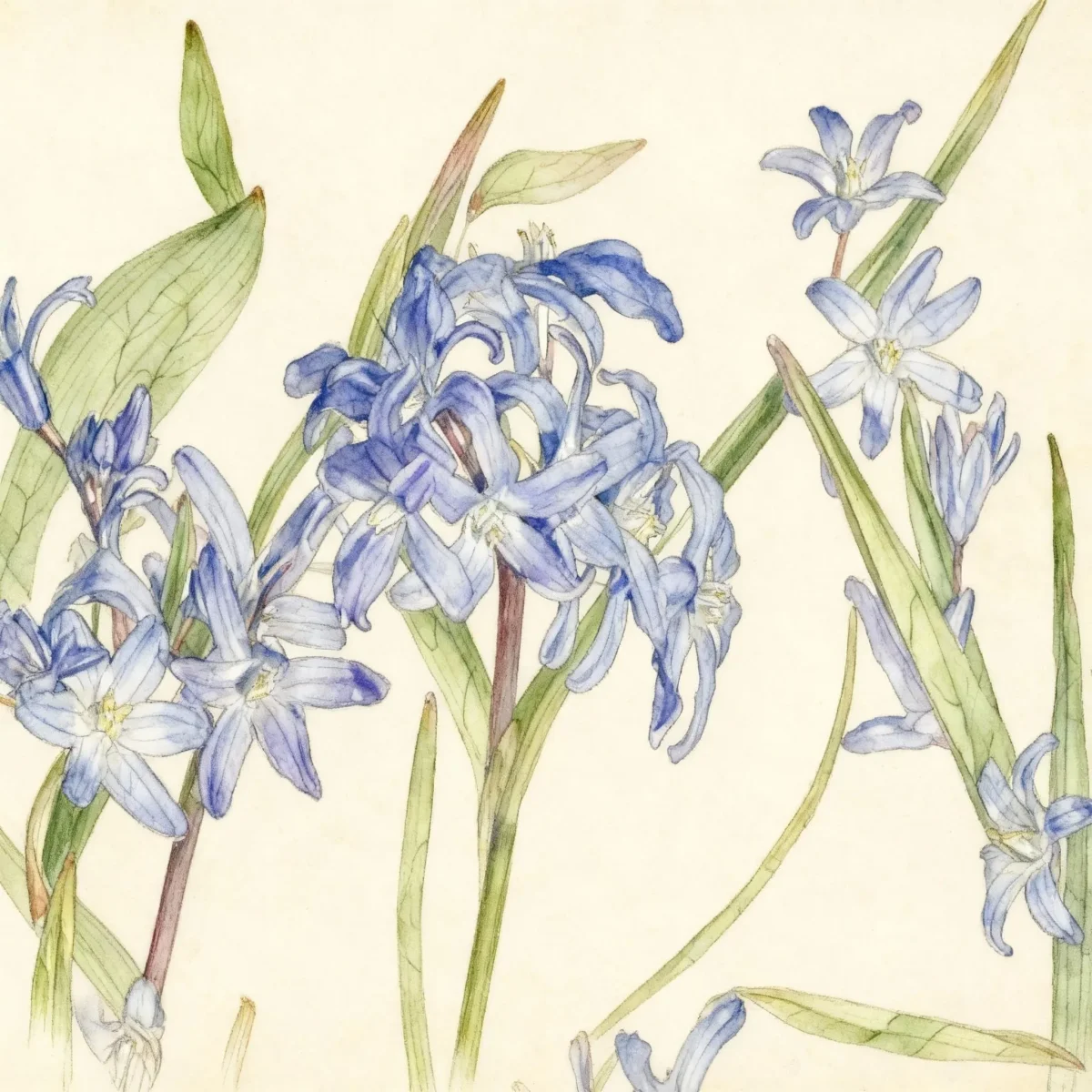
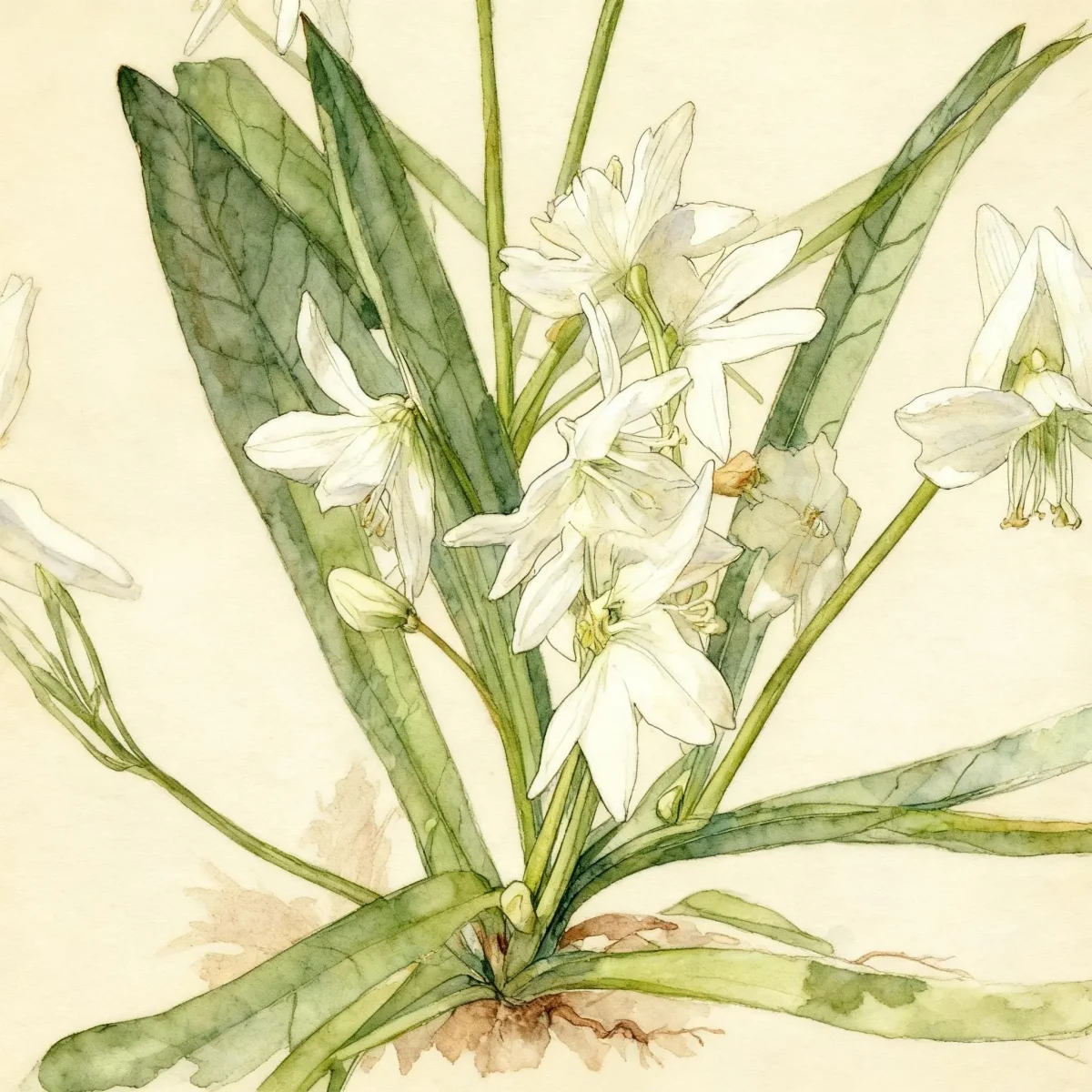
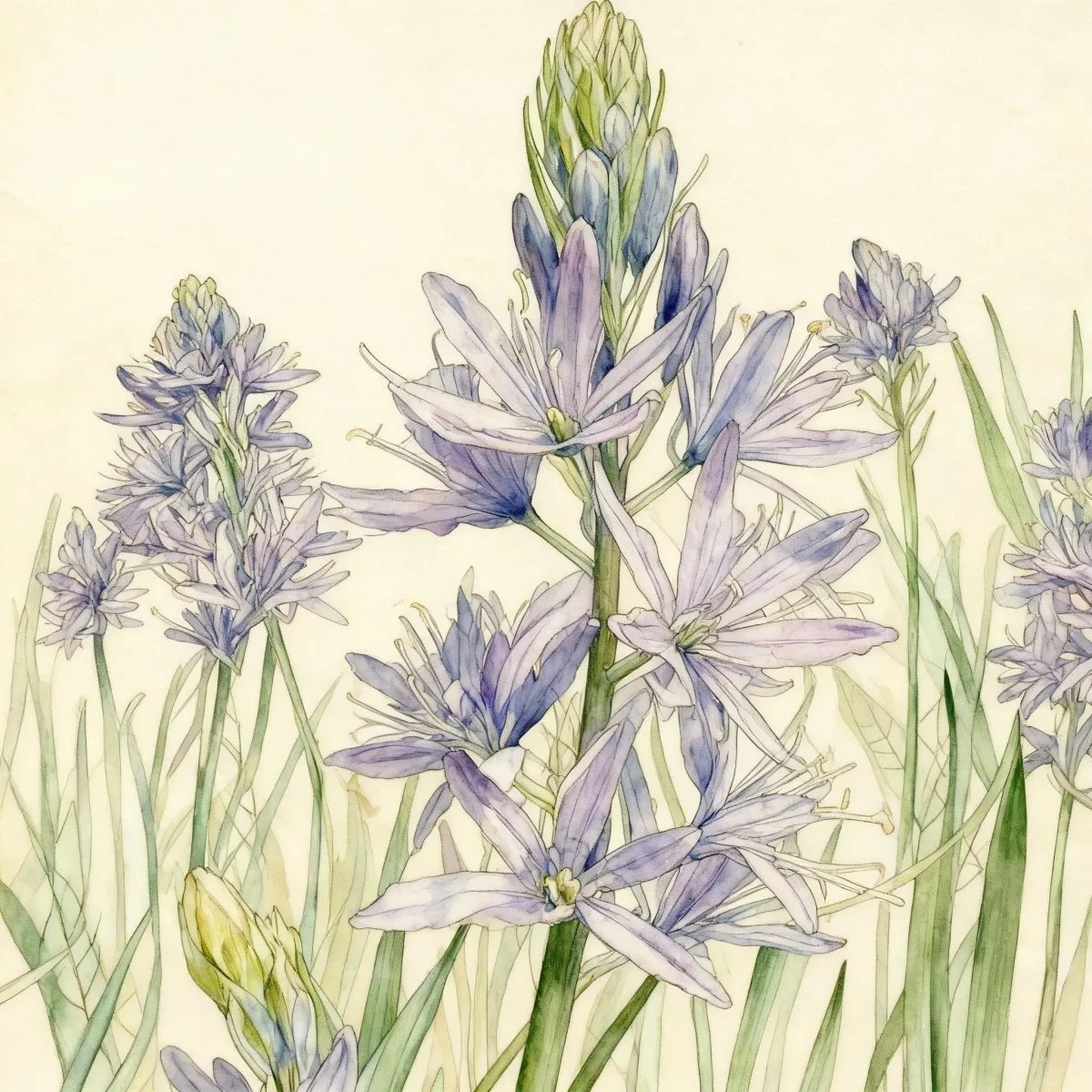
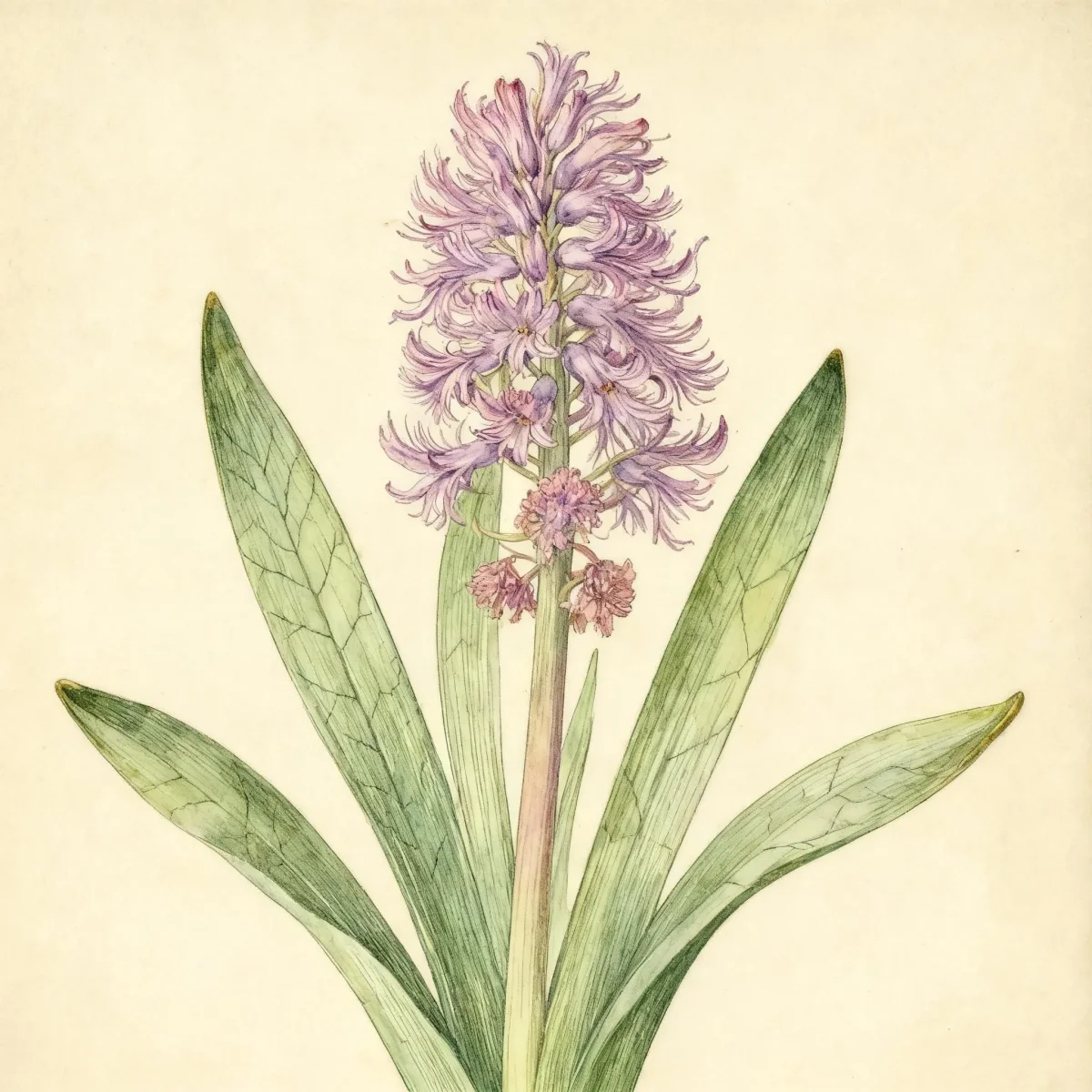
Striped squill (Puschkinia scilloides)
Discover Striped squill (Puschkinia scilloides), a low-maintenance bulb offering fragrant, showy blue spring flowers. Hardy zones 4-8.
Scroll down to discover growing tips, care requirements, companion plants, and more
Complete Plant Information
Overview
The Striped squill, botanically known as Puschkinia scilloides, is a delightful, early-blooming bulb that heralds the transition from winter to spring. This diminutive perennial is highly valued for its subtle yet beautiful presentation of pale blue, star-like flowers, often featuring a darker central stripe. Gardeners appreciate Puschkinia scilloides for its exceptionally low maintenance needs once established in the landscape.
Reaching only 4 to 6 inches tall, Puschkinia scilloides naturalizes enthusiastically, creating lovely drifts beneath deciduous trees or in rock gardens. Its foliage dies back quickly after flowering, meaning it doesn’t leave behind a long period of untidy greenery common with other spring bulbs. This characteristic makes the Striped squill a practical and aesthetically pleasing choice for mixing with later-blooming perennials.
Its reliability, ability to tolerate deer browse, and ease of care cement the Striped squill’s place as an essential early spring feature. If you seek reliable, early color without demanding cultural inputs, planting Puschkinia scilloides is an excellent step toward building a vibrant spring garden.
Fast Facts
- Plant Family: Asparagaceae
- Plant Type: Bulb
- Native Range: Western Asia, Caucasus
- Hardiness Zones: USDA Zones 4-8
- Size at Maturity:
- Height: 0.25-0.5 ft
- Spread: 0.25-0.5 ft
- Bloom Time: March to April
- Bloom Description: Blue
- Sun Exposure: Full sun to part shade
- Water Needs: Medium
- Maintenance Level: Low
How to Grow
Planting Puschkinia scilloides should occur in the fall to allow the bulbs sufficient time to establish roots before winter dormancy. Choose locations featuring medium moisture, well-drained sandy or gritty soils. Ensure the site receives at least a few hours of direct sun, though part shade is tolerated once the spring canopy fills in. Plant bulbs thoroughly, setting them 2 to 3 inches deep and spacing them about 3 inches apart to encourage naturalizing drifts over time.
Care for Striped squill is remarkably simple. They thrive with medium water needs during their active growth phase in the spring. Fertilization is usually unnecessary if the soil quality is adequate, as they are undemanding bulbs. The most critical post-bloom care requirement is patience; the foliage must be left intact until it naturally yellows and dies back, providing energy reserves for next year’s display.
Once the foliage yellows by late spring, the plant enters dormancy. Do not mow or otherwise remove this material prematurely. Puschkinia scilloides reliably naturalizes by both bulb offsets and self-seeding, requiring virtually no intervention from the gardener once established. This dependable behavior makes the Striped squill a classic choice for low-effort perennial borders.
Landscape Uses
The primary recommended use for Puschkinia scilloides is its naturalization potential. Avoid rigid, formal plantings; instead, allow the Striped squill to intermingle freely among other plantings. They look best when naturalized in drifts, creating swathes of soft blue color along walkways or under the canopy of deciduous trees where sun reaches them in early spring.
These bulbs mix exceptionally well with other early bloomers such as early daffodils, snowdrops, or miniature irises, allowing for a prolonged springtime show. Consider planting them in open woodland settings, meadows, or within rock gardens where their delicate structure can truly shine. Planting drifts underneath the emerging foliage of summer perennials ensures that the area remains attractive long after the Puschkinia scilloides has faded.
Standout Features
Flower Qualities
- Showy
- Fragrant
Noteworthy Characteristics
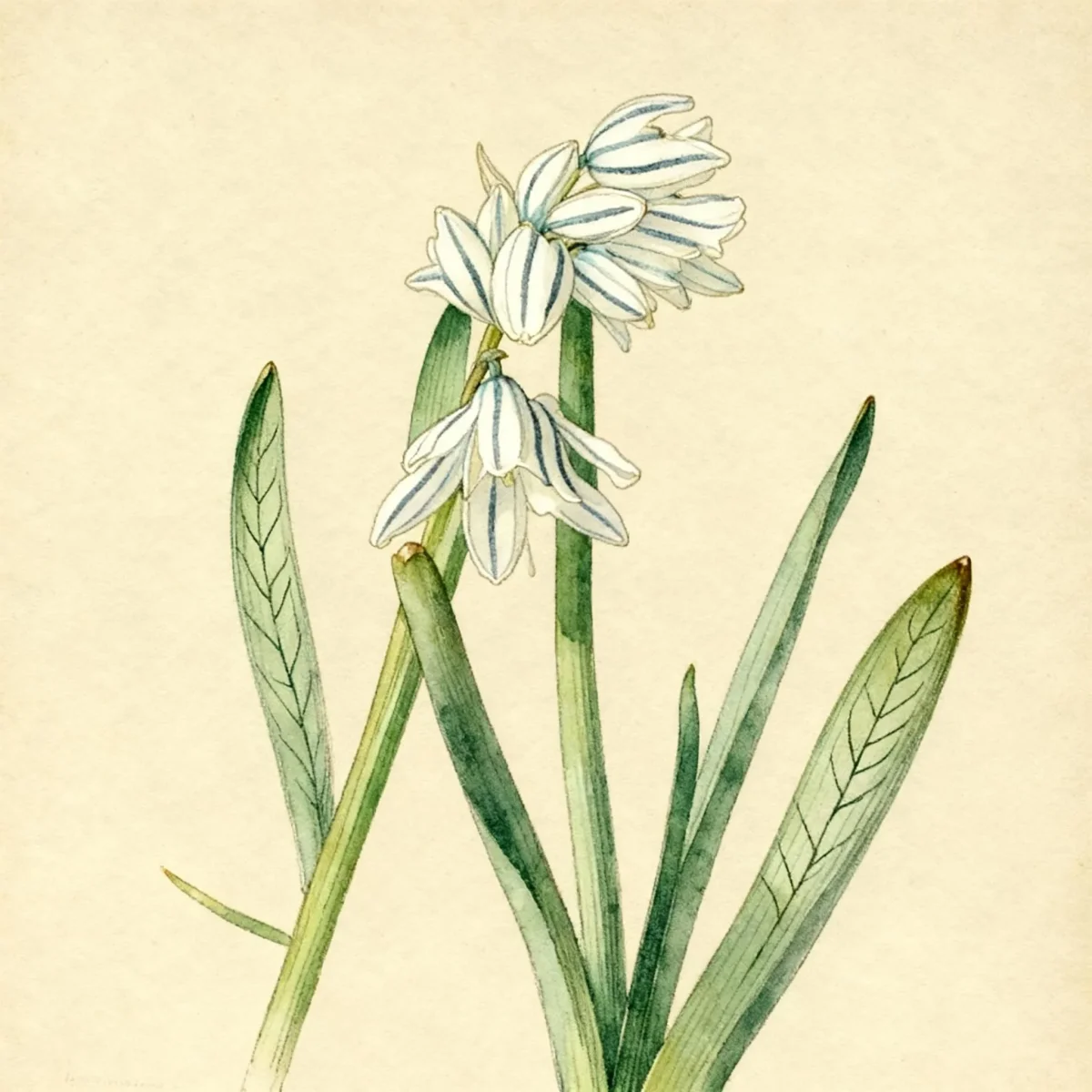
Puschkinia scilloides, commonly called striped squill, grows in a small clump to 4-6” tall. Each bulb typically produces two dark green strap-shaped leaves and a flower scape bearing 3-6 pale blue star-like flowers in a loose terminal raceme. Each flower petal has a blue inside center stripe, though some entirely white-petaled forms may be found. The genus name honors Russian Count Mussin-Puschkin, and the specific epithet references the plant’s resemblance to Scilla.
Tolerances
- Deer
- Black Walnut
Potential Problems
Gardeners rarely encounter serious insect or disease issues when growing Striped squill. Their resilience is part of their charm, making them a stress-free addition to the spring garden. Avoid planting in areas with consistently wet or heavy clay soils, as this is the primary precursor to bulb rot, which is the most common non-pest related failure for nearly all bulb species.
If drainage is poor, amend the soil heavily with grit or sand prior to planting to ensure the long-term health of your Puschkinia scilloides population.
Frequently Asked Questions
What hardiness zones is Striped squill suitable for?
The Striped squill (Puschkinia scilloides) is reliably hardy in USDA Zones 4 through 8.
How large does Striped squill grow?
This plant remains quite small, reaching a height between 0.25 and 0.5 feet (3 to 6 inches) and spreading to a similar width.
What sun exposure does Striped squill need?
They prefer full sun but adapt well to partial shade, making them excellent for planting under trees before summer leaf-out.
When does Striped squill bloom?
Puschkinia scilloides typically blooms early in the season, from March to April, producing lovely blue flowers.
Conclusion
The Puschkinia scilloides, or Striped squill, offers an invaluable combination of early spring fragrance, showy yet graceful blue coloration, and exceptionally low maintenance. Because this bulb naturalizes so easily and tolerates tough conditions like Black Walnut root competition, it earns its place in almost any spring garden plan. Before your first fall planting, confirm your garden resides within USDA Zones 4-8 to ensure the best performance from your new Striped squill bulbs.
Companion Planting
Since Puschkinia scilloides is one of the earliest bloomers, it naturally pairs well with other plants that satisfy the same cultural needs: well-drained soil and early access to sun. Excellent companions include species bulbs like Snowdrops (Galanthus nivalis) and early Crocus varieties, which will bloom alongside or slightly before the squill.
As the Striped squill foliage begins to yellow, early emerging perennials such as creeping Phlox or hardy Geraniums can begin to fill in the space. This layering ensures continuous visual interest in the border, masking the dormant bulb foliage without disturbing the bulbs underneath.
Propagation Tips
The Puschkinia scilloides bulb is easily propagated through natural offsets. Simply dig up the clump after the foliage has completely withered in late spring or early summer. Gently separate the small, new bulb offsets from the mother bulb, ensuring each tiny bulb retains a viable basal plate.
Replant these separated offsets at the same depth and spacing recommended for initial planting, or tuck them into a different area of the garden. Because they naturalize readily by self-seeding, collecting and scattering dried seed heads once ripe is an effective passive propagation strategy favored by many gardeners specializing in naturalized bulbs.