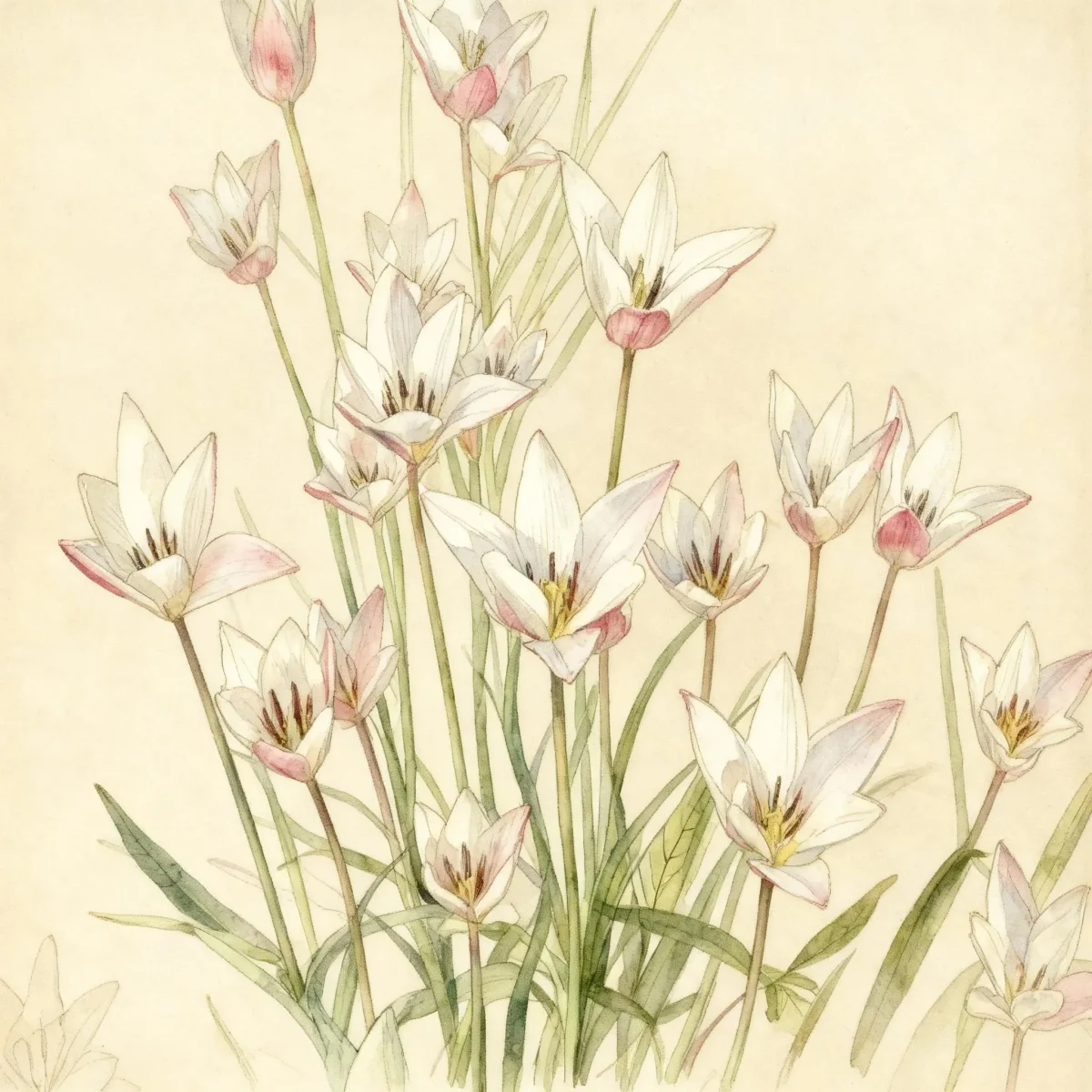
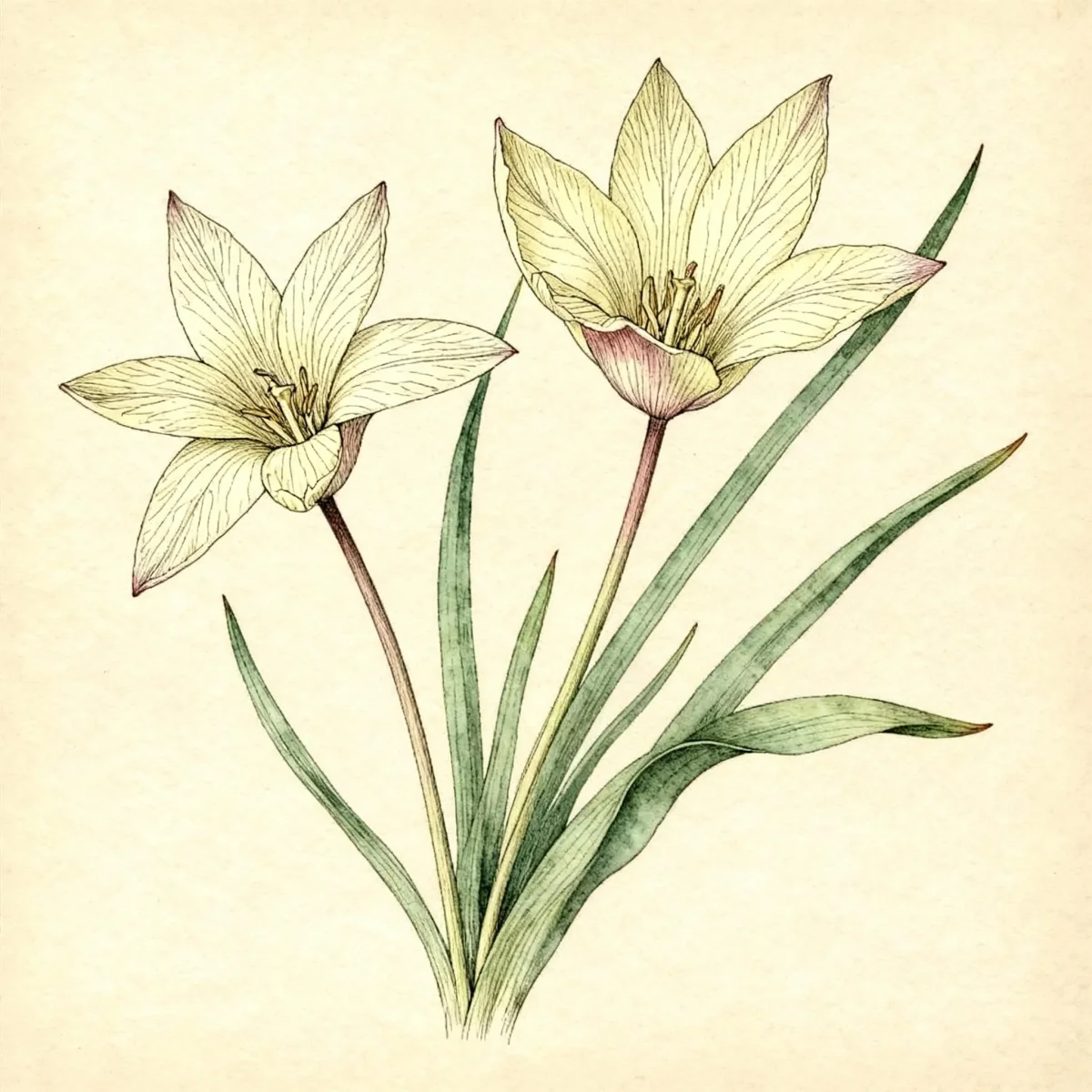
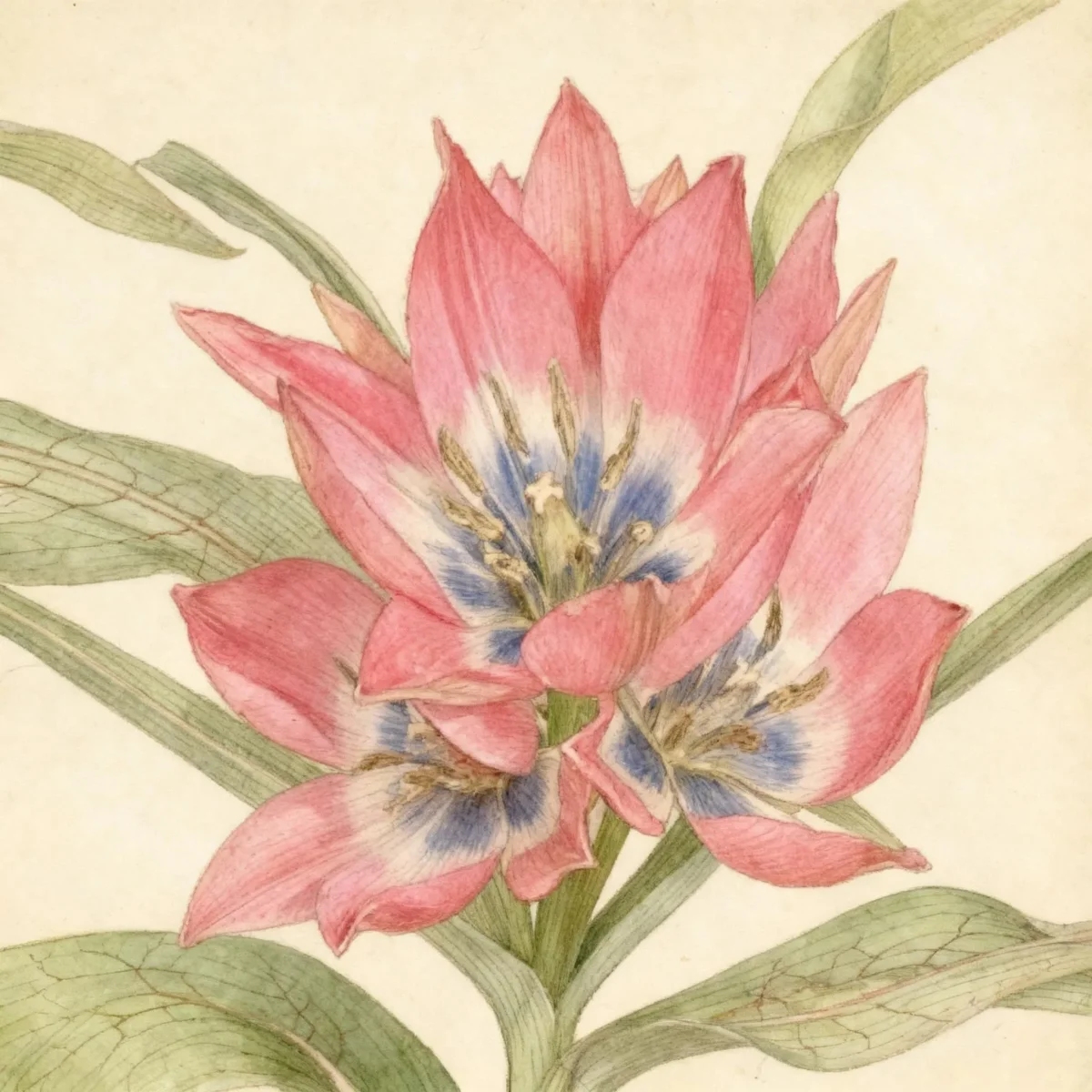
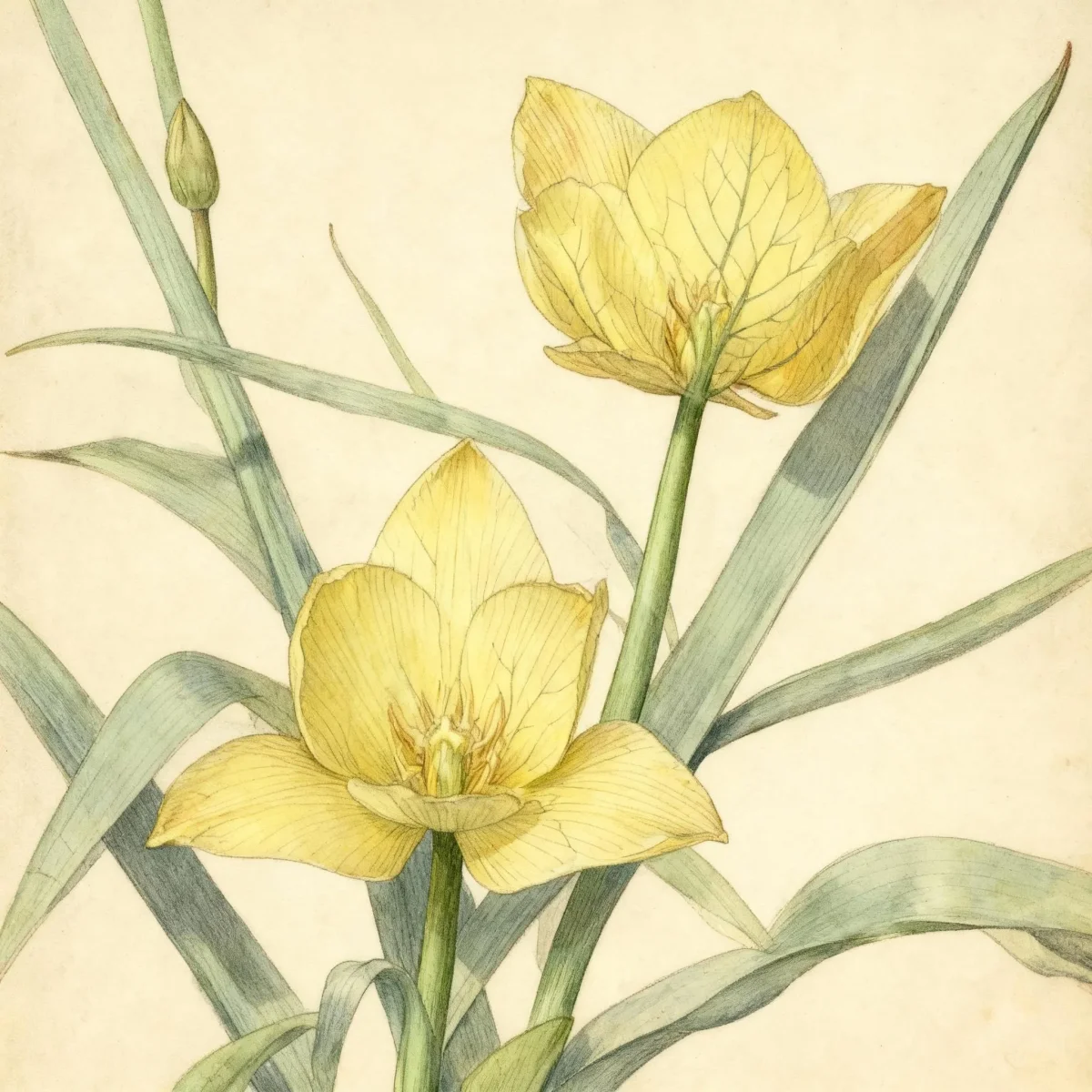
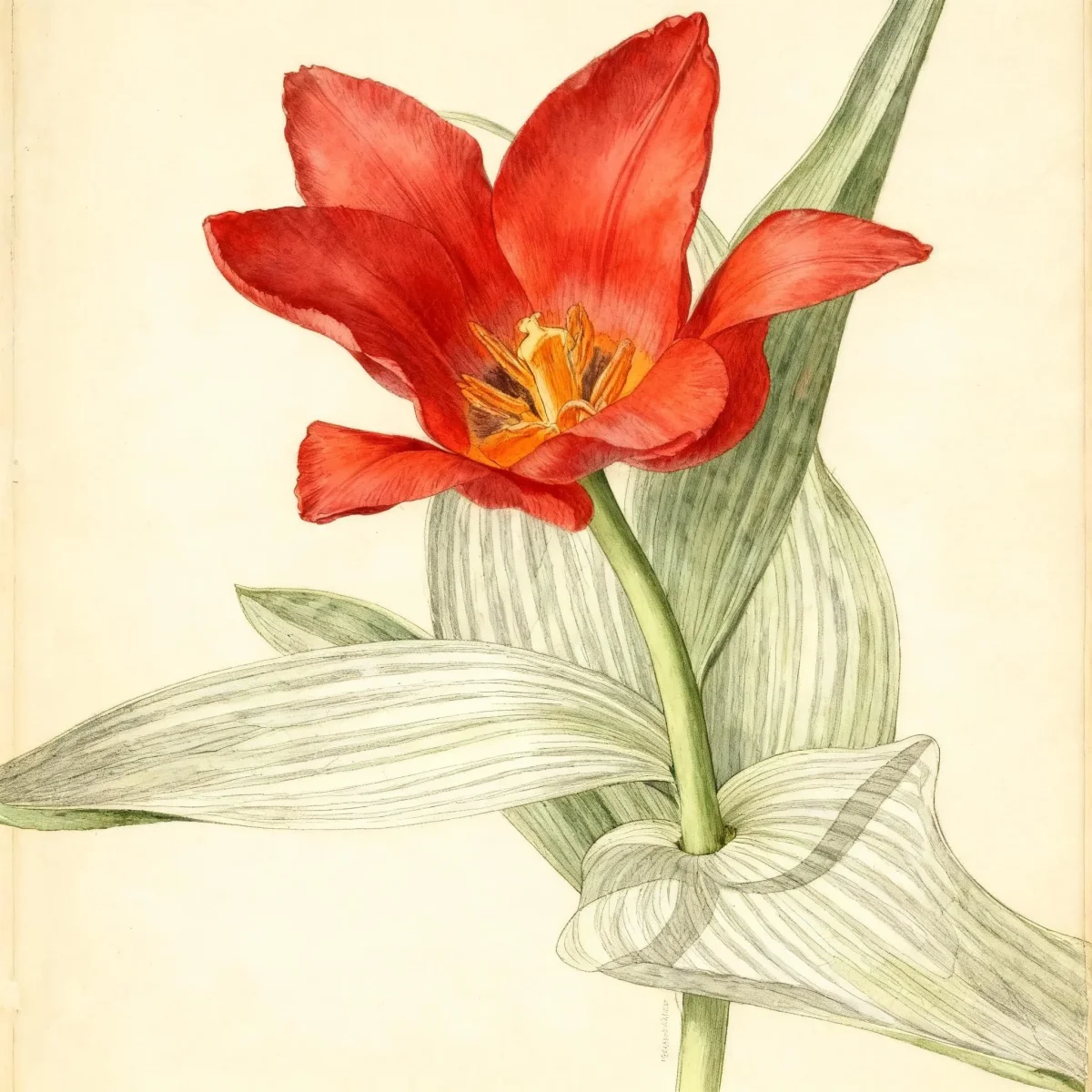
Lady tulip (Tulipa clusiana var. chrysantha)
Tulipa clusiana var. chrysantha, or Lady tulip, offers striking yellow and red blooms. This low-maintenance bulb naturalizes well in cool winter climates.
Scroll down to discover growing tips, care requirements, companion plants, and more
Complete Plant Information
Overview
The Lady tulip (Tulipa clusiana var. chrysantha) is a captivating species tulip highly valued for its delicate appearance and reliability as a perennial in suitable climates. This smaller tulip variety puts on a spectacular spring display, often opening its star-shaped flowers wide in direct sun. Gardeners appreciate the Lady tulip for its low maintenance requirements once established.
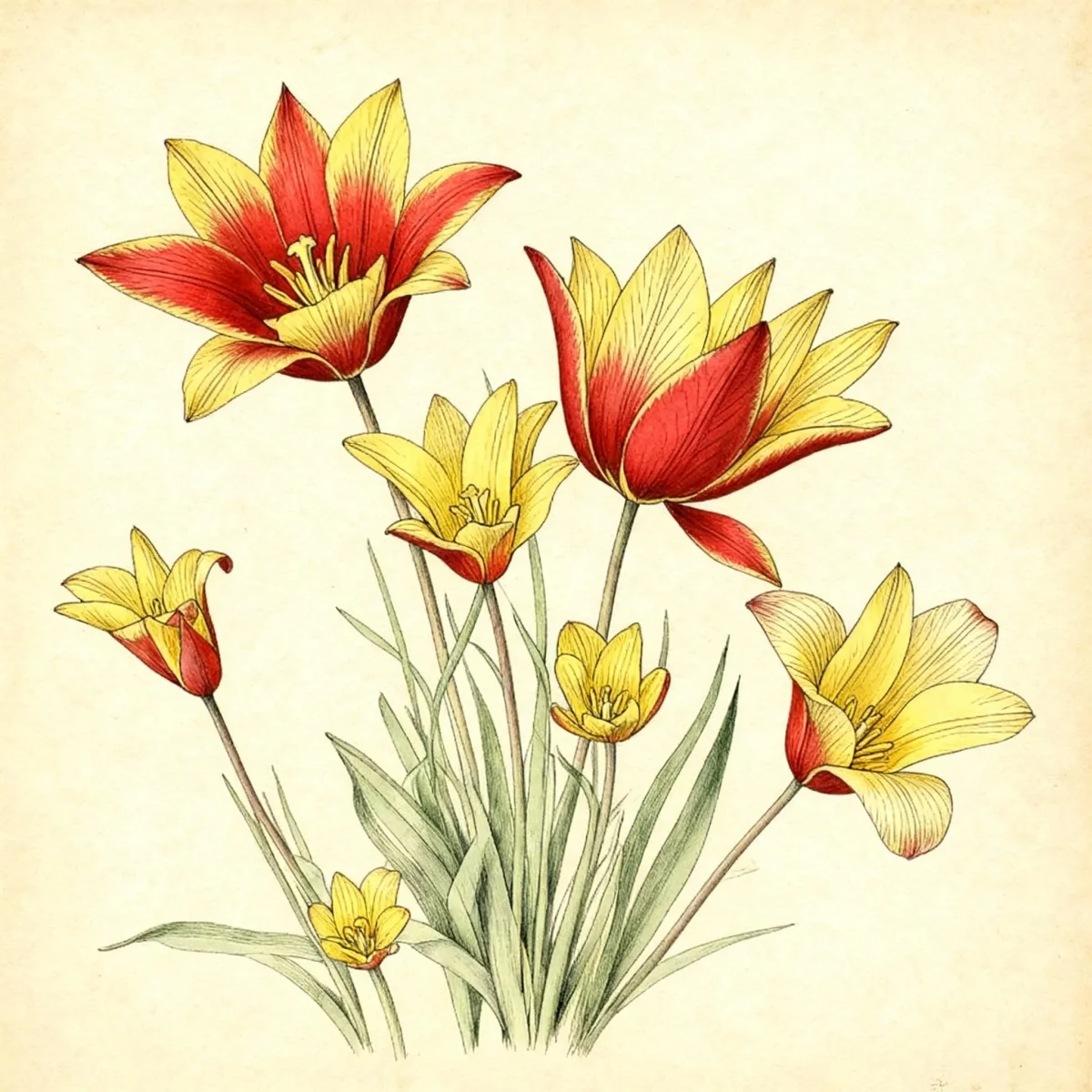
This bulb is native to regions including Iran and Afghanistan, thriving where winters are cool and summers are dry. Tulipa clusiana var. Chrysantha, specifically, is prized for its vibrant golden-yellow interior petals contrasted by an outer red marking, creating a dramatic effect. Its ability to naturalize, forming colonies over time, makes it an excellent long-term investment for spring garden color.
Reaching only about one foot tall, Tulipa clusiana var. chrysantha works beautifully in naturalized settings, borders, or rock gardens, providing high-impact color without overwhelming nearby plantings. Its resilience, especially in Southern gardens where it needs less intense cold, further solidifies its place among popular spring-flowering bulbs.
Fast Facts
- Plant Family: Liliaceae
- Plant Type: Bulb
- Native Range: Iran, Caucasus, Afghanistan
- Hardiness Zones: USDA Zones 3-7
- Size at Maturity:
- Height: 0.5-1 ft
- Spread: 0.5-0.75 ft
- Bloom Time: April
- Bloom Description: Yellow and red
- Sun Exposure: Full sun
- Water Needs: Medium
- Maintenance Level: Low
How to Grow
For optimal performance, plant Tulipa clusiana var. chrysantha bulbs in the fall, ensuring they receive full sun exposure. They require organically rich, fertile, well-drained soils with medium moisture retention. Plant the bulbs 6 to 8 inches deep. If you are in an area with heavier clay or plan to treat them as annuals, plant them slightly shallower, about 4 to 6 inches deep. Space the Lady tulip bulbs 4 to 5 inches apart to allow room for naturalizing.
These tulips perform best in regions (USDA Zones 3-7) that experience cool, moist winters but transition to reliably warm and dry summers. While they possess good perennial performance, especially in slightly milder southern zones, avoid planting them in areas where soil stays persistently wet, especially during dormancy, as this encourages bulb rot.
Maintenance is generally low. If growing Tulipa clusiana var. Chrysantha as a perennial, promptly deadhead spent flower stems immediately after blooming concludes. Crucially, allow the foliage to remain intact until it yellows naturally. This process allows the bulb to store energy for next season’s flowering, which is essential if you wish this variety to naturalize.
Landscape Uses
The compact stature and striking coloration of Tulipa clusiana var. chrysantha make it highly versatile in landscape design. They excel when planted in large groups or massed together in beds and borders, creating drifts of yellow and red that capture the eye early in spring. Due to their size, they perform excellently at the front of borders where taller tulips might obscure them.
Consider incorporating the Lady tulip into rock gardens, where their moderate spread and height complement the often rugged textures of stonescaping. They are also superb candidates for naturalizing in lawns or under deciduous trees, provided the foliage has time to ripen naturally before mowing begins. For seasonal interest, plant them in containers; ensure containers have excellent drainage to avoid soggy winter soil, which these tulips despise.
When choosing companions, select plants whose foliage emerges later in the season, allowing the tulip display to shine without competition. Early spring perennials or low-growing groundcovers that tolerate a period of shade later in the season are ideal partners for these delightful species tulips.
Standout Features
Flower Qualities
- Showy
- Good Cut
Noteworthy Characteristics
Tulipa clusiana, commonly known as lady tulip, is a species tulip (Division 15) that grows to 9-12” tall. Var. Chrysantha is notable because its flowers are yellow with outer tepals showing red on the exterior, opening into bright yellow stars on sunny days. The genus name derives from the Turkish word tulbend (turban), while the species epithet honors botanist Carolus Clusius.
Tolerances
- Black Walnut
Potential Problems
Tulipa clusiana var. chrysantha generally resists serious insect or disease issues, maintaining its low-maintenance profile. The primary threat comes from environmental factors, namely bulb and root rots, which indicate poorly drained or overly wet soil conditions, especially during winter. Gray mold and Mosaic virus can occasionally appear.
To manage potential pests, be vigilant for slugs and snails, particularly when shoots first emerge. Rodents such as mice and voles are attracted to the bulbs beneath the soil surface. To deter them, ensure bulbs are planted at the recommended depth or use protective measures like hardware cloth cages around newly planted groups. Prevent rot by strictly adhering to well-drained soil requirements.
Frequently Asked Questions
What hardiness zones is Lady tulip suitable for?
The Lady tulip (Tulipa clusiana var. chrysantha) is hardy across USDA Zones 3 through 7.
How large does Tulipa clusiana var. chrysantha grow?
This tulip variety typically reaches a height between 0.5 and 1 foot, with a spread of 0.5 to 0.75 feet.
When does Lady tulip bloom?
The bloom time for the Lady tulip is April, producing flowers described as yellow and red.
What sun exposure does Tulipa clusiana var. Chrysantha need?
This variety requires full sun for the best performance and to ensure the flowers fully open to reveal their star shape.
Conclusion
The Lady tulip, Tulipa clusiana var. chrysantha, offers a superb combination of elegance, minimal upkeep, and reliability as a naturalizing perennial. Its contrasting yellow and red bicolors provide essential early spring color, especially valuable in rock gardens or borders. Before planting this fall, confirm your site provides full sun and well-drained soil to ensure years of spectacular performance from your Tulipa clusiana var. Chrysantha.
Companion Planting
When planning drifts for spring color, consider companions that complement the short stature of the Lady tulip without shading it during its bloom period. Low-growing creeping thyme or Aubrieta offer textural contrast through the emerging foliage yet die back sufficiently by the time the tulips bloom in April.
For locations where you wish to naturalize Tulipa clusiana var. chrysantha in grassy areas, ensure you delay mowing until the foliage has yellowed completely. If planting near emerging perennials, classic pairing choices include early bloomers like Scilla or Muscari (Grape Hyacinths), which have similar cultural needs for cool, dormant periods and good drainage.
Seasonal Care Calendar
Fall (Planting Time): This is the essential time to plant Tulipa clusiana var. chrysantha. Plant 6-8 inches deep (less in clay) in full sun with excellent drainage. Minimal water is needed once planted.
Winter (Dormancy): Minimal intervention required. Ensure soil is not soggy; excessive winter moisture is the biggest threat to the bulbs. Protecting bulbs from subterranean pests like voles may be necessary.
Spring (Bloom Time): Enjoy the yellow and red blooms in April. Deadhead spent flowers promptly, but resist the urge to cut back the foliage until it has senesced (turned yellow).
Summer (Foliage Decay): Allow foliage to yellow and decline naturally. This replenishes the bulb’s energy stores, which is crucial for the Lady tulip’s perennial return next season.