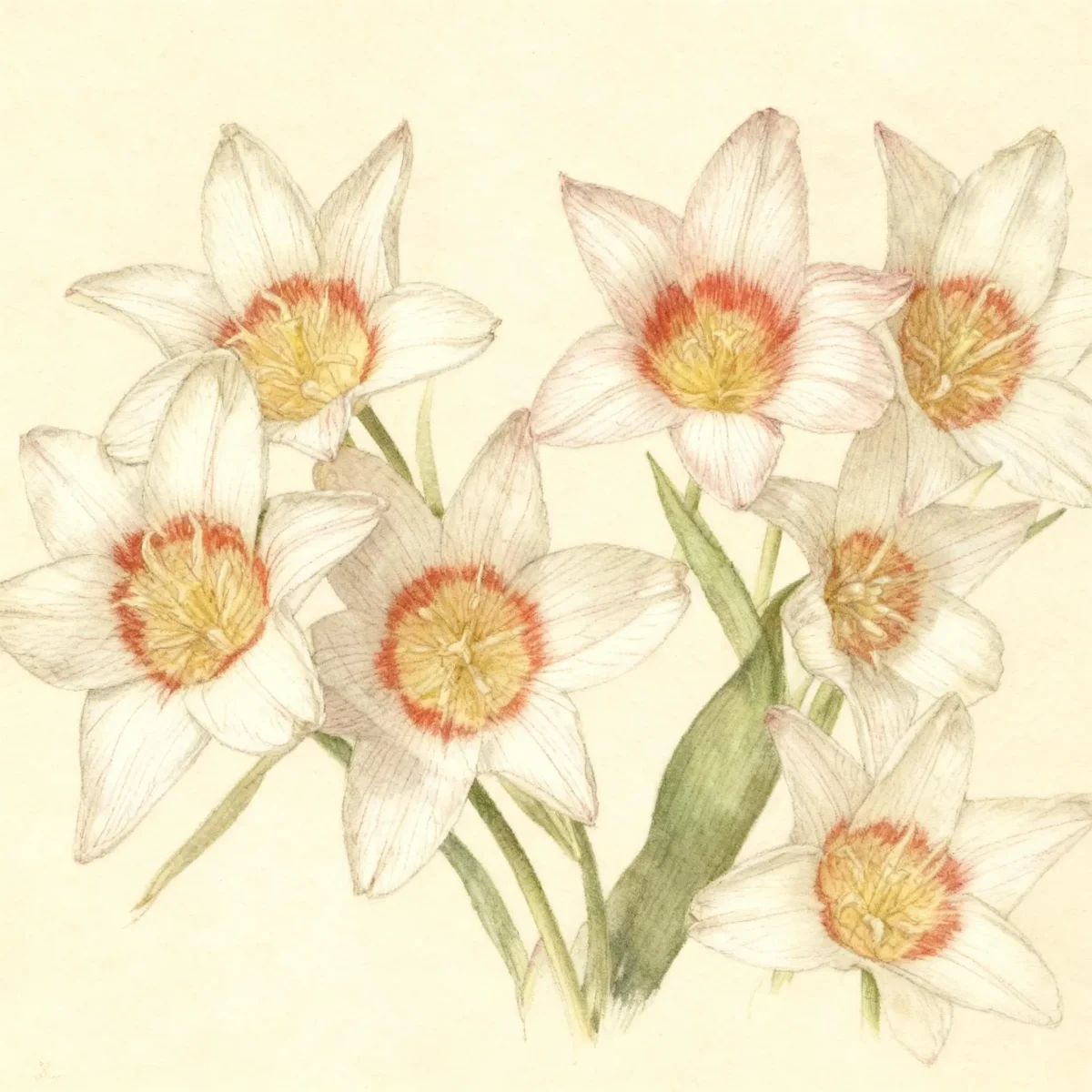
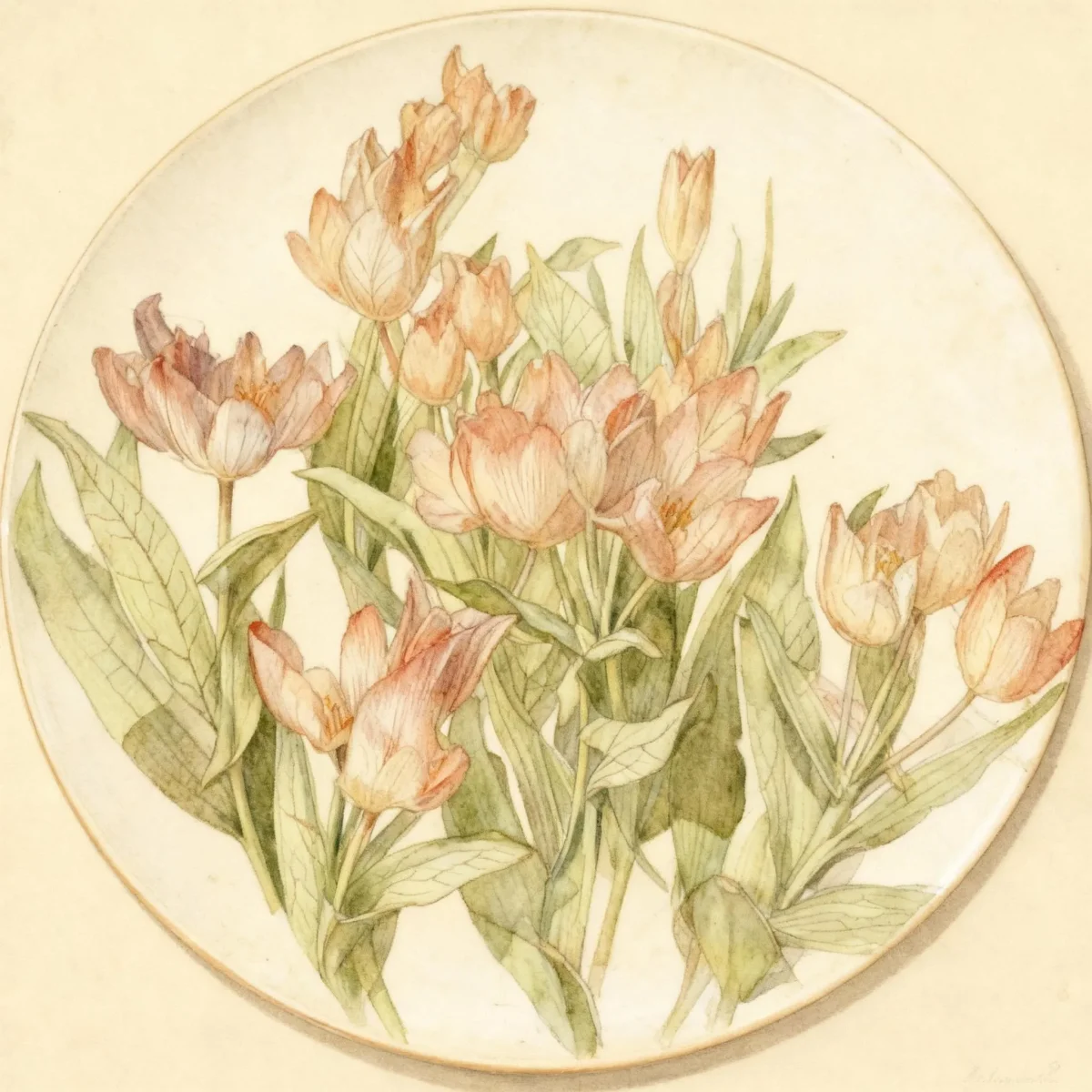
Late tulip (Tulipa tarda)
Discover the low-growing charm of Tulipa tarda, the Late tulip. This species provides star-like white and yellow blooms in early spring.
Scroll down to discover growing tips, care requirements, companion plants, and more
Complete Plant Information
Overview
Tulipa tarda, commonly known as the Late tulip, brings distinctive early color to the spring garden. As a low-growing species tulip, it offers a more naturalized look compared to hybrid varieties, thriving in rocky or sunny woodland edges in its native Central Asia. Its structure—a cluster of three to six upward-facing flowers—ensures a noticeable impact even in small groupings.
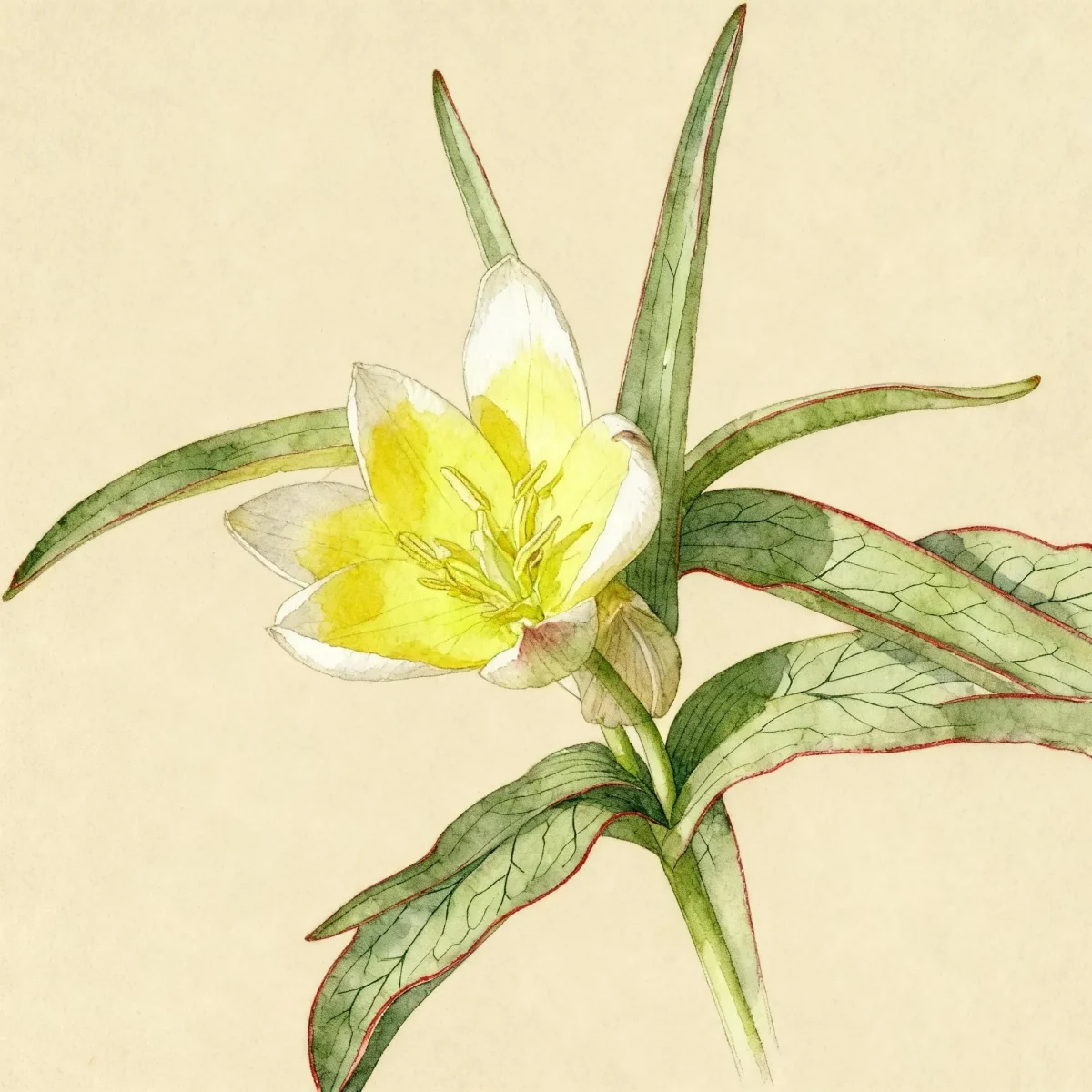
This bulb is highly valued for its reliable performance and relatively low upkeep once established. The flowers themselves are striking mosaics of pure white petals framing a brilliant, contrasting yellow eye, opening widely to create a star-like appearance in the full sun of early spring. The Late tulip is excellent for gardeners seeking perennial performance from their spring bulbs.
Growing to only about half a foot tall, Tulipa tarda is easy to tuck near borders or in rock gardens where its short stature won’t compete with taller spring bloomers. Its strong structure and relatively simple cultural requirements make this species tulip an accessible and rewarding choice for both novice and experienced bulb enthusiasts.
Fast Facts
- Plant Family: Liliaceae
- Plant Type: Bulb
- Native Range: Central Asia
- Hardiness Zones: USDA Zones 3-8
- Size at Maturity:
- Height: 0.25-0.5 ft
- Spread: 0.25-0.5 ft
- Bloom Time: March to April
- Bloom Description: White with yellow eye
- Sun Exposure: Full sun
- Water Needs: Medium
- Maintenance Level: Low
How to Grow
Planting Tulipa tarda bulbs should occur in the fall, ideally before the ground freezes hard. While most tulips prefer gritty soil, this species particularly appreciates a well-drained site that contains some humus. Plant the bulbs 4 to 5 inches deep in an area receiving full sun throughout the day. Good drainage is critical for bulb health, even though water needs are classified as medium during the growing phase.
Once planted, care is straightforward, marking this species tulip as low maintenance. Water consistently when the soil approaches dryness, especially as new foliage emerges, but ensure standing water never forms. After flowering completes, the most important cultural step is patience: leave the foliage in place until it yellows completely. This allows the plant to photosynthesize and store energy in the bulb for next year’s display.
In proper growing conditions, Tulipa tarda exhibits excellent perennializing habits, returning reliably year after year. Because they are low growers, avoid planting them behind tall perennials that will shade them out later in the season. For winter preparation, general garden cleanup is minimal; focus on ensuring the bed is not overly moist during dormancy.
Landscape Uses
The compact size and early bloom time make the Late tulip an excellent addition to naturalized plantings or structured designs alike. They are highly effective when used at the fronts of garden beds or borders, providing a bright, low edge before taller spring flowers take over. Consider scattering bulbs loosely around the base of established trees or shrubs where the dappled sun of early spring meets their needs.
Rock gardens are an ideal environment for Tulipa tarda, as the well-drained, often slightly gritty soil mimics their high-altitude native habitat. In these settings, they pair beautifully with other low-growing, early spring bloomers such as dwarf daffodils, miniature irises, or early flowering alpines. The bright white and yellow flowers offer excellent contrast against gray stone or dark mulch.
For a meadow or cottage garden aesthetic, naturalize these bulbs generously beneath lawn areas or in open grassy slopes. As a species tulip, the Late tulip readily multiplies, creating increasingly vibrant drifts of color over several seasons, adding dependable structure to the emerging spring landscape.
Standout Features
Flower Qualities
- Showy
Noteworthy Characteristics
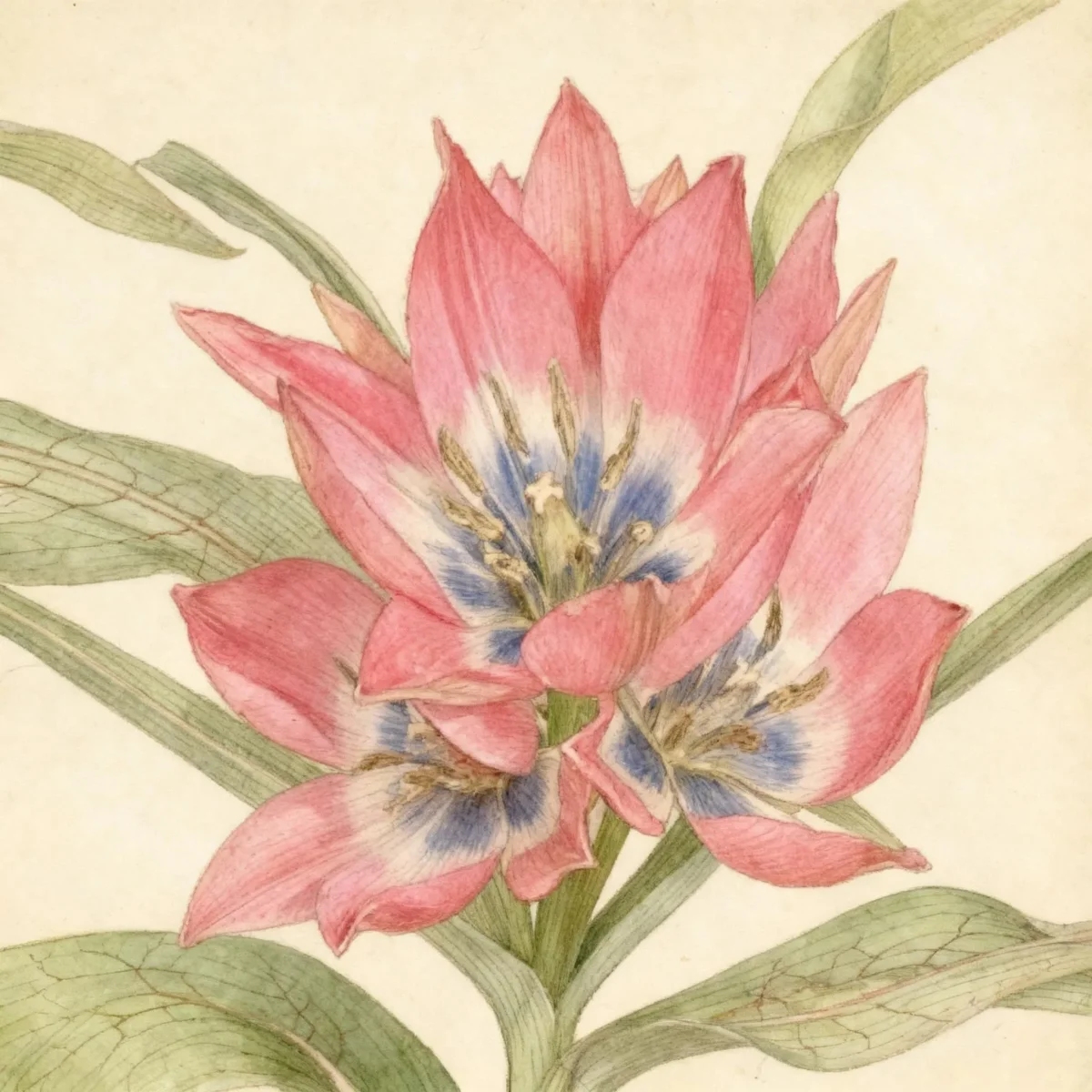
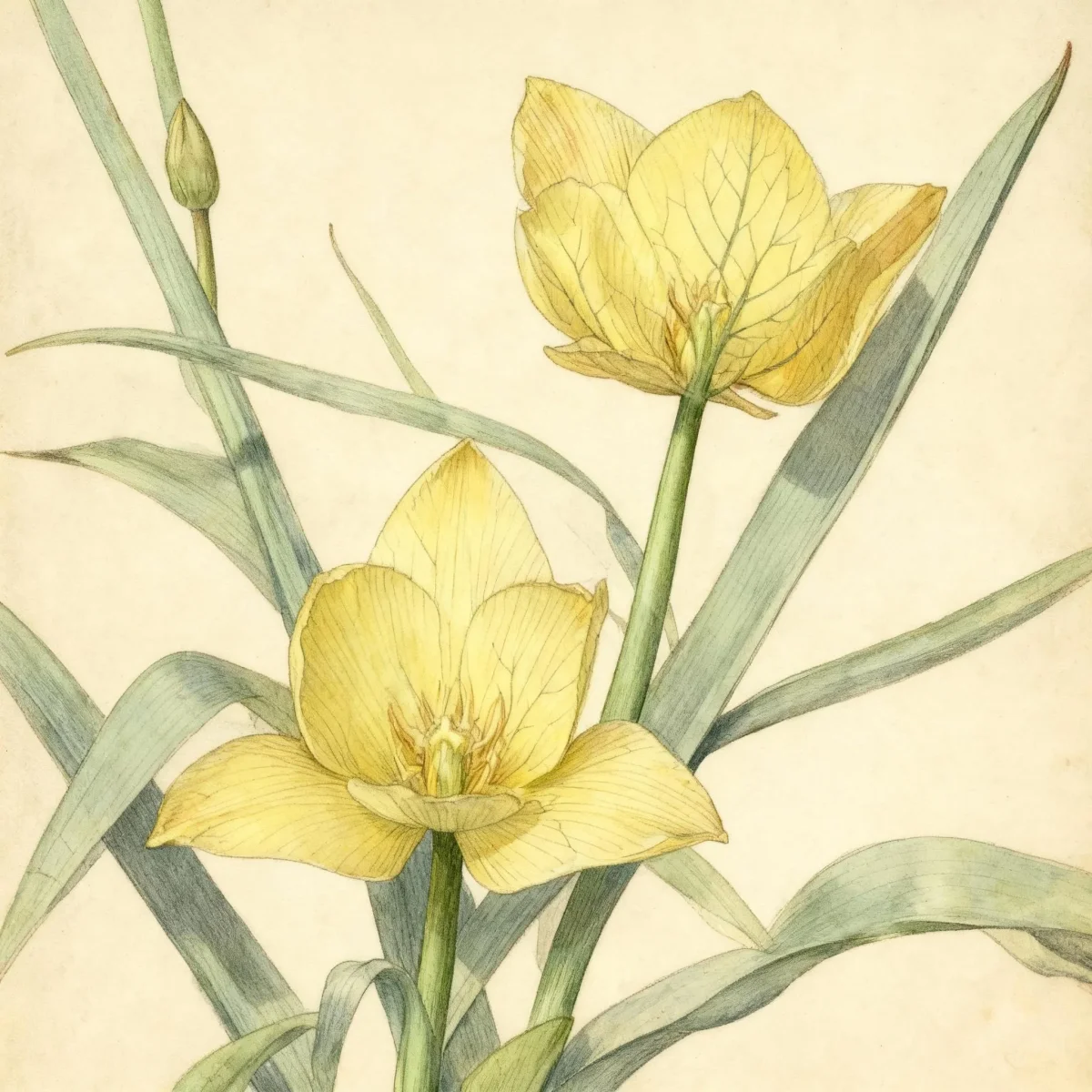
Tulipa tarda is recognizable by its cluster of 3-6 upward-facing flowers, measuring about 2.5 inches across, which feature white petals surrounding a vibrant yellow eye. These charming flowers appear on 4-6 inch stems between March and April, creating a broad, star-like effect when fully open above the glossy green foliage. The genus name hints at its history, derived from the Turkish word for turban, while the specific epithet signifies its later blooming pattern compared to some other species tulips.
Tolerances
- Black Walnut
Potential Problems
This species generally exhibits few serious insect or disease issues, contributing to its low maintenance profile. However, under overly damp or poorly drained conditions, bulbs can succumb to basal rot or stem rot. Occasionally, gardeners may observe issues with gray mold, particularly if foliage sits wet for extended periods after blooming. To prevent fungal issues, always ensure the planting site has excellent drainage and avoid crowding the bulbs, allowing for good air circulation around the leaves.
Frequently Asked Questions
What hardiness zones is Late tulip suitable for?
The Late tulip is hardy across USDA Zones 3 through 8, making it quite versatile for many garden climates.
How large does Tulipa tarda grow?
This species tulip typically reaches a height between 0.25 and 0.5 feet tall, with a similar spread of 0.25 to 0.5 feet at maturity.
When does Tulipa tarda bloom?
You can expect the star-like flowers of Tulipa tarda to appear from March to April, showcasing their distinctive white petals with a yellow eye.
What sun exposure does Tulipa tarda need?
This plant requires full sun exposure to produce the best flower display and maintain bulb health.
Conclusion
The Tulipa tarda offers a compact, visually exciting burst of spring color that remains reliable year after year. Its striking white and yellow blooms and ease of perennializing make the Late tulip a superb choice for early season interest in any garden setting. Check your local hardiness zone compatibility now and plan to plant these delightful bulbs this coming fall for spectacular displays.
Companion Planting
When planning garden companions for Tulipa tarda, focus on plants that share a similar need for full sun in early spring but which emerge later to cover the fading foliage. Low-growing perennials like creeping Thyme or Iberis (Candytuft) work well at the base of the tulips, hiding the yellowing leaves while enjoying the same intense light. Alternatively, planting them in drifts ahead of emerging Alliums or mid-season bearded Iris ensures a continuous sequence of blooms without overcrowding during the crucial early growth phase.
Seasonal Care Calendar
Spring care for this Late tulip centers entirely on patience; resist the urge to clean up the foliage immediately after flowering, as this energy replenishment is vital for perennial performance. Once the leaves have fully yellowed and dried (usually by late May or early June), they can be cleanly removed. Summer is a period of dormancy, requiring no water unless your area experiences extreme, prolonged drought conditions. Planting should always occur in autumn, allowing the bulbs time to establish roots before winter sets in.