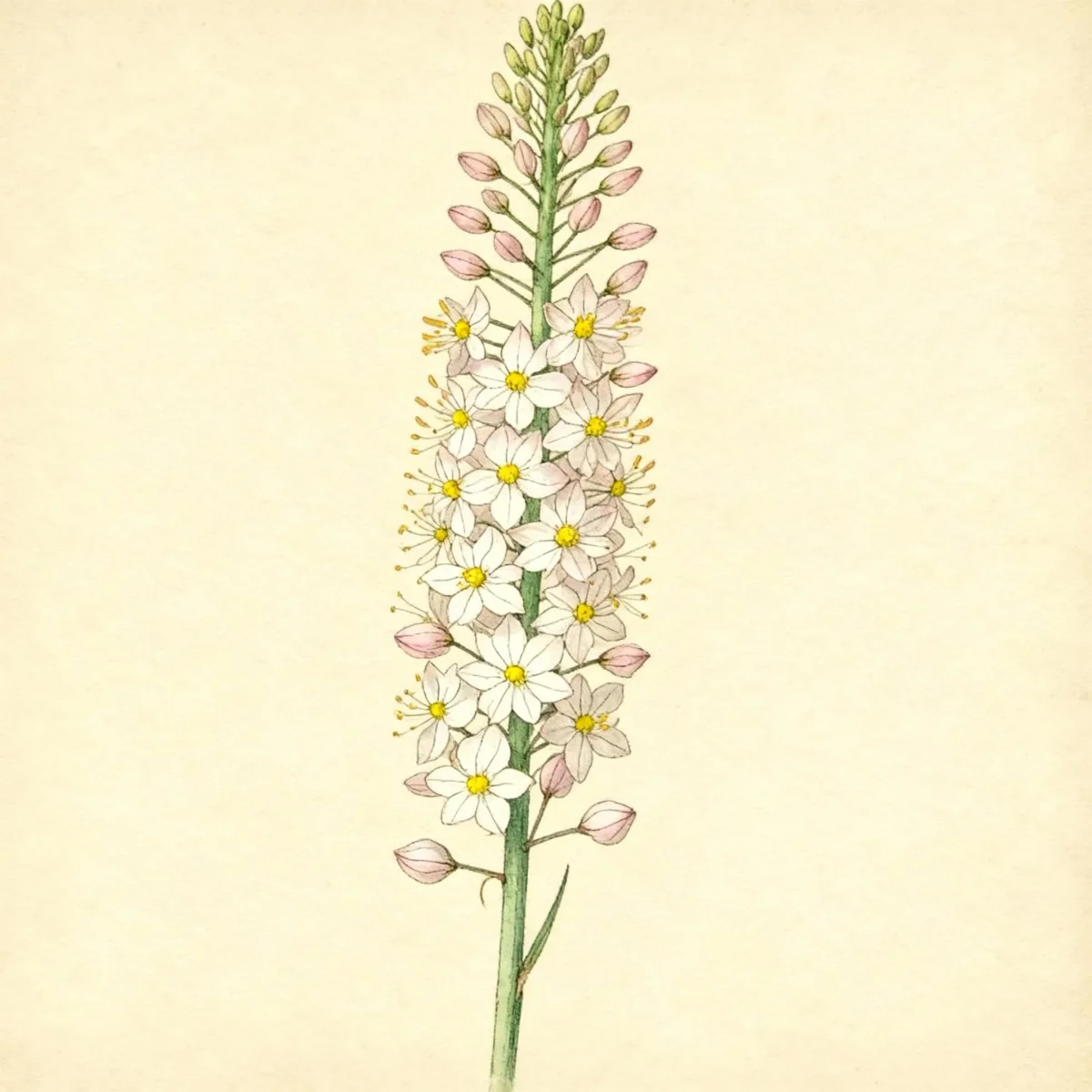
King's spear (Asphodeline lutea)
The striking King's spear (Asphodeline lutea) offers fragrant yellow blooms on tall spikes. A low-maintenance perennial for full sun areas.
Scroll down to discover growing tips, care requirements, companion plants, and more
Complete Plant Information
Overview
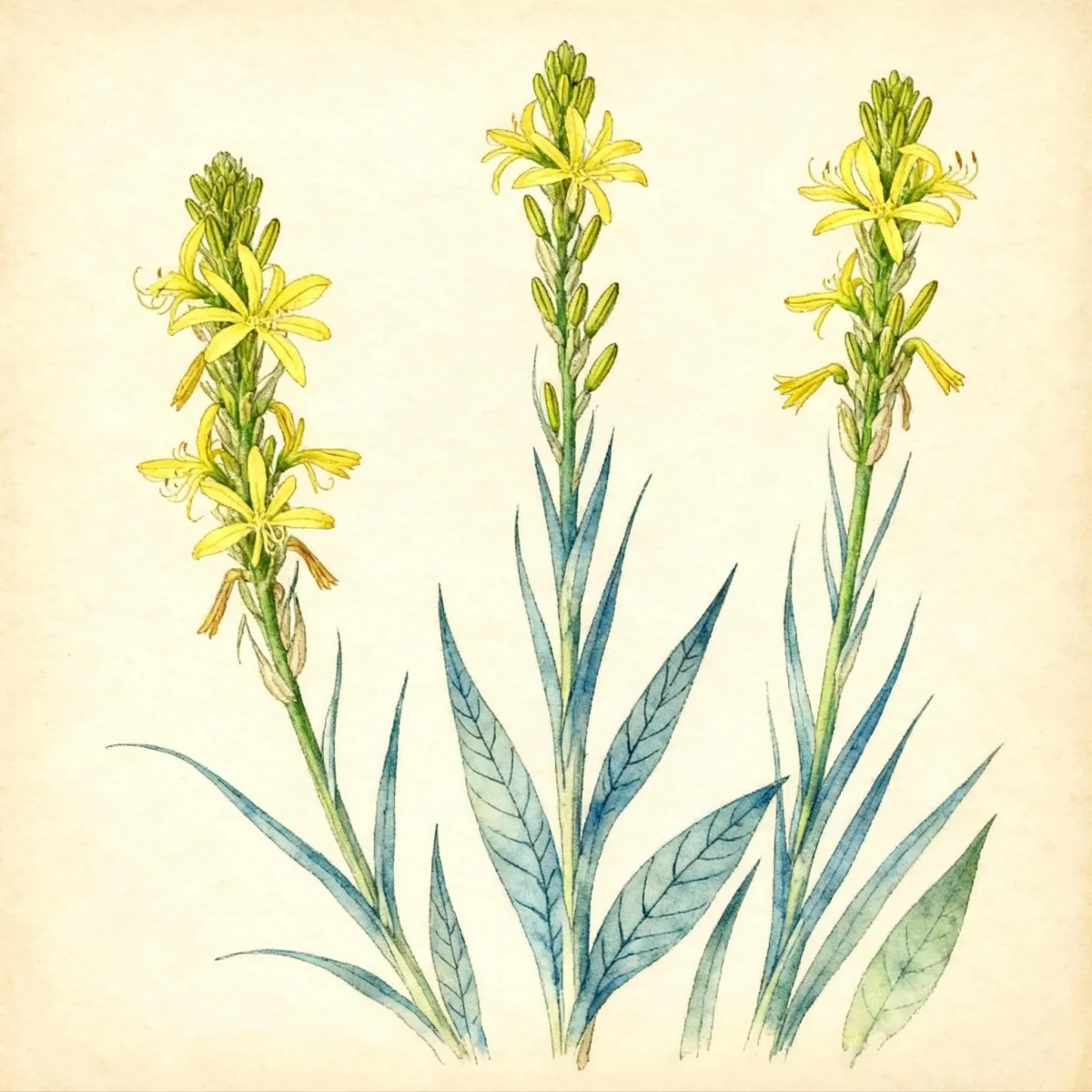
King’s spear, or Asphodeline lutea, is a highly architectural herbaceous perennial prized for its strong vertical accent in the garden. It emerges from a basal clump of narrow, grassy, gray-green leaves before launching a dramatic, leafy flower stalk skyward in spring. This plant provides excellent structure and is surprisingly low maintenance once established, making it an asset for busy gardeners seeking reliable summer interest.
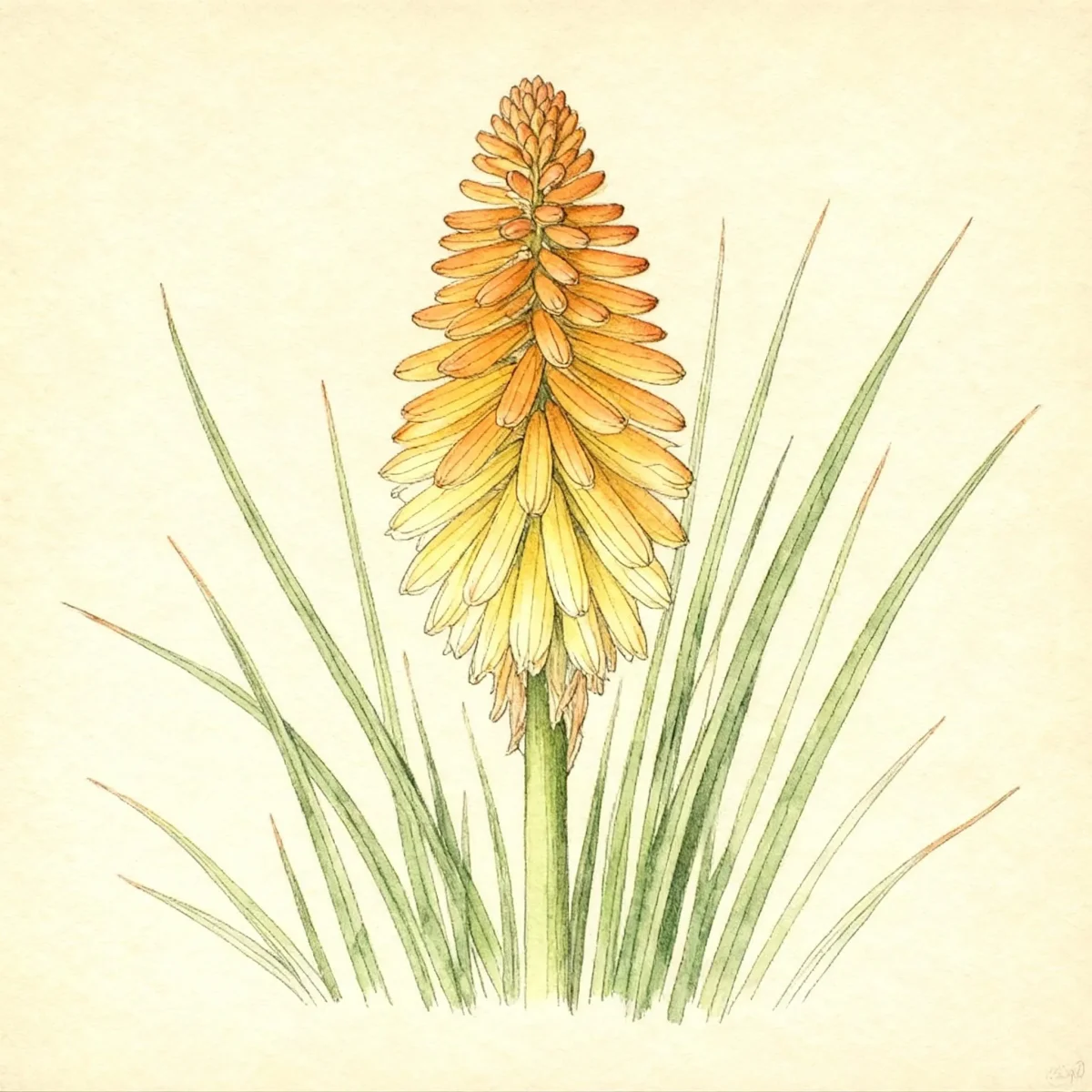
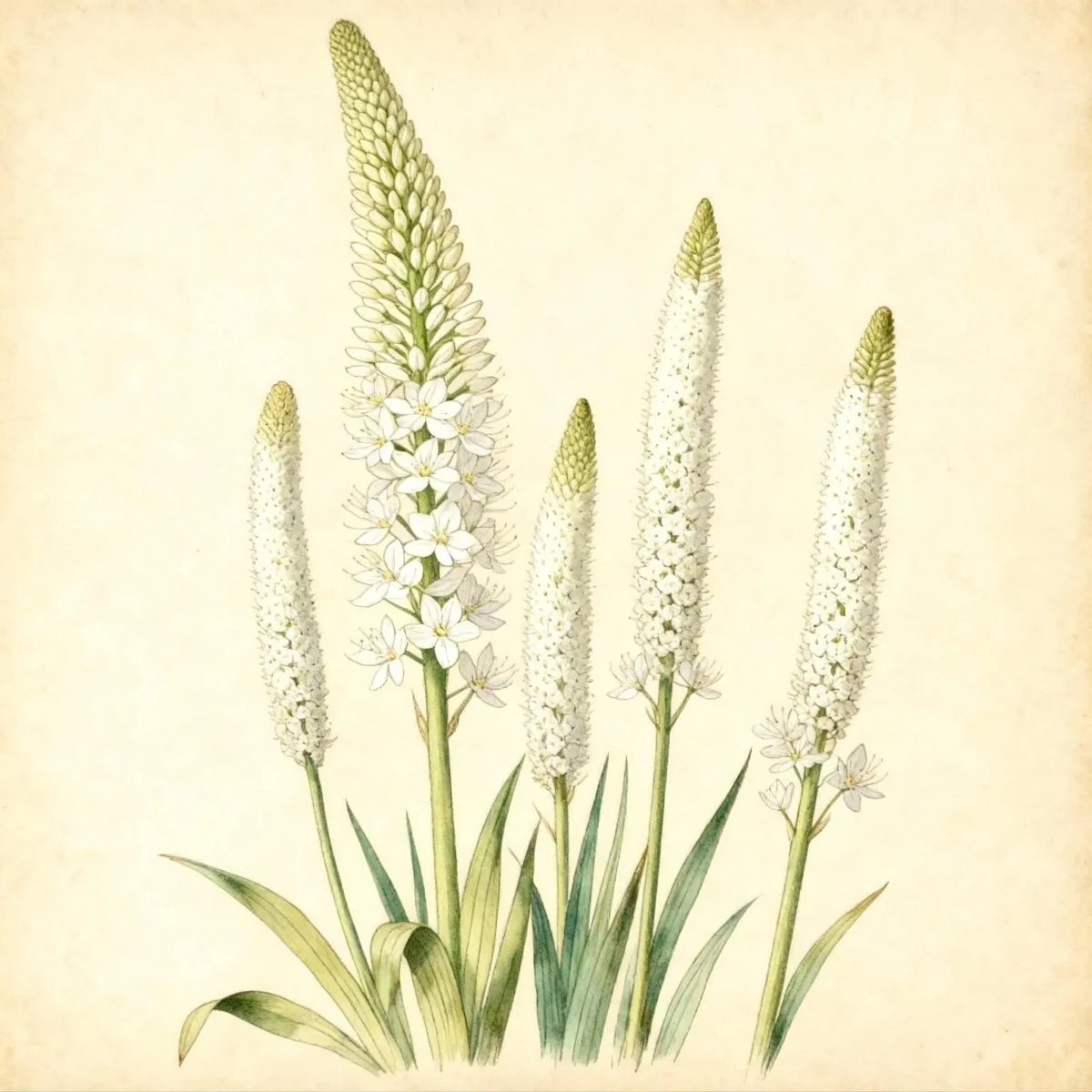
The towering raceme, densely packed with fragrant, bright yellow flowers, is the plant’s greatest spectacle, blooming typically from May into June. Following flowering, the plant develops attractive, globose green seed pods that mature to a pleasing brown, extending its visual appeal. Asphodeline lutea is a fantastic choice for adding height and strong color contrast, earning its recognition among traditional and cottage garden favorites.
Fast Facts
- Plant Family: Asphodelaceae
- Plant Type: Herbaceous perennial
- Native Range: Northern Africa, western Asia, southeastern Europe
- Hardiness Zones: USDA Zones 6-9
- Size at Maturity:
- Height: 3-4 ft
- Spread: 1-2 ft
- Bloom Time: May to June
- Bloom Description: Yellow
- Sun Exposure: Full sun
- Water Needs: Medium
- Maintenance Level: Low
How to Grow
For optimal presence, plant Asphodeline lutea during the spring or fall, ensuring it receives full sun exposure throughout the day. This Mediterranean native thrives in average, medium moisture soils, but absolutely requires good drainage. It particularly prefers deep loams that do not stay waterlogged, as consistent wet feet can compromise its rhizomatous structure.
Once established, the King’s spear requires medium watering, adjusting the frequency based on local rainfall. Generally, routine fertilizing is unnecessary if the soil quality is adequate. Pruning is minimal; simply clean up spent foliage in late fall or early spring before new growth emerges.
Gardeners in cooler regions, specifically USDA Zones 5 and 6A, should take extra care. Site plants where they are partially protected from harsh winter winds. Applying a layer of winter mulch after the ground freezes will help insulate the roots and ensure the survival of your Asphodeline lutea through the colder months.
Landscape Uses
The strong vertical lines of King’s spear make it invaluable for adding rhythm and height variation to perennial borders. Plant them best in groups or massed together to create substantial columns of structural color that contrast beautifully with softer, mounding companion plants. They function perfectly as background elements or as focal points in cottage gardens and wild gardens where their height can be fully appreciated.
Beyond fresh garden displays, the stems bearing dried flowers or mature seed pods are highly valued for dried arrangements, bringing their lasting architectural quality indoors. Consider pairing Asphodeline lutea with plants that share similar sun and drainage needs, such as ornamental grasses, hardy salvias, or sun-loving irises, to create a cohesive, drought-tolerant midsummer scene.
Standout Features
Flower Qualities
- Showy
- Fragrant
Fruit Qualities
- Showy
Noteworthy Characteristics
Asphodeline lutea commonly called king’s spear, is a rhizomatous perennial that is native to the eastern Mediterranean. It features a clump of narrow, linear, grassy, gray-green leaves to 12” tall from which rises in spring a conical, leafy flower stalk to 3-4’ that is topped by a dense cylindrical raceme (to 12-18” long) of fragrant, large-bracted, yellow flowers (to 1” across). Flowers give way to globose green seed pods that mature to an attractive brown.
Tolerances
No tolerances were specifically listed for this variety.
Potential Problems
One of the great benefits of cultivating the King’s spear is its resilience; gardeners should expect practically no significant insect or disease problems. This general robustness contributes greatly to its low maintenance rating. By ensuring the primary requirement—excellent soil drainage—is met, you mitigate most common horticultural stress factors.
If growing in overly dense or wet clay soils, plants may suffer root rot, which is usually the only significant issue Asphodeline lutea faces. Always amend heavy soils with grit or compost before planting to encourage the sharp drainage this species demands.
Frequently Asked Questions
What hardiness zones is King’s spear suitable for?
The Asphodeline lutea is suitable for gardeners located in USDA Hardiness Zones 6 through 9.
How large does King’s spear grow?
This herbaceous perennial typically reaches a mature height between 3 to 4 feet tall, maintaining a modest spread of 1 to 2 feet wide.
When does King’s spear bloom?
The King’s spear produces its showy, fragrant yellow blooms during the late spring and early summer months, specifically from May to June.
What sun exposure does Asphodeline lutea need?
Asphodeline lutea requires full sun exposure to achieve its best stature and flowering performance.
Conclusion
The King’s spear (Asphodeline lutea) stands out as an elegant, architectural powerhouse requiring minimal effort for maximum reward, particularly valued for its fragrant yellow summer flowers. Its suitability for zones 6-9 and exceptionally low maintenance make it a standout choice for sunny borders. Before purchasing, confirm your local conditions meet its need for full sun and excellent soil drainage.
Propagation Tips
Since Asphodeline lutea is a rhizomatous perennial, division is the most common and effective method of propagation. Dig up the clump in early spring or fall before active new growth begins, or immediately after blooming. Gently separate the root masses, ensuring each division retains several healthy growth points and a solid section of rootstock. Allow the divisions a short period to air-dry slightly if the soil was very wet, and replant them promptly into their new, well-drained locations.
Companion Planting
When integrating Asphodeline lutea into your landscape, select companions that mimic its need for substantial light and excellent drainage. Plants that thrive in similar conditions, such as ornamental onions (Allium species), Mediterranean herbs like lavender or rosemary, or drought-tolerant Russian Sage, pair wonderfully. The tall, slender profile of the King’s spear benefits from lower, fuller companions set near the front of the border to soften the base and highlight the vertical ascent of the yellow flower spikes.