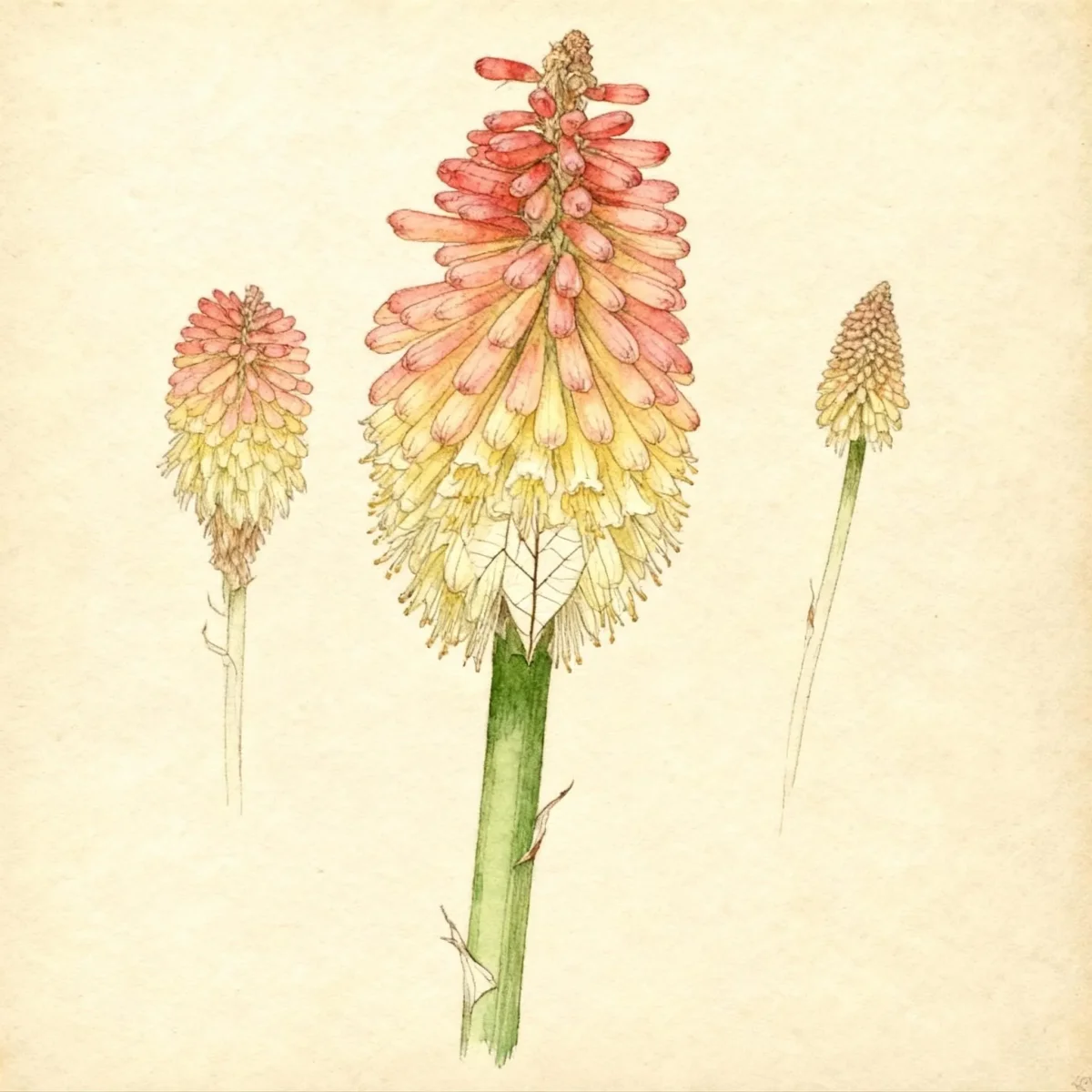
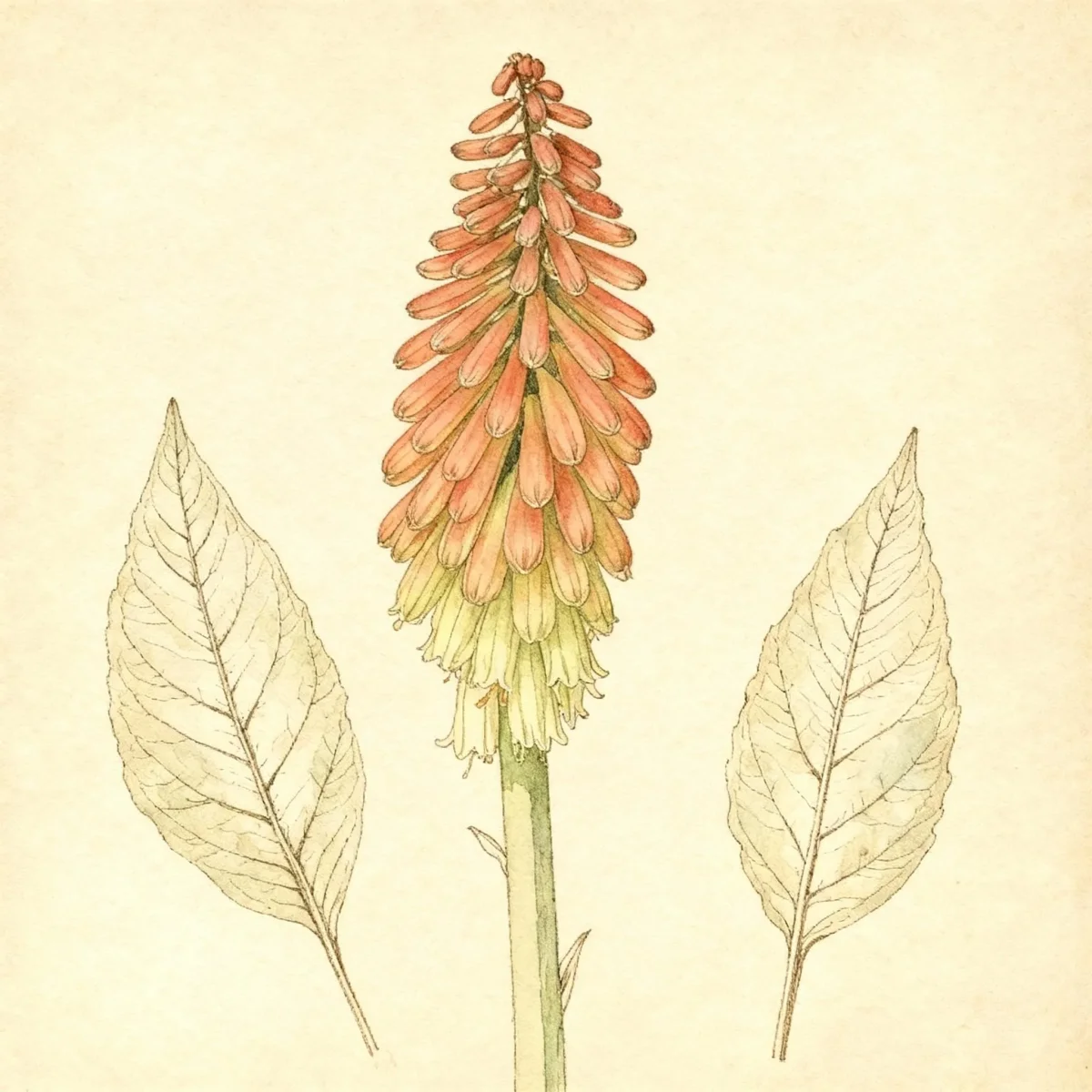
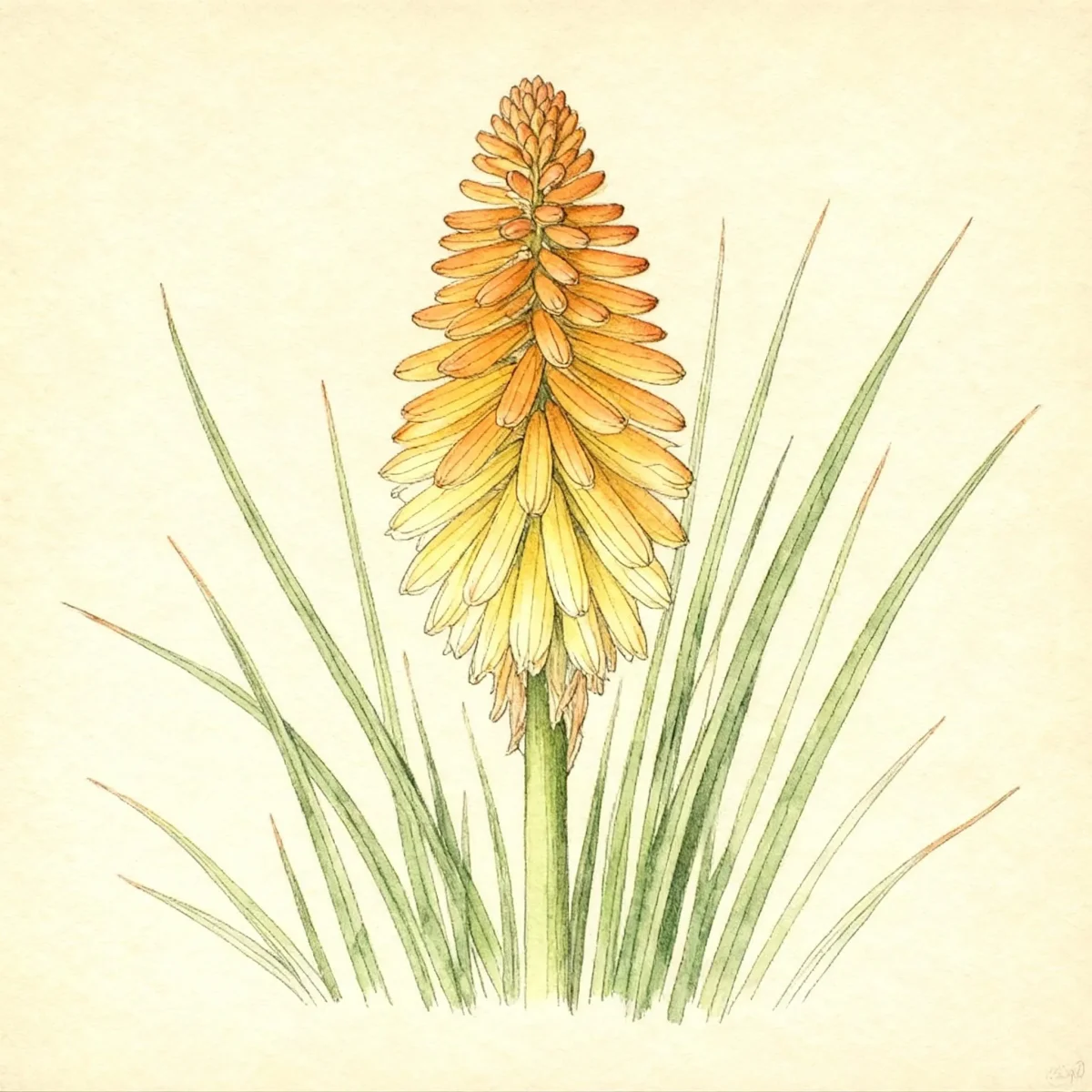
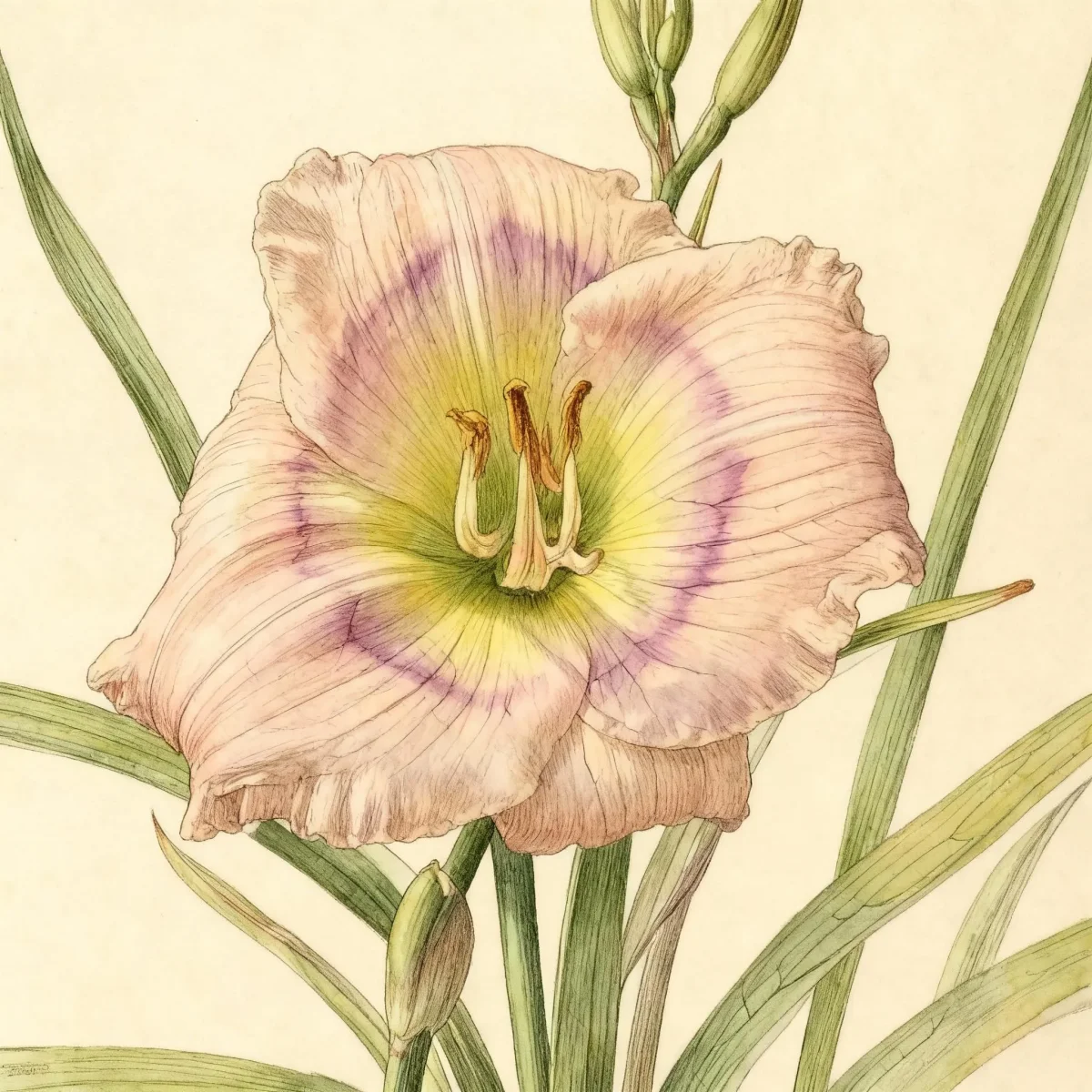
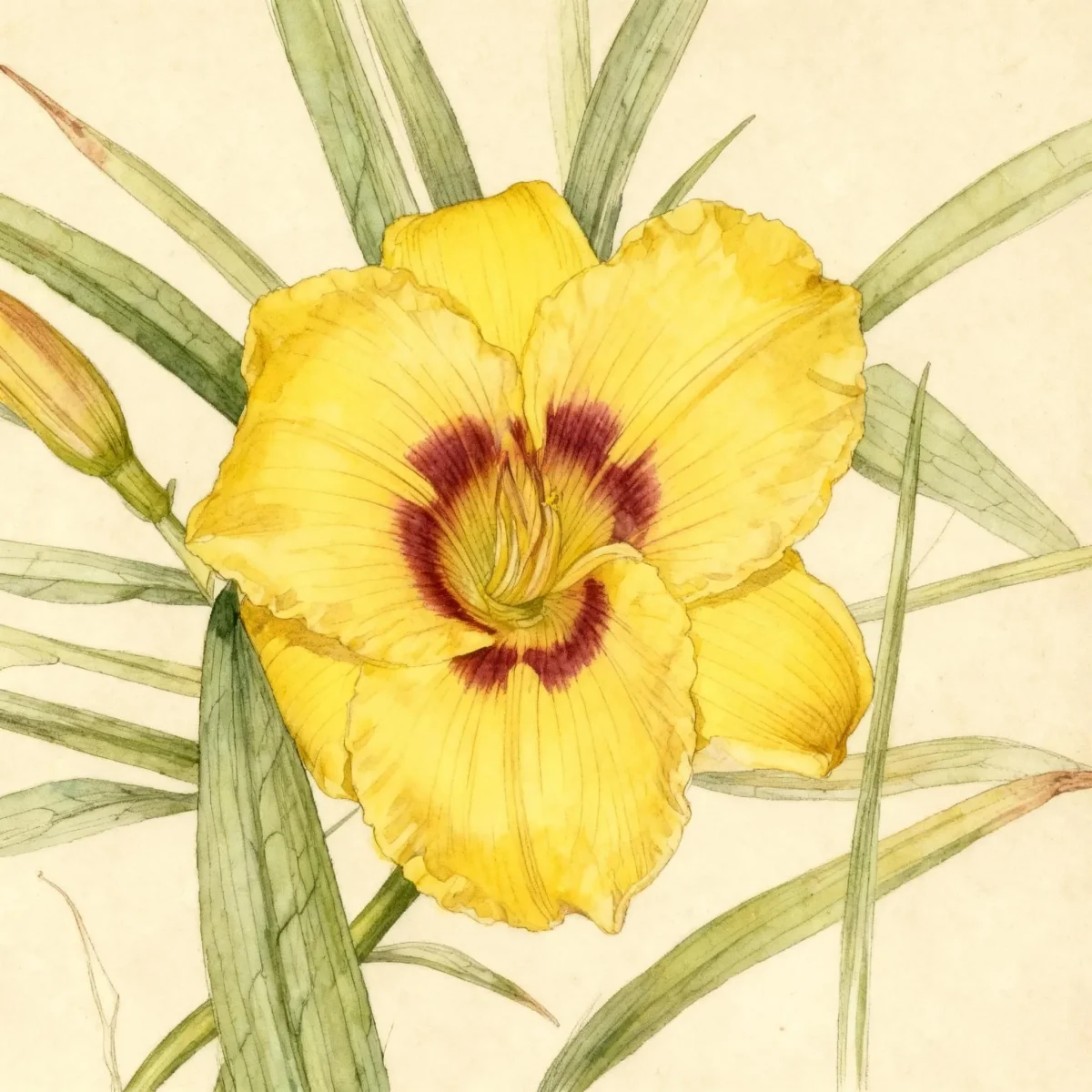
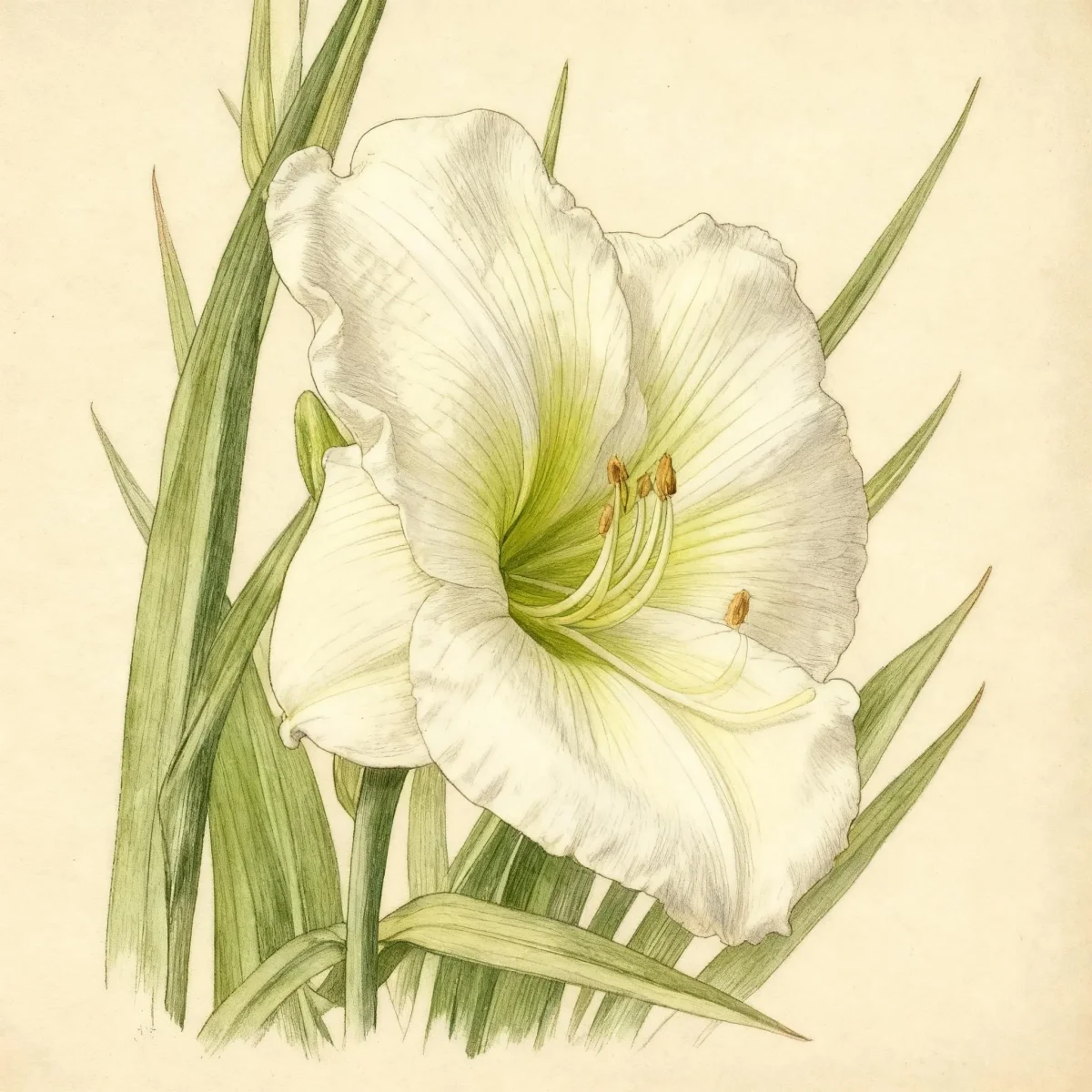
White-flowered asphodel (Asphodelus albus)
Asphodelus albus, the White-flowered asphodel, is a striking herbaceous perennial with sculptural blue-green foliage and spring blooms in USDA Zones 6-8.
Scroll down to discover growing tips, care requirements, companion plants, and more
Complete Plant Information
Overview
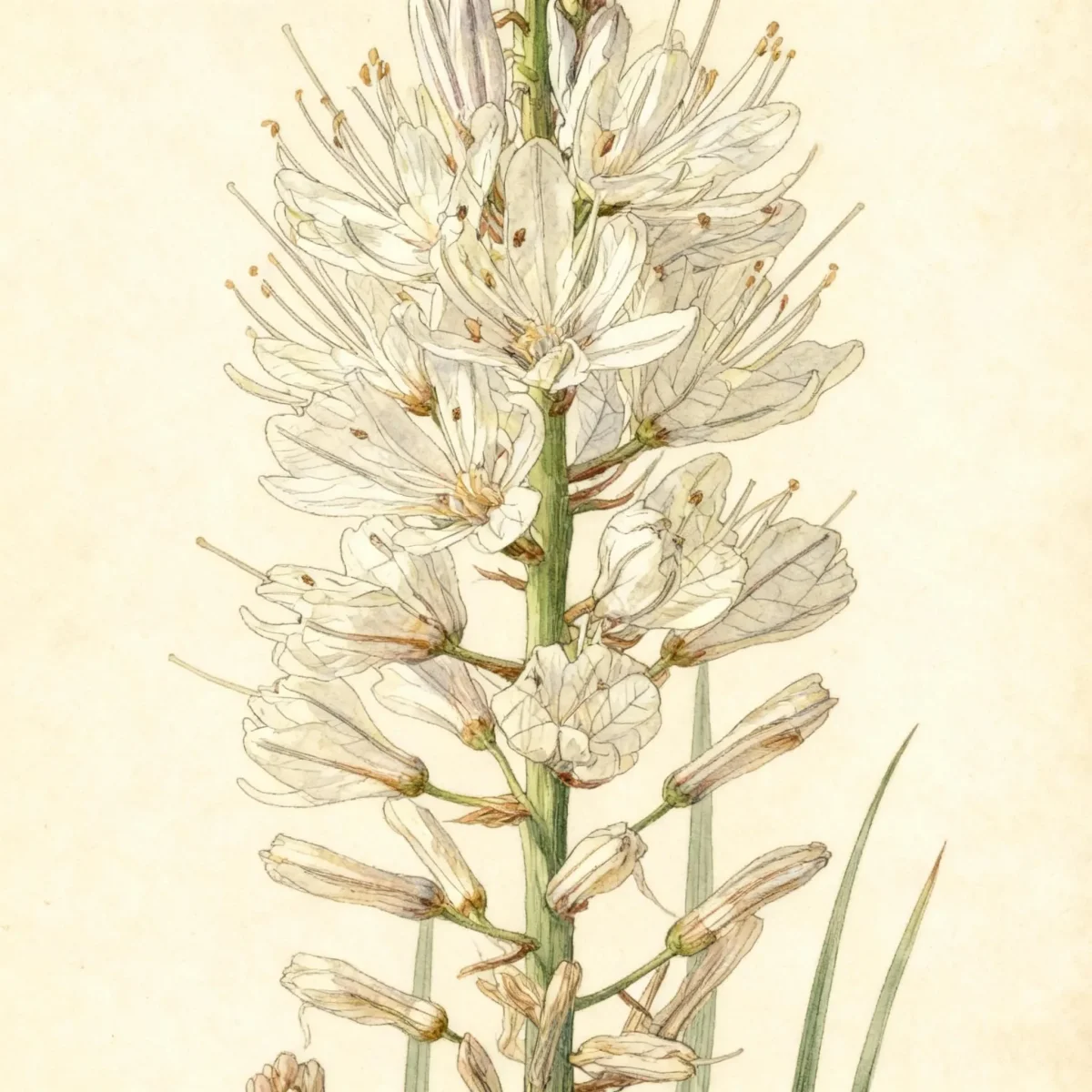
The White-flowered asphodel, Asphodelus albus, brings architectural interest and clean white blooms to the spring garden. This herbaceous perennial is valued for its distinctive basal clump of blue-green, grass-like foliage that emerges early in the season. As Asphodelus albus matures, it sends up tall, leafless stems topped with appealing star-shaped white flowers, providing vertical accents.
Native to the Mediterranean, this species is best suited for climates mirroring its origins, thriving in well-drained soils. While it commands attention during its April to June bloom period, gardeners should note that the foliage of Asphodelus albus often goes dormant, or deciduous, during the heat of the summer. This cycle makes planning companion plants essential for continuous garden interest.
For gardeners in suitable zones, the White-flowered asphodel provides reliable structure and bright spring color without demanding excessive attention once established. Its tolerance for drier conditions further enhances its practical appeal in sunny borders where supplemental watering might be inconsistent.
Fast Facts
- Plant Family: Asphodelaceae
- Plant Type: Herbaceous perennial
- Native Range: France, Italy, Spain
- Hardiness Zones: USDA Zones 6-8
- Size at Maturity:
- Height: 2-4 ft
- Spread: 1.5-2.5 ft
- Bloom Time: April to June
- Bloom Description: White
- Sun Exposure: Full sun to part shade
- Water Needs: Medium
- Maintenance Level: Medium
How to Grow
Asphodelus albus prefers to be planted in the early spring or fall in a location that receives full sun, though it will successfully tolerate light afternoon shade. The most crucial factor for success with the White-flowered asphodel is soil preparation; ensure the growing medium is light, humusy, and features excellent drainage. It struggles in heavy, waterlogged conditions, particularly when summers are hot and humid.
Once established, this Mediterranean native exhibits good drought tolerance, a survival trait from its native environment. Water regularly during the initial establishment period until the root system develops, but scale back watering significantly once it is mature, allowing the soil to dry between irrigations. Fertilizer requirements are minimal; rich soils are not necessary, and over-fertilizing can lead to weak, floppy growth.
A key cultural requirement is understanding its summer dormancy. As the weather warms significantly post-bloom (late June/July), the above-ground foliage naturally fades away. Do not mistake this dormancy for plant death; avoid excessive summer watering in that area. Plan your planting scheme so that mid-to-late summer bloomers can fill the gap left by the fading basal clump of the Asphodelus albus.
Landscape Uses
The stately, upright form of the White-flowered asphodel makes it an excellent structural element in sunny borders. Plant it toward the middle or back of a mixed perennial border where its height (2-4 ft) can be appreciated without overshadowing lower-growing companions. It pairs beautifully with plants that appreciate similar gritty, well-drained soil conditions.
For foundations, Asphodelus albus provides strong vertical punctuation when placed near the corner of a structure. Consider pairing it with late-spring flowering plants like Iris or Peony, which will bloom concurrently, and groundcovers like creeping Thyme or Sedum, which can help shade the soil and mask the foliage just as it begins to decline later in the season. Its formal structure contrasts nicely with plants that have softer textures.
Standout Features
Flower Qualities
- Showy
Noteworthy Characteristics
Asphodelus albus, commonly known as white-flowered asphodel, is an herbaceous perennial which typically grows to 2-4’ tall with a spread to 2 1/2’ wide. It is native to the Mediterranean region from Spain to the Balkans and in northern Africa (primarily Libia). Glaucous, linear, flat-but-keeled, somewhat fleshy, grass-like, blue green leaves (to 30” long and 7/8” wide) rise up from fleshy thickened roots to form a basal clump of foliage. Leafless flowering stems bear racemes of star-shaped, hermaphroditic, funnel-shaped, pink-veined white flowers (each flower to 1 5/8” diameter with 6 elongated petals/tepals) which bloom in mid to late spring (April - June). Flowers are followed by egg-shaped, yellow-green seed capsules (3/8” long).Genus name comes from the Greek name for the true asphodel, Asphodelus ramosus and allied species.Specific epithet from Latin means white in reference to flower color.In Greek mythology, the asphodel flower (species decisions were not made in those days) was associated with mourning, the underworld and death. The souls of most deceased people went to Asphodel Fields which was the resting place for the mass of ordinary individuals who lived average lives. Asphodel was once believed to be a favorite food of the dead. In a more modern vein, Professor Snape informs Harry Potter in Harry Potter and the Philosopher’s Stone that powered root of asphodel is an ingredient in a sleeping potion known as the Draught of Living Death.
Tolerances
- Drought
Potential Problems
Gardeners should find that Asphodelus albus generally presents no significant insect or disease problems under ideal cultivation. Its structure and fleshy roots make it relatively robust against common pests. The primary pitfall is cultural: avoid planting in areas where water pools or the soil remains soggy, especially during the summer months, as this can lead to root rot in the Mediterranean native. Ensuring excellent drainage is the best preventative measure.
Frequently Asked Questions
What hardiness zones is White-flowered asphodel suitable for?
The White-flowered asphodel (Asphodelus albus) is reliably hardy in USDA Zones 6 through 8.
How large does Asphodelus albus grow?
This perennial typically reaches a mature height between 2 and 4 feet tall, spreading outwards to occupy a space of 1.5 to 2.5 feet wide.
When does White-flowered asphodel bloom?
Asphodelus albus produces its distinctive white flowers during the mid-to-late spring season, generally between April and June.
What sun exposure does Asphodelus albus need?
This plant performs best when situated in a spot that receives full sun, although it is adaptable enough to handle conditions classified as part shade.
Conclusion
The architectural height and clean white floral display of the White-flowered asphodel make it a sophisticated addition to perennial plantings, especially for those who can accommodate its summer dormancy. Ensure you provide the necessary light and well-drained conditions for your Asphodelus albus to thrive. Before planting, confirm that your garden falls within USDA Zones 6-8 for the best chance of winter survival.
Companion Planting
When planning beds for Asphodelus albus, focus on companions that remain actively green throughout the hot summer months to mask the foliage decline after bloom. Plants with contrasting textures, such as the fine foliage of ornamental grasses or the broader leaves of Hosta (in shadier spots), work well. Consider plants that bloom later in the season, like Salvias or Echinacea, to take over the visual interest once the asphodel has finished.
Design Ideas for Mediterranean Gardens
This species is ideal for Mediterranean or xeriscape garden designs, particularly when grouped in drifts of three or five for greater visual impact. Because it demands sharp drainage, use gravel mulch or incorporate grit into the soil mix when planting near dryland shrubs. Its formal verticality creates an excellent pathway edge or focal point, reminiscent of classic European perennial designs where structure is paramount.