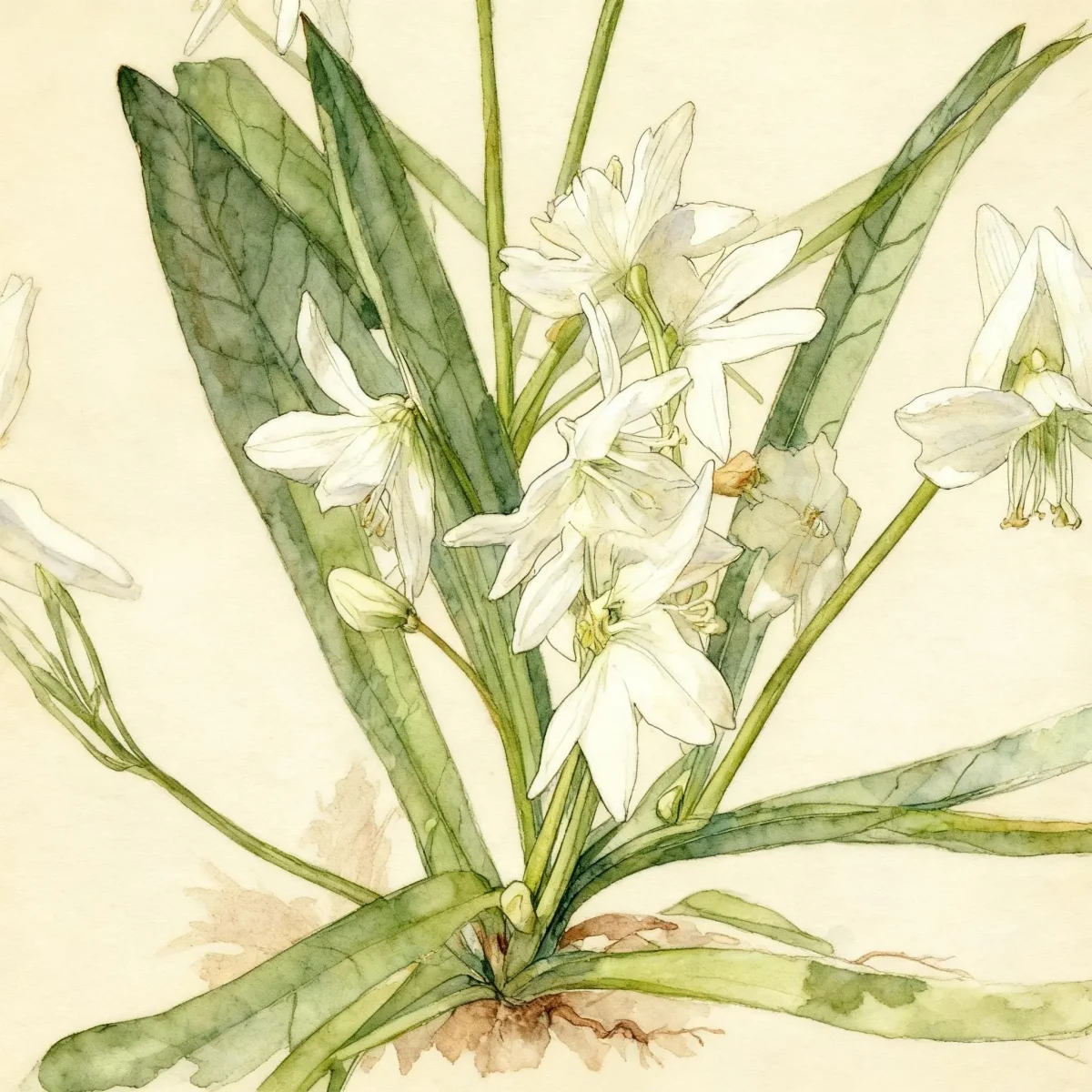
Pineapple lily (Eucomis comosa)
Grow the striking Eucomis comosa, or Pineapple lily, for its unique flower spike and deep green, spotted foliage. Hardy in Zones 7-10.
Scroll down to discover growing tips, care requirements, companion plants, and more
Complete Plant Information
Overview
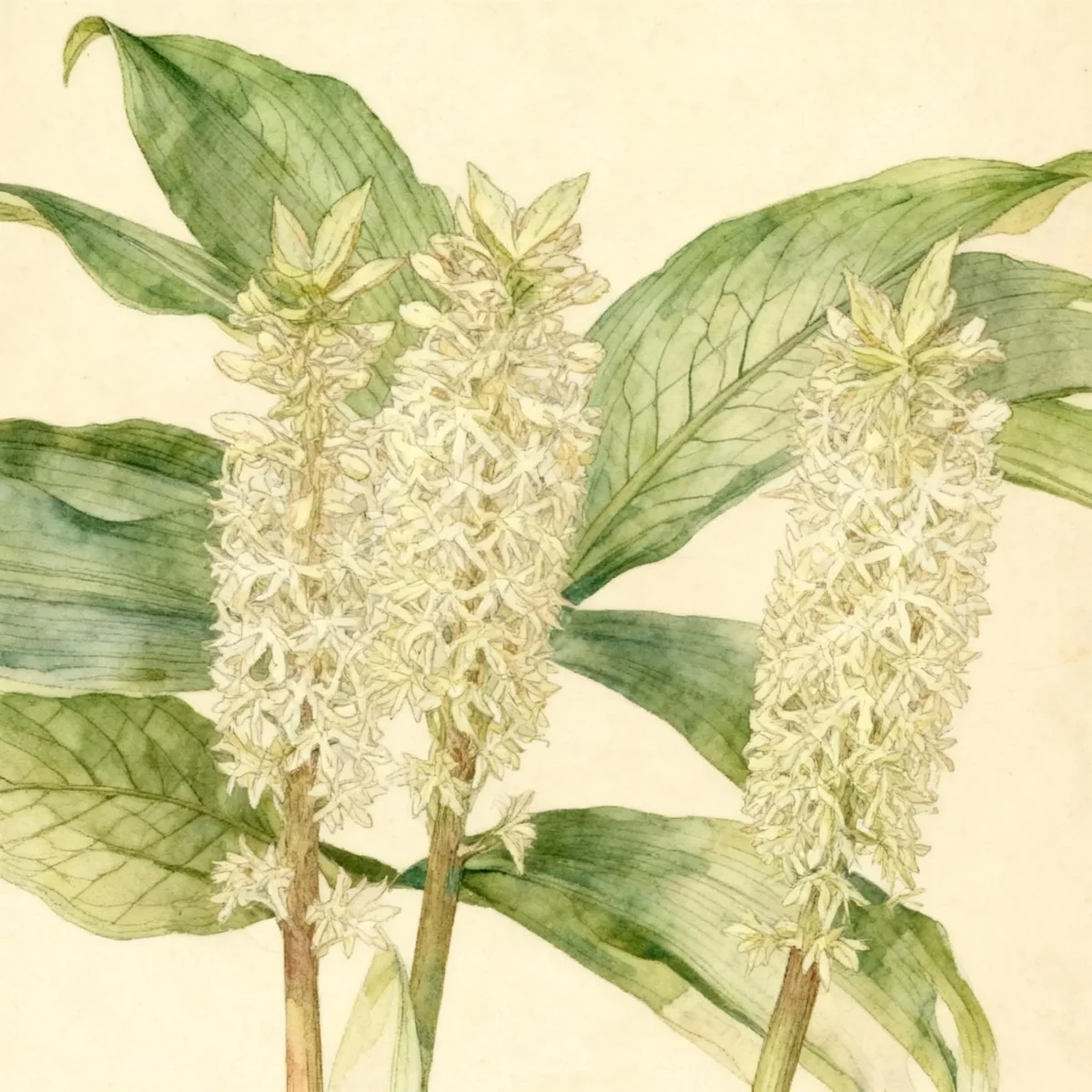
The Pineapple lily (Eucomis comosa) is a truly distinctive bulbous plant, instantly recognizable by its flower spike topped with a crown of leaf-like bracts, strongly suggesting the fruit for which it is named. Native to Southern Africa, this species brings dramatic texture and structure to summer gardens. Gardeners prize Eucomis comosa for its dramatic basal rosette of wavy-edged, often purple-spotted foliage alongside its unique late-season bloom.
Growing to about two feet tall, this Eucomis comosa variety is relatively low maintenance, thriving where given consistent moisture and ample light. Its appearance in mid to late summer, when many other perennials are beginning to fade, provides a vital late-season focal point. The unique structure of the bloom, where small, greenish-white flowers are tinged with purple, lasts for an impressive six to eight weeks.
For gardeners in appropriate zones, the Pineapple lily offers easy summer color and structure. If overwintering is required, its bulbous nature allows for simple lifting and protection indoors. Whether planted in borders or containers, Eucomis comosa provides an exotic, architectural element that is hard to replicate.
Fast Facts
- Plant Family: Asparagaceae
- Plant Type: Bulb
- Native Range: Southern Africa
- Hardiness Zones: USDA Zones 7-10
- Size at Maturity:
- Height: 1.5-2 ft
- Spread: 1.5-2 ft
- Bloom Time: July to August
- Bloom Description: Greenish-white tinged with purple
- Sun Exposure: Full sun to part shade
- Water Needs: Medium
- Maintenance Level: Low
How to Grow
Eucomis comosa flourishes when planted in spring, ensuring the bulb tips are set right at the soil surface, especially when grown in containers. The ideal location provides full sun, which encourages the best flowering and foliage coloration, though some afternoon shade is tolerated. Critically, the soil must be well-drained but kept moist and organically rich throughout the growing season.
Watering needs are medium; avoid letting the soil become waterlogged, as with most bulbs, but ensure consistent moisture, particularly during the peak summer growth and bloom period. Since maintenance is generally low, significant fertilization is usually unnecessary, though a balanced feed applied at planting can support robust growth. There is no specific pruning required outside of removing faded flower stalks if desired, though the persistent purplish seeds add ornamental value.
Winter care dictates success outside of warm microclimates. In areas prone to hard freezes, bulbs must be protected. This can be achieved by growing the Pineapple lily in pots and moving them indoors to a cool, dry location once autumn arrives. Alternatively, those planting bulbs directly in the ground in marginal zones may need to lift the bulbs in the fall after foliage dies back and store them dry indoors until spring planting resumes.
Landscape Uses
The architectural form of Eucomis comosa makes it an excellent candidate for structured plantings, particularly where a bold vertical accent is needed. They perform beautifully when tucked into the protected front areas of mixed borders, where their dramatic leaves and unique blooms can be appreciated up close. Their distinctive outline also pairs well with softer, mounding perennials that contrast their rigid structure.
Container gardening represents one of the best uses for the Pineapple lily, allowing gardeners to easily control soil conditions and ensure winter protection for the bulbs. Group several Eucomis comosa together in a large pot, perhaps with contrasting foliage from dark Heuchera or silvery Artemisia, setting them where they receive maximum visibility. While companion pairing information is limited, conceptually, they suit borders that enjoy rich, moist soil.
Standout Features
Flower Qualities
- Showy
Noteworthy Characteristics
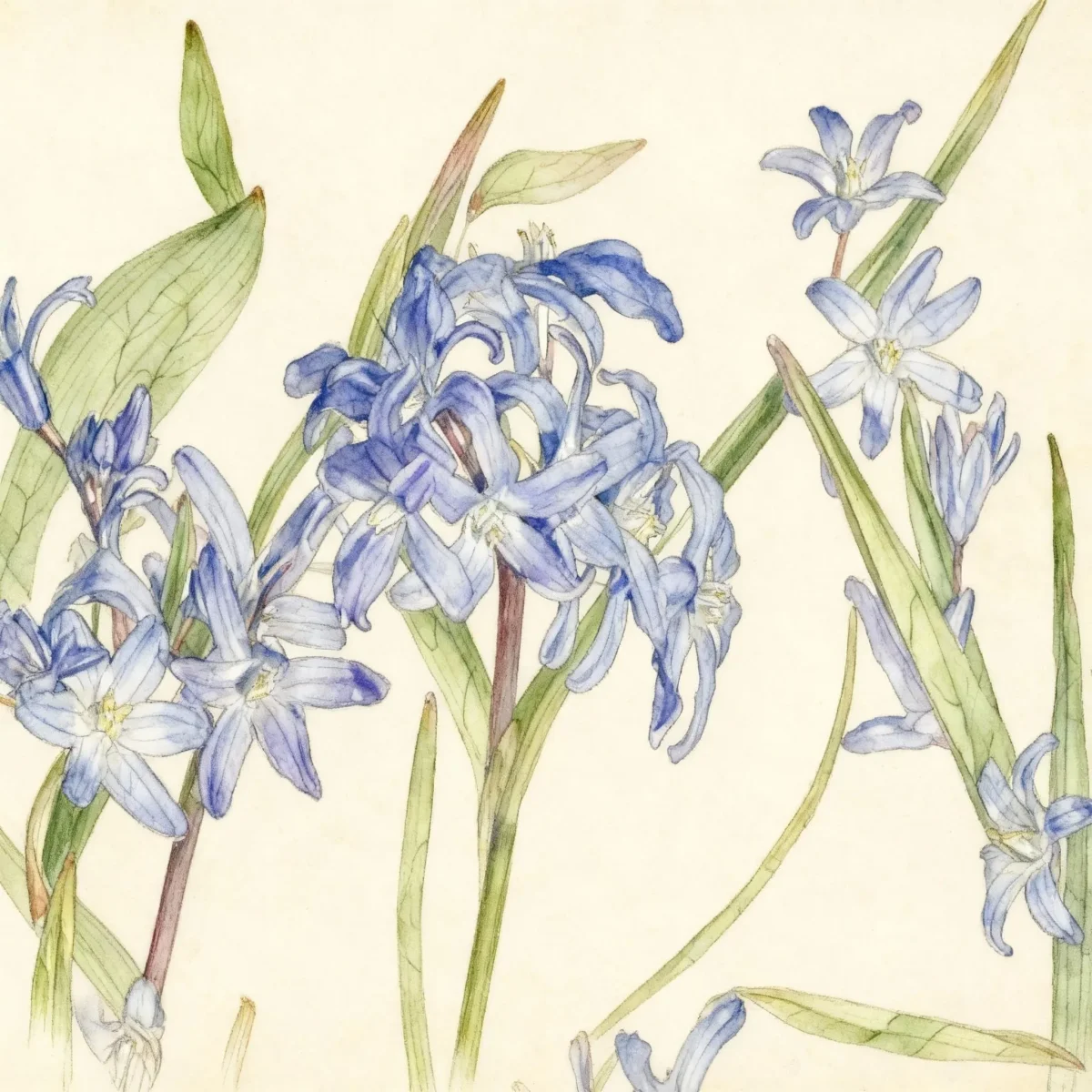
Eucomis comosa, commonly called pineapple lily, is native to South Africa. It features a basal rosette of strap-shaped, linear, wavy-edged, purple-spotted, dark green leaves which spread upward and outward to 24”. From each rosette, a thick, purple-spotted flower stalk rises to 24” tall in mid to late summer bearing masses of tiny, starry, greenish-white flowers typically tinged with shades of purple. The overall flower effect is reminiscent of a pineapple fruit, hence the common name, concluding with a distinctive tuft of bracts at the apex.
Tolerances
- No serious insect or disease problems.
Potential Problems
The primary concern when cultivating Eucomis comosa is winter hardiness, especially in cooler climates where the bulbs are not natively suited to remain in the ground year-round. In areas like the St. Louis region, leaving the bulbs unprotected frequently results in failure to return. Gardeners must commit to either overwintering containers indoors or carefully lifting and storing dormant bulbs in a dry, cool medium like peat.
No serious insect or disease pressures are typically reported for the Pineapple lily during the active growing season provided cultural requirements, especially drainage, are met. Avoiding overly wet soil during dormancy is key to ensuring bulbs remain healthy for the following spring planting.
Frequently Asked Questions
What hardiness zones is Pineapple lily suitable for?
Eucomis comosa is reliably hardy when planted in the ground in USDA Zones 7 through 10.
How large does Eucomis comosa grow?
This bulb typically reaches a height between 1.5 and 2 feet, with a similar spread of 1.5 to 2 feet across its basal leaf rosette.
When does Pineapple lily bloom?
The bloom time for Eucomis comosa is generally from July through August, featuring unique greenish-white flowers that are tinged with purple.
What sun exposure does Eucomis comosa need?
This plant prefers full sun for the best performance but is tolerant of partial shade conditions.
Conclusion
The Eucomis comosa provides exceptional architectural interest and late-season bloom, making the effort of overwintering well worth the result. Its easy-to-care-for nature and striking foliage ensure the Pineapple lily remains a conversation starter in any garden setting. Before planting, always verify your local hardiness zone and plan appropriate winter protection measures for this exotic bulb.
Companion Planting
Selecting appropriate neighbors for Eucomis comosa is key to emphasizing its unique form. Since the Pineapple lily requires moist, organically rich, well-drained soil, pair it with other summer bloomers sharing similar needs, such as robust Cannas or Elephant Ears (Colocasia). For contrasting foliage texture, consider planting it near fine-textured grasses or silvery artemisias, which allow the bold, broad leaves of the Eucomis comosa to stand out.
Container Growing
Growing Eucomis comosa in containers offers maximum flexibility. Use a large pot with excellent drainage holes, filling it with a quality potting mix amended for richness. Plant the bulbs shallowly, with the tip just touching the soil surface, ensuring they are positioned to showcase the emerging flower stalk. Containers allow easy relocation—move them into full sun during the summer heat and bring them promptly indoors to a cool basement or garage when the first hard frosts threaten the foliage.