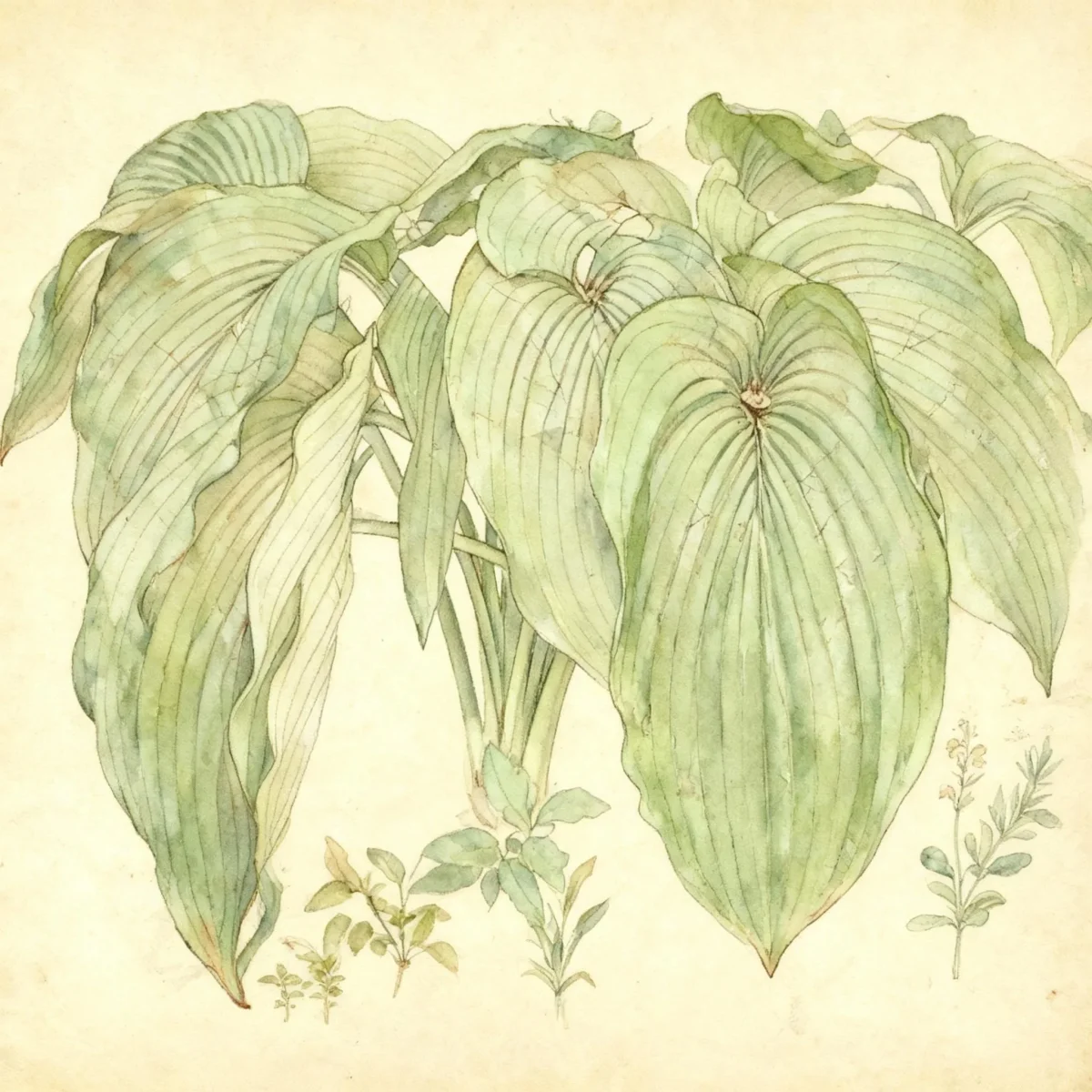
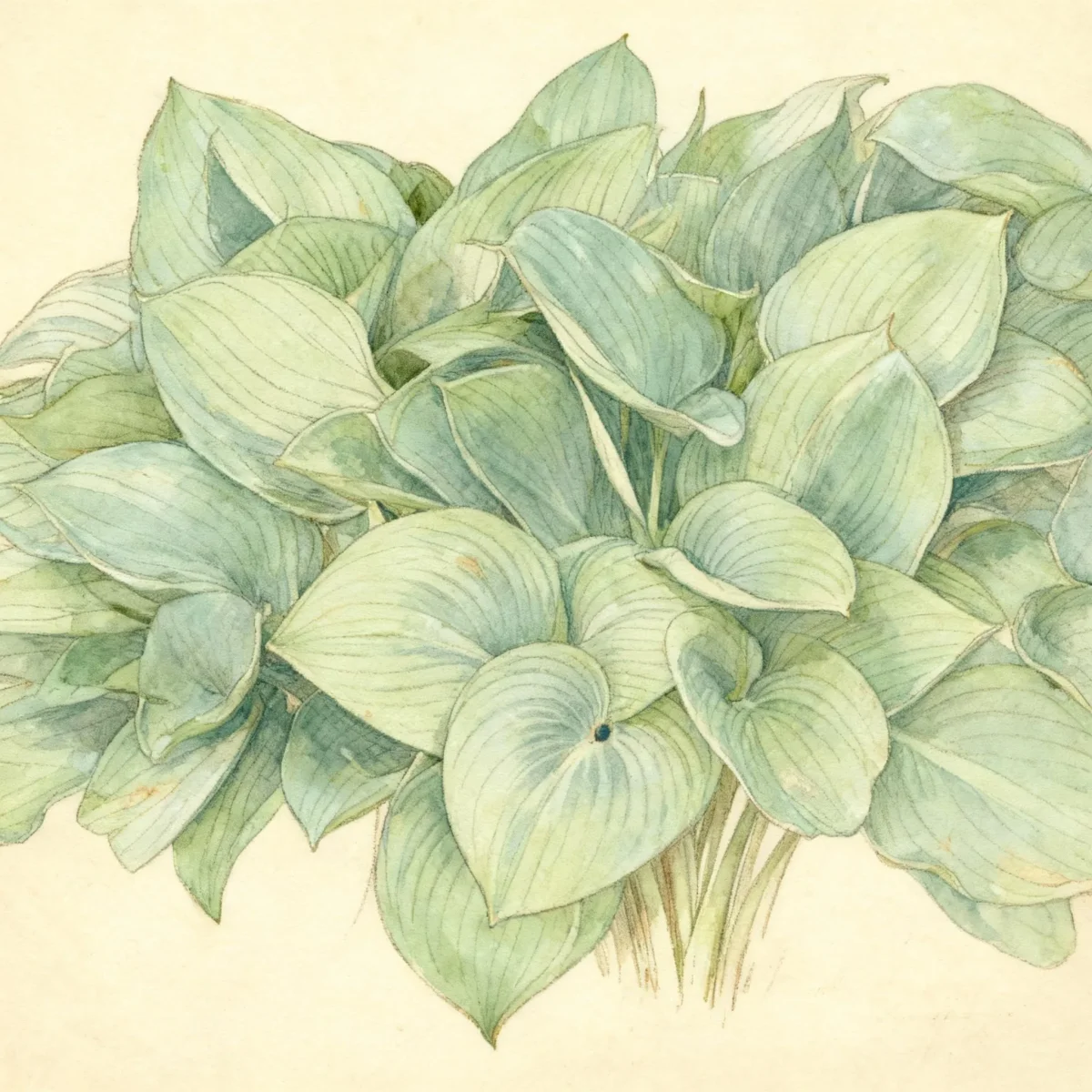
Hosta (Hosta plantaginea)
Discover Hosta plantaginea, the August Lily, prized for its glossy leaves and large, intensely fragrant white flowers, ideal for deep shade gardens.
Scroll down to discover growing tips, care requirements, companion plants, and more
Complete Plant Information
Overview
Hosta plantaginea, often referred to as the August lily, stands out in the shade garden due to its unique combination of bright, glossy foliage and prolific, stunningly fragrant white blooms late in the season. This dependable herbaceous perennial brings reliable structure and perfume to areas often lacking in vibrant late-summer color. Its beauty lies not just in its appearance but in its resilience, making it a low-maintenance staple for gardeners.
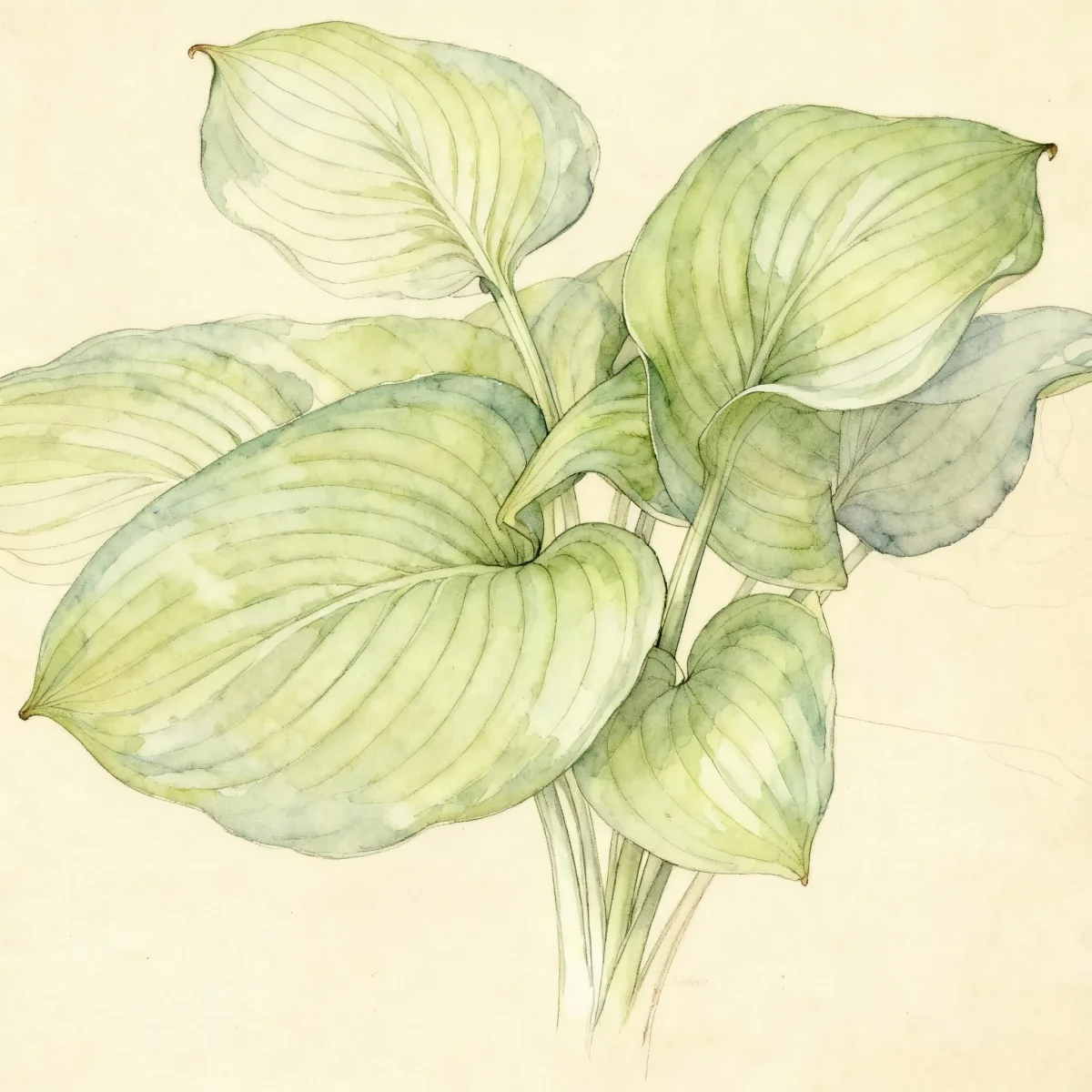
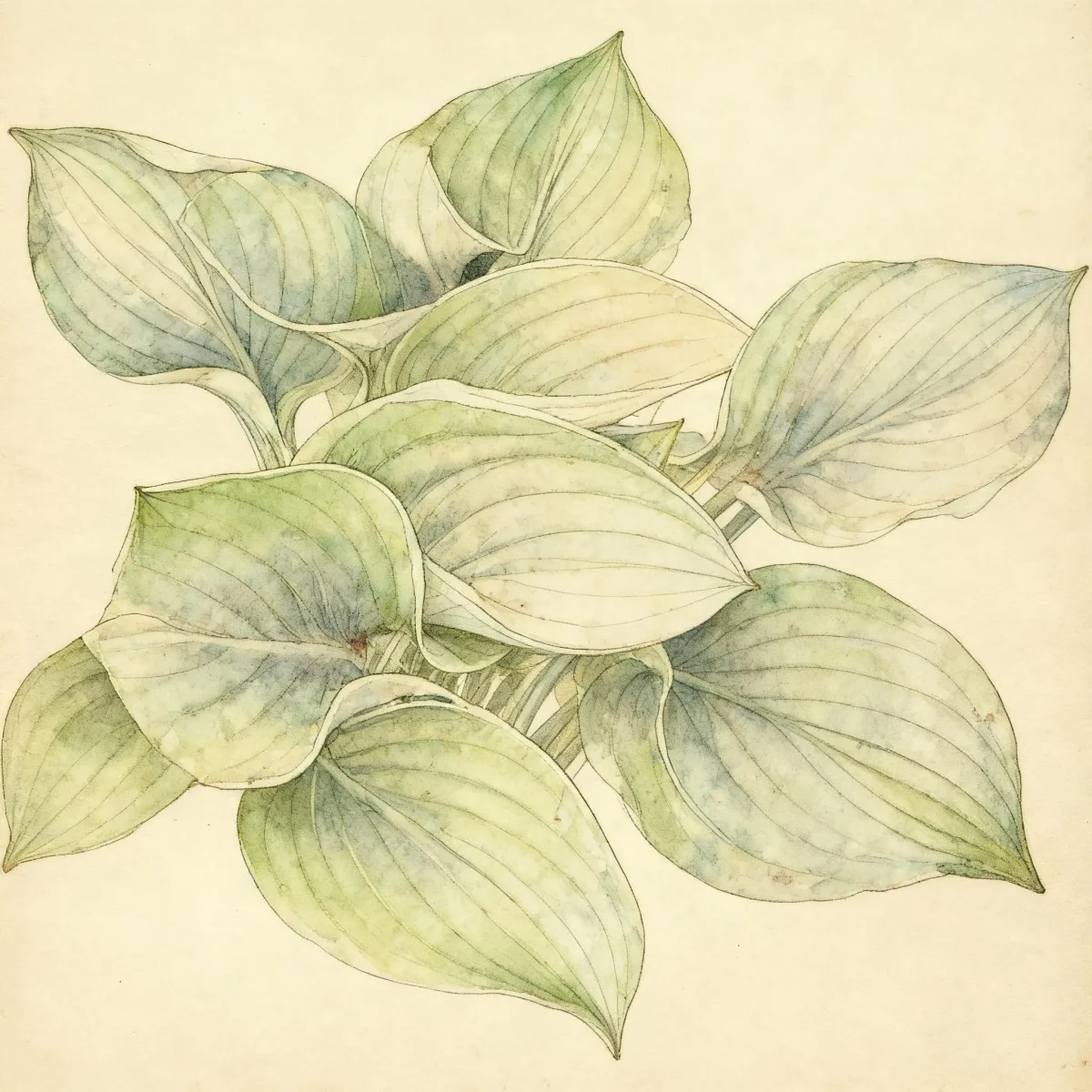
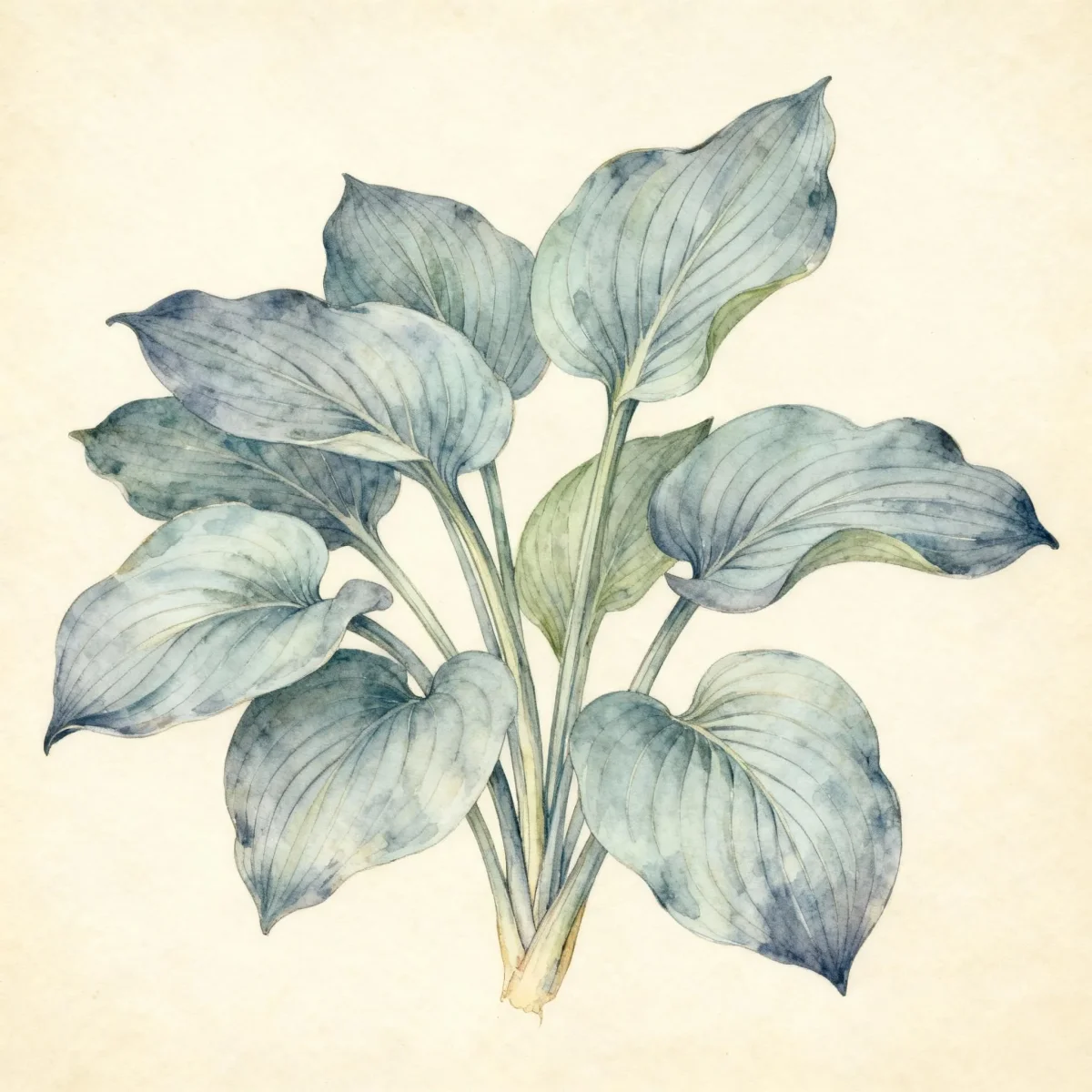
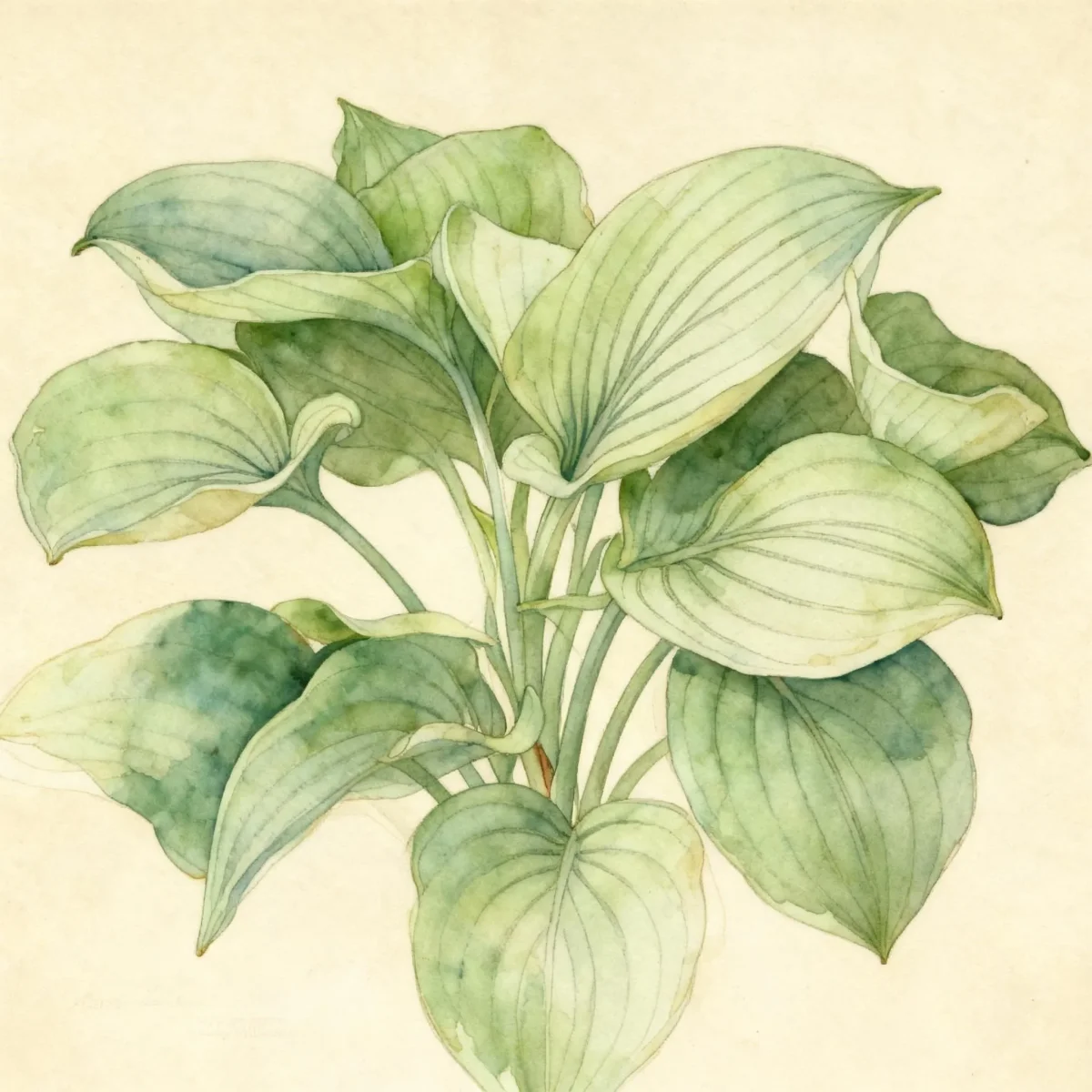
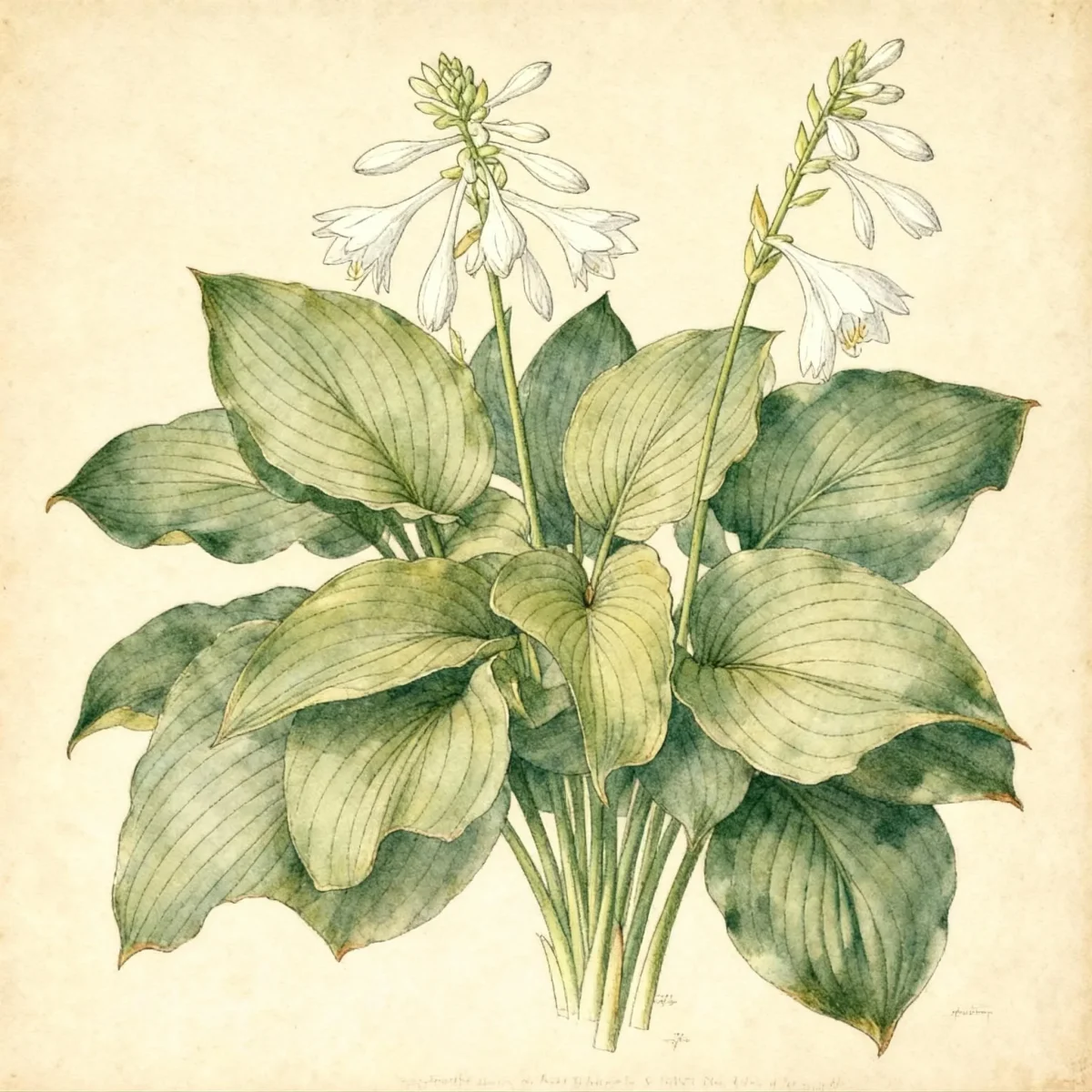
The foliage of this specific Hosta species features bright, nearly round, heart-shaped leaves with a light yellowish-green hue. While admired for its leaves, the main spectacle occurs in late summer when it sends up tall scapes bearing large, waxy, trumpet-shaped flowers, which are heavily scented. This fragrance is a major differentiating characteristic compared to many other Hosta cultivars.
As a versatile perennial, Hosta plantaginea effectively crowds out garden weeds with its dense growth habit. Originating in China, this Hosta variety thrives in average moisture conditions, rewarding gardeners who provide rich, well-drained soil with minimal effort, cementing its status as a garden mainstay.
Fast Facts
- Plant Family: Asparagaceae
- Plant Type: Herbaceous perennial
- Native Range: China
- Hardiness Zones: USDA Zones 3-9
- Size at Maturity:
- Height: 1-1.5 ft
- Spread: 1.5-2 ft
- Bloom Time: August to September
- Bloom Description: White
- Sun Exposure: Part shade to full shade
- Water Needs: Medium
- Maintenance Level: Low
How to Grow
This Hosta variety thrives when planted in average, medium moisture, well-drained soils. While tolerant of a wide range of soil conditions, Hosta plantaginea performs best when the soil is rich and improved with organic matter, maximizing its vigor throughout the growing season. Plant during spring or autumn, allowing the roots time to establish before summer heat or winter dormancy.
Consistent moisture is crucial for healthy growth; ensure plants receive water throughout the growing season, especially during dry spells. Applying water directly to the soil beneath the leaves helps prevent foliar diseases. Maintenance is generally low, but gardeners should divide clumps as needed; division is easiest to perform in early spring just before the new leaves fully unfurl.
As a shade-loving perennial, ensure Hosta plantaginea receives adequate protection from harsh mid-day sun. Its dense foliage helps suppress weeds, contributing to its low-maintenance nature. Prepare for the late bloom period by monitoring soil moisture as the temperatures turn cooler into late summer.
Landscape Uses
Hosta plantaginea is a cornerstone plant for nearly any shaded landscape design owing to its dual appeal of attractive foliage and fragrant, showy flowers. It excels as a mainstay within established woodland gardens or mixed perennial borders where it can mingle with ferns, bleeding hearts, and astilbes that share similar light and moisture needs.
For covering larger, difficult-to-plant areas under mature trees or deep overhangs, massing this Hosta variety creates a uniform drift of texture and brightens dusky corners. Due to its upright, somewhat spreading habit, it can also serve effectively as a specimen plant, allowing its unique, large white blooms to be appreciated up close during its August to September blooming period.
Standout Features
Flower Qualities
- Showy
- Fragrant
- Good Cut
Noteworthy Characteristics
Hosta plantaginea is highly distinguishable by its erect, spreading habit, featuring bright glossy, heart-shaped, light yellowish-green leaves. The defining feature is its very large (3-5” long), waxy, trumpet-shaped, white flowers which are heavily fragrant and appear on scapes up to 30 inches tall. This dependable perennial is valued equally for its beautiful foliage and its superior late-season floral display, often called the August lily because of this reliable bloom time.
Tolerances
- Heavy Shade
- Black Walnut
Potential Problems
While Hosta plantaginea is celebrated for being virtually disease and pest-free, gardeners must remain vigilant against key invaders. Slugs and snails are the most serious culprits, often leaving ragged holes in the attractive foliage. To manage them, employ slug baits, beer traps, or physical barriers early in the season.
Lesser issues can include leaf spot and crown rot, both frequently linked to overly wet or poorly draining soil conditions, particularly during humid weather. Ensuring appropriate air circulation and avoiding overhead watering are good preventative measures against fungal issues. Overall, its low maintenance profile makes dealing with these few potential pests worthwhile for enjoying this exceptional Hosta.
Frequently Asked Questions
What hardiness zones is Hosta suitable for?
This Hosta plantaginea variety is hardy and thrives across USDA Zones 3 through 9.
How large does Hosta plantaginea grow?
This medium Hosta generally reaches a mature height between 1 and 1.5 feet tall, spreading out to a width of 1.5 to 2 feet.
What sun exposure does Hosta need?
Hosta plantaginea prefers part shade conditions but is notably tolerant, succeeding well even in full shade.
When does Hosta bloom?
This species is often called the August lily because its large, fragrant white flowers appear reliably from August into September.
Conclusion
Hosta plantaginea offers gardeners a wonderful combination of low maintenance requirements, weed-suppressing dense foliage, and intensely fragrant white flowers that peak in late summer. For anyone seeking to enhance a dark corner of the yard, this fragrant Hosta is an excellent, versatile choice. Before planting, confirm your local growing conditions match the USDA Zone 3-9 range and plan your site preparation focusing on rich, well-drained soil.
Companion Planting in the Shade
When designing a border featuring Hosta plantaginea, consider pairing it with plants that complement its structure without competing aggressively for moisture. Ferns are excellent companions, providing airy texture contrast against the broad leaves of the Hosta. Brunnera macrophylla (Siberian Bugloss) offers early spring blue flowers and attractive silver-splashed foliage that carries the eye through the season until the Hosta blooms.
For a woodland effect, pair this shade-loving perennial with woodland wildflowers like Dicentra (Bleeding Heart) or woodland phlox. These companions generally share the preference for rich, moist soil, ensuring that your cultural practices serve all the plants equally well. The bright green leaves of Hosta plantaginea harmonize well against darker greens and deep purples found in many shade perennials.
Seasonal Care Calendar
Springtime is the ideal moment for dividing mature Hosta clumps and incorporating fresh compost around the base of existing plants. As the summer progresses, consistent monitoring of soil moisture is the most critical task, especially if growing in containers or near tree roots that compete for water. Once blooms appear in August, take the time to appreciate the strong fragrance of Hosta plantaginea, noting that the flowers are excellent for cutting.
In the late autumn, after the foliage has died back, lightly clean up any spent leaf matter, although leaving some organic mulch can help insulate the crowns over winter in colder zones. Winter preparation is generally minimal for Hosta in zones 3-9, as the plants are extremely tough, requiring no special protection beyond standard winter soil insulation.